Hitachi Vantara and Rainforest Connection Analyze Tree Top Eco-Acoustic Data to Predict and Prevent Illegal Logging

SANTA CLARA and SAN FRANCISCO Calif., Dec. 17, 2020 /PRNewswire/ — Hitachi Vantara, the digital infrastructure and solutions subsidiary of Hitachi, Ltd. (TSE: 6501), and <a target="_blank"…

SANTA CLARA and SAN FRANCISCO Calif., Dec. 17, 2020 /PRNewswire/ — Hitachi Vantara, the digital infrastructure and solutions subsidiary of Hitachi, Ltd. (TSE: 6501), and Rainforest Connection, the non-profit that uses real-time data to enable partners to stop deforestation and poaching, have developed a unique solution that uses eco-acoustic data to predict illegal logging in the world’s rainforests.

Every two seconds[1], an area of rainforest the size of a football field is destroyed, causing the extinction of hundreds of animal and plant species every year, contributing to droughts, and threatening indigenous reserves across multiple continents. Deforestation accounts for 10%[2] of all worldwide carbon emissions, making it a massive contributor to global warming, with up to 90%[3] of deforestation attributed to illegal logging.

Rainforest Connection builds devices called ‘Guardians’ that are installed high in the rainforest canopy to collect acoustic data from the rainforest. The company detects chainsaw events in real-time and sends rangers an audio file to review, verify and reference to arrange to go on site. This entire process can take up to 14 days and in some cases trees are lost by the time rangers arrive.

Hitachi Vantara has created a new solution to help predict illegal rainforest activity and shorten rangers’ time to site. Using the company’s Lumada data analytics technology, Hitachi Vantara built algorithms that create a baseline of rainforest sounds. This bio-acoustic signature then simplifies and accelerates the process of identifying acoustic anomalies. For example, before starting a chainsaw, loggers will typically scout appropriate locations in advance. Their presence causes a change in species’ acoustic signatures and signals a disruption to the environment. Hitachi Vantara’s solution detects these advance warnings and alerts rangers in real-time. Rangers use this technology get up to five days lead time to arrive on site. This head start gives rangers valuable time to pre-position themselves and prevent even more deforestation than they can today.

With both companies sharing common ideals of social responsibility to the environment, Hitachi Vantara and Rainforest Connection established a partnership in 2019. At Hitachi’s conference, NEXT 2019, Hitachi Vantara announced the partnership and donated $250,000 in cash and in-kind services to Rainforest Connection to support its mission. Hitachi Vantara and Rainforest Connection have since worked together to co-create and design the bio-acoustic solution. The solution is now live in Sumatra, where over 70% of all deforestation is illegal[4]. The solution is scheduled to rollout to the entire network of Rainforest Connection guardians, located in over 11 countries, in 2021.

«The projects with Hitachi Vantara are game-changing for Rainforest Connection,» said Topher White, CEO, Rainforest Connection. «We’ll be able to scale up our operations and provide rangers with greater certainty around when logging events are likely to happen.»

«The rainforest of Sumatra and Silicon Valley may be separated by thousands of miles, but data is the bridge between us, and has to be the foundation for solving some of our planet’s biggest challenges,» said Gajen Kandiah, Chief Executive Officer, Hitachi Vantara. «At Hitachi, we believe in the power of data to benefit both business and society. We are immensely proud to partner with Rainforest Connection to make a meaningful difference in the fight against climate change.»

1 https://www.wwf.org.uk/learn/effects-of/deforestation 
2 https://www.rainforest-alliance.org/articles/relationship-between-deforestation-climate-change 
3 https://wwf.panda.org/discover/our_focus/forests_practice/deforestation_causes2/illegal_logging/?
4
 https://archive.is/20130414200511/http://www.foei.org/en/resources/publications/miscellaneous/clashes/indonesiatrees.html 

Resources

Connect with Hitachi Vantara

About Rainforest Connection
Rainforest Connection (RFCx) has created the world’s first scalable, real-time monitoring system for protecting and studying remote ecosystems. Unlike visual based tracking systems (such as drones or satellites), the RFCx approach relies on acoustic sensors (RFCx Guardians) that will monitor the ecosystem soundscape at selected locations 365 days a year. With over six years of experience operating in rainforests around the world, RFCx technology acts as a force multiplier which does much of the monitoring and analysis work for a fraction of the cost. RFCx technology is advancing through a comprehensive biodiversity monitoring program that allows the local partners to measure progress of wildlife restoration and recovery through principles of adaptive management. The audio recordings being collected from online RFCx Guardiandetect and analyze everything from illegal activities to primates, birds, frogs, insects, bats, and countless other groups of organisms. Acoustic data is extremely rich in information about the makeup of an ecosystem. The RFCx monitoring platform has the capacity to create CNN models for analysis.

About Hitachi Vantara
Hitachi Vantara, a wholly-owned subsidiary of Hitachi, Ltd., guides our customers from what’s now to what’s next by solving their digital challenges. Working alongside each customer, we apply our unmatched industrial and digital capabilities to their data and applications to benefit both business and society. More than 80% of the Fortune 100 trust Hitachi Vantara to help them develop new revenue streams, unlock competitive advantages, lower costs, enhance customer experiences, and deliver social and environmental value. Visit us at www.hitachivantara.com.

About Hitachi, Ltd.
Hitachi, Ltd. (TSE: 6501), headquartered in Tokyo, Japan, is focused on its Social Innovation Business that combines information technology (IT), operational technology (OT) and products. The company’s consolidated revenues for fiscal year 2019 (ended March 31, 2020) totaled 8,767.2 billion yen ($80.4 billion), and it employed approximately 301,000 people worldwide. Hitachi drives digital innovation across five sectors – Mobility, Smart Life, Industry, Energy and IT – through Lumada, Hitachi’s advanced digital solutions, services, and technologies for turning data into insights to drive digital innovation. Its purpose is to deliver solutions that increase social, environmental and economic value for its customers. For more information on Hitachi, please visit the company’s website at https://www.hitachi.com.

HITACHI is a trademark or registered trademark of Hitachi, Ltd. All other trademarks, service marks, and company names are properties of their respective owners.

Cision View original content to download multimedia:http://www.prnewswire.com/news-releases/hitachi-vantara-and-rainforest-connection-analyze-tree-top-eco-acoustic-data-to-predict-and-prevent-illegal-logging-301195022.html

SOURCE Hitachi Vantara Corporation

Mobility Unlimited Challenge Winner Receives $1M for Ultra-lightweight Intelligent Wheelchair

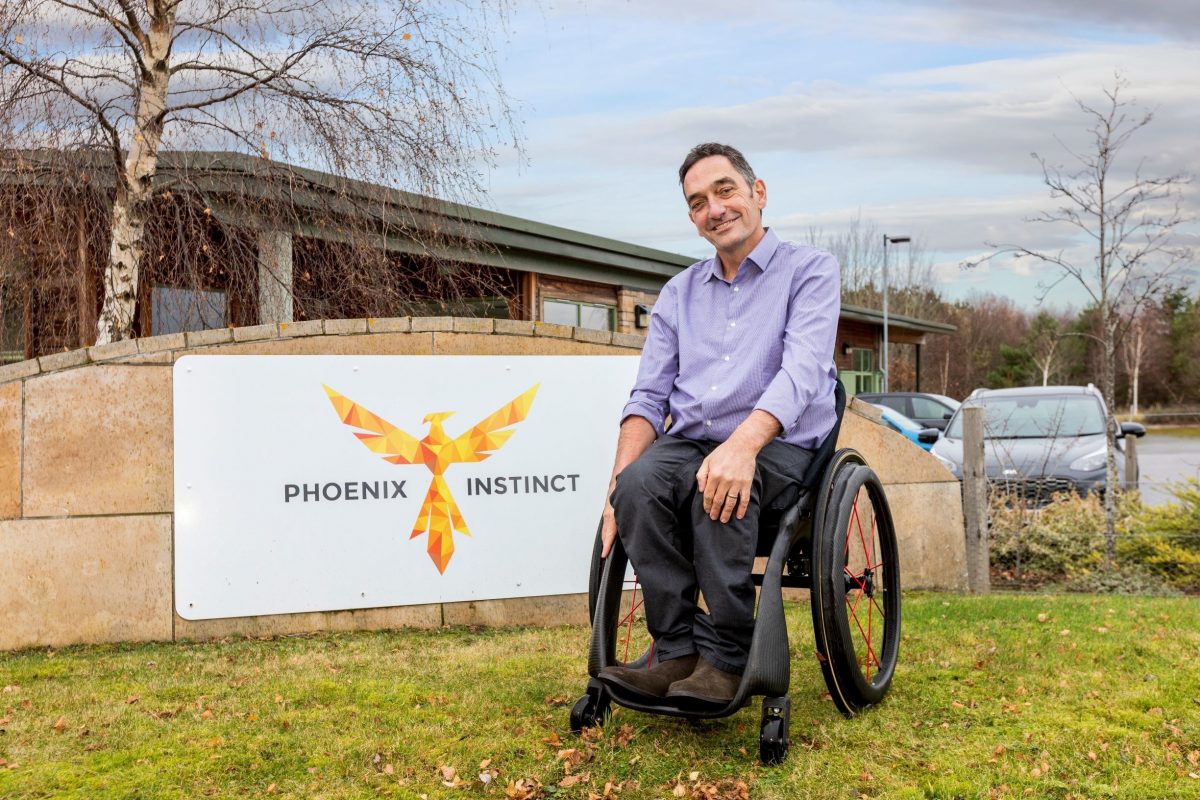
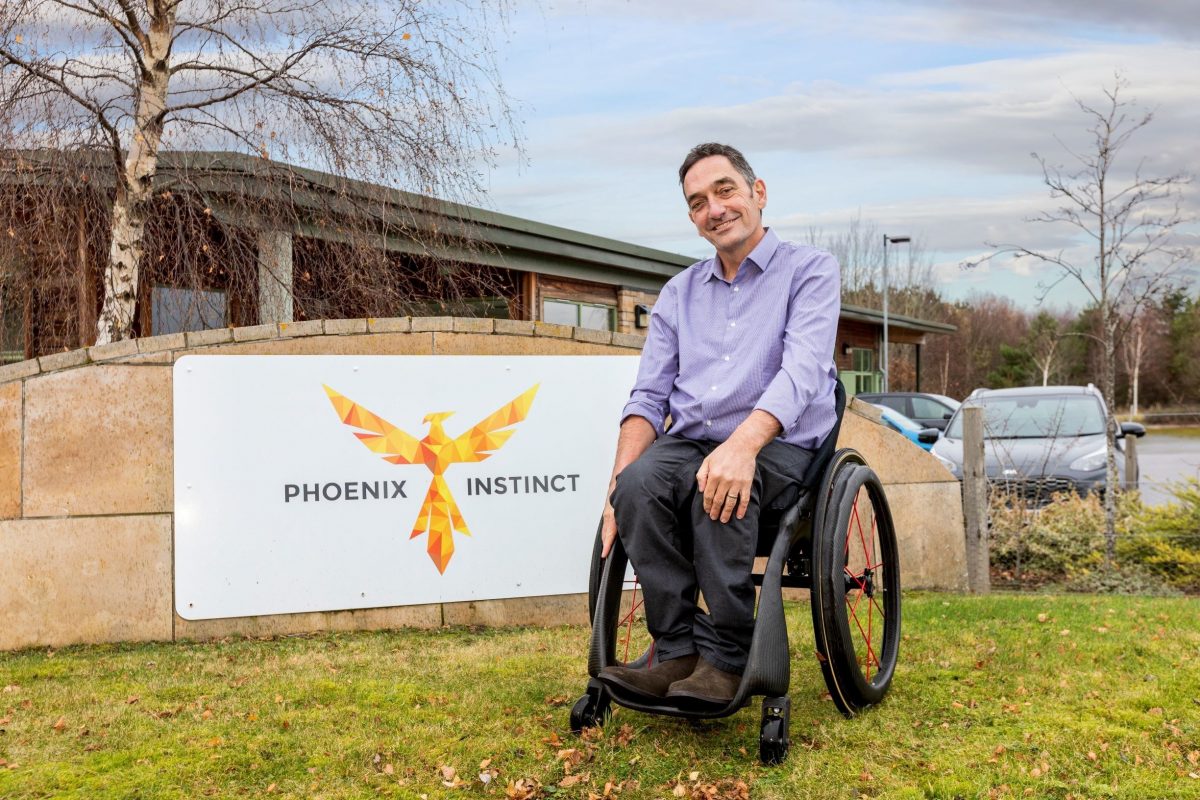
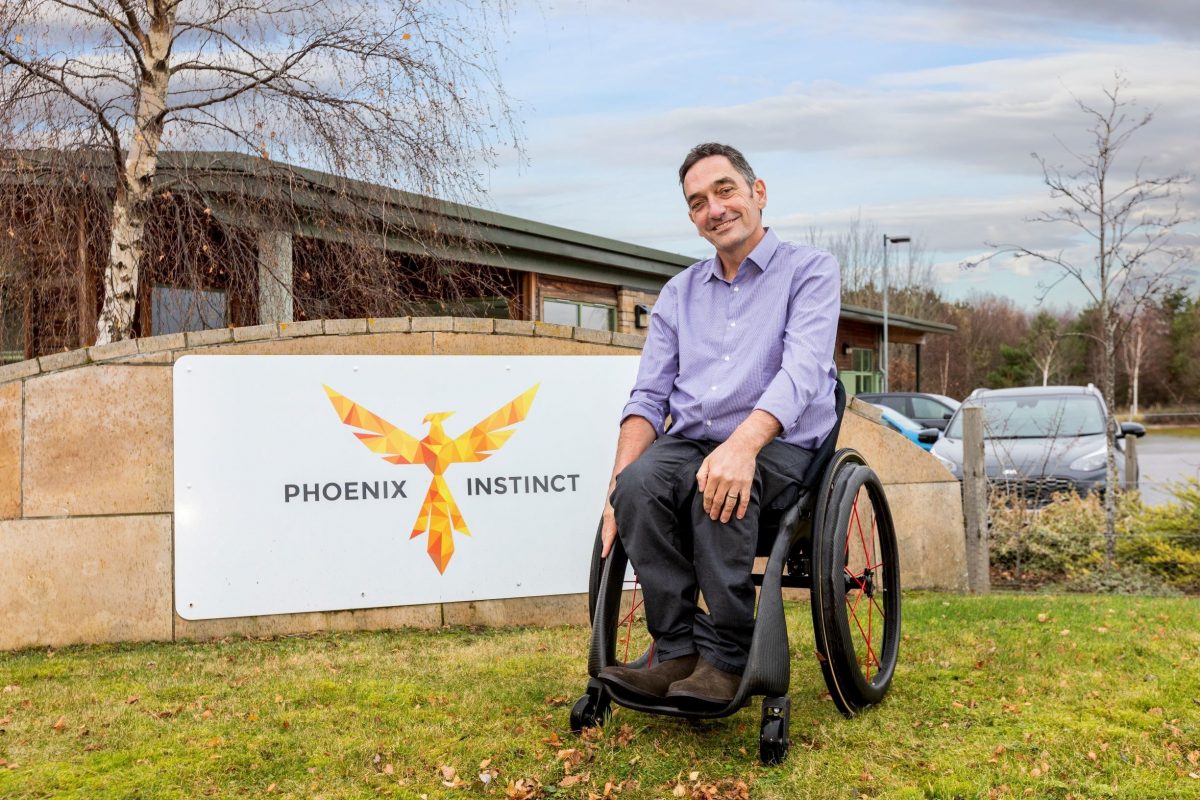
LONDON, Dec. 17, 2020 /PRNewswire/ — The winner of the three-year Mobility Unlimited Challenge has now been announced with Phoenix Instinct from the UK receiving $1 million to further develop their intelligent ultra-light carbon fiber wheelchair, bring it to market, and ultimately, transform millions of lives in the disability community for the greater good.

LONDON, Dec. 17, 2020 /PRNewswire/ — The winner of the three-year Mobility Unlimited Challenge has now been announced with Phoenix Instinct from the UK receiving $1 million to further develop their intelligent ultra-light carbon fiber wheelchair, bring it to market, and ultimately, transform millions of lives in the disability community for the greater good.

The Toyota Mobility Foundation, established by Toyota in 2014, launched the $4 million global challenge back in 2017 in partnership with Nesta Challenges, in a bid to drive innovation in the field of assistive technologies for people with lower-limb paralysis in a demonstration of Toyota’s mission of Mobility for All and further vision of producing happiness for all.   

The Challenge called for talented engineers, innovators, and designers from around the world to submit their designs for groundbreaking devices, integrated with the latest technologies, to enhance the mobility and independence of end users. Over eighty teams from 28 countries around the world entered.

The University of Pittsburgh’s Human Engineering Research Laboratories (HERL) led the assessment of the entries and provided mentorship alongside a team of Toyota subject matter experts, and the winner was chosen by a panel of expert judges (see Notes to Editors below for details).

Designed by Phoenix Instinct, the Phoenix i uses intelligent systems to automatically adjust its center of gravity, making the ultra-lightweight carbon fiber frame extremely stable and easier to maneuver. It uses front-wheel power-assist to reduce painful vibrations and minimize strain on the user. The chair’s intelligent powered braking system automatically detects when the user is going downhill and adjusts to manage the user’s descent.

Andrew Slorance from Phoenix Instinct said: «Winning the Toyota Mobility Unlimited Challenge is incredible for Phoenix Instinct and for wheelchair users. The wheelchair as we know it has been technologically unchanged for decades. The funding we received through the Challenge allowed us to prove smart technology makes for an easier to use and safer wheelchair with the potential for a suite of new features. With the prize money we can now advance this work and bring the Phoenix I wheelchair to the consumer.

It’s a very exciting time with Toyota moving into the mobility sector, we’re going to see significant advances in mobility devices. At Phoenix Instinct we’re thrilled to be leading the smart wheelchair revolution.»

Sir Philip Craven, member of the Board of Directors at Toyota Motor Corporation and former President of the International Paralympic Committee shared: «Mobility means freedom. It means liberation from being limited in life. As we believe at Toyota, when we are free to move, we are able to fully participate in society, and I’m excited for each of these devices supported by the Mobility Unlimited Challenge, particularly the winning device, because of how it will allow so many people to better do what they want to do.»

Ryan Klem, Director of Programs for Toyota Mobility Foundation commented: «The entire competition has been an enriching journey for us all, bringing together the efforts of many experts, mentors, advocates, and more to invest in the five finalists to develop their devices and bring them into the lives of people that need them. We are thrilled to announce Phoenix Instinct as the winner of the Mobility Unlimited Challenge. The judges were impressed by the way the device incorporated intelligent systems in its design in a way that represents a true advance for the wheelchair and could see it having a clear route to market. TMF is dedicated to continuing to support these passionate teams, and we hope, through this process, that all the teams are able to find resources to do the same as they have all shown incredible creativity and innovation. We believe this Challenge will result in huge improvements in assistive technology and are extremely proud of what all of the teams have achieved.»

Liz Vossen of Nesta Challenges said: «For too long, the disability community has faced restricted mobility and accessibility. The coronavirus pandemic has forced a change in attitudes towards remote working, showing that it is possible to be present and productive at home.  However, the pandemic also highlighted the need for non-disabled people to have a better understanding of the importance of mobility for all. We hope that these devices will improve the mobility of people across the world and contribute to a more inclusive future.»

The four other finalists were:

  • The Evowalk: Evolution Devices (United States) – a smart wearable simulator that goes right below the knee and uses artificial intelligence to support your muscles at the right time aiding in rehabilitating walking and preventing falls for people with foot drop.
  • Qolo (Quality of Life with Locomotion): Team Qolo, University of Tsukuba (Japan) – a standing mobility device that integrates exoskeleton and wheelchair functions. It supports the function of standing and sitting with a passive assist mechanism for people with lower limb paralysis.
  • Quix: IHMC & MYOLYN (United States) – a highly mobile, powered exoskeleton offering fast, stable and agile upright mobility.
  • Wheem-i: Italdesign (Italy) – a wheel-on semi-autonomous electric device that provides ride sharing for wheelchair users. It is primarily designed for micro mobility and is usable on a variety of surfaces.

At its core, the Challenge was developed to highlight the importance of collaboration with end-users and create inventions with the disability community in mind. It supports the UN’s Sustainable Development goals, specifically Goal #10 of reducing inequalities in supporting devices that help people with paralysis better access society for economic, social, educational and other opportunities.  Key specifications for choosing the winning invention included devices that will integrate seamlessly into people’s lives and environments while being comfortable and easy to use, enabling greater independence and increased participation in daily life. The judging criteria was based on innovation, insight and impact, functionality and usability, quality and safety, and market potential and affordability. 

Around the world, millions of people are living with lower-limb paralysis (the most common causes being strokes, spinal cord injury and multiple sclerosis). While there are no statistics on paralysis worldwide, the World Health Organization estimates there are 250,000-500,000 new cases of spinal cord injury globally every year.

Mobility Unlimited Challenge Judging Panel:

  • Professor Linamara Battistella, Physical and Rehabilitation Medicine doctor at the University of Sao Paulo (Brazil)
  • Winfried Beigel, Director of Research and Development for Otto Bock Mobility Solutions (Germany)
  • Dr. Mary Ellen Buning, President-elect for the Rehabilitation Engineering and Assistive Technology Society of North America (United States)
  • Dr. Kay Kim, President of NT Robot Co (South Korea)
  • Dr. Eric Krotkov, Chief Science Officer at Toyota Research Institute (United States)
  • Eric LeGrand, disability rights advocate (United States)
  • Sophie Morgan, television presenter and disability advocate (United Kingdom)
  • Ruth Peachment, Occupational Therapy Clinical Specialist at the National Spinal Injuries Centre (United Kingdom)
  • Matthew Reeve, Director of the Christopher & Dana Reeve Foundation (United States)
  • Dr. Yoshiyuki Sankai, President of robotics company Cyberdyne (Japan)
  • Dr. Lloyd Walker, professional rehabilitation engineer at Tech4Life (Australia)

About Toyota Mobility Foundation

The Toyota Mobility Foundation was established in August 2014 to support the development of a more mobile society. The Foundation aims to support strong mobility systems while eliminating disparities in mobility. It utilizes Toyota’s expertise in technology, safety, and the environment, working in partnership with universities, governments, non-profit organizations, research institutions and other organizations to address mobility issues around the world. Programs include resolving urban transportation problems, expanding the utilization of personal mobility, and developing solutions for next generation mobility.

Learn more at www.toyotamobilityfoundation.org.

About Nesta Challenges
Across the world, there are many people and communities that are overlooked and underserved, facing ever more complex challenges. Nesta Challenges tackles some of these problems by harnessing and fostering innovation, fresh thinking and technology to achieve positive impact.

From health to conservation, finance to agriculture, assistive technology to education, we connect people, businesses and experts to drive fresh thinking and deliver systemic change.

Nesta Challenges uses prizes to stimulate innovative solutions to some of the biggest challenges we face, including:

  • The Longitude Prize, created to tackle growing levels of antimicrobial resistance and reduce the use of antibiotics.
  • The Inclusive Technology Prize, a challenge prize to encourage innovations that gives disabled people equal access to life’s opportunities.
  • The UNDP’s Renewable Energy Challenge Prize, to find a renewable energy solution capable of providing off-grid power to cover the needs of war-returnee families in rural Bosnia and Herzegovina.
  • The Dynamic Demand Challenge Prize, created to reduce carbon emissions by shifting energy demand to off peak times or through excess renewable generation.

To find out more visit https://www.nesta.org.uk/project/nesta-challenges/

About HERL
The Human Engineering Research Laboratories (HERL) has been at the forefront of assistive technology research for 25 years. A collaboration between the University of Pittsburgh, the VA Pittsburgh Healthcare System, and the UPMC Health System, HERL is dedicated to wheelchair and mobility research, specifically by improving the mobility and function of Veterans and all people with disabilities through advanced engineering in clinical research and medical rehabilitation on local, national, and international levels. Using state-of-the-art laboratories and research instruments, HERL also studies robotics in assistive technology, athletics in rehabilitation, assistive living spaces, wheelchair transfer efficiency, clinician training, and force and vibration on wheelchair users.


Cision View original content to download multimedia:http://www.prnewswire.com/news-releases/mobility-unlimited-challenge-winner-receives-1m-for-ultra-lightweight-intelligent-wheelchair-301194857.html

SOURCE Toyota Mobility Foundation

Canoo Unveils Fully-Electric Multi-Purpose Delivery Vehicle to Offer Best-in-Class Total Cost of Ownership

LOS ANGELES, Dec. 17, 2020 /PRNewswire/ — Canoo, a company developing breakthrough electric vehicles (EVs), revealed today its all-electric multi-purpose…

LOS ANGELES, Dec. 17, 2020 /PRNewswire/ — Canoo, a company developing breakthrough electric vehicles (EVs), revealed today its all-electric multi-purpose delivery vehicle to be priced starting at approximately $33,000.i The vehicle is purposefully designed to maximize return on investment for its customers. It is based on Canoo’s proprietary electric platform and will be offered in two initial size variants, with others to follow. Limited availability will begin in 2022, with scaled production and launch planned for 2023. With its multi-purpose delivery vehicle, Canoo plans to offer customers best-in-class total cost of ownership, class-leading cargo volume, and functionally-designed features.ii Customers can pre-order the multi-purpose delivery vehicle for a refundable deposit of $100 per vehicle at www.canoo.com/mpdv.

«We created our multi-purpose delivery vehicle from the inside out, with the ergonomics of the driver in mind and with attention to detail to help them be happier and more productive at work,» said Tony Aquila, Executive Chairman, Canoo. «The vehicle is affordable and offers greater cargo capacity than the current electric delivery offerings in its class. We aim to lower the total cost of ownership and increase return on investment for everyone from local small business owners to large fleets.»

Multi-Purpose for Multiple Use Cases

As an integral part of Canoo’s business strategy, the functional design of the multi-purpose delivery vehicle is meant to service a wide range of customers. It was built specifically with the needs of small businesses and large last-mile delivery companies in mind. The design of the model paired with the best-in-class total cost of ownership (TCO) also makes it a great option for independent contractors, utilities, service technicians and many more.

Large customers, such as last-mile and package delivery fleets, retailers, major corporations and logistics companies, also have the option to co-develop a custom vehicle with Canoo to meet their specific requirements.

Best-in-Class Total Cost of Ownership & Cargo Volume

With this vehicle, Canoo plans to achieve best-in-class total cost of ownership through range and space efficiency, as well as durability and low maintenance costs. Leveraging the company’s proprietary platform is expected to reduce material and service costs, passing on considerable savings to customers.

Canoo’s proprietary electric vehicle platform is the flattest in the industry and has enabled potentially class-leading interior cargo volume on a small vehicle footprint. Interior volume is also maximized through Canoo’s signature driver-forward architecture, which was designed with safety in mind. Canoo estimates that its multi-purpose delivery vehicle customers can achieve between $50,000 to $80,000 improvement on return on capital over six to seven years, depending on the use case, as compared to other top selling delivery vehicles.

Productivity is our Passion

To maximize user functionality, the production vehicle plans to offer a bi-directional onboard charger in lieu of adding a separate DC-AC converter, which will transform the vehicle into a power plant for equipment and tools. A 125V or 240V AC output power plug can be incorporated into the vehicle so tools such as saws, drills and air compressors can be conveniently powered up at remote destinations. The vehicle also enables various workstations. For example, drivers who have to take notes per delivery or job will have the ability to place a laptop or other devices to the left of the driver’s seat.

The vehicle was designed from the inside out to be sensitive to the ergonomics and productivity of the people using it. Additional vehicle customization examples that focus on ergonomics and productivity gains include high roof height, storage lockers, roll-up style door, ramp slide outs and more.iii Both vehicle variants are designed to offer a low step in height of 17 inches, allowing easy and comfortable access to the vehicle. With the space efficiency afforded by Canoo’s multi-purpose delivery vehicle, fleets can accommodate higher storage capacities to meet the increasing demands of their customers.

The vehicle enables greater «up time,» or the actual hours of use, through a range of unique benefits, including:

  • Greater cargo space with nearly 30% more parcel volume than other leading delivery vehicles in comparable segments.
  • Range efficiency means more stops can be made on a single charge, helping to lower operating costs.
  • Energy efficiency provides considerable savings in terms of operating expenses because the vehicle can go further per kilowatt of energy than the competition.
  • Urban maneuverability enabled by Canoo’s steer-by-wire technology which eliminates hand-over-hand driving and increases range of motion and route options. 

Anticipated Vehicle Specificationsiv

The multi-purpose delivery vehicle is a ground up electric design, meaning it was not retrofitted or designed based off of a gas- or diesel-powered model. This has enabled a more thoughtful, reliable and efficient EV design made specifically for people to use the vehicle as a workspace, such as plugging in their tools for a remote job.

The multi-purpose delivery vehicle will be built on Canoo’s proprietary EV platform which features a steel frame construction, transverse composite leaf springs, a double wishbone suspension system, variable ratio steer-by-wire and brake-by-wire. The vehicle will be fully connected with data reporting capabilities and will feature Level 2.5 autonomy and over-the-air software updates. The vehicle will also support cutting-edge software-as-a-service (SaaS) to help fleets improve their total cost of professional ownership (TCPO) by allowing them to manage their assets, route plan, run diagnostics and support drivers with safety, awareness and ergonomic information. Canoo’s industry leading steer-by-wire system will enable a smooth transition into self-driving capabilities once full autonomy becomes commercially available. Steer-by-wire also helps accelerate the internationalization plans for the vehicle, allowing for rapid deployment of a right-hand drive offering.

The two vehicle variants, multi-purpose delivery vehicle 1 (MPDV1) and multi-purpose delivery vehicle 2 (MPDV2), are expected to offer three battery sizes—80, 60 and 40 kilowatt-hours (kWh)—with the 80-kWh size featuring a DC Fast Charging time of 28 minutes from 20% to 80% charge.

MPDV1

Offering more capacity at an affordable price, the MPDV1’s superior range efficiency and urban mobility is enabled by a space efficient footprint. The vehicle is also designed to fit within many height restricted areas like parking garages.

Dimensions & Capacities

Class

1

Length, Width, Height

14.4 feet, 6.4 feet, 6.2 feet

Wheelbase

9.4 feet

Step in Height

17 inches

Track Front/Rear

66.4 inches/ 65.6 inches

Tire Size

215/60R18

Ground Clearance

7.3 inches

Cargo Volume (rear of bulkhead)

200 cubic feet

Cargo Volume (cabin)

30 cubic feet

Total Cargo Volume

230 cubic feet

Payload

80

kWh battery

1540
pounds

60

kWh battery

1760
pounds

40

kWh battery

1980

pounds

Curb Mass

80

kWh battery

4190

pounds

60

kWh battery

3970

pounds

40

kWh battery

3750
pounds

GVM

5730 pounds

Drive Unit

One Permanent Magnet Synchronous Electric Motor

Peak Motor Torque

236 lb-ft

Power of Electric Motor

200 horsepower

Front Wheel Drive

Battery Pack & Charging Cells

Battery Capacity

80/60/40 kWh

Estimated WLTP Range

80

kWh battery

300

miles

60

kWh battery

250

miles

40

kWh battery

170

miles

Estimated EPA Range

80

kWh battery

230

miles

60

kWh battery

190

miles

40

kWh battery

130

miles

Liquid Cooling

Cylindrical Cells

21/700

MPDV2

The MPDV2’s roof and step-in height enable individuals to easily walk in/out of the vehicle, and with nearly 6.5 feet of interior height throughout, it is tall enough to accommodate a standing position while inside, leading to greater usability and comfort for drivers.

Dimensions & Capacities

Class

1

Length, Width, Height

17.1 feet, 7.2 feet, 8.4 feet

Wheelbase

9.4 feet

Step in Height

17 inches

Track Front/Rear

66.4 inches/ 65.6 inches

Tire Size

215/60R18

Ground Clearance

7.3 inches

Cargo Volume (rear of bulkhead)

450 cubic feet

Cargo Volume (cabin)

50 cubic feet

Total Volume

500 cubic feet

Payload

80

kWh battery

1320
pounds

60

kWh battery

1540
pounds

40

kWh battery

1760
pounds

Curb Mass

80

kWh battery

4410
pounds

60

kWh battery

4190
pounds

40

kWh battery

3970

pounds

GVM

5730 pounds

Drive Unit

One Permanent Magnet Synchronous Electric Motor

Peak Motor Torque

236 lb-ft

Power of Electric Motor

200 horsepower

Front Wheel Drive

Battery Pack & Charging

Battery Capacity

80/60/40 kWh

Estimated WLTP Range

80

kWh battery

250

miles

60

kWh battery

190

miles

40

kWh battery

110

miles

Estimated EPA Range

80

kWh battery

190

miles

60

kWh battery

140

miles

40

kWh battery

90

miles

Liquid Cooling

Cylindrical Cells

21/700

MPDV3

Canoo is preparing to launch a third, larger variant that will be in the class 3 truck category, following the introduction of MPDV1 and MPDV2.

The Electric Revolution

As companies are increasingly pressured by both regulators and consumers to reduce their carbon footprint, the adoption of EVs among commercial delivery vehicles is expected to see a dramatic increase. This shift is projected to be led by the light commercial vehicle segment, an initial target segment for Canoo. The demand for EV light commercial vehicles in the United States, Europe and China is expected to grow at a 33% CAGR from 2019 to 2028, according to BloombergNEF.

Further, the growth and increase in efficiency of e-commerce has resulted in a change in consumer expectations with e-commerce providers increasingly pushing to reduce package delivery times from two days to the same day. According to Canoo commissioned research, it is projected that same day parcel delivery volumes in the United States will grow to 10 billion parcels by 2030, reflecting an approximate 23% annual growth rate since 2019. This change is expected to result in an increase in demand for smaller delivery vehicles that can efficiently execute smaller volume and more frequent delivery routes.

The vehicle is built off of Canoo’s platform, which has enabled the accelerated design and launch timelines of the company’s second vehicle model. Other variations of the multi-purpose delivery vehicle will follow, and Canoo plans to announce a service network at a later date. 

While a number of EV companies have recently announced plans to produce delivery vehicles, the last-mile delivery market is an entirely distinct segment and classification of vehicle differentiated from larger and midsize delivery vehicles and trucks. Last-mile delivery vehicles operate in predominantly urban environments with diverse use cases, thus requiring a compact size and maneuverability. The vehicles used are generally from the light commercial vehicles segment and a majority of the vehicles are from the class 1 category.

These class 1 vehicles carry the same stringent regulatory and crash testing requirements that passenger cars are subjected to. Canoo’s platform, which is specifically designed for class 1 vehicles, has been validated to support these crash requirements via its passenger vehicle program. This provides Canoo a significant competitive advantage as most of the players in the commercial vehicle space have not crash tested their platforms given their focus on larger sized vehicles.

Following its U.S. commercial debut, Canoo will look to launch the multi-purpose delivery vehicle in other markets such as Canada, Mexico and Europe. Customers looking for more information on the multi-purpose delivery vehicle can visit canoo.com.

About Canoo

Canoo is a Los Angeles-based company that has developed breakthrough electric vehicles, reinventing the automotive landscape with bold innovations in design, pioneering technologies, and a unique business model that defies traditional ownership to put customers first. Distinguished by its experienced team – numbering over 300 employees from leading technology and automotive companies – Canoo has designed a modular platform purpose-built to deliver maximum vehicle interior space and adaptable to support a wide range of vehicle applications for consumers and businesses.

For more information, please visit www.canoo.com.

For Canoo press materials, including photos, please visit press.canoo.com.

For investors, please visit investors.canoo.com.

Forward Looking Statements

The information in this press release includes «forward-looking statements» within the meaning of the «safe harbor» provisions of the United States Private Securities Litigation Reform Act of 1995. Forward-looking statements may be identified by the use of words such as «estimate,» «plan,» «project,» «forecast,» «intend,» «will,» «expect,» «anticipate,» «believe,» «seek,» «target» or other similar expressions that predict or indicate future events or trends or that are not statements of historical matters. These forward-looking statements include, but are not limited to, statements regarding estimates and forecasts of financial and performance metrics, projections of market opportunity and market share, expectations and timing related to commercial product launches, ability to accelerate Canoo’s go-to-market strategy and capitalize on commercial opportunities, potential success of Canoo’s go-to-market strategy and expectations regarding vehicle specifications, pricing and total cost of ownership and expectations related to the timing of vehicle launches. These statements are based on various assumptions, whether or not identified in this press release, and on the current expectations of Canoo’s and Hennessy Capital Acquisition Corp. IV’s («HCAC») management and are not predictions of actual performance. These forward-looking statements are provided for illustrative purposes only and are not intended to serve as, and must not be relied on by any investor as, a guarantee, an assurance, a prediction or a definitive statement of fact or probability. Actual events and circumstances are difficult or impossible to predict and will differ from assumptions. Many actual events and circumstances are beyond the control of Canoo and HCAC. These forward-looking statements are subject to a number of risks and uncertainties, including changes in domestic and foreign business, market, financial, political and legal conditions; the inability of the parties to successfully or timely consummate the proposed business combination, including the risk that any required regulatory approvals are not obtained, are delayed or are subject to unanticipated conditions that could adversely affect the combined company or the expected benefits of the proposed business combination or that the approval of the stockholders of HCAC or Canoo is not obtained; failure to realize the anticipated benefits of the proposed business combination; risks relating to the uncertainty of the projected financial information with respect to Canoo; risks related to the rollout of Canoo’s business and the timing of expected business milestones and commercial launch; risks related to future market adoption of Canoo’s offerings; risks related to Canoo’s go-to-market strategy and subscription business model; the effects of competition on Canoo’s future business; the amount of redemption requests made by HCAC’s public stockholders; the ability of HCAC or the combined company to issue equity or equity-linked securities in connection with the proposed business combination or in the future, and those factors discussed in HCAC’s final prospectus filed on March 4, 2019, Annual Report on Form 10-K for the fiscal year ended December 31, 2019 and Quarterly Reports on Form 10-Q for the quarters ended March 31, 2020, June 30, 2020 and September 30, 2020, the registration statement on Form S-4 (together with all amendments thereto, the «Registration Statement») initially filed on September 18, 2020, and the definitive proxy statement / prospectus contained therein, in each case, under the heading «Risk Factors,» and other documents of HCAC filed, or to be filed, with the Securities and Exchange Commission («SEC»). If any of these risks materialize or our assumptions prove incorrect, actual results could differ materially from the results implied by these forward-looking statements. There may be additional risks that neither HCAC nor Canoo presently know or that HCAC and Canoo currently believe are immaterial that could also cause actual results to differ from those contained in the forward-looking statements. In addition, forward-looking statements reflect HCAC’s and Canoo’s expectations, plans or forecasts of future events and views as of the date of this press release. HCAC and Canoo anticipate that subsequent events and developments will cause HCAC’s and Canoo’s assessments to change. However, while HCAC and Canoo may elect to update these forward-looking statements at some point in the future, HCAC and Canoo specifically disclaim any obligation to do so. These forward-looking statements should not be relied upon as representing HCAC’s and Canoo’s assessments as of any date subsequent to the date of this press release. Accordingly, undue reliance should not be placed upon the forward-looking statements.

Important Information for Investors and Shareholders

In connection with the proposed business combination, HCAC has filed the Registration Statement with the SEC. Additionally, HCAC will file other relevant materials with the SEC in connection with the business combination. Copies may be obtained free of charge at the SEC’s web site at www.sec.gov. Security holders of HCAC are urged to read the Registration Statement and the other relevant materials when they become available before making any voting decision with respect to the proposed business combination because they will contain important information about the business combination and the parties to the business combination. The information contained on, or that may be accessed through, the websites referenced in this press release is not incorporated by reference into, and is not a part of, this press release.

Participants in the Solicitation

HCAC and its directors and officers may be deemed participants in the solicitation of proxies of HCAC’s stockholders in connection with the proposed business combination. Security holders may obtain more detailed information regarding the names, affiliations and interests of certain of HCAC’s executive officers and directors in the solicitation by reading HCAC’s Annual Report on Form 10-K for the fiscal year ended December 31, 2019, and the Registration Statement and other relevant materials filed with the SEC in connection with the business combination when they become available. Information concerning the interests of HCAC’s participants in the solicitation, which may, in some cases, be different than those of their stockholders generally, are set forth in the Registration Statement.

i Reflects the 40kWh base variant of the Canoo MPDV1. Final production vehicle pricing and specifications are subject to change.

ii Best-in-class determinations based on a comparison of the Canoo MPDV1 and MPDV2 against a representative set of leading comparably-sized competitor vehicles, including the Nissan E-NV200, Ford Transit Custom L2H2, Ford Transit L2H2 290, Mercedes Sprinter L1H1 RWD, Mercedes e-Vito L3, and Mercedes e-Sprinter L2H2, among others. Total cost of ownership assumptions include, among other considerations, 6-year vehicle life span, electricity costs ($0.17 / kW) less 10% charging inefficiency, average costs of gasoline and includes incentives/discounts for electric vehicles. All vehicles include insurance payments (benchmarked on MSRP). Assumes reduced annual maintenance costs for battery electric vehicles. Residual values benchmarked on Ford Transit L2H2.

iii Individual features available on select vehicles.

iv Vehicle specifications and performance metrics are prospective, reflecting current engineering and design direction, manufacturer simulations and EPA-estimated average range calculation methodology. Final production vehicle specifications and performance metrics are subject to change.


Cision View original content to download multimedia:http://www.prnewswire.com/news-releases/canoo-unveils-fully-electric-multi-purpose-delivery-vehicle-to-offer-best-in-class-total-cost-of-ownership-301195171.html

SOURCE Canoo

Core Development Group Launches New Brand Identity with Redesigned Logo and Website

MAHWAH, N.J., Dec. 17, 2020 /PRNewswire/ —  Core Development Group, a nationally ranked solar energy developer, announced today that it has officially launched a new corporate brand identity, redesigned logo, and website (<a target="_blank"…

MAHWAH, N.J., Dec. 17, 2020 /PRNewswire/ —  Core Development Group, a nationally ranked solar energy developer, announced today that it has officially launched a new corporate brand identity, redesigned logo, and website (https://www.coredevusa.com). The brand’s evolution reveal coincides with the company’s expanding service offerings and growth within the industry.

The new brand identity and website were designed to present Core Development Group as modern and progressive, while proudly displaying the company’s enhanced resources and capabilities.

«In the last year, Core Development Group has successfully diversified and scaled its service offerings while broadening our own footprint within the renewable energy sector,» said Henry Cortes, Owner and Founder of Core Development Group.  «Our new website and brand identity better reflect our market-leading position and clearly demonstrates the comprehensive lifecycle of services we bring to our clients.»

In 2020, Core Development Group experienced unprecedented company success, with the recognition of being named a top ten commercial solar developer in the U.S. by Solar Power World; signing a partnership with Extra Space Storage to develop solar on over 30 properties; with an additional 500 MW in commercial solar energy construction and development.

As a result, Core Development Group expanded to enhance the resources and capabilities it can provide to clients, by launching a government consulting arm, and an electric vehicle charging station design and build team.

About Core Development Group

Core Development Group is a leading renewable energy developer and provider of full turnkey EPC services for commercial, government, and utility-scale solar installations. With more than 35 professionals, Core’s expert team serves clients in site feasibility and development, Power Purchase Agreements (PPAs), site entitlements and planning, solar system engineering design, interconnection agreements, procurement, project management, construction management, commissioning, operations, and maintenance.

Media Contact

Core Development Group
Alex Neely
aneely@coredevusa.com / 201-906-0397

Related Links

http://www.coredevusa.com


Cision View original content to download multimedia:http://www.prnewswire.com/news-releases/core-development-group-launches-new-brand-identity-with-redesigned-logo-and-website-301194908.html

SOURCE Core Development Group

LevelTen Energy Announces New RE-Store™ Energy Agreement, Paving the Way for More Utility-Scale Storage Development

SEATTLE, Dec. 17, 2020 /PRNewswire-PRWeb/ — Today LevelTen Energy announced its RE-Store™ Energy Agreement, an innovative financial contract that enables corporations and Load-Serving Entities easier access to the economic and risk-reducing benefits of energy storage projects. The agreement, developed in collaboration…

SEATTLE, Dec. 17, 2020 /PRNewswire-PRWeb/ — Today LevelTen Energy announced its RE-Store™ Energy Agreement, an innovative financial contract that enables corporations and Load-Serving Entities easier access to the economic and risk-reducing benefits of energy storage projects. The agreement, developed in collaboration with EnergyGPS, opens the door to billions of dollars of investment in large-scale energy storage projects by providing buyers a practical way to contract with storage developers, and by guaranteeing a revenue stream to developers to support project financing.

LevelTen’s RE-Store™ Energy Agreement is an important industry breakthrough because storage, at scale, is key to enabling the transition to a grid powered by 100% renewable energy. The agreement was designed with the flexibility to complement a renewable energy power purchase agreement (PPA), whether existing or planned, or to be executed independent of any particular energy generation project or PPA. Either use case dramatically simplifies the storage procurement process and increases buyers’ options by orders of magnitude.

LevelTen’s RE-Store™ Energy Agreement, which is now available through LevelTen and its partners, delivers three main benefits to buyers:

  • 1. Reduced Portfolio Volatility: Because the economic value of storage is often inversely related to that of a renewable energy PPA (i.e., it has a tendency to perform well—or generate a positive cash flow—when a PPA contract does not, and vice versa), LevelTen’s RE-Store™ Energy Agreement can serve as a hedge, complementing existing renewable energy contracts and reducing the cash flow volatility of a buyer’s energy portfolio. The agreement is particularly effective in markets with high (or rapidly increasing) renewable energy penetration.
  • 2. No Operational Risk: With a RE-Store™ Energy Agreement, the developer receives a guaranteed, fixed revenue stream and, in exchange, pays the buyer the difference in value between the highest and lowest hourly prices that occur in the wholesale energy market each day. But because the agreement is a purely financial contract, buyers don’t take on the technology risk or operational responsibilities of a more conventional storage procurement. Instead, buyers receive payments based on how an optimized storage project should have performed, not based on actual performance, while also avoiding accounting triggers.
  • 3. Flexible Locations: Because the RE-Store™ Energy Agreement is settled financially, not physically, the storage project doesn’t need to be co-located with an energy generation project. The structure allows buyers to select storage projects with the best economics, rather than simply accept the storage project that happens to be co-located with their renewable energy project.

Just as virtual PPAs ushered in a wave of corporate investment in wind, solar and other renewable projects, LevelTen’s RE-Store™ Energy Agreement is poised to catalyze investment in utility-scale storage projects.

«Though the cost of utility-scale storage has plummeted in recent years, and many utilities and load-serving entities are investing in storage to support their operations, the industry has thus far lacked the transaction infrastructure to deliver reliable value streams to both storage buyers and storage owners,» said Bryce Smith, Chief Executive Officer, LevelTen Energy. «LevelTen’s RE-Store™ Energy Agreement closes this gap by delivering a guaranteed revenue stream to developers, which is key for project financing. Furthermore, as a financially-settled contract, the agreement affords storage owners full operational control, allowing projects to optimize all asset revenues, including capacity and ancillary services.»

Any entities interested in using LevelTen’s RE-Store™ Energy Agreement should contact LevelTen at info@leveltenenergy.com.

About LevelTen Energy
LevelTen Energy is the leading provider of transaction infrastructure for the renewable energy economy. The platform delivers buyers, sellers, advisors, and financiers the automation software, data management, and standardized contracts needed to facilitate faster, safer renewable energy transactions. LevelTen’s marketplace of renewable energy power purchase agreements is the world’s largest, with more than 4,000 pricing offers spanning 21 countries in North America and Europe. LevelTen’s CFO-Ready Analytics™ automatically calculate more than a billion data points every day, providing buyers and advisors with leading-edge, real-time risk and value insights at modern market scale. Together, LevelTen and its partners share #OneGoal to accelerate the clean energy transition. Visit us at LevelTenEnergy.com to learn more.

Media Contact

Christin Camacho, LevelTen, 206-531-0487, Christin@leveltenenergy.com


SOURCE LevelTen

Mobility Unlimited Challenge Winner Receives $1M for Ultra-lightweight Intelligent Wheelchair

LONDON, Dec. 17, 2020 /PRNewswire-HISPANIC PR WIRE/ — The winner of the three-year Mobility Unlimited Challenge has now been announced with Phoenix Instinct from the UK receiving $1 million to further develop their intelligent ultra-light carbon fiber wheelchair, bring it to market, and ultimately, transform millions of lives in the disability community for the greater good.

LONDON, Dec. 17, 2020 /PRNewswire-HISPANIC PR WIRE/ — The winner of the three-year Mobility Unlimited Challenge has now been announced with Phoenix Instinct from the UK receiving $1 million to further develop their intelligent ultra-light carbon fiber wheelchair, bring it to market, and ultimately, transform millions of lives in the disability community for the greater good.

The Toyota Mobility Foundation, established by Toyota in 2014, launched the $4 million global challenge back in 2017 in partnership with Nesta Challenges, in a bid to drive innovation in the field of assistive technologies for people with lower-limb paralysis in a demonstration of Toyota’s mission of Mobility for All and further vision of producing happiness for all.   

The Challenge called for talented engineers, innovators, and designers from around the world to submit their designs for groundbreaking devices, integrated with the latest technologies, to enhance the mobility and independence of end users. Over eighty teams from 28 countries around the world entered.

The University of Pittsburgh’s Human Engineering Research Laboratories (HERL) led the assessment of the entries and provided mentorship alongside a team of Toyota subject matter experts, and the winner was chosen by a panel of expert judges (see Notes to Editors below for details).

Designed by Phoenix Instinct, the Phoenix i uses intelligent systems to automatically adjust its center of gravity, making the ultra-lightweight carbon fiber frame extremely stable and easier to maneuver. It uses front-wheel power-assist to reduce painful vibrations and minimize strain on the user. The chair’s intelligent powered braking system automatically detects when the user is going downhill and adjusts to manage the user’s descent.

Andrew Slorance from Phoenix Instinct said: «Winning the Toyota Mobility Unlimited Challenge is incredible for Phoenix Instinct and for wheelchair users. The wheelchair as we know it has been technologically unchanged for decades. The funding we received through the Challenge allowed us to prove smart technology makes for an easier to use and safer wheelchair with the potential for a suite of new features. With the prize money we can now advance this work and bring the Phoenix I wheelchair to the consumer.

It’s a very exciting time with Toyota moving into the mobility sector, we’re going to see significant advances in mobility devices. At Phoenix Instinct we’re thrilled to be leading the smart wheelchair revolution.»

Sir Philip Craven, member of the Board of Directors at Toyota Motor Corporation and former President of the International Paralympic Committee shared: «Mobility means freedom. It means liberation from being limited in life. As we believe at Toyota, when we are free to move, we are able to fully participate in society, and I’m excited for each of these devices supported by the Mobility Unlimited Challenge, particularly the winning device, because of how it will allow so many people to better do what they want to do.»

Ryan Klem, Director of Programs for Toyota Mobility Foundation commented: «The entire competition has been an enriching journey for us all, bringing together the efforts of many experts, mentors, advocates, and more to invest in the five finalists to develop their devices and bring them into the lives of people that need them. We are thrilled to announce Phoenix Instinct as the winner of the Mobility Unlimited Challenge. The judges were impressed by the way the device incorporated intelligent systems in its design in a way that represents a true advance for the wheelchair and could see it having a clear route to market. TMF is dedicated to continuing to support these passionate teams, and we hope, through this process, that all the teams are able to find resources to do the same as they have all shown incredible creativity and innovation. We believe this Challenge will result in huge improvements in assistive technology and are extremely proud of what all of the teams have achieved.»

Liz Vossen of Nesta Challenges said: «For too long, the disability community has faced restricted mobility and accessibility. The coronavirus pandemic has forced a change in attitudes towards remote working, showing that it is possible to be present and productive at home.  However, the pandemic also highlighted the need for non-disabled people to have a better understanding of the importance of mobility for all. We hope that these devices will improve the mobility of people across the world and contribute to a more inclusive future.»

The four other finalists were:

  • The Evowalk: Evolution Devices (United States) – a smart wearable simulator that goes right below the knee and uses artificial intelligence to support your muscles at the right time aiding in rehabilitating walking and preventing falls for people with foot drop.
  • Qolo (Quality of Life with Locomotion): Team Qolo, University of Tsukuba (Japan) – a standing mobility device that integrates exoskeleton and wheelchair functions. It supports the function of standing and sitting with a passive assist mechanism for people with lower limb paralysis.
  • Quix: IHMC & MYOLYN (United States) – a highly mobile, powered exoskeleton offering fast, stable and agile upright mobility.
  • Wheem-i: Italdesign (Italy) – a wheel-on semi-autonomous electric device that provides ride sharing for wheelchair users. It is primarily designed for micro mobility and is usable on a variety of surfaces.

At its core, the Challenge was developed to highlight the importance of collaboration with end-users and create inventions with the disability community in mind. It supports the UN’s Sustainable Development goals, specifically Goal #10 of reducing inequalities in supporting devices that help people with paralysis better access society for economic, social, educational and other opportunities.  Key specifications for choosing the winning invention included devices that will integrate seamlessly into people’s lives and environments while being comfortable and easy to use, enabling greater independence and increased participation in daily life. The judging criteria was based on innovation, insight and impact, functionality and usability, quality and safety, and market potential and affordability. 

Around the world, millions of people are living with lower-limb paralysis (the most common causes being strokes, spinal cord injury and multiple sclerosis). While there are no statistics on paralysis worldwide, the World Health Organization estimates there are 250,000-500,000 new cases of spinal cord injury globally every year.

Mobility Unlimited Challenge Judging Panel:

  • Professor Linamara Battistella, Physical and Rehabilitation Medicine doctor at the University of Sao Paulo (Brazil)
  • Winfried Beigel, Director of Research and Development for Otto Bock Mobility Solutions (Germany)
  • Dr. Mary Ellen Buning, President-elect for the Rehabilitation Engineering and Assistive Technology Society of North America (United States)
  • Dr. Kay Kim, President of NT Robot Co (South Korea)
  • Dr. Eric Krotkov, Chief Science Officer at Toyota Research Institute (United States)
  • Eric LeGrand, disability rights advocate (United States)
  • Sophie Morgan, television presenter and disability advocate (United Kingdom)
  • Ruth Peachment, Occupational Therapy Clinical Specialist at the National Spinal Injuries Centre (United Kingdom)
  • Matthew Reeve, Director of the Christopher & Dana Reeve Foundation (United States)
  • Dr. Yoshiyuki Sankai, President of robotics company Cyberdyne (Japan)
  • Dr. Lloyd Walker, professional rehabilitation engineer at Tech4Life (Australia)

About Toyota Mobility Foundation

The Toyota Mobility Foundation was established in August 2014 to support the development of a more mobile society. The Foundation aims to support strong mobility systems while eliminating disparities in mobility. It utilizes Toyota’s expertise in technology, safety, and the environment, working in partnership with universities, governments, non-profit organizations, research institutions and other organizations to address mobility issues around the world. Programs include resolving urban transportation problems, expanding the utilization of personal mobility, and developing solutions for next generation mobility.

Learn more at www.toyotamobilityfoundation.org.

About Nesta Challenges
Across the world, there are many people and communities that are overlooked and underserved, facing ever more complex challenges. Nesta Challenges tackles some of these problems by harnessing and fostering innovation, fresh thinking and technology to achieve positive impact.

From health to conservation, finance to agriculture, assistive technology to education, we connect people, businesses and experts to drive fresh thinking and deliver systemic change.

Nesta Challenges uses prizes to stimulate innovative solutions to some of the biggest challenges we face, including:

  • The Longitude Prize, created to tackle growing levels of antimicrobial resistance and reduce the use of antibiotics.
  • The Inclusive Technology Prize, a challenge prize to encourage innovations that gives disabled people equal access to life’s opportunities.
  • The UNDP’s Renewable Energy Challenge Prize, to find a renewable energy solution capable of providing off-grid power to cover the needs of war-returnee families in rural Bosnia and Herzegovina.
  • The Dynamic Demand Challenge Prize, created to reduce carbon emissions by shifting energy demand to off peak times or through excess renewable generation.

To find out more visit https://www.nesta.org.uk/project/nesta-challenges/

About HERL
The Human Engineering Research Laboratories (HERL) has been at the forefront of assistive technology research for 25 years. A collaboration between the University of Pittsburgh, the VA Pittsburgh Healthcare System, and the UPMC Health System, HERL is dedicated to wheelchair and mobility research, specifically by improving the mobility and function of Veterans and all people with disabilities through advanced engineering in clinical research and medical rehabilitation on local, national, and international levels. Using state-of-the-art laboratories and research instruments, HERL also studies robotics in assistive technology, athletics in rehabilitation, assistive living spaces, wheelchair transfer efficiency, clinician training, and force and vibration on wheelchair users.

Photo – https://mma.prnewswire.com/media/1387958/Toyota_Mobility_Foundation_Phoenix_Instinct.jpg  

SOURCE Toyota Mobility Foundation

Consumers Optimistic About Travel In 2021, According To New Data From Tablet Hotels, The Hotel Experts At The Michelin Guide

NEW YORK, Dec. 17, 2020 /PRNewswire/ — Tablet Hotels, the hotel experts at the MICHELIN Guide, today revealed new data that shows consumers are feeling increasingly optimistic about travel in 2021, with the number of travelers booking stays 90 or more days out growing 208% over the November 1–December 9 period versus the prior four-month period. The data indicates there is significant pent-up demand for travel and that consumers are growing more confident about traveling safely again in the new…

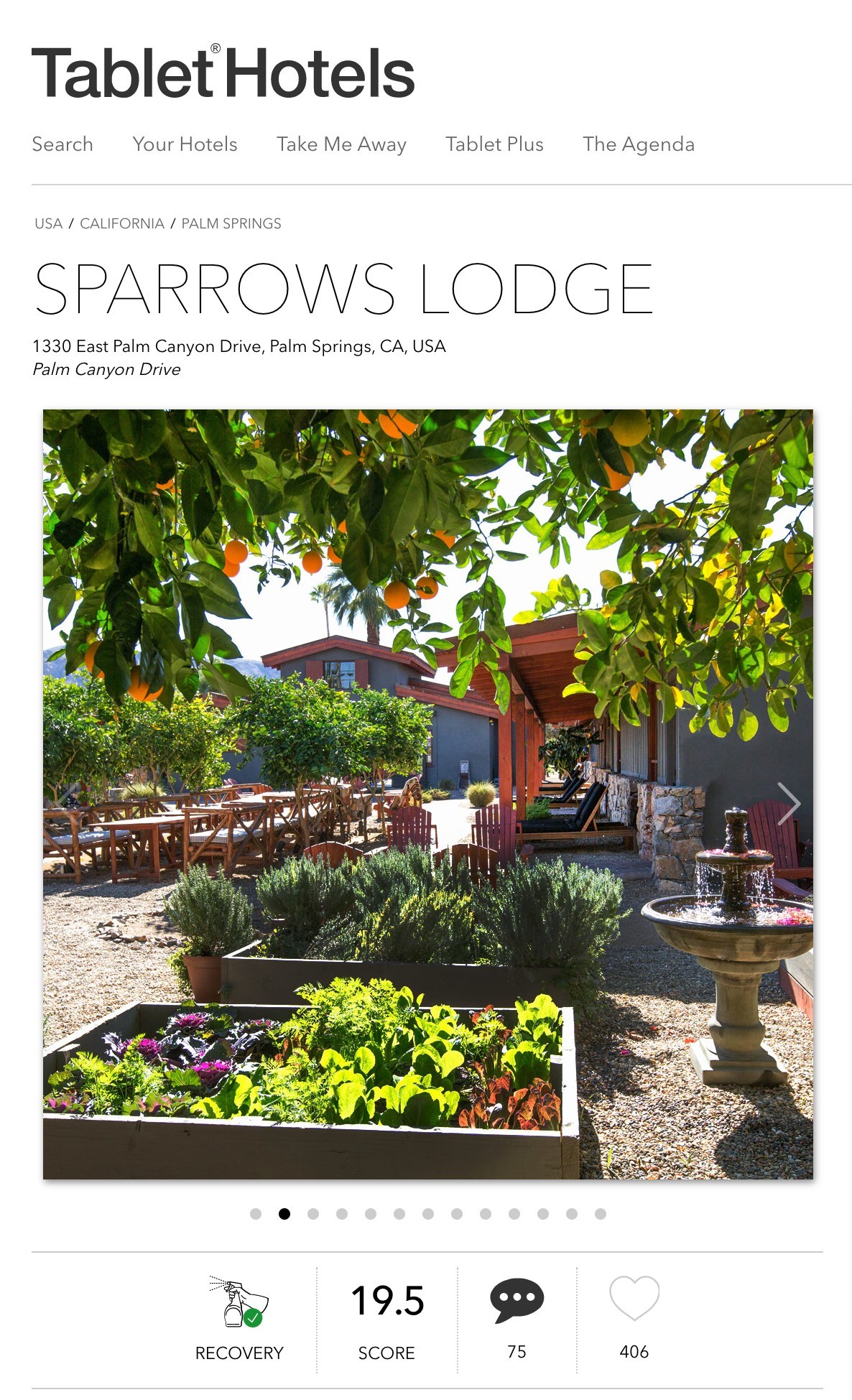
NEW YORK, Dec. 17, 2020 /PRNewswire/ — Tablet Hotels, the hotel experts at the MICHELIN Guide, today revealed new data that shows consumers are feeling increasingly optimistic about travel in 2021, with the number of travelers booking stays 90 or more days out growing 208% over the November 1–December 9 period versus the prior four-month period. The data indicates there is significant pent-up demand for travel and that consumers are growing more confident about traveling safely again in the new year as global vaccine efforts accelerate.

The company also announced the launch of the Tablet Recovery Pledge, which is designed to provide travelers with more information about the enhanced safety measures participating hotels are taking to help prevent the spread of the novel coronavirus. More than 1,000 of Tablet’s partner hotels have taken the pledge and confirmed they are acting responsibly to support the health and well-being of guests and staff.

«We launched the Recovery Pledge to give travelers extra peace of mind when choosing a Tablet destination and to give hotels on our platform the opportunity to explain their enhanced health and safety measures,» said Lucy Lieberman, Chief Marketing Officer of Tablet. «Our hotels have always held themselves to the highest standards when it comes to guest safety and sanitation, and they were eager to share the additional steps they were taking during the pandemic, so travelers can book their stays with confidence.»

The Recovery Pledge is the latest in a series of initiatives Tablet has launched in collaboration with its hotel partners to help them meet consumers’ unique travel and work needs amid the ongoing pandemic. The company is also partnering with 25 selected hotels to make rooms available by the day at reduced rates for those looking for a safe and inspiring remote office workspace. Consumers in New York City, Los Angeles, Washington, DC, Chicago, Dallas, Miami, Austin, Nashville and London now have the option of booking a room at a Tablet hotel to use during business hours for a refreshing change of pace from their home or corporate office.

Tablet has also recently expanded its Tablet Plus selection, giving travelers even more reason to begin planning trips and getaways again. The company has added hundreds of properties to the VIP program, bringing the total number of participating hotels to over 1,000. Tablet Plus program members receive access to upgrades, member-only sales and other exclusive benefits at Tablet Plus hotels as well as dedicated concierge-level assistance from Tablet’s team of travel specialists.

Tablet Recovery Pledge Methodology

To create the Recovery Pledge, Tablet first compiled research on COVID-19 hotel safety guidelines set by the US Centers for Disease Control and Prevention (CDC), local authorities in various markets, hotel unions, and travel and hospitality brands. Tablet then crafted a survey based on the research and sent it to all hotels with whom the company has a direct relationship. The survey was designed to focus on three critical categories:

  • Implementation of safety and cleaning measures related to COVID-19
  • Providing access to personal protective equipment for all staff and guests
  • Adherence to government-recommended actions designed to slow and prevent the spread of COVID-19

More than 1,000 hotels are participating in Tablet’s Recovery Pledge.

About Tablet Hotels

Founded in 2000 and part of MICHELIN since 2018, Tablet offers a curated selection of extraordinary hotels to meet every discerning traveler’s taste and budget and makes booking them quick and easy. The company provides concierge-level customer service from an experienced team of travel specialists and offers membership in the Tablet Plus VIP program, which offers upgrades and exclusive privileges to members when they stay at participating Tablet Plus hotels. Available in eight languages, the Tablet website and iOS app allow users across the globe to discover hotel destinations that provide a uniquely memorable experience rather than just a room for the night.

For more information, please visit TabletHotels.com.

About Michelin

Michelin, the leading mobility company, is dedicated to enhancing its clients’ mobility, sustainably; designing and distributing the most suitable tires, services and solutions for its clients’ needs; providing digital services, maps and guides to help enrich trips and travels and make them unique experiences; and developing high-technology materials that serve a variety of industries. Headquartered in Greenville, S.C., Michelin North America, Inc. (www.michelinman.com) has more than 21,400 employees and operates 19 major manufacturing plants.

Cision View original content to download multimedia:http://www.prnewswire.com/news-releases/consumers-optimistic-about-travel-in-2021-according-to-new-data-from-tablet-hotels-the-hotel-experts-at-the-michelin-guide-301195184.html

SOURCE Tablet Hotels

Mobility Unlimited Challenge Winner Receives $1M for Ultra-lightweight Intelligent Wheelchair

LONDON, Dec. 17, 2020 /PRNewswire/ — The winner of the three-year Mobility Unlimited Challenge has now been announced with Phoenix Instinct from the UK receiving $1 million to further develop their intelligent ultra-light carbon fiber wheelchair, bring it to market, and ultimately, transform millions of lives in the disability community for the greater good.

LONDON, Dec. 17, 2020 /PRNewswire/ — The winner of the three-year Mobility Unlimited Challenge has now been announced with Phoenix Instinct from the UK receiving $1 million to further develop their intelligent ultra-light carbon fiber wheelchair, bring it to market, and ultimately, transform millions of lives in the disability community for the greater good.

The Toyota Mobility Foundation, established by Toyota in 2014, launched the $4 million global challenge back in 2017 in partnership with Nesta Challenges, in a bid to drive innovation in the field of assistive technologies for people with lower-limb paralysis in a demonstration of Toyota’s mission of Mobility for All and further vision of producing happiness for all.   

The Challenge called for talented engineers, innovators, and designers from around the world to submit their designs for groundbreaking devices, integrated with the latest technologies, to enhance the mobility and independence of end users. Over eighty teams from 28 countries around the world entered.

The University of Pittsburgh’s Human Engineering Research Laboratories (HERL) led the assessment of the entries and provided mentorship alongside a team of Toyota subject matter experts, and the winner was chosen by a panel of expert judges (see Notes to Editors below for details).

Designed by Phoenix Instinct, the Phoenix i uses intelligent systems to automatically adjust its center of gravity, making the ultra-lightweight carbon fiber frame extremely stable and easier to maneuver. It uses front-wheel power-assist to reduce painful vibrations and minimize strain on the user. The chair’s intelligent powered braking system automatically detects when the user is going downhill and adjusts to manage the user’s descent.

Andrew Slorance from Phoenix Instinct said: «Winning the Toyota Mobility Unlimited Challenge is incredible for Phoenix Instinct and for wheelchair users. The wheelchair as we know it has been technologically unchanged for decades. The funding we received through the Challenge allowed us to prove smart technology makes for an easier to use and safer wheelchair with the potential for a suite of new features. With the prize money we can now advance this work and bring the Phoenix I wheelchair to the consumer.

It’s a very exciting time with Toyota moving into the mobility sector, we’re going to see significant advances in mobility devices. At Phoenix Instinct we’re thrilled to be leading the smart wheelchair revolution.»

Sir Philip Craven, member of the Board of Directors at Toyota Motor Corporation and former President of the International Paralympic Committee shared: «Mobility means freedom. It means liberation from being limited in life. As we believe at Toyota, when we are free to move, we are able to fully participate in society, and I’m excited for each of these devices supported by the Mobility Unlimited Challenge, particularly the winning device, because of how it will allow so many people to better do what they want to do.»

Ryan Klem, Director of Programs for Toyota Mobility Foundation commented: «The entire competition has been an enriching journey for us all, bringing together the efforts of many experts, mentors, advocates, and more to invest in the five finalists to develop their devices and bring them into the lives of people that need them. We are thrilled to announce Phoenix Instinct as the winner of the Mobility Unlimited Challenge. The judges were impressed by the way the device incorporated intelligent systems in its design in a way that represents a true advance for the wheelchair and could see it having a clear route to market. TMF is dedicated to continuing to support these passionate teams, and we hope, through this process, that all the teams are able to find resources to do the same as they have all shown incredible creativity and innovation. We believe this Challenge will result in huge improvements in assistive technology and are extremely proud of what all of the teams have achieved.»

Liz Vossen of Nesta Challenges said: «For too long, the disability community has faced restricted mobility and accessibility. The coronavirus pandemic has forced a change in attitudes towards remote working, showing that it is possible to be present and productive at home.  However, the pandemic also highlighted the need for non-disabled people to have a better understanding of the importance of mobility for all. We hope that these devices will improve the mobility of people across the world and contribute to a more inclusive future.»

The four other finalists were:

  • The Evowalk: Evolution Devices (United States) – a smart wearable simulator that goes right below the knee and uses artificial intelligence to support your muscles at the right time aiding in rehabilitating walking and preventing falls for people with foot drop.
  • Qolo (Quality of Life with Locomotion): Team Qolo, University of Tsukuba (Japan) – a standing mobility device that integrates exoskeleton and wheelchair functions. It supports the function of standing and sitting with a passive assist mechanism for people with lower limb paralysis.
  • Quix: IHMC & MYOLYN (United States) – a highly mobile, powered exoskeleton offering fast, stable and agile upright mobility.
  • Wheem-i: Italdesign (Italy) – a wheel-on semi-autonomous electric device that provides ride sharing for wheelchair users. It is primarily designed for micro mobility and is usable on a variety of surfaces.

At its core, the Challenge was developed to highlight the importance of collaboration with end-users and create inventions with the disability community in mind. It supports the UN’s Sustainable Development goals, specifically Goal #10 of reducing inequalities in supporting devices that help people with paralysis better access society for economic, social, educational and other opportunities.  Key specifications for choosing the winning invention included devices that will integrate seamlessly into people’s lives and environments while being comfortable and easy to use, enabling greater independence and increased participation in daily life. The judging criteria was based on innovation, insight and impact, functionality and usability, quality and safety, and market potential and affordability. 

Around the world, millions of people are living with lower-limb paralysis (the most common causes being strokes, spinal cord injury and multiple sclerosis). While there are no statistics on paralysis worldwide, the World Health Organization estimates there are 250,000-500,000 new cases of spinal cord injury globally every year.

Mobility Unlimited Challenge Judging Panel:

  • Professor Linamara Battistella, Physical and Rehabilitation Medicine doctor at the University of Sao Paulo (Brazil)
  • Winfried Beigel, Director of Research and Development for Otto Bock Mobility Solutions (Germany)
  • Dr. Mary Ellen Buning, President-elect for the Rehabilitation Engineering and Assistive Technology Society of North America (United States)
  • Dr. Kay Kim, President of NT Robot Co (South Korea)
  • Dr. Eric Krotkov, Chief Science Officer at Toyota Research Institute (United States)
  • Eric LeGrand, disability rights advocate (United States)
  • Sophie Morgan, television presenter and disability advocate (United Kingdom)
  • Ruth Peachment, Occupational Therapy Clinical Specialist at the National Spinal Injuries Centre (United Kingdom)
  • Matthew Reeve, Director of the Christopher & Dana Reeve Foundation (United States)
  • Dr. Yoshiyuki Sankai, President of robotics company Cyberdyne (Japan)
  • Dr. Lloyd Walker, professional rehabilitation engineer at Tech4Life (Australia)

About Toyota Mobility Foundation

The Toyota Mobility Foundation was established in August 2014 to support the development of a more mobile society. The Foundation aims to support strong mobility systems while eliminating disparities in mobility. It utilizes Toyota’s expertise in technology, safety, and the environment, working in partnership with universities, governments, non-profit organizations, research institutions and other organizations to address mobility issues around the world. Programs include resolving urban transportation problems, expanding the utilization of personal mobility, and developing solutions for next generation mobility.

Learn more at www.toyotamobilityfoundation.org.

About Nesta Challenges
Across the world, there are many people and communities that are overlooked and underserved, facing ever more complex challenges. Nesta Challenges tackles some of these problems by harnessing and fostering innovation, fresh thinking and technology to achieve positive impact.

From health to conservation, finance to agriculture, assistive technology to education, we connect people, businesses and experts to drive fresh thinking and deliver systemic change.

Nesta Challenges uses prizes to stimulate innovative solutions to some of the biggest challenges we face, including:

  • The Longitude Prize, created to tackle growing levels of antimicrobial resistance and reduce the use of antibiotics.
  • The Inclusive Technology Prize, a challenge prize to encourage innovations that gives disabled people equal access to life’s opportunities.
  • The UNDP’s Renewable Energy Challenge Prize, to find a renewable energy solution capable of providing off-grid power to cover the needs of war-returnee families in rural Bosnia and Herzegovina.
  • The Dynamic Demand Challenge Prize, created to reduce carbon emissions by shifting energy demand to off peak times or through excess renewable generation.

To find out more visit https://www.nesta.org.uk/project/nesta-challenges/

About HERL
The Human Engineering Research Laboratories (HERL) has been at the forefront of assistive technology research for 25 years. A collaboration between the University of Pittsburgh, the VA Pittsburgh Healthcare System, and the UPMC Health System, HERL is dedicated to wheelchair and mobility research, specifically by improving the mobility and function of Veterans and all people with disabilities through advanced engineering in clinical research and medical rehabilitation on local, national, and international levels. Using state-of-the-art laboratories and research instruments, HERL also studies robotics in assistive technology, athletics in rehabilitation, assistive living spaces, wheelchair transfer efficiency, clinician training, and force and vibration on wheelchair users.


Cision View original content to download multimedia:http://www.prnewswire.com/news-releases/mobility-unlimited-challenge-winner-receives-1m-for-ultra-lightweight-intelligent-wheelchair-301194857.html

SOURCE Toyota Mobility Foundation

Canoo Unveils Fully-Electric Multi-Purpose Delivery Vehicle to Offer Best-in-Class Total Cost of Ownership

LOS ANGELES, Dec. 17, 2020 /PRNewswire/ — Canoo, a company developing breakthrough electric vehicles (EVs), revealed today its all-electric multi-purpose…

LOS ANGELES, Dec. 17, 2020 /PRNewswire/ — Canoo, a company developing breakthrough electric vehicles (EVs), revealed today its all-electric multi-purpose delivery vehicle to be priced starting at approximately $33,000.i The vehicle is purposefully designed to maximize return on investment for its customers. It is based on Canoo’s proprietary electric platform and will be offered in two initial size variants, with others to follow. Limited availability will begin in 2022, with scaled production and launch planned for 2023. With its multi-purpose delivery vehicle, Canoo plans to offer customers best-in-class total cost of ownership, class-leading cargo volume, and functionally-designed features.ii Customers can pre-order the multi-purpose delivery vehicle for a refundable deposit of $100 per vehicle at www.canoo.com/mpdv.

«We created our multi-purpose delivery vehicle from the inside out, with the ergonomics of the driver in mind and with attention to detail to help them be happier and more productive at work,» said Tony Aquila, Executive Chairman, Canoo. «The vehicle is affordable and offers greater cargo capacity than the current electric delivery offerings in its class. We aim to lower the total cost of ownership and increase return on investment for everyone from local small business owners to large fleets.»

Multi-Purpose for Multiple Use Cases

As an integral part of Canoo’s business strategy, the functional design of the multi-purpose delivery vehicle is meant to service a wide range of customers. It was built specifically with the needs of small businesses and large last-mile delivery companies in mind. The design of the model paired with the best-in-class total cost of ownership (TCO) also makes it a great option for independent contractors, utilities, service technicians and many more.

Large customers, such as last-mile and package delivery fleets, retailers, major corporations and logistics companies, also have the option to co-develop a custom vehicle with Canoo to meet their specific requirements.

Best-in-Class Total Cost of Ownership & Cargo Volume

With this vehicle, Canoo plans to achieve best-in-class total cost of ownership through range and space efficiency, as well as durability and low maintenance costs. Leveraging the company’s proprietary platform is expected to reduce material and service costs, passing on considerable savings to customers.

Canoo’s proprietary electric vehicle platform is the flattest in the industry and has enabled potentially class-leading interior cargo volume on a small vehicle footprint. Interior volume is also maximized through Canoo’s signature driver-forward architecture, which was designed with safety in mind. Canoo estimates that its multi-purpose delivery vehicle customers can achieve between $50,000 to $80,000 improvement on return on capital over six to seven years, depending on the use case, as compared to other top selling delivery vehicles.

Productivity is our Passion

To maximize user functionality, the production vehicle plans to offer a bi-directional onboard charger in lieu of adding a separate DC-AC converter, which will transform the vehicle into a power plant for equipment and tools. A 125V or 240V AC output power plug can be incorporated into the vehicle so tools such as saws, drills and air compressors can be conveniently powered up at remote destinations. The vehicle also enables various workstations. For example, drivers who have to take notes per delivery or job will have the ability to place a laptop or other devices to the left of the driver’s seat.

The vehicle was designed from the inside out to be sensitive to the ergonomics and productivity of the people using it. Additional vehicle customization examples that focus on ergonomics and productivity gains include high roof height, storage lockers, roll-up style door, ramp slide outs and more.iii Both vehicle variants are designed to offer a low step in height of 17 inches, allowing easy and comfortable access to the vehicle. With the space efficiency afforded by Canoo’s multi-purpose delivery vehicle, fleets can accommodate higher storage capacities to meet the increasing demands of their customers.

The vehicle enables greater «up time,» or the actual hours of use, through a range of unique benefits, including:

  • Greater cargo space with nearly 30% more parcel volume than other leading delivery vehicles in comparable segments.
  • Range efficiency means more stops can be made on a single charge, helping to lower operating costs.
  • Energy efficiency provides considerable savings in terms of operating expenses because the vehicle can go further per kilowatt of energy than the competition.
  • Urban maneuverability enabled by Canoo’s steer-by-wire technology which eliminates hand-over-hand driving and increases range of motion and route options. 

Anticipated Vehicle Specificationsiv

The multi-purpose delivery vehicle is a ground up electric design, meaning it was not retrofitted or designed based off of a gas- or diesel-powered model. This has enabled a more thoughtful, reliable and efficient EV design made specifically for people to use the vehicle as a workspace, such as plugging in their tools for a remote job.

The multi-purpose delivery vehicle will be built on Canoo’s proprietary EV platform which features a steel frame construction, transverse composite leaf springs, a double wishbone suspension system, variable ratio steer-by-wire and brake-by-wire. The vehicle will be fully connected with data reporting capabilities and will feature Level 2.5 autonomy and over-the-air software updates. The vehicle will also support cutting-edge software-as-a-service (SaaS) to help fleets improve their total cost of professional ownership (TCPO) by allowing them to manage their assets, route plan, run diagnostics and support drivers with safety, awareness and ergonomic information. Canoo’s industry leading steer-by-wire system will enable a smooth transition into self-driving capabilities once full autonomy becomes commercially available. Steer-by-wire also helps accelerate the internationalization plans for the vehicle, allowing for rapid deployment of a right-hand drive offering.

The two vehicle variants, multi-purpose delivery vehicle 1 (MPDV1) and multi-purpose delivery vehicle 2 (MPDV2), are expected to offer three battery sizes—80, 60 and 40 kilowatt-hours (kWh)—with the 80-kWh size featuring a DC Fast Charging time of 28 minutes from 20% to 80% charge.

MPDV1

Offering more capacity at an affordable price, the MPDV1’s superior range efficiency and urban mobility is enabled by a space efficient footprint. The vehicle is also designed to fit within many height restricted areas like parking garages.

Dimensions & Capacities

Class

1

Length, Width, Height

14.4 feet, 6.4 feet, 6.2 feet

Wheelbase

9.4 feet

Step in Height

17 inches

Track Front/Rear

66.4 inches/ 65.6 inches

Tire Size

215/60R18

Ground Clearance

7.3 inches

Cargo Volume (rear of bulkhead)

200 cubic feet

Cargo Volume (cabin)

30 cubic feet

Total Cargo Volume

230 cubic feet

Payload

80

kWh battery

1540
pounds

60

kWh battery

1760
pounds

40

kWh battery

1980

pounds

Curb Mass

80

kWh battery

4190

pounds

60

kWh battery

3970

pounds

40

kWh battery

3750
pounds

GVM

5730 pounds

Drive Unit

One Permanent Magnet Synchronous Electric Motor

Peak Motor Torque

236 lb-ft

Power of Electric Motor

200 horsepower

Front Wheel Drive

Battery Pack & Charging Cells

Battery Capacity

80/60/40 kWh

Estimated WLTP Range

80

kWh battery

300

miles

60

kWh battery

250

miles

40

kWh battery

170

miles

Estimated EPA Range

80

kWh battery

230

miles

60

kWh battery

190

miles

40

kWh battery

130

miles

Liquid Cooling

Cylindrical Cells

21/700

MPDV2

The MPDV2’s roof and step-in height enable individuals to easily walk in/out of the vehicle, and with nearly 6.5 feet of interior height throughout, it is tall enough to accommodate a standing position while inside, leading to greater usability and comfort for drivers.

Dimensions & Capacities

Class

1

Length, Width, Height

17.1 feet, 7.2 feet, 8.4 feet

Wheelbase

9.4 feet

Step in Height

17 inches

Track Front/Rear

66.4 inches/ 65.6 inches

Tire Size

215/60R18

Ground Clearance

7.3 inches

Cargo Volume (rear of bulkhead)

450 cubic feet

Cargo Volume (cabin)

50 cubic feet

Total Volume

500 cubic feet

Payload

80

kWh battery

1320
pounds

60

kWh battery

1540
pounds

40

kWh battery

1760
pounds

Curb Mass

80

kWh battery

4410
pounds

60

kWh battery

4190
pounds

40

kWh battery

3970

pounds

GVM

5730 pounds

Drive Unit

One Permanent Magnet Synchronous Electric Motor

Peak Motor Torque

236 lb-ft

Power of Electric Motor

200 horsepower

Front Wheel Drive

Battery Pack & Charging

Battery Capacity

80/60/40 kWh

Estimated WLTP Range

80

kWh battery

250

miles

60

kWh battery

190

miles

40

kWh battery

110

miles

Estimated EPA Range

80

kWh battery

190

miles

60

kWh battery

140

miles

40

kWh battery

90

miles

Liquid Cooling

Cylindrical Cells

21/700

MPDV3

Canoo is preparing to launch a third, larger variant that will be in the class 3 truck category, following the introduction of MPDV1 and MPDV2.

The Electric Revolution

As companies are increasingly pressured by both regulators and consumers to reduce their carbon footprint, the adoption of EVs among commercial delivery vehicles is expected to see a dramatic increase. This shift is projected to be led by the light commercial vehicle segment, an initial target segment for Canoo. The demand for EV light commercial vehicles in the United States, Europe and China is expected to grow at a 33% CAGR from 2019 to 2028, according to BloombergNEF.

Further, the growth and increase in efficiency of e-commerce has resulted in a change in consumer expectations with e-commerce providers increasingly pushing to reduce package delivery times from two days to the same day. According to Canoo commissioned research, it is projected that same day parcel delivery volumes in the United States will grow to 10 billion parcels by 2030, reflecting an approximate 23% annual growth rate since 2019. This change is expected to result in an increase in demand for smaller delivery vehicles that can efficiently execute smaller volume and more frequent delivery routes.

The vehicle is built off of Canoo’s platform, which has enabled the accelerated design and launch timelines of the company’s second vehicle model. Other variations of the multi-purpose delivery vehicle will follow, and Canoo plans to announce a service network at a later date. 

While a number of EV companies have recently announced plans to produce delivery vehicles, the last-mile delivery market is an entirely distinct segment and classification of vehicle differentiated from larger and midsize delivery vehicles and trucks. Last-mile delivery vehicles operate in predominantly urban environments with diverse use cases, thus requiring a compact size and maneuverability. The vehicles used are generally from the light commercial vehicles segment and a majority of the vehicles are from the class 1 category.

These class 1 vehicles carry the same stringent regulatory and crash testing requirements that passenger cars are subjected to. Canoo’s platform, which is specifically designed for class 1 vehicles, has been validated to support these crash requirements via its passenger vehicle program. This provides Canoo a significant competitive advantage as most of the players in the commercial vehicle space have not crash tested their platforms given their focus on larger sized vehicles.

Following its U.S. commercial debut, Canoo will look to launch the multi-purpose delivery vehicle in other markets such as Canada, Mexico and Europe. Customers looking for more information on the multi-purpose delivery vehicle can visit canoo.com.

About Canoo

Canoo is a Los Angeles-based company that has developed breakthrough electric vehicles, reinventing the automotive landscape with bold innovations in design, pioneering technologies, and a unique business model that defies traditional ownership to put customers first. Distinguished by its experienced team – numbering over 300 employees from leading technology and automotive companies – Canoo has designed a modular platform purpose-built to deliver maximum vehicle interior space and adaptable to support a wide range of vehicle applications for consumers and businesses.

For more information, please visit www.canoo.com.

For Canoo press materials, including photos, please visit press.canoo.com.

For investors, please visit investors.canoo.com.

Forward Looking Statements

The information in this press release includes «forward-looking statements» within the meaning of the «safe harbor» provisions of the United States Private Securities Litigation Reform Act of 1995. Forward-looking statements may be identified by the use of words such as «estimate,» «plan,» «project,» «forecast,» «intend,» «will,» «expect,» «anticipate,» «believe,» «seek,» «target» or other similar expressions that predict or indicate future events or trends or that are not statements of historical matters. These forward-looking statements include, but are not limited to, statements regarding estimates and forecasts of financial and performance metrics, projections of market opportunity and market share, expectations and timing related to commercial product launches, ability to accelerate Canoo’s go-to-market strategy and capitalize on commercial opportunities, potential success of Canoo’s go-to-market strategy and expectations regarding vehicle specifications, pricing and total cost of ownership and expectations related to the timing of vehicle launches. These statements are based on various assumptions, whether or not identified in this press release, and on the current expectations of Canoo’s and Hennessy Capital Acquisition Corp. IV’s («HCAC») management and are not predictions of actual performance. These forward-looking statements are provided for illustrative purposes only and are not intended to serve as, and must not be relied on by any investor as, a guarantee, an assurance, a prediction or a definitive statement of fact or probability. Actual events and circumstances are difficult or impossible to predict and will differ from assumptions. Many actual events and circumstances are beyond the control of Canoo and HCAC. These forward-looking statements are subject to a number of risks and uncertainties, including changes in domestic and foreign business, market, financial, political and legal conditions; the inability of the parties to successfully or timely consummate the proposed business combination, including the risk that any required regulatory approvals are not obtained, are delayed or are subject to unanticipated conditions that could adversely affect the combined company or the expected benefits of the proposed business combination or that the approval of the stockholders of HCAC or Canoo is not obtained; failure to realize the anticipated benefits of the proposed business combination; risks relating to the uncertainty of the projected financial information with respect to Canoo; risks related to the rollout of Canoo’s business and the timing of expected business milestones and commercial launch; risks related to future market adoption of Canoo’s offerings; risks related to Canoo’s go-to-market strategy and subscription business model; the effects of competition on Canoo’s future business; the amount of redemption requests made by HCAC’s public stockholders; the ability of HCAC or the combined company to issue equity or equity-linked securities in connection with the proposed business combination or in the future, and those factors discussed in HCAC’s final prospectus filed on March 4, 2019, Annual Report on Form 10-K for the fiscal year ended December 31, 2019 and Quarterly Reports on Form 10-Q for the quarters ended March 31, 2020, June 30, 2020 and September 30, 2020, the registration statement on Form S-4 (together with all amendments thereto, the «Registration Statement») initially filed on September 18, 2020, and the definitive proxy statement / prospectus contained therein, in each case, under the heading «Risk Factors,» and other documents of HCAC filed, or to be filed, with the Securities and Exchange Commission («SEC»). If any of these risks materialize or our assumptions prove incorrect, actual results could differ materially from the results implied by these forward-looking statements. There may be additional risks that neither HCAC nor Canoo presently know or that HCAC and Canoo currently believe are immaterial that could also cause actual results to differ from those contained in the forward-looking statements. In addition, forward-looking statements reflect HCAC’s and Canoo’s expectations, plans or forecasts of future events and views as of the date of this press release. HCAC and Canoo anticipate that subsequent events and developments will cause HCAC’s and Canoo’s assessments to change. However, while HCAC and Canoo may elect to update these forward-looking statements at some point in the future, HCAC and Canoo specifically disclaim any obligation to do so. These forward-looking statements should not be relied upon as representing HCAC’s and Canoo’s assessments as of any date subsequent to the date of this press release. Accordingly, undue reliance should not be placed upon the forward-looking statements.

Important Information for Investors and Shareholders

In connection with the proposed business combination, HCAC has filed the Registration Statement with the SEC. Additionally, HCAC will file other relevant materials with the SEC in connection with the business combination. Copies may be obtained free of charge at the SEC’s web site at www.sec.gov. Security holders of HCAC are urged to read the Registration Statement and the other relevant materials when they become available before making any voting decision with respect to the proposed business combination because they will contain important information about the business combination and the parties to the business combination. The information contained on, or that may be accessed through, the websites referenced in this press release is not incorporated by reference into, and is not a part of, this press release.

Participants in the Solicitation

HCAC and its directors and officers may be deemed participants in the solicitation of proxies of HCAC’s stockholders in connection with the proposed business combination. Security holders may obtain more detailed information regarding the names, affiliations and interests of certain of HCAC’s executive officers and directors in the solicitation by reading HCAC’s Annual Report on Form 10-K for the fiscal year ended December 31, 2019, and the Registration Statement and other relevant materials filed with the SEC in connection with the business combination when they become available. Information concerning the interests of HCAC’s participants in the solicitation, which may, in some cases, be different than those of their stockholders generally, are set forth in the Registration Statement.

i Reflects the 40kWh base variant of the Canoo MPDV1. Final production vehicle pricing and specifications are subject to change.

ii Best-in-class determinations based on a comparison of the Canoo MPDV1 and MPDV2 against a representative set of leading comparably-sized competitor vehicles, including the Nissan E-NV200, Ford Transit Custom L2H2, Ford Transit L2H2 290, Mercedes Sprinter L1H1 RWD, Mercedes e-Vito L3, and Mercedes e-Sprinter L2H2, among others. Total cost of ownership assumptions include, among other considerations, 6-year vehicle life span, electricity costs ($0.17 / kW) less 10% charging inefficiency, average costs of gasoline and includes incentives/discounts for electric vehicles. All vehicles include insurance payments (benchmarked on MSRP). Assumes reduced annual maintenance costs for battery electric vehicles. Residual values benchmarked on Ford Transit L2H2.

iii Individual features available on select vehicles.

iv Vehicle specifications and performance metrics are prospective, reflecting current engineering and design direction, manufacturer simulations and EPA-estimated average range calculation methodology. Final production vehicle specifications and performance metrics are subject to change.


Cision View original content to download multimedia:http://www.prnewswire.com/news-releases/canoo-unveils-fully-electric-multi-purpose-delivery-vehicle-to-offer-best-in-class-total-cost-of-ownership-301195171.html

SOURCE Canoo

Cipia Announces General Availability of Fleet Sense – Driver Monitoring Device

TEL AVIV, Israel, Dec. 17, 2020 /PRNewswire/ — Cipia, formerly Eyesight Technologies, an AI computer vision in-cabin automotive solutions provider, today announced the general availability of Fleet Sense, the company’s new driver monitoring (DMS) device. Fleet Sense was designed for fleets and telematics service providers (TSP), to help reduce fatigue and distraction related accidents and the related costs. The device serves both…

TEL AVIV, Israel, Dec. 17, 2020 /PRNewswire/ — Cipia, formerly Eyesight Technologies, an AI computer vision in-cabin automotive solutions provider, today announced the general availability of Fleet Sense, the company’s new driver monitoring (DMS) device. Fleet Sense was designed for fleets and telematics service providers (TSP), to help reduce fatigue and distraction related accidents and the related costs. The device serves both the driver and the fleet manager, by issuing real-time life-saving alerts directly to the driver, and customized alerts to the dispatcher and fleet manager.  

Cipia_Logo

According to a recent report by the Federal Motor Carrier Safety Administration (FMCSA), 2018 saw roughly 500,000 accidents attributed to large trucks (over 10,000 lb) in the US alone, and the rate of trucking related fatalities rose to its highest in 30 years, cementing trucking as the most dangerous job in the US. The recent rise in trucking related deaths, despite an overall drop in accident related fatalities, underscores the need for new solutions to improve the safety of trucking and reduce the high costs of accidents.

With combined decades of experience in the fleet industry as well as computer vision AI algorithm development experts, Cipia is able to utilize the company’s strengths to anticipate the needs of fleet managers and TSPs, and provide a tailored solution to fit the unique requirements of the industry. Fleet Sense offers fleet managers and TSPs a robust driver monitoring solution (DMS) already trusted by OEMs around the world. The DMS software provides drivers with real-time alerts when drowsiness, distraction or dangerous actions are detected to mitigate resulting accidents, while the Fleet Management System (FMS) receives tailored real-time alerts according to their needs, enabling optimization and increasing the efficiency of fleet manager or dispatcher rather than drowning them in useless alerts.

In addition to the DMS benefits Fleet Sense provides the data from the system to help support other analytics efforts done by TSPs and fleet managers. The data gathered can assist with high-level FMS driver ID, workforce management enhancement and information which can support advanced driver scoring and training systems.

Whereas traditional solutions require between one to three months for integration, Cipia’s Fleet Sense solution utilizes cloud middleware to allow fast integration to the customer’s existing FMS. The company’s unique tools enable the solution to be up and running within a week and reduce integration time to a week.

From a financial aspect, Cipia also offers a unique business model for customers of the Fleet Sense device. For the device, Cipia will function as a hardware vendor, charging a one-time fee for the device with no future service charges or commitments, providing a best in market value for the device.

«With both the human as well as financial cost associated with trucking accidents rising over the past decade, the fleet industry is in need of technological solutions to help avoid costly mistakes,» said David Tolub, CEO of Cipia. «Fleet Sense will not only provide TSPs and Fleets with a robust driver monitoring system, but will also integrate fully to help them maximize their other data driven programs.»

About Cipia

Cipia, formerly Eyesight Technologies, is a leading provider of intelligent sensing solutions that use edge-based computer vision and AI for safer and better mobility experiences. The company focuses on the automotive in-cabin environment, offering Driver Sense – driver monitoring system, Cabin Sense – occupancy monitoring systems and Fleet Sense – a driver monitoring device for fleets. Over a decade of research and development stand behind the company’s proprietary market-leading computer vision technology. Cipia is constantly pushing the boundaries of what intelligent sensing solutions can see and accomplish, for better and safer mobility.

Contacts

Cipia Media Contact:
Lazer Cohen
lazer@westraycommunications.com
+1 347-753-8256

Cipia Company Contact:
Liat Rostock
Liat.r@cipia.com

Cision View original content:http://www.prnewswire.com/news-releases/cipia-announces-general-availability-of-fleet-sense—driver-monitoring-device-301194855.html

SOURCE Cipia