Remittance Consumers Report Meaningful Increase in Economic Needs of Family Members Abroad Going into Unprecedented Holiday Season

Results from a recent survey of MoneyGram customers showed that nearly 70% of respondents have sent more money in 2020 compared to last year, despite hardships caused by the pandemic

Increased needs of family and friends abroad has been the biggest factor impacting decisions to send money this year, above personal situations such as change in income

The pandemic has evolved the way consumers send and receive money, as nearly 60% of respondents reported that they now use more digital methods in cross-border transfers

Results from a recent survey of MoneyGram customers showed that nearly 70% of respondents have sent more money in 2020 compared to last year, despite hardships caused by the pandemic

Increased needs of family and friends abroad has been the biggest factor impacting decisions to send money this year, above personal situations such as change in income

The pandemic has evolved the way consumers send and receive money, as nearly 60% of respondents reported that they now use more digital methods in cross-border transfers

DALLAS, Dec. 16, 2020 /PRNewswire-HISPANIC PR WIRE/ — MoneyGram International, Inc. (NASDAQ: MGI), a global leader in cross-border P2P payments and money transfers, today announced the results of a customer survey that provides notable insights into how consumers are sending money over the holidays this year. Based on the results of a recent survey of nearly 1,500 United States-based customers who have sent money abroad using MoneyGram this year, the Company found strong consumer sentiment toward remittances going into the 2020 holiday season.

MoneyGram Logo

Despite hardships caused by the COVID-19 pandemic, such as job loss and increases in living and healthcare expenses, the survey revealed that nearly 70% of respondents have sent more money in 2020, and that the majority of respondents plan to send at least as much this holiday season as they did last year. Of those surveyed, 80% of consumers also reported that the pandemic has led to an increase in the needs of family and friends abroad this year. Expenses for food topped the list with 70% of respondents reporting that those abroad have needed more money to feed their families this year. This was followed by expenses for housing (55%) and healthcare (52%).

The survey also provided insights into the acceleration of digital adoption at MoneyGram and across the industry. Nearly 60% of respondents said that as a result of the pandemic they are evolving the way they send money and increasingly utilizing digital tools to send money abroad. Consumers also reported that the pandemic has led to an increase in family and friends requesting to receive money digitally, such as direct into a bank account or mobile wallet instead of cash.

«These survey results highlight the resilience of our customers, their capacity to navigate through difficult times and their dedication to family and friends around the world.» said Alex Holmes, MoneyGram Chairman and Chief Executive Officer. «The results of the survey correspond to the strong performance we have reported this year and support our ongoing strategy to deliver a differentiated customer experience and accelerate digital growth across the world. I’m excited that our consumer-centric digital transformation and continued agile management of the business has enabled us to uniquely serve our customers as their needs quickly changed this year.»

Additional key insights from MoneyGram’s customer survey included:

  Besides increased needs of family and friends abroad, the following factor also impacted consumers’ decisions and ability to send money this year:

ο  Change in income (34%)

ο  Unexpected expenses such as healthcare costs (28%)

•  Looking ahead to next year, 78% of respondents plan to send at least as much money in 2021 as they did this year.  

«As we head into a holiday season that looks different than ever before, we are extremely thankful for our incredible customer base that has remained strong and loyal amidst the economic crisis induced by the pandemic,» said Kamila Chytil, MoneyGram Chief Operating Officer and leader of the Company’s digital business. «We’re also encouraged by the number of customers who report switching to MoneyGram due to the ease of use of our mobile app, the affordability of our service, and our expansive digitally-enabled network across 81 countries. We’re thrilled that we can be the best option to help them support their family and friends during this challenging season.»

MoneyGram recently reported its eleventh consecutive month of triple-digit year-over-year cross-border transaction growth in its direct-to-consumer digital channel in November with 135% year-over-year revenue growth for the month.

Survey Methodology
This poll was conducted between December 3-8, 2020 among a customer group of nearly 1,500. The survey was created by MoneyGram and conducted through an online survey platform. Participation was voluntary, and respondents were not compensated.

About MoneyGram International, Inc.
MoneyGram is a global leader in cross-border P2P payments and money transfers. Its consumer-centric capabilities enable family and friends to quickly and affordably send money in more than 200 countries and territories, with 81 now digitally enabled.

MoneyGram leverages its modern, mobile, and API-driven platform and collaborates with the world’s leading brands to serve millions of people each year through both its walk-in business and its direct-to-consumer digital business.

With a strong culture of innovation and a relentless focus on utilizing technology to deliver the world’s best customer experience, MoneyGram is leading the evolution of digital P2P payments.

For more information, please visit moneygram.com and follow @MoneyGram.

Media Contact
Stephen Reiff
Media@MoneyGram.com

Logo – https://mma.prnewswire.com/media/600838/MoneyGram_International_Logo.jpg

SOURCE MoneyGram

XCMG Introduces Advanced Mining Equipment and Autonomous Machinery to Brazil, Boosting Local Industrial Development

POUSO ALEGRE, Brazil, Dec. 16, 2020 /PRNewswire/ — Leading construction machinery manufacturer XCMG (000425.SZ) showcased its mining equipment series – including a 90-ton mining excavator which was recently delivered to the country – and intelligent autonomous machines at a special promotion event in Pouso Alegre, in Minas Gerais state in Brazil.

POUSO ALEGRE, Brazil, Dec. 16, 2020 /PRNewswire/ — Leading construction machinery manufacturer XCMG (000425.SZ) showcased its mining equipment series – including a 90-ton mining excavator which was recently delivered to the country – and intelligent autonomous machines at a special promotion event in Pouso Alegre, in Minas Gerais state in Brazil.

XCMG 90-ton mining excavator XE900D Has Been Delivered at Pouso Agegre, Brazil to Boost Local Industrial Development.

The event marks a milestone for XCMG on their entry into the Brazilian mining equipment market, bringing ground-breaking achievements in digital mining, autonomous driving as well as remote control. The newly introduced technologies and products will boost the local Brazilian mining industry to enable improved safety management with lower operation costs.

During the event, XCMG delivered its first 90 ton hydraulic excavator and received booking order for four 75-ton excavators, eight 90-ton mining trucks, twenty remotely controlled 21-ton excavators and two 7-ton loaders.

A representative from the authority responsible for economic development in Minas Gerais – CODEMGE – noted that the state, with its major mining industry, will benefit from having such high-quality engineering equipment from a leading manufacturer such as XCMG to jumpstart its economic development.

«Mining equipment is an emerging pillar of XCMG and an important area for the company to achieve its strategic goals,» said Wang Yansong, Vice President of XCMG and President of XCMG Brazil. «XCMG will seize opportunities in the Brazilian mining market to provide comprehensive, intelligent construction solutions for the industry that are safe, efficient and customer-centric.»

Highlighted products unveiled at the event include:

XE900D, the hydraulic excavator with a total weight of 90 tons and a 535-horsepower engine. The machine is a first-choice product for mid-to-large scale opencast mining tasks, such as for operation in Brazilian metal mines for iron, copper and gold, thanks to its best-in-class power, digging force and advanced stability, durability and safety. It also brings higher efficiency while maintaining a low level of fuel consumption.

The ET120 walking excavator and the XE225BR intelligent hydraulic excavator  autonomously operated but controlled remotely. These two unmanned machines have significant advantages in terrain mobility and environment adaptability, and are a top choice for local construction partners working in complicated geographical conditions.

A representative from the Brazilian Mining Association noted that XCMG is an influential partner in Brazil and indeed South America. The association is looking forward to developing a closer relationship with XCMG that is mutually beneficial for the industrial community.

Cision View original content to download multimedia:http://www.prnewswire.com/news-releases/xcmg-introduces-advanced-mining-equipment-and-autonomous-machinery-to-brazil-boosting-local-industrial-development-301194023.html

SOURCE XCMG

Standard Motor Products Awards $20,000 to its Blue Streak® Scholarship Winners

NEW YORK, Dec. 16, 2020 /PRNewswire/ — Standard Motor Products, Inc. (SMP) announces the winners of its annual Blue Streak® ‘Better Then, Better Now’ Automotive Scholarship Contest: Jade Etchart, of Cedar City, UT, Ndayishimiye Bisamaza, of Phoenix, AZ, Mario Zaragoza, of Mabton, WA, and Mikel Cole, of

NEW YORK, Dec. 16, 2020 /PRNewswire/ — Standard Motor Products, Inc. (SMP) announces the winners of its annual Blue Streak® ‘Better Then, Better Now’ Automotive Scholarship Contest: Jade Etchart, of Cedar City, UT, Ndayishimiye Bisamaza, of Phoenix, AZ, Mario Zaragoza, of Mabton, WA, and Mikel Cole, of Klamath Falls, OR.

All four winners will receive a $5,000 scholarship to apply toward their education in automotive technology or repair at a technical school or college.

Hundreds of students entered the competition by completing an online questionnaire that was evaluated on relevance, creativity, and thoughtfulness relating to the automotive repair industry. Upon review, judges believed that Mr. Etchart, Mr. Bisamaza, Mr. Zaragoza, and Mr. Cole best exhibited the qualities reflecting the legendary Standard® Blue Streak® brand.

Commenting on the announcement, John Herc, Vice President Engine Management Marketing stated, «We are proud to continue supporting the technicians of the future. I can say with confidence that the Auto Care industry is in good hands. I congratulate the winners and thank all those who participated.»

The competition was open to legal residents of the 50 United States, District of Columbia, and Puerto Rico who are 18 years of age or older, and currently enrolled full-time in high school, or in an accredited two-or four-year College, University or post-high school educational program.

About Blue Streak by Standard
Since its introduction, the Blue Streak® brand has been known for premium automotive quality. Made to stand the test of time, Blue Streak® parts are always engineered for superior performance and durability. Featuring heavier-duty ignition coils, premium VVT components, and hi-temp blower motor resistor kits, the Blue Streak® line has been the professional technicians’ choice since 1934, and every Blue Streak® part is backed by our limited lifetime warranty. To learn more, visit StandardBlueStreak.com.

About SMP
With over 100 years in business, Standard Motor Products, Inc. is a leading independent manufacturer and distributor of premium automotive replacement parts. SMP supplies independent professional technicians and do-it-yourselfers with high quality replacement parts for engine management, ignition, emissions, fuel and safety-related systems, as well as temperature control products for domestic and import cars and light trucks. SMP® products are sold worldwide through both traditional and non-traditional distribution channels. For more information, download the SMP® Parts App or visit www.smpcorp.com.

37-18 Northern Blvd., Long Island City, NY  11101 (718) 392-0200   www.smpcorp.com 


Cision View original content to download multimedia:http://www.prnewswire.com/news-releases/standard-motor-products-awards-20-000-to-its-blue-streak-scholarship-winners-301193999.html

SOURCE Standard Motor Products, Inc.

Accelerating Transformation: ZF Presents Middleware and Establishes Global Software Center

FRIEDRICHSHAFEN, Germany, Dec. 16, 2020 /PRNewswire/ — 


Accelerating Transformation: ZF Presents Middleware and Establishes Global Software Center

FRIEDRICHSHAFEN, Germany, Dec. 16, 2020 /PRNewswire/ — 

  • Middleware as «mediator» between the vehicle’s operating system and its software applications
  • Development process will be significantly accelerated
  • Customers and end-users will benefit from functions-on-demand and updates throughout the lifetime of the vehicle
  • Middleware will be available in series vehicles from 2024
  • Individual approach: ZF adapts to software challenges by setting up a Global Software Center

The vehicle of the future will feature high levels of networking and automation defined by software. But a «software-defined car» is much more than a «smartphone on wheels» even if the vehicle operation increasingly resembles that of a smartphone. The difference is the quality and quantity of hardware systems that need to be intelligently connected by a software platform to help move people comfortably and safely.

Accelerating Transformation: ZF Presents Middleware and Establishes Global Software Center

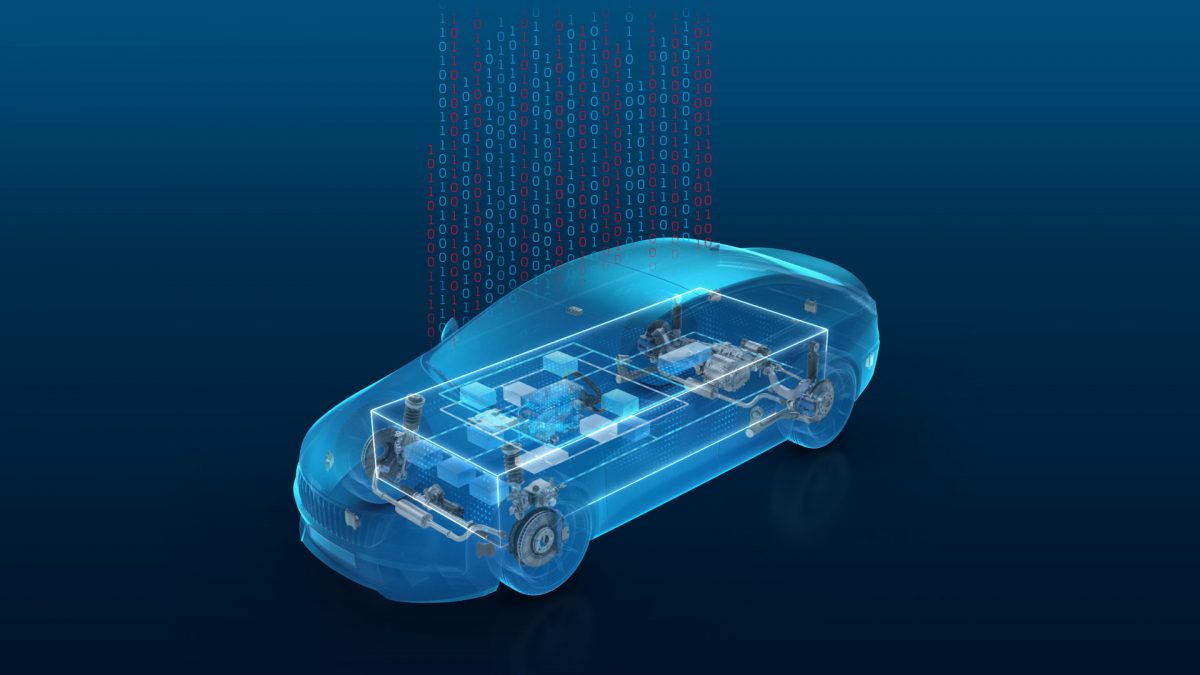
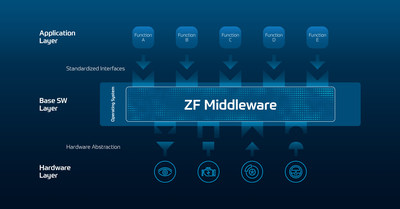
In a preview to CES 2021, ZF presented its new middleware. This open software platform is a «mediator» between a vehicle computer’s operating system and its software applications. Key functions of the middleware are the abstraction of computing hardware from software applications and the communication between these applications.

«The new ZF middleware underpins ZF’s claim to be one of the world’s leading system suppliers for the software-defined car of the future», says Dr. Dirk Walliser, Senior Vice President Research & Development, Innovation & Technology at ZF. «Our customers benefit from accelerated development processes and significantly reduced complexity when integrating hardware and software. Throughout the vehicle’s lifetime functions can be updated or additionally offered on-demand.»

As a comprehensive software platform, the ZF middleware will be available in series vehicles from 2024. Its development is closely connected to the development of application software for mobility domains like automated driving, integrated safety, vehicle motion control and electric mobility.

System Solutions for the Software-Defined Car

Bits and bytes have been allowing vehicle components to communicate with each other for almost five decades since the first electronic control units (ECUs) were installed in cars in the 1970’s. Today, vehicles may have up to 100 different ECUs. Each of them includes its own software. In new and future vehicle platforms, the electric and electronic architecture (E/E architecture) will change dramatically. Software functions move away from decentralized controllers towards a centralized system with only a few dedicated domain control units (DCUs), e.g. for automated driving functions. All these software applications benefit from a smoothly integrated middleware platform managing system integration.

Middleware reduces Complexity for System Integration

Being a connector to the software applications and the hardware components of a vehicle, only the middleware needs to be connected to the operating system. This approach minimizes the interfaces, guarantees fast communication with all parts of the system and can help to significantly reduce the complexity of system integration for the OEM.

The same principle applies for the development of hardware components. The middleware simplifies their flexible integration into vehicles providing communication in «one universal language». It «translates» and standardizes the communication between the vehicles different hard- and software layers.

Accelerated and Improved Processes

The open hard- and software architecture enables an accelerated and improved development process between ZF, vehicle manufacturers and other partners – from the first step of development and during the entire lifetime of the vehicle. As a result, vehicle manufacturers and end customers benefit from innovative vehicle functions that are always state-of-the-art. Depending on the OEM’s software architecture, ZF  offers a modular approach with its middleware from a full platform solution to single modules that can be integrated into the OEM’s software platform. Thanks to its own scalable ZF ProAI supercomputing platform for next generation vehicles, ZF is capable of providing traditional and New Automotive Customers with comprehensive systems comprising software, computing and sensor hardware as well as connected actuators.

Global Software Center to be established in 2021

ZF has prepared for these new challenges in the triad of software, functions and smart systems and is proactively pursuing numerous development processes by establishing a Global Software Center at the turn of the year that will be headed by Dr. Nico Hartmann, Vice President, Software Solutions & Global Software Center.

«Our Global Software Center will be responsible for developing software systems for future architectures on a group-wide level and making them available to the entire company», says Dr. Dirk Walliser. This will allow ZF to coordinate and standardize new trends, technologies, methods, procedures, tools and functions in order to make the resulting software available to all ZF divisions on a common development platform.

«Our approach represents a fresh and different look at software: We do not aim to ‘centralize’ software development. The reason is simple: Where experienced teams have long been developing interlinked hardware and software at component level, we will not reduce competencies. Instead, we provide complementary support and run joint software integration projects to create ideal overall conditions. This allows the expert teams to focus on their work but still have access to the latest resources via the Global Software Center. On the other hand, pure software products – such as our middleware – can be created centrally in the Global Software Center and then made available to everyone for further use,» says Dr. Nico Hartmann.

In the medium term, this will lead to uniform structures and a uniform development environment throughout the ZF Group. Software will be developed or adapted much faster to meet the needs of future software-defined vehicles through integrated cooperation with customers and partners.

The simultaneous and interlinked hardware and software development processes at ZF provide innovative, integrated and industry-leading solutions. They are not only unparalleled at component level but can also be expanded to comprehensive and intelligent vehicle systems that create a unique user experience.

ZF Friedrichshafen AG

ZF is a global technology company and supplies systems for passenger cars, commercial vehicles and industrial technology, enabling the next generation of mobility. ZF allows vehicles to see, think and act. In the four technology domains Vehicle Motion Control, Integrated Safety, Automated Driving, and Electric Mobility, ZF offers comprehensive solutions for established vehicle manufacturers and newly emerging transport and mobility service providers. ZF electrifies different kinds of vehicles. With its products, the company contributes to reducing emissions and protecting the climate.

ZF, which acquired WABCO Holdings Inc. on May 29, 2020, now has 160,000 employees worldwide with approximately 260 locations in 41 countries. In 2019, the two then-independent companies achieved sales of €36.5 billion (ZF) and $3.4 billion (WABCO).

For further press information and photos please visit: www.zf.com

Cision View original content to download multimedia:http://www.prnewswire.com/news-releases/accelerating-transformation-zf-presents-middleware-and-establishes-global-software-center-301193913.html

SOURCE ZF

The Macallan Red Collection despega en The Macallan Boutique by Le Clos

-The Macallan Red Collection despega con un comienzo de vuelo en The Macallan Boutique by Le Clos con más de 2 millones de dólares estadounidenses en ventas

– Le Clos en el Aeropuerto Internacional de Dubái (DXB) celebra un notable lanzamiento de The Macallan Red Collection generando más de 2 millones de dólares estadounidenses

– Eclipsando todas las demás campañas de lanzamiento en la historia de Le Clos

<span…

-The Macallan Red Collection despega con un comienzo de vuelo en The Macallan Boutique by Le Clos con más de 2 millones de dólares estadounidenses en ventas

– Le Clos en el Aeropuerto Internacional de Dubái (DXB) celebra un notable lanzamiento de The Macallan Red Collection generando más de 2 millones de dólares estadounidenses

– Eclipsando todas las demás campañas de lanzamiento en la historia de Le Clos

DUBAI, EAU, 16 de diciembre de 2020 /PRNewswire/ — The Macallan y Le Clos se han asociado para dar a conocer The Red Collection en The Macallan Boutique by Le Clos, reforzando su posición como uno de los principales minoristas globales de The Macallan. Las ventas generadas durante el lanzamiento superaron los 2 millones de dólares estadounidenses, y los coleccionistas internacionales y con sede en Dubái aseguraron sus asignaciones a las pocas horas de la presentación global.

Para ver el comunicado multimedia, haga clic: https://www.multivu.com/players/uk/8829251-macallan-red-collection-takes-off/

The Macallan Boutique by Le Clos, ha continuado las operaciones durante todas las fases de la pandemia. Vieron la necesidad de cambiar rápidamente, de tener un enfoque digital más fuerte con el fin de dar servicio a los clientes siempre que sea posible a través de una versión online de la Boutique (www.leclos.net/themacallan). A través de la boutique online y las campañas de marketing directo, Le Clos y The Macallan han continuado ofreciendo resultados de ventas excepcionales durante un período inmensamente desafiante.

Jeremy Speirs, director administrativo regional para Edrington Global Travel Retail comentó: «Después de haber seleccionado una gama tan notable de whiskies para The Red Collection, es apropiado que Le Clos sea uno de los pocos minoristas selectos que traen su historia a la vida en el lanzamiento en The Macallan Boutiques. Con su inigualable comprensión del consumidor de licores de lujo y su historial al proporcionar una plataforma de lanzamiento para algunas de las expresiones más premium y codiciadas de The Macallan, Le Clos se ha convertido en una verdadera autoridad en la marca, y sus tiendas son un destino obligado.»

Ben Odgers, director general para Le Clos añadió: «Durante estos tiempos sin precedentes para lograr tales ventas sobresalientes es un testimonio de la exclusividad de The Red Collection, nuestra asociación con The Macallan y la continua lealtad y apoyo de nuestros clientes. Nuestra colaboración con The Macallan y el compromiso mutuo con la innovación han permitido a The Macallan Boutique by Le Clos ser uno de los lugares de visita a nivel mundial para los coleccionistas de The Macallan y los conocedores del whisky.»

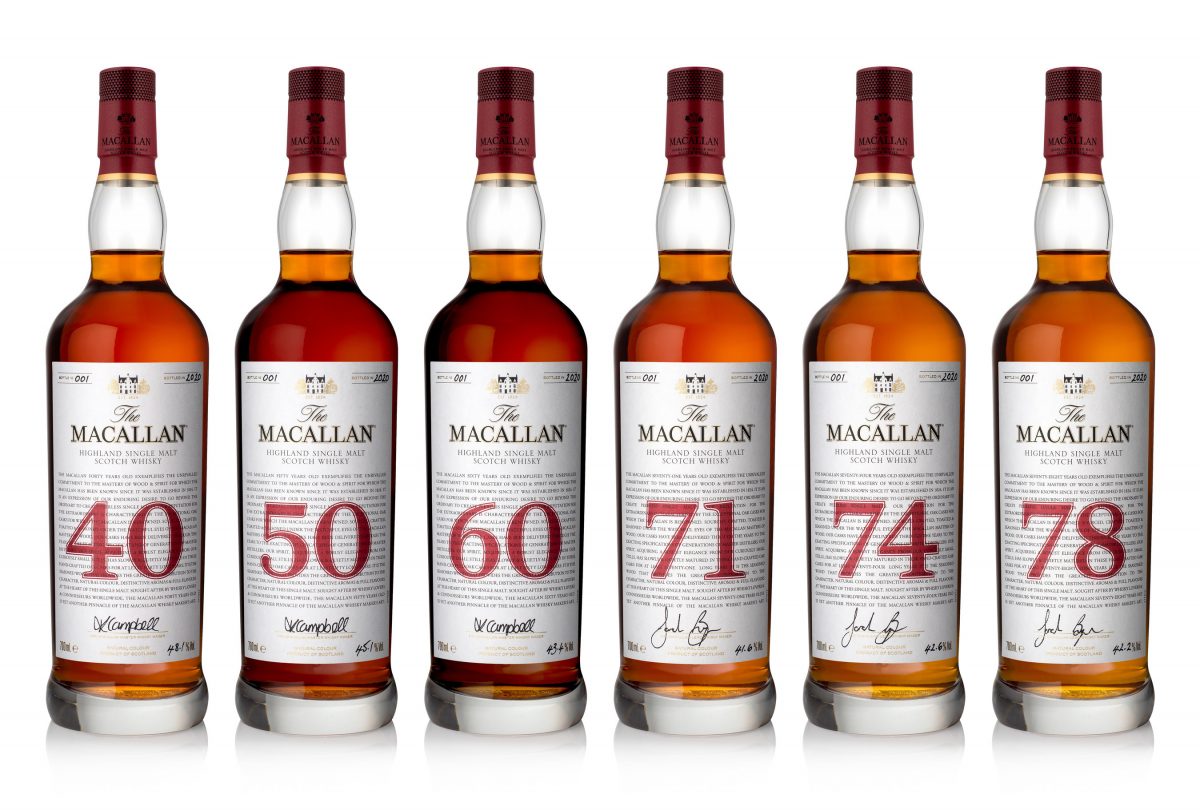
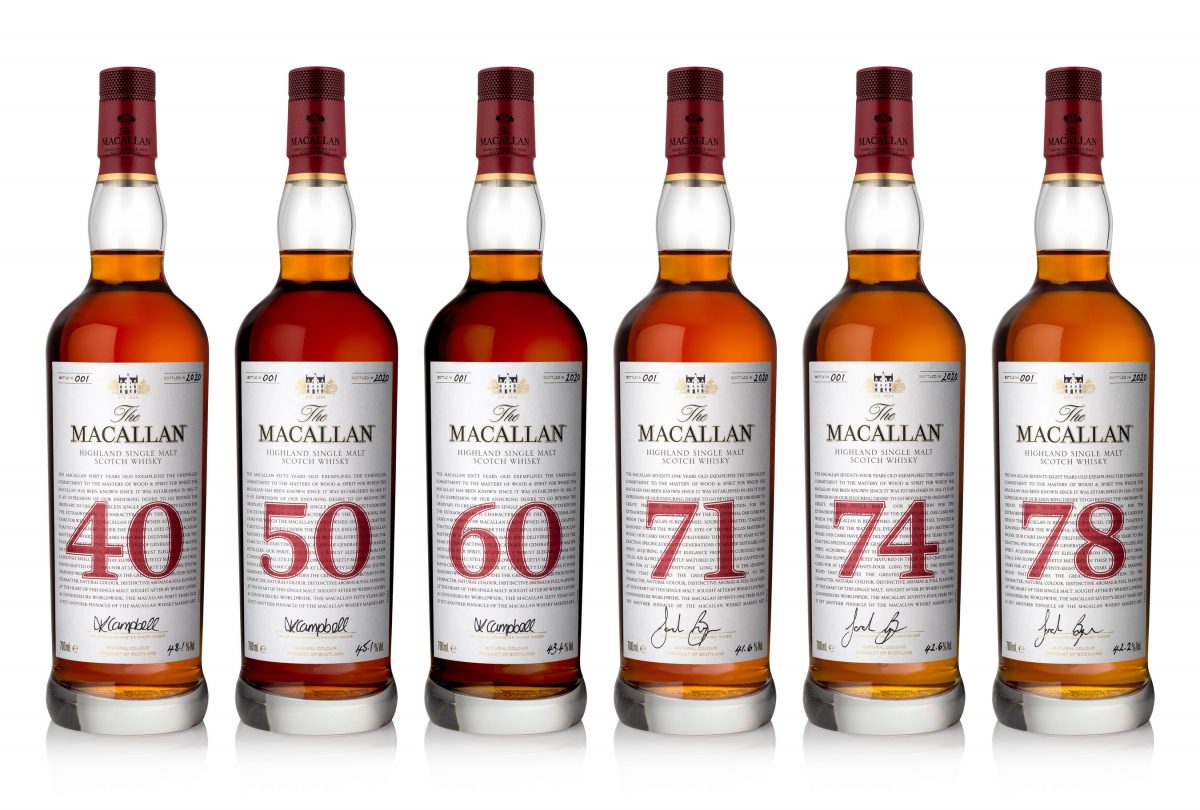
En el corazón de The Red Collection se encuentra The Macallan 40 Years Old, The Macallan 50 Years Old y The Macallan 60 Years Old, que son las expresiones en curso más antiguas jamás ofrecidas por The Macallan. Se les unirá en ocasiones los lanzamientos de invitados de gran edad, comenzando con The Macallan 71 Years Old, The Macallan 74 Years Old y The Macallan 78 Years Old. Estas maltas individuales increíblemente raras se encuentran entre los whiskies escoceses más antiguos del mundo, siendo The Macallan 74 Years Old y The Macallan 78 Years Old los embotellados más antiguos jamás lanzados por la marca.

El lanzamiento exclusivo es el último capítulo de la asociación galardonada entre The Macallan y Le Clos, y los clientes de todo el mundo pueden ver la Red Collection y la cartera de The Macallan en leclos.net/themacallan

Foto – https://mma.prnewswire.com/media/1385204/The_Macallan_Red_Collection.jpg
Vídeo – https://mma.prnewswire.com/media/1387175/Le_Clos_The_Macallan_Video.mp4


The Macallan Red Collection film by Javi Aznarez


The Macallan Red Collection despega en The Macallan Boutique by Le Clos

-The Macallan Red Collection despega con un comienzo de vuelo en The Macallan Boutique by Le Clos con más de 2 millones de dólares estadounidenses en ventas

– Le Clos en el Aeropuerto Internacional de Dubái (DXB) celebra un notable lanzamiento de The Macallan Red Collection generando más de 2 millones de dólares estadounidenses

– Eclipsando todas las demás campañas de lanzamiento en la historia de Le Clos

<span…

-The Macallan Red Collection despega con un comienzo de vuelo en The Macallan Boutique by Le Clos con más de 2 millones de dólares estadounidenses en ventas

– Le Clos en el Aeropuerto Internacional de Dubái (DXB) celebra un notable lanzamiento de The Macallan Red Collection generando más de 2 millones de dólares estadounidenses

– Eclipsando todas las demás campañas de lanzamiento en la historia de Le Clos

DUBAI, EAU, 16 de diciembre de 2020 /PRNewswire/ — The Macallan y Le Clos se han asociado para dar a conocer The Red Collection en The Macallan Boutique by Le Clos, reforzando su posición como uno de los principales minoristas globales de The Macallan. Las ventas generadas durante el lanzamiento superaron los 2 millones de dólares estadounidenses, y los coleccionistas internacionales y con sede en Dubái aseguraron sus asignaciones a las pocas horas de la presentación global.

Para ver el comunicado multimedia, haga clic: https://www.multivu.com/players/uk/8829251-macallan-red-collection-takes-off/

The Macallan Boutique by Le Clos, ha continuado las operaciones durante todas las fases de la pandemia. Vieron la necesidad de cambiar rápidamente, de tener un enfoque digital más fuerte con el fin de dar servicio a los clientes siempre que sea posible a través de una versión online de la Boutique (www.leclos.net/themacallan). A través de la boutique online y las campañas de marketing directo, Le Clos y The Macallan han continuado ofreciendo resultados de ventas excepcionales durante un período inmensamente desafiante.

Jeremy Speirs, director administrativo regional para Edrington Global Travel Retail comentó: «Después de haber seleccionado una gama tan notable de whiskies para The Red Collection, es apropiado que Le Clos sea uno de los pocos minoristas selectos que traen su historia a la vida en el lanzamiento en The Macallan Boutiques. Con su inigualable comprensión del consumidor de licores de lujo y su historial al proporcionar una plataforma de lanzamiento para algunas de las expresiones más premium y codiciadas de The Macallan, Le Clos se ha convertido en una verdadera autoridad en la marca, y sus tiendas son un destino obligado.»

Ben Odgers, director general para Le Clos añadió: «Durante estos tiempos sin precedentes para lograr tales ventas sobresalientes es un testimonio de la exclusividad de The Red Collection, nuestra asociación con The Macallan y la continua lealtad y apoyo de nuestros clientes. Nuestra colaboración con The Macallan y el compromiso mutuo con la innovación han permitido a The Macallan Boutique by Le Clos ser uno de los lugares de visita a nivel mundial para los coleccionistas de The Macallan y los conocedores del whisky.»

En el corazón de The Red Collection se encuentra The Macallan 40 Years Old, The Macallan 50 Years Old y The Macallan 60 Years Old, que son las expresiones en curso más antiguas jamás ofrecidas por The Macallan. Se les unirá en ocasiones los lanzamientos de invitados de gran edad, comenzando con The Macallan 71 Years Old, The Macallan 74 Years Old y The Macallan 78 Years Old. Estas maltas individuales increíblemente raras se encuentran entre los whiskies escoceses más antiguos del mundo, siendo The Macallan 74 Years Old y The Macallan 78 Years Old los embotellados más antiguos jamás lanzados por la marca.

El lanzamiento exclusivo es el último capítulo de la asociación galardonada entre The Macallan y Le Clos, y los clientes de todo el mundo pueden ver la Red Collection y la cartera de The Macallan en leclos.net/themacallan

Foto – https://mma.prnewswire.com/media/1385204/The_Macallan_Red_Collection.jpg
Vídeo – https://mma.prnewswire.com/media/1387175/Le_Clos_The_Macallan_Video.mp4


The Macallan Red Collection film by Javi Aznarez


Toyota Introduces Second-Generation Mirai Fuel Cell Electric Vehicle as Design and Technology Flagship Sedan

NEWPORT COAST, Calif., Dec. 16, 2020 /PRNewswire-HISPANIC PR WIRE/ — Beauty, technology and a hint of the future come together in Toyota’s new flagship sedan, the all-new 2021 Mirai. The 2016-2020 Mirai was the first production fuel-cell electric vehicle (FCEV) offered for sale to retail customers in North America. Now, for 2021, Toyota has fully rebooted the Mirai as a premium rear-wheel drive sports-luxury FCEV with striking design, cutting-edge technology, more…

NEWPORT COAST, Calif., Dec. 16, 2020 /PRNewswire-HISPANIC PR WIRE/ — Beauty, technology and a hint of the future come together in Toyota’s new flagship sedan, the all-new 2021 Mirai. The 2016-2020 Mirai was the first production fuel-cell electric vehicle (FCEV) offered for sale to retail customers in North America. Now, for 2021, Toyota has fully rebooted the Mirai as a premium rear-wheel drive sports-luxury FCEV with striking design, cutting-edge technology, more engaging driving performance and a significantly longer EPA-estimated range rating.
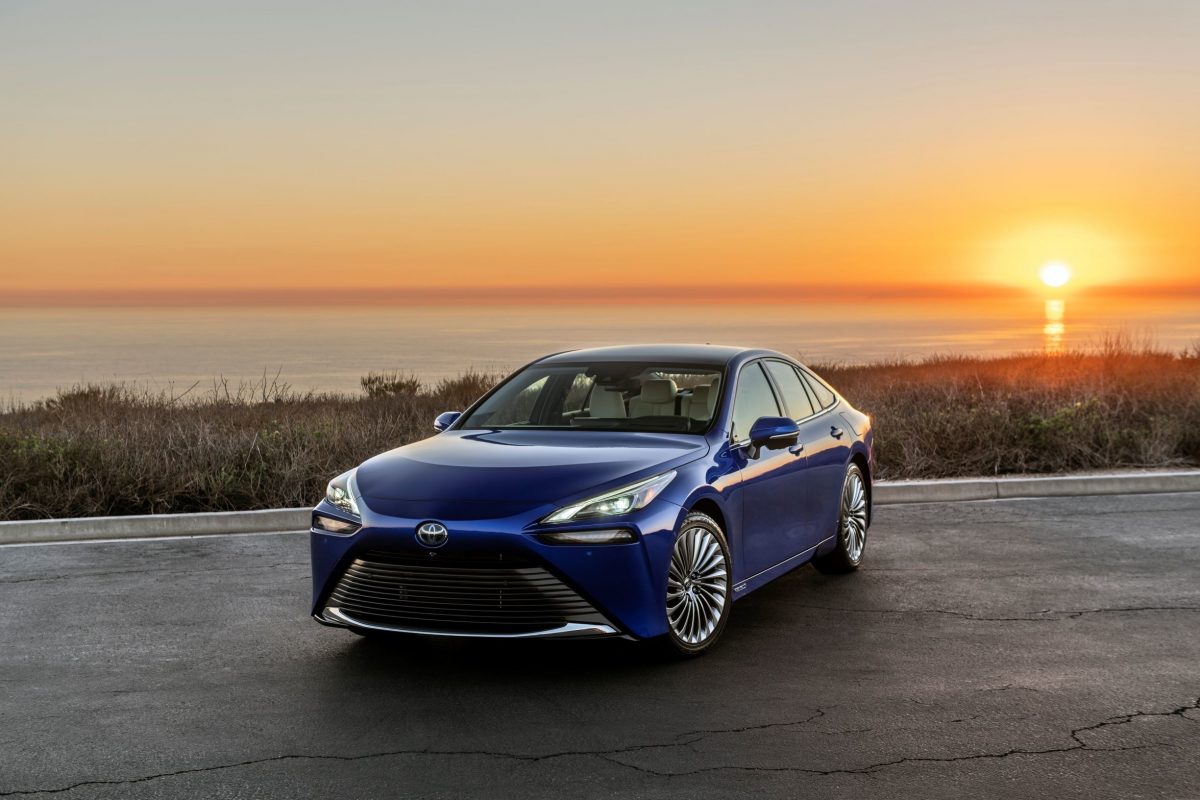
For 2021, Toyota has fully rebooted the Mirai as a premium rear-wheel drive sports-luxury FCEV with striking design, cutting-edge technology, more engaging driving performance and a significantly longer EPA-estimated range rating.

The model name, which means future in Japanese, is wholly appropriate, as the 2021 Mirai is powered by the latest evolution of the brand’s advanced fuel cell electric vehicle (FCEV) powertrain. The new Mirai is one part of an electrification strategy that also includes Toyota’s current and future hybrids and upcoming battery electric vehicles (BEVs). Toyota put the auto industry on the road to modern electrification in 1997 with the first Prius hybrid and today remains the global leader in gas/electric hybrid sales.

Built on the rear-wheel drive GA-L platform that also underpins the larger Lexus LS sedan, the 2021 Toyota Mirai makes a major design departure from the front-wheel drive first-generation version. The body is lower, longer, and wider, with its bolder stance accentuated by standard 19-inch alloy wheels.

A more powerful fuel cell system provides a more engaging driving experience than its pioneering forerunner. The rear-wheel drive layout and four-wheel independent suspension deliver a true sports-luxury sedan driving feel, with greater handling agility than before, yet also with a more comfortable ride. The RWD layout also allowed for increased hydrogen storage to boost EPA-estimated range to 402 miles (Mirai XLE grade), a 30 percent increase over the first-generation Mirai.

The new Mirai’s clean, modern profile was inspired by coupes, yet the new design is also more practical than before. Improved use of space enables a five-seat cabin versus the four-seat layout in the first-generation Mirai. The new Mirai’s interior matches the elegant tone of the exterior.

The 2021 Mirai features more advanced user and safety tech, including Toyota Safety Sense 2.5+. This latest generation of Toyota’s driver-assist technology suite includes Full Speed Dynamic Radar Cruise Control, automatic emergency braking, and Lane Keep Assist. In addition, Blind Spot Monitor with Rear Cross Traffic Alert is standard on the 2021 Mirai.

Electrifying Design, Slippery Aero

The switch to a rear-wheel drive platform delivers a «twofer» in the 2021 Mirai. The new layout facilitates the coupe-like proportions and bolder stance. At the same time, the new platform allowed for a roomier cabin with more usable space on the inside and in the trunk. The result is neither «form follows function» nor the opposite; it is perhaps better described as «form marries function,» and it’s a beautiful marriage, indeed.

The 2021 Mirai conveys a sense of motion with a classic GT car stance (long-hood, sweeping roofline, short rear deck), rendered in a practical four-door sedan package. The cabin silhouette flows rearward with flush, smooth side surfaces, accented by a dynamic sculpted rocker area with a kickup near the rear wheel.

The body tapers to the rear and blends into an integrated rear spoiler. The effect is that of a single metal form sculpted into a bold shape. The Limited grade is equipped with an exclusive dual-panel panorama roof, which features fixed glass panels and a power sunshade.

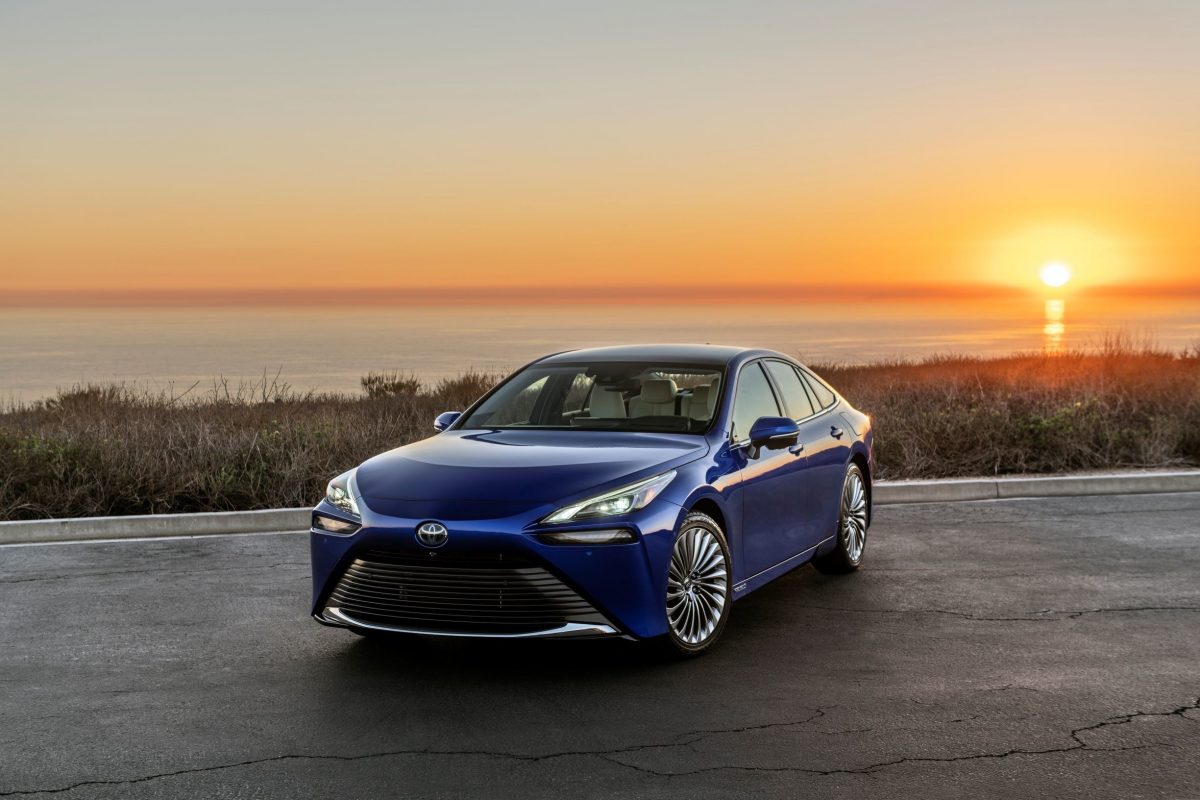
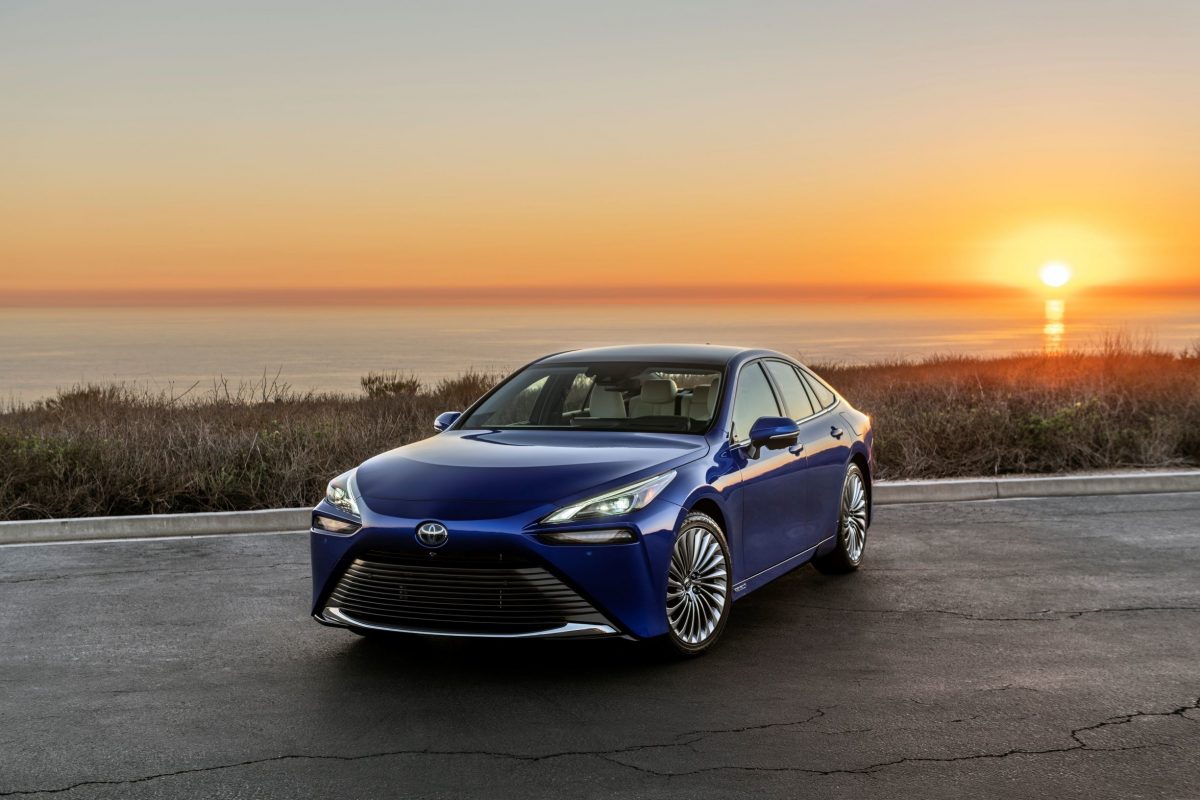
The 2021 Mirai will be offered in five exterior colors: Black, Oxygen White, Supersonic Red, Hydro Blue, and Heavy Metal. Hydro Blue, exclusive to the Limited grade, is created with primer, silver base, clear, blue clear, and final clear layers.

The «function» aspect of Mirai manifests in a larger body with more passenger room. Wheelbase, height, length and width are all increased over the first-generation Mirai. Weight increases by just 176 lbs., yet weight distribution improves to near 50:50, and the center of gravity is lower to significantly enhance handling agility.

2021 Mirai (XLE grade)

2016-2020 Mirai

Change for 2021 model

Wheelbase

114.9 in. (2920mm)

 109.4 in. (2780mm)

 +5.5 in. (+140mm)

Length

4975mm (195.8 in.)

192.5 in. (4890mm)

 +3.3 in. (+85mm)

Width

74.2 in. (1885mm)

71.4 in. (1815mm)

+2.7 in. (+70mm)

Height

57.9 in. (1470mm)

60.4 in. (1535mm)

-2.5 in. (-65mm)

Seating capacity

5

4

+1

Curb weight

4,255 lbs.

4,079 lbs.

+176 lbs.

Weight distribution

50:50

58:42

Improved agility and handling

Sleek Details

The 2021 Mirai introduces a new lighting signature for a Toyota sedan, with long, narrow headlights that sweep rearward into the fenders. Both grades are equipped with auto-leveling bi-beam LED headlights, multi-LED front and rear turn signal indicators, Daytime Running Lights (DRL), and clearance lights. The LED side marker lamps are etched with the Mirai logo.

At the rear, a thin LED taillight panel spans the car’s width, tapered in the center, and creates a unique nighttime signature with three distinct gradation lines. Color-keyed heated power-folding outside mirrors feature turn signal indicators, defrosters, blind spot warning, and puddle lights.

As much as the new Mirai design catches the eye and tugs at the heart, it is bound to cheat … the wind, that is. The super-low 0.29 coefficient of drag owes not only to the body’s shape, but also to details such as optimized airflow through the wheel wells, a flat full undercover, aero stabilizing fins at the front edge of the side windows and windshield wipers that retract to a lower position when not in use.

The wipers show the kind of detail Toyota infused to raise comfort and convenience to a higher level in the Mirai. They feature direct-spray washer fluid arms, and, when in use, operate more quietly thanks to slower speed at the reversing point.

The Mirai XLE grade rides on standard 19-inch five-twin-spoke aerodynamic wheels, with the Limited grade distinguished by black machined-finished versions. The Limited also offers optional 20-inch Super Chrome alloy wheels.

Flagship Accommodations

The Mirai’s clean, modern layout is infused with a hint of luxury. The cabin embraces occupants in comfort and understated elegance while making cutting-edge multimedia tech easily accessible.

The concept starts with more interior room than the first-gen Mirai, with clever design that further heightens the feeling of spaciousness. The dash panel appears as a single sculptural form, seamlessly integrating all controls, displays and ventilation. The dash is nearly 3 inches wider than in the first-gen Mirai and is also angled more steeply (28.4 degrees vs. 32.7 degrees), enhancing the feeling of spaciousness.

As on Toyota’s GR Supra sports car, the Mirai’s dash design flows into the door panels to wrap the driver and passenger, and the driver section is further defined by a console that’s more enclosing on that side. The console armrest is a significant 3.7 in. wider and 2.3 in. longer than in the first Mirai.

The feeling of luxury comes through in the choice of materials. Major portions of the dash, as well as the console armrest, are wrapped in SofTex synthetic leather. A seamless punched-metal panel resembling a speaker grille runs atop the dash, concealing the audio speakers and creating a sophisticated textural design element. This motif is repeated on the rear package shelf, as well.

Elegant copper-color or satin chrome metal trim outlines the console and then rises to follow the edge of the SoftTex dash covering. With copper trim, the upholstery stitching is beige; with satin chrome trim, it’s gray. The climate control outlet vents blend into a thin horizontal trim panel running just beneath the metal trim line.

Two rows of switches, one below the center display and another within the dash trim below that, are zoned by function. Three-dimensional steps give the steering wheel switches a high-quality feel.

Comfort and Tech: Above and Beyond

The Mirai combines exacting craftsmanship and high tech to give the Mirai comfort that’s above the ordinary. Starting with what’s «above,» the headliner is hardly conventional. An infrared reflective layer on the roof-facing surface blocks that part of the spectrum to help reduce heat buildup inside the cabin, resulting in reduced electrical load on the air conditioning system. Also within the headliner, a layer of Thinsulate™ also helps to block heat as well as provide additional sound damping. The side windows are UV-Protected and water-repellent.

The Mirai XLE grade features SoftTex upholstery and heated, power-adjustable front seats (8-way for driver, 4-way for passenger). The Limited steps up to perforated SoftTex-trimmed heated and ventilated front and rear seats, including an 8-way power front passenger seat.

The Limited interior is available in dramatic two-tone color schemes: white and brown or black. LED ambient lighting includes eight driver-selectable colors and blue footwell illumination. A standard digital rear view mirror with a HomeLink® transmitter in the Limited can be switched from conventional to digital modes. The latter relays an expansive camera view from behind the vehicle and can also brighten the nighttime image.

For rear seat passengers in the Limited, digital touch switches on the rear of the center console operate the audio and climate controls and the panorama roof’s power sunshade. The Limited features manual sunshades for the side windows and a power shade for the rear window.

Dual Digital Displays

The Mirai XLE and Limited both employ an 8-inch color TFT LCD digital gauge cluster and a 12.3-inch touchscreen multimedia display. Within the 8-inch gauge cluster, a 4.2-in. multi-information display includes an ECO drive indicator that helps the driver to maximize fuel efficiency by providing acceleration guidance and assigning a score on economical driving. Hydrogen fuel level and remaining range are always shown.

The 12.3-inch display provides easy access for the driver or front passenger, and the multimedia, climate control, and navigation content can be toggled from left and right. Both model grades come standard with a Dynamic Navigation three-year free trial and Premium Audio playing through 14 JBL® speakers, including subwoofer. The system features the latest in-demand connectivity tech, including Bluetooth® wireless technology, Android Auto™, Apple CarPlay®, Amazon Alexa compatibility and SiriusXM® with 3-month All Access trial.

The 12.3-inch display also relays imagery from the Bird’s Eye View Camera with Perimeter Scan, Overhead 360-Degree View in drive and reverse, and Curb View (standard on Limited and available for XLE).

FCEV: Making Electricity from Hydrogen

Even those familiar with EVs may still be unacquainted with FCEVs. The easiest way to understand an FCEV is that it is a «plug-less» electric vehicle. There’s no need to charge the battery, which can take several hours in an EV even with fast charging. Instead, the FCEV driver simply fills the tank with hydrogen in about five minutes, just as millions of drivers do every day with gas vehicles.

With an FCEV, the fuel is non-toxic, compressed hydrogen gas rather than liquid gasoline. As it did with the first-generation Mirai, Toyota will include up to $15,000 of complimentary hydrogen.

An FCEV generates its own electricity onboard from hydrogen, with water as the only emission. A fuel cell «stack» combines the stored hydrogen with oxygen from the air, and a chemical reaction that produces electric current, and water, which drops out of a hidden vent pipe beneath the car.

The fuel cell is composed of an anode, a cathode, and an electrolyte membrane. Hydrogen is passed through the anode, and oxygen through the cathode. The hydrogen molecules are split into electrons and protons. As protons pass through the electrolyte membrane, electrons go through a circuit, generating an electric current. At the cathode, the protons, electrons, and oxygen combine to produce water molecules. There are no other byproducts.

The excess electricity generated by the Mirai’s fuel cell and by regenerative braking is stored in a lithium-ion battery. As a result, pressing the accelerator pedal yields immediate flow of electric power jointly from the fuel cell and battery to the rear-mounted AC synchronous electric motor, which drives the rear wheels through a fixed gear ratio.

Smaller, Lighter, More Powerful

The second-gen Mirai features a more highly evolved FC system. Still 650v as in the first Mirai, the next-generation fuel cell stack is about 20 percent smaller and 50 percent lighter than the previous stack, and so fits easily under the hood. The new, smaller stack allowed the switch to rear-wheel drive. In comparison, the first-gen Mirai was FWD, and the larger stack was placed under a raised section of the passenger compartment floor.

A compact, lightweight power control unit is now integrated with the FC stack case, further reducing overall system size. Relocating the air intake manifold and optimizing the gas channel separator electrodes and seals has resulted in a 12-percent increase in power output over the first-gen stack (128kw, up from 114kw). That translates to 182 hp and 221 lb-ft. of torque vs. 151 hp and 247 lb-ft for the first-gen Mirai.

In the 2021 Mirai, a lithium-ion battery is smaller and lighter (98.3 lb. vs. 103.4 lb.) and has higher capacity than the nickel metal-hydride battery used in the first-gen model (310.8v and 4.0 Ah, compared to 244.8v and 6.5 Ah in the earlier car). The more compact battery package fits between the rear seat and trunk, and the trunk can carry 2-3 golf bags. Cooling air for the battery is silently pulled in from the cabin.

In the Toyota Mirai, compressed hydrogen fuel is stored in three 10,000-psi carbon-fiber-reinforced high-pressure tanks: one mounted longitudinally in the center of the car; another mounted transversely under the rear seat, and a third below the battery. The three tanks together hold about 11 pounds of hydrogen.

Electric «Supercharger»

There’s no combustion in an FCEV, of course, but there is a kind of air supercharger. An electric air compressor pressurizes the intake air, and a water-cooled intercooler reduces the temperature of the compressed air before it enters the FC stack. A water-cooled oil cooler integrated with the air compressor helps to provide reliability.

The intake system is designed to mitigate noise, which will be virtually unnoticeable to occupants. The inlet design and sound-absorbing material in the air cleaner prevent air column resonance. By necessity, the intake air for the fuel cell must be purified; the electret air cleaner element captures ultra-fine particles (PM 2.5), and a charcoal filter removes chemical substances. The resulting air released from the system is cleaner than the intake air.

Driving the Mirai

Driving the Toyota Mirai is like driving a Toyota Hybrid – meaning a thoroughly «normal» experience. Get in, buckle up, push the Start button, and the Mirai is ready to drive immediately. Shift the gear selector into D, and off you go. While the 2021 Mirai will initially be offered only in California, it is fully optimized for cold weather operation; the FC system has been tested in extremely cold conditions and can start at an outside temperature as low as -22°F. 

Operation of the FC system and battery is seamless. Normal initial acceleration uses battery energy, like a battery EV would. After initial acceleration, it smoothly transitions to FC+EV operation, and then fully to FC power to the EV drivetrain when cruising. As a result, the driver feels a natural, linear response to the accelerator.

Like a Toyota hybrid vehicle, the FC also sends electricity to be stored in the battery, and the battery is also charged by the motor-generator during deceleration. Direct current from the battery is converted into three-phase alternating current for the FC air compressor and the electric drive motor. In the 2021 Mirai, a second DC/DC converter augments the main DC/DC converter to respond to the auxiliary load increase.

The Mirai provides excellent everyday driving performance, for example accelerating from 25 mph to 45 mph in 2.8 seconds. The driver can tailor the driving feel via the Drive Mode Select switch, which offers ECO, NORMAL and SPORT modes. NORMAL provides an excellent balance between driving performance and fuel efficiency. Selecting ECO mode prioritizes efficiency by optimizing air conditioning operation, while SPORT mode quickens accelerator response and tightens steering feel for a more dynamic driving experience.

As on Toyota Hybrids, Predictive Efficient Drive can learn repeatedly traveled routes to optimize charging and discharging of the battery to help maximize fuel economy and driving range.

Luxury Car Chassis

To make the second-generation Mirai its new sedan flagship, Toyota based it on the GA-L platform also used for the Lexus LS sedan. (The LS uses a larger version of the platform.) The change to rear-wheel drive and resulting new layout for the FC system and EV powertrain yield a near 50:50 weight distribution, versus 58:42 for the front-wheel drive first-gen Mirai.

The high-strength platform provides the foundation for superb handling agility and an exceptionally smooth, quiet ride. Laser screw welding and adhesive structure bonding, proven on many other Toyota and Lexus models, are among the construction techniques used to give the Mirai a truly premium feel on the road.

The suspension is completely new and fully befitting a flagship luxury-sport sedan. Sophisticated multilink suspension replaces strut-type front suspension and beam axle rear suspension used for the first-gen Mirai. Suspension geometry and stiffness provide highly responsive, direct-feeling steering. The result is a much higher level of handling precision, giving the second-gen Mirai a distinctly sporting feel to match its future-looking powertrain.

Active Cornering Assist engages the stability control to reduce understeer in certain cornering situations. Hill Start Assist Control, standard for both grades, allows smoother, safe takeoffs from stops on hills.

Electric power steering delivers quick response, with a tight 38.6-ft. turning circle for easy maneuverability. Both the XLE and Limited grades are equipped with 19 x 8-inch alloy wheels and 235/55R19 all-season tires. The Limited in addition offers optional 20 x 8.5-inch turbine-style Super Chrome alloy wheels with 245/45ZR20 tires.

Mirai Safety

Toyota Safety Sense 2.5+ equips the 2021 Mirai to help avoid collisions or mitigate their impact. Also featured on other 2021 Toyotas, including the Camry and Highlander, TSS 2.5+ is the next phase in Toyota’s evolution of active safety systems. A number of functions that are part of the Toyota Safety Sense have been enhanced.

For starters, the Pre-Collision System with Pedestrian Detection (PCS w/PD), features multiple enhancements. By enhancing the system capabilities, it is now possible for the system to help detect not only the vehicle ahead but also a preceding bicyclist in daytime and even a preceding pedestrian in low-light conditions. TSS 2.5+ also enhances the PCS w/PD system with intersection support. At intersections, the system may detect an oncoming vehicle or pedestrian when performing a left-hand turn and may provide audio/visual alerts and automatic braking in certain conditions. Additional PCS functions include emergency steering assist, which is designed to stabilize the driver’s emergency steering maneuvers within their lane while avoiding a preceding pedestrian, bicyclist or vehicle.

Each Mirai comes equipped with Full-Speed Dynamic Radar Cruise Control (DRCC), which can activate the feature above 30 mph, have a system designed to perform vehicle-to-vehicle distance controls down to 0 mph and resume from a stop. DRCC also includes a new feature that allows for smoother overtaking of slower vehicles. If traveling behind a vehicle traveling slower than the preset speed, once the driver engages the turn signal and initiates steering input the system will provide an initial increase in acceleration in preparation for changing lanes; after changing lanes, the vehicle will continue acceleration until it reaches the preset driving speed.

Lane Departure Alert is designed to help notify the driver via steering wheel vibrations or audible alert if it senses the vehicle is leaving the lane without engaging a turn signal. When DRCC is set and engaged, Lane Tracing Assist (LTA) is designed to assist the driver by providing a slight steering force to help center the vehicle in its lane using visible lane markers or a preceding vehicle.

Additional TSS 2.5+ features include Automatic High Beams, which detects preceding or oncoming vehicles and automatically switches between high beam and low beam headlights. Road Sign Assist (RSA), which is designed to recognize certain road sign information using a forward-facing camera and display them on the multi-information display (MID). With DRCC engaged and activated, RSA can also adjust speed up to the posted speed limit if driving slower or down to the posted speed limit if driving faster than posted.

In addition to the TSS 2.5+ system, to help Mirai drivers change lanes with confidence, Blind Spot Monitor is designed to help detect and warn you of vehicles approaching or positioned in the adjacent lanes. Rear Cross Traffic Alert (RCTA) can offer added peace of mind by helping to detect vehicles approaching from either side while backing out and alerting you with a visual and audible warning.

Two-Grade Model Strategy

Toyota will offer the 2021 Mirai in two grades, XLE and Limited, rather than only a top-of-line mono-spec version as with the first-generation model. The new strategy will make the Mirai accessible to a wider market.

The Mirai XLE comes well equipped with standard SofTex-trimmed seating featuring heated, 8-way power driver and 4-way power passenger seats; dual-zone automatic climate control with remote feature; Smart Key System remote keyless entry system with trunk-release, panic button and remote illuminated entry; auto-leveling LED headlamps; LED front interior reading lights; Toyota Premium Multimedia system with navigation and 14 JBL speakers; Qi wireless charger; power tilt/telescoping steering wheel; auto-dimming rearview mirror, and electronic parking brake.

Connected Services include Safety Connect® with 1-year trial; Service Connect with 10-year trial; Remote Connect with 1-year trial; Wi-Fi Connect with up to 2 GB within 3-month trial, and Destination Assist with 1-year trial. (See toyota.com/connected-services and toyota.com/audio-multimedia for details.)

As an option, the XLE offers the Advanced Technology Package that includes Bird’s Eye View Camera, Front and Rear Parking Assist with Automated Braking, and Front Seat Foot Illumination.

The Mirai Limited grade makes those features standard, along with ventilated front seats, heated rear seating, three-zone automatic climate control (two-zone in front, one-zone in rear with separate digital control panel), ambient lighting, and a panorama roof.

Mirai Pricing

The 2021 Mirai will roll into dealers with more grades, more options and a lower starting MSRP. The Mirai XLE grade has a starting MSRP of $49,500, which is $9,050 less than the starting MSRP of the outgoing 2020 Mirai. An Advanced Technology Package, which includes Bird’s Eye View camera, front and rear Parking Assist with Automated Braking and front seat foot illumination, can be added to the XLE for $1,410.

The Limited grade has a starting MSRP of $66,000, with optional 20″ Super Chrome Alloy wheels available for an additional $1,120. Both the XLE and Limited grades have a Special Color price of $425 for Oxygen White, Heavy Metal, Supersonic Red and Hydro Blue (Limited only).

Mirai XLE grade will have a starting lease price of $499 a month, while the Limited grade lease pricing starts at $549 a month. Special launch incentives will be available when this next-generation Mirai first goes on sale, including special finance rates, retail cash back and launch cash back.

Each Mirai comes with up to $15,000 of complimentary hydrogen. Extended ToyotaCare, good for three years or 35,000 miles, will come standard with each Mirai. Other owner benefits include roadside assistance for three years (unlimited miles), an eight-year/100,000-mile FCEV warranty on key fuel cell electric vehicle components, a complimentary rental experience for up to 21 days during the first three years of ownership, and much more.

Toyota’s Fuel Cell Future

Toyota, projects that fuel cell electric technology will one day be as common as the company’s hybrid electric technology.

Fuel cell technology pre-dates the automobile by half a century. In 1838, a Welsh physicist combined hydrogen and oxygen in the presence of an electrolyte and produced an electric current, though not enough to be useful. By the 1960s, the technology was being used in America’s Gemini and Apollo spacecraft, where it provided crews with both electricity and water from stored hydrogen and oxygen.

Fuel cells had been studied for the automotive sector, but the technology only recently became practical and cost-effective. Toyota began its fuel cell development around the same time as its original Prius nearly 25 years ago, and the Mirai shares technology from the company’s hybrid program.

Toyota developed the solid-polymer electrolyte fuel cells used in the first- and second-generation Mirai models. To help foster FCEV proliferation, the company has released over 5000 of its patents, royalty-free.

Toyota remains committed to fuel cell technology as a powertrain for the future. It is a scalable technology that can be made small enough to power a phone or large enough to power a building, or anything in between. For example, Toyota recently installed fuel cell powertrains in a fleet of Kenworth class-8 semi-trucks that are rated for a maximum 80,000-pound load. These big rigs are currently used for moving freight in and around the Ports of Los Angeles and Long Beach, California.

More FCEVs will be entering the market over the next few years, as the cost, size and weight of fuel cell systems are reduced and the fueling infrastructure grows.

Ample Domestic Fuel Supply

Hydrogen can be produced from a variety of domestic resources. The goal of the Hydrogen Council, for which Toyota is a founding member, is to use decarbonized hydrogen for transportation such as that produced from bio-resources or renewable electricity via electrolysis by 2030. As of November 2020, the U.S. Department of Energy Alternative Fuels Data Center indicated 43 hydrogen fueling stations open in California, plus one in Hawaii. Toyota has joined with other manufacturers, as well as local governments, to help expand the number of hydrogen fueling stations that are built each year and to expand the market.

About Toyota

Toyota (NYSE:TM) has been a part of the cultural fabric in the U.S. for more than 60 years, and is committed to advancing sustainable, next-generation mobility through our Toyota and Lexus brands, plus our nearly 1,500 dealerships. 

Toyota has created a tremendous value chain and directly employs more than 36,000 in the U.S. The company has contributed world-class design, engineering, and assembly of more than 30 million cars and trucks at our 9 manufacturing plants, 10 including our joint venture in Alabama that is scheduled to begin production in 2021.

To help inspire the next generation for a career in STEM-based fields, including mobility, Toyota launched its virtual education hub at www.TourToyota.com with an immersive experience and chance to visit many of our U.S. manufacturing facilities. The hub also includes a series of free STEM-based lessons and curriculum through Toyota USA Foundation partners, virtual field trips and more. For more information about Toyota, visit www.toyotanewsroom.com.


Media Contacts:

Nathan Kokes
469-292-3103
nathan.kokes@toyota.com

Zachary Reed
469-292-3499
zachary.reed@toyota.com


Note to Editors: Photos and b-roll can be found on ToyotaNewsroom.com 

For customer inquiries, please call: 800-331-4331

Toyota logo. (PRNewsFoto/Toyota Media Relations)

Photo – https://mma.prnewswire.com/media/1386593/Toyota_2021_Mirai_Limited_Hydro_Blue_007_2.jpg  
Logo – https://mma.prnewswire.com/media/1386591/TOYOTA_MEDIA_RELATIONS_LOGO.jpg


SOURCE Toyota

Toyota Introduces Second-Generation Mirai Fuel Cell Electric Vehicle as Design and Technology Flagship Sedan

NEWPORT COAST, Calif., Dec. 16, 2020 /PRNewswire/ — Beauty, technology and a hint of the future come together in Toyota’s new flagship sedan, the all-new 2021 Mirai. The 2016-2020 Mirai was the first production fuel-cell electric vehicle (FCEV) offered for sale to retail customers in North America. Now, for 2021, Toyota has fully rebooted the Mirai as a premium rear-wheel drive sports-luxury FCEV with striking design, cutting-edge technology, more engaging driving…

NEWPORT COAST, Calif., Dec. 16, 2020 /PRNewswire/ — Beauty, technology and a hint of the future come together in Toyota’s new flagship sedan, the all-new 2021 Mirai. The 2016-2020 Mirai was the first production fuel-cell electric vehicle (FCEV) offered for sale to retail customers in North America. Now, for 2021, Toyota has fully rebooted the Mirai as a premium rear-wheel drive sports-luxury FCEV with striking design, cutting-edge technology, more engaging driving performance and a significantly longer EPA-estimated range rating.

The model name, which means future in Japanese, is wholly appropriate, as the 2021 Mirai is powered by the latest evolution of the brand’s advanced fuel cell electric vehicle (FCEV) powertrain. The new Mirai is one part of an electrification strategy that also includes Toyota’s current and future hybrids and upcoming battery electric vehicles (BEVs). Toyota put the auto industry on the road to modern electrification in 1997 with the first Prius hybrid and today remains the global leader in gas/electric hybrid sales.

Built on the rear-wheel drive GA-L platform that also underpins the larger Lexus LS sedan, the 2021 Toyota Mirai makes a major design departure from the front-wheel drive first-generation version. The body is lower, longer, and wider, with its bolder stance accentuated by standard 19-inch alloy wheels.

A more powerful fuel cell system provides a more engaging driving experience than its pioneering forerunner. The rear-wheel drive layout and four-wheel independent suspension deliver a true sports-luxury sedan driving feel, with greater handling agility than before, yet also with a more comfortable ride. The RWD layout also allowed for increased hydrogen storage to boost EPA-estimated range to 402 miles (Mirai XLE grade), a 30 percent increase over the first-generation Mirai.

The new Mirai’s clean, modern profile was inspired by coupes, yet the new design is also more practical than before. Improved use of space enables a five-seat cabin versus the four-seat layout in the first-generation Mirai. The new Mirai’s interior matches the elegant tone of the exterior.

The 2021 Mirai features more advanced user and safety tech, including Toyota Safety Sense 2.5+. This latest generation of Toyota’s driver-assist technology suite includes Full Speed Dynamic Radar Cruise Control, automatic emergency braking, and Lane Keep Assist. In addition, Blind Spot Monitor with Rear Cross Traffic Alert is standard on the 2021 Mirai.

Electrifying Design, Slippery Aero

The switch to a rear-wheel drive platform delivers a «twofer» in the 2021 Mirai. The new layout facilitates the coupe-like proportions and bolder stance. At the same time, the new platform allowed for a roomier cabin with more usable space on the inside and in the trunk. The result is neither «form follows function» nor the opposite; it is perhaps better described as «form marries function,» and it’s a beautiful marriage, indeed.

The 2021 Mirai conveys a sense of motion with a classic GT car stance (long-hood, sweeping roofline, short rear deck), rendered in a practical four-door sedan package. The cabin silhouette flows rearward with flush, smooth side surfaces, accented by a dynamic sculpted rocker area with a kickup near the rear wheel.

The body tapers to the rear and blends into an integrated rear spoiler. The effect is that of a single metal form sculpted into a bold shape. The Limited grade is equipped with an exclusive dual-panel panorama roof, which features fixed glass panels and a power sunshade.

The 2021 Mirai will be offered in five exterior colors: Black, Oxygen White, Supersonic Red, Hydro Blue, and Heavy Metal. Hydro Blue, exclusive to the Limited grade, is created with primer, silver base, clear, blue clear, and final clear layers.

The «function» aspect of Mirai manifests in a larger body with more passenger room. Wheelbase, height, length and width are all increased over the first-generation Mirai. Weight increases by just 176 lbs., yet weight distribution improves to near 50:50, and the center of gravity is lower to significantly enhance handling agility.

2021 Mirai (XLE grade)

2016-2020 Mirai

Change for 2021 model

Wheelbase

114.9 in. (2920mm)

 109.4 in. (2780mm)

 +5.5 in. (+140mm)

Length

4975mm (195.8 in.)

192.5 in. (4890mm)

 +3.3 in. (+85mm)

Width

74.2 in. (1885mm)

71.4 in. (1815mm)

+2.7 in. (+70mm)

Height

57.9 in. (1470mm)

60.4 in. (1535mm)

-2.5 in. (-65mm)

Seating capacity

5

4

+1

Curb weight

4,255 lbs.

4,079 lbs.

+176 lbs.

Weight distribution

50:50

58:42

Improved agility and handling

Sleek Details

The 2021 Mirai introduces a new lighting signature for a Toyota sedan, with long, narrow headlights that sweep rearward into the fenders. Both grades are equipped with auto-leveling bi-beam LED headlights, multi-LED front and rear turn signal indicators, Daytime Running Lights (DRL), and clearance lights. The LED side marker lamps are etched with the Mirai logo.

At the rear, a thin LED taillight panel spans the car’s width, tapered in the center, and creates a unique nighttime signature with three distinct gradation lines. Color-keyed heated power-folding outside mirrors feature turn signal indicators, defrosters, blind spot warning, and puddle lights.

As much as the new Mirai design catches the eye and tugs at the heart, it is bound to cheat … the wind, that is. The super-low 0.29 coefficient of drag owes not only to the body’s shape, but also to details such as optimized airflow through the wheel wells, a flat full undercover, aero stabilizing fins at the front edge of the side windows and windshield wipers that retract to a lower position when not in use.

The wipers show the kind of detail Toyota infused to raise comfort and convenience to a higher level in the Mirai. They feature direct-spray washer fluid arms, and, when in use, operate more quietly thanks to slower speed at the reversing point.

The Mirai XLE grade rides on standard 19-inch five-twin-spoke aerodynamic wheels, with the Limited grade distinguished by black machined-finished versions. The Limited also offers optional 20-inch Super Chrome alloy wheels.

Flagship Accommodations

The Mirai’s clean, modern layout is infused with a hint of luxury. The cabin embraces occupants in comfort and understated elegance while making cutting-edge multimedia tech easily accessible.

The concept starts with more interior room than the first-gen Mirai, with clever design that further heightens the feeling of spaciousness. The dash panel appears as a single sculptural form, seamlessly integrating all controls, displays and ventilation. The dash is nearly 3 inches wider than in the first-gen Mirai and is also angled more steeply (28.4 degrees vs. 32.7 degrees), enhancing the feeling of spaciousness.

As on Toyota’s GR Supra sports car, the Mirai’s dash design flows into the door panels to wrap the driver and passenger, and the driver section is further defined by a console that’s more enclosing on that side. The console armrest is a significant 3.7 in. wider and 2.3 in. longer than in the first Mirai.

The feeling of luxury comes through in the choice of materials. Major portions of the dash, as well as the console armrest, are wrapped in SofTex synthetic leather. A seamless punched-metal panel resembling a speaker grille runs atop the dash, concealing the audio speakers and creating a sophisticated textural design element. This motif is repeated on the rear package shelf, as well.

Elegant copper-color or satin chrome metal trim outlines the console and then rises to follow the edge of the SoftTex dash covering. With copper trim, the upholstery stitching is beige; with satin chrome trim, it’s gray. The climate control outlet vents blend into a thin horizontal trim panel running just beneath the metal trim line.

Two rows of switches, one below the center display and another within the dash trim below that, are zoned by function. Three-dimensional steps give the steering wheel switches a high-quality feel.

Comfort and Tech: Above and Beyond

The Mirai combines exacting craftsmanship and high tech to give the Mirai comfort that’s above the ordinary. Starting with what’s «above,» the headliner is hardly conventional. An infrared reflective layer on the roof-facing surface blocks that part of the spectrum to help reduce heat buildup inside the cabin, resulting in reduced electrical load on the air conditioning system. Also within the headliner, a layer of Thinsulate™ also helps to block heat as well as provide additional sound damping. The side windows are UV-Protected and water-repellent.

The Mirai XLE grade features SoftTex upholstery and heated, power-adjustable front seats (8-way for driver, 4-way for passenger). The Limited steps up to perforated SoftTex-trimmed heated and ventilated front and rear seats, including an 8-way power front passenger seat.

The Limited interior is available in dramatic two-tone color schemes: white and brown or black. LED ambient lighting includes eight driver-selectable colors and blue footwell illumination. A standard digital rear view mirror with a HomeLink® transmitter in the Limited can be switched from conventional to digital modes. The latter relays an expansive camera view from behind the vehicle and can also brighten the nighttime image.

For rear seat passengers in the Limited, digital touch switches on the rear of the center console operate the audio and climate controls and the panorama roof’s power sunshade. The Limited features manual sunshades for the side windows and a power shade for the rear window.

Dual Digital Displays

The Mirai XLE and Limited both employ an 8-inch color TFT LCD digital gauge cluster and a 12.3-inch touchscreen multimedia display. Within the 8-inch gauge cluster, a 4.2-in. multi-information display includes an ECO drive indicator that helps the driver to maximize fuel efficiency by providing acceleration guidance and assigning a score on economical driving. Hydrogen fuel level and remaining range are always shown.

The 12.3-inch display provides easy access for the driver or front passenger, and the multimedia, climate control, and navigation content can be toggled from left and right. Both model grades come standard with a Dynamic Navigation three-year free trial and Premium Audio playing through 14 JBL® speakers, including subwoofer. The system features the latest in-demand connectivity tech, including Bluetooth® wireless technology, Android Auto™, Apple CarPlay®, Amazon Alexa compatibility and SiriusXM® with 3-month All Access trial.

The 12.3-inch display also relays imagery from the Bird’s Eye View Camera with Perimeter Scan, Overhead 360-Degree View in drive and reverse, and Curb View (standard on Limited and available for XLE).

FCEV: Making Electricity from Hydrogen

Even those familiar with EVs may still be unacquainted with FCEVs. The easiest way to understand an FCEV is that it is a «plug-less» electric vehicle. There’s no need to charge the battery, which can take several hours in an EV even with fast charging. Instead, the FCEV driver simply fills the tank with hydrogen in about five minutes, just as millions of drivers do every day with gas vehicles.

With an FCEV, the fuel is non-toxic, compressed hydrogen gas rather than liquid gasoline. As it did with the first-generation Mirai, Toyota will include up to $15,000 of complimentary hydrogen.

An FCEV generates its own electricity onboard from hydrogen, with water as the only emission. A fuel cell «stack» combines the stored hydrogen with oxygen from the air, and a chemical reaction that produces electric current, and water, which drops out of a hidden vent pipe beneath the car.

The fuel cell is composed of an anode, a cathode, and an electrolyte membrane. Hydrogen is passed through the anode, and oxygen through the cathode. The hydrogen molecules are split into electrons and protons. As protons pass through the electrolyte membrane, electrons go through a circuit, generating an electric current. At the cathode, the protons, electrons, and oxygen combine to produce water molecules. There are no other byproducts.

The excess electricity generated by the Mirai’s fuel cell and by regenerative braking is stored in a lithium-ion battery. As a result, pressing the accelerator pedal yields immediate flow of electric power jointly from the fuel cell and battery to the rear-mounted AC synchronous electric motor, which drives the rear wheels through a fixed gear ratio.

Smaller, Lighter, More Powerful

The second-gen Mirai features a more highly evolved FC system. Still 650v as in the first Mirai, the next-generation fuel cell stack is about 20 percent smaller and 50 percent lighter than the previous stack, and so fits easily under the hood. The new, smaller stack allowed the switch to rear-wheel drive. In comparison, the first-gen Mirai was FWD, and the larger stack was placed under a raised section of the passenger compartment floor.

A compact, lightweight power control unit is now integrated with the FC stack case, further reducing overall system size. Relocating the air intake manifold and optimizing the gas channel separator electrodes and seals has resulted in a 12-percent increase in power output over the first-gen stack (128kw, up from 114kw). That translates to 182 hp and 221 lb-ft. of torque vs. 151 hp and 247 lb-ft for the first-gen Mirai.

In the 2021 Mirai, a lithium-ion battery is smaller and lighter (98.3 lb. vs. 103.4 lb.) and has higher capacity than the nickel metal-hydride battery used in the first-gen model (310.8v and 4.0 Ah, compared to 244.8v and 6.5 Ah in the earlier car). The more compact battery package fits between the rear seat and trunk, and the trunk can carry 2-3 golf bags. Cooling air for the battery is silently pulled in from the cabin.

In the Toyota Mirai, compressed hydrogen fuel is stored in three 10,000-psi carbon-fiber-reinforced high-pressure tanks: one mounted longitudinally in the center of the car; another mounted transversely under the rear seat, and a third below the battery. The three tanks together hold about 11 pounds of hydrogen.

Electric «Supercharger»

There’s no combustion in an FCEV, of course, but there is a kind of air supercharger. An electric air compressor pressurizes the intake air, and a water-cooled intercooler reduces the temperature of the compressed air before it enters the FC stack. A water-cooled oil cooler integrated with the air compressor helps to provide reliability.

The intake system is designed to mitigate noise, which will be virtually unnoticeable to occupants. The inlet design and sound-absorbing material in the air cleaner prevent air column resonance. By necessity, the intake air for the fuel cell must be purified; the electret air cleaner element captures ultra-fine particles (PM 2.5), and a charcoal filter removes chemical substances. The resulting air released from the system is cleaner than the intake air.

Driving the Mirai

Driving the Toyota Mirai is like driving a Toyota Hybrid – meaning a thoroughly «normal» experience. Get in, buckle up, push the Start button, and the Mirai is ready to drive immediately. Shift the gear selector into D, and off you go. While the 2021 Mirai will initially be offered only in California, it is fully optimized for cold weather operation; the FC system has been tested in extremely cold conditions and can start at an outside temperature as low as -22°F. 

Operation of the FC system and battery is seamless. Normal initial acceleration uses battery energy, like a battery EV would. After initial acceleration, it smoothly transitions to FC+EV operation, and then fully to FC power to the EV drivetrain when cruising. As a result, the driver feels a natural, linear response to the accelerator.

Like a Toyota hybrid vehicle, the FC also sends electricity to be stored in the battery, and the battery is also charged by the motor-generator during deceleration. Direct current from the battery is converted into three-phase alternating current for the FC air compressor and the electric drive motor. In the 2021 Mirai, a second DC/DC converter augments the main DC/DC converter to respond to the auxiliary load increase.

The Mirai provides excellent everyday driving performance, for example accelerating from 25 mph to 45 mph in 2.8 seconds. The driver can tailor the driving feel via the Drive Mode Select switch, which offers ECO, NORMAL and SPORT modes. NORMAL provides an excellent balance between driving performance and fuel efficiency. Selecting ECO mode prioritizes efficiency by optimizing air conditioning operation, while SPORT mode quickens accelerator response and tightens steering feel for a more dynamic driving experience.

As on Toyota Hybrids, Predictive Efficient Drive can learn repeatedly traveled routes to optimize charging and discharging of the battery to help maximize fuel economy and driving range.

Luxury Car Chassis

To make the second-generation Mirai its new sedan flagship, Toyota based it on the GA-L platform also used for the Lexus LS sedan. (The LS uses a larger version of the platform.) The change to rear-wheel drive and resulting new layout for the FC system and EV powertrain yield a near 50:50 weight distribution, versus 58:42 for the front-wheel drive first-gen Mirai.

The high-strength platform provides the foundation for superb handling agility and an exceptionally smooth, quiet ride. Laser screw welding and adhesive structure bonding, proven on many other Toyota and Lexus models, are among the construction techniques used to give the Mirai a truly premium feel on the road.

The suspension is completely new and fully befitting a flagship luxury-sport sedan. Sophisticated multilink suspension replaces strut-type front suspension and beam axle rear suspension used for the first-gen Mirai. Suspension geometry and stiffness provide highly responsive, direct-feeling steering. The result is a much higher level of handling precision, giving the second-gen Mirai a distinctly sporting feel to match its future-looking powertrain.

Active Cornering Assist engages the stability control to reduce understeer in certain cornering situations. Hill Start Assist Control, standard for both grades, allows smoother, safe takeoffs from stops on hills.

Electric power steering delivers quick response, with a tight 38.6-ft. turning circle for easy maneuverability. Both the XLE and Limited grades are equipped with 19 x 8-inch alloy wheels and 235/55R19 all-season tires. The Limited in addition offers optional 20 x 8.5-inch turbine-style Super Chrome alloy wheels with 245/45ZR20 tires.

Mirai Safety

Toyota Safety Sense 2.5+ equips the 2021 Mirai to help avoid collisions or mitigate their impact. Also featured on other 2021 Toyotas, including the Camry and Highlander, TSS 2.5+ is the next phase in Toyota’s evolution of active safety systems. A number of functions that are part of the Toyota Safety Sense have been enhanced.

For starters, the Pre-Collision System with Pedestrian Detection (PCS w/PD), features multiple enhancements. By enhancing the system capabilities, it is now possible for the system to help detect not only the vehicle ahead but also a preceding bicyclist in daytime and even a preceding pedestrian in low-light conditions. TSS 2.5+ also enhances the PCS w/PD system with intersection support. At intersections, the system may detect an oncoming vehicle or pedestrian when performing a left-hand turn and may provide audio/visual alerts and automatic braking in certain conditions. Additional PCS functions include emergency steering assist, which is designed to stabilize the driver’s emergency steering maneuvers within their lane while avoiding a preceding pedestrian, bicyclist or vehicle.

Each Mirai comes equipped with Full-Speed Dynamic Radar Cruise Control (DRCC), which can activate the feature above 30 mph, have a system designed to perform vehicle-to-vehicle distance controls down to 0 mph and resume from a stop. DRCC also includes a new feature that allows for smoother overtaking of slower vehicles. If traveling behind a vehicle traveling slower than the preset speed, once the driver engages the turn signal and initiates steering input the system will provide an initial increase in acceleration in preparation for changing lanes; after changing lanes, the vehicle will continue acceleration until it reaches the preset driving speed.

Lane Departure Alert is designed to help notify the driver via steering wheel vibrations or audible alert if it senses the vehicle is leaving the lane without engaging a turn signal. When DRCC is set and engaged, Lane Tracing Assist (LTA) is designed to assist the driver by providing a slight steering force to help center the vehicle in its lane using visible lane markers or a preceding vehicle.

Additional TSS 2.5+ features include Automatic High Beams, which detects preceding or oncoming vehicles and automatically switches between high beam and low beam headlights. Road Sign Assist (RSA), which is designed to recognize certain road sign information using a forward-facing camera and display them on the multi-information display (MID). With DRCC engaged and activated, RSA can also adjust speed up to the posted speed limit if driving slower or down to the posted speed limit if driving faster than posted.

In addition to the TSS 2.5+ system, to help Mirai drivers change lanes with confidence, Blind Spot Monitor is designed to help detect and warn you of vehicles approaching or positioned in the adjacent lanes. Rear Cross Traffic Alert (RCTA) can offer added peace of mind by helping to detect vehicles approaching from either side while backing out and alerting you with a visual and audible warning.

Two-Grade Model Strategy

Toyota will offer the 2021 Mirai in two grades, XLE and Limited, rather than only a top-of-line mono-spec version as with the first-generation model. The new strategy will make the Mirai accessible to a wider market.

The Mirai XLE comes well equipped with standard SofTex-trimmed seating featuring heated, 8-way power driver and 4-way power passenger seats; dual-zone automatic climate control with remote feature; Smart Key System remote keyless entry system with trunk-release, panic button and remote illuminated entry; auto-leveling LED headlamps; LED front interior reading lights; Toyota Premium Multimedia system with navigation and 14 JBL speakers; Qi wireless charger; power tilt/telescoping steering wheel; auto-dimming rearview mirror, and electronic parking brake.

Connected Services include Safety Connect® with 1-year trial; Service Connect with 10-year trial; Remote Connect with 1-year trial; Wi-Fi Connect with up to 2 GB within 3-month trial, and Destination Assist with 1-year trial. (See toyota.com/connected-services and toyota.com/audio-multimedia for details.)

As an option, the XLE offers the Advanced Technology Package that includes Bird’s Eye View Camera, Front and Rear Parking Assist with Automated Braking, and Front Seat Foot Illumination.

The Mirai Limited grade makes those features standard, along with ventilated front seats, heated rear seating, three-zone automatic climate control (two-zone in front, one-zone in rear with separate digital control panel), ambient lighting, and a panorama roof.

Mirai Pricing

The 2021 Mirai will roll into dealers with more grades, more options and a lower starting MSRP. The Mirai XLE grade has a starting MSRP of $49,500, which is $9,050 less than the starting MSRP of the outgoing 2020 Mirai. An Advanced Technology Package, which includes Bird’s Eye View camera, front and rear Parking Assist with Automated Braking and front seat foot illumination, can be added to the XLE for $1,410.

The Limited grade has a starting MSRP of $66,000, with optional 20″ Super Chrome Alloy wheels available for an additional $1,120. Both the XLE and Limited grades have a Special Color price of $425 for Oxygen White, Heavy Metal, Supersonic Red and Hydro Blue (Limited only).

Mirai XLE grade will have a starting lease price of $499 a month, while the Limited grade lease pricing starts at $549 a month. Special launch incentives will be available when this next-generation Mirai first goes on sale, including special finance rates, retail cash back and launch cash back.

Each Mirai comes with up to $15,000 of complimentary hydrogen. Extended ToyotaCare, good for three years or 35,000 miles, will come standard with each Mirai. Other owner benefits include roadside assistance for three years (unlimited miles), an eight-year/100,000-mile FCEV warranty on key fuel cell electric vehicle components, a complimentary rental experience for up to 21 days during the first three years of ownership, and much more.

Toyota’s Fuel Cell Future

Toyota, projects that fuel cell electric technology will one day be as common as the company’s hybrid electric technology.

Fuel cell technology pre-dates the automobile by half a century. In 1838, a Welsh physicist combined hydrogen and oxygen in the presence of an electrolyte and produced an electric current, though not enough to be useful. By the 1960s, the technology was being used in America’s Gemini and Apollo spacecraft, where it provided crews with both electricity and water from stored hydrogen and oxygen.

Fuel cells had been studied for the automotive sector, but the technology only recently became practical and cost-effective. Toyota began its fuel cell development around the same time as its original Prius nearly 25 years ago, and the Mirai shares technology from the company’s hybrid program.

Toyota developed the solid-polymer electrolyte fuel cells used in the first- and second-generation Mirai models. To help foster FCEV proliferation, the company has released over 5000 of its patents, royalty-free.

Toyota remains committed to fuel cell technology as a powertrain for the future. It is a scalable technology that can be made small enough to power a phone or large enough to power a building, or anything in between. For example, Toyota recently installed fuel cell powertrains in a fleet of Kenworth class-8 semi-trucks that are rated for a maximum 80,000-pound load. These big rigs are currently used for moving freight in and around the Ports of Los Angeles and Long Beach, California.

More FCEVs will be entering the market over the next few years, as the cost, size and weight of fuel cell systems are reduced and the fueling infrastructure grows.

Ample Domestic Fuel Supply

Hydrogen can be produced from a variety of domestic resources. The goal of the Hydrogen Council, for which Toyota is a founding member, is to use decarbonized hydrogen for transportation such as that produced from bio-resources or renewable electricity via electrolysis by 2030. As of November 2020, the U.S. Department of Energy Alternative Fuels Data Center indicated 43 hydrogen fueling stations open in California, plus one in Hawaii. Toyota has joined with other manufacturers, as well as local governments, to help expand the number of hydrogen fueling stations that are built each year and to expand the market.

About Toyota

Toyota (NYSE:TM) has been a part of the cultural fabric in the U.S. for more than 60 years, and is committed to advancing sustainable, next-generation mobility through our Toyota and Lexus brands, plus our nearly 1,500 dealerships. 

Toyota has created a tremendous value chain and directly employs more than 36,000 in the U.S. The company has contributed world-class design, engineering, and assembly of more than 30 million cars and trucks at our 9 manufacturing plants, 10 including our joint venture in Alabama that is scheduled to begin production in 2021.

To help inspire the next generation for a career in STEM-based fields, including mobility, Toyota launched its virtual education hub at www.TourToyota.com with an immersive experience and chance to visit many of our U.S. manufacturing facilities. The hub also includes a series of free STEM-based lessons and curriculum through Toyota USA Foundation partners, virtual field trips and more. For more information about Toyota, visit www.toyotanewsroom.com.


Media Contacts:

Nathan Kokes
469-292-3103
nathan.kokes@toyota.com

Zachary Reed
469-292-3499
zachary.reed@toyota.com


Note to Editors: Photos and b-roll can be found on ToyotaNewsroom.com 

For customer inquiries, please call: 800-331-4331

Cision View original content to download multimedia:http://www.prnewswire.com/news-releases/toyota-introduces-second-generation-mirai-fuel-cell-electric-vehicle-as-design-and-technology-flagship-sedan-301193778.html

SOURCE Toyota

Inhalio Ships NOMAD SD3 Pilots – Advanced Third Generation Mobility Scent Diffuser for Rideshare Companies and Automotive OEMs to Experience the Science of Scent

SUNNYVALE, Calif., Dec. 16, 2020 /PRNewswire-PRWeb/ — Inhalio announced today that it has begun shipping advanced mobility scent diffuser systems to automotive OEMs and Rideshare companies who are participating in customer pilot programs. Following the successful introduction of its Mobility 3.0 Scent Diffuser Demo Kit this autumn, Inhalio is now fulfilling orders for its NOMAD Scent Diffusion Gen3 solution. The NOMAD SD3™ is an all-in-one mobility scent solution that includes a dry-air scent…

SUNNYVALE, Calif., Dec. 16, 2020 /PRNewswire-PRWeb/ — Inhalio announced today that it has begun shipping advanced mobility scent diffuser systems to automotive OEMs and Rideshare companies who are participating in customer pilot programs. Following the successful introduction of its Mobility 3.0 Scent Diffuser Demo Kit this autumn, Inhalio is now fulfilling orders for its NOMAD Scent Diffusion Gen3 solution. The NOMAD SD3™ is an all-in-one mobility scent solution that includes a dry-air scent diffuser and four custom scent cartridges that are formulated to eliminate bad odors, kill airborne viruses, improve passenger moods, and relieve motion sickness. The system is controlled through a downloadable smartphone app available from Apple’s or Google’s marketplace, and is controlled and monitored through the cloud. The Mobility 3.0 Scent Diffuser Demo Kit and the NOMAD SD3 system (for pilots) are available to qualified customers and partners worldwide.

«Inhalio is very excited to be shipping the NOMAD SD3 so our partners can launch their extended pilot programs to validate the market demand for a Wellness Ride™, as well as directly experience and understand the power of our cloud-based management and monitoring system,» said Keith Kelsen, CEO of Inhalio. «Inhalio pioneered the concept of a Wellness Ride – a breakthrough for mobility companies looking to give their customers healthier, and new emotive in-vehicle experiences. Our Mobility Scent Demo Kit, combined with our NOMAD SD3 diffusers, empowers and equips automotive OEMS, Tier-1’s, and Rideshare companies in how to leverage the ‘scent narrative’ and understand the role that the science-of-scent can play in the consumer experience and ultimately in product satisfaction.»

The NOMAD SD3 is an all-in-one, dry-air scent diffuser in the shape of an upscale coffee cup that is easily installed by placing it into a vehicle’s cup holder and attaching its power cable to a standard USB power port. The NOMAD SD3 comes pre-installed with four advanced scent cartridges, each formulated for a specific purpose. Partners can choose up to four scents including: Refresh – that eliminates odors from smoke, sweat, pets, and food; Sanitize – to sanitize the cabin air from pathogens such as airborne viruses; Relax – to calm through a mood-mapped scent; Alert – to invigorate through a mood-mapped scent; and Relief – from medium to mild cases of motion sickness. Customers control the app through a downloadable application on their smartphone that automatically correlates to each individual pilot program.

The Mobility Scent 3.0 Diffuser Demo Kit provides an all-in-one solution that is targeted to a wide range of product innovation teams including business development, engineering, marketing, operations, customer experience, and product development. The kit enables rideshare, OEM, and Tier-1 companies to directly experience the use of scent across a variety of in-vehicle applications, as well as access to a Design Reference Architecture for complete vehicle and application integration. The Demo Kit is a premier, next-generation scent system that is specifically designed to provide teams responsible for product innovation or customer experience with advanced scent creation, precision diffusion, and online cloud control and management. Inhalio brings more than 25 years of scent development and delivery knowledge and innovation to mobility company labs.

By offering a Wellness Ride, rideshare companies, OEMs, and Tier-1 manufacturers can improve customer satisfaction, increase per-ride revenue, create more brand loyalty, and further differentiate their rideshare service from competitors. Using the Inhalio Digital Scent 3.0 Platform, rideshare companies can quickly and conveniently deploy dry-air mobility or embedded scent diffusers into their fleets and increase ride-fee revenues by offering a Wellness Ride.

By leveraging the Inhalio Reference Design Architecture and APIs, Inhalio gives rideshare companies decades of expertise and know-how in deploying scent delivery and management systems with the additional capability of collecting, analyzing and understanding rider trends and gaining business insights. Unlike other scent systems, Inhalio delivers a convenient multi-scent dry-air diffuser, intelligent control and management, and detailed cloud-based user insight data engine.

The Mobility Diffuser Demo Kit, and the NOMAD SD3 are available now for order to qualified teams in Shared Mobility markets; please contact sales@inhalio.com to determine your eligibility and the price in your territory.

About Inhalio: Inhalio is a global leader in cloud-based digital scent technology. The Inhalio Digital Scent 3.0 Platform is transformative to personal wellness and well-being by diffusing scents that sanitize airborne viral pathogens, eliminate malodors, and create mood-mapped experiences. We focus on the science of scent using a data-centric process of precise scent infusion, molecular dry-air diffusion, and detailed customer insights. http://www.inhalio.com

Media Contact

Mike Foster, Inhalio, Inc., +1 (831) 359-9288, mike.foster@inhalio.com


SOURCE Inhalio, Inc.

Toyota Introduces Second-Generation Mirai Fuel Cell Electric Vehicle as Design and Technology Flagship Sedan

NEWPORT COAST, Calif., Dec. 16, 2020 /PRNewswire-HISPANIC PR WIRE/ — Beauty, technology and a hint of the future come together in Toyota’s new flagship sedan, the all-new 2021 Mirai. The 2016-2020 Mirai was the first production fuel-cell electric vehicle (FCEV) offered for sale to retail customers in North America. Now, for 2021, Toyota has fully rebooted the Mirai as a premium rear-wheel drive sports-luxury FCEV with striking design, cutting-edge technology, more…

NEWPORT COAST, Calif., Dec. 16, 2020 /PRNewswire-HISPANIC PR WIRE/ — Beauty, technology and a hint of the future come together in Toyota’s new flagship sedan, the all-new 2021 Mirai. The 2016-2020 Mirai was the first production fuel-cell electric vehicle (FCEV) offered for sale to retail customers in North America. Now, for 2021, Toyota has fully rebooted the Mirai as a premium rear-wheel drive sports-luxury FCEV with striking design, cutting-edge technology, more engaging driving performance and a significantly longer EPA-estimated range rating.

For 2021, Toyota has fully rebooted the Mirai as a premium rear-wheel drive sports-luxury FCEV with striking design, cutting-edge technology, more engaging driving performance and a significantly longer EPA-estimated range rating.

The model name, which means future in Japanese, is wholly appropriate, as the 2021 Mirai is powered by the latest evolution of the brand’s advanced fuel cell electric vehicle (FCEV) powertrain. The new Mirai is one part of an electrification strategy that also includes Toyota’s current and future hybrids and upcoming battery electric vehicles (BEVs). Toyota put the auto industry on the road to modern electrification in 1997 with the first Prius hybrid and today remains the global leader in gas/electric hybrid sales.

Built on the rear-wheel drive GA-L platform that also underpins the larger Lexus LS sedan, the 2021 Toyota Mirai makes a major design departure from the front-wheel drive first-generation version. The body is lower, longer, and wider, with its bolder stance accentuated by standard 19-inch alloy wheels.

A more powerful fuel cell system provides a more engaging driving experience than its pioneering forerunner. The rear-wheel drive layout and four-wheel independent suspension deliver a true sports-luxury sedan driving feel, with greater handling agility than before, yet also with a more comfortable ride. The RWD layout also allowed for increased hydrogen storage to boost EPA-estimated range to 402 miles (Mirai XLE grade), a 30 percent increase over the first-generation Mirai.

The new Mirai’s clean, modern profile was inspired by coupes, yet the new design is also more practical than before. Improved use of space enables a five-seat cabin versus the four-seat layout in the first-generation Mirai. The new Mirai’s interior matches the elegant tone of the exterior.

The 2021 Mirai features more advanced user and safety tech, including Toyota Safety Sense 2.5+. This latest generation of Toyota’s driver-assist technology suite includes Full Speed Dynamic Radar Cruise Control, automatic emergency braking, and Lane Keep Assist. In addition, Blind Spot Monitor with Rear Cross Traffic Alert is standard on the 2021 Mirai.

Electrifying Design, Slippery Aero

The switch to a rear-wheel drive platform delivers a «twofer» in the 2021 Mirai. The new layout facilitates the coupe-like proportions and bolder stance. At the same time, the new platform allowed for a roomier cabin with more usable space on the inside and in the trunk. The result is neither «form follows function» nor the opposite; it is perhaps better described as «form marries function,» and it’s a beautiful marriage, indeed.

The 2021 Mirai conveys a sense of motion with a classic GT car stance (long-hood, sweeping roofline, short rear deck), rendered in a practical four-door sedan package. The cabin silhouette flows rearward with flush, smooth side surfaces, accented by a dynamic sculpted rocker area with a kickup near the rear wheel.

The body tapers to the rear and blends into an integrated rear spoiler. The effect is that of a single metal form sculpted into a bold shape. The Limited grade is equipped with an exclusive dual-panel panorama roof, which features fixed glass panels and a power sunshade.

The 2021 Mirai will be offered in five exterior colors: Black, Oxygen White, Supersonic Red, Hydro Blue, and Heavy Metal. Hydro Blue, exclusive to the Limited grade, is created with primer, silver base, clear, blue clear, and final clear layers.

The «function» aspect of Mirai manifests in a larger body with more passenger room. Wheelbase, height, length and width are all increased over the first-generation Mirai. Weight increases by just 176 lbs., yet weight distribution improves to near 50:50, and the center of gravity is lower to significantly enhance handling agility.

2021 Mirai (XLE grade)

2016-2020 Mirai

Change for 2021 model

Wheelbase

114.9 in. (2920mm)

 109.4 in. (2780mm)

 +5.5 in. (+140mm)

Length

4975mm (195.8 in.)

192.5 in. (4890mm)

 +3.3 in. (+85mm)

Width

74.2 in. (1885mm)

71.4 in. (1815mm)

+2.7 in. (+70mm)

Height

57.9 in. (1470mm)

60.4 in. (1535mm)

-2.5 in. (-65mm)

Seating capacity

5

4

+1

Curb weight

4,255 lbs.

4,079 lbs.

+176 lbs.

Weight distribution

50:50

58:42

Improved agility and handling

Sleek Details

The 2021 Mirai introduces a new lighting signature for a Toyota sedan, with long, narrow headlights that sweep rearward into the fenders. Both grades are equipped with auto-leveling bi-beam LED headlights, multi-LED front and rear turn signal indicators, Daytime Running Lights (DRL), and clearance lights. The LED side marker lamps are etched with the Mirai logo.

At the rear, a thin LED taillight panel spans the car’s width, tapered in the center, and creates a unique nighttime signature with three distinct gradation lines. Color-keyed heated power-folding outside mirrors feature turn signal indicators, defrosters, blind spot warning, and puddle lights.

As much as the new Mirai design catches the eye and tugs at the heart, it is bound to cheat … the wind, that is. The super-low 0.29 coefficient of drag owes not only to the body’s shape, but also to details such as optimized airflow through the wheel wells, a flat full undercover, aero stabilizing fins at the front edge of the side windows and windshield wipers that retract to a lower position when not in use.

The wipers show the kind of detail Toyota infused to raise comfort and convenience to a higher level in the Mirai. They feature direct-spray washer fluid arms, and, when in use, operate more quietly thanks to slower speed at the reversing point.

The Mirai XLE grade rides on standard 19-inch five-twin-spoke aerodynamic wheels, with the Limited grade distinguished by black machined-finished versions. The Limited also offers optional 20-inch Super Chrome alloy wheels.

Flagship Accommodations

The Mirai’s clean, modern layout is infused with a hint of luxury. The cabin embraces occupants in comfort and understated elegance while making cutting-edge multimedia tech easily accessible.

The concept starts with more interior room than the first-gen Mirai, with clever design that further heightens the feeling of spaciousness. The dash panel appears as a single sculptural form, seamlessly integrating all controls, displays and ventilation. The dash is nearly 3 inches wider than in the first-gen Mirai and is also angled more steeply (28.4 degrees vs. 32.7 degrees), enhancing the feeling of spaciousness.

As on Toyota’s GR Supra sports car, the Mirai’s dash design flows into the door panels to wrap the driver and passenger, and the driver section is further defined by a console that’s more enclosing on that side. The console armrest is a significant 3.7 in. wider and 2.3 in. longer than in the first Mirai.

The feeling of luxury comes through in the choice of materials. Major portions of the dash, as well as the console armrest, are wrapped in SofTex synthetic leather. A seamless punched-metal panel resembling a speaker grille runs atop the dash, concealing the audio speakers and creating a sophisticated textural design element. This motif is repeated on the rear package shelf, as well.

Elegant copper-color or satin chrome metal trim outlines the console and then rises to follow the edge of the SoftTex dash covering. With copper trim, the upholstery stitching is beige; with satin chrome trim, it’s gray. The climate control outlet vents blend into a thin horizontal trim panel running just beneath the metal trim line.

Two rows of switches, one below the center display and another within the dash trim below that, are zoned by function. Three-dimensional steps give the steering wheel switches a high-quality feel.

Comfort and Tech: Above and Beyond

The Mirai combines exacting craftsmanship and high tech to give the Mirai comfort that’s above the ordinary. Starting with what’s «above,» the headliner is hardly conventional. An infrared reflective layer on the roof-facing surface blocks that part of the spectrum to help reduce heat buildup inside the cabin, resulting in reduced electrical load on the air conditioning system. Also within the headliner, a layer of Thinsulate™ also helps to block heat as well as provide additional sound damping. The side windows are UV-Protected and water-repellent.

The Mirai XLE grade features SoftTex upholstery and heated, power-adjustable front seats (8-way for driver, 4-way for passenger). The Limited steps up to perforated SoftTex-trimmed heated and ventilated front and rear seats, including an 8-way power front passenger seat.

The Limited interior is available in dramatic two-tone color schemes: white and brown or black. LED ambient lighting includes eight driver-selectable colors and blue footwell illumination. A standard digital rear view mirror with a HomeLink® transmitter in the Limited can be switched from conventional to digital modes. The latter relays an expansive camera view from behind the vehicle and can also brighten the nighttime image.

For rear seat passengers in the Limited, digital touch switches on the rear of the center console operate the audio and climate controls and the panorama roof’s power sunshade. The Limited features manual sunshades for the side windows and a power shade for the rear window.

Dual Digital Displays

The Mirai XLE and Limited both employ an 8-inch color TFT LCD digital gauge cluster and a 12.3-inch touchscreen multimedia display. Within the 8-inch gauge cluster, a 4.2-in. multi-information display includes an ECO drive indicator that helps the driver to maximize fuel efficiency by providing acceleration guidance and assigning a score on economical driving. Hydrogen fuel level and remaining range are always shown.

The 12.3-inch display provides easy access for the driver or front passenger, and the multimedia, climate control, and navigation content can be toggled from left and right. Both model grades come standard with a Dynamic Navigation three-year free trial and Premium Audio playing through 14 JBL® speakers, including subwoofer. The system features the latest in-demand connectivity tech, including Bluetooth® wireless technology, Android Auto™, Apple CarPlay®, Amazon Alexa compatibility and SiriusXM® with 3-month All Access trial.

The 12.3-inch display also relays imagery from the Bird’s Eye View Camera with Perimeter Scan, Overhead 360-Degree View in drive and reverse, and Curb View (standard on Limited and available for XLE).

FCEV: Making Electricity from Hydrogen

Even those familiar with EVs may still be unacquainted with FCEVs. The easiest way to understand an FCEV is that it is a «plug-less» electric vehicle. There’s no need to charge the battery, which can take several hours in an EV even with fast charging. Instead, the FCEV driver simply fills the tank with hydrogen in about five minutes, just as millions of drivers do every day with gas vehicles.

With an FCEV, the fuel is non-toxic, compressed hydrogen gas rather than liquid gasoline. As it did with the first-generation Mirai, Toyota will include up to $15,000 of complimentary hydrogen.

An FCEV generates its own electricity onboard from hydrogen, with water as the only emission. A fuel cell «stack» combines the stored hydrogen with oxygen from the air, and a chemical reaction that produces electric current, and water, which drops out of a hidden vent pipe beneath the car.

The fuel cell is composed of an anode, a cathode, and an electrolyte membrane. Hydrogen is passed through the anode, and oxygen through the cathode. The hydrogen molecules are split into electrons and protons. As protons pass through the electrolyte membrane, electrons go through a circuit, generating an electric current. At the cathode, the protons, electrons, and oxygen combine to produce water molecules. There are no other byproducts.

The excess electricity generated by the Mirai’s fuel cell and by regenerative braking is stored in a lithium-ion battery. As a result, pressing the accelerator pedal yields immediate flow of electric power jointly from the fuel cell and battery to the rear-mounted AC synchronous electric motor, which drives the rear wheels through a fixed gear ratio.

Smaller, Lighter, More Powerful

The second-gen Mirai features a more highly evolved FC system. Still 650v as in the first Mirai, the next-generation fuel cell stack is about 20 percent smaller and 50 percent lighter than the previous stack, and so fits easily under the hood. The new, smaller stack allowed the switch to rear-wheel drive. In comparison, the first-gen Mirai was FWD, and the larger stack was placed under a raised section of the passenger compartment floor.

A compact, lightweight power control unit is now integrated with the FC stack case, further reducing overall system size. Relocating the air intake manifold and optimizing the gas channel separator electrodes and seals has resulted in a 12-percent increase in power output over the first-gen stack (128kw, up from 114kw). That translates to 182 hp and 221 lb-ft. of torque vs. 151 hp and 247 lb-ft for the first-gen Mirai.

In the 2021 Mirai, a lithium-ion battery is smaller and lighter (98.3 lb. vs. 103.4 lb.) and has higher capacity than the nickel metal-hydride battery used in the first-gen model (310.8v and 4.0 Ah, compared to 244.8v and 6.5 Ah in the earlier car). The more compact battery package fits between the rear seat and trunk, and the trunk can carry 2-3 golf bags. Cooling air for the battery is silently pulled in from the cabin.

In the Toyota Mirai, compressed hydrogen fuel is stored in three 10,000-psi carbon-fiber-reinforced high-pressure tanks: one mounted longitudinally in the center of the car; another mounted transversely under the rear seat, and a third below the battery. The three tanks together hold about 11 pounds of hydrogen.

Electric «Supercharger»

There’s no combustion in an FCEV, of course, but there is a kind of air supercharger. An electric air compressor pressurizes the intake air, and a water-cooled intercooler reduces the temperature of the compressed air before it enters the FC stack. A water-cooled oil cooler integrated with the air compressor helps to provide reliability.

The intake system is designed to mitigate noise, which will be virtually unnoticeable to occupants. The inlet design and sound-absorbing material in the air cleaner prevent air column resonance. By necessity, the intake air for the fuel cell must be purified; the electret air cleaner element captures ultra-fine particles (PM 2.5), and a charcoal filter removes chemical substances. The resulting air released from the system is cleaner than the intake air.

Driving the Mirai

Driving the Toyota Mirai is like driving a Toyota Hybrid – meaning a thoroughly «normal» experience. Get in, buckle up, push the Start button, and the Mirai is ready to drive immediately. Shift the gear selector into D, and off you go. While the 2021 Mirai will initially be offered only in California, it is fully optimized for cold weather operation; the FC system has been tested in extremely cold conditions and can start at an outside temperature as low as -22°F. 

Operation of the FC system and battery is seamless. Normal initial acceleration uses battery energy, like a battery EV would. After initial acceleration, it smoothly transitions to FC+EV operation, and then fully to FC power to the EV drivetrain when cruising. As a result, the driver feels a natural, linear response to the accelerator.

Like a Toyota hybrid vehicle, the FC also sends electricity to be stored in the battery, and the battery is also charged by the motor-generator during deceleration. Direct current from the battery is converted into three-phase alternating current for the FC air compressor and the electric drive motor. In the 2021 Mirai, a second DC/DC converter augments the main DC/DC converter to respond to the auxiliary load increase.

The Mirai provides excellent everyday driving performance, for example accelerating from 25 mph to 45 mph in 2.8 seconds. The driver can tailor the driving feel via the Drive Mode Select switch, which offers ECO, NORMAL and SPORT modes. NORMAL provides an excellent balance between driving performance and fuel efficiency. Selecting ECO mode prioritizes efficiency by optimizing air conditioning operation, while SPORT mode quickens accelerator response and tightens steering feel for a more dynamic driving experience.

As on Toyota Hybrids, Predictive Efficient Drive can learn repeatedly traveled routes to optimize charging and discharging of the battery to help maximize fuel economy and driving range.

Luxury Car Chassis

To make the second-generation Mirai its new sedan flagship, Toyota based it on the GA-L platform also used for the Lexus LS sedan. (The LS uses a larger version of the platform.) The change to rear-wheel drive and resulting new layout for the FC system and EV powertrain yield a near 50:50 weight distribution, versus 58:42 for the front-wheel drive first-gen Mirai.

The high-strength platform provides the foundation for superb handling agility and an exceptionally smooth, quiet ride. Laser screw welding and adhesive structure bonding, proven on many other Toyota and Lexus models, are among the construction techniques used to give the Mirai a truly premium feel on the road.

The suspension is completely new and fully befitting a flagship luxury-sport sedan. Sophisticated multilink suspension replaces strut-type front suspension and beam axle rear suspension used for the first-gen Mirai. Suspension geometry and stiffness provide highly responsive, direct-feeling steering. The result is a much higher level of handling precision, giving the second-gen Mirai a distinctly sporting feel to match its future-looking powertrain.

Active Cornering Assist engages the stability control to reduce understeer in certain cornering situations. Hill Start Assist Control, standard for both grades, allows smoother, safe takeoffs from stops on hills.

Electric power steering delivers quick response, with a tight 38.6-ft. turning circle for easy maneuverability. Both the XLE and Limited grades are equipped with 19 x 8-inch alloy wheels and 235/55R19 all-season tires. The Limited in addition offers optional 20 x 8.5-inch turbine-style Super Chrome alloy wheels with 245/45ZR20 tires.

Mirai Safety

Toyota Safety Sense 2.5+ equips the 2021 Mirai to help avoid collisions or mitigate their impact. Also featured on other 2021 Toyotas, including the Camry and Highlander, TSS 2.5+ is the next phase in Toyota’s evolution of active safety systems. A number of functions that are part of the Toyota Safety Sense have been enhanced.

For starters, the Pre-Collision System with Pedestrian Detection (PCS w/PD), features multiple enhancements. By enhancing the system capabilities, it is now possible for the system to help detect not only the vehicle ahead but also a preceding bicyclist in daytime and even a preceding pedestrian in low-light conditions. TSS 2.5+ also enhances the PCS w/PD system with intersection support. At intersections, the system may detect an oncoming vehicle or pedestrian when performing a left-hand turn and may provide audio/visual alerts and automatic braking in certain conditions. Additional PCS functions include emergency steering assist, which is designed to stabilize the driver’s emergency steering maneuvers within their lane while avoiding a preceding pedestrian, bicyclist or vehicle.

Each Mirai comes equipped with Full-Speed Dynamic Radar Cruise Control (DRCC), which can activate the feature above 30 mph, have a system designed to perform vehicle-to-vehicle distance controls down to 0 mph and resume from a stop. DRCC also includes a new feature that allows for smoother overtaking of slower vehicles. If traveling behind a vehicle traveling slower than the preset speed, once the driver engages the turn signal and initiates steering input the system will provide an initial increase in acceleration in preparation for changing lanes; after changing lanes, the vehicle will continue acceleration until it reaches the preset driving speed.

Lane Departure Alert is designed to help notify the driver via steering wheel vibrations or audible alert if it senses the vehicle is leaving the lane without engaging a turn signal. When DRCC is set and engaged, Lane Tracing Assist (LTA) is designed to assist the driver by providing a slight steering force to help center the vehicle in its lane using visible lane markers or a preceding vehicle.

Additional TSS 2.5+ features include Automatic High Beams, which detects preceding or oncoming vehicles and automatically switches between high beam and low beam headlights. Road Sign Assist (RSA), which is designed to recognize certain road sign information using a forward-facing camera and display them on the multi-information display (MID). With DRCC engaged and activated, RSA can also adjust speed up to the posted speed limit if driving slower or down to the posted speed limit if driving faster than posted.

In addition to the TSS 2.5+ system, to help Mirai drivers change lanes with confidence, Blind Spot Monitor is designed to help detect and warn you of vehicles approaching or positioned in the adjacent lanes. Rear Cross Traffic Alert (RCTA) can offer added peace of mind by helping to detect vehicles approaching from either side while backing out and alerting you with a visual and audible warning.

Two-Grade Model Strategy

Toyota will offer the 2021 Mirai in two grades, XLE and Limited, rather than only a top-of-line mono-spec version as with the first-generation model. The new strategy will make the Mirai accessible to a wider market.

The Mirai XLE comes well equipped with standard SofTex-trimmed seating featuring heated, 8-way power driver and 4-way power passenger seats; dual-zone automatic climate control with remote feature; Smart Key System remote keyless entry system with trunk-release, panic button and remote illuminated entry; auto-leveling LED headlamps; LED front interior reading lights; Toyota Premium Multimedia system with navigation and 14 JBL speakers; Qi wireless charger; power tilt/telescoping steering wheel; auto-dimming rearview mirror, and electronic parking brake.

Connected Services include Safety Connect® with 1-year trial; Service Connect with 10-year trial; Remote Connect with 1-year trial; Wi-Fi Connect with up to 2 GB within 3-month trial, and Destination Assist with 1-year trial. (See toyota.com/connected-services and toyota.com/audio-multimedia for details.)

As an option, the XLE offers the Advanced Technology Package that includes Bird’s Eye View Camera, Front and Rear Parking Assist with Automated Braking, and Front Seat Foot Illumination.

The Mirai Limited grade makes those features standard, along with ventilated front seats, heated rear seating, three-zone automatic climate control (two-zone in front, one-zone in rear with separate digital control panel), ambient lighting, and a panorama roof.

Mirai Pricing

The 2021 Mirai will roll into dealers with more grades, more options and a lower starting MSRP. The Mirai XLE grade has a starting MSRP of $49,500, which is $9,050 less than the starting MSRP of the outgoing 2020 Mirai. An Advanced Technology Package, which includes Bird’s Eye View camera, front and rear Parking Assist with Automated Braking and front seat foot illumination, can be added to the XLE for $1,410.

The Limited grade has a starting MSRP of $66,000, with optional 20″ Super Chrome Alloy wheels available for an additional $1,120. Both the XLE and Limited grades have a Special Color price of $425 for Oxygen White, Heavy Metal, Supersonic Red and Hydro Blue (Limited only).

Mirai XLE grade will have a starting lease price of $499 a month, while the Limited grade lease pricing starts at $549 a month. Special launch incentives will be available when this next-generation Mirai first goes on sale, including special finance rates, retail cash back and launch cash back.

Each Mirai comes with up to $15,000 of complimentary hydrogen. Extended ToyotaCare, good for three years or 35,000 miles, will come standard with each Mirai. Other owner benefits include roadside assistance for three years (unlimited miles), an eight-year/100,000-mile FCEV warranty on key fuel cell electric vehicle components, a complimentary rental experience for up to 21 days during the first three years of ownership, and much more.

Toyota’s Fuel Cell Future

Toyota, projects that fuel cell electric technology will one day be as common as the company’s hybrid electric technology.

Fuel cell technology pre-dates the automobile by half a century. In 1838, a Welsh physicist combined hydrogen and oxygen in the presence of an electrolyte and produced an electric current, though not enough to be useful. By the 1960s, the technology was being used in America’s Gemini and Apollo spacecraft, where it provided crews with both electricity and water from stored hydrogen and oxygen.

Fuel cells had been studied for the automotive sector, but the technology only recently became practical and cost-effective. Toyota began its fuel cell development around the same time as its original Prius nearly 25 years ago, and the Mirai shares technology from the company’s hybrid program.

Toyota developed the solid-polymer electrolyte fuel cells used in the first- and second-generation Mirai models. To help foster FCEV proliferation, the company has released over 5000 of its patents, royalty-free.

Toyota remains committed to fuel cell technology as a powertrain for the future. It is a scalable technology that can be made small enough to power a phone or large enough to power a building, or anything in between. For example, Toyota recently installed fuel cell powertrains in a fleet of Kenworth class-8 semi-trucks that are rated for a maximum 80,000-pound load. These big rigs are currently used for moving freight in and around the Ports of Los Angeles and Long Beach, California.

More FCEVs will be entering the market over the next few years, as the cost, size and weight of fuel cell systems are reduced and the fueling infrastructure grows.

Ample Domestic Fuel Supply

Hydrogen can be produced from a variety of domestic resources. The goal of the Hydrogen Council, for which Toyota is a founding member, is to use decarbonized hydrogen for transportation such as that produced from bio-resources or renewable electricity via electrolysis by 2030. As of November 2020, the U.S. Department of Energy Alternative Fuels Data Center indicated 43 hydrogen fueling stations open in California, plus one in Hawaii. Toyota has joined with other manufacturers, as well as local governments, to help expand the number of hydrogen fueling stations that are built each year and to expand the market.

About Toyota

Toyota (NYSE:TM) has been a part of the cultural fabric in the U.S. for more than 60 years, and is committed to advancing sustainable, next-generation mobility through our Toyota and Lexus brands, plus our nearly 1,500 dealerships. 

Toyota has created a tremendous value chain and directly employs more than 36,000 in the U.S. The company has contributed world-class design, engineering, and assembly of more than 30 million cars and trucks at our 9 manufacturing plants, 10 including our joint venture in Alabama that is scheduled to begin production in 2021.

To help inspire the next generation for a career in STEM-based fields, including mobility, Toyota launched its virtual education hub at www.TourToyota.com with an immersive experience and chance to visit many of our U.S. manufacturing facilities. The hub also includes a series of free STEM-based lessons and curriculum through Toyota USA Foundation partners, virtual field trips and more. For more information about Toyota, visit www.toyotanewsroom.com.


Media Contacts:

Nathan Kokes
469-292-3103
nathan.kokes@toyota.com

Zachary Reed
469-292-3499
zachary.reed@toyota.com


Note to Editors: Photos and b-roll can be found on ToyotaNewsroom.com 

For customer inquiries, please call: 800-331-4331

Toyota logo. (PRNewsFoto/Toyota Media Relations)

Photo – https://mma.prnewswire.com/media/1386593/Toyota_2021_Mirai_Limited_Hydro_Blue_007_2.jpg  
Logo – https://mma.prnewswire.com/media/1386591/TOYOTA_MEDIA_RELATIONS_LOGO.jpg


SOURCE Toyota