Es poco probable que las mujeres embarazadas en el tercer trimestre transmitan la infección por SARS-CoV-2 a los recién nacidos

BETHESDA, Maryland, 22 de diciembre de 2020 /PRNewswire-HISPANIC PR WIRE/ — Es poco probable que las mujeres embarazadas que están infectadas con SARS-CoV-2, el virus que causa la COVID-19, durante el tercer trimestre transmitan la infección a sus recién nacidos, sugiere un estudio financiado por los Institutos Nacionales de la Salud. El estudio hizo seguimiento a 127 mujeres embarazadas que fueron admitidas en hospitales de Boston durante la primavera de 2020. Entre las 64 mujeres…

BETHESDA, Maryland, 22 de diciembre de 2020 /PRNewswire-HISPANIC PR WIRE/ — Es poco probable que las mujeres embarazadas que están infectadas con SARS-CoV-2, el virus que causa la COVID-19, durante el tercer trimestre transmitan la infección a sus recién nacidos, sugiere un estudio financiado por los Institutos Nacionales de la Salud. El estudio hizo seguimiento a 127 mujeres embarazadas que fueron admitidas en hospitales de Boston durante la primavera de 2020. Entre las 64 mujeres embarazadas que dieron positivo en SARS-CoV-2, ninguno de sus recién nacidos dio positivo en el virus. El apoyo de los NIH fue proporcionado por el Instituto Nacional de Salud Infantil y Desarrollo Humano (NICHD) Eunice Kennedy Shriver, el Instituto Nacional del Corazón, los Pulmones y la Sangre (NHLBI) y el Instituto Nacional de Alergias y Enfermedades Infecciosas (NIAID).

«Este estudio brinda cierta tranquilidad de que es poco probable que las infecciones por SARS-CoV-2 durante el tercer trimestre pasen a través de la placenta al feto, pero es necesario realizar más investigaciones para confirmar este hallazgo», dijo Diana W. Bianchi, MD, directora del NICHD.

El estudio, publicado en la revista JAMA Network Open, fue dirigido por Andrea G. Edlow, M.D., M.Sc., del Massachusetts General Hospital [Hospital General de Massachusetts] y la Harvard Medical School [Escuela de Medicina de Harvard].

Los investigadores estudiaron la aparición de la infección por SARS-CoV-2 en el tercer trimestre del embarazo, y evaluaron los niveles de virus en muestras de tejido respiratorio, sanguíneo y placentario; el desarrollo de anticuerpos maternos; qué tan bien esos anticuerpos pasaron a través de la placenta al feto (un indicador de posible protección inmunitaria de la madre) y examinaron el tejido placentario. Los resultados informados se limitan a mujeres en el tercer trimestre porque aún se están recopilando y evaluando datos sobre mujeres infectadas durante el primer y segundo trimestre.

Entre las que dieron positivo en SARS-CoV-2 en el estudio, el 36 % (23/64) era asintomático, el 34 % (22/64) tenía enfermedad leve, el 11 % (7/64) tenía enfermedad moderada, el 16 % (10/64) tenía enfermedad grave y el 3 % (2/64) tenía enfermedad crítica. El estudio incluyó, como comparadores, 63 mujeres embarazadas cuya prueba resultó negativa en SARS-CoV-2 y 11 mujeres en edad reproductiva con COVID-19 que no estaban embarazadas.

El equipo descubrió que las mujeres embarazadas que dieron positivo en SARS-COV-2 tenían niveles detectables del virus en fluidos respiratorios como saliva, secreciones nasales y de garganta, pero ningún virus en el torrente sanguíneo o la placenta.

Los investigadores no encontraron diferencias significativas entre los niveles de anticuerpos contra el SARS-CoV-2 producidos por mujeres embarazadas y no embarazadas. Sin embargo, el equipo del estudio observó niveles de anticuerpos protectores en la sangre del cordón umbilical más bajos de lo esperado. En contraste, encontraron altos niveles de anticuerpos específicos contra la influenza, presuntamente provenientes de la vacunación contra la influenza materna, en las muestras de sangre del cordón umbilical de mujeres que dieron positivo y negativo en SARS-CoV-2. Los investigadores sugieren que estos hallazgos pueden indicar que los anticuerpos contra el SARS-CoV-2 no atraviesan la placenta tan fácilmente como otros anticuerpos maternos.

Los investigadores creen que el suyo es uno de los primeros informes de transferencia de anticuerpos contra el SARS-CoV-2 al feto menor de la esperada. Se observó una baja transferencia de estos anticuerpos independientemente de la gravedad de la COVID-19 de la mujer o si tenía una condición de salud subyacente, como obesidad, presión arterial alta o diabetes. Los autores del estudio señalaron que será importante determinar por qué es menos probable que estos anticuerpos maternos atraviesen la placenta y si esta transferencia reducida de anticuerpos hace que los recién nacidos sean más vulnerables a la infección por SARS-CoV-2, en comparación con otras infecciones. Los autores agregaron que será importante determinar cómo los niveles más bajos de anticuerpos maternos contra el SARS-CoV-2 pueden afectar los resultados de salud de los bebés prematuros porque la COVID-19 puede aumentar el riesgo de trabajo de parto prematuro.

El estudio también encontró que las placentas de las mujeres infectadas no eran diferentes de las de las mujeres no infectadas, aunque el riesgo de isquemia (flujo sanguíneo reducido) en la placenta parecía mayor para las mujeres con COVID-19 más grave. De acuerdo con un informe anterior, los investigadores también encontraron que si bien la placenta expresa las principales moléculas utilizadas por el SARS-CoV-2 para causar infección (el receptor ACE2 y la enzima TMPRSS2), las dos moléculas rara vez se expresan juntas en la misma ubicación, lo que puede ayudar a explicar por qué el virus rara vez afecta a la placenta.

Los investigadores sugieren que sus hallazgos podrían ayudar a mejorar la atención de las mujeres embarazadas con COVID-19 y de sus recién nacidos, así como proporcionar información para ayudar en el desarrollo de nuevas estrategias para vacunar a las mujeres embarazadas.

ARTÍCULO:
Edlow AG, et al. Assessment of maternal and neonatal SARS-CoV-2 viral load, transplacental antibody transfer, and placental pathology in pregnancies during the COVID-19 pandemic. JAMA Network Open DOI: 10.1001/jamanetworkopen.2020.30455 (2020)

Acerca del Instituto Nacional de Salud Infantil y Desarrollo Humano (NICHD) Eunice Kennedy Shriver: el NICHD lidera la investigación y la capacitación para comprender el desarrollo humano, mejorar la salud reproductiva, mejorar la vida de niños y adolescentes, y optimizar las habilidades para todos. Para obtener más información, visite https://www.nichd.nih.gov.

Acerca de los Institutos Nacionales de la Salud (NIH): NIH, la agencia de investigación médica de los EE. UU., incluye 27 institutos y centros y es un componente del Departamento de Salud y Servicios Humanos de los EE. UU. NIH es la principal agencia federal que realiza y apoya investigaciones médicas básicas, clínicas y traslacionales, y que investiga las causas, los tratamientos y las curas para enfermedades comunes y raras. Para obtener más información sobre los NIH y sus programas, visite https://www.nih.gov


FUENTE Eunice Kennedy Shriver National Institute of Child Health and Human Development; National Institutes of Health (NIH)

Pregnant women in third trimester unlikely to pass SARS-CoV-2 infection to newborns

BETHESDA, Maryland, Dec. 22, 2020 /PRNewswire-HISPANIC PR WIRE/ — Pregnant women who are infected with SARS-CoV-2, the virus that causes COVID-19, during the third trimester are unlikely to pass the infection to their newborns, suggests a study funded by the National Institutes of Health. The study followed 127 pregnant women who were admitted to Boston hospitals during the spring of 2020. Among the 64 pregnant women who tested positive for SARS-CoV-2, no newborns…

BETHESDA, Maryland, Dec. 22, 2020 /PRNewswire-HISPANIC PR WIRE/ — Pregnant women who are infected with SARS-CoV-2, the virus that causes COVID-19, during the third trimester are unlikely to pass the infection to their newborns, suggests a study funded by the National Institutes of Health. The study followed 127 pregnant women who were admitted to Boston hospitals during the spring of 2020. Among the 64 pregnant women who tested positive for SARS-CoV-2, no newborns tested positive for the virus. NIH support was provided by the Eunice Kennedy Shriver National Institute of Child Health and Human Development (NICHD), the National Heart, Lung, and Blood Institute (NHLBI), and the National Institute of Allergy and Infectious Diseases (NIAID).

«This study provides some reassurance that SARS-CoV-2 infections during the third trimester are unlikely to pass through the placenta to the fetus, but more research needs to be done to confirm this finding,» said Diana W. Bianchi, M.D., NICHD Director.

The study, published in the journal JAMA Network Open, was led by Andrea G. Edlow, M.D., M.Sc., of Massachusetts General Hospital and Harvard Medical School.

The researchers studied the occurrence of SARS-CoV-2 infection in the third trimester of pregnancy, evaluating levels of virus in respiratory, blood and placental tissue samples, the development of maternal antibodies, how well those antibodies passed through the placenta to the fetus (an indicator of potential immune protection from the mother) and examined placental tissue. The results reported are limited to women in the third trimester because data on women infected during the first and second trimesters are still being collected and evaluated.

Among those who tested positive for SARS-CoV-2 in the study, 36% (23/64) were asymptomatic, 34% (22/64) had mild disease, 11% (7/64) had moderate disease, 16% (10/64) had severe disease, and 3% (2/64) had critical disease. The study included, as comparators, 63 pregnant women who tested negative for SARS-CoV-2 and 11 reproductive-age women with COVID-19 who were not pregnant.

The team found that pregnant women who were positive for SARS-COV-2 had detectable levels of virus in respiratory fluids like saliva, nasal and throat secretions, but no virus in the bloodstream or the placenta.

The researchers did not find significant differences between levels of SARS-CoV-2 antibodies produced by pregnant and non-pregnant women. However, the study team did observe lower-than-expected levels of protective antibodies in umbilical cord blood. In contrast, they found high levels of influenza-specific antibodies, presumably from maternal flu vaccination, in the cord blood samples of both SARS-CoV-2 positive and negative women. The researchers suggest these findings may indicate that SARS-CoV-2 antibodies do not pass through the placenta as easily as other maternal antibodies.

The researchers believe theirs is one of the first reports of less-than-expected transfer of SARS-CoV-2 antibodies to the fetus. Low transfer of these antibodies was observed regardless of the woman’s severity of COVID-19 or whether she had an underlying health condition, such as obesity, high blood pressure or diabetes. The study authors noted that it will be important to determine why these maternal antibodies are less likely to cross the placenta and whether this reduced antibody transfer renders newborns more vulnerable to SARS-CoV-2 infection, compared to other infections. The authors added that it will be important to determine how lower levels of maternal SARS-CoV-2 antibodies may affect health outcomes of preterm babies because COVID-19 may increase the risk of preterm labor.

The study also found that placentas from infected women were not different from those of uninfected women, though the risk for ischemia (reduced blood flow) in the placenta appeared higher for women with more severe COVID-19. In line with an earlier report, the researchers also found that while the placenta expresses major molecules used by SARS-CoV-2 to cause infection—the ACE2 receptor and the TMPRSS2 enzyme—the two molecules are rarely expressed together in the same location, which may help explain why the virus only rarely affects the placenta.

The researchers suggest their findings could help improve the care of pregnant women with COVID-19 and of their newborns, as well as provide information to assist in the development of new strategies for vaccinating pregnant women.

ARTICLE:
Edlow AG, et al. Assessment of maternal and neonatal SARS-CoV-2 viral load, transplacental antibody transfer, and placental pathology in pregnancies during the COVID-19 pandemic. JAMA Network Open DOI: 10.1001/jamanetworkopen.2020.30455 (2020)

About the Eunice Kennedy Shriver National Institute of Child Health and Human Development (NICHD): NICHD leads research and training to understand human development, improve reproductive health, enhance the lives of children and adolescents, and optimize abilities for all. For more information, visit https://www.nichd.nih.gov.

About the National Institutes of Health (NIH): NIH, the nation’s medical research agency, includes 27 Institutes and Centers and is a component of the U.S. Department of Health and Human Services. NIH is the primary federal agency conducting and supporting basic, clinical, and translational medical research, and is investigating the causes, treatments, and cures for both common and rare diseases. For more information about NIH and its programs, visit https://www.nih.gov.

SOURCE Eunice Kennedy Shriver National Institute of Child Health and Human Development; National Institutes of Health (NIH)

Pregnant women in third trimester unlikely to pass SARS-CoV-2 infection to newborns

BETHESDA, Maryland, Dec. 22, 2020 /PRNewswire-HISPANIC PR WIRE/ — Pregnant women who are infected with SARS-CoV-2, the virus that causes COVID-19, during the third trimester are unlikely to pass the infection to their newborns, suggests a study funded by the National Institutes of Health. The study followed 127 pregnant women who were admitted to Boston hospitals during the spring of 2020. Among the 64 pregnant women who tested positive for SARS-CoV-2, no newborns…

BETHESDA, Maryland, Dec. 22, 2020 /PRNewswire-HISPANIC PR WIRE/ — Pregnant women who are infected with SARS-CoV-2, the virus that causes COVID-19, during the third trimester are unlikely to pass the infection to their newborns, suggests a study funded by the National Institutes of Health. The study followed 127 pregnant women who were admitted to Boston hospitals during the spring of 2020. Among the 64 pregnant women who tested positive for SARS-CoV-2, no newborns tested positive for the virus. NIH support was provided by the Eunice Kennedy Shriver National Institute of Child Health and Human Development (NICHD), the National Heart, Lung, and Blood Institute (NHLBI), and the National Institute of Allergy and Infectious Diseases (NIAID).

«This study provides some reassurance that SARS-CoV-2 infections during the third trimester are unlikely to pass through the placenta to the fetus, but more research needs to be done to confirm this finding,» said Diana W. Bianchi, M.D., NICHD Director.

The study, published in the journal JAMA Network Open, was led by Andrea G. Edlow, M.D., M.Sc., of Massachusetts General Hospital and Harvard Medical School.

The researchers studied the occurrence of SARS-CoV-2 infection in the third trimester of pregnancy, evaluating levels of virus in respiratory, blood and placental tissue samples, the development of maternal antibodies, how well those antibodies passed through the placenta to the fetus (an indicator of potential immune protection from the mother) and examined placental tissue. The results reported are limited to women in the third trimester because data on women infected during the first and second trimesters are still being collected and evaluated.

Among those who tested positive for SARS-CoV-2 in the study, 36% (23/64) were asymptomatic, 34% (22/64) had mild disease, 11% (7/64) had moderate disease, 16% (10/64) had severe disease, and 3% (2/64) had critical disease. The study included, as comparators, 63 pregnant women who tested negative for SARS-CoV-2 and 11 reproductive-age women with COVID-19 who were not pregnant.

The team found that pregnant women who were positive for SARS-COV-2 had detectable levels of virus in respiratory fluids like saliva, nasal and throat secretions, but no virus in the bloodstream or the placenta.

The researchers did not find significant differences between levels of SARS-CoV-2 antibodies produced by pregnant and non-pregnant women. However, the study team did observe lower-than-expected levels of protective antibodies in umbilical cord blood. In contrast, they found high levels of influenza-specific antibodies, presumably from maternal flu vaccination, in the cord blood samples of both SARS-CoV-2 positive and negative women. The researchers suggest these findings may indicate that SARS-CoV-2 antibodies do not pass through the placenta as easily as other maternal antibodies.

The researchers believe theirs is one of the first reports of less-than-expected transfer of SARS-CoV-2 antibodies to the fetus. Low transfer of these antibodies was observed regardless of the woman’s severity of COVID-19 or whether she had an underlying health condition, such as obesity, high blood pressure or diabetes. The study authors noted that it will be important to determine why these maternal antibodies are less likely to cross the placenta and whether this reduced antibody transfer renders newborns more vulnerable to SARS-CoV-2 infection, compared to other infections. The authors added that it will be important to determine how lower levels of maternal SARS-CoV-2 antibodies may affect health outcomes of preterm babies because COVID-19 may increase the risk of preterm labor.

The study also found that placentas from infected women were not different from those of uninfected women, though the risk for ischemia (reduced blood flow) in the placenta appeared higher for women with more severe COVID-19. In line with an earlier report, the researchers also found that while the placenta expresses major molecules used by SARS-CoV-2 to cause infection—the ACE2 receptor and the TMPRSS2 enzyme—the two molecules are rarely expressed together in the same location, which may help explain why the virus only rarely affects the placenta.

The researchers suggest their findings could help improve the care of pregnant women with COVID-19 and of their newborns, as well as provide information to assist in the development of new strategies for vaccinating pregnant women.

ARTICLE:
Edlow AG, et al. Assessment of maternal and neonatal SARS-CoV-2 viral load, transplacental antibody transfer, and placental pathology in pregnancies during the COVID-19 pandemic. JAMA Network Open DOI: 10.1001/jamanetworkopen.2020.30455 (2020)

About the Eunice Kennedy Shriver National Institute of Child Health and Human Development (NICHD): NICHD leads research and training to understand human development, improve reproductive health, enhance the lives of children and adolescents, and optimize abilities for all. For more information, visit https://www.nichd.nih.gov.

About the National Institutes of Health (NIH): NIH, the nation’s medical research agency, includes 27 Institutes and Centers and is a component of the U.S. Department of Health and Human Services. NIH is the primary federal agency conducting and supporting basic, clinical, and translational medical research, and is investigating the causes, treatments, and cures for both common and rare diseases. For more information about NIH and its programs, visit https://www.nih.gov.

SOURCE Eunice Kennedy Shriver National Institute of Child Health and Human Development; National Institutes of Health (NIH)

Air India Agrees To Return Wages To Teamsters After Union Files Suit

NEW YORK, Dec. 22, 2020 /PRNewswire/ — Air India, Ltd. has agreed to reimburse members of Teamsters Locals 210 and 781 who work at the company for lost wages after the Teamsters filed suit in the U.S. District Court for the Southern District of New York (SDNY), saying the company broke the law.

<a…

NEW YORK, Dec. 22, 2020 /PRNewswire/ — Air India, Ltd. has agreed to reimburse members of Teamsters Locals 210 and 781 who work at the company for lost wages after the Teamsters filed suit in the U.S. District Court for the Southern District of New York (SDNY), saying the company broke the law.

«This is a billion-dollar enterprise that employs hundreds of workers across the globe, but Teamster members are the only Air India workers who didn’t have their wages slashed this year,» said Capt. David Bourne, Director of the Teamsters Airline Division. «Pandemic or no pandemic, there is no reason the company can’t follow the law and negotiate with us over compensation. We are thrilled that we forced Air India to do the right thing by giving back the wages its workers are rightfully owed, right in time for the holidays.»

The 10 percent wage decrease was part of a company-wide response to profit losses brought on by the COVID-19 pandemic. The union is currently re-negotiating its collective bargaining agreement with the company at the National Mediation Board and filed suit against the company when it violated the Railway Labor Act and unilaterally took concessions from employees without the union’s agreement.

The Teamsters immediately filed suit on the grounds that by unilaterally implementing the pay cut, Air India is imposing a drastic change upon the agreement without the union’s consent and without first exhausting the major dispute process, thus violating the status quo obligation imposed upon the defendant by the RLA at Section 2, First and Section 6. The company, accepting that it would likely be ordered to restore pay by the court, agreed to restore wages, including all wages it had unlawfully withheld.

Founded in 1903, the International Brotherhood of Teamsters represents 1.4 million hardworking men and women throughout the United States, Canada and Puerto Rico. Visit www.teamster.org for more information. Follow us on Twitter @Teamsters and «like» us on Facebook at www.facebook.com/teamsters.

Contact: 
Kara Deniz, (202) 497-6610 
kdeniz@teamster.org


Cision View original content to download multimedia:http://www.prnewswire.com/news-releases/air-india-agrees-to-return-wages-to-teamsters-after-union-files-suit-301197819.html

SOURCE International Brotherhood of Teamsters

Manulife Investment Management issues inaugural Climate Report for timber and agriculture aligned with recommendations from the Task Force on Climate-related Financial Disclosures

Identifies carbon removal investments as 2021 priority

TSX/NYSE/PSE: MFC SEHK: 945

BOSTON, Dec. 22, 2020 /PRNewswire/ – Hancock Natural Resource Group (HNRG), a Manulife Investment Management Company, recently released its inaugural climate disclosure report. The new report highlights the risks and opportunities climate change presents to timber and agriculture investments and how the firm is assessing and managing climate-related impacts. This focused…

Identifies carbon removal investments as 2021 priority

TSX/NYSE/PSE: MFC SEHK: 945

BOSTON, Dec. 22, 2020 /PRNewswire/ – Hancock Natural Resource Group (HNRG), a Manulife Investment Management Company, recently released its inaugural climate disclosure report. The new report highlights the risks and opportunities climate change presents to timber and agriculture investments and how the firm is assessing and managing climate-related impacts. This focused report is structured following the recommendations of the Task Force on Climate-related Financial Disclosures.

«We believe the biggest climate-related opportunity within timber and agriculture is carbon removal,» said William E. Peressini, CEO, HNRG. «Traditionally we have managed timberland and farmland for our investors in order to achieve market-rate returns, while also generating positive environmental and social outcomes. We are now scaling up our capabilities for «impact-first investments» – investments that optimize and prioritize carbon sequestration – which may also provide the best climate change mitigation option for clients.»

As longtime managers of timber and agriculture, HNRG is aware of the impact climate change has on biological assets and is in a position to mitigate its effects.   

The new report focuses on climate analysis and expands on what is contained in the Manulife Investment Management sustainable and responsible investing report  for the timber and agriculture business. It provides a much deeper understanding of its approach to climate-related governance, strategy, risk management, and metrics and targets for these asset classes.

  • As a thematic investment manager, HNRG identifies areas where social or environmental objectives can offer commercial investment opportunities across timber and agricultural assets. Sustainably managed forests and farms are carbon sinks and are two of the most significant types of natural climate solutions for removing carbon dioxide from the atmosphere. Leveraging this function is a strategic priority for the firm and informs business planning across multiple time horizons. HNRG incorporates the anticipated impacts of climate-related risks and opportunities into its business strategy in five key ways: Economic research, Diversification, High-quality asset management, Value-added services, and Impact-first investments.
  • HNRG’s risk management process for identifying and assessing climate-related risks is grounded in its acquisition due diligence and integrated investment and property management businesses. HNRG conducts comprehensive environmental, biological and social reviews of all targets and requires all reviews to highlight variance from U.S. standards, even when the relevant local standards are less stringent. In addition to investment due diligence, risk is managed though portfolio diversification and property management by HNRG’s forest and farm management teams. HNRG also manages risk through implementation of a uniform set of Stewardship Principles which are developed, reviewed and adhered to on both a regional and global level.
  • The primary metric used by HNRG to measure the success of its climate-related efforts is clients’ risk-adjusted returns. HNRG believes risk-adjusted return provides the most comprehensive measure of success in managing client assets. HNRG also prioritizes and incentivizes climate stewardship. Stewardship performance comprises 20% of annual employee incentive plan compensation, and is based on third-party sustainability certification audits, as well as the integration of ESG considerations into acquisition due diligence.

«The HNRG 2020 Climate Report showcases why it is a business imperative to adapt to and address climate-related impacts,» added Brian J. Kernohan, Head of Sustainability, Private Markets, Manulife Investment Management and Hancock Natural Resource Group. «We look forward to continuing the work necessary to obtain or develop information tailored to achieve fuller results in future iterations of climate-related scenario analysis on behalf of our clients to better understand the journey ahead to a lower carbon and more sustainable world.»

Please click here to download a copy of the 2020 Climate Report.

About Hancock Natural Resource Group
Hancock Natural Resource Group (HNRG) is part of Manulife Investment Management’s comprehensive Private Markets platform, which includes Private Equity and Credit, Infrastructure, Real Estate, Timber and Agriculture. HNRG’s timber division manages approximately 5.4 million acres of timberland across the United States and in Canada, New Zealand, Australia, and Chile. HNRG’s agricultural investment group oversees approximately 470,000 acres of prime farmland in major agricultural regions of the United States and in Canada and Australia.

About Manulife Investment Management
Manulife Investment Management is the global wealth and asset management segment of Manulife Financial Corporation. We draw on more than a century of financial stewardship and the full resources of our parent company to serve individuals, institutions, and retirement plan members worldwide. Headquartered in Toronto, our leading capabilities in public and private markets are strengthened by an investment footprint that spans 17 countries and territories. We complement these capabilities by providing access to a network of unaffiliated asset managers from around the world. We’re committed to investing responsibly across our businesses. We develop innovative global frameworks for sustainable investing, collaboratively engage with companies in our securities portfolios, and maintain a high standard of stewardship where we own and operate assets, and we believe in supporting financial well-being through our workplace retirement plans. Today, plan sponsors around the world rely on our retirement plan administration and investment expertise to help their employees plan for, save for, and live a better retirement. 

As of September 30, 2020, Manulife Investment Management had CAD$923 billion (US$692 billion) in assets under management and administration. Not all offerings are available in all jurisdictions. For additional information, please visit manulifeim.com.

Cision View original content to download multimedia:http://www.prnewswire.com/news-releases/manulife-investment-management-issues-inaugural-climate-report-for-timber-and-agriculture-aligned-with-recommendations-from-the-task-force-on-climate-related-financial-disclosures-301197813.html

SOURCE Manulife Investment Management

California Governor Gavin Newsom Appoints Secretary of State Alex Padilla to Replace Vice President-elect Kamala Harris in US Senate

WASHINGTON, Dec. 22, 2020 /PRNewswire/ — Voto Latino celebrates California Secretary of State Alex Padilla becoming the first Latinx person to represent California in the United States Senate after Governor Gavin Newsom announced his appointment to the seat being vacated by Vice President-elect Kamala Harris….

WASHINGTON, Dec. 22, 2020 /PRNewswire/ — Voto Latino celebrates California Secretary of State Alex Padilla becoming the first Latinx person to represent California in the United States Senate after Governor Gavin Newsom announced his appointment to the seat being vacated by Vice President-elect Kamala Harris. Padilla will serve out the two remaining years in Harris’ term. With a population that is nearly 40% Latinx, California has been significantly out-of-step in its representation of the Latinx community in Washington. Padilla will be only the tenth Latinx person to serve in the United States Senate.

«Congratulations to Senator Padilla for this landmark moment in our community and country’s history,» said María Teresa Kumar, president and CEO of Voto Latino. «A sincere congratulations as well to Governor Newsom for his progressive decision to give voice and representation to California’s Latinx community. Only 26 years removed from Prop 187, tens of millions of Latinxs in California finally have a Senator with an intimate understanding of their lives and struggles.»

Padilla has been a noted leader in California particularly on election security and modernization issues and education reform. During his tenure as Secretary of State, California has registered more than four million new voters through an automatic voter registration program supported and implemented by Padilla. Born to immigrant parents, Padilla was motivated towards public service by the debate around and passage of Prop 187, a 1994 state ballot initiative that threatened to deprive undocumented Americans of their constitutional rights and access to public services.

Voto Latino publicly supported Padilla’s appointment and engaged with the Governor on this critical decision.

Voto Latino is a grassroots political organization focused on educating and empowering a new generation of Latinx voters, as well as creating a more robust and inclusive democracy. Through innovative digital campaigns, culturally relevant programs and authentic voices, we shepherd the Latinx community towards the full realization of its political power. 

Contact: 
Danny Turkel, danny@votolatino.org


Cision View original content to download multimedia:http://www.prnewswire.com/news-releases/california-governor-gavin-newsom-appoints-secretary-of-state-alex-padilla-to-replace-vice-president-elect-kamala-harris-in-us-senate-301197808.html

SOURCE Voto Latino

Amistad Project Files Federal Lawsuit Demanding State Legislatures in Contested States Be Allowed to Certify Electors Prior to Congressional Count

ARLINGTON, Va., Dec. 22, 2020 /PRNewswire/ — The Amistad Project of the non-partisan Thomas More Society has filed a lawsuit in the United States District Court for the District of Columbia demanding that legislatures in Arizona, Georgia, Michigan, Pennsylvania, and Wisconsin be allowed to certify…

ARLINGTON, Va., Dec. 22, 2020 /PRNewswire/ — The Amistad Project of the non-partisan Thomas More Society has filed a lawsuit in the United States District Court for the District of Columbia demanding that legislatures in Arizona, Georgia, Michigan, Pennsylvania, and Wisconsin be allowed to certify electors prior to congressional certification.

«Kings and Queens dissolve parliaments and legislative bodies, not Governors. At least that was the case until this year. Governors in these contested states have declared themselves to be the law due to COVID and are now actively preventing the state legislatures from exercising their constitutional authority to review the election process,» said Phill Kline, Director of the Amistad Project.

«The governor of Pennsylvania is refusing to allow the legislature there to meet, while in Michigan the attorney general is threatening legislators who disagree with certification with criminal investigation, and Gov. Whitmer uses COVID – and later a non-existent threat – as an excuse to prevent Republicans in Michigan legislature from entering the Capitol Building while Democrats were allowed in the building to vote on certification,» Kline continued.

The lawsuit argues that current federal and local statutes interfere with state legislatures’ constitutional right to certify Presidential electors, in a direct violation of separation of powers. It also cites an Amistad Project white paper which illustrates how the Electoral College vote deadline of December 14 is arbitrary and does not apply to the contested states.

Currently, state law and the executive branch refusal have prevented state legislatures from meeting as a body to review, investigate and debate the method in which the election was conducted. «No one person, or small group of persons, should be able to prohibit the state legislature from performing its constitutional responsibilities,» Kline added.

«Unfortunately, current federal and state code has allowed a constitutionally non delegable legislative function and responsibility to become a ministerial process,» said Erick Kaardal, lead attorney for the Amistad Project.

As a remedy, the lawsuit requests that the court declare sections of federal and local law that interfere with state legislatures’ constitutional prerogative to post-election certification of the Presidential electors be declared unconstitutional.

It also seeks to ensure that the Vice President and Congress do not count Presidential elector votes from Arizona, Georgia, Michigan, Pennsylvania, and Wisconsin, until those states’ legislature are able to meet in a joint session to vote to certify their electors. 

«Governors do not have a right to certify election results through fiat,» said Kline. «The Constitution gives state legislatures alone the right to certify Presidential electors.»

Reference: Case number 1:20-cv-03791


Cision View original content:http://www.prnewswire.com/news-releases/amistad-project-files-federal-lawsuit-demanding-state-legislatures-in-contested-states-be-allowed-to-certify-electors-prior-to-congressional-count-301197804.html

SOURCE Amistad Project

New COVID-19 variants under the microscope as travel bans mount over UK mutation

New COVID-19 variants under the microscope as travel bans mount over UK mutation

New COVID-19 variants under the microscope as travel bans mount over UK mutation

PR Newswire


New COVID-19 variants under the microscope as travel bans mount over UK mutation

New COVID-19 variants under the microscope as travel bans mount over UK mutation

PR Newswire

NEW YORK, 22 Decembe 2020 /PRNewswire Policy/ — According to news reports, more than 40 countries have now banned arrivals from the UK, because of mounting concerns over a new, more transmissible mutation of the new coronavirus, although health officials there stress that there is no evidence it is more deadly, or that it would not respond in the same way to the vaccines cleared for emergency use.

“The bottom line is that we need to suppress transmission of all SARS-CoV-2 viruses as quickly as we can”, World Health Organization (WHO) Director-General Tedros Adhanom Ghebreyesus told a regular press briefing.

“The more we allow it to spread, the more opportunity it has to change”, he added.

In early 2021, $4.6 billion in additional funding will be needed to purchase COVID-19 vaccines for at least 20 per cent of low and lower middle income countries, according to the WHO chief.

“This will ensure health workers and those at highest risk of severe disease are vaccinated, which is the fastest way to stabilize health systems and economies and stimulate a truly global recovery”, he said.

Charting new courses

As part of the hundred-hundred initiative – a major sprint by WHO, the UN Children’s Fund (UNICEF) and the World Bank to support 100 countries in conducting rapid readiness assessments and develop country-specific plans within 100 days for vaccines and other COVID-19 tools – 89 countries have already completed assessments and teams are working round the clock to ensure that governments and health systems are ready for the global vaccine rollout.

While the pandemic has exploited the world’s vulnerabilities and inequalities, it has also shown that “in the face of an unprecedented crisis, we can come together in new ways to confront it”, said Tedros.

“Every crisis is an opportunity to question the way we do things, and to find new ways of doing them”, he upheld.

‘A gateway’

For 30 years, the UN Development Programme (UNDP) has published an annual snapshot of global development. The 2020 Human Development Report, released last week, takes an in-depth look at the COVID-19 pandemic and what it might mean for the future.  

While acknowledging that the coronavirus outbreak has led to an unprecedented development crisis, UNDP chief Achim Steiner told journalists at the regular WHO briefing that that it can, however, be turned into a “gateway” for deploying social norms, incentives and nature-based solutions.

He flagged that the equitable distribution of COVID vaccinations requires governments to work together in unprecedented ways and called it “the ultimate stress test for planetary health” as it will be delivering the “largest public health intervention of a lifetime and driving an inclusive and green recovery”.

Mr. Steiner doubled down on the belief that empowering people can bring about the action needed to live in balance with the planet in a fairer world.

He reiterated UNDP’s commitment to play its part, along with WHO, the UN family, and GAVI, the vaccine alliance, and others through the ACT Accelerator and the third Sustainable Development Goal’s (SDGs) Global Action Plan.

SOURCE UN News Centre

NEW YORK, 22 Decembe 2020 /PRNewswire Policy/ — According to news reports, more than 40 countries have now banned arrivals from the UK, because of mounting concerns over a new, more transmissible mutation of the new coronavirus, although health officials there stress that there is no evidence it is more deadly, or that it would not respond in the same way to the vaccines cleared for emergency use.

“The bottom line is that we need to suppress transmission of all SARS-CoV-2 viruses as quickly as we can”, World Health Organization (WHO) Director-General Tedros Adhanom Ghebreyesus told a regular press briefing.

“The more we allow it to spread, the more opportunity it has to change”, he added.

In early 2021, $4.6 billion in additional funding will be needed to purchase COVID-19 vaccines for at least 20 per cent of low and lower middle income countries, according to the WHO chief.

“This will ensure health workers and those at highest risk of severe disease are vaccinated, which is the fastest way to stabilize health systems and economies and stimulate a truly global recovery”, he said.

Charting new courses

As part of the hundred-hundred initiative – a major sprint by WHO, the UN Children’s Fund (UNICEF) and the World Bank to support 100 countries in conducting rapid readiness assessments and develop country-specific plans within 100 days for vaccines and other COVID-19 tools – 89 countries have already completed assessments and teams are working round the clock to ensure that governments and health systems are ready for the global vaccine rollout.

While the pandemic has exploited the world’s vulnerabilities and inequalities, it has also shown that “in the face of an unprecedented crisis, we can come together in new ways to confront it”, said Tedros.

“Every crisis is an opportunity to question the way we do things, and to find new ways of doing them”, he upheld.

‘A gateway’

For 30 years, the UN Development Programme (UNDP) has published an annual snapshot of global development. The 2020 Human Development Report, released last week, takes an in-depth look at the COVID-19 pandemic and what it might mean for the future.  

While acknowledging that the coronavirus outbreak has led to an unprecedented development crisis, UNDP chief Achim Steiner told journalists at the regular WHO briefing that that it can, however, be turned into a “gateway” for deploying social norms, incentives and nature-based solutions.

He flagged that the equitable distribution of COVID vaccinations requires governments to work together in unprecedented ways and called it “the ultimate stress test for planetary health” as it will be delivering the “largest public health intervention of a lifetime and driving an inclusive and green recovery”.

Mr. Steiner doubled down on the belief that empowering people can bring about the action needed to live in balance with the planet in a fairer world.

He reiterated UNDP’s commitment to play its part, along with WHO, the UN family, and GAVI, the vaccine alliance, and others through the ACT Accelerator and the third Sustainable Development Goal’s (SDGs) Global Action Plan.

SOURCE UN News Centre

Tecnología irlandesa desplegada en Sudáfrica como parte de la reapertura de eventos internacionales de música

DUBLÍN, 22 de diciembre de 2020 /PRNewswire/ — Health Passport Europe, con sede en Irlanda, se ha asociado con Big Concerts y The Entertainment Group para reabrir de forma segura la industria de eventos en Sudáfrica, utilizando los últimos avances en pruebas rápidas de COVID-19 y la tecnología móvil segura de Health Passport Europe.

<img id="prnejpgd6ebleft" title="The Health Passport Europe digital platform was deployed at this year’s RECHARGE 2020 event in Cape Town,…

DUBLÍN, 22 de diciembre de 2020 /PRNewswire/ — Health Passport Europe, con sede en Irlanda, se ha asociado con Big Concerts y The Entertainment Group para reabrir de forma segura la industria de eventos en Sudáfrica, utilizando los últimos avances en pruebas rápidas de COVID-19 y la tecnología móvil segura de Health Passport Europe.

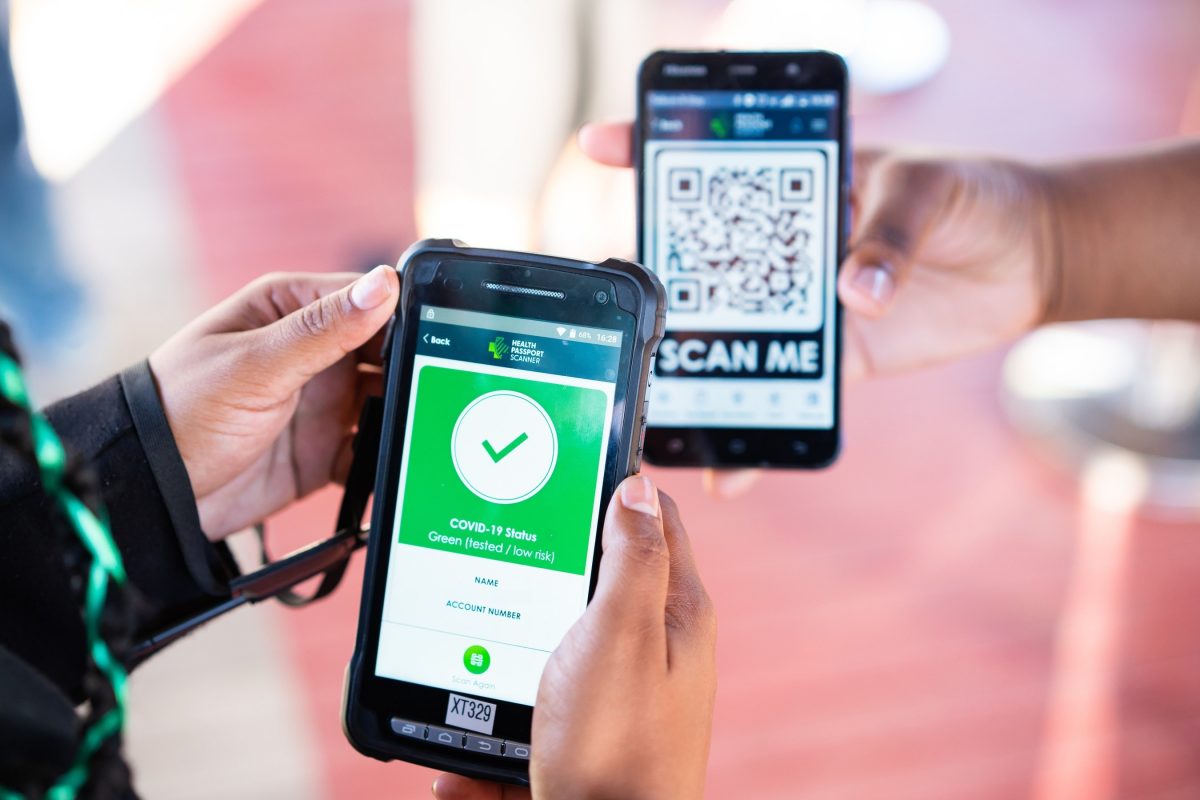
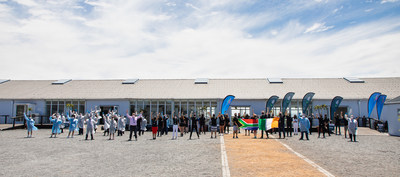
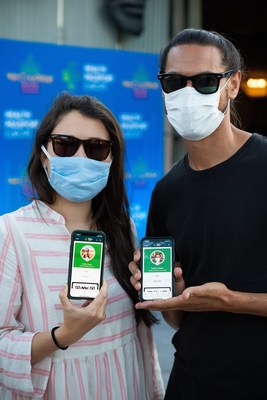
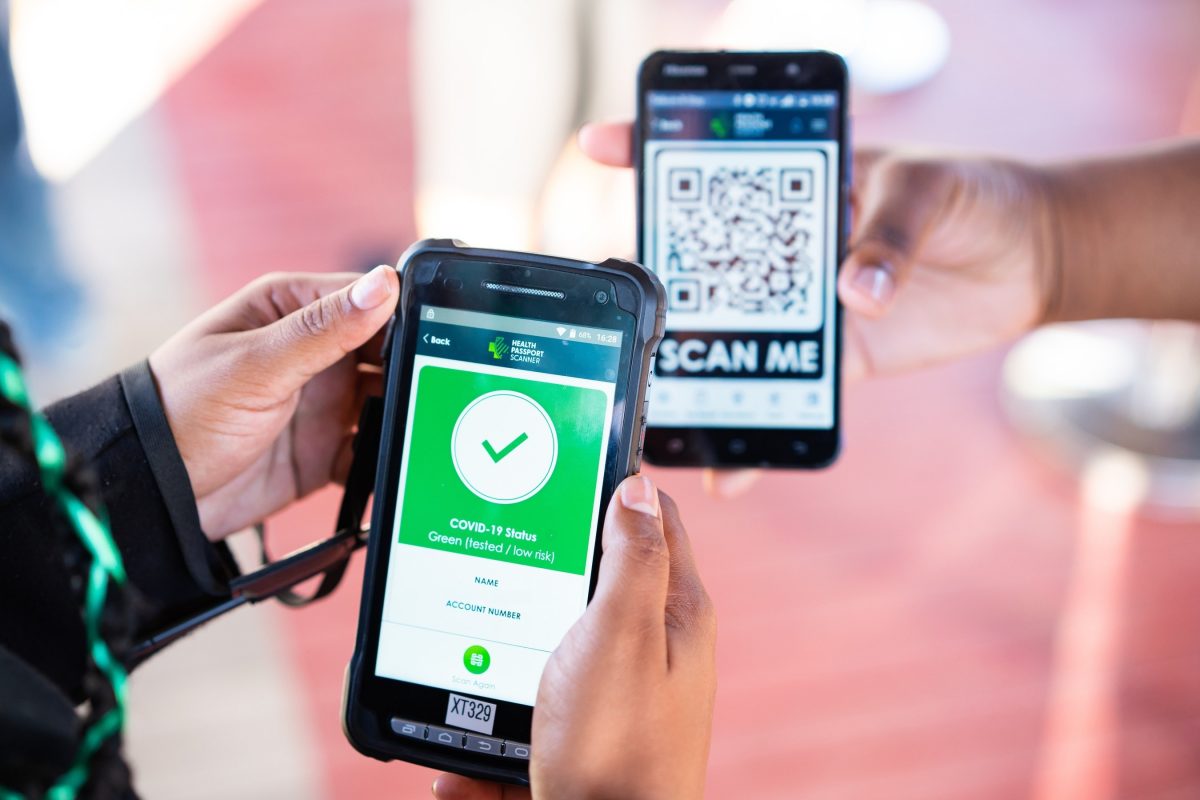
The Health Passport Europe digital platform was deployed at this year’s RECHARGE 2020 event in Cape Town, South Africa, using latest COVID-19 testing and mobile technology as part of the safe re-opening of the live events sector.

El evento en vivo RECHARGE 2020 tuvo lugar el 21 de diciembre en Ciudad del Cabo, Sudáfrica, en el recinto de Grand Café & Beach, con múltiples actuaciones en vivo y DJs. El evento pasó con seguridad para representar un paso importante hacia una reapertura más amplia de los eventos en vivo en 2021.

La plataforma, que apoya eficientemente las vacunas y pruebas de COVID-19, está lista para ser desplegada en eventos en Italia y Portugal, donde el sistema se puede utilizar para reabrir de forma segura el sector turístico.

Cómo funciona Health Passport Europe

Antes del evento RECHARGE 2020, todos los asistentes, incluido el personal, debían descargar y configurar la aplicación móvil Health Passport Europe de forma gratuita. El día del evento, se hizo a todos la prueba de COVID-19 antes de entrar, utilizando las últimas pruebas rápidas de antígeno que ya están validadas para su uso en Sudáfrica.

A todo el personal, artistas e invitados se les hizo la prueba antes del evento. Durante las pruebas previas se realizaron varias detecciones de positivos. A cualquier persona que dio positivo no se le permitió acceder al sitio del evento, pero se le dio asesoramiento médico profesional.

A los 20 minutos de las pruebas, los resultados se actualizan de forma privada y segura a la aplicación Health Passport Europe de la persona. Al entrar, el personal de seguridad pudo escanear rápidamente la entrada de la persona y la aplicación Health Passport Europe de la persona, y solo aquellos con una prueba de COVID-19 negativa pudieron entrar al evento, asegurando los niveles más bajos de riesgo de transmisión para todos. Las pautas de salud de COVID-19 también fueron seguidas por todos dentro del sitio del evento.

A las personas que se presentaron para las pruebas previas que tenían síntomas de COVID-19 no se les hizo la prueba, y se les aconsejó seguir las pautas nacionales de salud.

Justin Van Wyk, consejero delegado de Big Concerts dijo: «Este fue un momento importante para la industria de eventos que ha sido devastada por la pandemia. El uso de la plataforma Health Passport Europe permitió que este evento continuara con los más altos niveles de mitigación de riesgos, demostrando el camino a seguir para los eventos en vivo a nivel mundial. El sistema nos permitió ofrecer pruebas previas y posteriores al evento para la máxima tranquilidad, protegiendo a los asistentes, a los artistas y a todos los que están relacionados con el evento».

Robert Quirke, fundador de Health Passport Europe, dijo: «Nuestro equipo está emocionado y honrado de haber trabajado en este proyecto para Ciudad del Cabo y de haber contribuido a la reapertura segura del entretenimiento y el turismo internacional. La tecnología segura está diseñada para trabajar con todas las pruebas y vacunas oficiales de COVID-19. Muchos miles de personas ya están utilizando el sistema móvil y está ayudando a las industrias a regresar.»

La plataforma Health Passport Europe ha sido adoptada por muchas organizaciones médicas y farmacéuticas líderes que prestan servicios de pruebas de COVID-19. La tecnología ha pasado todos los ensayos y desarrollo, habiendo sido ampliamente probada en una amplia gama de industrias, incluyendo la salud, la logística, la hospitalidad, la educación y los hogares de ancianos, así como un ensayo en el aeropuerto de Dublín.

El proceso ya ha sido diseñado para probar de forma segura a más de 100.000 personas en un plazo de 10 horas, con los resultados, certificados de viaje o documentos de vacunación cargados inmediatamente dentro de la aplicación de la persona.

El sistema Health Passport Europe ha sido diseñado como un sistema seguro para que las personas almacenen y muestren su estado oficial de vacunación o prueba de COVID-19. Es una plataforma internacional común para todas las industrias y el público.

The Health Passport Europe digital platform was deployed at this year’s RECHARGE 2020 event in Cape Town, South Africa, using latest COVID-19 testing and mobile technology as part of the safe re-opening of the live events sector.


The Health Passport Europe digital platform was deployed at this year’s RECHARGE 2020 event in Cape Town, South Africa, using latest COVID-19 testing and mobile technology as part of the safe re-opening of the live events sector.


The Health Passport Europe digital platform was deployed at this year’s RECHARGE 2020 event in Cape Town, South Africa, using latest COVID-19 testing and mobile technology as part of the safe re-opening of the live events sector.

Foto – https://mma.prnewswire.com/media/1390968/Health_Passport_Europe_1.jpg
Foto – https://mma.prnewswire.com/media/1390969/Health_Passport_Europe_2.jpg
Foto – https://mma.prnewswire.com/media/1390970/Health_Passport_Europe_3.jpg
Foto – https://mma.prnewswire.com/media/1390971/Health_Passport_Europe_4.jpg

Tecnología irlandesa desplegada en Sudáfrica como parte de la reapertura de eventos internacionales de música

DUBLÍN, 22 de diciembre de 2020 /PRNewswire/ — Health Passport Europe, con sede en Irlanda, se ha asociado con Big Concerts y The Entertainment Group para reabrir de forma segura la industria de eventos en Sudáfrica, utilizando los últimos avances en pruebas rápidas de COVID-19 y la tecnología móvil segura de Health Passport Europe.

<img id="prnejpgd6ebleft" title="The Health Passport Europe digital platform was deployed at this year’s RECHARGE 2020 event in Cape Town,…

DUBLÍN, 22 de diciembre de 2020 /PRNewswire/ — Health Passport Europe, con sede en Irlanda, se ha asociado con Big Concerts y The Entertainment Group para reabrir de forma segura la industria de eventos en Sudáfrica, utilizando los últimos avances en pruebas rápidas de COVID-19 y la tecnología móvil segura de Health Passport Europe.

The Health Passport Europe digital platform was deployed at this year’s RECHARGE 2020 event in Cape Town, South Africa, using latest COVID-19 testing and mobile technology as part of the safe re-opening of the live events sector.

El evento en vivo RECHARGE 2020 tuvo lugar el 21 de diciembre en Ciudad del Cabo, Sudáfrica, en el recinto de Grand Café & Beach, con múltiples actuaciones en vivo y DJs. El evento pasó con seguridad para representar un paso importante hacia una reapertura más amplia de los eventos en vivo en 2021.

La plataforma, que apoya eficientemente las vacunas y pruebas de COVID-19, está lista para ser desplegada en eventos en Italia y Portugal, donde el sistema se puede utilizar para reabrir de forma segura el sector turístico.

Cómo funciona Health Passport Europe

Antes del evento RECHARGE 2020, todos los asistentes, incluido el personal, debían descargar y configurar la aplicación móvil Health Passport Europe de forma gratuita. El día del evento, se hizo a todos la prueba de COVID-19 antes de entrar, utilizando las últimas pruebas rápidas de antígeno que ya están validadas para su uso en Sudáfrica.

A todo el personal, artistas e invitados se les hizo la prueba antes del evento. Durante las pruebas previas se realizaron varias detecciones de positivos. A cualquier persona que dio positivo no se le permitió acceder al sitio del evento, pero se le dio asesoramiento médico profesional.

A los 20 minutos de las pruebas, los resultados se actualizan de forma privada y segura a la aplicación Health Passport Europe de la persona. Al entrar, el personal de seguridad pudo escanear rápidamente la entrada de la persona y la aplicación Health Passport Europe de la persona, y solo aquellos con una prueba de COVID-19 negativa pudieron entrar al evento, asegurando los niveles más bajos de riesgo de transmisión para todos. Las pautas de salud de COVID-19 también fueron seguidas por todos dentro del sitio del evento.

A las personas que se presentaron para las pruebas previas que tenían síntomas de COVID-19 no se les hizo la prueba, y se les aconsejó seguir las pautas nacionales de salud.

Justin Van Wyk, consejero delegado de Big Concerts dijo: «Este fue un momento importante para la industria de eventos que ha sido devastada por la pandemia. El uso de la plataforma Health Passport Europe permitió que este evento continuara con los más altos niveles de mitigación de riesgos, demostrando el camino a seguir para los eventos en vivo a nivel mundial. El sistema nos permitió ofrecer pruebas previas y posteriores al evento para la máxima tranquilidad, protegiendo a los asistentes, a los artistas y a todos los que están relacionados con el evento».

Robert Quirke, fundador de Health Passport Europe, dijo: «Nuestro equipo está emocionado y honrado de haber trabajado en este proyecto para Ciudad del Cabo y de haber contribuido a la reapertura segura del entretenimiento y el turismo internacional. La tecnología segura está diseñada para trabajar con todas las pruebas y vacunas oficiales de COVID-19. Muchos miles de personas ya están utilizando el sistema móvil y está ayudando a las industrias a regresar.»

La plataforma Health Passport Europe ha sido adoptada por muchas organizaciones médicas y farmacéuticas líderes que prestan servicios de pruebas de COVID-19. La tecnología ha pasado todos los ensayos y desarrollo, habiendo sido ampliamente probada en una amplia gama de industrias, incluyendo la salud, la logística, la hospitalidad, la educación y los hogares de ancianos, así como un ensayo en el aeropuerto de Dublín.

El proceso ya ha sido diseñado para probar de forma segura a más de 100.000 personas en un plazo de 10 horas, con los resultados, certificados de viaje o documentos de vacunación cargados inmediatamente dentro de la aplicación de la persona.

El sistema Health Passport Europe ha sido diseñado como un sistema seguro para que las personas almacenen y muestren su estado oficial de vacunación o prueba de COVID-19. Es una plataforma internacional común para todas las industrias y el público.

The Health Passport Europe digital platform was deployed at this year’s RECHARGE 2020 event in Cape Town, South Africa, using latest COVID-19 testing and mobile technology as part of the safe re-opening of the live events sector.


The Health Passport Europe digital platform was deployed at this year’s RECHARGE 2020 event in Cape Town, South Africa, using latest COVID-19 testing and mobile technology as part of the safe re-opening of the live events sector.


The Health Passport Europe digital platform was deployed at this year’s RECHARGE 2020 event in Cape Town, South Africa, using latest COVID-19 testing and mobile technology as part of the safe re-opening of the live events sector.

Foto – https://mma.prnewswire.com/media/1390968/Health_Passport_Europe_1.jpg
Foto – https://mma.prnewswire.com/media/1390969/Health_Passport_Europe_2.jpg
Foto – https://mma.prnewswire.com/media/1390970/Health_Passport_Europe_3.jpg
Foto – https://mma.prnewswire.com/media/1390971/Health_Passport_Europe_4.jpg