Romance hasta el espacio y más allá: mandar tu carta de amor por nave espacial ya no es ciencia ficción

  • La app de citas AdoptaUnChico.com.mx prepara el envío de 1000 cartas de amor al espacio.
  • Las cartas estarán seis meses en la Estación Espacial Internacional y recorrerán 100 millones de kilómetros.
  • La convocatoria estará abierta hasta el 1 de marzo y los participantes podrán compartir sus cartas para conseguir más votos. Un comité de expertos seleccionará las 1000 afortunadas.

CIUDAD DE MÉXICO, 10 de febrero de 2021 /PRNewswire/ —

<div class="PRN_ImbeddedAssetReference"…

  • La app de citas AdoptaUnChico.com.mx prepara el envío de 1000 cartas de amor al espacio.
  • Las cartas estarán seis meses en la Estación Espacial Internacional y recorrerán 100 millones de kilómetros.
  • La convocatoria estará abierta hasta el 1 de marzo y los participantes podrán compartir sus cartas para conseguir más votos. Un comité de expertos seleccionará las 1000 afortunadas.

CIUDAD DE MÉXICO, 10 de febrero de 2021 /PRNewswire/ —

El amor no solo está en el aire… también en el espacio. Aunque suene a película de ciencia ficción, se hará realidad gracias a AdoptaUnChico y a 1000 enamorados. La aplicación de citas francesa que ha seducido a más de 27 millones de personas en el mundo prepara el envío de 1000 cartas de amor al espacio.

El evento fuera de este planeta se realizará en noviembre de 2021, cuando el cohete Falcon 9 de SpaceX despegue de la base espacial de Cabo Cañaveral. Las cartas recorrerán 100 millones de kilómetros a bordo de la Estación Espacial Internacional (ISS), un recorrido que equivale a casi un viaje de ida y vuelta de la Tierra a Venus.

Las cartas irán preparadas y protegidas en un paquete que pesará 500 gramos, un 0,002% de la carga útil del cohete, y acompañarán a una misión de investigación científica y de reabastecimiento de astronautas, por lo que su envío no supone un impacto ambiental extra.

Las declaraciones de amor serán expuestas al entorno espacial, haciendo que reciban los rayos ionizantes del sol, lo que puede hacer que la tinta o el papel cambien levemente de tono.

«Las cartas pasarán seis meses en órbita y llegarán a la Tierra, a un punto del océano Atlántico. Una vez en tierra firme, serán enviadas a sus destinatarios por correo postal. Hasta la fecha, solo 600 astronautas han viajado al espacio y, dentro de poco, 1000 mensajes de amor lo harán también«, comentó Rocío Cardosa, Territory Manager de AdoptaUnChico.

¿Cómo participar en esta aventura?

Cualquier persona puede presentar su carta en AdoptaUnChico.com.mx/cosmic hasta el 1 de marzo, sin necesidad de inscribirse en la app. Los participantes podrán compartir sus cartas para conseguir votos y, después, un comité seleccionará las 1000 afortunadas.

Para más información e imágenes visita: https://adoptaunchicomx.prezly.com

Contacto: press@adoptaunchico.com

Foto – https://mma.prnewswire.com/media/1436680/Beso_c_smico_ADOPTAUNCHICO.jpg


FUENTE AdoptaUnChico

Chattanooga’s outdoors create appeal for safe spring road trips

CHATTANOOGA, Tenn., Feb. 10, 2021 /PRNewswire-PRWeb/ — With warm weather approaching, spring is the perfect season to get outside in Chattanooga. To help visitors plan a safe and outdoors-focused getaway, Chattanooga Tourism Co. has curated special experiences for a road trip to one of the nation’s most charming river and mountain cities.

Located on the banks of the Tennessee River and surrounded by mountains, there’s so much to do downtown and all around the…

CHATTANOOGA, Tenn., Feb. 10, 2021 /PRNewswire-PRWeb/ — With warm weather approaching, spring is the perfect season to get outside in Chattanooga. To help visitors plan a safe and outdoors-focused getaway, Chattanooga Tourism Co. has curated special experiences for a road trip to one of the nation’s most charming river and mountain cities.

Located on the banks of the Tennessee River and surrounded by mountains, there’s so much to do downtown and all around the city – exploring neighborhoods, discovering natural wonders, eating some of the South’s best culinary delights and going on a Spring Break Safari and Scavenger Hunt!

Highlighted safe spring activities include the nine attraction stops of Spring Break Safari, 12 outdoor scavenger hunt locations, two new spring itineraries and countless ways to enjoy the region’s natural assets.

Chattanooga and its attractions, restaurants, accommodations and other businesses are working overtime to ensure a clean and safe environment for everyone. A mask mandate remains in effect in Hamilton County, where the city is located, and Chattanooga Tourism Co. encourages all visitors to follow CDC guidelines on COVID-19, including social distancing and vaccination when available.

For more information on planning a spring road trip, go to VisitChattanooga.com/Spring.

Media Contact

Marissa Bell, Chattanooga Tourism Co., 4234244433, marissa@chattanoogatourism.com

LinkedIn, Facebook


SOURCE Chattanooga Tourism Co.

Toyota to Debut Three New Electrified Vehicles for U.S. Market

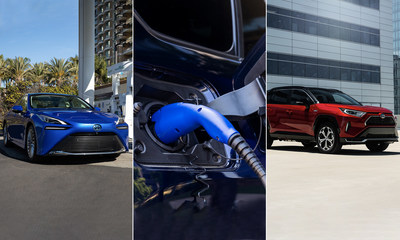
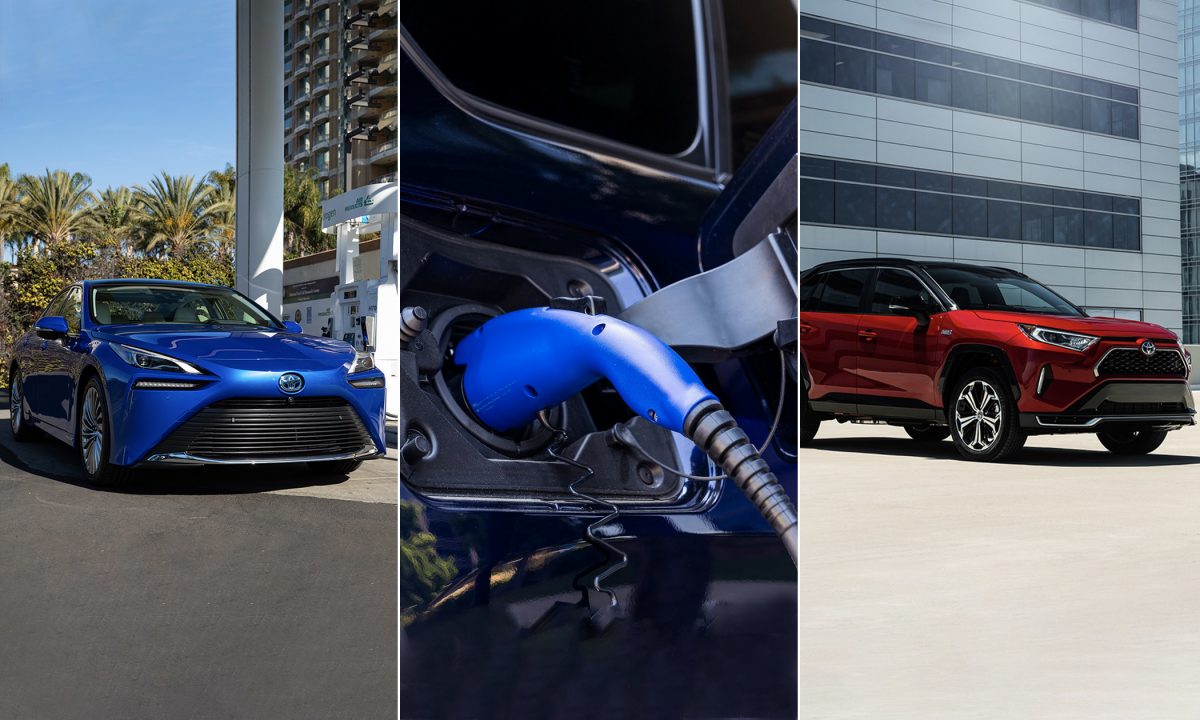
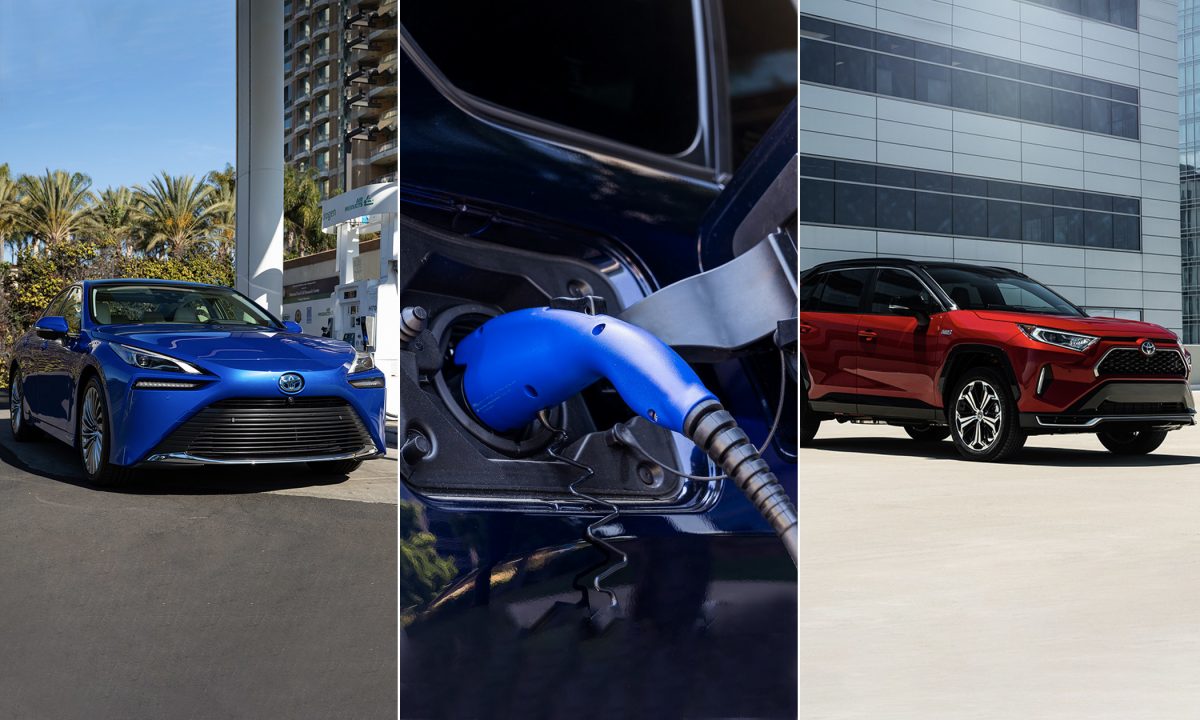
PLANO, Texas, Feb. 10, 2021 /PRNewswire-HISPANIC PR WIRE/ — Toyota Motor North America (TMNA) announced plans to debut in the U.S. market this year, three new electrified models – two BEVs and a PHEV.

«We continue to be leaders in…

PLANO, Texas, Feb. 10, 2021 /PRNewswire-HISPANIC PR WIRE/ — Toyota Motor North America (TMNA) announced plans to debut in the U.S. market this year, three new electrified models – two BEVs and a PHEV.

«We continue to be leaders in electrification that began with our pioneering introduction of the Prius nearly 25 years ago,» said Bob Carter, TMNA executive vice president of sales. «Toyota’s new electrified product offerings will give customers multiple choices of powertrain that best suits their needs.»

The new electrified models further expand Toyota’s U.S. leadership in alternative powertrain vehicles. Toyota has over 40% share of the total alternative fuel vehicle market, which includes a 75% share of the fuel cell market and a 64% share of hybrids and plug-ins. By 2025, Toyota’s goal is to have 25% of new vehicle sales be electrified models, and by 2030 expects that to increase to nearly 70%.

Globally, Toyota hybrid vehicles sold have avoided an estimated 139 million tons of greenhouse gas (GHG) into the atmosphere. In the U.S., we have avoided approximately 38 million tons of GHG. This achievement is the result of Toyota’s long-standing commitment to the environment and creating a net positive impact on the planet and society. 

Between now and 2025, Toyota and Lexus models, globally, will have an electrified option. Toyota is also developing a dedicated BEV platform, e-TNGA, that offers flexibility for all drive configurations. These initiatives are further steps toward achieving the Toyota Environmental Challenge 2050, introduced in 2015, the most demanding and most inspiring environmental commitments Toyota has ever made.

«We believe the fastest way to lower greenhouse gases in the transportation sector is to offer drivers lower carbon choices that meet their needs,» said Gill Pratt, chief scientist of Toyota Motor Corporation and CEO of Toyota Research Institute. «At every price point and with multiple powertrains, we can put more people in cleaner automobiles across North America to have the greatest near-term impact on total carbon emissions.»

Toyota shared highlights of new internal research evaluating the environmental impact and cost of ownership between a PHEV and a BEV. For this research, Toyota created a tool that shows the trade-off between GHG Emissions and Total Cost of Ownership. The source code for this tool is publicly available at carghg.org for others to experiment with the various input parameters and see the movement of BEVs and PHEVs on the GHG and cost plot. The research found:

  • GHG of a currently available BEV model and PHEV model are roughly the same in on-road performance when factoring in pollutants created by electricity production for the average U.S. energy grid used to charge batteries.
  • Manufacturing is a component of GHG emissions. Using the «Greenhouse gases, Regulated Emissions, and Energy use in Technologies» (GREET) model, researchers found that the production of a PHEV emits less GHG since it uses a smaller, lighter weight battery.
  • The PHEV is much less expensive to buy and own, compared to the BEV. Without any incentives, the five-year Total Cost of Ownership (TCO) of a long-range BEV is significantly higher than the PHEV. If you include incentives available this year (2020), the TCO of a long-range BEV is much higher.

The key point is that a BEV and PHEV can provide similar environmental benefits. Each has a unique profile and can be an optimal solution in different circumstances. By having a diversified product portfolio with multiple forms of vehicle electrification, Toyota can let consumers choose the model that best suits their usage needs and cost profile while maximizing the total contribution to GHG reduction.

Toyota’s progress on Challenge 2050 in North America is measured across four key areas – reducing carbon emissions, conserving water, fostering a sustainable supply chain including waste reduction, and protecting biodiversity. Sustainability planning, strategies and actions are driven by an annual North American Environmental Action Plan, with a five-year roadmap modeled to achieve targets in Challenge 2050 and also the United Nations Sustainable Development Goals (SDGs).  Toyota is currently targeting:

  • Reduction in CO2 from the company’s operations, products and vehicle lifecycle – including logistics, suppliers and dealers
  • Reduction in overall water use per unit of vehicle production by 3% from a 2020 baseline
  • Reduction of procurement of plastic packaging materials by 25% from a 2018 baseline
  • Development of third party validated onsite habitat management policy by 2021 and begin implementation in 2022.

As proof of its commitment, Toyota recently agreed to purchase power from a future Clearway Energy Group wind farm to reduce its overall carbon footprint from electricity used from the power grid. Toyota also provided an annual update toward having a net positive environmental impact in the 2020 North American Environmental Report.

About Toyota

Toyota (NYSE:TM) has been a part of the cultural fabric in the U.S. for more than 60 years, and is committed to advancing sustainable, next-generation mobility through our Toyota and Lexus brands, plus our nearly 1,500 dealerships. 

Toyota has created a tremendous value chain and directly employs more than 36,000 in the U.S. The company has contributed world-class design, engineering, and assembly of more than 30 million cars and trucks at our 9 manufacturing plants, 10 including our joint venture in Alabama that begins production in 2021. 

To help inspire the next generation for a career in STEM-based fields, including mobility, Toyota launched its virtual education hub at www.TourToyota.com with an immersive experience and chance to visit many of our U.S. manufacturing facilities. The hub also includes a series of free STEM-based lessons and curriculum through Toyota USA Foundation partners, virtual field trips and more. For more information about Toyota, visit www.toyotanewsroom.com.

Media Contact:
Tania Saldana
tania.saldana@toyota.com 
469-292-2418

Foto – https://mma.prnewswire.com/media/1436722/021021_Toyota_BEVs_PHEV.jpg

Logo – https://mma.prnewswire.com/media/439685/Toyota_Corp_Red_Logo.jpg

SOURCE Toyota Motor North America

Toyota to Debut Three New Electrified Vehicles for U.S. Market

PLANO, Texas, Feb. 10, 2021 /PRNewswire-HISPANIC PR WIRE/ — Toyota Motor North America (TMNA) announced plans to debut in the U.S. market this year, three new electrified models – two BEVs and a PHEV.

«We continue to be leaders in…

PLANO, Texas, Feb. 10, 2021 /PRNewswire-HISPANIC PR WIRE/ — Toyota Motor North America (TMNA) announced plans to debut in the U.S. market this year, three new electrified models – two BEVs and a PHEV.

«We continue to be leaders in electrification that began with our pioneering introduction of the Prius nearly 25 years ago,» said Bob Carter, TMNA executive vice president of sales. «Toyota’s new electrified product offerings will give customers multiple choices of powertrain that best suits their needs.»

The new electrified models further expand Toyota’s U.S. leadership in alternative powertrain vehicles. Toyota has over 40% share of the total alternative fuel vehicle market, which includes a 75% share of the fuel cell market and a 64% share of hybrids and plug-ins. By 2025, Toyota’s goal is to have 25% of new vehicle sales be electrified models, and by 2030 expects that to increase to nearly 70%.

Globally, Toyota hybrid vehicles sold have avoided an estimated 139 million tons of greenhouse gas (GHG) into the atmosphere. In the U.S., we have avoided approximately 38 million tons of GHG. This achievement is the result of Toyota’s long-standing commitment to the environment and creating a net positive impact on the planet and society. 

Between now and 2025, Toyota and Lexus models, globally, will have an electrified option. Toyota is also developing a dedicated BEV platform, e-TNGA, that offers flexibility for all drive configurations. These initiatives are further steps toward achieving the Toyota Environmental Challenge 2050, introduced in 2015, the most demanding and most inspiring environmental commitments Toyota has ever made.

«We believe the fastest way to lower greenhouse gases in the transportation sector is to offer drivers lower carbon choices that meet their needs,» said Gill Pratt, chief scientist of Toyota Motor Corporation and CEO of Toyota Research Institute. «At every price point and with multiple powertrains, we can put more people in cleaner automobiles across North America to have the greatest near-term impact on total carbon emissions.»

Toyota shared highlights of new internal research evaluating the environmental impact and cost of ownership between a PHEV and a BEV. For this research, Toyota created a tool that shows the trade-off between GHG Emissions and Total Cost of Ownership. The source code for this tool is publicly available at carghg.org for others to experiment with the various input parameters and see the movement of BEVs and PHEVs on the GHG and cost plot. The research found:

  • GHG of a currently available BEV model and PHEV model are roughly the same in on-road performance when factoring in pollutants created by electricity production for the average U.S. energy grid used to charge batteries.
  • Manufacturing is a component of GHG emissions. Using the «Greenhouse gases, Regulated Emissions, and Energy use in Technologies» (GREET) model, researchers found that the production of a PHEV emits less GHG since it uses a smaller, lighter weight battery.
  • The PHEV is much less expensive to buy and own, compared to the BEV. Without any incentives, the five-year Total Cost of Ownership (TCO) of a long-range BEV is significantly higher than the PHEV. If you include incentives available this year (2020), the TCO of a long-range BEV is much higher.

The key point is that a BEV and PHEV can provide similar environmental benefits. Each has a unique profile and can be an optimal solution in different circumstances. By having a diversified product portfolio with multiple forms of vehicle electrification, Toyota can let consumers choose the model that best suits their usage needs and cost profile while maximizing the total contribution to GHG reduction.

Toyota’s progress on Challenge 2050 in North America is measured across four key areas – reducing carbon emissions, conserving water, fostering a sustainable supply chain including waste reduction, and protecting biodiversity. Sustainability planning, strategies and actions are driven by an annual North American Environmental Action Plan, with a five-year roadmap modeled to achieve targets in Challenge 2050 and also the United Nations Sustainable Development Goals (SDGs).  Toyota is currently targeting:

  • Reduction in CO2 from the company’s operations, products and vehicle lifecycle – including logistics, suppliers and dealers
  • Reduction in overall water use per unit of vehicle production by 3% from a 2020 baseline
  • Reduction of procurement of plastic packaging materials by 25% from a 2018 baseline
  • Development of third party validated onsite habitat management policy by 2021 and begin implementation in 2022.

As proof of its commitment, Toyota recently agreed to purchase power from a future Clearway Energy Group wind farm to reduce its overall carbon footprint from electricity used from the power grid. Toyota also provided an annual update toward having a net positive environmental impact in the 2020 North American Environmental Report.

About Toyota

Toyota (NYSE:TM) has been a part of the cultural fabric in the U.S. for more than 60 years, and is committed to advancing sustainable, next-generation mobility through our Toyota and Lexus brands, plus our nearly 1,500 dealerships. 

Toyota has created a tremendous value chain and directly employs more than 36,000 in the U.S. The company has contributed world-class design, engineering, and assembly of more than 30 million cars and trucks at our 9 manufacturing plants, 10 including our joint venture in Alabama that begins production in 2021. 

To help inspire the next generation for a career in STEM-based fields, including mobility, Toyota launched its virtual education hub at www.TourToyota.com with an immersive experience and chance to visit many of our U.S. manufacturing facilities. The hub also includes a series of free STEM-based lessons and curriculum through Toyota USA Foundation partners, virtual field trips and more. For more information about Toyota, visit www.toyotanewsroom.com.

Media Contact:
Tania Saldana
tania.saldana@toyota.com 
469-292-2418

Foto – https://mma.prnewswire.com/media/1436722/021021_Toyota_BEVs_PHEV.jpg

Logo – https://mma.prnewswire.com/media/439685/Toyota_Corp_Red_Logo.jpg

SOURCE Toyota Motor North America

California Science Center Launches Wedding Venue Services at the Samuel Oschin Space Shuttle Endeavour Pavilion

LOS ANGELES, Feb. 10, 2021 /PRNewswire/ — To commemorate Valentine’s Day and give a lift to lovebirds looking for a spectacular, spacious, protocol-safe wedding venue, the California Science Center is offering two of its most popular venues: The Samuel Oschin Space Shuttle Pavilion and Wallis Annenberg Building. Vice President of Event Services Christina Sion notes that, «We were motivated to provide a service to couples who had to postpone their weddings due to the pandemic, and who, now may be…

LOS ANGELES, Feb. 10, 2021 /PRNewswire/ — To commemorate Valentine’s Day and give a lift to lovebirds looking for a spectacular, spacious, protocol-safe wedding venue, the California Science Center is offering two of its most popular venues: The Samuel Oschin Space Shuttle Pavilion and Wallis Annenberg Building. Vice President of Event Services Christina Sion notes that, «We were motivated to provide a service to couples who had to postpone their weddings due to the pandemic, and who, now may be encountering a shortage of venues from the pent-up demand. We’d like to assist by opening a portion of our events calendar so couples will have a safe, unique venue to consider.»

Along with the venue reservations, couples will receive access to an approved list of wedding planners and caterers as well as a myriad of unique options including access to Science Center exhibit galleries and in-house furniture. Inquiries and tentative date holds are welcome as the Science Center awaits a confirmed reopening date from local health agencies. Safety is a priority and, once permitted to reopen, all events will adhere to current local and state agency guidelines.

Sion adds that, «The wedding planners and caterers with whom we have mindfully partnered are a purposeful reflection of Greater Los Angeles; they connect organically with Los Angeles’ rich and diverse landscape of cultures, faiths, LGBTQ communities, and values. Diversity is in the DNA of the Science Center culture and our Event Services team strives to make sure inclusion is a deliberate part of our discussions and decision making while building our network of vendors to support our events.»

Event Services can be contacted online or by phone at :

Web: events.californiasciencecenter.org
Email: eventservices@californiasciencecenter.org
Phone: 213-744-7523

About the California Science Center 

The California Science Center is a dynamic destination where families, adults and children can explore the wonders of science through interactive exhibits, live demonstrations, innovative programs and awe-inspiring films. The California Science Center and IMAX Theater are located in historic Exposition Park just west of the Harbor (110) Freeway at 700 Exposition Park Drive. The Science Center is temporarily closed due to the ongoing Covid-19 pandemic.

Media Contact: Shell Amega
(213) 744-7496 | samega@californiasciencecenter.org


Cision View original content to download multimedia:http://www.prnewswire.com/news-releases/california-science-center-launches-wedding-venue-services-at-the-samuel-oschin-space-shuttle-endeavour-pavilion-301225892.html

SOURCE California Science Center Foundation

Toyota to Debut Three New Electrified Vehicles for U.S. Market

PLANO, Texas, Feb. 10, 2021 /PRNewswire/ — Toyota Motor North America (TMNA) announced plans to debut in the U.S. market this year, three new electrified models – two BEVs and a PHEV.

PLANO, Texas, Feb. 10, 2021 /PRNewswire/ — Toyota Motor North America (TMNA) announced plans to debut in the U.S. market this year, three new electrified models – two BEVs and a PHEV.

«We continue to be leaders in electrification that began with our pioneering introduction of the Prius nearly 25 years ago,» said Bob Carter, TMNA executive vice president of sales. «Toyota’s new electrified product offerings will give customers multiple choices of powertrain that best suits their needs.»

The new electrified models further expand Toyota’s U.S. leadership in alternative powertrain vehicles. Toyota has over 40% share of the total alternative fuel vehicle market, which includes a 75% share of the fuel cell market and a 64% share of hybrids and plug-ins. By 2025, Toyota’s goal is to have 25% of new vehicle sales be electrified models, and by 2030 expects that to increase to nearly 70%.

Globally, Toyota hybrid vehicles sold have avoided an estimated 139 million tons of greenhouse gas (GHG) into the atmosphere. In the U.S., we have avoided approximately 38 million tons of GHG. This achievement is the result of Toyota’s long-standing commitment to the environment and creating a net positive impact on the planet and society. 

Between now and 2025, Toyota and Lexus models, globally, will have an electrified option. Toyota is also developing a dedicated BEV platform, e-TNGA, that offers flexibility for all drive configurations. These initiatives are further steps toward achieving the Toyota Environmental Challenge 2050, introduced in 2015, the most demanding and most inspiring environmental commitments Toyota has ever made.

«We believe the fastest way to lower greenhouse gases in the transportation sector is to offer drivers lower carbon choices that meet their needs,» said Gill Pratt, chief scientist of Toyota Motor Corporation and CEO of Toyota Research Institute. «At every price point and with multiple powertrains, we can put more people in cleaner automobiles across North America to have the greatest near-term impact on total carbon emissions.»

Toyota shared highlights of new internal research evaluating the environmental impact and cost of ownership between a PHEV and a BEV. For this research, Toyota created a tool that shows the trade-off between GHG Emissions and Total Cost of Ownership. The source code for this tool is publicly available at carghg.org for others to experiment with the various input parameters and see the movement of BEVs and PHEVs on the GHG and cost plot. The research found:

  • GHG of a currently available BEV model and PHEV model are roughly the same in on-road performance when factoring in pollutants created by electricity production for the average U.S. energy grid used to charge batteries.
  • Manufacturing is a component of GHG emissions. Using the «Greenhouse gases, Regulated Emissions, and Energy use in Technologies» (GREET) model, researchers found that the production of a PHEV emits less GHG since it uses a smaller, lighter weight battery.
  • The PHEV is much less expensive to buy and own, compared to the BEV. Without any incentives, the five-year Total Cost of Ownership (TCO) of a long-range BEV is significantly higher than the PHEV. If you include incentives available this year (2020), the TCO of a long-range BEV is much higher.

The key point is that a BEV and PHEV can provide similar environmental benefits. Each has a unique profile and can be an optimal solution in different circumstances. By having a diversified product portfolio with multiple forms of vehicle electrification, Toyota can let consumers choose the model that best suits their usage needs and cost profile while maximizing the total contribution to GHG reduction.

Toyota’s progress on Challenge 2050 in North America is measured across four key areas – reducing carbon emissions, conserving water, fostering a sustainable supply chain including waste reduction, and protecting biodiversity. Sustainability planning, strategies and actions are driven by an annual North American Environmental Action Plan, with a five-year roadmap modeled to achieve targets in Challenge 2050 and also the United Nations Sustainable Development Goals (SDGs).  Toyota is currently targeting:

  • Reduction in CO2 from the company’s operations, products and vehicle lifecycle – including logistics, suppliers and dealers
  • Reduction in overall water use per unit of vehicle production by 3% from a 2020 baseline
  • Reduction of procurement of plastic packaging materials by 25% from a 2018 baseline
  • Development of third party validated onsite habitat management policy by 2021 and begin implementation in 2022.

As proof of its commitment, Toyota recently agreed to purchase power from a future Clearway Energy Group wind farm to reduce its overall carbon footprint from electricity used from the power grid. Toyota also provided an annual update toward having a net positive environmental impact in the 2020 North American Environmental Report.

About Toyota

Toyota (NYSE:TM) has been a part of the cultural fabric in the U.S. for more than 60 years, and is committed to advancing sustainable, next-generation mobility through our Toyota and Lexus brands, plus our nearly 1,500 dealerships. 

Toyota has created a tremendous value chain and directly employs more than 36,000 in the U.S. The company has contributed world-class design, engineering, and assembly of more than 30 million cars and trucks at our 9 manufacturing plants, 10 including our joint venture in Alabama that begins production in 2021. 

To help inspire the next generation for a career in STEM-based fields, including mobility, Toyota launched its virtual education hub at www.TourToyota.com with an immersive experience and chance to visit many of our U.S. manufacturing facilities. The hub also includes a series of free STEM-based lessons and curriculum through Toyota USA Foundation partners, virtual field trips and more. For more information about Toyota, visit www.toyotanewsroom.com.

Media Contact:
Tania Saldana
tania.saldana@toyota.com 
469-292-2418


Cision View original content to download multimedia:http://www.prnewswire.com/news-releases/toyota-to-debut-three-new-electrified-vehicles-for-us-market-301226178.html

SOURCE Toyota Motor North America

Earnhardt Hyundai North Scottsdale Promotes New 2021 Hyundai Tucson Inventory with February Incentives

SCOTTSDALE, Ariz., Feb. 10, 2021 /PRNewswire-PRWeb/ — The Hyundai Big Deal Event is going on now at Earnhardt Hyundai North Scottsdale near Phoenix, AZ. The dealership is offering lease and finance incentives that are hard to ignore, including available opportunities for select 2021 Hyundai Tucson models.

Earnhardt Hyundai North Scottsdale is highlighting the savings available on select 2021 Tucson models on the dealership’s lot. Well-qualified lessees may be…

SCOTTSDALE, Ariz., Feb. 10, 2021 /PRNewswire-PRWeb/ — The Hyundai Big Deal Event is going on now at Earnhardt Hyundai North Scottsdale near Phoenix, AZ. The dealership is offering lease and finance incentives that are hard to ignore, including available opportunities for select 2021 Hyundai Tucson models.

Earnhardt Hyundai North Scottsdale is highlighting the savings available on select 2021 Tucson models on the dealership’s lot. Well-qualified lessees may be eligible to enter a 36-month lease on select Tucson SE models with $3,705 due at signing and payments of $175 per month.

Shoppers leaning towards purchasing over leasing may qualify for a 0% Annual Percentage Rate (APR) for up to 60 months on select Tucson models. Individuals who are looking to finance may also qualify for up to $500 in Hyundai Motor Finance Bonus Cash at the time of signing.

The 2021 Hyundai Tucson will check all of the boxes on shoppers’ lists thanks to its noteworthy lineup of amenities and features. Tucson models are able to deliver up to 181 horsepower on Phoenix and Scottsdale streets while earning up to 28 miles per gallon on the highway. Shoppers at Earnhardt Hyundai North Scottsdale will find all of the latest features in the Hyundai Tucson model lineup, including top-rated favorites such as a 7-inch color touch-screen display, Android Auto™ and Apple CarPlay®, Driver Attention Warning, Lane Keeping Assist and Forward Collision-Avoidance Assist.

Anyone can view the lineup of available Hyundai Tucson models at Earnhardt Hyundai North Scottsdale by visiting the dealership online, northscottsdalehyundai.com. Earnhardt Hyundai North Scottsdale is located at 8445 E Frank Lloyd Wright Boulevard in Scottsdale, AZ, and is open seven days a week. Members of the dealership sales team are available by phone at 888-316-9966 to offer any assistance to prospective buyers.

Media Contact

Earnhardt Marketing, Earnhardt Hyundai North Scottsdale, 480-922-5200, press@earnhardt.com


SOURCE Earnhardt Hyundai North Scottsdale

Toyota to Debut Three New Electrified Vehicles for U.S. Market

PLANO, Texas, Feb. 10, 2021 /PRNewswire-HISPANIC PR WIRE/ — Toyota Motor North America (TMNA) announced plans to debut in the U.S. market this year, three new electrified models – two BEVs and a PHEV.

«We continue to be leaders in…

PLANO, Texas, Feb. 10, 2021 /PRNewswire-HISPANIC PR WIRE/ — Toyota Motor North America (TMNA) announced plans to debut in the U.S. market this year, three new electrified models – two BEVs and a PHEV.

«We continue to be leaders in electrification that began with our pioneering introduction of the Prius nearly 25 years ago,» said Bob Carter, TMNA executive vice president of sales. «Toyota’s new electrified product offerings will give customers multiple choices of powertrain that best suits their needs.»

The new electrified models further expand Toyota’s U.S. leadership in alternative powertrain vehicles. Toyota has over 40% share of the total alternative fuel vehicle market, which includes a 75% share of the fuel cell market and a 64% share of hybrids and plug-ins. By 2025, Toyota’s goal is to have 25% of new vehicle sales be electrified models, and by 2030 expects that to increase to nearly 70%.

Globally, Toyota hybrid vehicles sold have avoided an estimated 139 million tons of greenhouse gas (GHG) into the atmosphere. In the U.S., we have avoided approximately 38 million tons of GHG. This achievement is the result of Toyota’s long-standing commitment to the environment and creating a net positive impact on the planet and society. 

Between now and 2025, Toyota and Lexus models, globally, will have an electrified option. Toyota is also developing a dedicated BEV platform, e-TNGA, that offers flexibility for all drive configurations. These initiatives are further steps toward achieving the Toyota Environmental Challenge 2050, introduced in 2015, the most demanding and most inspiring environmental commitments Toyota has ever made.

«We believe the fastest way to lower greenhouse gases in the transportation sector is to offer drivers lower carbon choices that meet their needs,» said Gill Pratt, chief scientist of Toyota Motor Corporation and CEO of Toyota Research Institute. «At every price point and with multiple powertrains, we can put more people in cleaner automobiles across North America to have the greatest near-term impact on total carbon emissions.»

Toyota shared highlights of new internal research evaluating the environmental impact and cost of ownership between a PHEV and a BEV. For this research, Toyota created a tool that shows the trade-off between GHG Emissions and Total Cost of Ownership. The source code for this tool is publicly available at carghg.org for others to experiment with the various input parameters and see the movement of BEVs and PHEVs on the GHG and cost plot. The research found:

  • GHG of a currently available BEV model and PHEV model are roughly the same in on-road performance when factoring in pollutants created by electricity production for the average U.S. energy grid used to charge batteries.
  • Manufacturing is a component of GHG emissions. Using the «Greenhouse gases, Regulated Emissions, and Energy use in Technologies» (GREET) model, researchers found that the production of a PHEV emits less GHG since it uses a smaller, lighter weight battery.
  • The PHEV is much less expensive to buy and own, compared to the BEV. Without any incentives, the five-year Total Cost of Ownership (TCO) of a long-range BEV is significantly higher than the PHEV. If you include incentives available this year (2020), the TCO of a long-range BEV is much higher.

The key point is that a BEV and PHEV can provide similar environmental benefits. Each has a unique profile and can be an optimal solution in different circumstances. By having a diversified product portfolio with multiple forms of vehicle electrification, Toyota can let consumers choose the model that best suits their usage needs and cost profile while maximizing the total contribution to GHG reduction.

Toyota’s progress on Challenge 2050 in North America is measured across four key areas – reducing carbon emissions, conserving water, fostering a sustainable supply chain including waste reduction, and protecting biodiversity. Sustainability planning, strategies and actions are driven by an annual North American Environmental Action Plan, with a five-year roadmap modeled to achieve targets in Challenge 2050 and also the United Nations Sustainable Development Goals (SDGs).  Toyota is currently targeting:

  • Reduction in CO2 from the company’s operations, products and vehicle lifecycle – including logistics, suppliers and dealers
  • Reduction in overall water use per unit of vehicle production by 3% from a 2020 baseline
  • Reduction of procurement of plastic packaging materials by 25% from a 2018 baseline
  • Development of third party validated onsite habitat management policy by 2021 and begin implementation in 2022.

As proof of its commitment, Toyota recently agreed to purchase power from a future Clearway Energy Group wind farm to reduce its overall carbon footprint from electricity used from the power grid. Toyota also provided an annual update toward having a net positive environmental impact in the 2020 North American Environmental Report.

About Toyota

Toyota (NYSE:TM) has been a part of the cultural fabric in the U.S. for more than 60 years, and is committed to advancing sustainable, next-generation mobility through our Toyota and Lexus brands, plus our nearly 1,500 dealerships. 

Toyota has created a tremendous value chain and directly employs more than 36,000 in the U.S. The company has contributed world-class design, engineering, and assembly of more than 30 million cars and trucks at our 9 manufacturing plants, 10 including our joint venture in Alabama that begins production in 2021. 

To help inspire the next generation for a career in STEM-based fields, including mobility, Toyota launched its virtual education hub at www.TourToyota.com with an immersive experience and chance to visit many of our U.S. manufacturing facilities. The hub also includes a series of free STEM-based lessons and curriculum through Toyota USA Foundation partners, virtual field trips and more. For more information about Toyota, visit www.toyotanewsroom.com.

Media Contact:
Tania Saldana
tania.saldana@toyota.com 
469-292-2418

Foto – https://mma.prnewswire.com/media/1436722/021021_Toyota_BEVs_PHEV.jpg

Logo – https://mma.prnewswire.com/media/439685/Toyota_Corp_Red_Logo.jpg

SOURCE Toyota Motor North America

Romance hasta el espacio y más allá: mandar tu carta de amor en una nave espacial ya no es ciencia ficción

  • La app de citas AdoptáUnChico.com.ar prepara el envío de 1000 cartas de amor al espacio.
  • Las cartas estarán seis meses en la Estación Espacial Internacional y recorrerán 100 millones de kilómetros.
  • La convocatoria estará abierta hasta el 1 de marzo y los participantes podrán compartir sus cartas para conseguir más votos. Un comité de expertos seleccionará las 1000 afortunadas.

BUENOS AIRES, Argentina, 10 de febrero de 2021 /PRNewswire/ –…

  • La app de citas AdoptáUnChico.com.ar prepara el envío de 1000 cartas de amor al espacio.
  • Las cartas estarán seis meses en la Estación Espacial Internacional y recorrerán 100 millones de kilómetros.
  • La convocatoria estará abierta hasta el 1 de marzo y los participantes podrán compartir sus cartas para conseguir más votos. Un comité de expertos seleccionará las 1000 afortunadas.

BUENOS AIRES, Argentina, 10 de febrero de 2021 /PRNewswire/ —

El amor no sólo está en el aire… también en el espacio. Aunque suene a película de ciencia ficción, podrá ser real gracias a AdoptáUnChico y 1000 enamorados. La aplicación de citas francesa que ha seducido a más de 27 millones de personas en el mundo prepara el envío de 1000 cartas de amor al espacio.

Este evento fuera de este planeta se realizará en noviembre de 2021, cuando el cohete Falcon 9 de SpaceX despegue de la base espacial de Cabo Cañaveral. Las 1000 cartas recorrerán 100 millones de kilómetros a bordo de la Estación Espacial Internacional (ISS), un recorrido que equivale a casi un viaje de ida y vuelta de la Tierra a Venus.

Las cartas irán preparadas y protegidas en un paquete que pesará 500 gramos, un 0,002% de la carga útil del cohete, y acompañarán a una misión de investigación científica y de reabastecimiento de astronautas, por lo que su envío no supone un impacto ambiental extra.

Las declaraciones de amor serán expuestas al entorno espacial, haciendo que reciban los rayos ionizantes del sol, lo que puede hacer que la tinta o el papel cambien levemente de tono.

«Las cartas pasarán seis meses en órbita y llegarán a la Tierra, a un punto del océano Atlántico. Una vez en tierra firme, serán enviadas a sus destinatarios por correo postal. Hasta la fecha, sólo 600 astronautas han viajado al espacio y, dentro de poco, 1000 mensajes de amor lo harán también«, comentó Rocío Cardosa, Territory Manager de AdoptáUnChico.

¿Cómo participar en esta aventura?

Cualquier persona puede presentar su carta en www.adoptaunchico.com.ar/cosmic/ hasta el 1 de marzo, sin necesidad de inscribirse en la app. Los participantes podrán compartir sus cartas para conseguir votos y, después, un comité seleccionará las 1000 afortunadas.

Para más información e imágenes visita: https://adoptaunchicoar.prezly.com

Contacto: press@adoptaunchico.com

Foto – https://mma.prnewswire.com/media/1436686/Beso_c_smico_ADOPTAUNCHICO.jpg


FUENTE AdoptáUnChico

Toyota to Debut Three New Electrified Vehicles for U.S. Market

PLANO, Texas, Feb. 10, 2021 /PRNewswire-HISPANIC PR WIRE/ — Toyota Motor North America (TMNA) announced plans to debut in the U.S. market this year, three new electrified models – two BEVs and a PHEV.

«We continue to be leaders in…

PLANO, Texas, Feb. 10, 2021 /PRNewswire-HISPANIC PR WIRE/ — Toyota Motor North America (TMNA) announced plans to debut in the U.S. market this year, three new electrified models – two BEVs and a PHEV.

«We continue to be leaders in electrification that began with our pioneering introduction of the Prius nearly 25 years ago,» said Bob Carter, TMNA executive vice president of sales. «Toyota’s new electrified product offerings will give customers multiple choices of powertrain that best suits their needs.»

The new electrified models further expand Toyota’s U.S. leadership in alternative powertrain vehicles. Toyota has over 40% share of the total alternative fuel vehicle market, which includes a 75% share of the fuel cell market and a 64% share of hybrids and plug-ins. By 2025, Toyota’s goal is to have 25% of new vehicle sales be electrified models, and by 2030 expects that to increase to nearly 70%.

Globally, Toyota hybrid vehicles sold have avoided an estimated 139 million tons of greenhouse gas (GHG) into the atmosphere. In the U.S., we have avoided approximately 38 million tons of GHG. This achievement is the result of Toyota’s long-standing commitment to the environment and creating a net positive impact on the planet and society. 

Between now and 2025, Toyota and Lexus models, globally, will have an electrified option. Toyota is also developing a dedicated BEV platform, e-TNGA, that offers flexibility for all drive configurations. These initiatives are further steps toward achieving the Toyota Environmental Challenge 2050, introduced in 2015, the most demanding and most inspiring environmental commitments Toyota has ever made.

«We believe the fastest way to lower greenhouse gases in the transportation sector is to offer drivers lower carbon choices that meet their needs,» said Gill Pratt, chief scientist of Toyota Motor Corporation and CEO of Toyota Research Institute. «At every price point and with multiple powertrains, we can put more people in cleaner automobiles across North America to have the greatest near-term impact on total carbon emissions.»

Toyota shared highlights of new internal research evaluating the environmental impact and cost of ownership between a PHEV and a BEV. For this research, Toyota created a tool that shows the trade-off between GHG Emissions and Total Cost of Ownership. The source code for this tool is publicly available at carghg.org for others to experiment with the various input parameters and see the movement of BEVs and PHEVs on the GHG and cost plot. The research found:

  • GHG of a currently available BEV model and PHEV model are roughly the same in on-road performance when factoring in pollutants created by electricity production for the average U.S. energy grid used to charge batteries.
  • Manufacturing is a component of GHG emissions. Using the «Greenhouse gases, Regulated Emissions, and Energy use in Technologies» (GREET) model, researchers found that the production of a PHEV emits less GHG since it uses a smaller, lighter weight battery.
  • The PHEV is much less expensive to buy and own, compared to the BEV. Without any incentives, the five-year Total Cost of Ownership (TCO) of a long-range BEV is significantly higher than the PHEV. If you include incentives available this year (2020), the TCO of a long-range BEV is much higher.

The key point is that a BEV and PHEV can provide similar environmental benefits. Each has a unique profile and can be an optimal solution in different circumstances. By having a diversified product portfolio with multiple forms of vehicle electrification, Toyota can let consumers choose the model that best suits their usage needs and cost profile while maximizing the total contribution to GHG reduction.

Toyota’s progress on Challenge 2050 in North America is measured across four key areas – reducing carbon emissions, conserving water, fostering a sustainable supply chain including waste reduction, and protecting biodiversity. Sustainability planning, strategies and actions are driven by an annual North American Environmental Action Plan, with a five-year roadmap modeled to achieve targets in Challenge 2050 and also the United Nations Sustainable Development Goals (SDGs).  Toyota is currently targeting:

  • Reduction in CO2 from the company’s operations, products and vehicle lifecycle – including logistics, suppliers and dealers
  • Reduction in overall water use per unit of vehicle production by 3% from a 2020 baseline
  • Reduction of procurement of plastic packaging materials by 25% from a 2018 baseline
  • Development of third party validated onsite habitat management policy by 2021 and begin implementation in 2022.

As proof of its commitment, Toyota recently agreed to purchase power from a future Clearway Energy Group wind farm to reduce its overall carbon footprint from electricity used from the power grid. Toyota also provided an annual update toward having a net positive environmental impact in the 2020 North American Environmental Report.

About Toyota

Toyota (NYSE:TM) has been a part of the cultural fabric in the U.S. for more than 60 years, and is committed to advancing sustainable, next-generation mobility through our Toyota and Lexus brands, plus our nearly 1,500 dealerships. 

Toyota has created a tremendous value chain and directly employs more than 36,000 in the U.S. The company has contributed world-class design, engineering, and assembly of more than 30 million cars and trucks at our 9 manufacturing plants, 10 including our joint venture in Alabama that begins production in 2021. 

To help inspire the next generation for a career in STEM-based fields, including mobility, Toyota launched its virtual education hub at www.TourToyota.com with an immersive experience and chance to visit many of our U.S. manufacturing facilities. The hub also includes a series of free STEM-based lessons and curriculum through Toyota USA Foundation partners, virtual field trips and more. For more information about Toyota, visit www.toyotanewsroom.com.

Media Contact:
Tania Saldana
tania.saldana@toyota.com 
469-292-2418

Foto – https://mma.prnewswire.com/media/1436722/021021_Toyota_BEVs_PHEV.jpg

Logo – https://mma.prnewswire.com/media/439685/Toyota_Corp_Red_Logo.jpg

SOURCE Toyota Motor North America