LIHTC Working Group Recommends Changes to Treasury’s Proposed Regulations for Average-Income Set-Aside

SAN FRANCISCO, Jan. 4, 2021 /PRNewswire-PRWeb/ — The Novogradac Low-Income Housing Tax Credit (LIHTC) Working Group has submitted a letter to the Internal Revenue Service (IRS) that offers solutions to three problems with proposed U.S. Treasury regulations concerning the LIHTC average-income set-aside.

In a letter to the IRS, the LIHTC Working Group identifies aspects of the proposed rules that conflict with compliance requirements of many existing federal housing programs. The letter offers…

SAN FRANCISCO, Jan. 4, 2021 /PRNewswire-PRWeb/ — The Novogradac Low-Income Housing Tax Credit (LIHTC) Working Group has submitted a letter to the Internal Revenue Service (IRS) that offers solutions to three problems with proposed U.S. Treasury regulations concerning the LIHTC average-income set-aside.

In a letter to the IRS, the LIHTC Working Group identifies aspects of the proposed rules that conflict with compliance requirements of many existing federal housing programs. The letter offers recommendations to mitigate such conflicts.

The LIHTC Working Group letter focuses on three key recommendations for proposed Treasury Regulation Section 1.42-19: Allowing income designation changes, aligning the average income minimum set-aside tests with those for other set-asides and providing alternative mitigation for failing to meet the set-aside standards.

The LIHTC Working Group consists of LIHTC professionals who work together to help resolve technical LIHTC issues and provide recommendations to make the incentive more efficient in delivering benefits. The group is hosted by Novogradac, a national public accounting and consulting enterprise.

«Treasury has done a good job of recognizing the need for guidance and identifying the areas in which direction was most needed,» said Dirk Wallace, CPA, a partner at Novogradac and head of the LIHTC Working Group. «However, portions of the regulations as written are often incompatible with existing federal housing programs. It’s our hope that by our highlighting those obstacles and providing potential solutions, Treasury will revise its guidance and reduce the potential for difficulties.»

The letter points out that the proposed regulations do not allow flexibility on designations of low-income units, which is inconsistent with longstanding practices for LIHTC properties and could result in owners being forced to choose between following that guidance or violating requirements for many existing federal housing programs. The LIHTC Working Group letter also explains that language in the proposed guidance would require that 100% of the units comply with their income designations to qualify for the set-aside, rather than the 40% required by the Internal Revenue Code. The third issue relates to the «stark consequence» of noncompliance compared to that of the 20-50 and 40-60 set-asides and suggests alternative mitigating actions.

About Novogradac
Novogradac began operations in 1989 and has grown to more than 600 employees and partners with offices in more than 25 cities. Tax, audit and consulting specialty practice areas for Novogradac include affordable housing, opportunity zones, community development, historic rehabilitation and renewable energy.

Media Contact

Alex Ruiz, Novogradac, 925-949-4243, alex.ruiz@novoco.com


SOURCE Novogradac

Santa Arrives in The Bahamas for an Extended Stay on Stocking Island

NASSAU, Bahamas, Jan. 4, 2021 /PRNewswire/ — 2020 was a long and taxing year for everyone – even the world’s jolliest. As an essential worker, Santa’s annual duties came with the added pressure of spreading more cheer than ever before.

NASSAU, Bahamas, Jan. 4, 2021 /PRNewswire/ — 2020 was a long and taxing year for everyone – even the world’s jolliest. As an essential worker, Santa’s annual duties came with the added pressure of spreading more cheer than ever before.

The Bahamas is inviting Santa to hang up his suit and hat after the holidays!

As a token of appreciation, The Bahamas is inviting Santa to hang up his suit and hat after the holidays and spend 2021 defrosting on Stocking Island in the picturesque Exuma Cays. By gifting Santa and Mrs. Claus complimentary BEATS visas (Bahamas Extended Access Travel Stay), they are now able to unwind and experience The Bahamas’ most merry offerings until next Christmas. 

Trading snowy boots, for bare feet on one of the most beautiful beaches in The Bahamas and where they will feel right at home, Mr. and Mrs. Claus are now soaking up the sun on Jolly Hall Beach which is reserved especially for The Clauses and their elves. And, thanks to the seclusion of the Out Islands of The Bahamas, they can remain socially distant and out of the public eye on Stocking Island, while they relax and enjoy all the outdoor adventures The Bahamas has to offer.  

«Santa wasn’t the only one working overtime last year; we know that people everywhere need a break and change of scenery,» said Joy Jibrilu, Director General, Bahamas Ministry of Tourism and Aviation. «The Bahamas welcomes paradise seekers of all kinds to embrace island-time, and we offer a variety of island escapes perfect to suit each visitor’s unique remote working needs.»

The Bahamas has 16 unique islands for travelers to choose from, each with its own individual personality, seclusion and adventure. In The Bahamas, outdoor activities are aplenty, making the destination perfect for a safe, socially distant getaway. A full list of current travel offers can be found on Bahamas.com/deals.

Given that Santa and Mrs. Claus are immune to COVID-19 and in recognition of their hard work during the past holiday season, the Director General is honoured to grant them honourary Travel Health Visas.  Travel entry requirements for the rest of Santa’s entourage and all other visitors can be found on Bahamas.com/travelupdates — including details specifically related to testing and obtaining The Bahamas Travel Health Visa.

Additional details related to the BEATS program application, such as costs and frequently asked questions, are available at BahamasBeats.com.

ABOUT THE BAHAMAS

With over 700 islands and cays, and 16 unique island destinations, The Bahamas lies just 50 miles off the coast of Florida, offering an easy fly away escape that transports travelers away from their everyday. The Islands of The Bahamas have world-class fishing, diving, boating and thousands of miles of the earth’s most spectacular water and beaches waiting for families, couples and adventurers. Explore all the islands have to offer at www.bahamas.com or on Facebook, YouTube or Instagram to see why It’s Better in The Bahamas.

Media Contact:
Anita Johnson-Patty 
Bahamas Ministry of Tourism & Aviation 
ajohnson@bahamas.com


Cision View original content to download multimedia:http://www.prnewswire.com/news-releases/santa-arrives-in-the-bahamas-for-an-extended-stay-on-stocking-island-301200426.html

SOURCE Bahamas Ministry of Tourism & Aviation

Global Connected Truck Telematics Industry Report 2020: Post-Pandemic Growth Opportunity Analysis – Insights and Strategies for TSPs, OEMs, and Upcoming Technology Start-ups

DUBLIN, Jan. 4, 2021 /PRNewswire/ — The «Post-Pandemic Growth…

DUBLIN, Jan. 4, 2021 /PRNewswire/ — The «Post-Pandemic Growth Opportunity Analysis of the Connected Truck Telematics Industry» report has been added to ResearchAndMarkets.com’s offering.

Research and Markets Logo

Commercial vehicle manufacturers have been affected by steep reductions in sales in 2020. Medium-duty truck sales have fallen by 19.2%, and heavy-duty trucks have dipped by 31.1% from 2019 levels.

This research service presents valuable market insights and strategies for TSPs, OEMs, and upcoming technology start-ups. This analysis is based on the current world scenario, the impact of the global pandemic, key market trends, and customer requirements to enable clients to overcome the present challenges and achieve sustained growth into the future.

Nationwide lockdowns and temporary stoppages in commercial transport operations have left fleets floundering, both financially and operationally. Burdened by liquidity constraints, enterprise fleets are expected to go slow on large-scale telematics implementation plans. The global connected trucks telematics market is undergoing a tectonic change in technological and business aspects.

This research presents strategies to address the current economic and market challenges and find hidden potential or market opportunities that can be converted to growth prospects. Telematics vendors will have to look for opportunities in this pandemic-affected scenario and leverage it to their advantage. TSPs will have to assess how the current market situation has impacted their business and realign their strategies by implementing immediate best practices to ensure that they can grow. Finding and leveraging potential growth opportunities will be crucial both for TSPs and fleet companies.

Although the total installed base is expected to reduce dramatically due to the pandemic, TSPs can increase their revenue from these growth services and offset their installed base revenue loss to a minimum. Most telematics solutions are poised to evolve during this pandemic to address global issues such as social distancing and health, wellness, and wellbeing.

Telematics vendors should provide extended telematics trials and expand their product portfolio with feature on-demand (FoD), HWW services, biometrics, associated services, contactless delivery, and on-demand service models.

Key Topics Covered:

1. Strategic Imperatives

  • Why Is It Increasingly Difficult to Grow?
  • The Strategic Imperative
  • The Impact of the Top Three Strategic Imperatives on the Connected Truck Telematics Industry
  • Growth Opportunities Fuel the Growth Pipeline Engine

2. Executive Summary

  • Growth Environment – Top Trends Driving the Global Connected Truck Telematics Market
  • COVID-19 Pandemic to Realign Customer Perception Towards Telematics
  • Impact of COVID-19 Pandemic on Telematics Solutions – Potential Growth Areas
  • Other Key Services During the COVID-19 Pandemic
  • Mortality Matrix – Fleet Telematics Services Impact Recovery Matrix
  • Scope of the Research
  • Growth Drivers and Restraints

3. Growth Environment

  • COVID-19 Impact on World GDP Growth
  • Global Trucks Sales Market Forecast – By Vehicle Type
  • Telematics to Help Fleets Recover Faster During the Pandemic
  • Fleets to Invest in Telematics
  • Telematics Installed Base Growth Forecast – Possible Growth Scenarios
  • Truck Telematics to Grow Despite Pandemic
  • Key OEM Risk Mitigation Strategies by Region
  • Impact of COVID-19 Pandemic on Start-up Companies

4. Telematics Services to Evolve Over COVID-19 Pandemic

  • Potential Growth Areas in the Connected Truck Telematics Market
  • HWW Services – Vehicle to Driver-Centric Services
  • Contactless Services – Social Distancing Services
  • Service on Demand (SOD) and Mobile Services to Grow
  • Point of Interest (POI) Services – Convenience to Necessity
  • Telematics Services to Grow During the Pandemic
  • 20 Growth Areas for Telematics Services During COVID-19 Pandemic

5. The Road Ahead – New and Innovative Business Models

  • COVID-19 Pandemic to Realign Customer Perception Towards Telematics
  • Rise of Attractive Business Models and Payment Options
  • A-la-carte or On-Demand Sample Pricing Range
  • Popular On-Demand Solutions and Pay Per Use Model
  • Potential FOD Service Roadmap
  • Feature on Demand (FOD) Services by Feature Buckets
  • Case Study 1 – Open Telematics Platform is the Way Forward
  • Case Study 2 – A User Friendly Interface is the Next Step

6. Best Practices

  • Hardware Best Practices – Industry Moving Towards Platformization Strategy
  • Service Best Practices – Future Business Model ‘A La Carte’ Customized Pricing Model

7. Growth Opportunity Universe

  • Growth Opportunities
  • Growth Opportunity – New Telematics Solutions for Pandemic-Affected Commercial Vehicle Industry, 2020

For more information about this report visit https://www.researchandmarkets.com/r/tsuxaq

Research and Markets also offers Custom Research services providing focused, comprehensive and tailored research.

Media Contact:

Research and Markets
Laura Wood, Senior Manager
press@researchandmarkets.com

For E.S.T Office Hours Call +1-917-300-0470
For U.S./CAN Toll Free Call +1-800-526-8630
For GMT Office Hours Call +353-1-416-8900

U.S. Fax: 646-607-1907
Fax (outside U.S.): +353-1-481-1716

Cision View original content:http://www.prnewswire.com/news-releases/global-connected-truck-telematics-industry-report-2020-post-pandemic-growth-opportunity-analysis—insights-and-strategies-for-tsps-oems-and-upcoming-technology-start-ups-301200201.html

SOURCE Research and Markets

COVID-19 Stimulus Is the Top Regulatory Issue Facing Businesses in 2021

ROCHESTER, N.Y., Jan. 4, 2021 /PRNewswire/ — Paychex, Inc., a leading provider of technology solutions for human resources, payroll, benefits, and insurance services, today…

ROCHESTER, N.Y., Jan. 4, 2021 /PRNewswire/ — Paychex, Inc., a leading provider of technology solutions for human resources, payroll, benefits, and insurance services, today identified the top 10 regulatory issues that employers should be monitoring in 2021. The list, compiled annually by the team of regulatory compliance experts at Paychex, shares the items that should be top of mind as business owners and HR leaders continue to manage the impacts of the COVID-19 pandemic and plan for the year ahead.

«With a new round of stimulus and the priorities of the incoming Biden administration coming into focus, businesses should be preparing for another year of fast-paced regulatory change,» said Frank Fiorille, vice president and risk, compliance, and data analytics at Paychex. «Our team of 200+ compliance experts are working alongside every federal, state, and local jurisdiction to ensure we understand the spirit and letter of new laws and regulations as quickly as possible and then we use that knowledge to help guide our clients, so they have a clear understanding of how these measures impact their business.»

Here are the top 10 regulatory issues identified by Paychex for 2021:

#1 COVID-19 Stimulus. On December 27, 2020 the President signed the latest COVID-19 relief bill into law, which includes a new round Paycheck Protection Program (PPP) funding for small businesses, plus a second draw for targeted small businesses. Also included is an extension of the Families First Coronavirus Response Act (FFRCA) tax credits, although employers are no longer required to offer the leave in 2021 – it is voluntary. An extension and expansion of the Employee Retention Credit was also included, which increases the amount of the credit available in 2021 and allows employers that receive a PPP loan to retroactively qualify; however, the credit cannot be applied on the same wages forgiven under the PPP. Both of these items were set to expire on December 31, 2020. Also, beginning in 2021, the collection process for those who chose to defer the employee portion of their social security tax withholdings will begin and new reporting will be required for employers.

#2 Family Leave, Sick Leave, and COVID-19 Leave. 2020 brought a host of legislation related to employee leave that is likely to continue throughout the COVID-19 pandemic and beyond. Last year, employers with 500 or fewer employees became subject to the FFCRA, which provided mandatory paid leave time for workers diagnosed with COVID-19, those caring for a family member with COVID-19, or caring for children whose place of care was closed due to the pandemic. There was a refundable federal tax credit to offset the cost of this required leave. This leave is no longer mandatory for employers beginning in 2021. The new relief package, signed by the President on December 27, 2020, extends the tax credits for the FFCRA leaves, if the employers previously required to offer this leave choose to continue it through March 31, 2021. Certain state and local leave laws may be extended as the pandemic continues. There is also bipartisan interest in a permanent federal paid family leave law, with several proposals expected in the coming year. In addition, many state and local jurisdictions also enacted paid leave laws.

#3 Taxes. A potential increase in IRS enforcement is expected under the Biden administration. Depending on the outcome of Georgia’s two Senate elections, it is also possible there will be some legislative action on tax policy. Another factor at play is if any future COVID-19 stimulus legislation includes provisions for state and local funding. States may increase tax enforcement as well as introduce or increase taxes to balance COVID-impacted budgets. Additionally, depletion of state trust funds with the recent high unemployment levels could result in increased tax rates and potential surcharges for employers if states attempt to replenish funds without additional federal stimulus funds. 

#4 Workplace Safety/OSHA. Over the past nine months, President-elect Biden has repeatedly advocated for the creation and enforcement of an «Emergency Temporary Standard» regarding COVID-19. Current OSHA language on COVID-19 violations is not specific and enforcement has varied considerably across the country. Four states (California, Michigan, Oregon, and Virginia) have already implemented emergency standards, and a new national standard will likely adopt similar requirements for employers such as the development of an exposure control plan, stricter implementation controls, maintaining of records, and the effective training of employees. Once a national emergency standard is in place, greater enforcement and accountability can be expected. As the COVID-19 vaccine becomes more widely available, considerations on state requirements, including whether employers can mandate that employees get vaccinated, will also come into play. To prepare, businesses should ensure their safety policies and procedures are compliant with the current state, local, and CDC guidelines.

#5 Future of Work. The COVID-19 pandemic brought telework opportunities and challenges to the forefront for many businesses, as many employees moved quickly to remote work settings. As employers consider integrating work from home policies on a more permanent basis, they must examine any compliance challenges to these arrangements. Tax compliance if an employee’s home is in a different location than the employer’s place of business is one such example. While some states gave reprieve from businesses establishing tax authority based on the employee’s home location as a result of the pandemic, that relief was not permanent. Employers should also consider any wage/hour issues for non-exempt employees and how they will track hours. Workers’ compensation obligations still apply for remote workers, but rules can be complex.

#6 Health Care Reform. Even as President-elect Biden seeks to establish a pro-Affordable Care Act (ACA) administration, the U.S. Supreme Court is reviewing California v. Texas, a case challenging the constitutionality of the ACA’s Individual Mandate provision and the entire law. The court heard oral arguments in November, but a decision is not expected until late spring 2021. Currently, the ACA remains in effect and continues to be the law of the land, including the employer shared responsibility provision. To protect health insurance markets and preserve ACA consumer protections, many states passed or considered legislation to incorporate certain ACA provisions into state law, including state-level health insurance mandates, pre-existing condition exclusion prohibitions, and essential health benefits coverage requirements. Additionally, President-elect Biden is expected to pursue administrative action to strengthen the ACA which could include undoing or revising Trump administration regulations or guidance regarding Association Health Plans (AHPs), short-term limited duration plans, Individual Coverage Health Reimbursement Arrangements (ICHRAs), and State Innovation (1332) waivers.

#7 Joint Employment. The franchise community, subcontractors, and other similar working arrangements were impacted by the U.S. Department of Labor’s (DOL) Joint Employer rule released in 2020 revising the agency’s regulations interpreting joint employer status under the Fair Labor Standards Act (FLSA) and clarifying when an employer can be held jointly liable for federal wage and hour obligations to the employee. However, critical portions of the new rule were soon struck down in federal court, determining the rule inappropriately narrowed the definition of joint employer, leaving employers awaiting the outcome of the Trump administration’s appeal of the ruling or potential action by the new administration to broaden the definition of joint employer liability. Employers should also watch for the National Labor Relations Board (NLRB) to consider changes to their own recently adopted final joint employer rule.  

#8 Worker Classification. A focus on worker classification did not end with a new test for covered employers in California under AB5, enacted last January. Enforcing agencies, the courts, and legislatures at the federal, state, and local level are expected to continue to address this complex issue in response to worker challenges in many industries. The DOL Wage and Hour Division is expected to soon finalize their proposal addressing worker classification under the FLSA. As proposed, the rule would make it easier for employers to classify workers as independent contractors under federal wage and hour law and therefore exempt from certain benefits available to employees; however, the future of the rule is uncertain under the incoming Biden administration. While a significant development, other tests for worker classification enforced by other agencies, for example, the IRS and the NLRB, as well as many state and local laws and regulations, will continue to apply, and others are likely to be introduced in 2021. Penalties for worker misclassification continue to have a significant financial impact on employers of all sizes.

#9. Retirement. With the passage of the SECURE Act in December 2019, one of the most impactful provisions allows employers of unrelated businesses to band together under one pooled employer plan (PEP) to expand the availability of retirement plans to participants. PEPs allow businesses to reduce some of their fiduciary burdens by shifting many administrative duties, including delivering participant notices and government filings, to the Pooled Plan Provider. Also, the recently passed COVID-19 relief bill includes partial retirement plan termination relief as well as non-COVID Federal Disaster Tax Relief. Finally, to expand on the growing concerns over retirement savings inadequacy, there are pieces of bipartisan legislation that propose the following:

  • SECURE 2.0 – Provisions may include increased and expanded tax credits for small employers offering/starting retirement plans, required auto-enrollment retirement plans for 10 or more employees, further increase of the Required Minimum Distribution (RMD) age, and student loan repayments;
  • SAVERS Act – Includes raising retirement plan contributions limits by 300 percent.

Finally, in an effort to increase retirement saving availability, several states have either recently adopted a state-based program or have one in the works. 

#10 Marijuana Legalization. State and local jurisdictions are expected to continue to enact legislation to address decriminalization of marijuana, recognition of medical marijuana use, and/or legalization of recreational marijuana. As part of the November 2020 election, voters in several states chose to legalize marijuana for medical use (Mississippi and South Dakota) and recreational use (Arizona, New Jersey, South Dakota, and Montana). In addition to marijuana legalization, Oregon decriminalized the possession of small amounts of all drugs. Employers should stay apprised of these developments and consider adjusting their risk mitigation strategies, including workplace policies to allow for accommodations where applicable for the lawful use of marijuana for medicinal purposes and the parameters of existing drug testing programs, as well as any potential impacts to workers compensation coverage.

For more information on 2021’s top 10 regulatory issues, visit: www.paychex.com/articles/compliance/top-regulatory-issues.

For up-to-date regulatory news and resources from Paychex, visit the Paychex Knowledge Center.  

Note: The information contained within is not tax or legal advice. These issues are complex, and applicability depends on individual circumstances. Businesses should consult tax or legal counsel before taking action on any of the items identified above.

About Paychex
Paychex, Inc. (NASDAQ:PAYX) is a leading provider of integrated human capital management solutions for human resources, payroll, benefits, and insurance services. By combining its innovative software-as-a-service technology and mobility platform with dedicated, personal service, Paychex empowers small- and medium-sized business owners to focus on the growth and management of their business. Backed by more than 45 years of industry expertise, Paychex serves more than 680,000 payroll clients as of May 31, 2020 across more than 100 locations in the U.S. and Europe, and pays one out of every 12 American private sector employees. Learn more about Paychex by visiting paychex.com and stay connected on Twitter and LinkedIn.

Media Contact
Lisa Fleming
Public Relations Manager
Paychex, Inc.
(585) 387-6402
lfleming@paychex.com 
@PaychexNews

Colleen Bennis
Mower
(585) 389-1865
cbennis@mower.com

Cision View original content to download multimedia:http://www.prnewswire.com/news-releases/covid-19-stimulus-is-the-top-regulatory-issue-facing-businesses-in-2021-301200419.html

SOURCE Paychex, Inc.

Oakland Ushers in Progressive Majority with Promise To Take On Status Quo

OAKLAND, Calif., Jan. 4, 2021 /PRNewswire/ — For the first time in decades, a progressive majority will be sworn in to the Oakland City Council today. The new councilmembers were elected with a mandate from voters to deliver bold solutions to the ongoing homelessness crisis, police overspending, economic insecurity, and dramatic inequities in the city. In the midst of a pandemic that has brought the City to its knees, the new majority is committed to work with stakeholders to pass ambitious policies…

OAKLAND, Calif., Jan. 4, 2021 /PRNewswire/ — For the first time in decades, a progressive majority will be sworn in to the Oakland City Council today. The new councilmembers were elected with a mandate from voters to deliver bold solutions to the ongoing homelessness crisis, police overspending, economic insecurity, and dramatic inequities in the city. In the midst of a pandemic that has brought the City to its knees, the new majority is committed to work with stakeholders to pass ambitious policies that meet the needs of Oakland head-on, embrace tax reform to grow revenue for much-needed services, and abandon senseless calls for austerity.

«We were elected by so many people who were yearning for bold and visionary leadership,» said Councilmember Carroll Fife, a newly elected member of the Oakland City Council.  «Our mandate is to elevate and center the needs of the most vulnerable in Oakland in our work in City Hall. As elected leaders, we must ensure that the poor, unhoused, and working people do not suffer more as a result of the economic fallout of this pandemic. Instead, we must create systems that invite the largest and wealthiest corporations to invest in rebuilding our city.»

The new majority will center Oakland’s most vulnerable residents, protect the city’s social safety net, and prevent proposed cuts to vital city services during the budget process and reform the structures that are perpetuating inequality.

In the midst of a pandemic that has decimated Oakland’s working class, particularly in Black and Brown communities, more families are on the brink of homelessness, tenants struggle to pay rent, violence grows, and unemployment is soaring. Cutting vital community services is not the answer. The new progressive majority has committed to reverse the downward spiral with solutions that meet the tenor of the moment — including revisiting a progressive business tax proposal. The tax would provide relief to struggling small businesses and raise tens of millions of dollars in new revenue for the city to address homelessness, street and sidewalk repair, trash collection, fire prevention, and community safety.  

«It’s time for all of us — the Council, the Mayor, and the City Administration — to work towards the progressive priorities the people of Oakland voted for,» said Councilmember Nikki Fortunato Bas. «Our priorities are: Housing is a human right, safety focused on prevention and healing, prioritizing violent crime, and inviting corporations to pay their fair share and invest in our city’s economic recovery. Our residents, workers, and small businesses need us to work boldly together now more than ever, to create a safer, healthier, more inclusive and vibrant Oakland

«We saw unprecedented corporate spending in the last election, but Oakland residents rejected the sale of the city to the highest bidder, instead opting for grassroots candidates that reflect a bold vision that finally puts the people first,» said Councilmember Rebecca Kaplan.

«In the middle of this global pandemic, the Mayor is proposing cuts to vital services — including shutting down firehouses that provide the first line medical care for those with no other options, and further reducing other essential services by laying off part-time workers. This work is done by people, and with less people, the work that needs to be done cannot be done. I believe the new majority of progressive Councilmembers will work with us so that city workers do not bear the brunt of any budget cuts,» said Laura Takeshita, IFPTE Local 21 Oakland Vice President-Elect.

«A city budget is a reflection of our values, and for that reason, we will work with the City Council to take a hard look at the unchecked overspending in the police department and divert these needed funds to public health, safety, and community economic development programs.» said Cat Brooks of the Anti Police-Terror Project.

«In order for small businesses, essential workers, and ordinary people to emerge strong from this crisis we must choose to invest in the City’s future,» said Liana Molina, senior campaign director for the East Bay Alliance for a Sustainable Economy. «We, in partnership with the Oakland City Council, will work together to demand that the City’s wealthiest corporations pay their fair share.»

Cision View original content to download multimedia:http://www.prnewswire.com/news-releases/oakland-ushers-in-progressive-majority-with-promise-to-take-on-status-quo-301200418.html

SOURCE IFPTE 21

Oakland Ushers in Progressive Majority with Promise To Take On Status Quo

OAKLAND, Calif., Jan. 4, 2021 /PRNewswire/ — For the first time in decades, a progressive majority will be sworn in to the Oakland City Council today. The new councilmembers were elected with a mandate from voters to deliver bold solutions to the ongoing homelessness crisis, police overspending, economic insecurity, and dramatic inequities in the city. In the midst of a pandemic that has brought the City to its knees, the new majority is committed to work with stakeholders to pass ambitious policies…

OAKLAND, Calif., Jan. 4, 2021 /PRNewswire/ — For the first time in decades, a progressive majority will be sworn in to the Oakland City Council today. The new councilmembers were elected with a mandate from voters to deliver bold solutions to the ongoing homelessness crisis, police overspending, economic insecurity, and dramatic inequities in the city. In the midst of a pandemic that has brought the City to its knees, the new majority is committed to work with stakeholders to pass ambitious policies that meet the needs of Oakland head-on, embrace tax reform to grow revenue for much-needed services, and abandon senseless calls for austerity.

«We were elected by so many people who were yearning for bold and visionary leadership,» said Councilmember Carroll Fife, a newly elected member of the Oakland City Council.  «Our mandate is to elevate and center the needs of the most vulnerable in Oakland in our work in City Hall. As elected leaders, we must ensure that the poor, unhoused, and working people do not suffer more as a result of the economic fallout of this pandemic. Instead, we must create systems that invite the largest and wealthiest corporations to invest in rebuilding our city.»

The new majority will center Oakland’s most vulnerable residents, protect the city’s social safety net, and prevent proposed cuts to vital city services during the budget process and reform the structures that are perpetuating inequality.

In the midst of a pandemic that has decimated Oakland’s working class, particularly in Black and Brown communities, more families are on the brink of homelessness, tenants struggle to pay rent, violence grows, and unemployment is soaring. Cutting vital community services is not the answer. The new progressive majority has committed to reverse the downward spiral with solutions that meet the tenor of the moment — including revisiting a progressive business tax proposal. The tax would provide relief to struggling small businesses and raise tens of millions of dollars in new revenue for the city to address homelessness, street and sidewalk repair, trash collection, fire prevention, and community safety.  

«It’s time for all of us — the Council, the Mayor, and the City Administration — to work towards the progressive priorities the people of Oakland voted for,» said Councilmember Nikki Fortunato Bas. «Our priorities are: Housing is a human right, safety focused on prevention and healing, prioritizing violent crime, and inviting corporations to pay their fair share and invest in our city’s economic recovery. Our residents, workers, and small businesses need us to work boldly together now more than ever, to create a safer, healthier, more inclusive and vibrant Oakland

«We saw unprecedented corporate spending in the last election, but Oakland residents rejected the sale of the city to the highest bidder, instead opting for grassroots candidates that reflect a bold vision that finally puts the people first,» said Councilmember Rebecca Kaplan.

«In the middle of this global pandemic, the Mayor is proposing cuts to vital services — including shutting down firehouses that provide the first line medical care for those with no other options, and further reducing other essential services by laying off part-time workers. This work is done by people, and with less people, the work that needs to be done cannot be done. I believe the new majority of progressive Councilmembers will work with us so that city workers do not bear the brunt of any budget cuts,» said Laura Takeshita, IFPTE Local 21 Oakland Vice President-Elect.

«A city budget is a reflection of our values, and for that reason, we will work with the City Council to take a hard look at the unchecked overspending in the police department and divert these needed funds to public health, safety, and community economic development programs.» said Cat Brooks of the Anti Police-Terror Project.

«In order for small businesses, essential workers, and ordinary people to emerge strong from this crisis we must choose to invest in the City’s future,» said Liana Molina, senior campaign director for the East Bay Alliance for a Sustainable Economy. «We, in partnership with the Oakland City Council, will work together to demand that the City’s wealthiest corporations pay their fair share.»

Cision View original content to download multimedia:http://www.prnewswire.com/news-releases/oakland-ushers-in-progressive-majority-with-promise-to-take-on-status-quo-301200418.html

SOURCE IFPTE 21

GM to Convert More than 650 U.S. Temporary Employees to Full-Time Status in January

DETROIT, Jan. 4, 2021 /PRNewswire/ —

  • Wages, profit sharing opportunity and benefits set to rise for new full-time employees
  • Team members at nine sites in four states to see significant gains

General Motors Co. (NYSE: GM) announced today that more than 650 hourly employees at its sites in the U.S. will transition from temporary to regular full-time employment in January 2021. These employees work at nine GM…

DETROIT, Jan. 4, 2021 /PRNewswire/ —

  • Wages, profit sharing opportunity and benefits set to rise for new full-time employees
  • Team members at nine sites in four states to see significant gains

General Motors Co. (NYSE: GM) announced today that more than 650 hourly employees at its sites in the U.S. will transition from temporary to regular full-time employment in January 2021. These employees work at nine GM manufacturing plants and other sites in four states: Michigan, Indiana, Texas and Missouri.

«We are proud to welcome these team members as regular, full-time employees,» said Phil Kienle, GM vice president of North America Manufacturing and Labor Relations. «Our people are the heart and soul of everything we do and through their hard work and dedication to building quality products, they are taking the next step in their journey with GM.»

General Motors offers some of the best-paying manufacturing jobs in the United States, including top-of-the-line health care benefits with very low out-of-pocket costs compared to other employers across any industry. The temporary employees transitioning to regular full-time status will see medical plan cost-share improvements, the addition of dental and vision coverage, company contributions into their 401(k) plans, profit sharing and life insurance coverage.

General Motors employs more total U.S. workers than any other auto manufacturer and has invested more than $29 billion in its U.S. manufacturing operations over the last 10 years. According to the Center for Automotive Research, since 2010 GM has accounted for more than one dollar of every four invested by automakers in the U.S.

«Today’s announcement affirms GM’s continuing commitment to building a strong U.S. manufacturing base,» added Kienle.

General Motors (NYSE:GM) is a global company committed to delivering safer, better and more sustainable ways for people to get around. General Motors, its subsidiaries and its joint venture entities sell vehicles under the Chevrolet, Buick, GMC, Cadillachttps://www.holden.com.au/?evar25=gm_media_releaseBaojun and Wuling brands. More information on the company and its subsidiaries, including OnStar, a global leader in vehicle safety and security services, can be found at https://www.gm.com.

Cision View original content:http://www.prnewswire.com/news-releases/gm-to-convert-more-than-650-us-temporary-employees-to-full-time-status-in-january-301200307.html

SOURCE General Motors Co.

Future Fintech and Blocknance Signed Term Sheet for Potential Acquisition

NEW YORK, Jan. 4, 2021 /PRNewswire/ — Future FinTech Group Inc. (NASDAQ: FTFT) (hereinafter referred to as «Future Fintech», «FTFT» or «Company» «) a leading blockchain e-commerce company and a service provider for financial technology, today announced it has signed a term sheet («Term Sheet») with Blocknance Financial International SRL(«Blocknance»), a company incorporated in the Dominican Republic and the selling shareholders of Blocknance on December 30, 2020. Pursuant to the Term Sheet, the…

NEW YORK, Jan. 4, 2021 /PRNewswire/ — Future FinTech Group Inc. (NASDAQ: FTFT) (hereinafter referred to as «Future Fintech», «FTFT» or «Company» «) a leading blockchain e-commerce company and a service provider for financial technology, today announced it has signed a term sheet («Term Sheet») with Blocknance Financial International SRL(«Blocknance»), a company incorporated in the Dominican Republic and the selling shareholders of Blocknance on December 30, 2020. Pursuant to the Term Sheet, the Company plans to acquire 60% of the total issued and outstanding shares of Blocknance. 

Future Fintech and Blocknance Signed Term Sheet for Potential Acquisition

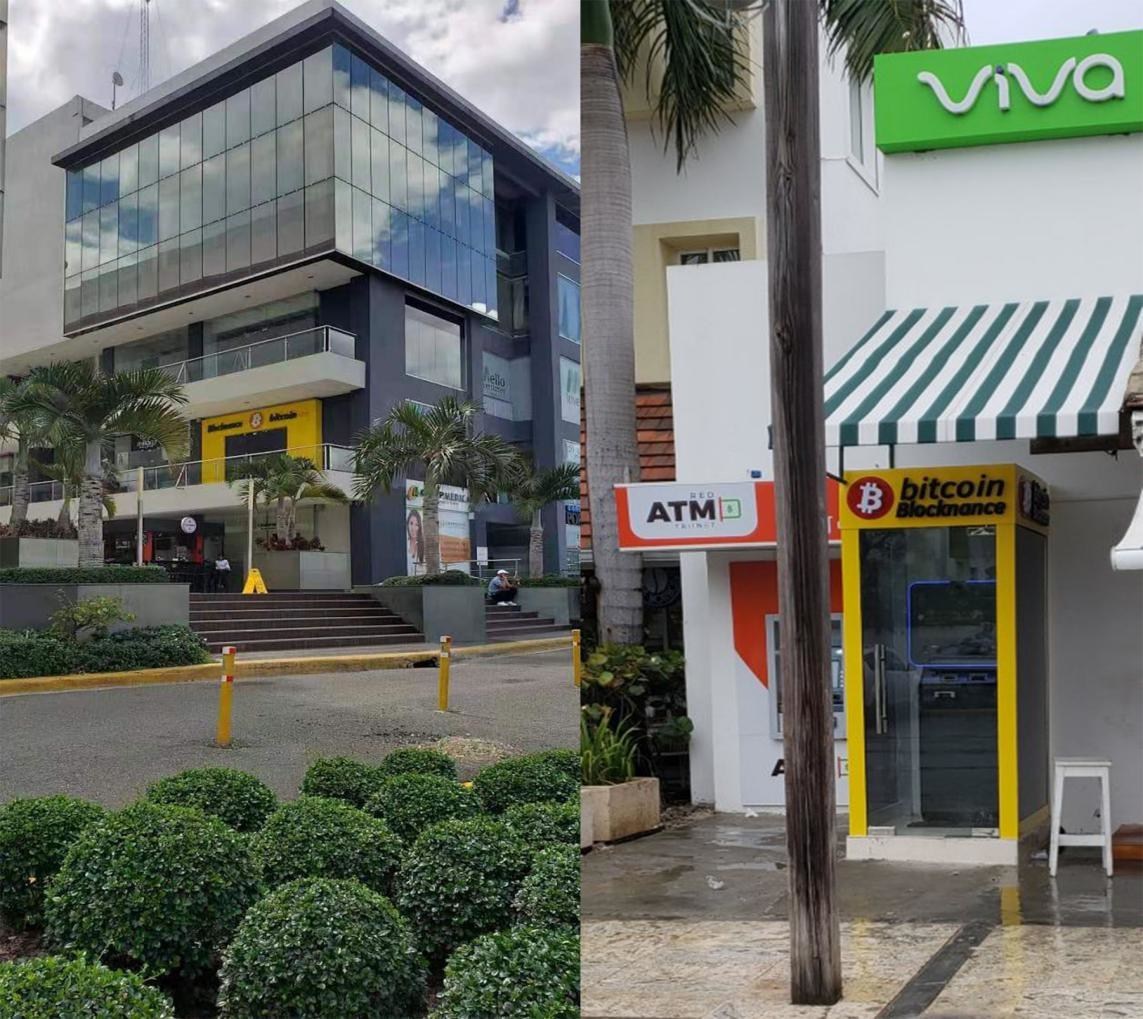
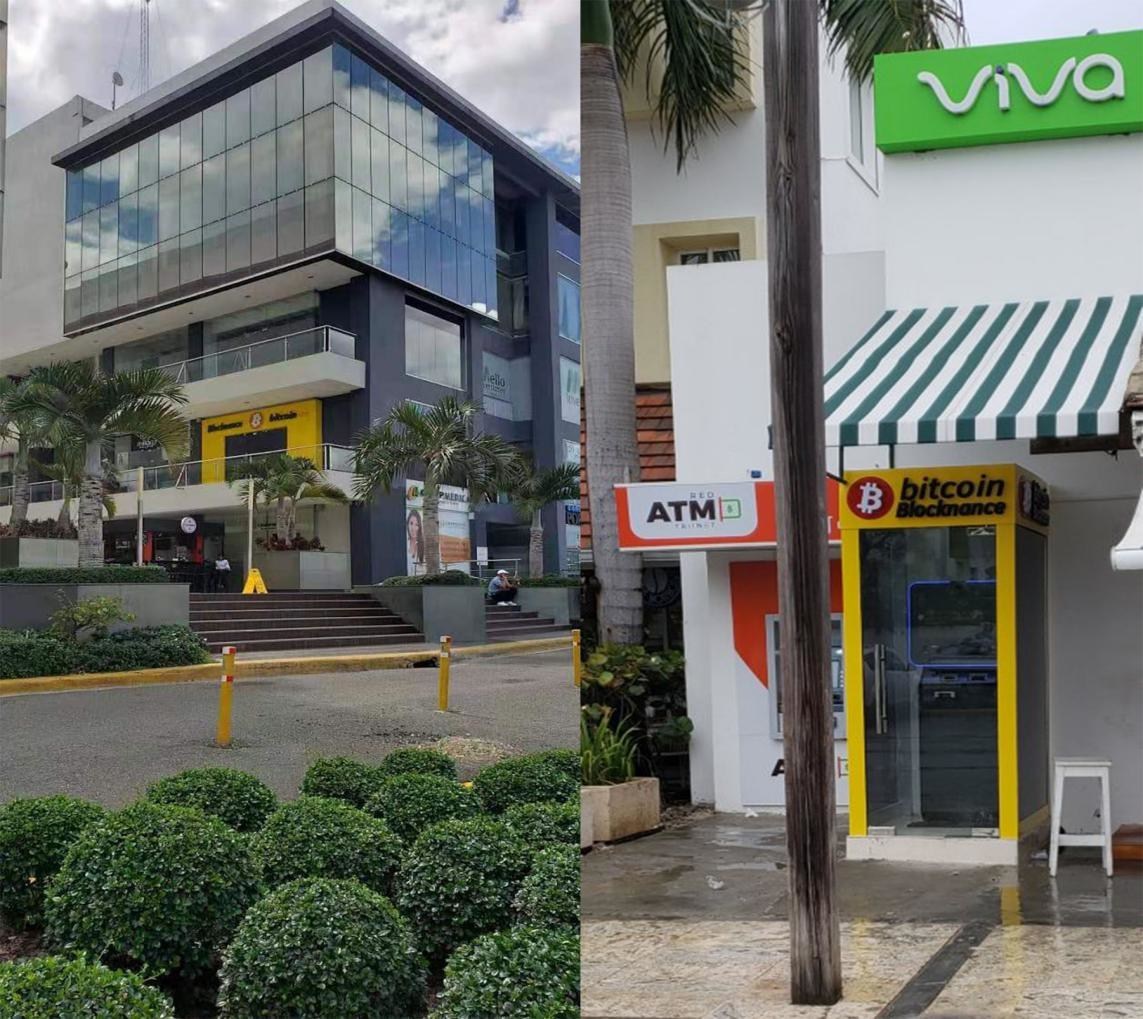
Blocknance provides services for transactions between Bitcoin and other cryptocurrencies and fiat currencies, such as Dominican Peso, US dollar, Euro and Russian Ruble for customers through Bitcoin ATM machines and physical offices. All ATMs and physical offices are currently located in Santo Domingo, Punta Cana, La Romana, and Santiago de los Caballeros in the Dominican Republic.

Blocknance is headquartered in the Dominican Republic. Its subsidiary Cryptocana SRL works with financial consulting companies to help clients buy, rent and sell residential, commercial, local and international real estate using cryptocurrencies; another subsidiary Blockchain Finance International Inc. is registered in Wyoming, US and officially registered as a Money Service Business (MSB) which is regulated and administered by the Financial Crimes Enforcement Network (FinCEN). According to the framework agreement, the current total valuation of Blocknance is $1.6 million. Future FinTech or its wholly-owned subsidiary plans to acquire 60% of Blocknance through cash and shares with a purchase price of US $960,000. Future FinTech reserves the right to purchase additional shares from the seller.

Future Fintech and Blocknance Signed Term Sheet for Potential Acquisition

Emmy Jude Fortune, the General Manager of Blocknance, stated, «Blocknance is one of the most advanced, semi-decentralized cryptocurrency exchange platforms on the market today. It provides a safe way to exchange Bitcoin and cryptocurrency with fiat currencies for individuals who want to use them to buy and sell goods or services and is the largest Bitcoin transaction service provider in the Caribbean. With the help of our new ATMs, more and more people use cryptocurrency for transactions. Our Punta Cana and Santiago office provides services to more than 10,000 tourists every year, because most tourists do not have local bank accounts. Our physical offices or ATMs provide convenient two-way exchange services of Bitcoin and other cryptocurrency to fiat currencies for tourists. Blocknance plans to increase the number of Bitcoin ATMs and expand them to Europe, Asia and other regions pursuant to local regulatory requirements in 2021. FTFT has a great management team in financial services and blockchain technology. The union with FTFT can rapidly expand our operations, continuously improve customer experience and satisfaction, increase service scenarios, and meet the needs of more and diversified customers. «

Shanchun Huang, Chief Executive Officer of Future FinTech said, «Blockchain technology and its application is an important strategic segment and business component of FTFT. Building a complete blockchain financial service system is an important development plan of FTFT. We have been looking for valuable blockchain technology companies to dock with our existing resources. When Bitcoin holders could convert Bitcoin into cash at ATM as Blocknance does in Dominican Republic, cryptocurrency will be gradually accepted by more and more people. We believe that the investment in Blocknance can further expand our business, bring additional income to the Company, and we hope to eventually create a channel that can connect Bitcoin and other cryptocurrencies with the services of mainstream financial institutions under applicable laws and regulations. «

Future Fintech and Blocknance Signed Term Sheet for Potential Acquisition

About Future FinTech Group Inc.

Future FinTech Group Inc. («Future FinTech», «FTFT» or the «Company») is a leading blockchain e-commerce company and a service provider for financial technology incorporated in Florida. The Company’s operations include a blockchain-based online shopping mall platform, Chain Cloud Mall («CCM»), a cross-border e-commerce platform (NONOGIRL), an incubator for blockchain based application projects. The Company is also engaged in the development of blockchain based e-Commerce technology as well as financial technology. For more information, please visit http://www.ftftex.com/.

Safe Harbor Statement                                                  

Certain of the statements made in this press release are «forward-looking statements» within the meaning and protections of Section 27A of the Securities Act of 1933, as amended and Section 21E of the Securities Exchange Act of 1934, as amended, or the Exchange Act. Forward-looking statements include statements with respect to our beliefs, plans, objectives, goals, expectations, anticipations, assumptions, estimates, intentions, and future performance, and involve known and unknown risks, uncertainties and other factors, which may be beyond our control, and which may cause the actual results, performance, capital, ownership or achievements of the Company to be materially different from future results, performance or achievements expressed or implied by such forward-looking statements. All statements other than statements of historical fact are statements that could be forward-looking statements. You can identify these forward-looking statements through our use of words such as «may,» «will,» «anticipate,» «assume,» «should,» «indicate,» «would,» «believe,» «contemplate,» «expect,» «estimate,» «continue,» «plan,» «point to,» «project,» «could,» «intend,» «target» and other similar words and expressions of the future.

All written or oral forward-looking statements attributable to us are expressly qualified in their entirety by this cautionary notice, including, without limitation, those risks and uncertainties described in our annual report on Form 10-K for the year ended December 31, 2019 and our other reports and filings with SEC. Such reports are available upon request from the Company, or from the Securities and Exchange Commission, including through the SEC’s Internet website at http://www.sec.gov. We have no obligation and do not undertake to update, revise or correct any of the forward-looking statements after the date hereof, or after the respective dates on which any such statements otherwise are made.

IR Contact:
Future FinTech Group Inc.,
Tel: +1-888-622-1218
Email:
ir@ftftex.com  

Cision View original content to download multimedia:http://www.prnewswire.com/news-releases/future-fintech-and-blocknance-signed-term-sheet-for-potential-acquisition-301200156.html

SOURCE Future FinTech Group Inc.

Future Fintech and Blocknance Signed Term Sheet for Potential Acquisition

NEW YORK, Jan. 4, 2021 /PRNewswire/ — Future FinTech Group Inc. (NASDAQ: FTFT) (hereinafter referred to as «Future Fintech», «FTFT» or «Company» «) a leading blockchain e-commerce company and a service provider for financial technology, today announced it has signed a term sheet («Term Sheet») with Blocknance Financial International SRL(«Blocknance»), a company incorporated in the Dominican Republic and the selling shareholders of Blocknance on December 30, 2020. Pursuant to the Term Sheet, the…

NEW YORK, Jan. 4, 2021 /PRNewswire/ — Future FinTech Group Inc. (NASDAQ: FTFT) (hereinafter referred to as «Future Fintech», «FTFT» or «Company» «) a leading blockchain e-commerce company and a service provider for financial technology, today announced it has signed a term sheet («Term Sheet») with Blocknance Financial International SRL(«Blocknance»), a company incorporated in the Dominican Republic and the selling shareholders of Blocknance on December 30, 2020. Pursuant to the Term Sheet, the Company plans to acquire 60% of the total issued and outstanding shares of Blocknance. 

Future Fintech and Blocknance Signed Term Sheet for Potential Acquisition

Blocknance provides services for transactions between Bitcoin and other cryptocurrencies and fiat currencies, such as Dominican Peso, US dollar, Euro and Russian Ruble for customers through Bitcoin ATM machines and physical offices. All ATMs and physical offices are currently located in Santo Domingo, Punta Cana, La Romana, and Santiago de los Caballeros in the Dominican Republic.

Blocknance is headquartered in the Dominican Republic. Its subsidiary Cryptocana SRL works with financial consulting companies to help clients buy, rent and sell residential, commercial, local and international real estate using cryptocurrencies; another subsidiary Blockchain Finance International Inc. is registered in Wyoming, US and officially registered as a Money Service Business (MSB) which is regulated and administered by the Financial Crimes Enforcement Network (FinCEN). According to the framework agreement, the current total valuation of Blocknance is $1.6 million. Future FinTech or its wholly-owned subsidiary plans to acquire 60% of Blocknance through cash and shares with a purchase price of US $960,000. Future FinTech reserves the right to purchase additional shares from the seller.

Future Fintech and Blocknance Signed Term Sheet for Potential Acquisition

Emmy Jude Fortune, the General Manager of Blocknance, stated, «Blocknance is one of the most advanced, semi-decentralized cryptocurrency exchange platforms on the market today. It provides a safe way to exchange Bitcoin and cryptocurrency with fiat currencies for individuals who want to use them to buy and sell goods or services and is the largest Bitcoin transaction service provider in the Caribbean. With the help of our new ATMs, more and more people use cryptocurrency for transactions. Our Punta Cana and Santiago office provides services to more than 10,000 tourists every year, because most tourists do not have local bank accounts. Our physical offices or ATMs provide convenient two-way exchange services of Bitcoin and other cryptocurrency to fiat currencies for tourists. Blocknance plans to increase the number of Bitcoin ATMs and expand them to Europe, Asia and other regions pursuant to local regulatory requirements in 2021. FTFT has a great management team in financial services and blockchain technology. The union with FTFT can rapidly expand our operations, continuously improve customer experience and satisfaction, increase service scenarios, and meet the needs of more and diversified customers. «

Shanchun Huang, Chief Executive Officer of Future FinTech said, «Blockchain technology and its application is an important strategic segment and business component of FTFT. Building a complete blockchain financial service system is an important development plan of FTFT. We have been looking for valuable blockchain technology companies to dock with our existing resources. When Bitcoin holders could convert Bitcoin into cash at ATM as Blocknance does in Dominican Republic, cryptocurrency will be gradually accepted by more and more people. We believe that the investment in Blocknance can further expand our business, bring additional income to the Company, and we hope to eventually create a channel that can connect Bitcoin and other cryptocurrencies with the services of mainstream financial institutions under applicable laws and regulations. «

Future Fintech and Blocknance Signed Term Sheet for Potential Acquisition

About Future FinTech Group Inc.

Future FinTech Group Inc. («Future FinTech», «FTFT» or the «Company») is a leading blockchain e-commerce company and a service provider for financial technology incorporated in Florida. The Company’s operations include a blockchain-based online shopping mall platform, Chain Cloud Mall («CCM»), a cross-border e-commerce platform (NONOGIRL), an incubator for blockchain based application projects. The Company is also engaged in the development of blockchain based e-Commerce technology as well as financial technology. For more information, please visit http://www.ftftex.com/.

Safe Harbor Statement                                                  

Certain of the statements made in this press release are «forward-looking statements» within the meaning and protections of Section 27A of the Securities Act of 1933, as amended and Section 21E of the Securities Exchange Act of 1934, as amended, or the Exchange Act. Forward-looking statements include statements with respect to our beliefs, plans, objectives, goals, expectations, anticipations, assumptions, estimates, intentions, and future performance, and involve known and unknown risks, uncertainties and other factors, which may be beyond our control, and which may cause the actual results, performance, capital, ownership or achievements of the Company to be materially different from future results, performance or achievements expressed or implied by such forward-looking statements. All statements other than statements of historical fact are statements that could be forward-looking statements. You can identify these forward-looking statements through our use of words such as «may,» «will,» «anticipate,» «assume,» «should,» «indicate,» «would,» «believe,» «contemplate,» «expect,» «estimate,» «continue,» «plan,» «point to,» «project,» «could,» «intend,» «target» and other similar words and expressions of the future.

All written or oral forward-looking statements attributable to us are expressly qualified in their entirety by this cautionary notice, including, without limitation, those risks and uncertainties described in our annual report on Form 10-K for the year ended December 31, 2019 and our other reports and filings with SEC. Such reports are available upon request from the Company, or from the Securities and Exchange Commission, including through the SEC’s Internet website at http://www.sec.gov. We have no obligation and do not undertake to update, revise or correct any of the forward-looking statements after the date hereof, or after the respective dates on which any such statements otherwise are made.

IR Contact:
Future FinTech Group Inc.,
Tel: +1-888-622-1218
Email:
ir@ftftex.com  

Cision View original content to download multimedia:http://www.prnewswire.com/news-releases/future-fintech-and-blocknance-signed-term-sheet-for-potential-acquisition-301200156.html

SOURCE Future FinTech Group Inc.

Corporate Spending to Power Commercial Prepaid Growth 2021-2024

BOSTON, Jan. 4, 2021 /PRNewswire-PRWeb/ — Noncash electronic payments continue to grow at rates exceeding global gross domestic product (GDP) and the rate of commerce in general, as consumers and businesses move to modern channels and as older systems relying on traditional payment methods are replaced. Not least important of these segments is commercial prepaid cards. A new research report from Mercator Advisory Group, <a target="_blank"…

BOSTON, Jan. 4, 2021 /PRNewswire-PRWeb/ — Noncash electronic payments continue to grow at rates exceeding global gross domestic product (GDP) and the rate of commerce in general, as consumers and businesses move to modern channels and as older systems relying on traditional payment methods are replaced. Not least important of these segments is commercial prepaid cards. A new research report from Mercator Advisory Group, Commercial Prepaid North America Open Loop Market Review and Forecast, 2019–2024 sizes up the U.S. and Canadian prepaid share and growth, taking into account the effect of the pandemic.

The full pandemic impact to commercial e-payments in 2020 is not yet known, but Mercator has previously forecast commercial credit card spend to decline by about 22% year-on-year from 2019 given the massive reduction in travel-related expense. Commercial prepaid, however, will continue to hold its own, accounting for nearly one-fifth of total commercial card spend.

«Uptrends and downtrends will contend for the market, and therefore results will be mixed,» commented Steve Murphy, Director of the Commercial and Enterprise Advisory Service at Mercator Advisory Group, the author of this report. «Among uptrends are FSA/HSA, payroll, business time and expense, and gift cards. Downtrends include government, travel, of course, and campus.»

Highlights of this research report include:

  • Leading factors impacting commercial prepaid
  • Growth projections through 2024
  • Analysis of leading and lagging indicators in commercial prepaid
  • Importance of the segment to overall growth of the electronic commercial payments business
  • Impact of e-commerce on the segment

This report is 14 pages long and has 7 figures and one table.

Members of Mercator Advisory Group’s Commercial and Enterprise Advisory Service continuous advisory practice have access to this report as well as the upcoming research for the year ahead, presentations, analyst access, and other membership benefits.

For more information and media inquiries, please call Mercator Advisory Group’s main line: 1-781-419-1700, send email to media@mercatoradvisorygroup.com.

For free industry news, opinions, research, company information and more visit us at http://www.PaymentsJournal.com.

Follow us on Twitter @ http://twitter.com/MercatorAdvisor.

About Mercator Advisory Group
Mercator Advisory Group is the leading independent research and advisory services firm exclusively focused on the payments and banking industries. We deliver pragmatic and timely research and advice designed to help our clients uncover the most lucrative opportunities to maximize revenue growth and contain costs. Our clients range from the world’s largest payment issuers, acquirers, processors, merchants and associations to leading technology providers and investors. Mercator Advisory Group is also the publisher of the online payments and banking news and information portal PaymentsJournal.com.

Media Contact

Karen Yetter, Mercator Advisory Group, 781-419-1700, kyetter@mercatoradvisorygroup.com

Twitter


SOURCE Mercator Advisory Group