New Project Media Announces Launch of its Next-Generation 2.0 Platform

PRINCETON, N.J., March 9, 2021 /PRNewswire/ — Breakout intelligence+data digital service New Project Media has announced the formal launch of its next-generation 2.0 platform for the growing developer and project finance community.

PRINCETON, N.J., March 9, 2021 /PRNewswire/ — Breakout intelligence+data digital service New Project Media has announced the formal launch of its next-generation 2.0 platform for the growing developer and project finance community.

With a mission to help renewable energy professionals get the competitive edge, NPM enables stakeholders to originate deal flow across the solar, wind, hydro, geothermal and storage sectors, identify risks and opportunities around legislation and regulation, and monitor developer and IPP strategy and performance.

Thousands of developers, law firms, banks, utilities, suppliers and corporate buyers increasingly rely on NPM to deliver real-time, actionable intelligence and data products.

NPM’s global team of journalists, analysts and experts provide exclusive, in-depth coverage and reports across clean energy sectors. With the new 2.0 platform, NPM subscribers will now have access to 3,000+ projects covering all states and counties across 13 sectors, 6,000 renewable industry organizations searchable by role and state presence, over 10,000 lifecycle project milestones from pre-development to commercial operation date, and real-time RFPs with live documents and issuance history.

«NPM was founded on the idea that our unique approach of combining best-in-class data and intel would help renewable developers and project finance professionals originate deal flow in North America,» said Ken Meehan, NPM Founder & CEO. «With the release of our 2.0 platform, we’ve massively upgraded the connectivity between our RFP, Project Tracker and Intel content and established a strong foundation for enhanced personalization and easier access to new data products.»

Subscribers to NPM have touted the platform’s early stage leads in providing the edge when it comes to bidding opportunities, proposal deadlines, and daily insights into project development, up-and-coming legislation, and risk management.

«We’re excited by the opportunity to build a service that helps our subscribers grow their businesses to address the massive challenge of combating climate change,» Meehan said.

About NPM
Founded in 2019, New Project Media is committed to improving the actionable data + intelligence available for the growing renewable energy project development community. 

New Project Media
252 Nassau Street
Princeton, New Jersey 08542
www.newprojectmedia.com

Cision View original content to download multimedia:http://www.prnewswire.com/news-releases/new-project-media-announces-launch-of-its-next-generation-2-0-platform-301243201.html

SOURCE New Project Media

Black Homeowners Earned $59,000 in Home Equity in 2020, Compared With $50,000 for White Homeowners

SEATTLE, March 9, 2021 /PRNewswire/ — (NASDAQ: RDFN) — People who bought homes in primarily Black neighborhoods in 2019 gained a median $59,000 in home equity last year, compared with $50,000 for people who bought homes in primarily white neighborhoods, according to a new <a target="_blank"…

SEATTLE, March 9, 2021 /PRNewswire/ — (NASDAQ: RDFN) — People who bought homes in primarily Black neighborhoods in 2019 gained a median $59,000 in home equity last year, compared with $50,000 for people who bought homes in primarily white neighborhoods, according to a new report from Redfin (redfin.com), the technology-powered real estate brokerage. Equity grew more for people who bought homes in primarily Asian and Hispanic neighborhoods—by $79,000 and $67,000, respectively.

For the purposes of this report, a neighborhood is considered primarily one race or another if more than 50% of the owner-occupied households are Black, Hispanic, Asian or white, as identified in the U.S. Census Bureau’s American Community Survey. We calculated home-equity gains throughout 2020 for each neighborhood type for homeowners who purchased a home anytime during 2019, using January 2021 Redfin Estimates as a proxy for current market value. The terms «Black homeowner,» «white homeowner,» etc. are used throughout this report to refer to a person who bought a home in a neighborhood of primarily one race or another in 2019.

Median gains in home equity by primary race of neighborhood from 2019 to January 2021

Median home
equity in 2019

Median home
equity in January
2021

Median dollar
gain in home
equity

Percentage gain in
median home
equity

Asian
neighborhoods

$178,000

$257,000

$79,000

44%

Black
neighborhoods

$30,000

$89,000

$59,000

197%

Hispanic
neighborhoods

$35,000

$102,000

$67,000

191%

White
neighborhoods

$63,000

$113,000

$50,000

79%

While Black homeowners gained more wealth through home equity than white homeowners last year, the trend is a reversal from the previous decade, when homeowners of color saw their home values and home equity recover more slowly from the Great Recession.

People who bought homes in primarily Black neighborhoods in 2019 currently have a median of $89,000 in home equity, the smallest amount of the four races included in this analysis. That’s compared with $257,000 for Asian homeowners, $113,000 for white homeowners and $102,000 for Hispanic homeowners.

Black homeowners started with much lower equity—a median of $30,000 in 2019—than their Asian ($178,000) and white ($63,000) counterparts, and slightly less than the typical Hispanic homeowner ($35,000). The difference in equity in 2019 was primarily driven by the fact that Black homebuyers made smaller down payments than buyers of other races, due to lower home prices and putting down a smaller percentage of the sale price.

Even though Black homeowners still have less equity than white homeowners, the home-equity gap between Black and white Americans is narrowing. That’s largely because significant gains in home values, which increase equity above initial down payments, fueled equity gains from 2019 to January 2021 for homeowners of all races. The typical homeowner in a primarily white neighborhood had $33,000 more home equity than the typical homeowner in a primarily Black neighborhood in 2019, a gap that had shrunk to $24,000 by January 2021.

Homeowners in Black neighborhoods experienced a nearly 200% home-equity increase in 2020, a huge increase that’s mostly due to low equity pre-pandemic

Black homeowners nationwide who bought their homes in 2019 saw a 197% increase in home equity last year, a bigger percentage increase than the other races. Home equity increased 191% for Hispanic homeowners, 79% for white homeowners and 44% for Asian homeowners. Black homeowners starting out with lower equity than the other races is a key reason for the larger percentage jump.

Black Americans are least likely to be homeowners. The homeownership rate for Black families was 44.1% in the fourth quarter of 2020, the most recent time period for which data is available. That’s steady from 44% in the fourth quarter of 2019, but it had been on the rise before the pandemic, with a jump up from the 42.9% rate in the fourth quarter of 2018. The current homeownership rate for white families is significantly higher than it is for Black families: 74.5% in the fourth quarter of 2020, up slightly from 73.7% a year earlier. The homeownership rate for Asian families increased from 57.6% to 59.5% over the same time period, and it went from 48.1% to 49.1% for Hispanic families.

«Black homeowners benefited from 2020’s hot housing market, and the trend is continuing into this year as Americans remain intensely interested in relocating and buying homes and home values continue to rise,» said Redfin Chief Economist Daryl Fairweather. «But less than half of Black Americans own the home they live in, so most of the Black community didn’t benefit from the enormous wealth homeowners have gained in the past year. Especially compared with the three-quarters of white Americans who own their homes, the total benefit for Black families across the country is relatively small. With higher unemployment rates and less overall wealth, Black families were not as likely as white families to buy homes even when prices were comparatively low.»

«Now that prices are so high and the pandemic has contributed to high unemployment, especially for Black workers, it’s even more difficult for people who don’t already own homes to break into the housing market,» Fairweather continued. «There is a major need and a big opportunity for policymakers to enact programs like down-payment assistance and zoning reform to help narrow the homeownership gap and enable more Black families to build wealth through home equity.»

Black homeowners in Chicago, Newark and Washington, D.C. have seen enormous home-equity gains, mostly because equity was so low pre-pandemic

People who bought homes in primarily Black neighborhoods in Chicago in 2019 experienced the biggest percentage equity gain of the metro areas included in this analysis, with a 750% increase from 2019 to January 2021. The increase is so big partly because median home equity was just $8,000 in 2019, compared with $68,000 in January 2021.

Next come Newark and Washington, D.C., which also saw huge percentage increases for Black homeowners from 2019 to January 2021: 626% and 425%, respectively. Median home equity went from $19,000 to $138,000 in Newark, and $16,000 to $84,000 in Washington, D.C.

All of the metros included in this analysis experienced home-equity gains for Black homeowners—and homeowners of all other races—over that time period. The typical Black homeowner in Jacksonville gained 62% in equity from 2019 to January 2021, the smallest percentage gain of any metro included in this analysis, from $45,000 to $73,000.

To view the full report, including charts and methodology, please visit: https://www.redfin.com/news/home-equity-by-race-black-homeowners/

About Redfin
Redfin (www.redfin.com) is a technology-powered residential real estate company, redefining real estate in the consumer’s favor in a commission-driven industry. We do this by integrating every step of the home buying and selling process and pairing our own agents with our own technology, creating a service that is faster, better and costs less. We offer brokerage, iBuying, mortgage, and title services, and we also run the country’s #1 nationwide brokerage website, offering a host of online tools to consumers, including the Redfin Estimate. We represent people buying and selling homes in over 95 markets in the United States and Canada. Since our launch in 2006, we have saved our customers nearly $1 billion and we’ve helped them buy or sell more than 310,000 homes worth more than $152 billion.

For more information or to contact a local Redfin real estate agent, visit www.redfin.com. To learn about housing market trends and download data, visit the Redfin Data Center. To be added to Redfin’s press release distribution list, email press@redfin.com. To view Redfin’s press center, click here.

Cision View original content to download multimedia:http://www.prnewswire.com/news-releases/black-homeowners-earned-59-000-in-home-equity-in-2020–compared-with-50-000-for-white-homeowners-301243130.html

SOURCE Redfin

BlackBerry AtHoc Introduces Derived Credentials and FedRAMP Authorization on AWS to Better Support U.S. Federal Government’s Cloud and Mobile Strategy

SAN RAMON, Calif., March 9, 2021 /PRNewswire/ — BlackBerry Limited (NYSE: BB; TSX: BB) today announced new technology advancements to <a target="_blank"…

SAN RAMON, Calif., March 9, 2021 /PRNewswire/ — BlackBerry Limited (NYSE: BB; TSX: BB) today announced new technology advancements to BlackBerry® AtHoc that will improve how U.S. Federal agencies communicate and collaborate during times of crisis, and reduce the risk of unauthorized access to Federal data, systems and applications. BlackBerry AtHoc, the first EMNS solution to achieve FedRAMP Authorization is now the first to support Derived Credentials for identity authentication on a mobile device. In addition, BlackBerry has added AWS GovCloud to its cloud infrastructure, making BlackBerry AtHoc services the most widely available EMNS solution to the Federal government. 

A recent report found that 67% of breaches are caused by credential theft and social engineering attacks that capitalized on moments in time like COVID-19.  To protect Federal employees, the U.S. Office of Personnel Management (OPM) mandates all Federal departments use Derived Credentials for identity proofing on mobile devices. Support for Derived Credentials within the BlackBerry AtHoc mobile app will allow Federal customers to ensure authentication and authorization to sensitive data when using the app for instant messaging, sending or responding to notifications.

«For U.S. Federal government agencies where the stakes are high, they cannot afford a cybersecurity breach,» said Dubhe Beinhorn, Vice President of BlackBerry AtHoc Federal Sales. «The combination of securing the Federal mobile workforce using Derived Credentials along with implementing best-in-class security, protection, and compliance services in the FedRAMP-Azure and -AWS environments makes BlackBerry AtHoc the most secure solution for critical event management and emergency mass notification in the market.»

BlackBerry is the only vendor that can provide FedRAMP-Authorized emergency mass notification system (EMNS) services to government customers across the two leading government-certified hosting environments. BlackBerry AtHoc achieved FedRAMP Authorization on Microsoft Azure Cloud in 2017 and has successfully completed the FedRAMP audit to add AWS GovCloud to its infrastructure. Running BlackBerry AtHoc simultaneously in both the Azure and AWS cloud environments helps to ensure service redundancy and prevent service disruption if one of the cloud environments experiences an outage.

BlackBerry AtHoc is trusted by government, military, commercial and humanitarian organizations around the world including over 70% of U.S. Federal Government employees. The Department of Energy-National Nuclear Security Administration-Kansas City Field Office recently awarded BlackBerry AtHoc its 14th «Authority to Operate» (ATO), joining federal agencies, including the Department of Transportation, Department of Homeland Security, Department of Health and Human Services, Department of Justice, Federal Aviation Administration, Department of Treasury, and Department of Veterans Affairs.

To learn more, visit BlackBerry AtHoc and follow @BlackBerryAtHoc.

About BlackBerry
BlackBerry (NYSE: BB; TSX: BB) provides intelligent security software and services to enterprises and governments around the world. The company secures more than 500M endpoints including 175M cars on the road today.  Based in Waterloo, Ontario, the company leverages AI and machine learning to deliver innovative solutions in the areas of cybersecurity, safety and data privacy solutions, and is a leader in the areas of endpoint security, endpoint management, encryption, and embedded systems.  BlackBerry’s vision is clear – to secure a connected future you can trust.

BlackBerry. Intelligent Security. Everywhere. 

For more information, visit BlackBerry.com and follow @BlackBerry.

Trademarks, including but not limited to BLACKBERRY and EMBLEM Design are the trademarks or registered trademarks of BlackBerry Limited, and the exclusive rights to such trademarks are expressly reserved. All other trademarks are the property of their respective owners. BlackBerry is not responsible for any third-party products or services.

Media Contact:
BlackBerry Media Relations
+1 (519) 597-7273
mediarelations@BlackBerry.com


Cision View original content to download multimedia:http://www.prnewswire.com/news-releases/blackberry-athoc-introduces-derived-credentials-and-fedramp-authorization-on-aws-to-better-support-us-federal-governments-cloud-and-mobile-strategy-301243096.html

SOURCE BlackBerry Limited

Bamboo Systems Announces Agreement with Spinnakar

CAMBRIDGE, England and SAN JOSE, Calif., March 9, 2021 /PRNewswire-PRWeb/ — Bamboo Systems, a provider of revolutionary Arm-based, enterprise-class servers architected to meet the needs of today’s software design and data center demands, today announced a new distributor agreement with <a…

CAMBRIDGE, England and SAN JOSE, Calif., March 9, 2021 /PRNewswire-PRWeb/ — Bamboo Systems, a provider of revolutionary Arm-based, enterprise-class servers architected to meet the needs of today’s software design and data center demands, today announced a new distributor agreement with Spinnakar, a specialist IT distributor that drives value for partners with a portfolio of complementary market leading and emerging vendors. Spinnakar will expand the roll out of Bamboo’s revolutionary B1000N Arm servers in the UK and Ireland.

Spinnakar provides footprint, scale, and local knowledge of the UK and Irish markets through strong channel and end-user relationships. The company offers access to the fastest growing and most advanced data center and cloud technologies. Spinnakar supports resellers and enables customers to effectively deploy disruptive and innovative data-centric technologies and services that address today’s data center challenges.

Spinnakar will distribute Bamboo’s servers with its patented Parallel ARM Node Designed Architecture (PANDA), the company’s revolutionary new approach to Arm-based server design. Bamboo’s PANDA design uses up to 75% less energy consumption in 20% of the rack space of legacy systems. With 8 servers in only 1U, Bamboo’s servers deliver both the density and the high throughput computing needed for today’s highly parallel workloads.

«At Spinnakar we specialize in introducing disruptive emerging technology to the market and we see the promise in Bamboo Systems’ innovative and groundbreaking servers,» said Gerard Brophy, Managing Director, Spinnakar. «We look forward to maximizing the increasing interest in Arm-based solutions in the data center through our network of UK and Ireland channel partners.»

«Spinnakar sits squarely in the market we are about to revolutionize, and our distributor agreement makes sense for growing Bamboo’s sales in the crucial Irish and UK markets,» said Andy Hill, VP Sales, Bamboo Systems. «We are excited to partner with Spinnakar to broaden our customer base and help move us into our next phase of growth as we transform the data center.»

About Bamboo Systems:
Delivering the first Arm-based server designed for next generation data centers with the scale-out and high throughput computing required by cloud-targeted applications and modern highly parallel workloads. Bamboo’s servers consume one-quarter of the energy of today’s servers, one-tenth the rack space, at a fraction of the cost. Find out more at http://www.bamboosystems.io.

About Spinnakar
Spinnakar is a data-first specialist IT distributor, established to drive value for partners with a portfolio of complementary market leading and emerging vendors. For more information, visit https://www.spinnakar.com/about/

Media Contact

Joanne Hogue, Smart Connections PR for Bamboo Systems, (410) 658-8246, joanne@smartconnectionspr.com


SOURCE Bamboo Systems

MIT Sloan Hispanic Business Club Launches Scholarship to Support Latinx MBA Applicants

CAMBRIDGE, Mass., March 9, 2021 /PRNewswire/ — The Hispanic Business Club (HBC) at the MIT Sloan School of Management recently announced the launch of the group’s «More than Ready» Pre-MBA Scholarship to support Latinx applicants in the admissions process to top MBA programs. In partnership with Target Test Prep, Applicant Lab, and IvyAdvisors, the student club is offering pre-MBA micro-scholarships to applicants who are impacted by the cost of applying.

CAMBRIDGE, Mass., March 9, 2021 /PRNewswire/ — The Hispanic Business Club (HBC) at the MIT Sloan School of Management recently announced the launch of the group’s «More than Ready» Pre-MBA Scholarship to support Latinx applicants in the admissions process to top MBA programs. In partnership with Target Test Prep, Applicant Lab, and IvyAdvisors, the student club is offering pre-MBA micro-scholarships to applicants who are impacted by the cost of applying.

«We estimate that the top 25 full-time MBA programs consist of 5 to 8 percent Latinx students. The numbers are even lower for Latinx company executives, board members, investors, and VC-backed founders. We want to increase the pipeline of Latinx students in top MBA programs by reducing the application costs, which is a high barrier to entry for certain communities,» says Jose Luis Ramos, current co-president of the HBC.

Jessica Leon, HBC co-president, agrees. «The lack of representation of Latinx people in business and leadership positions is a significant issue. We are trying to address that with these scholarships to lower the financial barriers of entry.»

They noted that the costs to apply to top MBA programs can range from $6,000 to over $25,000. Costs include MBA program application fees, GMAT test fees, GMAT test preparation fees, application consulting, and campus visits.

«These costs screen out many Latinx applicants who either can’t afford the fees and/or don’t understand the value of investing in the admissions process. They also may have family and community members who don’t understand the process, questioning their decisions and creating an emotional barrier,» says Leon.

Ramos points out that while many of the application costs, such as test preparation, are voluntary, top MBA programs require competitive scores and essays. «The scholarship is intended to help even the playing field and give qualified Latinx applicants financial support at the start of the application process.»

The «More than Ready» Pre-MBA Scholarships will pay for access to online test preparation and application advising services provided by ApplicantLab, Target Test Prep, and Ivy Advisors. HBC is covering the licensing costs of the software programs for scholarship recipients through an alumni donation and HBC funding. Recipients will also have access to mentoring from members of HBC.

The application process opens March 9, 2021. «In reviewing the applications, our aim is to understand the ‘distance travelled’ by the applicant, the need for financial support, and any positive contributions to their respective community,» says Ramos, noting that the group is seeking Latinx applicants for the class of 2024 in full-time top MBA programs.

«Few initiatives are trying to tackle the pipeline challenge in this way. In addition to helping mitigate application costs, we are trying to raise awareness that top MBA programs are attainable. Through the mentoring aspect of the scholarship, we are sharing our personal stories and journeys about where we came from and what the MBA means to us,» says former HBC president Andrew Mairena, who graduated in 2019 and is involved with the scholarship.

Ramos added, «As the name of the scholarship states, we believe that many Latinx people are ‘more than ready’ to be our classmates but are being left behind. We want to be a beacon for these communities.»

In addition to Ramos, Leon, and Mairena, MIT Sloan MBA students and incoming HBC co-presidents Claudia Moreno and Renzo Hidalgo are helping to organize the scholarship and continue the legacy.

For more information or to apply to HBC’s More than Ready Scholarship, please visit: http://bit.ly/MBAMoreThanReady

To make a donation for next year’s Scholarship please contact Claudia Moreno at cmoreno@mit.edu.

The MIT Sloan School of Management is where smart, independent leaders come together to solve problems, create new organizations, and improve the world. Learn more at mitsloan.mit.edu.

For further information, contact:
Paul Denning
Director of Media Relations
(617) 253-0576
denning@mit.edu 

Patricia Favreau
Associate Director of Media Relations
617-253-3492 
pfavreau@mit.edu 

Cision View original content to download multimedia:http://www.prnewswire.com/news-releases/mit-sloan-hispanic-business-club-launches-scholarship-to-support-latinx-mba-applicants-301242957.html

SOURCE MIT Sloan School of Management

Styrenics Circular Solutions seeks EFSA opinion on mechanically recycled polystyrene as food contact material

BRUSSELS, March 9, 2021 /PRNewswire/ — Styrenics Circular Solutions (SCS), the value chain initiative to increase the circularity of styrenic polymers, announced today that it has filed its first application for EU authorisation of mechanically recycled polystyrene (rPS) as food contact material.

The application, on which the European Food Safety Authority…

BRUSSELS, March 9, 2021 /PRNewswire/ — Styrenics Circular Solutions (SCS), the value chain initiative to increase the circularity of styrenic polymers, announced today that it has filed its first application for EU authorisation of mechanically recycled polystyrene (rPS) as food contact material.

The application, on which the European Food Safety Authority (EFSA) is expected to give an opinion, covers multiple end-consumer applications, including hot and cold beverage containers, yoghurt pots and trays. It follows several highly successful challenge tests. The SCS challenge tests confirmed polystyrene as highly recyclable to food grade standards via mechanical recycling, which is one of the different recycling options available to PS. The tests, using super-cleaning technology, delivered a recycled polymer with excellent purity, based on post-consumer food packing waste from the separate collection in different European countries.

Jens Kathmann, Secretary-General of SCS, commented: «This is a breakthrough moment for circular styrenics, a culmination of all the positive developments of the last two years. We now have a recyclate that meets the strict and very high purity requirements for food contact materials. This confirms all the positive inherent characteristics of polystyrene, not least the polymer’s truly circular nature. The whole value chain is looking forward to a positive EFSA opinion after such a strong application, which will be the door opener for the industrial scale-up. This is only the first application to EFSA, further are to follow.»

Anabela Ferreira, board member and co-owner of converter Intraplás welcomed SCS’ application to EFSA: «The challenge tests confirmed what we, the converter members of SCS, had also discovered in tests at our facilities: we found recycled polystyrene to be a drop-in solution, behaving exactly as virgin and delivering the same properties, look and feel, right down to the snapability, when easily separating a yoghurt pot from a multipack. We converters, along with our brand-owner and retailer clients, will be eagerly awaiting the EFSA opinion on this game-changing development.»

About Styrenics Circular Solutions

Styrenics Circular Solutions is the value chain initiative to increase the circularity of styrenics. The initiative engages the entire value chain in the development and industrialisation of new recycling technologies and solutions. It aims to strengthen the sustainability of styrenic products while improving resource efficiency within the Circular Economy.

For more information visit www.styrenics-circular-solutions.com 

Cision View original content:http://www.prnewswire.com/news-releases/styrenics-circular-solutions-seeks-efsa-opinion-on-mechanically-recycled-polystyrene-as-food-contact-material-301243236.html

SOURCE Styrenics Circular Solutions

Amcor announces new partnership with Alliance to End Plastic Waste

ZURICH, March 9, 2021 /PRNewswire/ — Amcor has announced that it is joining the Alliance to End Plastic Waste (the Alliance) at Executive Committee level.

Amcor and the Alliance share the belief that collaboration and collective action are critical to eliminating plastic waste. Alliance membership also aligns with Amcor’s 2025 Sustainability Pledge to develop all its packaging to be recyclable or…

ZURICH, March 9, 2021 /PRNewswire/ — Amcor has announced that it is joining the Alliance to End Plastic Waste (the Alliance) at Executive Committee level.

Amcor and the Alliance share the belief that collaboration and collective action are critical to eliminating plastic waste. Alliance membership also aligns with Amcor’s 2025 Sustainability Pledge to develop all its packaging to be recyclable or reusable by 2025. This new partnership is the latest example of Amcor’s commitment to better waste management and recycling infrastructure.

Ron Delia, Amcor CEO, said, «Amcor’s extensive innovation capabilities are delivering packaging designed to achieve the commitment to make all our packaging recyclable or reusable by 2025. But keeping waste out of the environment also requires collaboration across the global value chain for better waste management and recycling infrastructure, and to educate consumers. The Alliance serves as a crucial forum for that collaborative effort across parties aligned on the need to deliver more sustainable outcomes. I am excited that Amcor is taking up this leadership role within the Alliance and we look forward to working with the other Alliance members to advance on our shared ambitions for responsible packaging.»

Jacob Duer, Alliance to End Plastic Waste’s Chief Executive, said, «The addition of Amcor to the Alliance’s Executive Committee strengthens our links to the packaging industry. Amcor’s expertise, as the world’s leading diversified packaging company, will bring new capabilities to the Alliance’s project portfolio and brings us closer towards achieving our vision of ending plastic waste in the environment.»

The Alliance’s 57 member companies agree to support, through positive action, projects to build and scale solutions to end plastic waste in the environment. Amcor already has projects underway that actively tackle the problem of waste leakage and is aligned with the Alliance’s four strategic pillars – waste management infrastructure, innovation, education and engagement and cleaning up.

Examples of the Alliance’s current projects include Project STOP Jembrana in Indonesia, where a new waste management system is being built to address high volumes of plastic waste. The local community is being empowered to collect, sort, and sell their own waste. Another example of the Alliance’s work is the End Plastic Waste Innovation Platform, which fosters startups across the plastic value chain to accelerate innovation to eliminate plastic waste.

Amcor also recently partnered with McKinsey.org to develop recycling and waste management solutions for communities in Latin America. Amcor is also a member of the World Wildlife Fund-led activation hub, ReSource: Plastic, and has global partnerships with Ocean Conservancy and the Ellen MacArthur Foundation’s New Plastics Economy initiative.

To learn more about Amcor’s collaborations to increase recycling rates visit our sustainability partnerships page. 

About the Alliance to End Plastic Waste

The Alliance to End Plastic Waste is an international non-profit organisation partnering with government, environmental and economic development NGOs and communities around the world to address the challenge to end plastic waste in the environment. Through programmes and partnerships, the Alliance focuses on solutions in four strategic areas: infrastructure, innovation, education and engagement, and clean up. As of March 2021, the Alliance has more than 57 member companies and supporters representing global companies and organisations across the plastic value chain. For more information, visit: endplasticwaste.org.

About Amcor

Amcor is a global leader in developing and producing responsible packaging for food, beverage, pharmaceutical, medical, home- and personal-care, and other products. Amcor works with leading companies around the world to protect their products and the people who rely on them, differentiate brands, and improve supply chains through a range of flexible and rigid packaging, specialty cartons, closures, and services. The company is focused on making packaging that is increasingly light-weighted, recyclable and reusable, and made using an increasing amount of recycled content. Around 47,000 Amcor people generate US$12.5 billion in sales from operations that span about 230 locations in 40-plus countries. (NYSE: AMCR) (ASX: AMC).

www.amcor.com | LinkedIn | Facebook | Twitter | YouTube

Cision View original content:http://www.prnewswire.com/news-releases/amcor-announces-new-partnership-with-alliance-to-end-plastic-waste-301243174.html

SOURCE Amcor

How Health Coach Massy Arias Stays Fueled, Focused and Feeling her Best with California Almonds

MODESTO, Calif., March 9, 2021 /PRNewswire/ — Coming out of 2020, many of us are experiencing unique challenges and indulging in unhealthy eating habits that can potentially lead to a decline in our overall wellness. But, what if the key to becoming the best you was as simple as eating a handful of delicious almonds? Lucky for you, your ongoing wellness journey can start with just that! Massy Arias, Los Angeles-based Certified Personal Trainer and celebrity health…

MODESTO, Calif., March 9, 2021 /PRNewswire/ — Coming out of 2020, many of us are experiencing unique challenges and indulging in unhealthy eating habits that can potentially lead to a decline in our overall wellness. But, what if the key to becoming the best you was as simple as eating a handful of delicious almonds? Lucky for you, your ongoing wellness journey can start with just that! Massy Arias, Los Angeles-based Certified Personal Trainer and celebrity health & wellness coach wants to help you be the best you can be—and almonds can play a big part in that journey. Massy believes that prioritizing your health goes beyond losing a few pounds. By working out and eating healthy, you can improve your physical wellbeing and maintain a strong sense of self-worth.

Years ago, Massy was going through a period of hardship that was keeping her from reaching her full potential. She was able to overcome her difficulty by changing her lifestyle, committing to regular exercise, and fueling her body with natural and nutritious foods. Massy has teamed up with California Almonds to help you become the best you by fueling your body with the right nutrients –especially those found in almonds. Check out a few of her best tips for jumpstarting a wellness journey:

  1. Be Your Best, Always Progress.
    Being a work in progress is a wonderful thing. We are given a chance every day to improve ourselves and become something and someone better than we already are. It doesn’t mean you are incomplete. It doesn’t mean you are not enough. Being a work in progress means your story continues. Focus on the underlying reasons that drive your every action, allowing you to progress on those habits, qualities, and traits you want to improve.
  2. Diversify Your Snacking
    Balance is key for me – I never deprive myself from what my body craves, and make sure to give my body the fuel it needs. Since my days start so early, I like to incorporate mindful snacking, once after breakfast and once before dinner. One of my favorite post-lunch snacks: popcorn and almonds. Popcorn satisfies a craving for saltiness, while almonds add the 6g of natural plant-based protein per serving, that fuels my body’s energy levels.
  3. No Excuses.
    Run, walk, jump, or move. Get moving in any way you can but do it every day. There are 24 hours in a day – dedicate just one of them to becoming the stronger and better version of yourself by staying active. Moving your body can improve stability, balance, and organization. PLUS – physical activity may leave you feeling happier, more relaxed, and less anxious, which can ultimately lead to a boost in your confidence and self-esteem.
  4. Fuel Good. Feel Good. Do Good.
    Your story starts with you. Change starts with you, too. No step to achieving a greater good is too big or too small to have an impact. I choose certain foods as fuel to help elevate myself and accomplish more. I keep almonds on-hand to snack on, each one-ounce serving contains nutrients that contribute to me feeling energized and ready to inspire greatness.

A simple walk, run, or bike ride can lift your mindset and the spirits of others. A great way to track your movement is with Charity Miles, an app where you can support causes that are important to you through exercise. California Almonds is partnering with Charity Miles to promote overall wellness within yourself and among our communities; when you take care of yourself you are better equipped to take care of others. Each mile gained on the app contributes to your overall health and to the health of the charity of your choice.

«There is a huge connection between what we choose to eat and how we feel, so I often keep almonds on-hand to snack on. Each one-ounce serving contains nutrients that get me feeling energized and ready to crush it,» says Massy. «You can go from zero to hero by fueling up on almonds, setting a movement goal, and finding ways to do good for your community. By following this formula, you are bettering your mind, body and soul, and priming yourself to live your best life.»

Fuel up on almonds and kick off your movement goals with a virtual beginner’s workout and stretch session, featuring Massy Arias HERE.

Read more about Massy Arias and peek at some of Massy’s favorite recipes for tasty and easy-to-make snacks and lunches HERE.

About California Almonds

California Almonds make life better by what we grow and how we grow. The Almond Board of California promotes natural, wholesome and quality almonds through leadership in strategic market development, innovative research, and accelerated adoption of industry best practices on behalf of the more than 7,600 almond farmers and processors in California, most of whom are multi-generational family operations. Established in 1950 and based in Modesto, California, the Almond Board of California is a non-profit organization that administers a grower-enacted Federal Marketing Order under the supervision of the United States Department of Agriculture. For more information on the Almond Board of California or almonds, visit Almonds.com or check out California Almonds on FacebookTwitterPinterestInstagram and the California Almonds blog.

About Massy Arias

Massy Arias is a trailblazing certified celebrity trainer, health & wellness coach, CEO, and entrepreneur inspiring a new generation of fitness leaders. Born in the Dominican-Republic as Massiel Indhira Arias, Massy is dedicated to empowering women to embrace their best selves. Massy’s unique holistic approach to fitness transforms lives through healthy habits, mindfulness, and physical activity. Her training style has gained a loyal following of almost 3 million fans. Massy and her lifechanging work have been featured in major publications like Cosmopolitan, Shape Magazine, Parents Magazine, Women’s Health, and Latina.

CONTACT:
Raquel Tanz
raquel.tanz@porternovelli.com


Cision View original content to download multimedia:http://www.prnewswire.com/news-releases/how-health-coach-massy-arias-stays-fueled-focused-and-feeling-her-best-with-california-almonds-301242955.html

SOURCE Almond Board of California

Daqo New Energy Announces Unaudited Fourth Quarter and Fiscal Year 2020 Results

SHANGHAI, March 9, 2021 /PRNewswire/ — Daqo New Energy Corp. (NYSE: DQ) («Daqo New Energy», the «Company» or «we»), a leading manufacturer of high-purity polysilicon for the global solar PV industry, today announced its unaudited financial results for the fourth quarter and fiscal year of 2020.

Fourth Quarter 2020 Financial and Operating Highlights

  • Polysilicon production volume was 21,008 MT in Q4 2020, compared to 18,<span…

SHANGHAI, March 9, 2021 /PRNewswire/ — Daqo New Energy Corp. (NYSE: DQ) («Daqo New Energy», the «Company» or «we»), a leading manufacturer of high-purity polysilicon for the global solar PV industry, today announced its unaudited financial results for the fourth quarter and fiscal year of 2020.

Fourth Quarter 2020 Financial and Operating Highlights

  • Polysilicon production volume was 21,008 MT in Q4 2020, compared to 18,406 MT in Q3 2020
  • Polysilicon sales volume was 23,186 MT in Q4 2020, compared to 13,643 MT in Q3 2020
  • Polysilicon average total production cost(1) was $5.92/kg in Q4 2020, compared to $5.82/kg in Q3 2020
  • Polysilicon average cash cost(1) was $5.04/kg in Q4 2020, compared to $4.88/kg in Q3 2020
  • Polysilicon average selling price (ASP) was $10.79/kg in Q4 2020, compared to $9.13/kg in Q3 2020
  • Revenue was $247.7 million in Q4 2020, compared to $125.5 million in Q3 2020
  • Gross profit was $109.5 million in Q4 2020, compared to $45.3 million in Q3 2020. Gross margin was 44.2% in Q4 2020, compared to 36.0% in Q3 2020
  • Net income attributable to Daqo New Energy Corp. shareholders was $72.8 million in Q4 2020, compared to $20.8 million in Q3 2020
  • Earnings per basic American Depositary Share (ADS)(3) was $1.01 in Q4 2020, compared to $0.29 in Q3 2020
  • EBITDA (non-GAAP)(2) was $115.1 million in Q4 2020, compared to $51.6 million in Q3 2020. EBITDA margin (non-GAAP)(2) was 46.5% in Q4 2020, compared to 41.1% in Q3 2020
  • Adjusted net income (non-GAAP)(2) attributable to Daqo New Energy Corp. shareholders was $77.3 million in Q4 2020, compared to $25.2 million in Q3 2020
  • Adjusted earnings per basic ADS(3) (non-GAAP)(2) was $1.07 in Q4 2020, compared to $0.35 in Q3 2020

Three months ended

US$ millions

except as indicated otherwise

Dec 31,
2020

Sep 30,
2020

Dec 31,
2019

Revenues

247.7

125.5

118.9

Gross profit

109.5

45.3

35.1

Gross margin

44.2%

36.0%

29.5%

Income from operations

98.0

33.3

30.1

Net income attributable to Daqo New Energy Corp.
shareholders

72.8

20.8

20.1

Earnings per basic ADS(3) ($ per ADS)

1.01

0.29

0.29

Adjusted net income (non-GAAP)(2) attributable to
Daqo New Energy Corp. shareholders

77.3

25.2

24.5

Adjusted earnings per basic ADS(3) (non-GAAP)(2)
($ per ADS) 

1.07

0.35

0.35

EBITDA (non-GAAP)(2) 

115.1

51.6

45.4

EBITDA margin (non-GAAP)(2)

46.5%

41.1%

38.2%

Polysilicon sales volume (MT) 

23,186

13,643

13,291

Polysilicon average total production cost ($/kg)(1)

5.92

5.82

6.38

Polysilicon average cash cost (excl. dep’n) ($/kg)(1)

5.04

4.88

5.47

Full Year 2020 Financial and Operating Highlights

  • Polysilicon production volume was 77,288 MT in 2020, compared to 41,556 MT in 2019
  • Polysilicon sales volume was 74,812 MT in 2020, compared to 38,110 MT in 2019
  • Revenue was $675.6 million in 2020, compared to $350.0 million in 2019
  • Gross profit was $234.0 million in 2020, compared to $80.1 million in 2019. Gross margin was 34.6% in 2020, compared to 22.9% in 2019
  • EBITDA (non-GAAP)(2) was $256.5 million in 2020, compared to $95.3 million in 2019
  • EBITDA margin (non-GAAP)(2) was 38.0% in 2020, compared to 27.2% in 2019
  • Net income attributable to Daqo New Energy Corp. shareholders was $129.2 million in 2020, compared to $29.5 million in 2019
  • Earnings per basic ADS was $1.82 in 2020, compared to $0.43 in 2019
  • Adjusted net income (non-GAAP)(2) attributable to Daqo New Energy Corp. shareholders was $147.1 million in 2020, compared to $47.4 million in 2019
  • Adjusted earnings per basic ADS(3) (non-GAAP)(2) was $2.07 in 2020, compared to $0.70 in 2019


Notes:

(1) Production cost and cash cost only refer to production in our Xinjiang polysilicon facilities. Production cost is calculated by the
inventoriable costs relating to production of polysilicon in Xinjiang divided by the production volume in the period indicated. Cash cost
is calculated by the inventoriable costs relating to production of polysilicon excluding depreciation expense, divided by the production
volume in the period indicated.

(2) Daqo New Energy provides EBITDA, EBITDA margins, adjusted net income attributable to Daqo New Energy Corp. shareholders and
adjusted earnings per basic ADS on a non-GAAP basis to provide supplemental information regarding its financial performance. For
more information on these non-GAAP financial measures, please see the section captioned «Use of Non-GAAP Financial Measures»
and the tables captioned «Reconciliation of non-GAAP financial measures to comparable US GAAP measures» set forth at the end of
this press release.

(3) ADS means American Depositary Share. On November 17, 2020, the Company effected a change of the ratio of its ADSs to ordinary
shares from one (1) ADS representing twenty-five (25) ordinary shares to one (1) ADS representing five (5) ordinary shares. The
earnings per ADS and number of ADS information has been retrospectively adjusted to reflect the change for all periods presented.

Management Remarks

Mr. Longgen Zhang, CEO of Daqo New Energy, commented, «We are very pleased to report a strong quarter in terms of operational and financial results to bring a successful close of the year 2020. I would like to thank our entire team for their hard work, commitment and dedication in achieving these excellent results. During the quarter we produced 21,008 MT of polysilicon, a record-high in our company’s history. Our production cost was reduced by 2.7% in RMB terms, primarily due to our efforts in additional energy savings, offset by a higher than expected rise in the cost of silicon raw material in the fourth quarter. The increase in our cost in US dollar terms compared to the third quarter was the result of exchange rate fluctuations due to the RMB appreciation. In 2021, we will continue our efforts to reduce cost, as we begin to benefit from our newly implemented digital manufacturing system to maximize our output, optimize our production process and further improve our operational stability and product quality.»

«During the months of November and December 2020, we saw significant pick-up in polysilicon demand from our customers to meet their increasing production needs to serve the growing solar end-market. During the fourth quarter, we sold 23,186 MT of polysilicon, which is the highest quarterly sales volume the company ever achieved. Since the beginning of 2021, we continue to see rising polysilicon market prices, and most recently market poly ASP has reached a range of $15/kg to $16/kg. As our mono-wafer customers continue their capacity expansion plans supported by robust downstream market demand, we believe that the supply of polysilicon will continue to be very tight throughout the year given very limited additional polysilicon supply this year.»

«Regarding the status of the proposed initial public offering of our Xinjiang Daqo subsidiary on China’s STAR market, the stock listing committee of the Shanghai Stock Exchange STAR Market reviewed Xinjiang Daqo’s application in February 2021 and determined that Xinjiang Daqo had already met the offering, listing and disclosure requirements related to its potential STAR Market IPO. As a next step, Xinjiang Daqo will need to go through the registration process with the China Securities Regulatory Commission before its STAR Market IPO can take place. The proceeds of this potential IPO will be used to fund our Phase 4B polysilicon project with an annual capacity of 35,000 MT. We have already started the preparation works for Phase 4B including the design and procurement process. We plan to start the construction in mid-March and expect to complete the project by the end of 2021 and ramp it up to full capacity by the end of Q1 2022.»

«I have been in the solar industry for over a decade, and the prospects for the solar industry have never been brighter. Driven by the dual trends of solar grid parity and the urgent need to address climate change, the industry is on the cusp of undergoing tremendous growth over the next few years without the need for government subsidies. Solar energy is now one of the most competitive form of power generation even compared to fossil fuel, and we are beginning to see real world applications where solar is the optimal choice to meet growing energy needs and to replace legacy carbon-based generation. Major economies around the world have also begun to implement ambitious policies and initiatives to support and mandate the use of renewable energy for power generation. The European Union has announced its Green Deal to fight climate change through progressive policies for a climate-neutral and sustainable EU with the goal of no net emissions of greenhouse gases by 2050 and to de-carbonize the energy sector. Over the next few years, the European Climate Law is expected to turn this political commitment into a legal obligation. In China, President Xi Jinping has announced China will aim to hit peak emissions before 2030 and reach carbon neutrality by 2060 and we expect various government agencies including the NEA and the NDRC to introduce and implement policies to mandate and support the use of renewable energy. For 2021, the NEA has indicated its intention to accelerate the development and deployment of wind and solar energy, with a goal of adding a combined 120GW of wind and solar in 2021. In the U.S., with the Biden administration’s commitment to fight climate change and plan for clean energy revolution with the goal of achieving a 100% clean energy economy and reaching net-zero emissions no later than 2050, we believe favorable policies are forthcoming to support renewable energy’s growth in the U.S.»

«We are standing at the beginning of a new era that will demand more and more clean, renewable and cost effective energy resources among which solar PV is one of the most competitive. We will focus on our core business, continue to expand capacity and further improve quality to better serve the fast growing solar PV market.»

Outlook and guidance

The Company expects to produce approximately 19,500MT to 20,500MT of polysilicon and sell approximately 20,000MT to 21,000MT of polysilicon to external customers during the first quarter of 2021. For the full year of 2021, the Company expects to produce approximately 80,000 to 81,000 MT of polysilicon, inclusive of the impact of the Company’s annual facility maintenance.

This outlook reflects Daqo New Energy’s current and preliminary view as of the date of this press release and may be subject to changes. The Company’s ability to achieve these projections is subject to risks and uncertainties. See «Safe Harbor Statement» at the end of this press release.

Fourth Quarter 2020 Results

Revenues

Revenues were $247.7 million, compared to $125.5 million in the third quarter of 2020 and $118.9 million in the fourth quarter of 2019. The increase in revenues was primarily due to higher polysilicon sales volume and higher ASPs.

Gross profit and margin

Gross profit was $109.5 million, compared to $45.3 million in the third quarter of 2020 and $35.1 million in the fourth quarter of 2019. Gross margin was 44.2%, compared to 36% in the third quarter of 2020 and 29.5% in the fourth quarter of 2019. The increase in gross margin was primarily due to higher ASPs.

Selling, general and administrative expenses

Selling, general and administrative expenses were $11.2 million, compared to $9.2 million in the third quarter of 2020 and $9.0 million in the fourth quarter of 2019. The increase was primarily due to an increase in shipping costs as a result of higher sales volume, as well as an increase in personnel cost. SG&A expenses during the quarter included $4.5 million in non-cash share-based compensation costs related to the Company’s share incentive plan. 

Research and development expenses

Research and development (R&D) expenses were $1.5 million, compared to $1.7 million in the third quarter of 2020 and $1.2 million in the fourth quarter of 2019. Research and development expenses can vary from period to period and reflect R&D activities that take place during the quarter.

Income from operations and operating margin

As a result of the foregoing, income from operations was $98.0 million, compared to $33.3 million in the third quarter of 2020 and $30.1 million in the fourth quarter of 2019.

Operating margin was 39.6%, compared to 26.6% in the third quarter of 2020 and 25.3% in the fourth quarter of 2019.

Interest expense

Interest expense was $8.3 million, compared to $5.4 million in the third quarter of 2020 and $3.9 million in the fourth quarter of 2019. The increase was primarily due to an increase in interest expense for discounted bank notes.

EBITDA (non-GAAP)

EBITDA (non-GAAP) was $115.1 million, compared to $51.6 million in the third quarter of 2020 and $45.4 million in the fourth quarter of 2019. EBITDA margin (non-GAAP) was 46.5%, compared to 41.1% in the third quarter of 2020 and 38.2% in the fourth quarter of 2019.

Net income attributable to Daqo New Energy Corp. shareholders and earnings per ADS

As a result of the aforementioned, net income attributable to Daqo New Energy Corp. shareholders was $72.8 million, compared to $20.8 million in the third quarter of 2020 and $20.1 million in the fourth quarter of 2019.

Earnings per basic American Depository Share (ADS) was $1.01, compared to $0.29 in the third quarter of 2020, and $0.29 in the fourth quarter of 2019.

Financial Condition

As of December 31, 2020, the Company had $118.4 million in cash and cash equivalents and restricted cash, compared to $109.8 million as of September 30, 2020 and $115.3 million as of December 31, 2019. As of December 31, 2020, the notes receivable balance was $0.2 million, compared to $1.9 million as of September 30, 2020 and $5.6 million as of December 31, 2019. As of December 31, 2020, total borrowings were $193.7 million, of which $123.2 million were long-term borrowings, compared to total borrowings of $271.0 million, including $140.0 million long-term borrowings, as of September 30, 2020 and total borrowings of $280.1 million, including $151.5 million long-term borrowings, as of December 31, 2019.

Cash Flows

For the twelve months ended December 31, 2020, net cash provided by operating activities was $209.7 million, compared to $181.0 million in the same period of 2019.

For the twelve months ended December 31, 2020, net cash used in investing activities was $118.5 million, compared to $261.8 million in the same period of 2019. The net cash used in investing activities in 2020 and 2019 was primarily related to the capital expenditures on the Company’s Phase 4A polysilicon projects.

For the twelve months ended December 31, 2020, net cash used in financing activities was $95.5 million, compared to net cash provided by financing activities of $102.3 million in the same period of 2019.

Full Year 2020 Results

Revenues

Revenues were $675.6 million, compared to $350.0 million in 2019. The increase was primarily due to higher polysilicon sales volume and partially offset by slightly lower ASPs.

Gross profit and margin

Gross profit was $234.0 million, compared to $80.1 million in 2019. Gross margin was 34.6%, compared to 22.9% in 2019. The increase was primarily due to lower production cost partially offset by slightly lower ASPs.

Selling, general and administrative expenses

Selling, general and administrative expenses were $39.5 million, compared to $32.9 million in 2019. The increase was primarily due to an increase in shipping costs as a result of higher sales volume, as well as an increase in personnel cost.

Research and development expenses

Research and development (R&D) expenses were $6.9 million, compared to $5.3 million in 2019. Research and development expenses can vary from period to period and reflect R&D activities that took place during the period.

Income from operations and operating margin

As a result of the foregoing, income from operations was $187.9 million, compared to $47.5 million in 2019. Operating margin was 27.8%, compared to 13.6% in 2019.

Interest expense

Interest expense was $26.6 million, compared to $10.4 million in 2019. The increase was primarily due to a decrease of capitalized interest expense.

Income tax expense

Income tax expense was $28.2 million, compared to $9.6 million in 2019. The increase was primarily due to higher income before income taxes.

Net income attributable to Daqo New Energy Corp. shareholders and earnings per ADS

Net income attributable to Daqo New Energy Corp. shareholders was $129.2 million, compared to $29.5 million in 2019. Earnings per basic ADS was $1.82, compared to $0.43 in 2019.

Adjusted net income (non-GAAP) attributable to Daqo New Energy Corp. shareholders was $147.1 million, compared to $47.4 million in 2019. Adjusted earnings per basic ADS (non-GAAP) was $2.07, compared to $0.70 in 2019.

Use of Non-GAAP Financial Measures

To supplement Daqo New Energy’s consolidated financial results presented in accordance with United States Generally Accepted Accounting Principles («US GAAP»), the Company uses certain non-GAAP financial measures that are adjusted for certain items from the most directly comparable GAAP measures including earnings before interest, taxes, depreciation and amortization («EBITDA») and EBITDA margin; adjusted net income attributable to Daqo New Energy Corp. shareholders and adjusted earnings per basic and diluted ADS. Our management believes that each of these non-GAAP measures is useful to investors, enabling them to better assess changes in key element of the Company’s results of operations across different reporting periods on a consistent basis, independent of certain items as described below. Thus, our management believes that, used in conjunction with US GAAP financial measures, these non-GAAP financial measures provide investors with meaningful supplemental information to assess the Company’s operating results in a manner that is focused on its ongoing, core operating performance. Our management uses these non-GAAP measures internally to assess the business, its financial performance, current and historical results, as well as for strategic decision-making and forecasting future results. Given our management’s use of these non-GAAP measures, the Company believes these measures are important to investors in understanding the Company’s operating results as seen through the eyes of our management. These non-GAAP measures are not prepared in accordance with US GAAP or intended to be considered in isolation or as a substitute for the financial information prepared and presented in accordance with US GAAP; the non-GAAP measures should be reviewed together with the US GAAP measures, and may be different from non-GAAP measures used by other companies.

The Company uses EBITDA, which represents earnings before interest, taxes, depreciation and amortization, and EBITDA margin, which represents the proportion of EBITDA in revenues. Adjusted net income attributable to Daqo New Energy Corp. shareholders and adjusted earnings per basic and diluted ADS exclude costs related to share-based compensation. Share-based compensation is a non-cash expense that varies from period to period. As a result, our management excludes this item from our internal operating forecasts and models. Our management believes that this adjustment for share-based compensation provides investors with a basis to measure the Company’s core performance, including compared with the performance of other companies, without the period-to-period variability created by share-based compensation.

A reconciliation of non-GAAP financial measures to comparable US GAAP measures is presented later in this document.

Conference Call

The Company has scheduled a conference call to discuss the results at 8:00 AM Eastern Time on March 9, 2021. (9:00 PM Beijing / Hong Kong time on the same day).

The dial-in details for the live conference call are as follows:

Participant dial in (toll free):

+1-888-346-8982

Participant international dial in:

+1-412-902-4272

China mainland toll free:

4001-201203

Hong Kong toll free:

800-905945

Hong Kong-local toll:

+852-301-84992


Participants please dial in 10 minutes before the call is scheduled to begin and ask to be
joined into the Daqo New Energy Corp. call.

You can also listen to the conference call via Webcast through the URL:

 https://services.choruscall.com/links/dq210309.html

A replay of the call will be available 1 hour after the end of the conference through March 16, 2021.

The conference call replay numbers are as follows:

US Toll Free:

+1-877-344-7529

International Toll:

+1-412-317-0088

Canada Toll Free:

855-669-9568

Replay access code:

10152748

To access the replay using an international dial-in number, please select the link below.

https://services.choruscall.com/ccforms/replay.html
Participants will be required to state their name and company upon entering the call.

About Daqo New Energy Corp.

Daqo New Energy Corp. (NYSE: DQ) («Daqo» or the «Company») is a leading manufacturer of high-purity polysilicon for the global solar PV industry. Founded in 2007, the Company is one of the world’s lowest cost producers of high-purity polysilicon. Daqo’s highly-efficient and technically advanced manufacturing facility in China currently has a nameplate annual polysilicon production capacity of 70,000 metric tons.

Safe Harbor Statement

This announcement contains forward-looking statements. These statements are made under the «safe harbor» provisions of the U.S. Private Securities Litigation Reform Act of 1995. These forward-looking statements can be identified by terminology such as «will,» «expects,» «anticipates,» «future,» «intends,» «plans,» «believes,» «estimates» and similar statements. Among other things, the outlook for the first quarter and the full year of 2021 and quotations from management in this announcement, Xinjiang Daqo’s IPO plan as well as Daqo New Energy’s strategic and operational plans, contain forward-looking statements. The Company may also make written or oral forward-looking statements in its reports filed or furnished to the U.S. Securities and Exchange Commission, in its annual reports to shareholders, in press releases and other written materials and in oral statements made by its officers, directors or employees to third parties. Statements that are not historical facts, including statements about the Company’s beliefs and expectations, are forward-looking statements. Forward-looking statements involve inherent risks and uncertainties. A number of factors could cause actual results to differ materially from those contained in any forward-looking statement, including but not limited to the following: the demand for photovoltaic products and the development of photovoltaic technologies; global supply and demand for polysilicon; alternative technologies in cell manufacturing; the Company’s ability to significantly expand its polysilicon production capacity and output; the reduction in or elimination of government subsidies and economic incentives for solar energy applications; the Company’s ability to lower its production costs; and the duration of COVID-19 outbreaks in China and many other countries and the impact of the outbreaks and the quarantines and travel restrictions instituted by relevant governments on economic and market conditions, including potentially weaker global demand for solar PV installations that could adversely affect the Company’s business and financial performance. Further information regarding these and other risks is included in the reports or documents the Company has filed with, or furnished to, the U.S. Securities and Exchange Commission. All information provided in this press release is as of the date hereof, and the Company undertakes no duty to update such information or any forward-looking statement, except as required under applicable law.


Daqo New Energy Corp.

Unaudited Condensed Consolidated Statement of Operations and Comprehensive Income

(US dollars in thousands, except ADS and per ADS data)

Three months Ended

Year Ended Dec 31,

Dec 31,
2020

Sep 30,
2020

Dec 31,
2019

2020

2019

Revenues    

$247,725

$125,529

$118,918

$675,602

$349,991

Cost of revenues

(138,238)

(80,276)

(83,800)

(441,610)

(269,887)

Gross profit

109,487

45,253

35,118

233,992

80,104

Operating expenses

Selling, general and
administrative expenses


(11,236)

(9,223)


(8,987)

(39,472)


(32,907)

Research and development
expenses

(1,498)

(1,746)

(1,206)

(6,856)


(5,258)

Other operating income

1,226

(954)

5,164

191

5,546

Total operating
(expenses) / income

(11,508)

(11,923)

(5,029)

(46,137)

(32,619)

Income from operations

97,979

33,330

30,089

187,855

47,485

Interest expense

(8,254)

(5,438)

(3,936)

(26,632)

(10,397)

Interest income

187

200

208

907

983

Foreign exchange gain / (loss)

4

0

(185)

Income before income taxes

89,912

28,092

26,365

162,130

37,886

Income tax expense

(13,606)

(6,193)

(5,972)

(28,182)

(9,623)

Net income from continuing
  operations

76,306

21,899


20,393

133,948


28,263

Net (loss) / income from
  discontinued operations


(306)

(141)


1,261

Net income

76,306

21,899

20,087

133,807

29,524

Net (loss) / income attributable
  to non-controlling interest

3,480

1,142


(1)

4,612


(1)

Net income attributable to Daqo
  New Energy Corp.
  shareholders

$72,826

$20,757

$20,088

$129,195

$29,525

Net income

76,306

21,899

20,087

133,807

29,524

Other comprehensive income /
(loss):

Foreign currency translation
  adjustments

31,107

25,937

13,892

48,438


(6,702)

Total other comprehensive
 income / (loss)

31,107

25,937

13,892

48,438


(6,702)

Comprehensive income / (loss)

107,413

47,836

33,979

182,245

22,822

Comprehensive income
  attributable to non-controlling
  interest

5,698

1,163

2

6,845

2

Comprehensive income / (loss)
  attributable to Daqo New
Energy Corp. shareholders


$101,715


$46,673


$33,977


$175,400


$22,820

Earnings / (Loss) per ADS

-Continuing operations

1.01

0.29

0.29

1.82

0.41

    -Discontinued operations

0.00

0.00

0.00

0.00

0.02

 Basic

1.01

0.29

0.29

1.82

0.43

-Continuing operations

0.96

0.27

0.26

1.72

0.39

    -Discontinued operations

0.00

0.00

0.00

0.00

0.02

 Diluted

0.96

0.27

0.26

1.72

0.41

Weighted average ADS
outstanding

Basic

72,147,808

71,281,184

69,186,250

71,017,403

67,914,211

Diluted

76,065,033

76,626,371

75,927,961

75,003,430

71,466,701


Daqo New Energy Corp.

Unaudited Consolidated Balance Sheets

(US dollars in thousands)

Dec 31, 2020

Sep 30, 2020

Dec 31, 2019

ASSETS:

Current Assets:

Cash and cash equivalents

76,596

70,150

$51,840

Restricted cash

41,808

39,640

62,609

Accounts receivable, net

42

13

Notes receivable

153

1,908

5,644

Prepaid expenses and other
current assets

11,477

12,972


15,344

Advances to suppliers

7,949

1,229

1,544

Inventories

42,159

53,640

36,391

Amount due from related parties

129

213

17

Current assets associated with
discontinued operation


926

Total current assets

180,271

179,794

174,328

Property, plant and equipment, net

1,027,086

987,295

995,027

Prepaid land use right

30,829

29,815

29,593

Deferred tax assets

1,386

1,352

Investment in affiliate

685

658

642

Operating lease right-of-use assets

119

137


197

Other non-current assets

153

147

Non-current asset associated with
   discontinued operation


217

                 TOTAL ASSETS

1,239,143

1,199,232

1,201,356

Current liabilities:

Short-term borrowings, including
current portion of long-term borrowings

70,431

131,064


128,612

Accounts payable

18,953

19,739

12,713

Notes payable

49,355

62,128

101,171

Advances from customers-short term portion

37,783

17,544

33,028

Payables for purchases of property,
plant and equipment

49,555

76,158

112,538

Accrued expenses and other
  current liabilities

30,148

16,616


12,222

Amount due to related parties

5,150

4,820

38,825

Income tax payable

22,678

7,314

4,789

Lease liabilities – short term portion

82

78

85

Current liabilities associated with
discontinued operation


1,165

 Total current liabilities

284,135

335,461

445,148

Long-term borrowings

123,222

139,967

151,518

Advance from customers – long
term portion

3,265

1,266


2,154

Amount due to related parties –
long term portion

4,238

10,897


7,899

Deferred government subsidies

21,907

21,157

21,034

Deferred Tax Liabilities

3,461

5,647

6,368

Lease liabilities – long term portion

77

TOTAL LIABILITIES

440,228

514,395

634,198


EQUITY:

Ordinary shares

37

36

35

Treasury stock

(1,749)

(1,749)

(1,749)

Additional paid-in capital

412,450

405,784

387,371

Accumulated gains

330,118

257,292

200,922

Accumulated other comprehensive
income/(loss)

26,267

(2,622)


(19,937)

Total Daqo New Energy Corp.’s
shareholders’ equity

767,123

658,741


566,642

Non-controlling interest

31,792

26,096

516

Total equity

798,915

684,837

567,158

TOTAL LIABILITIES & EQUITY

1,239,143

1,199,232

1,201,356


Daqo New Energy Corp.

Unaudited Consolidated Statements of Cash Flows

(US dollars in thousands)

For the year ended December 31,

2020

2019

Operating Activities:

Net income

$ 133,807

$ 29,524

Less: (Loss)/ income from discontinued operations, net of tax

(141)

1,261

Net income from continuing operations

133,948

28,263

Adjustments to reconcile net income to net cash provided by
operating activities:

90,269

65,644

Changes in operating assets and liabilities

(14,464)

86,076

Net cash provided by operating activities-continuing operations

209,753

179,983

Net cash (used in)/ provided by operation activities-discontinued
operations

(50)

1,010

Net cash provided by operating activities

209,703

180,993

Investing activities:

Net cash used in investing activities-continuing operations

(118,292)

(263,284)

Net cash (used in)/ provided by investing activities-discontinuing
operations

(195)

1,457

Net cash used in investing activities

(118,487)

(261,827)

Financing activities:

Net cash (used in)/ provided by financing activities – continuing
operations

(95,470)

104,979

Net cash used in financing activities – discontinued operations

(2,651)

Net cash (used in)/provided by financing activities

(95,471)

102,328


Non-cash transactions

Effect of exchange rate changes

7,364

(1,320)

Net increase in cash, cash equivalents and restricted cash

3,110

20,174

Cash, cash equivalents and restricted cash at the beginning of the
year

115,294

95,120

Cash, cash equivalents and restricted cash at the end of the year

118,404

115,294


The following table provides a reconciliation of cash, cash equivalents, and restricted cash reported within the statement of financial position that sum to the total of the same such amounts shown in the statement of cash flows.

Dec 31, 2020

Dec 31, 2019

Cash and cash equivalents

76,596

52,685

Restricted cash

41,808

62,609

Total cash, cash equivalents, and restricted cash shown in the
statement of cash flows

118,404

115,294


Daqo New Energy Corp.

Reconciliation of non-GAAP financial measures to comparable US GAAP measures

(US dollars in thousands)

Three months Ended

Year ended

Dec. 31,
2020

Sep. 30,
2020

Dec. 31,
2019

Dec. 31,
2020

Dec. 31,
2019

Net income from continuing
  operations

76,306

21,899


20,393

133,948


28,263

Income tax expense

13,606

6,193

5,972

28,182

9,623

Interest expense

8,254

5,438

3,936

26,632

10,397

Interest income

(187)

(200)

(208)

(907)

(983)

Depreciation & amortization

17,118

18,289

15,281

68,686

48,003

EBITDA (non-GAAP)

115,097

51,619

45,374

256,541

95,303

EBIDTA margin (non-GAAP)

46.5%

41.1%

38.2%

38.0%

27.2%


Three months Ended

Year ended

Dec. 31,
2020

Sep. 30,
2020

Dec. 31,
2019

Dec. 31,
2020

Dec. 31,
2019

Net income / (loss)
  attributable to Daqo New
  Energy Corp. shareholders

72,826

20,757

20,088

129,195

29,525

Share-based compensation

4,478

4,478

4,461

17,908

17,897

Adjusted net income (non-
   GAAP) attributable to Daqo
   New Energy Corp. shareholders

77,304

25,235

24,549

147,103

47,422

Adjusted earnings per basic
   ADS (non-GAAP)


$1.07


$0.35


$0.35


$2.07


$0.70

Adjusted earnings per diluted
   ADS (non-GAAP)

$1.02

$0.33

$0.32

$1.96

$0.66


For more information, please visit www.dqsolar.com 


Cision View original content:http://www.prnewswire.com/news-releases/daqo-new-energy-announces-unaudited-fourth-quarter-and-fiscal-year-2020-results-301243135.html

SOURCE Daqo New Energy Corp.

PACCOR And Digimarc Take Their Partnership To The Next Level

DUSSELDORF, Germany, March 9, 2021 /PRNewswire/ — PACCOR, the leading global player in the packaging industry, has been designated by Digimarc, the inventor of the Digimarc Platform for automatic identification (NASDAQ: DMRC), as a Platinum Pioneer Plastics Partner. This designation recognizes the substantial contributions to the joint projects to date. Together, both companies now take the next step to provide plastic packaging solutions with digital identities. The objectives of this partnership are to develop and…

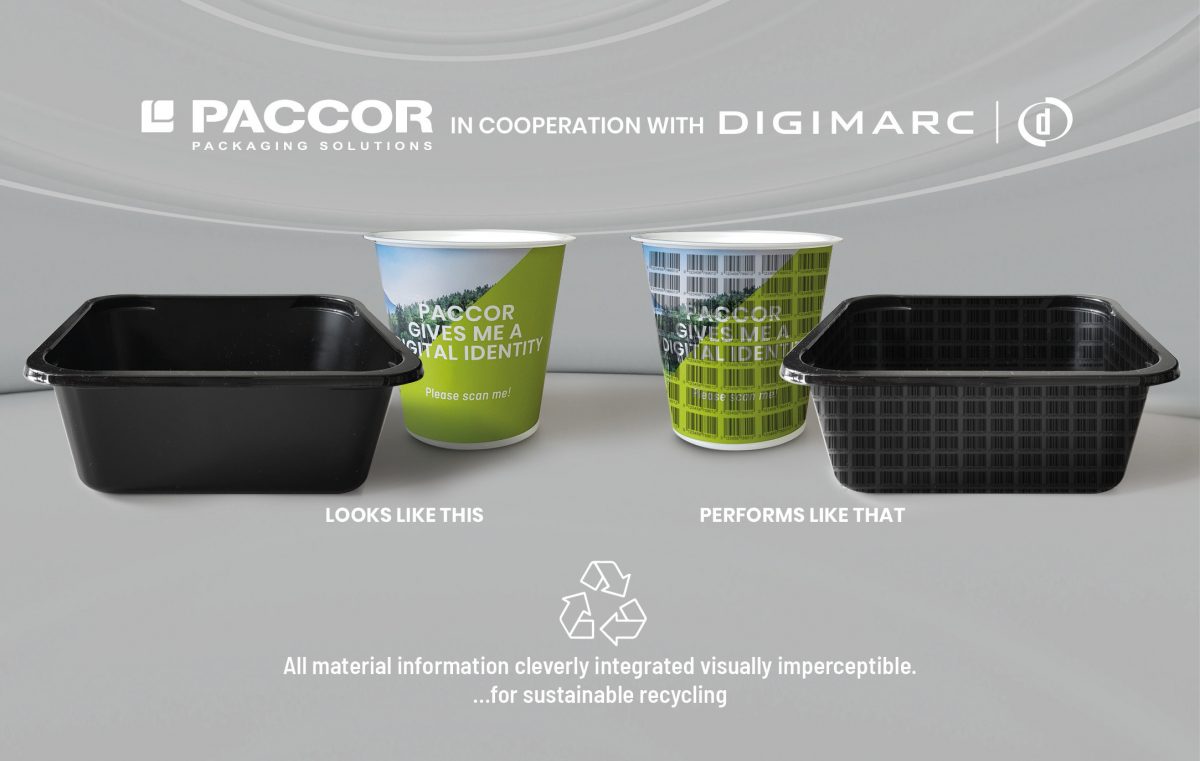
DUSSELDORF, Germany, March 9, 2021 /PRNewswire/ — PACCOR, the leading global player in the packaging industry, has been designated by Digimarc, the inventor of the Digimarc Platform for automatic identification (NASDAQ: DMRC), as a Platinum Pioneer Plastics Partner. This designation recognizes the substantial contributions to the joint projects to date. Together, both companies now take the next step to provide plastic packaging solutions with digital identities. The objectives of this partnership are to develop and commercialize a solution for high-speed sorting of plastic packaging items with Digimarc Barcode, for the purpose of increasing the recyclability and circularity of the plastic packaging products.

As a strategic partner, Digimarc provides PACCOR with technical advice, support and access to the Digimarc Platform. PACCOR provides Digimarc with access to and support from its Centre of Development & Innovation (CDI) to advance the state of the art in the enhancement of plastic packaging solutions for recycling and circularity.

«This close cooperation will certainly accelerate the marketability of products enhanced with Digimarc Barcode outlines Nicolas Lorenz, CCO of PACCOR. «We are pleased to offer our customers licensing rights if they want to incorporate Digimarc into their packaging.»

PACCOR is able to apply Digimarc Barcode using various technologies, such as thermoforming, injected and compression molding labelling, as well as in printing on all decorative options (plastic sleeve and paper banderole). Digimarc Barcode can be engraved in the mold or printed on a label on the outer packaging to give the package a «digital intelligence,» turning it into an Internet of Things object. Digimarc can be detected by a wide variety of machines and smartphones.

«We are looking forward to seeing the first thermoform product on shelf made by PACCOR embossed with the Digimarc Barcode,» states Larry Logan, Chief Evangelist at Digimarc. «Our clear target is that PACCOR or their customers get their own thermoforms back from sorting plants,» concludes Larry Logan.

For print, the process takes the existing design and enhances the artwork with Digimarc. There are no special inks or printing processes required. The artwork can be used in supply chains to track and trace goods, to speed retail checkout and engage and inform consumers through smartphones. For 3D in plastics, PACCOR engraves Digimarc into the mold, creating a subtle decorative embossing effect. In essence, the plastic is given what Digimarc has termed a «Digital Recycling Passport.» Now, when packaging waste is collected, it can be scanned and absolutely identified. This will create new value streams for recycled plastics and keep used packaging from ending up in landfills and in our oceans.

«We are pleased PACCOR is our first Platinum Pioneer Plastics Partner,» said Robert Chamness, Digimarc’s EVP of Sustainability. «For almost two years, we have been collaborating with PACCOR, one of the world’s largest suppliers of rigid plastic packaging. PACCOR has been an ardent supporter of Digimarc Barcode. We have acknowledged them with this new Platinum designation in recognition of their innovative practices, their investment in research and development, the leadership position they have achieved in packaging sustainability and their commitment to the commercialization of our Platform.»

«PACCOR’s initiative and demonstrated success in creating 3D substrates will further fuel the adoption of digital identifiers in packaging materials,» said Larry Logan, Digimarc’s Chief Evangelist for recycling and sustainability. «This is an important step in the HolyGrail 2.0 initiative and the various other efforts underway to help brands meet their public pledges for recyclability and the regulatory mandates for recycled content. And, the timing of our relationship is particularly relevant with the recent gaps in the supply of virgin plastics through force majeure actions, pointing again to the need for a vibrant supply of post-consumer recyclate for new products.»

Digimarc Barcode, along with Digimarc Discover identification software and Digimarc Verify for quality control, comprise the Digimarc Platform for automatic identification of objects. The Platform has nearly endless applications, including for manufacturing, supply chain and logistics, and helping retailers and consumer brands meet the complex challenges of today’s marketplace.

ABOUT PACCOR
At PACCOR we create innovative and sustainable packaging solutions for the consumer, food and foodservice market. Our overall goal is to protect what is worth being protected: our planet, our partners’ products and our employees. We have high expertise in developing and providing valuable rigid plastic packaging products. Our solutions meet current market trends by constantly thinking outside the box. With more than 3,000 dedicated employees in 15 countries, PACCOR is a global player in the packaging industry. Everything we do contributes to the protection and hygienic safety of valuable products. PACCOR leads the transition towards a circular economy. Because we believe this is the best way to achieve real change in the industry and to create shared value for all our stakeholders and society. More: https://www.paccor.com/

ABOUT DIGIMARC
Digimarc Corporation (Nasdaq: DMRC) is the inventor of the Digimarc Platform that enables a more efficient, reliable and economical means of automatic identification. The Digimarc Platform can apply a unique identifier to virtually all media objects— including product packaging, commercial print, audio and video—that can be automatically identified by an enabled ecosystem of industrial scanners, smartphones and other interfaces. The Platform enables applications and solutions including brand protection, traceability, and recycling that benefit retailers and consumer brands, national and state government agencies, media and entertainment industries, and others. Digimarc is based in Beaverton, Oregon, with a growing supplier network around the world. Visit www.digimarc.com and follow us on LinkedIn and Twitter to learn more about The Barcode of Everything®.

Cision View original content to download multimedia:http://www.prnewswire.com/news-releases/paccor-and-digimarc-take-their-partnership-to-the-next-level-301242966.html

SOURCE Digimarc Corporation