DEWAR’S® integra lo inesperado con el lanzamiento de un nuevo whisky escocés terminado en barricas de oporto

Diseñado para despertar la curiosidad y deleitar los sentidos, DEWAR’S Portuguese Smooth 8 años terminado en barricas de oporto es la tercera iteración en la novedosa serie de la marca de terminados en barricas

HAMILTON, Bermuda, 28 de enero de 2021 /PRNewswire-HISPANIC PR WIRE/ — DEWAR’S® Scotch Whisky, el whisky escocés mezclado más premiado del mundo, anuncia el lanzamiento de DEWAR’S Portuguese Smooth, exponiendo los fascinantes sabores que nacen cuando Escocia se encuentra con…

Diseñado para despertar la curiosidad y deleitar los sentidos, DEWAR’S Portuguese Smooth 8 años terminado en barricas de oporto es la tercera iteración en la novedosa serie de la marca de terminados en barricas

HAMILTON, Bermuda, 28 de enero de 2021 /PRNewswire-HISPANIC PR WIRE/ — DEWAR’S® Scotch Whisky, el whisky escocés mezclado más premiado del mundo, anuncia el lanzamiento de DEWAR’S Portuguese Smooth, exponiendo los fascinantes sabores que nacen cuando Escocia se encuentra con Portugal en una botella. Este año, para conmemorar el 175.° aniversario de la marca, la nueva iteración de la serie de terminados en barrica de DEWAR’S se presenta como el whisky escocés mezclado DEWAR’S 8 años dos veces añejado, terminado en barricas de oporto rubí para crear una rica mezcla con mucho cuerpo.

Después de los exitosos lanzamientos del DEWAR’S Caribbean Smooth terminado en barricas de ron, y del DEWAR’S Ilegal Smooth terminado en barricas de mezcal, la tercera edición en la serie de mezclas de escoceses terminados en barrica dos veces añejados refleja la pasión que siente la marca por conjugar armoniosamente notas inesperadas para ofrecer un sabor y una experiencia más exquisitos. Perfecto tanto para aficionados al whisky como para amateurs por igual, el DEWAR’S Portuguese Smooth deja sentir notas de sabores a rodajas frescas de albaricoques maduros, melón verde, cerezas rojas y grosellas negras rociadas con miel de brezo. Todas ellas envueltas en ricas y cremosas notas de vainilla.

«La categoría del whisky tiene cierta mitología propia, repleta de convenciones tradicionales. Creamos la serie de terminados en barrica de DEWAR’S para romper los esquemas y evolucionar esas tradiciones fusionando dos culturas de elaboración, en este caso, la de Escocia y la de Portugal. Con esto logramos producir algo más enriquecido. Si bien este año no podemos viajar a las Tierras Altas en Escocia ni al Valle del Duoro en Portugal, creamos el DEWAR’S Portuguese Smooth para seducir a todos los curiosos y de espíritu viajero. Durante mucho tiempo a la marca la ha impulsado una curiosidad natural, y con el 2021 anunciando nuestro 175.° aniversario, esperamos que el DEWAR’S Portuguese Smooth inspire a las personas a observar más allá de lo obvio o de su «bebida habitual», y a descubrir un nuevo whisky que embelesa los sentidos y deleita el paladar. Se trata del placer, no de las reglas. Y con esto estamos seguros de que este excelente whisky confrontará algunas nociones preconcebidas de lo que se es un whisky escocés estándar», expresó Brian Cox, vicepresidente de DEWAR’S Scotch Whisky para Norteamérica.

«Con una textura en boca de gran cuerpo y a la vez refinada, y un perfil de sabor único con sutiles notas a frutos de hueso, frutos rojos oscuros y miel, el DEWAR’S Portuguese Smooth está diseñado para ser una auténtica celebración de las culturas de Escocia y Portugal. Gracias a un proceso de elaboración único, en el que este escocés 8 años es añejado dos veces para alcanzar mayor suavidad, y luego es terminado en barricas que anteriormente habían guardado vino oporto Fine Ruby, el DEWAR’S Portuguese Smooth libera un sabor satisfactoriamente inusual y súper suave, para disfrutar, idealmente, en la forma que lo desee, ya sea solo, en las rocas, en un highball o como excelente alternativa a la cerveza y el vino en maridajes. Al final lo define su estado de ánimo, el momento, el lugar y la compañía, ya sea en persona o en modo remoto», expresa Stephanie Macleod, Master Blender de DEWAR’S.

Entre los cocteles de autor están el Spiced Tonic Highball y el Ginger Highball creados tras reimaginar el highball clásico con una combinación refrescante de frutas con hueso y especias.

El DEWAR’S Portuguese Smooth 8 años terminado en barricas de oporto está disponible en botellas de 750 ml con un precio sugerido al público de $21.99, vendido en las mejores tiendas de vinos y licores a nivel nacional. Para obtener más información sobre el DEWAR’S Portuguese Smooth y los demás productos de whisky de DEWAR’S, por favor visite www.dewars.com o en Facebook, Instagram y YouTube.

BEBIDA DE AUTOR CON DEWAR’S PORTUGUESE SMOOTH: SPICED TONIC HIGHBALL

Ingredientes:
2 oz de Dewar’s Portuguese Smooth
Agua tónica aromática Fever Tree

Vaso:
Highball

Guarnición:
Gajo de naranja

Método: agregar el whisky a un vaso highball frío, adicionar hielo y llenar con soda. Decore con la naranja.

BEBIDA DE AUTOR CON DEWAR’S PORTUGUESE SMOOTH: GINGER HIGHBALL

Ingredientes:
2 oz de Dewar’s Portuguese Smooth
Ginger ale Fever Tree

Vaso:
Highball

Guarnición:
Cáscara de limón

Método: agregar el whisky a un vaso highball frío, adicionar hielo y llenar con ginger ale.  Decore con el limón.

DISFRUTE REPONSABLEMENTE ©2021 DEWAR’S BLENDED SCOTCH WHISKY 40 % ALC. /VOL

IMPORTADO POR JOHN DEWAR’S & SONS COMPANY, CORAL GABLES, FL

Acerca de DEWAR’S
Fundada en 1846 por John Dewar, DEWAR’S nació siendo una pequeña tienda de vinos y licores en Escocia y se convirtió en una de las principales marcas de whisky escocés en el mundo. Más conocido por su icónico DEWAR’S WHITE LABEL, la familia se ha expandido para crear un portafolio de whiskys premium y superpremium entre los que se incluyen DEWAR’S 12 años, DEWAR’S 15 años, DEWAR’S 18 años, DEWAR’S serie Double Double, DEWAR’S Caribbean Smooth y el exclusivo DEWAR’S 25.  Estos whiskys se elaboran siguiendo el proceso de añejamiento de DEWAR’S, que involucra regresar la mezcla hecha a mano a barricas antiguas de roble para continuar la maduración. El resultado es un sabor más suave con un final profundo y prolongado. Un sabor que recibe condecoraciones y aplausos, haciendo que DEWAR’S sea la marca de mezclas de escocés más premiada del mundo. Las marca DEWAR’S forma parte del portafolio de Bacardi Limited, con sede en Hamilton, Bermuda. Bacardi Limited se refiere al grupo de compañías Bacardi, incluido Bacardi International Limited.

Acerca de Bacardi Limited
Bacardi Limited, la compañía privada de licores más grande del mundo, elabora y comercializa vinos y licores a nivel internacional. El portafolio de marcas de Bacardi comprende más de 200 marcas y etiquetas, incluyendo ron BACARDÍ®, vodka GREY GOOSE®, tequila PATRÓN®, whisky escocés mezclado DEWAR’S®, ginebra BOMBAY SAPPHIRE®, vermut y vinos espumosos MARTINI®, tequila 100 % de agave azul CAZADORES® y otras marcas líderes y emergentes como el whisky escocés WILLIAM LAWSON’S®, el licor de saúco ST-GERMAIN® y el vodka ERISTOFF®.

Fundada hace más de 158 años en Santiago de Cuba el 4 de febrero de 1862, de propiedad familiar, Bacardi actualmente emplea a cerca de 7,000 personas, opera más de 20 instalaciones de producción entre las que se incluyen plantas embotelladoras, destilerías y de fabricación en 11 países, y vende sus marcas en más de 170 países. Bacardi Limited se refiere al grupo de compañías Bacardi, incluido Bacardi International Limited. Visite www.bacardilimited.com o siga a @BacardiLimited.    

Contactos para los medios: 

Eva McGarry       

Katarina Damree, directora de Relaciones Públicas

Nike Communications       

Bacardi-Martini Ltd.

609.273.0756      

+44 (0) 7971 508667

emcgarry@nikecomm.com     

kdamree@bacardi.com


Foto –  https://mma.prnewswire.com/media/1427414/DEWARS_Portuguese_Smooth.jpg

Logotipo: https://mma.prnewswire.com/media/972396/dewars_Logo.jpg

FUENTE DEWAR’S

New study identifies economic benefits of new international crossing

WINDSOR, ON, Jan. 28, 2021 /PRNewswire/ – Windsor and Detroit should establish a transportation, distribution, and logistics cluster to best reap the economic benefits of the new Gordie Howe International Bridge, says a new study out of the University of Windsor’s Cross-Border Institute.

<a…

WINDSOR, ON, Jan. 28, 2021 /PRNewswire/ – Windsor and Detroit should establish a transportation, distribution, and logistics cluster to best reap the economic benefits of the new Gordie Howe International Bridge, says a new study out of the University of Windsor’s Cross-Border Institute.

Building on existing regional expertise and capacity, the cluster would consist of truck yards, facilities where containers can be transferred between trucks and rail, climate-controlled warehouses with on-site inspection areas for agricultural goods and pharmaceuticals, truck stops, customs brokers, and other firms involved in the movement and storage of goods. But first, a new international agency should be created to make sure the cluster grows in a coordinated fashion on both sides of the Detroit River, with appropriate land use and servicing, environment assessments, and community consultation.

«Our study is focused on the permanent economic benefits that will arise due to improved cross-border transportation services that the new bridge will provide once it’s open,» said Bill Anderson, director of the Cross-Border Institute. «Based on our background research and consultations with numerous industry players, we have concluded that the transportation, distribution, and logistics sector presents the most significant and attainable opportunities for the development of new economic activities or expansion of existing activities stimulated by the new bridge.»

The Institute is a renowned research centre that studies the movement of people, goods, services, and funds across international borders. Windsor-Detroit Bridge Authority commissioned the 68-page report to look into how the region could best position itself to benefit from the bridge after it’s constructed.

«Windsor-Detroit Bridge Authority (WDBA) is committed to the region’s economic success,» said CEO Bryce Phillips. «The Cross-Border Institute’s Economic Impacts and Opportunities Study is an example of WDBA working with regional educational institutions such as the University of Windsor and Michigan State University, businesses, and community groups to help realize the regional economic and community development opportunities stemming from the Government of Canada’s investment in the Gordie Howe International Bridge project. The unique opportunities identified in the study are just some of the ideas the business community and local agencies can capitalize on to benefit from this new border transportation system.

«We look forward to continuing to work collaboratively with our stakeholders on both sides of the border during the construction of the Gordie Howe International Bridge project and during the operations phase of the crossing.»

Canada and the U.S. have the second-largest bilateral trade relationship on the globe, exceeded only by the trade flows between the U.S. and China. Manufactured goods, crossing mainly in trucks, account for more than half of the cross-border shipments of both countries. A large share of manufacturing trade is in materials and parts that move between factories on both sides of the border. By far the largest crossing point for this trade is through the WindsorDetroit corridor.

The Gordie Howe International Bridge, with an estimated completion date in 2024, will provide a direct, freeway-to-freeway connection from Highway 401 via the Rt. Hon. Herb Gray Parkway to U.S. Interstate I-75. The entire route will employ the latest intelligent transportation systems, logistics, and security technology and is designed to accommodate future technological advances.

The study estimates the new route will save about 850,000 hours per year for trucks, translating into billions of dollars in savings over the bridge’s lifetime.

Anderson said, while the main focus of the research was on the large volume of commercial traffic that crosses at the Detroit River, the analysis also considered impacts on personal vehicles that will cross the border at the new bridge.

«Dr. Anderson’s research plays a significant role in identifying and understanding the ways to maximize the economic benefits of the new Gordie Howe International Bridge both in our region and internationally,» said University of Windsor President and Vice-Chancellor Robert Gordon

«The University of Windsor is ideally positioned to play an important part in assessing the new bridge’s impact now and into the future. I’m both pleased and proud of the efforts the Cross-Broder Institute has provided as a valuable resource to the international trade community.» 

The study finds that a robust transportation, distribution, and logistics cluster would provide local employment opportunities that could be filled by workers from both Canada and the United States. These new jobs would range from routine manual tasks to cutting-edge positions in information and communications technology. The cluster would enhance the competitiveness of other industries in the region, including manufacturing, agrifood, and e-commerce.

Cision View original content to download multimedia:http://www.prnewswire.com/news-releases/new-study-identifies-economic-benefits-of-new-international-crossing-301217503.html

SOURCE University of Windsor

Bloomberg Tax Leadership Event Will Convene Tax Experts To Discuss Creative Solutions For Challenges Ahead

ARLINGTON, Va., Jan. 28, 2021 /PRNewswire/ — Bloomberg Tax & Accounting today announced a virtual event, Inspirational Leadership: Creative Solutions for the Challenges Ahead, to be held February 4, 2021. The event brings together tax leaders to discuss how they have developed creative solutions to successfully lead their tax departments and how they overcame the challenges they faced in 2020. For additional information and registration, please visit <a…

ARLINGTON, Va., Jan. 28, 2021 /PRNewswire/ — Bloomberg Tax & Accounting today announced a virtual event, Inspirational Leadership: Creative Solutions for the Challenges Ahead, to be held February 4, 2021. The event brings together tax leaders to discuss how they have developed creative solutions to successfully lead their tax departments and how they overcame the challenges they faced in 2020. For additional information and registration, please visit http://onb-tax.com/k2fS50DhFtq.  

The event brings together tax leaders to discuss how they overcame the challenges they faced in 2020.

The event begins with an interview with Sunita Lough, Deputy Commissioner for Services and Enforcement for the Internal Revenue Service, who will discuss anticipated regulatory updates as well as organizational changes under the Biden administration.

The next session, All-Star Corporate Tax Roundtable, features tax leaders who will share inspirational stories and creative solutions that might help others deal with the many challenges of our time. Panelists will discuss how the role of the tax department is changing within a business and how the wider discussions around social justice, diversity, and inclusion are influencing how tax departments work and operate today.

Additional topics include relief measures, nexus, automation, audits, quarter closing, and much more. Panelists include Aditi Banerjee, Vice President and Corporate Counsel – Tax, Prudential; Denise Bee, Head of Tax, Slack; Linda Evans, Director Global Tax Policy and Government Affairs, IBM Corporation; and Kumar Nandan, Vice President, Global Tax, PPG.

The event concludes with a keynote interview with Senator Ron Wyden (D-Oregon), Chairman of the Senate Committee on Finance, who will discuss the Committee’s agenda for the year ahead and discuss current and anticipated legislative initiatives.

Panelists will join the audience in small breakout rooms in order to continue the discussion and dive deeper into topics addressed throughout the program. Attendees are invited to share their experiences with each other.

«This interactive, virtual event offers tax professionals the opportunity to learn from tax administrators, tax policy makers, and corporate tax leaders and share perspectives and best practices with featured speakers and fellow event attendees,» said Lisa Fitzpatrick, president, Bloomberg Tax & Accounting. «Attendees can expect robust discussion about lessons learned and creative solutions to address the big and small challenges corporate tax departments face today, including navigating continuing change due to Covid-19.»

About Bloomberg Tax & Accounting
Bloomberg Tax & Accounting provides comprehensive global research, news and technology services enabling tax and accounting professionals to get the timely, accurate, and in-depth information they need to plan and comply with confidence. Our flagship Bloomberg Tax platform combines the proven expertise and perspectives of leading practitioners in our renowned Tax Management Portfolios™ with integrated news from the industry-leading Daily Tax Report®, authoritative analysis and insights, primary sources, and time-saving practice tools.  Bloomberg Tax & Accounting technology solutions streamline tax management processes and enable practitioners to tackle complex scenarios with up-to-date calculations, in-depth analytics, and projections so they can mitigate risk and maximize outcomes. For more information, visit pro.bloombergtax.com.


Cision View original content to download multimedia:http://www.prnewswire.com/news-releases/bloomberg-tax-leadership-event-will-convene-tax-experts-to-discuss-creative-solutions-for-challenges-ahead-301217485.html

SOURCE Bloomberg Tax & Accounting

Biden’s EV Revolution: A boon for Electric Trucks and the Tesla Semi, says IDTechEx

BOSTON, Jan. 28, 2021 /PRNewswire/ — The electric truck market in the US is primed for huge growth. Having largely lagged behind China and Europe in electric commercial vehicle deployment, the transition to zero-emission vehicles in this sector now seems set to begin in earnest. The IDTechEx report, «Electric Truck…

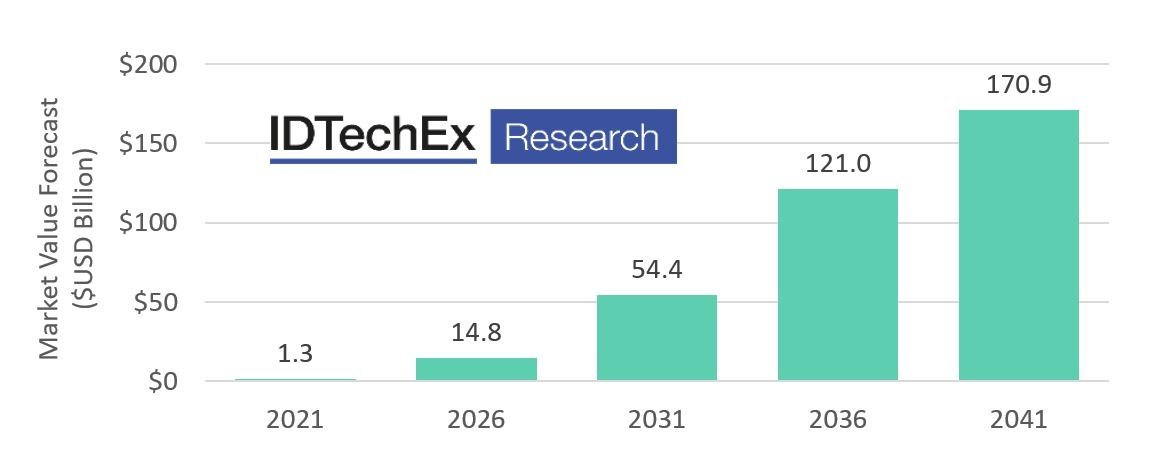
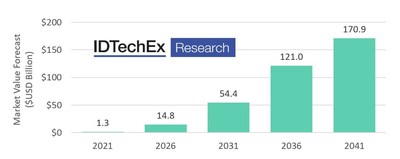
BOSTON, Jan. 28, 2021 /PRNewswire/ — The electric truck market in the US is primed for huge growth. Having largely lagged behind China and Europe in electric commercial vehicle deployment, the transition to zero-emission vehicles in this sector now seems set to begin in earnest. The IDTechEx report, «Electric Truck Markets 2021-2041» contains twenty-year regional forecasts for the battery electric and fuel cell truck markets. 

Whilst the Biden presidency is only a week old, the step change that has occurred in the US Government’s attitude towards confronting climate change and reducing road transport emissions could not have been made any clearer.  Just five days into his presidency, President Biden announced that his Government is planning to replace the federal Government’s fleet of combustion engine vehicles with electric vehicles manufactured in the US, creating a million clean-energy automotive jobs, in what he described as the «largest mobilization of public investment in procurement, infrastructure and R&D since World War Two».

According to the U.S. General Services Administration (GSA), the US federal fleet comprises near 650,000 vehicles with around 100,000 medium-duty and 40,000 heavy-duty trucks in the inventory.  Whilst the strategy, funding, and timelines behind the policy are yet to be expounded upon, it is clear that the new Government sees vehicle electrification both as a strategy for reducing greenhouse gas emission (with the co-benefit of improving air quality) and for supporting the US automotive sector. 

Biden’s announcement, alongside factors such as the California Air Resources Board’s Advanced Clean Trucks regulation, which last year mandated that 75% of new Class 4-8 ridged truck and 55% of new tractor truck sales in California must be zero-emission by 2035 and growing evidence of significant demand for commercial EVs from major US corporations, should give great confidence to truck manufacturers and their supply chain that the market for electric trucks will be worth the resources and investment that is necessary to transition away from the combustion engine.  Established OEMs such as Freightliner (Daimler), Volvo, and Paccar are already conducting extensive real-world pilots of heavy-duty electric trucks; however, Biden’s support for EV should result in efforts being ramped up to get significant numbers of zero-emission trucks on the road.  

IDTechEx’s «Electric Truck Markets 2021-2041» report provides a COVID-19 adjusted, 20-year outlook for both the medium-duty (MDT) and heavy-duty truck (HDT) markets, with separate forecast lines for battery electric, plug-in hybrid (PHEV), and fuel cell M&HDTs, both at the global scale and for key regions: the US, China, and Europe. Regional forecasts are presented for electric M&HDT unit sales, battery demand (GWh), and market size value ($ billion).

A great deal of attention is given to whether battery electric trucks will be able to offer the range to make long-haul trucking applications viable with an electric powertrain.  This question will be addressed to some extent by the first delivery of Tesla Semi trucks, which at least provisionally is still penciled in for 2021 (though production timelines have slipped on multiple occasions).  While the mass of batteries required and the likely need for ultra-fast charging undoubtedly make long haul EV trucking a challenge, there is a significant market for medium and heavy-duty trucks that do not require extensive range. For example, at the Novi Battery Show, Keshav Sondhi, Director of Fleet Engineering and Sustainability at Pepsi, said that of their Class 8 trucks at their Sacramento facility, 93% operate less than 100 miles a day and are parked for 15+ hours, time which is more than adequate for charging.  The duty cycles of a large percentage of medium and heavy-duty trucks are suitable for electrification with current battery technology.  There are plenty of lower daily range applications; low hanging fruit that mean long haul is not a necessity for market growth in the short term.

Swedish heavy-duty truck and bus manufacturer Scania’s recent forecasts highlight how quickly the market is progressing around the world.  By 2025 they expect 10% of their total vehicle sales will be electric vehicles, rising to 50% of sales by 2030.  With this pace of change, manufacturers and parts suppliers not already making strong plans to transition to zero-emission powertrains are likely to find themselves left behind.         

IDTechEx’s report «Electric Truck Markets 2021-2041» (www.IDTechEx.com/eTruck) is intended to help businesses across the automotive value chain plan for the future in this changing market.  The report provides detail about industry efforts to commercialize zero-emission trucks; background to electric truck technologies, including fuel cells and electric hybridization; and discussion of key enabling technologies for electric truck deployment such as batteries, motors, and charging infrastructure.

This report forms part of the broader electric vehicle and energy storage research from IDTechEx, who track the adoption of electric vehicles, battery trends, and demand across more than 100 different mobility sectors. This is summarized in a master report: www.IDTechEx.com/EV, or for further in-depth analysis, please see the full portfolio of electric vehicle research available from IDTechEx: www.IDTechEx.com/research/EV.  

About IDTechEx

IDTechEx guides your strategic business decisions through its Research, Subscription and Consultancy products, helping you profit from emerging technologies. For more information, contact research@IDTechEx.com or visit www.IDTechEx.com.

Images download:

https://www.dropbox.com/sh/h5n1h3chitfsmk2/AABBL8M3c68sfO0di-c3ZLVLa?dl=0 

Media Contact:
Natalie Moreton
Digital Marketing Manager
press@IDTechEx.com
+44(0)1223 812300

Social Media Links:

Twitter: https://www.twitter.com/IDTechEx
LinkedIn: https://www.linkedin.com/company/idtechex/
Facebook: https://www.facebook.com/IDTechExResearch

Cision View original content to download multimedia:http://www.prnewswire.com/news-releases/bidens-ev-revolution-a-boon-for-electric-trucks-and-the-tesla-semi-says-idtechex-301217484.html

SOURCE IDTechEx

General Motors, the Largest U.S. Automaker, Plans to be Carbon Neutral by 2040

DETROIT, Jan. 28, 2021 /PRNewswire/ —  

  • GM plans to be carbon neutralⁱ by 2040 in its global products and operations
  • GM aspires to eliminate tailpipe emissions from new light-duty vehicles by 2035
  • GM has committed to the Business Ambition Pledge for 1.5⁰C

Today, GM announced that it plans to become carbon neutral in its global products and operations by 2040 and has committed to setting science-based targetsⁱⁱ to achieve…

DETROIT, Jan. 28, 2021 /PRNewswire/ —  

  • GM plans to be carbon neutralⁱ by 2040 in its global products and operations
  • GM aspires to eliminate tailpipe emissions from new light-duty vehicles by 2035
  • GM has committed to the Business Ambition Pledge for 1.5⁰C

Today, GM announced that it plans to become carbon neutral in its global products and operations by 2040 and has committed to setting science-based targetsⁱⁱ to achieve carbon neutrality. The company has also signed the Business Ambition Pledge for 1.5⁰C, an urgent call to action from a global coalition of UN agencies, business and industry leaders.

«General Motors is joining governments and companies around the globe working to establish a safer, greener and better world,» said Mary Barra, GM Chairman and CEO. «We encourage others to follow suit and make a significant impact on our industry and on the economy as a whole.»

In addition to GM’s carbon goals, the company worked with the Environmental Defense Fund to develop a shared vision of an all-electric future and an aspiration to eliminate tailpipe emissions from new light-duty vehicles by 2035. GM’s focus will be offering zero-emissions vehicles across a range of price points and working with all stakeholders, including EDF, to build out the necessary charging infrastructure and promote consumer acceptance while maintaining high quality jobs, which will all be needed to meet these ambitious goals.

«With this extraordinary step forward, GM is making it crystal clear that taking action to eliminate pollution from all new light-duty vehicles by 2035 is an essential element of any automaker’s business plan,» said Environmental Defense Fund President Fred Krupp. «EDF and GM have had some important differences in the past, but this is a new day in America — one where serious collaboration to achieve transportation electrification, science-based climate progress and equitably shared economic opportunity can move our nation forward.»

A Science-Based Approach

General Motors is committed to reaching carbon neutrality in its global products and operations by 2040, supported by a commitment to science-based targets. To reach its goals, GM plans to decarbonizeⁱⁱⁱ its portfolio by transitioning to battery electric vehicles or other zero-emissions vehicle technology, sourcing renewable energy and leveraging minimal offsets or creditsⁱⁱⁱⁱ.

Electrification

The use of GM’s products accounts for 75 percent of carbon emissions related to this commitment. GM will offer 30 all-electric models globally by mid-decade and 40 percent of the company’s U.S. models offered will be battery electric vehicles by the end of 2025. GM is investing $27 billion in electric and autonomous vehicles in the next five years – up from the $20 billion planned before the onset of the COVID-19 pandemic.

This investment includes the continued development of GM’s Ultium battery technology, updating facilities such as Factory ZERO in Michigan and Spring Hill Manufacturing in Tennessee to build electric vehicles from globally sourced parts and investing in new sites like Ultium Cells LLC in Ohio as well as manufacturing and STEM jobs.

More than half of GM’s capital spending and product development team will be devoted to electric and electric-autonomous vehicle programs. And in the coming years, GM plans to offer an EV for every customer, from crossovers and SUVs to trucks and sedans.

The company will also continue to increase fuel efficiency of its traditional internal combustion vehicles in accordance with regional fuel economy and greenhouse gas regulations. Some of these initiatives include fuel economy improvement technologies, such as Stop/Start, aerodynamic efficiency enhancements, downsized boosted engines, more efficient transmissions and other vehicle improvements, including mass reduction and lower rolling resistance tires.

Renewable Energy

To address emissions from its own operations, GM will source 100 percent renewable energy to power its U.S. sites by 2030 and global sites by 2035, which represents a five-year acceleration of the company’s previously announced global goal. Today, GM is the 10th largest offtaker of renewable energy in the world and in 2020, the company received a 2020 Green Power Leadership Award from the U.S. Environmental Protection Agency.

Carbon Offsets and Credits

To account for the expected remaining carbon emissions, GM expects to invest in carbon credits or offsets. The company will assess credit and offset solutions in the coming years as the most efficient, equitable and inclusive ideas mature. The company recognizes that offsets must be used sparingly and should reflect a holistic view of mitigating the effects of climate change and helping people thrive around the world.

Supply Chain and Infrastructure

GM’s carbon neutral commitment applies to its global product portfolio and owned operations. The company is implementing plans today to reduce the impact associated with its supply chain while supporting grids and utilities to power electric vehicles with renewable energy. GM has worked with some of its largest suppliers to create a sustainability council to share best practices, learn from each other and create new standards for the industry. In addition to the council’s work, GM is collaborating with suppliers to set ambitious targets for the supply chain to reduce emissions, increase transparency and source more sustainable materials.

While electric vehicles themselves do not emit tailpipe emissions, it is critical that they be charged with electricity generated from renewable sources like wind and solar. GM has worked with utilities and developers to support investments in renewable energy found in and around communities that have GM facilities via power purchase agreements and green tariffs. The company is also working with EVgo to triple the size of the nation’s largest public fast charging network by adding more than 2,700 new fast chargers by the end of 2025, a move set to help accelerate widespread electric vehicle adoption. The new fast chargers will be powered by 100 percent renewable energy. GM believes that the energy sector is well on its way to a decarbonized grid and that an all-electric future will be supported by renewable infrastructure and technology.

General Motors (NYSE:GM) is a global company focused on advancing an all-electric future that is inclusive and accessible to all. At the heart of this strategy is the Ultium battery platform, which powers everything from mass-market to high-performance vehicles. General Motors, its subsidiaries and its joint venture entities sell vehicles under the Chevrolet, Buick, GMC, Cadillac, Baojun and Wuling brands. More information on the company and its subsidiaries, including OnStar, a global leader in vehicle safety and security services, can be found at https://www.gm.com. 

Carbon neutrality is defined as achieved when anthropogenic CO2 emissions are balanced globally by anthropogenic CO2 removals over a specified period. [Source IPCC SR15]
ⁱScience-based targets provide a clearly defined pathway for companies to reduce greenhouse gas (GHG) emissions, helping prevent the worst impacts of climate change and future-proof business growth. Targets are considered ‘science-based’ if they are in line with what the latest climate science deems necessary to meet the goals of the Paris Agreement – limiting global warming to well-below 2°C above pre-industrial levels and pursuing efforts to limit warming to 1.5°C.
ⁱⁱⁱDecarbonize: In this case, companies seek to mitigate their impact on the climate by eliminating the sources of emissions within the boundary of the target. This is often achieved by avoiding activities that generate emissions (e.g. avoiding combustion of fossil fuels) and/or by preventing the release of emissions that continue to be generated (e.g. through the capture and permanent sequestration of emissions before they are released into the atmosphere).
ⁱⁱⁱⁱCarbon credits and offsets: In the context of corporate climate neutrality, offsetting refers to the balancing of emissions within the target boundary with an equivalent amount of carbon credits originated from activities that avoid or remove emissions somewhere else. Carbon credits are often issued from two types of project activities:

A. Carbon removal projects: Activities that remove and sequester atmospheric carbon as a result of a specific intervention (e.g. reforestation projects). In this case, a carbon credit is issued for every ton of carbon dioxide effectively removed and sequestered over a predefined period;
B. Avoided emission projects: Activities that result in a lower emissions scenario compared to a hypothetical business-as-usual scenario as a result of a specific intervention. A carbon credit is issued for every ton of carbon dioxide equivalent effectively avoided, in comparison to the hypothetical business-as-usual scenario, over a certain period. Some project activities can remove and avoid carbon as a result of the same intervention (e.g. REDD+ programs or projects).

Cision View original content:http://www.prnewswire.com/news-releases/general-motors-the-largest-us-automaker-plans-to-be-carbon-neutral-by-2040-301217381.html

SOURCE General Motors Co.

ISM® Makes Annual Adjustments to Seasonal Factors for ISM® Manufacturing PMI® and Diffusion Indexes and ISM® Services PMI® and Diffusion Indexes

TEMPE, Ariz., Jan. 28, 2021 /PRNewswire/ — Based on input from an independent expert, Institute for Supply Management® recently announced the completion of its annual adjustments to the seasonal factors used in the monthly Institute for Supply Management® (ISM®) Manufacturing PMI® Report On Business® and the monthly Services PMI® Report On Business®. Purchasing managers and economists who track these indexes will note that changes are effective with the <span…

TEMPE, Ariz., Jan. 28, 2021 /PRNewswire/ — Based on input from an independent expert, Institute for Supply Management® recently announced the completion of its annual adjustments to the seasonal factors used in the monthly Institute for Supply Management® (ISM®) Manufacturing PMI® Report On Business® and the monthly Services PMI® Report On Business®. Purchasing managers and economists who track these indexes will note that changes are effective with the January 2021 ISM® Manufacturing PMI® Report On Business®, which is scheduled to be released on February 1, 2021, and the January 2021 ISM® Services PMI® Report On Business®, which will be released on February 3, 2021.

NOTE: Beginning with the February 2019 report (January 2019 data), ISM® only rounds the final published numbers rather than also rounding intermediate numbers.

Seasonal adjustment factors are used to allow for the effects of repetitive intra-year variations resulting primarily from normal differences in weather conditions, various institutional arrangements, and differences attributable to non-movable holidays. It is standard practice to project the seasonal adjustment factors used to calculate the indexes one year ahead (2021).

As in previous years, the X-13-ARIMA program was used to develop the revisions to the Manufacturing and Services indexes for January 2012 through December 2020, as well as the 2021 projected seasonal factors. The 2021 seasonal factors will be recomputed when the actual data are known in early 2022. Projected seasonal factors for 2021 are shown below.

2021 Seasonal Adjustment Factors for ISM® Manufacturing Indexes

New Orders

Production

Employment

Inventories

Jan-2021

1.022

0.983

0.952

1.000

Feb-2021

1.050

0.990

0.982

1.034

Mar-2021

1.027

0.990

0.978

1.016

Apr-2021

1.095

1.063

1.001

1.017

May-2021

1.023

1.043

1.011

0.999

Jun-2021

1.015

1.048

1.075

0.992

Jul-2021

1.011

1.045

1.041

0.991

Aug-2021

0.966

0.987

1.009

1.026

Sep-2021

0.955

0.979

0.993

0.996

Oct-2021

0.984

0.987

1.014

0.998

Nov-2021

0.916

0.958

0.992

0.972

Dec-2021

0.942

0.914

0.954

0.960

To compute the PMI®:

1)  Calculate the unadjusted diffusion index for New Orders, Production, Employment and Inventories to two decimal places. Supplier Deliveries (which are not seasonally adjusted) it will be percent slower plus one half of the percent same or unchanged.

2)  Divide each unadjusted diffusion index by its seasonal factor (round to one decimal place).

3)  Add all five index numbers together and divide by five.

To compute other indexes, follow steps #1 and #2 above for each indicator.

2021 Seasonal Adjustment Factors for ISM® Services Indexes

Business
Activity

New Orders

Employment

Prices

Jan-2021

0.927

0.911

0.956

0.991

Feb-2021

1.006

1.049

0.969

0.978

Mar-2021

0.966

0.960

0.974

1.020

Apr-2021

1.120

1.100

1.001

1.023

May-2021

1.034

1.034

1.020

1.026

Jun-2021

1.032

1.029

1.070

1.017

Jul-2021

1.039

1.033

1.023

1.007

Aug-2021

0.970

0.944

0.979

0.995

Sep-2021

1.045

1.042

1.025

1.019

Oct-2021

0.984

0.968

1.011

0.996

Nov-2021

0.942

0.976

0.987

0.986

Dec-2021

0.925

0.944

0.984

0.946

To compute the Services PMI®:

1)  Calculate the unadjusted diffusion index for Business Activity, New Orders and Employment to two decimal places (percent higher or up plus one half of the percent same or unchanged). For Supplier Deliveries, it will be percent slower plus one half of the percent same or unchanged.

2)  Divide each unadjusted diffusion index by its seasonal factor (round to one decimal place).

3)  Add all four index numbers together and divide by four.

To compute other indexes, follow steps #1 and #2 above for each indicator.

The revised breakeven point for the overall economy is a PMI® of 43.1 percent. A PMI® over 43.1 percent indicates an expanding overall economy. A PMI® below 43.1 percent indicates the overall economy is declining.

The revised breakeven point for the overall economy is a Services PMI® of 49.2 percent. A Services PMI® over 49.2 percent indicates an expanding overall economy. A Services PMI® below 49.2 percent indicates the overall economy is declining.

About ISM® Report On Business®
The ISM® Report On Business® is considered by many economists to be the most reliable near-term economic barometer available. It is reviewed regularly by top government agencies and economic and business leaders for its timely, accurate information. The Manufacturing and Non-Manufacturing ISM® Report On Business® is published monthly by Institute for Supply Management®. Each month, both reports are compiled from responses to questions asked of purchasing and supply executives across the country and reflects change, if any, in the current month compared to previous months.

About Institute for Supply Management®
Institute for Supply Management® (ISM®) serves supply management professionals in more than 90 countries. Its 50,000 members around the world manage about $1 trillion in corporate and government supply chain procurement annually. Founded in 1915 as the first supply management institute in the world, ISM® is committed to advancing the practice of supply management to drive value and competitive advantage for its members, contributing to a prosperous and sustainable world. ISM® leads the profession through the ISM® Report On Business®, its highly regarded certification programs and the ISM® Mastery Model™. This report has been issued by the association since 1931, except for a four-year interruption during World War II.

Contact:

Kristina Cahill

Research Manager

Report On Business® Analyst

Tempe, Arizona

800/888-6276, Ext. 3015

kcahill@ismworld.org


Institute for Supply Management logo. (PRNewsFoto/Institute for Supply Management)


Cision View original content to download multimedia:http://www.prnewswire.com/news-releases/ism-makes-annual-adjustments-to-seasonal-factors-for-ism-manufacturing-pmi-and-diffusion-indexes-and-ism-services-pmi-and-diffusion-indexes-301216777.html

SOURCE Institute for Supply Management

Upstream Tech Announces a Partnership for Forecasting Technology with ENGIE in 2021

SAN FRANCISCO, Jan. 28, 2021 /PRNewswire/ — Upstream Tech, a for-purpose environmental technology company, today announced its partnership with ENGIE, a global reference in low-carbon energy and services, to provide inflow forecasting for the company’s newly acquired hydroelectric portfolio in <span…

SAN FRANCISCO, Jan. 28, 2021 /PRNewswire/ — Upstream Tech, a for-purpose environmental technology company, today announced its partnership with ENGIE, a global reference in low-carbon energy and services, to provide inflow forecasting for the company’s newly acquired hydroelectric portfolio in Portugal.

Upstream Tech’s HydroForecast™ is an end-to-end modeling and decision support service that combines physical theory with AI and satellite imagery to provide accurate and reliable hydrological forecasts anywhere on Earth. These forecasts contain the future expected conditions of surface water flows, such as how much water will flow into a lake over the next 10 days, enabling hydropower asset owners to more effectively plan operations.

«ENGIE is a leader when it comes to research and innovation,» said Marshall Moutenot, co-founder of Upstream Tech. «We are excited to embark on this project with their team and explore how HydroForecast™ can improve these assets’ operational efficiency and coordination with other renewable generation.»

ENGIE’s purpose is to act to accelerate the transition towards a carbon-neutral world, through reduced energy consumption and more environmentally-friendly solutions. Part of the Douro river system, ENGIE’s newly acquired hydroelectric facilities consist of three cascade run-of-river plants and three pump-storage plants. ENGIE has a longstanding presence in Spain, and is today a significant energy player in the country.

In recent years, ENGIE has been developing and growing in Iberia mainly through landmark renewable projects such as Goya and Phoenix (onshore wind), Seneca (solar PV) and acquisition of these Douro assets is part of ENGIE’s strategy towards carbon-neutrality, adding 1.7GW of renewable generation capacity. These assets will be optimized by ENGIE’s teams dedicated to global energy management, from Madrid. HydroForecast™ will enable the assets to maximize operational efficiency, grid coordination, and consideration of downstream needs. Upstream Tech has raised the attention of ENGIE thanks to their innovative approach for hydrological forecast and the positive spirit of the team. The first results have already shown an improved accuracy compared to historical providers.

About Upstream Tech
Upstream Tech is a US-based public benefit corporation that builds environmental decision-support technologies. Upstream Tech is a subsidiary of Natel Energy with a team from a diverse range of backgrounds including machine learning engineering, hydrology, distributed computing/computer science, water resource engineering, and conservation finance. This range of expertise enables Upstream Tech to harness technological advancements in remote sensing, computer science, and machine learning to create technologies and services that support complex and multi-stakeholder processes.

Cision View original content to download multimedia:http://www.prnewswire.com/news-releases/upstream-tech-announces-a-partnership-for-forecasting-technology-with-engie-in-2021-301217174.html

SOURCE Upstream Tech

TEMSA is electrifying the world

ADANA, Turkey, Jan. 28, 2021 /PRNewswire/ — TEMSA, a Sabancı Holding and PPF Group subsidiary, has rolled up its sleeves to carry the banner for electric transportation worldwide. Having shipped its first electric bus export to Sweden in December, TEMSA started to produce Li-Ion battery packs that are used in its electric vehicles in its Adana plant.

ADANA, Turkey, Jan. 28, 2021 /PRNewswire/ — TEMSA, a Sabancı Holding and PPF Group subsidiary, has rolled up its sleeves to carry the banner for electric transportation worldwide. Having shipped its first electric bus export to Sweden in December, TEMSA started to produce Li-Ion battery packs that are used in its electric vehicles in its Adana plant.

TEMSA, drawing attention with the significant deliveries it has performed abroad recently, has set out its vision for electric vehicles. TEMSA, made its first delivery of TEMSA powered electric buses to Sweden, cultivates all the technologies that steer the industry, particularly when it comes to electric vehicles, at company’s Adana plant.

«WE PRODUCE THE BATTERY PACKS IN TURKEY«

Noting that TEMSA is one of the world’s few companies that has started to create innovative solutions in the field of new technologies many years ago and engineered multiple models oriented to electric vehicles are ready for mass production today, Cevdet Alemdar, Industry SBU President of Sabancı Holding and Chairman of the Board of Directors of TEMSA, said, «Today, we consider TEMSA as not only an automotive company but an automotive-oriented technology company. Now we are developing and manufacturing the battery packs we use in our electric vehicles, with our own engineers and our own R&D team at TEMSA’s Adana plant. Most recently, we have exported 6 TEMSA powered MD9 electriCITY buses, in which we used the battery packs that we developed and produced in our own battery facility. We are very proud of having implemented such an important project in TEMSA.»

«WE WILL GROW IN THE USA AND EUROPE«

Cevdet Alemdar expressed that TEMSA has focused on sustainability and technology in its growth strategy and said: «We, as TEMSA, delivered our first electric vehicle export to Sweden in the last month. Sweden is indeed the country that has possessed this technology for many years, presented a significant vision for this issue, and, maybe, is the most assuming one in owning this endeavor in the world. For instance, the world’s largest technology companies in the US use our TEMSA-branded buses for the transportation of their employees. We will also see our electric vehicles there in the forthcoming period. TS45 is our popular model in the US. We are in the process of producing the electric model of this vehicle. A prototype is presently being tested in California. We hope that our electric vehicles we have produced in Adana, with their battery packs, hoods, and TEMSA technology, will be on the roads in different regions of the USA, particularly in Silicon Valley.»

Cevdet Alemdar reminded that TEMSA has exported over 12 thousand vehicles to 66 countries worldwide and said, «More than five thousand TEMSA vehicles are on the roads of France. In the USA, one of the most competitive markets in the world, this number is over 1,000, and here we are in the top 5 in our segment. We want to achieve much greater success in the upcoming period in the USA.  We would like to undersign even greater achievements in the USA in the upcoming period. We believe that the North American market will be one of the engines of TEMSA’s growth in the future. In the same way, we are very strong in the UK, Italy, and Germany. Now, we will grow fast in Central and Eastern Europe also through the strength of our partner PPF and Skoda Transportation.»

NEW R&D CENTER: TEMSATECH

Highlighting the fact that TEMSA has invested in R&D and innovation to a large extent for many years, Tolga Kaan Doğancıoğlu, TEMSA CEO, says a platform called TEMSATech has been established within the company to engineer new technologies. Doğancıoğlu states that studies in many different areas like autonomous vehicles, power distribution and vehicle charging unit, and charging stations along with electric vehicles are conducted in TEMSATech and says, «Approximately 30 engineers of us work here and the electric vehicles we have exported to Sweden are a product of TEMSATech as well.»

«HALF OF OUR BUSES WILL BE ELECTRIC BY 2025»

Sharing information and their targets, Tolga Kaan Doğancıoğlu said, «We aim to meet over half of our total bus volume, with electric vehicles by 2025. We allocate around four percent of our turnover to R&D every year. We envision the share of exports in our electric vehicles will reach about 80 percent. When it comes to the short term, we are planning to reach a business volume that is 2-3 times larger than the previous year.»

Photo – https://mma.prnewswire.com/media/1428761/TEMSA_Battery.jpg
Logo – https://mma.prnewswire.com/media/1318937/TEMSA_Logo.jpg

Cision View original content to download multimedia:http://www.prnewswire.com/news-releases/temsa-is-electrifying-the-world-301217125.html

SOURCE TEMSA Ulaşim Araçlari A.Ş.

Panasonic Announces 2020 Customer Appreciation Award Winners

­­­NEWARK, N.J., Jan. 28, 2021 /PRNewswire/ — Panasonic Corporation of North America today announced the Customer Appreciation Awards celebrating its recipients for 2020. The awards program recognizes high-performing installers for solar panel installation and exemplary customer service. New for 2020, the Customer Appreciation Awards also celebrate EverVolt battery installers, whose hard work and commitment has led to an extraordinary year of growth and success in the residential battery storage…

­­­NEWARK, N.J., Jan. 28, 2021 /PRNewswire/ — Panasonic Corporation of North America today announced the Customer Appreciation Awards celebrating its recipients for 2020. The awards program recognizes high-performing installers for solar panel installation and exemplary customer service. New for 2020, the Customer Appreciation Awards also celebrate EverVolt battery installers, whose hard work and commitment has led to an extraordinary year of growth and success in the residential battery storage category.

Panasonic Elite, Premium and Authorized solar panel installers, and EverVolt Certified battery storage installers, are recognized in several award categories across each region: Installer of the Year, which recognizes installers who work on both commercial and residential installations,  Residential Installer of the Year, Commercial Installer of the Year, Fastest Growing Installer and Fastest Growing EverVolt ESS Installer.

«This has been an extremely difficult year for companies of all sizes, but it has been an unquestionably challenging time for small businesses,» said Mukesh Sethi, Director, Solar and Energy Storage, Panasonic Life Solutions Company of America, a division of Panasonic Corporation of North America. «We are incredibly thankful to Panasonic’s Elite, Premium, Authorized and EverVolt Certified installers for their fortitude and commend their resilience. It is an honor to recognize our top performers and those installers whose achievements surpassed every expectation in 2020.»

The full list of categories and winners is included below.

Installer of the Year Award, National

  • Solar Optimum – Glendale, CA

Installer of the Year Award, Regional

  • Atlasta Solar Store – Mountain Region
  • Firefly Solar – Southeast Region
  • NJ Solar Power – Northeast Region
  • Solar Works Energy, LLC – Southwest Region
  • South Texas Solar Systems – Southwest Region
  • The Green Panel, LLC – Midwest Region
  • Unicity Solar – Southeast Region
  • Wells Solar and Electrical Services, LLC – Southwest Region
  • Western Solar – Northwest Region

Residential Installer of The Year Award, Regional

  • AC/DC Solar – Southeast Region
  • Advance Solar Energy – Southeast Region
  • Diablo Solar Service – Northern California Region
  • Good Faith Energy – Southwest Region
  • HE Solar– Southwest Region
  • RevoluSun – Northeast Region
  • Sol-Up – Nevada Region
  • Whole Sun Designs – Midwest Region

Commercial Installer of the Year Award, Regional

  • Accord Power – Northeast Region
  • Blue Horizon Energy – Midwest Region

Fastest Growing Installer of the Year Award, Regional

  • 512 Solar – Southwest Winner
  • Bob Heinmiller Solar Solutions – Southeast Region
  • Energy Consultants Group, LLC – Midwest Region
  • Energy Labs, Inc. – Southeast Region
  • IES Texas Solar – Southwest Region
  • Jefferson Electric, LLC – Midwest Region
  • Kapital Electric Company, Inc. – Midwest Region
  • NuWatt Energy – Northeast Region
  • Organ Mountain Solar – Southwest Region
  • Premier Solar NW – Northwest Region
  • Solar SME – Southwest Region
  • Wayne’s Solar – Southeast Region
  • Xando Energy, LLC – Southeast Region

Fastest Growing EverVolt ESS Installer of the Year Award, Regional

  • Creative Solar USA – Southeast Region
  • Greenstar Power, LLC – Southwest Region
  • South Texas Solar Systems – Southwest Region
  • The Green Panel, LLC – Midwest Region

Introduced in 2016, the Panasonic Residential Installer Program provides exclusive benefits and business opportunities to tiers of installers who meet certain qualifications, including Panasonic’s high standard of excellence. In addition to business-supporting perks, members of these exclusive tiers can extend the benefits they receive, such as special pricing and preferred access to in-demand and new products, like the just-launched EverVolt Modules, to consumers. For more information for installers, visit: na.panasonic.com/us/solar/installer.

About Panasonic Corporation of North America     
Newark, NJ-based Panasonic Corporation of North America is committed to creating a better life and a better world by enabling its business-to-business customers through innovations in Sustainable Energy, Immersive Entertainment, Integrated Supply Chains and Mobility Solutions. The company is the principal North American subsidiary of Osaka, Japan-based Panasonic Corporation. One of Interbrand’s Top 100 Best Global Brands of 2020, Panasonic is a leading technology partner and integrator to businesses, government agencies and consumers across the region. Learn more about Panasonic’s ideas and innovations at www.na.panasonic.com/us.

Cision View original content to download multimedia:http://www.prnewswire.com/news-releases/panasonic-announces-2020-customer-appreciation-award-winners-301217383.html

SOURCE Panasonic Corporation of North America

The Conference Board Leading Economic Index® (LEI) for the U.S. Increased in December

NEW YORK, Jan. 28, 2021 /PRNewswire/ —

<table…

NEW YORK, Jan. 28, 2021 /PRNewswire/ —

This month’s release incorporates annual benchmark revisions to the composite economic indexes, which bring them up-to-date with revisions in the source data. These revisions do not change the cyclical properties of the indexes. The indexes are updated throughout the year, but only for the previous six months. Data revisions that fall outside of the moving six-month window are not incorporated until the benchmark revision is made and the entire histories of the indexes are recomputed. As a result, the revised indexes, in levels and month-on-month changes, will not be directly comparable to those issued prior to the benchmark revision.


For more information, please visit our website at http://www.conference-board.org/data/bci.cfm or contact us at indicators@conference-board.org

The Conference Board Leading Economic Index® (LEI) for the U.S. increased 0.3 percent in December to 109.5 (2016 = 100), following a 0.7 percent increase in November and a 0.9 percent increase in October.

«The US LEI’s slowing pace of increase in December suggests that US economic growth continues to moderate in the first quarter of 2021. Improvements in the US LEI were very broad-based among the leading indicators, except for rising initial claims for unemployment insurance and a mixed consumer outlook on business and economic conditions,» said Ataman Ozyildirim, Senior Director of Economic Research at The Conference Board. «While the resurgence of COVID-19 and weak labor markets remain barriers to growth, The Conference Board expects the economy to expand by at least 2.0 percent (annual rate) in Q1 and then gain momentum throughout the year.»

The Conference Board Coincident Economic Index® (CEI) for the U.S. increased 0.3 percent in December to 103.3 (2016 = 100), following a 0.1 percent increase in November and a 0.6 percent increase in October.

The Conference Board Lagging Economic Index® (LAG) for the U.S. increased 0.1 percent in December to 107.6 (2016 = 100), following a 0.1 percent increase in November and a 0.2 percent increase in October.

About The Conference Board Leading Economic Index® (LEI) for the U.S.
The composite economic indexes are the key elements in an analytic system designed to signal peaks and troughs in the business cycle. The leading, coincident, and lagging economic indexes are essentially composite averages of several individual leading, coincident, or lagging indicators. They are constructed to summarize and reveal common turning point patterns in economic data in a clearer and more convincing manner than any individual component – primarily because they smooth out some of the volatility of individual components.

The ten components of The Conference Board Leading Economic Index® for the U.S. include:

Average weekly hours, manufacturing
Average weekly initial claims for unemployment insurance
Manufacturers’ new orders, consumer goods and materials
ISM® Index of New Orders 
Manufacturers’ new orders, nondefense capital goods excluding aircraft orders
Building permits, new private housing units
Stock prices, 500 common stocks
Leading Credit Index™
Interest rate spread, 10-year Treasury bonds less federal funds
Average consumer expectations for business conditions

For full press release and technical notes:
http://www.conference-board.org/data/bcicountry.cfm?cid=1

For more information about The Conference Board global business cycle indicators:
http://www.conference-board.org/data/bci.cfm

About The Conference Board
The Conference Board is the member-driven think tank that delivers trusted insights for what’s ahead. Founded in 1916, we are a non-partisan, not-for-profit entity holding 501 (c) (3) tax-exempt status in the United States. www.conference-board.org


Summary Table of Composite Economic Indexes

2020

6-month

Oct

Nov

Dec

Jun to Dec

Leading Index

108.4

109.2

r

109.5

p

  Percent Change

0.9

r

0.7

r

0.3

p

6.5

  Diffusion

85

80

70

90

Coincident Index

102.9

r

103.0

r

103.3

p

  Percent Change

0.6

0.1

r

0.3

p

4.4

  Diffusion

100

75

75

100

Lagging Index

107.4

r

107.5

r

107.6

p

  Percent Change

0.2

r

0.1

r

0.1

p

-1.4

  Diffusion

35.7

50.0

35.7

35.7

p  Preliminary     r  Revised

Indexes equal 100 in 2016

Source:  The Conference Board


Cision View original content to download multimedia:http://www.prnewswire.com/news-releases/the-conference-board-leading-economic-index-lei-for-the-us-increased-in-december-301217387.html

SOURCE The Conference Board