Los tratamientos en las salas de emergencia de los hospitales relacionados a lesiones por algunos productos aumentaron durante la pandemia, aun cuando las visitas a emergencias hayan disminuido en general

WASHINGTON, 4 de marzo de 2021 /PRNewswire-HISPANIC PR WIRE/ — La pandemia del COVID-19 ha afectado la forma en que los consumidores viven, trabajan y van a la escuela. Un nuevo informe (en inglés) de la Comisión de Seguridad de Productos del Consumidor de Estados Unidos (U.S. Consumer Product Safety Commission, CPSC), publicado durante la Semana Nacional de Protección del Consumidor, ahora muestra también un impacto en las lesiones causadas por productos del consumidor tratadas en las salas de emergencia de los…

WASHINGTON, 4 de marzo de 2021 /PRNewswire-HISPANIC PR WIRE/ — La pandemia del COVID-19 ha afectado la forma en que los consumidores viven, trabajan y van a la escuela. Un nuevo informe (en inglés) de la Comisión de Seguridad de Productos del Consumidor de Estados Unidos (U.S. Consumer Product Safety Commission, CPSC), publicado durante la Semana Nacional de Protección del Consumidor, ahora muestra también un impacto en las lesiones causadas por productos del consumidor tratadas en las salas de emergencia de los hospitales. El informe «Efecto de la pandemia del nuevo coronavirus en las estimaciones preliminares del NEISS» sugiere que, aunque los consumidores pudieron haber evitado presentarse a emergencias por algunas lesiones relacionadas con productos, lo hicieron casi con la misma frecuencia que el año pasado por lesiones más graves. Los tipos de productos que causaron lesiones también mostraron algunos aumentos y disminuciones importantes, destacando nuevos patrones de riesgo que pudieron haber surgido durante la pandemia.

Entre los hallazgos clave del informe, que examinó los datos de las salas de emergencia de los hospitales de marzo a septiembre de 2020, se encuentran:

  • El tratamiento en emergencias* de lesiones relacionadas con productos disminuyó en general en un 24%, pero el de lesiones graves relacionadas con productos, solo en un 1%.
  • Los mayores aumentos en las lesiones tratadas en emergencias, en todos los rangos de edad, ocurrieron con fuegos artificiales (56%), patinetas, scooters y patinetas eléctricas tipo hoverboard (39%), y lesiones graves por vehículos todo terreno (ATV), motonetas y minimotos (39%).
  • Las lesiones relacionadas con las baterías tipo botón tratadas en emergencias aumentaron en un 93% entre los niños pequeños (de 5 a 9 años).
  • Las lesiones vinculadas con el deporte disminuyeron significativamente, incluyendo las que ocurren normalmente en las escuelas (hasta en un 81%).
  • El tratamiento en emergencias aumentó considerablemente para las lesiones relacionadas con productos de limpieza (84%), y con jabones y detergentes (60%).
  • Aunque hubo un ligero aumento (1%) en las lesiones en general relacionadas con bicicletas, las lesiones para los usuarios de 40 años o más, aumentaron en un 21%, y en un 39% para los adultos mayores de 70 años.

Leer otros datos destacados del informe aquí.

«Estos datos empiezan a contar la historia de cómo los consumidores resultaron lesionados por los productos durante la pandemia», señala Robert Adler, presidente interino de la CPSC. «Sin embargo, el final de la historia aún no se ha escrito. Con más datos y recursos, la CPSC podrá ayudar a que los consumidores estén más seguros, ya sea que se encuentren en cuarentena en su casa o de regreso en el trabajo y la escuela».

Aunque esté entre los organismos federales de regulación más pequeños en materia de salud y seguridad, la CPSC tiene una amplia jurisdicción sobre miles de tipos de productos del consumidor. En los últimos meses, el presidente interino Adler ha presionado repetidamente para que se destinen recursos adicionales para que la entidad se ocupe de las preocupaciones del país con respecto a la seguridad de los productos del consumidor.

El informe de hoy es el primer indicio de los patrones de lesiones tomados de los primeros siete meses de la pandemia. Es una reseña de los cambios observados en los informes del Sistema Nacional de Vigilancia Electrónica de Lesiones (National Electronic Injury Surveillance System, NEISS) y compara las estimaciones preliminares de marzo a septiembre de 2020, con el periodo de marzo a septiembre de 2019. Aproximadamente uno de cada cincuenta hospitales a nivel nacional participa con el NEISS como parte de una muestra de hospitales seleccionados científicamente en todo el país.

A lo largo de la pandemia, la CPSC ha brindado a los consumidores consejos de seguridad en su Centro de información de seguridad sobre el COVID-19. Los datos del nuevo informe destacan áreas de especial preocupación para los consumidores:

  • Venenos: Mantenga los productos de limpieza en sus envases originales. Guárdelos bajo llave y fuera del alcance de los niños más pequeños.
  • Dispositivos de micromovilidad: Equípese con un casco antes de andar en scooter, patineta o patinetas eléctricas (hoverboards), y no lo haga la calle.
  • Fuegos artificiales: Nunca permita que los niños pequeños jueguen con fuegos artificiales o los enciendan, ni siquiera las luces de bengala (también conocidas como estrellitas).
  • Baterías: Mantenga los productos que funcionen con baterías pequeñas, incluyendo los controles remotos de la televisión, fuera del alcance de los niños y cerciórese de que los compartimentos de las baterías de los juguetes para niños estén debidamente asegurados.
  • Bicicletas: Use casco. Al comprar un casco, asegúrese de que la etiqueta diga «Complies with U.S. CPSC Safety Standards for Bicycle Helmets«(«Cumple con las normas de seguridad de la CPSC de EE. UU. para los cascos de bicicleta»).

*Nota: Las lesiones que se tratan en las salas de emergencias incluyen pacientes que reciben tratamiento y son dados de alta, así como pacientes con lesiones más graves que requieren una hospitalización posterior u otro tratamiento más avanzado.

Acerca de la CPSC
La Comisión de Seguridad de Productos del Consumidor de EE.UU. (U.S. Consumer Product Safety Commission, CPSC) se encarga de proteger al público contra riesgos irrazonables de lesión o muerte asociados con el uso de miles de tipos de productos del consumidor. Muertes, lesiones y daños a la propiedad debido a incidentes con productos del consumidor le cuestan al país más de $1 billón de dólares al año. La labor de la CPSC ha contribuido a una disminución en el índice de muertes y lesiones vinculadas a los productos del consumidor en los últimos 40 años.

La ley federal prohíbe a cualquier persona vender productos sujetos a un retiro voluntario del mercado anunciado públicamente y llevado a cabo por el fabricante; o a un retiro obligatorio ordenado por la Comisión.

Para más información:
– Visite SeguridadConsumidor.gov.
– Reciba alertas electrónicas
– Síganos en Twitter @SeguridadConsum, @USCPSC y en Facebook e Instagram @USCPSC.
– Reporte productos peligrosos o lesiones por productos en www.SaferProducts.gov.
– Llame a la línea de información al 800-638-2772 (teletipo 301-595-7054).
Contacto para los medios de comunicación.

*Entrevistas en español disponibles

Logo – https://mma.prnewswire.com/media/695177/US_Consumer_Product_Safety_Commission_Logo.jpg

FUENTE U.S. Consumer Product Safety Commission

Nuevos estudios evidencian como la COVID-19 y las crisis climáticas contribuyen a un importante incremento del hambre en América Latina

NUEVA YORK, 4 de marzo de 2021 /PRNewswire-HISPANIC PR WIRE/ — Más del 85 por ciento de familias que habitan comunidades rurales del llamado Corredor Seco en Nicaragua, Guatemala, El Salvador y Honduras se encuentran en diferentes niveles de inseguridad alimentaria, según una encuesta de hogares realizada por una coalición de organizaciones humanitarias y de…

NUEVA YORK, 4 de marzo de 2021 /PRNewswire-HISPANIC PR WIRE/ — Más del 85 por ciento de familias que habitan comunidades rurales del llamado Corredor Seco en Nicaragua, Guatemala, El Salvador y Honduras se encuentran en diferentes niveles de inseguridad alimentaria, según una encuesta de hogares realizada por una coalición de organizaciones humanitarias y de desarrollo, incluida Acción contra el Hambre, que es líder en la lucha mundial contra el hambre. Dos encuestas adicionales llevadas a cabo por la organización en Colombia y Perú también indican niveles alarmantemente altos de hambre como consecuencia de la pandemia de la COVID-19.

Incluso antes de la pandemia, más del 39% de las personas en Centroamérica se encontraban en situación de inseguridad alimentaria y los nuevos datos sugieren que la pandemia y las condiciones meteorológicas extremas podrían hacer que ese porcentaje se triplique en amplias zonas de la región.

«Aunque América Latina tiene más de 19 millones de casos confirmados de COVID-19, las personas a las que ayudamos dicen que le tienen más miedo al hambre que al virus», contó Miguel García, el director regional de Acción contra el Hambre en Centroamérica. «En los peores momentos de los confinamientos aplicados, aquellas personas que dependían de trabajos diarios informales perdieron sus ingresos debido a las restricciones de circulación. En los mercados, los alimentos son cada vez más costosos debido a las consecuencias comerciales y económicas de la pandemia». 

El Corredor Seco se extiende desde Nicaragua hasta Guatemala e incluye partes de El Salvador y Honduras, donde, según el Programa Mundial de Alimentos, al menos 1,4 millones de personas necesitan asistencia alimentaria. Acción contra el Hambre y ONG socias encuestaron miles de hogares de esta región en octubre y noviembre de 2020. En una muestra de 3700 hogares, el 86% de las familias vivían con distinto grado de inseguridad alimentaria.

Además del daño socioeconómico causado por la pandemia, se añaden las repercusiones de las graves sequías de 2018 y 2019, junto con los huracanes Iota y Eta, que azotaron la región en noviembre de 2020 y provocaron desplazamientos de población y la pérdida de cosechas. Las familias en situación de pobreza extrema y hambre se endeudaron, recurrieron a préstamos de sus familias o amigos, o pusieron en venta sus escasas posesiones.

«Los programas de protección social por parte de los Estados para las personas en peor situación socioeconómica pueden impedir que millones de personas caigan en la miseria. No obstante, la cobertura de estos programas es extremadamente dispar en la región, por lo que millones de personas no reciben la ayuda mínima que necesitan para cubrir necesidades básicas como es la alimentación más esencial», explicó García.

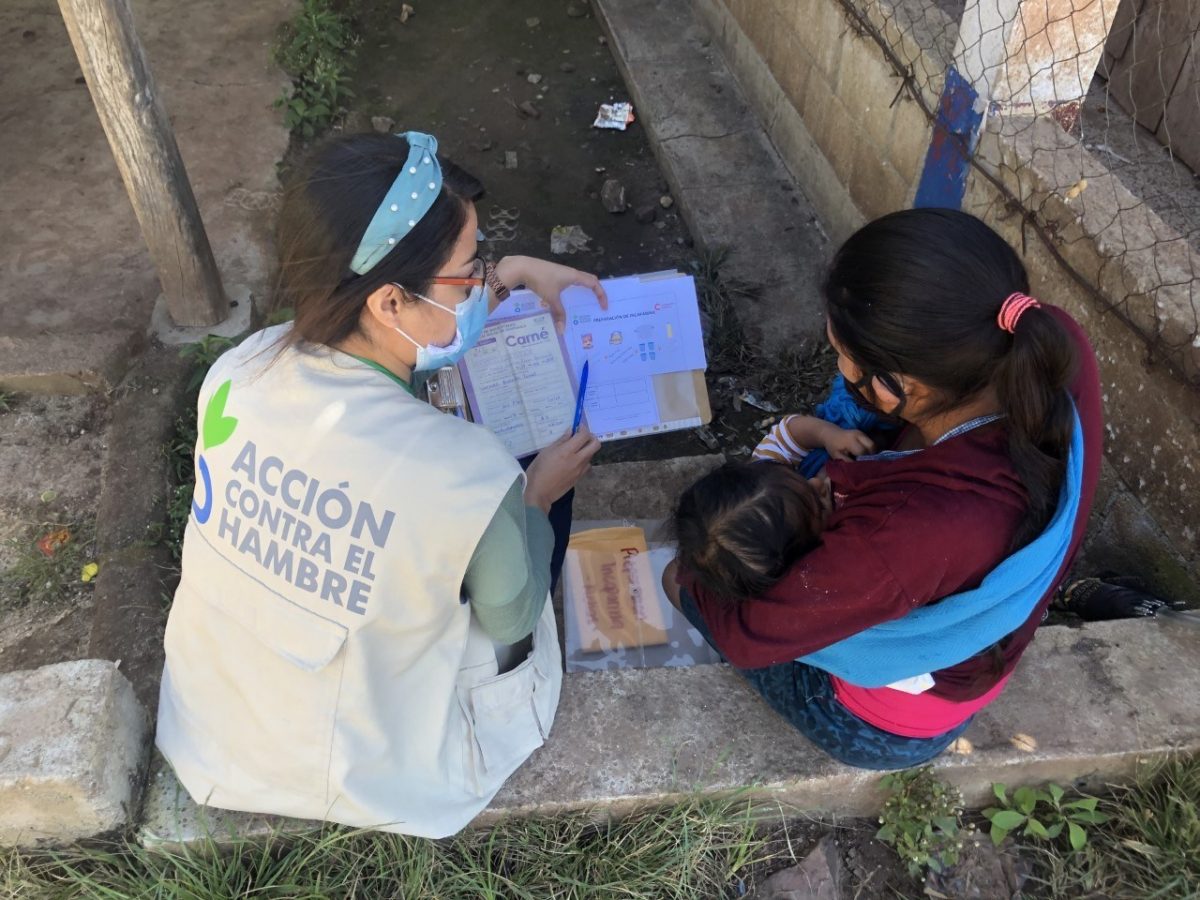
Acción contra el Hambre y ONG socias, con el apoyo de la Unión Europea, crearon una red de asistencia para proporcionar ayuda alimentaria y evitar que más de 50 000 personas en comunidades rurales del Corredor Seco alcancen niveles de hambre de emergencia.

Algunos datos nuevos adicionales indican que también aumentaron los niveles de pobreza y de hambre en Colombia y en Perú. En otra encuesta realizada a 34 000 familias de Colombia, el 98% afirmó no poder cubrir todas sus necesidades básicas, incluyendo alimentación y vivienda. Las condiciones de hacinamiento entre las familias de migrantes también aumentan la posibilidad de transmisión de la COVID-19. La encuesta a colombianos, venezolanos y personas con doble nacionalidad que viven en Colombia fue realizada por Acción contra el Hambre y sus ONG socias durante el transcurso de la pandemia, desde abril de 2020 hasta enero de 2021.

«Más del 58% declaró vivir en condiciones de hacinamiento», afirmó John Orlando, el director país de Acción contra el Hambre en Colombia. «En el 13% de los casos, hasta cinco personas debían compartir un dormitorio pequeño».

En Perú, los ingresos familiares se redujeron un promedio del 33%. Las llamadas «ollas comunes» (cocinas comunitarias autogestionadas, generalmente por mujeres) se han convertido en la forma de escapar del hambre para miles de peruanos.

«Según nuestra encuesta realizada a 222 familias que viven en la zona metropolitana de Lima, a 8 de cada 10 familias se les redujeron los ingresos. Tres de cada cuatro partes de la población encuestada se encuentran en situación de inseguridad alimentaria. Las familias venezolanas, muchas de las cuales llegaron buscando refugio en los últimos años, se vieron particularmente afectadas», señaló América Arias, directora país de Acción contra el Hambre en Perú. «La reducción de hierro e la dieta, algo fundamental para combatir la anemia es especialmente preocupante».

La asistencia en efectivo es una de las intervenciones humanitarias más efectivas en esta crisis. «Por un lado, es una alternativa digna, que le da la opción de elegir a las familias cómo atender sus necesidades más urgentes», comentó Orlando. «Los programas de transferencias de efectivo bien gestionados también permiten a los más vulnerables participar en la economía local. Esta inyección de dinero en efectivo en el mercado también fortalece las economías locales de las comunidades en las que viven estas familias».

Acción contra el Hambre necesita 78 millones de euros de la comunidad internacional para financiar su respuesta regional que se articula en tres ejes de acción:

  • Ayuda humanitaria para las familias mediante la provisión de alimentos y dinero en efectivo, un tratamiento contra la desnutrición, además de productos de higiene y equipos de protección para la prevención de la COVID-19.
  • Ayuda comunitaria a través del fortalecimiento de los sistemas de salud y clínicas, y el apoyo a pequeñas empresas para estimular la creación de empleo.
  • Recopilación y análisis de datos para evaluar los distintos desencadenantes del hambre a nivel local y adaptar las intervenciones con socios locales.

«Queremos crear una red de protección de último recurso para miles de personas que pasan hambre como consecuencia de la pandemia. Estamos tratando de mejorar la alimentación y el acceso al agua, y ayudarles a las personas a recuperar sus medios de vida. Vamos a trabajar sin descanso para lograrlo», afirmó Benedetta Lettera, responsable de los programas de Acción contra el Hambre en América Latina.

Más detalles

Acción contra el Hambre realizó tres encuestas distintas para medir el aumento del hambre en América Latina:

  • En Nicaragua, Guatemala, El Salvador y Honduras, Acción contra el Hambre, junto con nuestras ONG socias, Oxfam, COOPI, Trócaire y We World-GVC, encuestó a 3700 familias entre el 20 de octubre y el 13 de noviembre de 2020.
  • En Colombia, 34 000 colombianos, venezolanos y personas con doble nacionalidad fueron encuestados por teléfono o personalmente entre abril de 2020 y enero de 2021. Este estudio fue realizado por Acción contra el Hambre, el Consejo Danés para Refugiados y el Consejo Noruego para Refugiados.
  • Por último, 222 familias que viven en la zona metropolitana de Lima en Perú fueron encuestadas por Acción contra el Hambre entre el 14 de septiembre y el 11 de diciembre de 2020.

Acerca de Acción contra el Hambre

Acción contra el Hambre es especialista mundial en el hambre y líder de un movimiento internacional que tiene como objetivo acabar con el hambre de riesgo vital para siempre en nuestras vidas. Desde hace más de 40 años, la organización humanitaria y de desarrollo ha estado al frente del tratamiento y la prevención del hambre en aproximadamente 50 países. Solo en el año 2019, ayudó a más de 17 millones de personas.

Logo – https://mma.prnewswire.com/media/452004/Action_Against_Hunger_Logo.jpg


FUENTE Action Against Hunger

COVID-19 And Climate Shocks Driving Dramatic Increase In Hunger In Latin America, New Studies Find

NEW YORK, March 4, 2021 /PRNewswire-HISPANIC PR WIRE/ — More than 85 percent of families living in rural areas across Nicaragua, Guatemala, El Salvador, and Honduras face food insecurity, according to a household survey conducted by a coalition of humanitarian and development organizations, including Action Against Hunger, a leader in the global fight against hunger….

NEW YORK, March 4, 2021 /PRNewswire-HISPANIC PR WIRE/ — More than 85 percent of families living in rural areas across Nicaragua, Guatemala, El Salvador, and Honduras face food insecurity, according to a household survey conducted by a coalition of humanitarian and development organizations, including Action Against Hunger, a leader in the global fight against hunger. Two additional surveys conducted by the organization in Colombia and Peru also indicate alarmingly high levels of hunger as a result of the COVID-19 pandemic.

Even before the pandemic, more than 39% of people in Central America suffered from food insecurity, and new data suggests the pandemic and extreme weather could cause this number to triple in many parts of this region.

«Although Latin America has more than 19 million confirmed cases of COVID-19, the people we serve say they are more afraid of hunger than the virus,» said Miguel García, Action Against Hunger’s Regional Director for Central America. «Those who depended on informal daily labor have lost their incomes because of movement restrictions. In the markets, food is increasingly expensive because of the pandemic’s economic and commercial consequences.»  

One of the most critical areas is known as the Dry Corridor, which extends from Nicaragua to Guatemala and includes parts of El Salvador and Honduras, where the World Food Program says at least 1.4 million people are in need of food assistance. Action Against Hunger and its partners surveyed thousands of households in this region in October and November 2020. In one sample of 3,700 homes, 86% of families were experiencing food insecurity.

Adding to the socioeconomic damage caused by the pandemic are the impacts of severe drought in 2018 and 2019, along with hurricanes Iota and Eta, which hit the region in November 2020 and caused displacement and crop loss. Families faced with extreme poverty and hunger have gone into debt, resorted to borrowing from family or friends, or are selling their scarce possessions.

«Government protection programs for people in the worst socioeconomic situations can prevent millions of people from falling into misery. Yet, the roll out of these programs has been extremely uneven across the region, and millions of people not getting the support they need, including nutritious food,» García explained.

Action Against Hunger and its partners, with the support of the European Union, has set up a support network that has provided food assistance and prevented more than 50,000 people in rural communities in the Dry Corridor from reaching emergency hunger levels.

Additional new data shows increasing poverty and hunger in Colombia and Peru as well. In a separate survey of 34,000 families in Colombia, 98% said they could not meet all of their basic needs, including food and housing. The tight living conditions among migrant families also increases the potential spread of COVID-19. The survey of Colombians, Venezuelans and bi-nationals living in Colombia was conducted by Action Against Hunger and its partners over the course of the pandemic, from April 2020 through January 2021.

«More than 58% reported living in overcrowded conditions,» said John Orlando, Country Director for Action Against Hunger in Colombia. «13% of the time, as many as five people are forced to share a tiny bedroom.»

In Peru, household incomes have fallen by an average of 33%. The «common pots» (or «ollas communes») – self-managed community kitchens that are primarily run by women – have become an escape from hunger for thousands of Peruvians.

«According to our survey of 222 families in metropolitan Lima, 8 out of 10 families saw their incomes fall. Three out of four of those surveyed are food insecure. Venezuelan families, large numbers of whom have arrived seeking refuge in recent years, are particularly impacted,» América Arias, Country Director for Action Against Hunger in Peru, noted. «Especially worrying is reduced iron in diets, which is key to fighting anemia.»

Cash assistance is one of the most effective humanitarian interventions in this crisis. «On the one hand, it is a dignified alternative, which gives people the option of how to address their most urgent needs,» said Orlando. «Well-run cash transfer programs also allow the most vulnerable to engage with the local economy. This injection of cash in the marketplace also strengthens the local economies in the communities where these families live.»

Action Against Hunger is calling for $78 million from the international community to fund its three-pronged regional response that includes:

  • Humanitarian relief for families by providing food and cash assistance, treatment for malnutrition, as well as hygiene materials and protective equipment for COVID-19 prevention.
  • Community support by strengthening health systems and clinics and small business support to stimulate job creation.
  • Data collection and analysis to assess the distinctive drivers of hunger on a local level and tailor interventions with local partners.

«We want to step up as a safety net of last resort for the thousands of people who are going hungry as a result of the pandemic. We are trying to improve nutrition and access to water, and help people get their livelihoods back. We’re going to work tirelessly to achieve this,» said Benedetta Lettera, Desk Officer for Action Against Hunger’s programs in Latin America.

More Details

Action Against Hunger conducted three separate surveys to measure growing hunger in Latin America:

  • In Nicaragua, Guatemala, El Salvador, and Honduras, Action Against Hunger, together with our partners, Oxfam, COOPI, Trócaire, and We World-GVC, surveyed 3,700 families between October 20 – November 13, 2020.
  • In Columbia, 34,000 Colombians, Venezuelans and bi-nationals were surveyed by phone or in person between April 2020 through January 2021. This study was conducted by Action Against Hunger, Danish Refugee Council, and Norwegian Refugee Council.
  • Finally, 222 families in metropolitan Lima, Peru, were surveyed by Action Against Hunger between September 14 – December 11, 2020

About Action Against Hunger

Action Against Hunger is the world’s hunger specialist and leader in a global movement that aims to end life-threatening hunger for good within our lifetimes. For more than 40 years, the humanitarian and development organization has been on the front lines, treating and preventing hunger across nearly 50 countries. It served more than 17 million people in 2019 alone.

Logo – https://mma.prnewswire.com/media/452004/Action_Against_Hunger_Logo.jpg


SOURCE Action Against Hunger

COVID-19 And Climate Shocks Driving Dramatic Increase In Hunger In Latin America, New Studies Find

NEW YORK, March 4, 2021 /PRNewswire/ — More than 85 percent of families living in rural areas across Nicaragua, Guatemala, El Salvador, and Honduras face food insecurity, according to a household survey conducted by a coalition of humanitarian and development organizations, including Action Against Hunger, a leader in the global fight against hunger. Two additional…

NEW YORK, March 4, 2021 /PRNewswire/ — More than 85 percent of families living in rural areas across Nicaragua, Guatemala, El Salvador, and Honduras face food insecurity, according to a household survey conducted by a coalition of humanitarian and development organizations, including Action Against Hunger, a leader in the global fight against hunger. Two additional surveys conducted by the organization in Colombia and Peru also indicate alarmingly high levels of hunger as a result of the COVID-19 pandemic.

Even before the pandemic, more than 39% of people in Central America suffered from food insecurity, and new data suggests the pandemic and extreme weather could cause this number to triple in many parts of this region.

«Although Latin America has more than 19 million confirmed cases of COVID-19, the people we serve say they are more afraid of hunger than the virus,» said Miguel García, Action Against Hunger’s Regional Director for Central America. «Those who depended on informal daily labor have lost their incomes because of movement restrictions. In the markets, food is increasingly expensive because of the pandemic’s economic and commercial consequences.»  

One of the most critical areas is known as the Dry Corridor, which extends from Nicaragua to Guatemala and includes parts of El Salvador and Honduras, where the World Food Program says at least 1.4 million people are in need of food assistance. Action Against Hunger and its partners surveyed thousands of households in this region in October and November 2020. In one sample of 3,700 homes, 86% of families were experiencing food insecurity.

Adding to the socioeconomic damage caused by the pandemic are the impacts of severe drought in 2018 and 2019, along with hurricanes Iota and Eta, which hit the region in November 2020 and caused displacement and crop loss. Families faced with extreme poverty and hunger have gone into debt, resorted to borrowing from family or friends, or are selling their scarce possessions.

«Government protection programs for people in the worst socioeconomic situations can prevent millions of people from falling into misery. Yet, the roll out of these programs has been extremely uneven across the region, and millions of people not getting the support they need, including nutritious food,» García explained.

Action Against Hunger and its partners, with the support of the European Union, has set up a support network that has provided food assistance and prevented more than 50,000 people in rural communities in the Dry Corridor from reaching emergency hunger levels.

Additional new data shows increasing poverty and hunger in Colombia and Peru as well. In a separate survey of 34,000 families in Colombia, 98% said they could not meet all of their basic needs, including food and housing. The tight living conditions among migrant families also increases the potential spread of COVID-19. The survey of Colombians, Venezuelans and bi-nationals living in Colombia was conducted by Action Against Hunger and its partners over the course of the pandemic, from April 2020 through January 2021.

«More than 58% reported living in overcrowded conditions,» said John Orlando, Country Director for Action Against Hunger in Colombia. «13% of the time, as many as five people are forced to share a tiny bedroom.»

In Peru, household incomes have fallen by an average of 33%. The «common pots» (or «ollas communes») – self-managed community kitchens that are primarily run by women – have become an escape from hunger for thousands of Peruvians.

«According to our survey of 222 families in metropolitan Lima, 8 out of 10 families saw their incomes fall. Three out of four of those surveyed are food insecure. Venezuelan families, large numbers of whom have arrived seeking refuge in recent years, are particularly impacted,» América Arias, Country Director for Action Against Hunger in Peru, noted. «Especially worrying is reduced iron in diets, which is key to fighting anemia.»

Cash assistance is one of the most effective humanitarian interventions in this crisis. «On the one hand, it is a dignified alternative, which gives people the option of how to address their most urgent needs,» said Orlando. «Well-run cash transfer programs also allow the most vulnerable to engage with the local economy. This injection of cash in the marketplace also strengthens the local economies in the communities where these families live.»

Action Against Hunger is calling for $78 million from the international community to fund its three-pronged regional response that includes:

  • Humanitarian relief for families by providing food and cash assistance, treatment for malnutrition, as well as hygiene materials and protective equipment for COVID-19 prevention.
  • Community support by strengthening health systems and clinics and small business support to stimulate job creation.
  • Data collection and analysis to assess the distinctive drivers of hunger on a local level and tailor interventions with local partners.

«We want to step up as a safety net of last resort for the thousands of people who are going hungry as a result of the pandemic. We are trying to improve nutrition and access to water, and help people get their livelihoods back. We’re going to work tirelessly to achieve this,» said Benedetta Lettera, Desk Officer for Action Against Hunger’s programs in Latin America.

More Details

Action Against Hunger conducted three separate surveys to measure growing hunger in Latin America:

  • In Nicaragua, Guatemala, El Salvador, and Honduras, Action Against Hunger, together with our partners, Oxfam, COOPI, Trócaire, and We World-GVC, surveyed 3,700 families between October 20 – November 13, 2020.
  • In Columbia, 34,000 Colombians, Venezuelans and bi-nationals were surveyed by phone or in person between April 2020 through January 2021. This study was conducted by Action Against Hunger, Danish Refugee Council, and Norwegian Refugee Council.
  • Finally, 222 families in metropolitan Lima, Peru, were surveyed by Action Against Hunger between September 14 – December 11, 2020

About Action Against Hunger

Action Against Hunger is the world’s hunger specialist and leader in a global movement that aims to end life-threatening hunger for good within our lifetimes. For more than 40 years, the humanitarian and development organization has been on the front lines, treating and preventing hunger across nearly 50 countries. It served more than 17 million people in 2019 alone.

Cision View original content to download multimedia:http://www.prnewswire.com/news-releases/covid-19-and-climate-shocks-driving-dramatic-increase-in-hunger-in-latin-america-new-studies-find-301240402.html

SOURCE Action Against Hunger

Future of Hyperconnectivity Offers Billion-dollar Opportunities in the Connected Living Ecosystem

The number of connected devices across the globe is projected to increase from 30.4 billion in 2020 to 200 billion in 2030, says Frost & Sullivan

SANTA CLARA, Calif., March 4, 2021 /PRNewswire/ — Frost & Sullivan’s recent analysis, Future of Connected Living, reveals that the device-to-person ratio will exceed 20 to 1 by 2030 as the world enters the era of hyperconnectivity and catapults organizations’ digital transformation. The number of connected…

The number of connected devices across the globe is projected to increase from 30.4 billion in 2020 to 200 billion in 2030, says Frost & Sullivan

SANTA CLARA, Calif., March 4, 2021 /PRNewswire/ — Frost & Sullivan’s recent analysis, Future of Connected Living, reveals that the device-to-person ratio will exceed 20 to 1 by 2030 as the world enters the era of hyperconnectivity and catapults organizations’ digital transformation. The number of connected devices globally is projected to increase from 30.4 billion in 2020 to 200 billion in 2030 at a compound annual growth rate (CAGR) of 20.7%. The convergence of connected cities, homes, and workplaces will result in ubiquitous connectivity and the emergence of new product applications, business models, technologies, platforms, and services.

The demand for connected living will be primarily driven by advanced software technology, widespread content streaming, and network integration. The rising demand is projected to quadruple smart and connected home penetration over the next five years to reach over 18% by 2025. Spending on the smart city sector is expected to reach $327 billion by 2025, up at a strong CAGR of 22.7%, and will lead to higher adoption of technologies such as artificial intelligence (AI) and 5G.

For further information on this analysis, please visit: http://frost.ly/5be

«The future home will become a ‘central hub’ for connected living. The demand for connected living solutions soared as a result of the COVID-19 outbreak in 2020, as it allows homes to evolve into on-demand workspaces and much more. Continued advancements in connectivity technologies such as cloud services, Internet of Things (IoT), video conferencing, mobility, robotics, and AI will create innovation frontiers for connected technology and service providers,» said Vinay Venkatesan, Program Manager, TechCasting at Frost & Sullivan. «The convergence of 5G and Wi-Fi 6 will be a crucial enabler for connectivity as they will improve communication network speed, customer experience, and long-term cost efficiency.»

Venkatesan added: «To succeed in the connected era, companies cannot do it alone. Enterprises need to establish new partnerships, engage with a broader ecosystem, and explore new business models to deliver a unique value proposition. While connected living drives digital resilience, it also carries major risks such as data insecurity and vulnerability to cyberattacks. Therefore, organizations are encouraged to develop a detailed cybersecurity strategy that will align with their goals and facilitate the provision of secure connected services to customers anywhere.»

Connected device manufacturers and service providers that want to leverage growth opportunities must focus on these key areas:

  • Digital Workflows: 70% of companies are expected to adopt a hybrid work structure by 2030. Digital workflows can eliminate manual, repetitive tasks to allow workers to focus on improving performance and value-add to customers. Companies must shift to an organizational approach to benefit from digital workflows, which will lead to optimized processes.
  • Connected Services Ecosystem: With a digital-first strategy in place, governments must partner with connected service providers (CSPs) to deliver better social benefits, improve public service outreach, and raise awareness among citizens. Online services warrant collaboration between the government, tech companies, and CSPs to ensure seamless and effective integration and access to all citizens.
  • Internet of Homes: Demand for contactless biometrics and voice control security technologies is on the rise as AI home virtual assistants become more universally accepted. Smart home product providers need to develop multi-functionality products that control multiple appliances and enable integration for ease and control. There is room for strategic partnerships between insurers, telecommunication companies, and online retailers to leverage the space.
  • Multi-sided Platform Orchestrators: CSPs will shift to become data controllers and dataflow orchestrators, so they need to nurture an open ecosystem orchestrators built on relevance, scalability, experience, and trust. Network service providers can position themselves as trusted partners and build an ecosystem dedicated to the installation, control, and management of data across multiple environments.

Future of Connected Living is the latest addition to Frost & Sullivan’s TechCasting research and analyses available through the Frost & Sullivan Leadership Council, which helps organizations identify a continuous flow of growth opportunities to succeed in an unpredictable future.

About Frost & Sullivan

For six decades, Frost & Sullivan has been world-renowned for its role in helping investors, corporate leaders and governments navigate economic changes and identify disruptive technologies, Mega Trends, new business models, and companies to action, resulting in a continuous flow of growth opportunities to drive future success. Contact us: Start the discussion

Future of Connected Living

K4AC

Contact:

Zuzana Zukarnain
Global Corporate Communications
E: zuzana.zukarnain@frost.com
http://ww2.frost.com

Cision View original content to download multimedia:http://www.prnewswire.com/news-releases/future-of-hyperconnectivity-offers-billion-dollar-opportunities-in-the-connected-living-ecosystem-301239380.html

SOURCE Frost & Sullivan

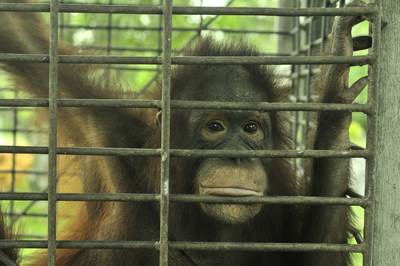
The Orangutan Project calls for urgent assistance to protect Critically Endangered species from COVID-19 poaching surge

NEW YORK, March 4, 2021 /PRNewswire/ — The Orangutan Project, an organization focused on securing the survival of orangutans and other critically endangered species, is calling for urgent help to resource additional wildlife protection patrols in the wake of disturbing increases in poaching and illegal logging…

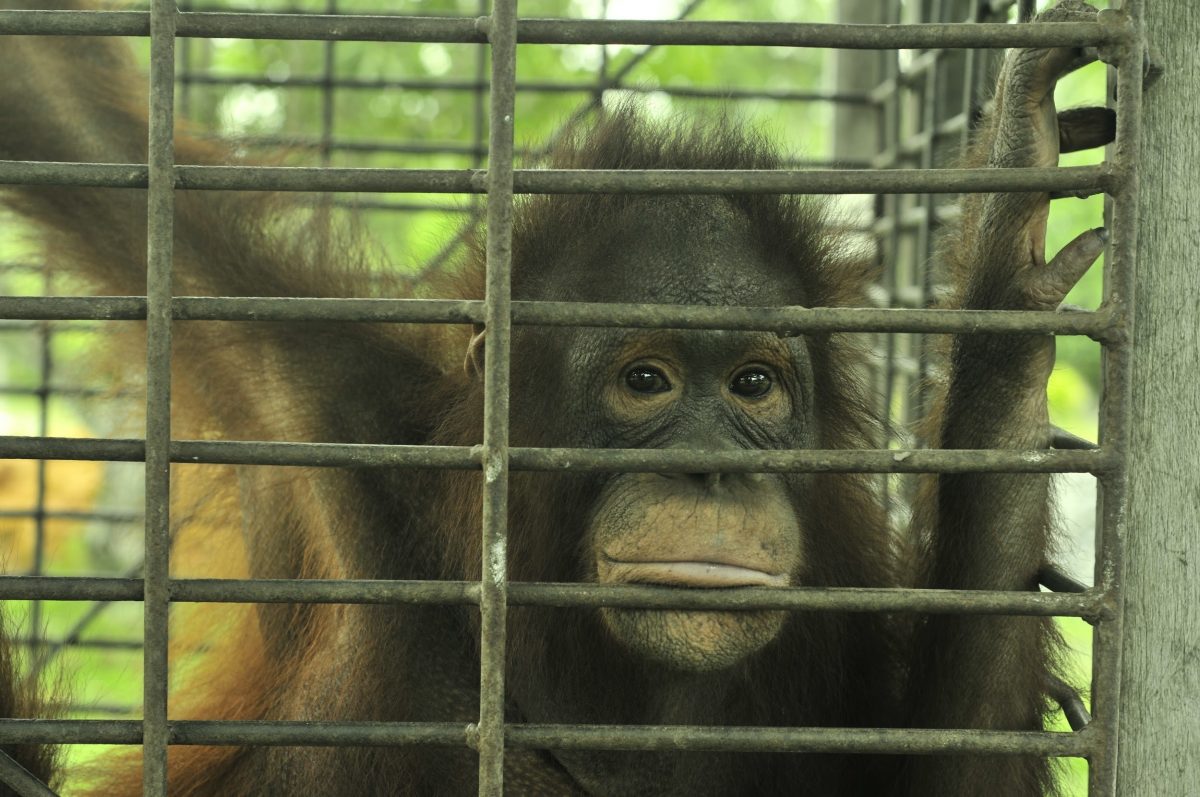
NEW YORK, March 4, 2021 /PRNewswire/ — The Orangutan Project, an organization focused on securing the survival of orangutans and other critically endangered species, is calling for urgent help to resource additional wildlife protection patrols in the wake of disturbing increases in poaching and illegal logging across Indonesia.

The spate is believed to be driven by criminal poaching networks, who’ve become more audacious during COVID-19 lockdowns, and are taking advantage of restrictions to law enforcement caused by the pandemic. Increasing numbers of people are also resorting to poaching and logging to supplement their income during the economic downturn.

In response, The Orangutan Project is striving to raise more than $100,000 during March to resource community-based patrol teams to protect vulnerable wildlife.

Their patrols include safeguarding habitat from illegal logging, resourcing anti-poaching and snare removal patrols, and providing urgent medical assistance for wildlife found trapped and injured in poaching snares.

The appeal also extends to the resourcing of rescue teams, who patrol regional locations in search of orangutans stolen from dwindling forests and «sold on» by the illegal wildlife trade, often for as little as $30

«Critically endangered orangutans, tigers, elephants and subsistence farmers, are now all struggling to survive in remnant forests,» said Leif Cocks, founder of The Orangutan Project. «Over 80% of native forest in Sumatra and Borneo have been cleared for large plantations.  When you add in a global pandemic which has plunged more than two million Indonesians back into poverty, you can see why we’re facing a crisis. Critically endangered species will always lose out because their populations are no longer large enough to withstand poaching or further habitat loss.»

Over the next 10 years, The Orangutan Project and their key partners aim to legally secure up to eight viable ecosystems to secure populations of critically endangered orangutans, tigers and elephants.

However, the very nature of the extinction crisis means multiple tasks have to be worked on simultaneously or they will simply run out of time.

«We’re urgently raising funds for multiple projects to give critically endangered species a fighting chance of survival,» said Cocks. «In the immediate sense, we need to vigilantly patrol remaining rainforests now, so we still have thriving ecosystems left to help legally secure when this pandemic is finally under control.»

The Orangutan Project is urgently raising funds for emergency patrols throughout the month of March. Donations to this appeal will be directed to patrols across Indonesia and will help to safeguard critically endangered species from poaching and forest encroachment.

The patrol teams also locate and remove snares and provide urgent medical assistance and rescues for wildlife caught in snares, and work with subsistence farmers on ways to protect crops and livestock without resorting to snares and traps.

To contribute to this urgent appeal please visit: www.theorangutanproject.org

About The Orangutan Project

The Orangutan Project is a non-partisan organization that collaborates with several orangutan conservation projects on the ground in Indonesia to support the conservation and rehabilitation of orangutans and the preservation of their forest habitat.  Founded by world-renowned orangutan expert Leif Cocks, The Orangutan Project’s goal is to ensure the survival of the orangutan species in their natural habitat. For more information, visit https://www.theorangutanproject.org 

MEDIA CONTACT:
Heather Ripley
Orange Orchard
(865) 977-1973
hripley@orangeorchardpr.com


Cision View original content to download multimedia:http://www.prnewswire.com/news-releases/the-orangutan-project-calls-for-urgent-assistance-to-protect-critically-endangered-species-from-covid-19-poaching-surge-301240431.html

SOURCE The Orangutan Project

Aleph Farms and BRF Partner to Bring Cultivated Meat to Brazil

REHOVOT, Israel, March 4, 2021 /PRNewswire/ — Aleph Farms, Ltd. («Aleph» or «company»), and BRF S.A. («BRF»), a global Brazilian meat and food company, signed a Memorandum of Understanding (MoU) to bring cultivated meat to Brazilian tables. Under this new agreement, Aleph and BRF will co-develop and produce cultivated meat using Aleph’s patented production platforms (BioFarm™). BRF will also distribute Aleph-backed cultivated beef products in <span…

REHOVOT, Israel, March 4, 2021 /PRNewswire/ — Aleph Farms, Ltd. («Aleph» or «company»), and BRF S.A. («BRF»), a global Brazilian meat and food company, signed a Memorandum of Understanding (MoU) to bring cultivated meat to Brazilian tables. Under this new agreement, Aleph and BRF will co-develop and produce cultivated meat using Aleph’s patented production platforms (BioFarm™). BRF will also distribute Aleph-backed cultivated beef products in Brazil. This partnership will strengthen BRF’s supply chain and reduce its environmental impact, while diversifying the company’s product offering to meet the growing consumer demands for a variety of meat products. 

«We are thrilled to join forces with BRF, a global food and meat industries leader. This new partnership advances Aleph Farms’ strategy to integrate into the existing ecosystem as part of our go-to-market plans. Leveraging the expertise and infrastructure of leading food and meat companies will drive a faster scale-up of cultivated meat and eventually lead to a broader positive impact. As one of the largest beef producers in the world, Brazil is a strategic market for us. We have been impressed by the strong commitment from BRF management to innovation and sustainability. We are convinced that shared values are the key to a successful long-term partnership,» shares Didier Toubia, Co-Founder and CEO of Aleph Farms.

BRF is one of the largest meat producers in the world, with over 30 brands in its portfolio. Reporting revenue of approximately BRL 39 billion (approximately USD 7.25 billion) and investing over BRL 155 million in 2020 (approximately USD 28.81 million) in projects to reduce environmental impact, the partnership with Aleph is part of BRF’s 2030 Vision strategy. Unveiled in December 2020, the initiative is expected to garner revenues in excess of BRL 100 billion by 2030 (approximately USD 18.5 billion). «BRF is ready and charged to play a leading role in this food revolution and be an active participant in one the greatest industry transformations of this generation,» enthuses Lorival Luz, CEO of BRF.  «Since 2014, we have witnessed an increasing global demand for new sources of protein driven by several factors, namely environmental concerns, new diets and lifestyles, which has spurred the growth of new dietary genres including flexitarianism, vegetarianism and more,» Luz points out.

Beyond the commercial potential of cultivated meat in the Brazilian market, this alignment also enables both companies in their missions regarding sustainability and food security. Brazil recently reaffirmed to the UN (United Nations Framework Convention on Climate Change – UNFCCC) the country’s commitment to reducing total net greenhouse gas emissions by 43% in 2030. In April 2020, Aleph Farms committed to eliminating emissions associated with its meat production by 2025 and reach net-zero emissions across its entire supply chain by 2030. With livestock accounting for significant greenhouse gas emissions and demand for meat expected to continue growing, Aleph Farms’ partnerships with industry incumbents demonstrates how incorporating innovation into the local agricultural ecosystem can help companies and countries reach their climate goals.

«This is yet another step that strengthens the innovative journey of BRF to offer a choice of alternatives to consumers, optimize efficiency and at the same time reduce the strain on the production chain,» explains Sergio Pinto, Director of Innovation at BRF. «We are a food company that invests in advanced technology and respects and combines new trends associated with social and environmental sustainability. By producing high-quality sustainable cultivated meat, we can further establish our role as agents of transformation in the food industry, by offering the latest innovations in the production of meat,» adds Pinto.

About Aleph Farms

Aleph Farms is a food company that is paving a new way forward as a leader of the global sustainable food ecosystem, working passionately to grow delicious beef steaks from non-genetically engineered cells, isolated from a cow, using a fraction of the resources required for raising an entire animal for meat, and without antibiotics. Aleph Farms was co-founded with The Kitchen Hub of the Strauss Group and with Professor Shulamit Levenberg, Dean of the Biomedical Engineering faculty of the Technion – Israel Institute of Technology. Aleph Farms is backed by some of the world’s most innovative food producers, such as Cargill, Migros, and the Strauss Group.

The company has recently received top accolades for its contribution to the global sustainability movement from the World Economic Forum, UNESCO, Netexplo Forum and EIT Food.

Twitter/LinkedIn/Facebook/Instagram/YouTube/Medium: @AlephFarms

About BRF

One of the world’s largest food companies, BRF is present in over 130 countries and owns iconic brands, including Sadia, Perdigão and Qualy. Its purpose is to offer increasingly tasty, practical, good-quality food to people around the world through the sustainable management of a vivid, long and complex chain that provides everyone with a better life, from farm to fork. Based on fundamental commitments of safety, quality and integrity, the Company’s strategy is based on a long-term vision and is designed to generate value for over 95,000 employees based around the world, more than 300,000 clients and nearly 10,000 integrated partners in Brazil, all of its shareholders, and society.

For further information, please contact:

Company Contact:
Aleph Farms
Mr. Yoav Reisler
External Relations Manager at Aleph Farms
Tel: +972-52-4559924
press@aleph-farms.com  
https://aleph-farms.com

Press Contact
NutriPR
Ms. Liat Simha
Tel: +972-9-974-2893
liat@nutripr.com  
www.nutripr.com  
Twitter: @LiatSimha

Photo – https://mma.prnewswire.com/media/1449692/Aleph_Farms_and_BRF.jpg


Cision View original content to download multimedia:http://www.prnewswire.com/news-releases/aleph-farms-and-brf-partner-to-bring-cultivated-meat-to-brazil-301240485.html

SOURCE Aleph Farms; BRF S.A.

Expertos del Gobierno de Estados Unidos le informan sobre cómo prevenir las estafas

WASHINGTON, 4 de marzo de 2021 /PRNewswire-HISPANIC PR WIRE/ — USAGov en Español, el sitio web oficial del Gobierno de Estados Unidos en español, los invita a unirse al Twitter chat #OjoConLasEstafas, el jueves 4 de marzo a la 1PM, hora del este. Muchas agencias del Gobierno de Estados Unidos participarán en este…

WASHINGTON, 4 de marzo de 2021 /PRNewswire-HISPANIC PR WIRE/ — USAGov en Español, el sitio web oficial del Gobierno de Estados Unidos en español, los invita a unirse al Twitter chat #OjoConLasEstafas, el jueves 4 de marzo a la 1PM, hora del este. Muchas agencias del Gobierno de Estados Unidos participarán en este evento y estarán disponibles durante la charla virtual para contestar sus preguntas sobre cómo protegerse contra el fraude, el robo de identidad, las estafas y mucho más.

Para participar en la conversación, visite nuestra cuenta de Twitter en www.twitter.com/usagovespanol y siga el hashtag #OjoConLasEstafas

Durante esta Semana Nacional de Protección al Consumidor (28 de febrero – 6 de marzo) estaremos compartiendo, a diario, en nuestras redes sociales en español, consejos prácticos de los expertos de numerosas agencias del Gobierno para detectar y prevenir las estafas.

Para obtener más información oficial sobre estafas y fraudes visite USAGov en Español.

Invitamos cordialmente a los medios de comunicación a informarse con nosotros sobre los distintos programas y servicios que ofrece el Gobierno de Estados Unidos. Visite usa.gov/espanol/medios y sepa cómo puede colaborar o contactarnos en USAGov en Espanol, la guía de información y servicios en español sobre las agencias, departamentos y programas del Gobierno.

Logo – https://mma.prnewswire.com/media/1449368/USA_gov_en_espanol_Logo.jpg

FUENTE USA.gov en español

Eloy Kaminski presents his new book, NATASHA, a collection of short stories.

HONOLULU, March 4, 2021 /PRNewswire-HISPANIC PR WIRE/ — The recent release of the book NATASHA, by Eloy Kaminski of Page Publishing, an incredible collection of stories that offer the reader an approach to the deepest spiritual truths, an exotic taste of the strange rarities that occur in the world and the overwhelming heaviness of despair.

<a…

HONOLULU, March 4, 2021 /PRNewswire-HISPANIC PR WIRE/ — The recent release of the book NATASHA, by Eloy Kaminski of Page Publishing, an incredible collection of stories that offer the reader an approach to the deepest spiritual truths, an exotic taste of the strange rarities that occur in the world and the overwhelming heaviness of despair.

Eloy Kaminski grew up in the suburbs of Buenos Aires, where he began his university studies in the career of Letras. Currently, he lives in Honolulu, where he prepares the manuscripts for his first novel and runs a business dedicated to the propagation and planting of trees on the island of Oahu.

A writer of the twentieth century wrote that a book is one thing among things, a volume lost between the volumes that populate the indifferent universe until it finds its reader, the woman or man destined for its symbols.

If you are the person it expected to find, the person for whom it was written, then here it is, is all yours, immerse yourself in it and read each page.

But if, on the contrary, you’re not, then put it aside immediately, stay away from it and forget it, whatever you do, don’t read this book.

Published by Page Publishing, Eloy Kaminski’s interesting book, NATASHA, is a compendium of stories that open up a world of immense depth. Mysteries and adventures will be the protagonists of these stories.

For readers who wish to have an approach to these mysteries, they can do so by purchasing NATASHA, at any bookstore, or in the apple iTunes, Amazon, Google Play or Barnes and Noble online stores.

For additional information or any queries, you can contact Page Publishing, through the following number: 866-315-2708.

About Page Publishing:

Page Publishing is a traditional publishing house, which provides all kinds of services, handles all the intrinsic topics involved in publishing the books of its authors including distribution in the world’s largest retail stores and generating royalties. Page Publishing knows that authors need to be free to create, not tied to a complicated business with topics like online book conversion, establishing sales accounts, insurance, taxes and similar topics. Its authors can leave behind these tedious, complex and time-wasting topics for them, and focus on their passion; write and create. Learn more in www.pagepublishing.com

Photo – https://mma.prnewswire.com/media/1449096/Eloy_Kaminski.jpg

SOURCE Page Publishing

Juan Francisco Cano’s new book El Asesino de la Bufanda Roja, a gripping novel about a man’s harrowing journey of reckoning and revenge against his foes

MIAMI GARDENS, Fla., March 4, 2021 /PRNewswire-HISPANIC PR WIRE/ — The book El Asesino de la Bufanda Roja was created by Juan Francisco Cano. Juan Francisco Cano is a first-time author who hails from Santo Domingo, Dominican Republic.

<a…

MIAMI GARDENS, Fla., March 4, 2021 /PRNewswire-HISPANIC PR WIRE/ — The book El Asesino de la Bufanda Roja was created by Juan Francisco Cano. Juan Francisco Cano is a first-time author who hails from Santo Domingo, Dominican Republic.

Juan Francisco Cano said this about his book: «It is imperative to forget the past when fighting constantly to survive in the face of time that inclemently reminds us of that fateful moment when pain tore the weakest of our fragile spirits. His efforts to run away and get away forever from the past that marked his existence were not enough to evade the suffering he was going through every time he returned to the same point where his eyes, in the most unfair way, learned to cry of pain, sadness, and grief.

When he thought it was all over and that a new beginning would give him the opportunity he always sought, deception, cruelty, and injustice were present. That, in fact, became the trigger that with the simple touch of a spark charged with hatred, melancholy and (why not) contempt, it made him succumb to his desire for revenge.

Seeing the anguish his executioners showed every time they faced that reality that showed that they were not as brave as they wanted to show themselves to the weak beings who are unable to defend themselves filled him with the strength to move forward until he exhausted every drop of hatred he had in the depths of his soul.»

Published by Page Publishing, Juan Francisco Cano’s new book El Asesino de la Bufanda Roja will inspire within the readers an overwhelming and captivating intrigue as they follow a man’s road to vengeance and death that taints his being.

Consumers who wish to enjoy the suspenseful and page-turning moments of a man bent on wreaking havoc upon those who wronged him can purchase El Asesino de la Bufanda Roja in any bookstore or online at Apple iTunes, Amazon.com, Google Play, or Barnes and Noble.

For additional information or inquiries, you can contact Page Publishing, through the following number: 866-315-2708.

About Page Publishing:
Page Publishing is a traditional full-service publishing house that handles all of the intricacies involved in publishing its authors’ books, including distribution in the world’s largest retail outlets and royalty generation. Page Publishing knows that authors need to be free to create, not bogged down with complicated business issues like eBook conversion, establishing wholesale accounts, insurance, shipping, taxes, and the like. Its roster of authors can leave behind these tedious, complex, and time-consuming issues and focus on their passion: writing and creating. Learn more at www.pagepublishing.com.

Photo – https://mma.prnewswire.com/media/1449068/Juan_Francisco_Cano.jpg

SOURCE Page Publishing