Hitachi Vantara and Rainforest Connection Analyze Tree Top Eco-Acoustic Data to Predict and Prevent Illegal Logging

SANTA CLARA and SAN FRANCISCO Calif., Dec. 17, 2020 /PRNewswire/ — Hitachi Vantara, the digital infrastructure and solutions subsidiary of Hitachi, Ltd. (TSE: 6501), and <a target="_blank"…

SANTA CLARA and SAN FRANCISCO Calif., Dec. 17, 2020 /PRNewswire/ — Hitachi Vantara, the digital infrastructure and solutions subsidiary of Hitachi, Ltd. (TSE: 6501), and Rainforest Connection, the non-profit that uses real-time data to enable partners to stop deforestation and poaching, have developed a unique solution that uses eco-acoustic data to predict illegal logging in the world’s rainforests.

Every two seconds[1], an area of rainforest the size of a football field is destroyed, causing the extinction of hundreds of animal and plant species every year, contributing to droughts, and threatening indigenous reserves across multiple continents. Deforestation accounts for 10%[2] of all worldwide carbon emissions, making it a massive contributor to global warming, with up to 90%[3] of deforestation attributed to illegal logging.

Rainforest Connection builds devices called ‘Guardians’ that are installed high in the rainforest canopy to collect acoustic data from the rainforest. The company detects chainsaw events in real-time and sends rangers an audio file to review, verify and reference to arrange to go on site. This entire process can take up to 14 days and in some cases trees are lost by the time rangers arrive.

Hitachi Vantara has created a new solution to help predict illegal rainforest activity and shorten rangers’ time to site. Using the company’s Lumada data analytics technology, Hitachi Vantara built algorithms that create a baseline of rainforest sounds. This bio-acoustic signature then simplifies and accelerates the process of identifying acoustic anomalies. For example, before starting a chainsaw, loggers will typically scout appropriate locations in advance. Their presence causes a change in species’ acoustic signatures and signals a disruption to the environment. Hitachi Vantara’s solution detects these advance warnings and alerts rangers in real-time. Rangers use this technology get up to five days lead time to arrive on site. This head start gives rangers valuable time to pre-position themselves and prevent even more deforestation than they can today.

With both companies sharing common ideals of social responsibility to the environment, Hitachi Vantara and Rainforest Connection established a partnership in 2019. At Hitachi’s conference, NEXT 2019, Hitachi Vantara announced the partnership and donated $250,000 in cash and in-kind services to Rainforest Connection to support its mission. Hitachi Vantara and Rainforest Connection have since worked together to co-create and design the bio-acoustic solution. The solution is now live in Sumatra, where over 70% of all deforestation is illegal[4]. The solution is scheduled to rollout to the entire network of Rainforest Connection guardians, located in over 11 countries, in 2021.

«The projects with Hitachi Vantara are game-changing for Rainforest Connection,» said Topher White, CEO, Rainforest Connection. «We’ll be able to scale up our operations and provide rangers with greater certainty around when logging events are likely to happen.»

«The rainforest of Sumatra and Silicon Valley may be separated by thousands of miles, but data is the bridge between us, and has to be the foundation for solving some of our planet’s biggest challenges,» said Gajen Kandiah, Chief Executive Officer, Hitachi Vantara. «At Hitachi, we believe in the power of data to benefit both business and society. We are immensely proud to partner with Rainforest Connection to make a meaningful difference in the fight against climate change.»

1 https://www.wwf.org.uk/learn/effects-of/deforestation 
2 https://www.rainforest-alliance.org/articles/relationship-between-deforestation-climate-change 
3 https://wwf.panda.org/discover/our_focus/forests_practice/deforestation_causes2/illegal_logging/?
4
 https://archive.is/20130414200511/http://www.foei.org/en/resources/publications/miscellaneous/clashes/indonesiatrees.html 

Resources

Connect with Hitachi Vantara

About Rainforest Connection
Rainforest Connection (RFCx) has created the world’s first scalable, real-time monitoring system for protecting and studying remote ecosystems. Unlike visual based tracking systems (such as drones or satellites), the RFCx approach relies on acoustic sensors (RFCx Guardians) that will monitor the ecosystem soundscape at selected locations 365 days a year. With over six years of experience operating in rainforests around the world, RFCx technology acts as a force multiplier which does much of the monitoring and analysis work for a fraction of the cost. RFCx technology is advancing through a comprehensive biodiversity monitoring program that allows the local partners to measure progress of wildlife restoration and recovery through principles of adaptive management. The audio recordings being collected from online RFCx Guardiandetect and analyze everything from illegal activities to primates, birds, frogs, insects, bats, and countless other groups of organisms. Acoustic data is extremely rich in information about the makeup of an ecosystem. The RFCx monitoring platform has the capacity to create CNN models for analysis.

About Hitachi Vantara
Hitachi Vantara, a wholly-owned subsidiary of Hitachi, Ltd., guides our customers from what’s now to what’s next by solving their digital challenges. Working alongside each customer, we apply our unmatched industrial and digital capabilities to their data and applications to benefit both business and society. More than 80% of the Fortune 100 trust Hitachi Vantara to help them develop new revenue streams, unlock competitive advantages, lower costs, enhance customer experiences, and deliver social and environmental value. Visit us at www.hitachivantara.com.

About Hitachi, Ltd.
Hitachi, Ltd. (TSE: 6501), headquartered in Tokyo, Japan, is focused on its Social Innovation Business that combines information technology (IT), operational technology (OT) and products. The company’s consolidated revenues for fiscal year 2019 (ended March 31, 2020) totaled 8,767.2 billion yen ($80.4 billion), and it employed approximately 301,000 people worldwide. Hitachi drives digital innovation across five sectors – Mobility, Smart Life, Industry, Energy and IT – through Lumada, Hitachi’s advanced digital solutions, services, and technologies for turning data into insights to drive digital innovation. Its purpose is to deliver solutions that increase social, environmental and economic value for its customers. For more information on Hitachi, please visit the company’s website at https://www.hitachi.com.

HITACHI is a trademark or registered trademark of Hitachi, Ltd. All other trademarks, service marks, and company names are properties of their respective owners.

Cision View original content to download multimedia:http://www.prnewswire.com/news-releases/hitachi-vantara-and-rainforest-connection-analyze-tree-top-eco-acoustic-data-to-predict-and-prevent-illegal-logging-301195022.html

SOURCE Hitachi Vantara Corporation

Mobility Unlimited Challenge Winner Receives $1M for Ultra-lightweight Intelligent Wheelchair

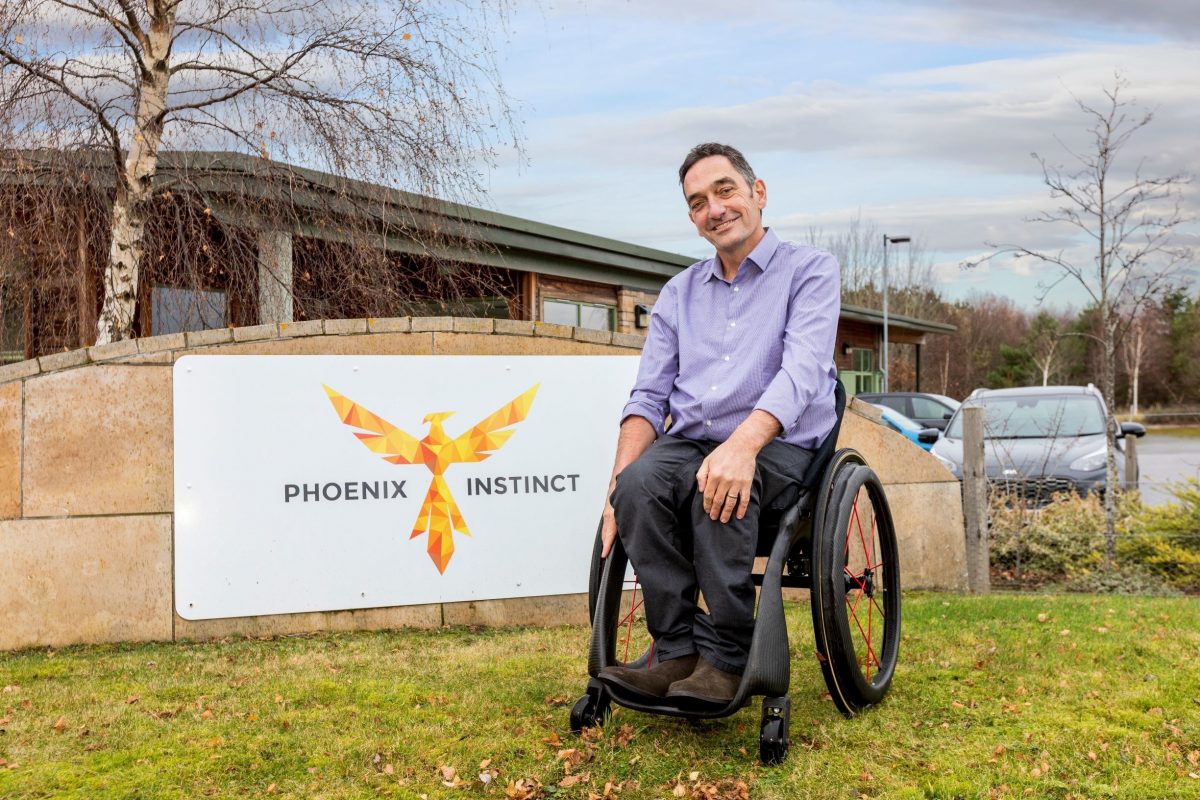
LONDON, Dec. 17, 2020 /PRNewswire/ — The winner of the three-year Mobility Unlimited Challenge has now been announced with Phoenix Instinct from the UK receiving $1 million to further develop their intelligent ultra-light carbon fiber wheelchair, bring it to market, and ultimately, transform millions of lives in the disability community for the greater good.

LONDON, Dec. 17, 2020 /PRNewswire/ — The winner of the three-year Mobility Unlimited Challenge has now been announced with Phoenix Instinct from the UK receiving $1 million to further develop their intelligent ultra-light carbon fiber wheelchair, bring it to market, and ultimately, transform millions of lives in the disability community for the greater good.

The Toyota Mobility Foundation, established by Toyota in 2014, launched the $4 million global challenge back in 2017 in partnership with Nesta Challenges, in a bid to drive innovation in the field of assistive technologies for people with lower-limb paralysis in a demonstration of Toyota’s mission of Mobility for All and further vision of producing happiness for all.   

The Challenge called for talented engineers, innovators, and designers from around the world to submit their designs for groundbreaking devices, integrated with the latest technologies, to enhance the mobility and independence of end users. Over eighty teams from 28 countries around the world entered.

The University of Pittsburgh’s Human Engineering Research Laboratories (HERL) led the assessment of the entries and provided mentorship alongside a team of Toyota subject matter experts, and the winner was chosen by a panel of expert judges (see Notes to Editors below for details).

Designed by Phoenix Instinct, the Phoenix i uses intelligent systems to automatically adjust its center of gravity, making the ultra-lightweight carbon fiber frame extremely stable and easier to maneuver. It uses front-wheel power-assist to reduce painful vibrations and minimize strain on the user. The chair’s intelligent powered braking system automatically detects when the user is going downhill and adjusts to manage the user’s descent.

Andrew Slorance from Phoenix Instinct said: «Winning the Toyota Mobility Unlimited Challenge is incredible for Phoenix Instinct and for wheelchair users. The wheelchair as we know it has been technologically unchanged for decades. The funding we received through the Challenge allowed us to prove smart technology makes for an easier to use and safer wheelchair with the potential for a suite of new features. With the prize money we can now advance this work and bring the Phoenix I wheelchair to the consumer.

It’s a very exciting time with Toyota moving into the mobility sector, we’re going to see significant advances in mobility devices. At Phoenix Instinct we’re thrilled to be leading the smart wheelchair revolution.»

Sir Philip Craven, member of the Board of Directors at Toyota Motor Corporation and former President of the International Paralympic Committee shared: «Mobility means freedom. It means liberation from being limited in life. As we believe at Toyota, when we are free to move, we are able to fully participate in society, and I’m excited for each of these devices supported by the Mobility Unlimited Challenge, particularly the winning device, because of how it will allow so many people to better do what they want to do.»

Ryan Klem, Director of Programs for Toyota Mobility Foundation commented: «The entire competition has been an enriching journey for us all, bringing together the efforts of many experts, mentors, advocates, and more to invest in the five finalists to develop their devices and bring them into the lives of people that need them. We are thrilled to announce Phoenix Instinct as the winner of the Mobility Unlimited Challenge. The judges were impressed by the way the device incorporated intelligent systems in its design in a way that represents a true advance for the wheelchair and could see it having a clear route to market. TMF is dedicated to continuing to support these passionate teams, and we hope, through this process, that all the teams are able to find resources to do the same as they have all shown incredible creativity and innovation. We believe this Challenge will result in huge improvements in assistive technology and are extremely proud of what all of the teams have achieved.»

Liz Vossen of Nesta Challenges said: «For too long, the disability community has faced restricted mobility and accessibility. The coronavirus pandemic has forced a change in attitudes towards remote working, showing that it is possible to be present and productive at home.  However, the pandemic also highlighted the need for non-disabled people to have a better understanding of the importance of mobility for all. We hope that these devices will improve the mobility of people across the world and contribute to a more inclusive future.»

The four other finalists were:

  • The Evowalk: Evolution Devices (United States) – a smart wearable simulator that goes right below the knee and uses artificial intelligence to support your muscles at the right time aiding in rehabilitating walking and preventing falls for people with foot drop.
  • Qolo (Quality of Life with Locomotion): Team Qolo, University of Tsukuba (Japan) – a standing mobility device that integrates exoskeleton and wheelchair functions. It supports the function of standing and sitting with a passive assist mechanism for people with lower limb paralysis.
  • Quix: IHMC & MYOLYN (United States) – a highly mobile, powered exoskeleton offering fast, stable and agile upright mobility.
  • Wheem-i: Italdesign (Italy) – a wheel-on semi-autonomous electric device that provides ride sharing for wheelchair users. It is primarily designed for micro mobility and is usable on a variety of surfaces.

At its core, the Challenge was developed to highlight the importance of collaboration with end-users and create inventions with the disability community in mind. It supports the UN’s Sustainable Development goals, specifically Goal #10 of reducing inequalities in supporting devices that help people with paralysis better access society for economic, social, educational and other opportunities.  Key specifications for choosing the winning invention included devices that will integrate seamlessly into people’s lives and environments while being comfortable and easy to use, enabling greater independence and increased participation in daily life. The judging criteria was based on innovation, insight and impact, functionality and usability, quality and safety, and market potential and affordability. 

Around the world, millions of people are living with lower-limb paralysis (the most common causes being strokes, spinal cord injury and multiple sclerosis). While there are no statistics on paralysis worldwide, the World Health Organization estimates there are 250,000-500,000 new cases of spinal cord injury globally every year.

Mobility Unlimited Challenge Judging Panel:

  • Professor Linamara Battistella, Physical and Rehabilitation Medicine doctor at the University of Sao Paulo (Brazil)
  • Winfried Beigel, Director of Research and Development for Otto Bock Mobility Solutions (Germany)
  • Dr. Mary Ellen Buning, President-elect for the Rehabilitation Engineering and Assistive Technology Society of North America (United States)
  • Dr. Kay Kim, President of NT Robot Co (South Korea)
  • Dr. Eric Krotkov, Chief Science Officer at Toyota Research Institute (United States)
  • Eric LeGrand, disability rights advocate (United States)
  • Sophie Morgan, television presenter and disability advocate (United Kingdom)
  • Ruth Peachment, Occupational Therapy Clinical Specialist at the National Spinal Injuries Centre (United Kingdom)
  • Matthew Reeve, Director of the Christopher & Dana Reeve Foundation (United States)
  • Dr. Yoshiyuki Sankai, President of robotics company Cyberdyne (Japan)
  • Dr. Lloyd Walker, professional rehabilitation engineer at Tech4Life (Australia)

About Toyota Mobility Foundation

The Toyota Mobility Foundation was established in August 2014 to support the development of a more mobile society. The Foundation aims to support strong mobility systems while eliminating disparities in mobility. It utilizes Toyota’s expertise in technology, safety, and the environment, working in partnership with universities, governments, non-profit organizations, research institutions and other organizations to address mobility issues around the world. Programs include resolving urban transportation problems, expanding the utilization of personal mobility, and developing solutions for next generation mobility.

Learn more at www.toyotamobilityfoundation.org.

About Nesta Challenges
Across the world, there are many people and communities that are overlooked and underserved, facing ever more complex challenges. Nesta Challenges tackles some of these problems by harnessing and fostering innovation, fresh thinking and technology to achieve positive impact.

From health to conservation, finance to agriculture, assistive technology to education, we connect people, businesses and experts to drive fresh thinking and deliver systemic change.

Nesta Challenges uses prizes to stimulate innovative solutions to some of the biggest challenges we face, including:

  • The Longitude Prize, created to tackle growing levels of antimicrobial resistance and reduce the use of antibiotics.
  • The Inclusive Technology Prize, a challenge prize to encourage innovations that gives disabled people equal access to life’s opportunities.
  • The UNDP’s Renewable Energy Challenge Prize, to find a renewable energy solution capable of providing off-grid power to cover the needs of war-returnee families in rural Bosnia and Herzegovina.
  • The Dynamic Demand Challenge Prize, created to reduce carbon emissions by shifting energy demand to off peak times or through excess renewable generation.

To find out more visit https://www.nesta.org.uk/project/nesta-challenges/

About HERL
The Human Engineering Research Laboratories (HERL) has been at the forefront of assistive technology research for 25 years. A collaboration between the University of Pittsburgh, the VA Pittsburgh Healthcare System, and the UPMC Health System, HERL is dedicated to wheelchair and mobility research, specifically by improving the mobility and function of Veterans and all people with disabilities through advanced engineering in clinical research and medical rehabilitation on local, national, and international levels. Using state-of-the-art laboratories and research instruments, HERL also studies robotics in assistive technology, athletics in rehabilitation, assistive living spaces, wheelchair transfer efficiency, clinician training, and force and vibration on wheelchair users.


Cision View original content to download multimedia:http://www.prnewswire.com/news-releases/mobility-unlimited-challenge-winner-receives-1m-for-ultra-lightweight-intelligent-wheelchair-301194857.html

SOURCE Toyota Mobility Foundation

Canoo Unveils Fully-Electric Multi-Purpose Delivery Vehicle to Offer Best-in-Class Total Cost of Ownership

LOS ANGELES, Dec. 17, 2020 /PRNewswire/ — Canoo, a company developing breakthrough electric vehicles (EVs), revealed today its all-electric multi-purpose…

LOS ANGELES, Dec. 17, 2020 /PRNewswire/ — Canoo, a company developing breakthrough electric vehicles (EVs), revealed today its all-electric multi-purpose delivery vehicle to be priced starting at approximately $33,000.i The vehicle is purposefully designed to maximize return on investment for its customers. It is based on Canoo’s proprietary electric platform and will be offered in two initial size variants, with others to follow. Limited availability will begin in 2022, with scaled production and launch planned for 2023. With its multi-purpose delivery vehicle, Canoo plans to offer customers best-in-class total cost of ownership, class-leading cargo volume, and functionally-designed features.ii Customers can pre-order the multi-purpose delivery vehicle for a refundable deposit of $100 per vehicle at www.canoo.com/mpdv.

«We created our multi-purpose delivery vehicle from the inside out, with the ergonomics of the driver in mind and with attention to detail to help them be happier and more productive at work,» said Tony Aquila, Executive Chairman, Canoo. «The vehicle is affordable and offers greater cargo capacity than the current electric delivery offerings in its class. We aim to lower the total cost of ownership and increase return on investment for everyone from local small business owners to large fleets.»

Multi-Purpose for Multiple Use Cases

As an integral part of Canoo’s business strategy, the functional design of the multi-purpose delivery vehicle is meant to service a wide range of customers. It was built specifically with the needs of small businesses and large last-mile delivery companies in mind. The design of the model paired with the best-in-class total cost of ownership (TCO) also makes it a great option for independent contractors, utilities, service technicians and many more.

Large customers, such as last-mile and package delivery fleets, retailers, major corporations and logistics companies, also have the option to co-develop a custom vehicle with Canoo to meet their specific requirements.

Best-in-Class Total Cost of Ownership & Cargo Volume

With this vehicle, Canoo plans to achieve best-in-class total cost of ownership through range and space efficiency, as well as durability and low maintenance costs. Leveraging the company’s proprietary platform is expected to reduce material and service costs, passing on considerable savings to customers.

Canoo’s proprietary electric vehicle platform is the flattest in the industry and has enabled potentially class-leading interior cargo volume on a small vehicle footprint. Interior volume is also maximized through Canoo’s signature driver-forward architecture, which was designed with safety in mind. Canoo estimates that its multi-purpose delivery vehicle customers can achieve between $50,000 to $80,000 improvement on return on capital over six to seven years, depending on the use case, as compared to other top selling delivery vehicles.

Productivity is our Passion

To maximize user functionality, the production vehicle plans to offer a bi-directional onboard charger in lieu of adding a separate DC-AC converter, which will transform the vehicle into a power plant for equipment and tools. A 125V or 240V AC output power plug can be incorporated into the vehicle so tools such as saws, drills and air compressors can be conveniently powered up at remote destinations. The vehicle also enables various workstations. For example, drivers who have to take notes per delivery or job will have the ability to place a laptop or other devices to the left of the driver’s seat.

The vehicle was designed from the inside out to be sensitive to the ergonomics and productivity of the people using it. Additional vehicle customization examples that focus on ergonomics and productivity gains include high roof height, storage lockers, roll-up style door, ramp slide outs and more.iii Both vehicle variants are designed to offer a low step in height of 17 inches, allowing easy and comfortable access to the vehicle. With the space efficiency afforded by Canoo’s multi-purpose delivery vehicle, fleets can accommodate higher storage capacities to meet the increasing demands of their customers.

The vehicle enables greater «up time,» or the actual hours of use, through a range of unique benefits, including:

  • Greater cargo space with nearly 30% more parcel volume than other leading delivery vehicles in comparable segments.
  • Range efficiency means more stops can be made on a single charge, helping to lower operating costs.
  • Energy efficiency provides considerable savings in terms of operating expenses because the vehicle can go further per kilowatt of energy than the competition.
  • Urban maneuverability enabled by Canoo’s steer-by-wire technology which eliminates hand-over-hand driving and increases range of motion and route options. 

Anticipated Vehicle Specificationsiv

The multi-purpose delivery vehicle is a ground up electric design, meaning it was not retrofitted or designed based off of a gas- or diesel-powered model. This has enabled a more thoughtful, reliable and efficient EV design made specifically for people to use the vehicle as a workspace, such as plugging in their tools for a remote job.

The multi-purpose delivery vehicle will be built on Canoo’s proprietary EV platform which features a steel frame construction, transverse composite leaf springs, a double wishbone suspension system, variable ratio steer-by-wire and brake-by-wire. The vehicle will be fully connected with data reporting capabilities and will feature Level 2.5 autonomy and over-the-air software updates. The vehicle will also support cutting-edge software-as-a-service (SaaS) to help fleets improve their total cost of professional ownership (TCPO) by allowing them to manage their assets, route plan, run diagnostics and support drivers with safety, awareness and ergonomic information. Canoo’s industry leading steer-by-wire system will enable a smooth transition into self-driving capabilities once full autonomy becomes commercially available. Steer-by-wire also helps accelerate the internationalization plans for the vehicle, allowing for rapid deployment of a right-hand drive offering.

The two vehicle variants, multi-purpose delivery vehicle 1 (MPDV1) and multi-purpose delivery vehicle 2 (MPDV2), are expected to offer three battery sizes—80, 60 and 40 kilowatt-hours (kWh)—with the 80-kWh size featuring a DC Fast Charging time of 28 minutes from 20% to 80% charge.

MPDV1

Offering more capacity at an affordable price, the MPDV1’s superior range efficiency and urban mobility is enabled by a space efficient footprint. The vehicle is also designed to fit within many height restricted areas like parking garages.

Dimensions & Capacities

Class

1

Length, Width, Height

14.4 feet, 6.4 feet, 6.2 feet

Wheelbase

9.4 feet

Step in Height

17 inches

Track Front/Rear

66.4 inches/ 65.6 inches

Tire Size

215/60R18

Ground Clearance

7.3 inches

Cargo Volume (rear of bulkhead)

200 cubic feet

Cargo Volume (cabin)

30 cubic feet

Total Cargo Volume

230 cubic feet

Payload

80

kWh battery

1540
pounds

60

kWh battery

1760
pounds

40

kWh battery

1980

pounds

Curb Mass

80

kWh battery

4190

pounds

60

kWh battery

3970

pounds

40

kWh battery

3750
pounds

GVM

5730 pounds

Drive Unit

One Permanent Magnet Synchronous Electric Motor

Peak Motor Torque

236 lb-ft

Power of Electric Motor

200 horsepower

Front Wheel Drive

Battery Pack & Charging Cells

Battery Capacity

80/60/40 kWh

Estimated WLTP Range

80

kWh battery

300

miles

60

kWh battery

250

miles

40

kWh battery

170

miles

Estimated EPA Range

80

kWh battery

230

miles

60

kWh battery

190

miles

40

kWh battery

130

miles

Liquid Cooling

Cylindrical Cells

21/700

MPDV2

The MPDV2’s roof and step-in height enable individuals to easily walk in/out of the vehicle, and with nearly 6.5 feet of interior height throughout, it is tall enough to accommodate a standing position while inside, leading to greater usability and comfort for drivers.

Dimensions & Capacities

Class

1

Length, Width, Height

17.1 feet, 7.2 feet, 8.4 feet

Wheelbase

9.4 feet

Step in Height

17 inches

Track Front/Rear

66.4 inches/ 65.6 inches

Tire Size

215/60R18

Ground Clearance

7.3 inches

Cargo Volume (rear of bulkhead)

450 cubic feet

Cargo Volume (cabin)

50 cubic feet

Total Volume

500 cubic feet

Payload

80

kWh battery

1320
pounds

60

kWh battery

1540
pounds

40

kWh battery

1760
pounds

Curb Mass

80

kWh battery

4410
pounds

60

kWh battery

4190
pounds

40

kWh battery

3970

pounds

GVM

5730 pounds

Drive Unit

One Permanent Magnet Synchronous Electric Motor

Peak Motor Torque

236 lb-ft

Power of Electric Motor

200 horsepower

Front Wheel Drive

Battery Pack & Charging

Battery Capacity

80/60/40 kWh

Estimated WLTP Range

80

kWh battery

250

miles

60

kWh battery

190

miles

40

kWh battery

110

miles

Estimated EPA Range

80

kWh battery

190

miles

60

kWh battery

140

miles

40

kWh battery

90

miles

Liquid Cooling

Cylindrical Cells

21/700

MPDV3

Canoo is preparing to launch a third, larger variant that will be in the class 3 truck category, following the introduction of MPDV1 and MPDV2.

The Electric Revolution

As companies are increasingly pressured by both regulators and consumers to reduce their carbon footprint, the adoption of EVs among commercial delivery vehicles is expected to see a dramatic increase. This shift is projected to be led by the light commercial vehicle segment, an initial target segment for Canoo. The demand for EV light commercial vehicles in the United States, Europe and China is expected to grow at a 33% CAGR from 2019 to 2028, according to BloombergNEF.

Further, the growth and increase in efficiency of e-commerce has resulted in a change in consumer expectations with e-commerce providers increasingly pushing to reduce package delivery times from two days to the same day. According to Canoo commissioned research, it is projected that same day parcel delivery volumes in the United States will grow to 10 billion parcels by 2030, reflecting an approximate 23% annual growth rate since 2019. This change is expected to result in an increase in demand for smaller delivery vehicles that can efficiently execute smaller volume and more frequent delivery routes.

The vehicle is built off of Canoo’s platform, which has enabled the accelerated design and launch timelines of the company’s second vehicle model. Other variations of the multi-purpose delivery vehicle will follow, and Canoo plans to announce a service network at a later date. 

While a number of EV companies have recently announced plans to produce delivery vehicles, the last-mile delivery market is an entirely distinct segment and classification of vehicle differentiated from larger and midsize delivery vehicles and trucks. Last-mile delivery vehicles operate in predominantly urban environments with diverse use cases, thus requiring a compact size and maneuverability. The vehicles used are generally from the light commercial vehicles segment and a majority of the vehicles are from the class 1 category.

These class 1 vehicles carry the same stringent regulatory and crash testing requirements that passenger cars are subjected to. Canoo’s platform, which is specifically designed for class 1 vehicles, has been validated to support these crash requirements via its passenger vehicle program. This provides Canoo a significant competitive advantage as most of the players in the commercial vehicle space have not crash tested their platforms given their focus on larger sized vehicles.

Following its U.S. commercial debut, Canoo will look to launch the multi-purpose delivery vehicle in other markets such as Canada, Mexico and Europe. Customers looking for more information on the multi-purpose delivery vehicle can visit canoo.com.

About Canoo

Canoo is a Los Angeles-based company that has developed breakthrough electric vehicles, reinventing the automotive landscape with bold innovations in design, pioneering technologies, and a unique business model that defies traditional ownership to put customers first. Distinguished by its experienced team – numbering over 300 employees from leading technology and automotive companies – Canoo has designed a modular platform purpose-built to deliver maximum vehicle interior space and adaptable to support a wide range of vehicle applications for consumers and businesses.

For more information, please visit www.canoo.com.

For Canoo press materials, including photos, please visit press.canoo.com.

For investors, please visit investors.canoo.com.

Forward Looking Statements

The information in this press release includes «forward-looking statements» within the meaning of the «safe harbor» provisions of the United States Private Securities Litigation Reform Act of 1995. Forward-looking statements may be identified by the use of words such as «estimate,» «plan,» «project,» «forecast,» «intend,» «will,» «expect,» «anticipate,» «believe,» «seek,» «target» or other similar expressions that predict or indicate future events or trends or that are not statements of historical matters. These forward-looking statements include, but are not limited to, statements regarding estimates and forecasts of financial and performance metrics, projections of market opportunity and market share, expectations and timing related to commercial product launches, ability to accelerate Canoo’s go-to-market strategy and capitalize on commercial opportunities, potential success of Canoo’s go-to-market strategy and expectations regarding vehicle specifications, pricing and total cost of ownership and expectations related to the timing of vehicle launches. These statements are based on various assumptions, whether or not identified in this press release, and on the current expectations of Canoo’s and Hennessy Capital Acquisition Corp. IV’s («HCAC») management and are not predictions of actual performance. These forward-looking statements are provided for illustrative purposes only and are not intended to serve as, and must not be relied on by any investor as, a guarantee, an assurance, a prediction or a definitive statement of fact or probability. Actual events and circumstances are difficult or impossible to predict and will differ from assumptions. Many actual events and circumstances are beyond the control of Canoo and HCAC. These forward-looking statements are subject to a number of risks and uncertainties, including changes in domestic and foreign business, market, financial, political and legal conditions; the inability of the parties to successfully or timely consummate the proposed business combination, including the risk that any required regulatory approvals are not obtained, are delayed or are subject to unanticipated conditions that could adversely affect the combined company or the expected benefits of the proposed business combination or that the approval of the stockholders of HCAC or Canoo is not obtained; failure to realize the anticipated benefits of the proposed business combination; risks relating to the uncertainty of the projected financial information with respect to Canoo; risks related to the rollout of Canoo’s business and the timing of expected business milestones and commercial launch; risks related to future market adoption of Canoo’s offerings; risks related to Canoo’s go-to-market strategy and subscription business model; the effects of competition on Canoo’s future business; the amount of redemption requests made by HCAC’s public stockholders; the ability of HCAC or the combined company to issue equity or equity-linked securities in connection with the proposed business combination or in the future, and those factors discussed in HCAC’s final prospectus filed on March 4, 2019, Annual Report on Form 10-K for the fiscal year ended December 31, 2019 and Quarterly Reports on Form 10-Q for the quarters ended March 31, 2020, June 30, 2020 and September 30, 2020, the registration statement on Form S-4 (together with all amendments thereto, the «Registration Statement») initially filed on September 18, 2020, and the definitive proxy statement / prospectus contained therein, in each case, under the heading «Risk Factors,» and other documents of HCAC filed, or to be filed, with the Securities and Exchange Commission («SEC»). If any of these risks materialize or our assumptions prove incorrect, actual results could differ materially from the results implied by these forward-looking statements. There may be additional risks that neither HCAC nor Canoo presently know or that HCAC and Canoo currently believe are immaterial that could also cause actual results to differ from those contained in the forward-looking statements. In addition, forward-looking statements reflect HCAC’s and Canoo’s expectations, plans or forecasts of future events and views as of the date of this press release. HCAC and Canoo anticipate that subsequent events and developments will cause HCAC’s and Canoo’s assessments to change. However, while HCAC and Canoo may elect to update these forward-looking statements at some point in the future, HCAC and Canoo specifically disclaim any obligation to do so. These forward-looking statements should not be relied upon as representing HCAC’s and Canoo’s assessments as of any date subsequent to the date of this press release. Accordingly, undue reliance should not be placed upon the forward-looking statements.

Important Information for Investors and Shareholders

In connection with the proposed business combination, HCAC has filed the Registration Statement with the SEC. Additionally, HCAC will file other relevant materials with the SEC in connection with the business combination. Copies may be obtained free of charge at the SEC’s web site at www.sec.gov. Security holders of HCAC are urged to read the Registration Statement and the other relevant materials when they become available before making any voting decision with respect to the proposed business combination because they will contain important information about the business combination and the parties to the business combination. The information contained on, or that may be accessed through, the websites referenced in this press release is not incorporated by reference into, and is not a part of, this press release.

Participants in the Solicitation

HCAC and its directors and officers may be deemed participants in the solicitation of proxies of HCAC’s stockholders in connection with the proposed business combination. Security holders may obtain more detailed information regarding the names, affiliations and interests of certain of HCAC’s executive officers and directors in the solicitation by reading HCAC’s Annual Report on Form 10-K for the fiscal year ended December 31, 2019, and the Registration Statement and other relevant materials filed with the SEC in connection with the business combination when they become available. Information concerning the interests of HCAC’s participants in the solicitation, which may, in some cases, be different than those of their stockholders generally, are set forth in the Registration Statement.

i Reflects the 40kWh base variant of the Canoo MPDV1. Final production vehicle pricing and specifications are subject to change.

ii Best-in-class determinations based on a comparison of the Canoo MPDV1 and MPDV2 against a representative set of leading comparably-sized competitor vehicles, including the Nissan E-NV200, Ford Transit Custom L2H2, Ford Transit L2H2 290, Mercedes Sprinter L1H1 RWD, Mercedes e-Vito L3, and Mercedes e-Sprinter L2H2, among others. Total cost of ownership assumptions include, among other considerations, 6-year vehicle life span, electricity costs ($0.17 / kW) less 10% charging inefficiency, average costs of gasoline and includes incentives/discounts for electric vehicles. All vehicles include insurance payments (benchmarked on MSRP). Assumes reduced annual maintenance costs for battery electric vehicles. Residual values benchmarked on Ford Transit L2H2.

iii Individual features available on select vehicles.

iv Vehicle specifications and performance metrics are prospective, reflecting current engineering and design direction, manufacturer simulations and EPA-estimated average range calculation methodology. Final production vehicle specifications and performance metrics are subject to change.


Cision View original content to download multimedia:http://www.prnewswire.com/news-releases/canoo-unveils-fully-electric-multi-purpose-delivery-vehicle-to-offer-best-in-class-total-cost-of-ownership-301195171.html

SOURCE Canoo

Logica Research Finds That COVID-19 Has Accelerated Adoption of New Money Behaviors

SAN FRANCISCO, Dec. 17, 2020 /PRNewswire/ — According to the latest Future of Money Study from Logica…

SAN FRANCISCO, Dec. 17, 2020 /PRNewswire/ — According to the latest Future of Money Study from Logica Research, COVID-19 continues to impact Americans’ money mindset. Key study findings show that the ongoing pandemic has accelerated critical behavioral changes surrounding finances and money. Gen Z and Millennials are driving the biggest shifts, particularly around payments.

The latest wave of the study reinforces the fact that cash is on the decline. In just one year, 9% fewer people used cash for their most recent in-person payment (25% Fall 2019 to 16% in Fall 2020). Debit cards are on the rise, along with the use of PayPal. One of the big shifts during the pandemic has been the use of peer-to-peer payments (P2P), with 27% of Americans saying they are using P2P more, largely driven by increases among Gen Z and Millennials. 

When looking out to 2021, The Future of Money Study indicates that 41% of Americans will be paying down debt more, while almost a third (32%) intend to pay off credit card bills. They anticipate changing additional behaviors including:

  • 30% say they will use mobile banking more
  • 24% say they will use P2P more
  • 19% say they will be putting money in the stock market more
  • 18% say they will be talking to a financial planner/advisor more
  • 14% say they will use POS, installment credit, Buy Now/Pay Later more
  • 20% say they will tap into savings less

«The insights in this newest wave of our ongoing study show big shifts in consumer behavior that will mean new customer experiences and communications in the post-COVID world,» said Lilah Raynor, founder and CEO of Logica Research. «Financial brands and fintech companies have an opportunity to deliver innovative new products and experiences to customers to help them achieve their goals.»

Access a copy of the Logica Future of Money Study here.

About the Study
The Logica Research Future of Money Study is conducted online among 1,000 U.S. adults and an augment of 200 older Gen Zers (age 16-23). The study was conducted October 8 to 14, 2020. A post-election pulse was conducted November 18-24, 2020. In-depth qualitative interviews were conducted by KNow Research. The Logica® Future of Money Study helps financial brands and institutions develop strategies, products and communications to improve people’s financial lives. The new report covers specifics about how people are making, spending and managing their money, and the changing ways in which they are engaging with financial brands.

Logica Research
Logica Research excels in creating customized marketing research solutions for complex business questions. Logica provides financial services companies, fintech companies, and growing organizations the insights they need for product development, service enhancements, and communications that will improve people’s financial lives, deepen brand engagement, and drive business growth. www.logicaresearch.com

Media Contact: Michelle Andre261630@email4pr.com, 415-577-8634


Cision View original content to download multimedia:http://www.prnewswire.com/news-releases/logica-research-finds-that-covid-19-has-accelerated-adoption-of-new-money-behaviors-301195151.html

SOURCE Logica Research

Twenty-three Cities and Towns in New York State Select CIMCON Lighting Solutions in 2020

BURLINGTON, Mass., Dec. 17, 2020 /PRNewswire/ — CIMCON Lighting, the leading global provider of <a target="_blank"…

BURLINGTON, Mass., Dec. 17, 2020 /PRNewswire/ — CIMCON Lighting, the leading global provider of smart city technologies, announced today that 23 New York cities and towns have selected its smart  streetlight controls and NearSky smart city platform for initial or expanded deployment this year. When completed, the installation of the streetlight controls and smart city applications such as traffic analytics, noise and gunshot detection, air quality monitoring and road temperature measurement will help improve public safety, conserve energy and maintenance costs, and provide an easy way for these New York cities and towns to naturally progress along their smart city journey.

CIMCON’s smart lighting system provides cities and towns with the ability to provide a better quality of lighting for residents and more effectively manage streetlight assets.  Key benefits of the system include reducing energy costs through adaptive dimming during off-peak hours, significantly reduced maintenance and repair costs by reducing maintenance trips from typical «three trip repairs» to «one trip repairs», extending LED fixture life by eliminating day-burners and dimming, and providing superior asset management. 

As the most prevalent piece of real estate in any city or town, the streetlight pole is capable of providing much more than lighting.  It is the foundation on which to build a smart city and ultimately a new economy that we call the «Pole Economy». CIMCON’s NearSky smart city platform removes the obstacles faced by cities and towns by providing Power, Permitting and Processing for devices located on or near the streetlight pole. The NearSky 360 hub device provides an easy way to power devices, meter the energy consumed by them, and deliver a secure communication network that can transmit data back into the cloud after processing it right at the pole. The NearSky 360 also removes the need for permitting as drilling into the streetlight pole is not required. A powerful onboard processor enables the platform to be able to provide data and access to 3rd party developers to create innovative applications that in the future can create new revenue streams for a city.

Cities and towns in New York have implemented several applications from over a dozen currently supported by the NearSky platform.  These include traffic analysis, road temperature measurement, noise and gunshot detection, air quality monitoring, and more. The traffic analysis application is providing time stamped data on traffic volume, vehicle sizes and speed on two and four lane roadways allowing cities and towns to better understand and mitigate challenges related to rush hour traffic and other road conditions. The road temperature measurement application is using non-invasive sensors to provide cities and towns with accurate information about road surface temperatures in order to proactively treat roadways, especially during these winter months.  CIMCON’s air quality application is providing real-time, continuous measurements of key air pollutants, enabling cities and towns to make informed decisions about outdoor activities, alert residents during periods of poor air quality, and monitor pollution sources such as industrial facilities. The noise and gunshot detection application is providing the ability to easily monitor potentially dangerous situations in real-time through the receipt of audio and location data from an event scene.

The New York State cities and towns that are implementing CIMCON’s solutions include:  Oneonta, Port Jefferson, Utica, Greece, Tonawanda, Schenectady, Skaneateles, Salina, Homer, Fallsburg, Williamson, Cayuga Heights, Farmington, Butler, Ontario, Sodus Point, Clyde, Tusten, New Hartford, South Nyack and Hartwick, in addition to Sullivan County.  The City of Syracuse is expanding its engagement with CIMCON, that was started in 2019 with the award of 17,500 smart lighting controls, and is now adding NearSky applications throughout the city.

«This has been a very productive year for CIMCON in the State of New York,» said Anil Agrawal, CIMCON CEO. «This achievement is the result of tremendous collaboration between CIMCON and our local partners, and the trust that these cities and towns have bestowed upon us.  We are committed to helping these cities and towns improve resident quality of life and city operations both today and into the future.»

About CIMCON

With a heritage of over 25 years of innovation and experience in industrial automation and outdoor wireless applications, CIMCON provides the most proven and most complete smart city solutions to global cities and utilities. The company is the world’s leading provider of scalable, intelligent wireless outdoor lighting management solutions for traditional, LED and solar-based streetlights, and the company’s smart city platform provides an easy way to deploy, manage and maintain smart city devices and applications. Focused on offering solutions that provide the lowest «Lifecycle Cost of Ownership,» CIMCON provides hardware and software technologies that allow cities and utilities to monitor, maintain and in many cases, monetize their assets and other devices on or near the light pole. CIMCON’s «Just in Time Lighting™,» reduces energy, maintenance and repair costs while improving the quality of lighting services and enabling the path to a smart city. For more information, please visit www.cimconlighting.com.

Follow CIMCON on LinkedIn, Twitter, Facebook, and YouTube.

Media Contact:

Heidi Sporel
Director, Marketing
CIMCON Lighting, Inc.
Tel:  978-846-2659
Email: 261563@email4pr.com

Cision View original content to download multimedia:http://www.prnewswire.com/news-releases/twenty-three-cities-and-towns-in-new-york-state-select-cimcon-lighting-solutions-in-2020-301195122.html

SOURCE CIMCON Lighting, Inc.

Commissioners Mable Butler and Homer Hartage Partner to Encourage African Americans to get COVID-19 Vaccine

ORLANDO, Fla., Dec. 17, 2020 /PRNewswire/ — Former Orange County Commissioners Mable Butler and Homer Hartage are encouraging Black and Latino communities to participate in the vaccination program against COVID-19. Over the next few months Butler and Hartage will actively promote the vaccine to increase the participation of African Americans and Latinos in the national vaccination program. Butler and Hartage said that they would take the…

ORLANDO, Fla., Dec. 17, 2020 /PRNewswire/ — Former Orange County Commissioners Mable Butler and Homer Hartage are encouraging Black and Latino communities to participate in the vaccination program against COVID-19. Over the next few months Butler and Hartage will actively promote the vaccine to increase the participation of African Americans and Latinos in the national vaccination program. Butler and Hartage said that they would take the vaccine live on TV if it would help African Americans gain confidence in it. They are leading by example.

«I think the benefits of taking the vaccination outweigh the risk,» said Butler. «Some people’s bodies may not be able to handle it [the vaccine], but I am for it and I encourage black people who can get it to take it.» Commissioner Butler added, «I am like President Obama, I’ll take it when Dr. Fauci says it is OK.»

«Look, I am like a lot of people,» said Homer Hartage. «I am not a real vaccine taker, in the pass I have not taken the flu vaccine, due to my lack of trust and historical racism in the medical system going back to the Tuskegee Study. But I believe the COVID-19 vaccine is different. I agree with Commissioner Butler, that every Black person who can get the COVID-19 vaccine should take it.»

In the Tuskegee Study Blacks were secretly studied for syphilis in a government approved program and were not treated for the syphilis disease. This study only ended in 1972.

Both commissioners are in high-risk categories for COVID-19. Commissioner Mable Butler is 94 years old and Commissioner Hartage is 69, and a prostate cancer survivor since 2002.  They agreed, that if there is anything, they can do to help save lives of the most venerable in their communities they would do it.

They urged other Black and Latino community influencers, elected and former elected officials to step up as well to join them in promoting COVID-19 vaccination.

Hartage volunteered for the AstraZeneca trials and received his shot Monday morning. «I did it to show confidence in the vaccine and because they were having a hard time getting Black people to participate in the trials due to mistrust in the medical system,» Hartage said. «I hope my participation will encourage others. Without participation it will be harder to determine its effectiveness in our communities.»

Hartage said the trial vaccine was like most other vaccines, with only a little soreness at the injection site and mild nausea.

Mable Butler was the first African American elected to the Board of Orange County Commissioners, Homer Hartage was her successor and the first African American male elected to the Board in Orlando, Florida. 

To participate in the AstraZeneca trial, register at www.oicorlando.com.

Contact:

Homer Hartage
4072355960
261556@email4pr.com
https://www.hartagereport.com/

Mable Butler
407-293-2180

Cision View original content to download multimedia:http://www.prnewswire.com/news-releases/commissioners-mable-butler-and-homer-hartage-partner-to-encourage-african-americans-to-get-covid-19-vaccine-301195084.html

SOURCE Mable Butler and Homer Hartage

RE/MAX National Housing Report for November 2020

DENVER, Dec. 17, 2020 /PRNewswire/ — The housing market continued its extraordinary half-year run of high activity, with November 2020 home sales up almost 20% over November 2019 – establishing a new high for the month in the 13-year history of the report.

<iframe id="PlayMedia_1387924"…

DENVER, Dec. 17, 2020 /PRNewswire/ — The housing market continued its extraordinary half-year run of high activity, with November 2020 home sales up almost 20% over November 2019 – establishing a new high for the month in the 13-year history of the report.

November did experience the normal seasonal decline from October, with home sales decreasing 14.5% month-to-month, but that drop was in line with the 12% average of the past five years. In fact, November 2020 broke several records for the RE/MAX National Housing Report, and inventory reached its lowest point since the report debuted in 2008.

In addition to Home Sales that eclipsed the previous high for November, set in 2017, new November records reflecting averages across 52 U.S. markets included:

  • The Median Sales Price of $292,000 was up 13.8% from November 2019
  • Days on Market was a mere 36 – down nearly two weeks from last year’s 49
  • Months Supply of Inventory totaled 1.8 – only slightly more than the report record low of 1.7 set in August

«The nearly 20% year-over-year gain in sales is another sign of the housing market’s enduring strength and appeal. People are on the move, and we anticipate buyer demand staying high into next year,» said Adam Contos, CEO of RE/MAX Holdings, Inc. «The low interest rate environment is driving opportunities for both buyers and sellers, so the upticks in price aren’t slowing things down much at all. The primary headwind continues to be the severe lack of available inventory across the country.»

«Eventually, generational factors, lifestyle choices and workplace flexibility should bring more sellers into the market, addressing the current imbalance. If that happens next year, 2021 could be one for the record books.»

Home sales continued to far outnumber new listings. November was the fourth consecutive month of 2020 to set a new report record for fewest listings.

Highlights and the local markets leading various metrics include:

Closed Transactions 
Of the 52 metro areas surveyed in November 2020, the overall average number of home sales is up 19.7% compared to November 2019, and down 14.5% compared to October 2020.  Leading the year-over-year sales percentage increases were Little Rock, AR at +36.5%, Chicago, IL at +32.3%, and Hartford, CT at +30.6%.

Median Sales Price – Median of 52 metro median prices
In November 2020, the median of all 52 metro Median Sales Prices was $292,000, up 13.8% from November 2019 and down 1.0% from October 2020. No metro area saw a year-over-year decrease in Median Sales Price. Thirty-nine metro areas increased year-over-year by double-digit percentages, led by Augusta, ME at +26.4%, Tulsa, OK at +20.7%, and Boise, ID at +19.2%.

Days on Market – Average of 52 metro areas
The average Days on Market for homes sold in November 2020 was 36, down 13 days from the average in November 2019, and down one day from the average in October 2020. The metro areas with the lowest Days on Market were Omaha, NE at 16, Cincinnati, OH at 18, and Boise, ID at 19. The highest Days on Market averages were in Des Moines, IA at 91, Miami, FL at 83, and New York, NY at 74. Days on Market is the number of days between when a home is first listed in an MLS and a sales contract is signed.

Months Supply of Inventory – Average of 52 metro areas
The number of homes for sale in November 2020 was down 31.8% from November 2019 and down 13.3% from October 2020. Based on the rate of home sales in November 2020, the Months Supply of Inventory was flat at 1.8 compared to October 2020, and decreased compared to 3.7 in November 2019. In November 2020, of the 52 metro areas surveyed, only two metro areas reported a months supply at or over six, which is typically considered a buyer’s market. Those markets were Miami, FL at 6.7 and Indianapolis, IN at 6.2. The markets with the lowest Months Supply of Inventory were Boise, ID at 0.6, and a three-way tie among Albuquerque, NM, Denver, CO, and Manchester, NH at 0.8.

For specific data in this report or to request an interview, please contact mediarelations@remax.com.

About the RE/MAX Network
As one of the leading global real estate franchisors, RE/MAX, LLC is a subsidiary of RE/MAX Holdings (NYSE: RMAX) with over 135,000 agents in more than 110 countries and territories. Nobody in the world sells more real estate than RE/MAX, as measured by residential transaction sides. Dedicated to innovation and change in the real estate industry, RE/MAX launched Motto Mortgage, a ground-breaking mortgage franchisor, in 2016 and acquired booj, a real estate technology company, in 2018. RE/MAX agents have lived, worked and served in their local communities for decades, raising millions of dollars every year for Children’s Miracle Network Hospitals® and other charities. To learn more about RE/MAX, to search home listings or find an agent in your community, please visit www.remax.com. For the latest news about RE/MAX, please visit news.remax.com

Description
The RE/MAX National Housing Report is distributed each month on or about the 15th. The first Report was distributed in August 2008. The Report is based on MLS data in approximately 52 metropolitan areas, includes all residential property types, and is not annualized. For maximum representation, many of the largest metro areas in the country are represented, and an attempt is made to include at least one metro from each state. Metro area definitions include the specific counties established by the U.S. Government’s Office of Management and Budget, with some exceptions.

Definitions
Transactions are the total number of closed residential transactions during the given month. Months Supply of Inventory is the total number of residential properties listed for sale at the end of the month (current inventory) divided by the number of sales contracts signed (pended) during the month. Where «pended» data is unavailable, this calculation is made using closed transactions. Days on Market is the number of days that pass from the time a property is listed until the property goes under contract for all residential properties sold during the month. Median Sales Price is the median of the median sales prices in each of the metro areas included in the survey.  

MLS data is provided by contracted data aggregators, RE/MAX brokerages and regional offices. While MLS data is believed to be accurate, it cannot be guaranteed. MLS data is constantly being updated, making any analysis a snapshot at a particular time. Every month the RE/MAX National Housing Report re-calculates the previous period’s data to ensure accuracy over time. All raw data remains the intellectual property of each local MLS organization.

Cision View original content to download multimedia:http://www.prnewswire.com/news-releases/remax-national-housing-report-for-november-2020-301194809.html

SOURCE RE/MAX, LLC

Ambipar Response continues its expansion into the North American emergency market with the third acquisition in 2020

JACKSONVILLE, Fla., Dec. 17, 2020 /PRNewswire/ — Ambipar Response, a multinational environmental services company, is excited to announce the acquisition of their third company in the United States, IntraCoastal Environmental, LLC (ICE) with branches in Jacksonville, FL and Savannah, GA.

JACKSONVILLE, Fla., Dec. 17, 2020 /PRNewswire/ — Ambipar Response, a multinational environmental services company, is excited to announce the acquisition of their third company in the United States, IntraCoastal Environmental, LLC (ICE) with branches in Jacksonville, FL and Savannah, GA.

«We are ending the year with good news, with the third acquisition of Ambipar Response in the United States…» said Guilherme Borlenghi, Ambipar CEO.

Through this acquisition, ICE integrates into one of the leading Environmental and Emergency Response Organization in the world. Now ICE customers will have access to the Ambipar Response network of 150 Service and Emergency Response offices located in 15 countries around the globe.

ICE was founded in 2010, since then, it has provided efficient marine, industrial and environmental emergency services for its customers throughout the Southeastern United States. Now under the Ambipar Response brand, the company will enhance its Emergency Response (involving oil and chemical spills), Marine Services, Industrial Services (tank cleaning), Boom Deployment, Environmental Remediation, Building Decontamination, Chemical Lab Cleanup and Abatement capabilities.

«We are ending the year with good news, with the third acquisition of Ambipar Response in the United States, now we have branches in Texas, Alabama, Florida and Georgia. This acquisition is a key step in Ambipar Group’s continuous mission to develop sustainable solutions throughout the world and ensure that our customers will have access to a broader range of services through a single source provider, this is really excellent news,» said Guilherme Borlenghi, Ambipar CEO.

Ambipar Response’s regional operations will be conducted from the offices of IntraCoastal Environmental in Jacksonville and will continue to be chaired by Chuck Nevin who has always led the company since its foundation.

«IntraCoastal, now Ambipar Response, will continue to provide the quality and personal service that our customers deserve, and we are very excited and re-energized by Ambipar’s global resources and cutting-edge emergency response technologies,» said Chuck Nevin.

About Ambipar Group

Ambipar Group is a leader in the environmental management market. The company offers sustainable solutions, through research and development, waste management and recovery, product development for environmental protection, transport, logistics, distribution, training, management and support for crises and emergencies. Each Ambipar sector is led by a highly qualified team, specialized in environmental services, and has the experience to address today’s challenges efficiently and establish lasting partnerships. For more information visit www.ambipar.com

Cision View original content to download multimedia:http://www.prnewswire.com/news-releases/ambipar-response-continues-its-expansion-into-the-north-american-emergency-market-with-the-third-acquisition-in-2020-301195136.html

SOURCE IntraCoastal Environmental LLC

Community Solar Platform Holdings Announces the Acquisition of Community Solar Platform from Clean Energy Collective

LOUISVILLE, Colo., Dec. 17, 2020 /PRNewswire-PRWeb/ — Community Solar Platform, LLC (CSP), the leading community solar services and solutions company, announced that it has been acquired from Clean Energy Collective, LLC (CEC) by a group of former employees. Community Solar Platform Holdings, LLC, the acquirer, has secured financial backing for on-going operations as part of the deal.

The acquisition includes intellectual property, clients, partners, and employees. There is no trailing…

LOUISVILLE, Colo., Dec. 17, 2020 /PRNewswire-PRWeb/ — Community Solar Platform, LLC (CSP), the leading community solar services and solutions company, announced that it has been acquired from Clean Energy Collective, LLC (CEC) by a group of former employees. Community Solar Platform Holdings, LLC, the acquirer, has secured financial backing for on-going operations as part of the deal.

The acquisition includes intellectual property, clients, partners, and employees. There is no trailing ownership from CEC equity or debt holders. The deal structure positions the employees as co-founders with founder-preferred shares and the majority stake in the company.

Born as CEC’s proprietary internal software and services platform in 2009, CSP was rolled out to the public for non-CEC clients in 2015. CSP has been the leading community solar services provider since its inception, with the dominant market share across the US today.

«The demand for community solar continues to grow on a global scale as a multi-billion-dollar industry. This move allows asset owners to deploy solutions at a rapid pace, with unlimited capacity, without the need for additional staff,» said Bart Rupert who led the transaction on behalf of the Community Solar Platform. «It’s like outsourcing the hardest parts of community energy to reliable experts,» he added.

Following the divestiture from CEC the Community Solar Platform will continue its legacy of success supporting community energy projects across the country. This includes some of the largest utilities and asset owners in the United States.

«We’re grateful for our time with CEC, during which we built a world-class team and invested over $15M in our technology platform. As a result, we’re now able to provide a solution that offers the best data security in the industry with the lowest customer attrition rate,» said Don Munroe, SVP of Technology and CEC’s first employee in 2009.

Community Solar Platform is leveraged by dozens of asset owners, utilities and developers on a daily basis to provide reliable billing, reconciliation reporting, accounts receivable tracking, customer acquisition and customer care to thousands of community solar customers across the county. This includes access to a customer portal that displays metrics on each system including energy production from the facilities, customer savings, pounds of CO2 offset, and other useful information.

Brad Hayes, SVP of Product Management, said, «Community solar has become remarkably complex over the years. Facility owners are starting to experience the perils and pain of keeping up with regulatory requirements, thousands of unique customers, payment issues, reconciliation issues, and other problems which highlights the quality and maturity of CSP’s offerings. We look forward to continuing to do what we do best – taking care of our clients, their operating assets and customers.»    

About Community Solar Platform
Community Solar Platform (CSP) is the nation’s leading provider of community solar services and solutions to the financial, development and utility industries. CSP pioneered the model of acquiring community solar customers online as well as automating the services required to maximize asset owner returns within facility ownership. CSP serves dozens of asset owners, developers and utilities across 15 states.

Visit http://www.communitysolarplatform.com for more information, or join us on Facebook, Twitter, and LinkedIn.

Media Contacts:
Community Solar Platform Holdings, LLC: Bart Rupert | 720-782-7953, bart.rupert@communitysolarplatform.com

Media Contact

Bart Rupert, Community Solar Platform Holdings, LLC, +1 (720) 782-7953, bart.rupert@communitysolarplatform.com


SOURCE Community Solar Platform Holdings, LLC

Global Construction and Mining Rental Equipment Market to Reach $273 Billion by 2030 with Growth of Digital Services and Platforms

Use of telematics and digital services in construction and mining industries is gaining prominence due to operational efficiency and better ROI, says Frost & Sullivan

SANTA CLARA, Calif., Dec. 17, 2020 /PRNewswire/ — Frost & Sullivan’s recent analysis, Digitization and New Business Models Powering the Global Construction and Mining Equipment Market, 2030, finds that growth in infrastructure development and urbanization projects, alternate powertrains, and the need for…

Use of telematics and digital services in construction and mining industries is gaining prominence due to operational efficiency and better ROI, says Frost & Sullivan

SANTA CLARA, Calif., Dec. 17, 2020 /PRNewswire/ — Frost & Sullivan’s recent analysis, Digitization and New Business Models Powering the Global Construction and Mining Equipment Market, 2030, finds that growth in infrastructure development and urbanization projects, alternate powertrains, and the need for modern, compact, and rental equipment are top industry trends driving the global construction and mining equipment industry. Telematics and autonomous retrofit solution providers are expected to partner with rental companies to upgrade their fleet with new solutions and technologies and promote them in key markets, such as the United States, Europe, China and India. The construction and mining rental equipment market is expected to reach $273 billion by 2030, driven by the need to manage operational costs and increase utilization rates.

Global construction spending is estimated to reach $17.5 trillion by the end of the forecast period with the rise in civil infrastructure development projects and real estate/buildings. However, the COVID-19 pandemic is expected to cause an 18% decline in the unit sales of heavy equipment in 2020 due to the decline in manufacturing, operations, and distribution centers across the globe. Despite these obstructions, the construction and mining equipment unit shipment is likely to register growth at a compound annual growth rate of 0.84% for the next 10 years.

For further information on this analysis, please visit: http://frost.ly/4qy

«The construction equipment market is ripe with opportunities for original equipment manufacturers (OEMs), suppliers, and digital solution providers to leverage from the current evolution in technologies in both mature and nascent markets,» said Krishna Achuthan, Commercial Mobility Industry Analyst at Frost & Sullivan. «Growth will be driven by the Asia-Pacific market and the earthmoving segment in the short term. The transition toward rental models, electrification, and automation will happen in the medium to long terms.»

Achuthan added: «Digital services that enhance convenience and operational costs are expected to spur the growth of telematics solutions in construction and mining equipment. Additionally, with the rise in mega cities and smart cities, the operational constraints of urban construction will lead to an increase in demand for compact equipment. This will further push the demand for electric construction equipment due to stringent urban emission regulations (EV zones) and reduced operational costs.»

Processes in the construction and mining sector will be more modular, individualized, and connected to the Internet of Things (IoT), enhancing equipment utilization and performance tracking. Prognostics using unabridged data collection, remote monitoring and operation present immense growth prospects for stakeholders in the construction and mining equipment industry. Industry players should consider the following opportunities:

  • Partner with regional digital service providers and telematics companies to offer lucrative subscription models, improving network channels.
  • The rapid growth of rental and sharing platforms will allow OEMs and technology providers to form partnerships and leverage marketing channels.
  • Autonomous solution providers, OEMs, rental companies and mining corporations are expected to pilot test and develop autonomous construction and mining equipment.
  • The substantial installed base of equipment with telematics, electric drives and other digital technologies will support the dominance of OEM dealer channels for equipment maintenance and service.

Digitization and New Business Models Powering the Global Construction and Mining Equipment Market, 2030 is the latest addition to Frost & Sullivan’s Commercial Mobility research and analyses available through the Frost & Sullivan Leadership Council, which helps organizations identify a continuous flow of growth opportunities to succeed in an unpredictable future.

About Frost & Sullivan
For six decades, Frost & Sullivan has been world-renowned for its role in helping investors, corporate leaders and governments navigate economic changes and identify disruptive technologies, Mega Trends, new business models, and companies to action, resulting in a continuous flow of growth opportunities to drive future success. Contact us: Start the discussion

Digitization and New Business Models Powering the Global Construction and Mining Equipment Market, 2030

MFB2

Press Contact: 

Jaylon Brinkley
Frost & Sullivan – Corporate Communications     
+1 (210) 247 2481
jaylon.brinkley@frost.com

Cision View original content to download multimedia:http://www.prnewswire.com/news-releases/global-construction-and-mining-rental-equipment-market-to-reach-273-billion-by-2030-with-growth-of-digital-services-and-platforms-301195027.html

SOURCE Frost & Sullivan