CloroxPro™ Partners with ISSA and Global Biorisk Advisory Council to Launch Clorox® Total 360® System Donation and GBAC Scholarship Program

PLEASANTON, Calif., Feb. 24, 2021 /PRNewswire/ — CloroxPro™ announced today a new program, in collaboration with ISSA, the worldwide cleaning industry association, and the Global Biorisk Advisory Council™ (GBAC), a division of ISSA, to help food service and hospitality businesses maintain a cleaner environment and reinforce confidence in visiting their facilities during the COVID-19 pandemic and beyond. Food service and hospitality businesses are invited to <a target="_blank"…

PLEASANTON, Calif., Feb. 24, 2021 /PRNewswire/ — CloroxPro™ announced today a new program, in collaboration with ISSA, the worldwide cleaning industry association, and the Global Biorisk Advisory Council™ (GBAC), a division of ISSA, to help food service and hospitality businesses maintain a cleaner environment and reinforce confidence in visiting their facilities during the COVID-19 pandemic and beyond. Food service and hospitality businesses are invited to apply to the program for the chance to be awarded a Clorox® Total 360® System and scholarship for the GBAC Fundamentals Online Course:  Cleaning & Disinfection Principles pending eligibility.

«Businesses are more committed than ever to making their public and shared spaces safer, and this heightened awareness of health and safety should be a continued focus, even after the pandemic ends,» said Chris Tucker, Vice President and General Manager of CloroxPro.  «Cleaning and disinfecting are a key part of a holistic strategy to help reduce the spread of illness-causing germs, and CloroxPro is proud that through this program, we can help support businesses with tools and education to help maintain a healthier and safer environment.»

CloroxPro™ will donate up to 1,000 Clorox® Total 360® Systems to businesses fitting the application criteria. Priority will be given to small businesses that have been severely impacted by the COVID-19 pandemic. The Clorox® Total 360® System leverages innovative technology to help keep facilities healthier while saving time, money, and labor.  The electrostatic sprayer works by charging and atomizing trusted Clorox® solutions, delivering a powerful flow of charged droplets that are attracted to surfaces with a force stronger than gravity. This allows the product to quickly and uniformly coat hard, non-porous surfaces including hard-to-reach areas that manual cleaning can often miss.

In addition to the device donations, CloroxPro will donate $100,000 in GBAC Scholarships enabling recipients to further their cleaning, disinfection and infection prevention education. The GBAC Fundamentals Online Course teaches fundamentals of cleaning and disinfecting for health as well as prevention, response and control measures for outbreak situations such as SARS-CoV-2, the virus that causes COVID-19.   

«We are proud to partner with CloroxPro to continue to support the professional cleaning industry and our members in a time of need,» said John Barrett, Executive Director, ISSA. «We are thankful for CloroxPro’s continued support and dedication to further education and offering the tools to enhance our members’ operations amidst the COVID-19 pandemic and beyond.»  

Applications for the program open today, February 24, 2021 and will close on March 31, 2021 at 11:59 PM PST. To apply for the program or get more information, visit www.issa.com/clorox-gbac.

About CloroxPro
Building on a century-long legacy in cleaning and disinfecting, CloroxPro offers some of the industry’s most recognized and trusted brand names for commercial cleaning, including its Clorox Healthcare products and technologies for healthcare facilities. Whether it is schools, offices, restaurants, hotels, hospitals or other commercial facilities, CloroxPro is committed to meeting the demands of industry professionals. For more information, visit www.CloroxPro.com or follow @CloroxPro on Twitter.

CLX-B

About ISSA
With more than 9,300 members—including distributors, manufacturers, manufacturer representatives, wholesalers, building service contractors, in-house service providers, residential cleaners and associated service members—ISSA is the world’s leading trade association for the cleaning industry. The association is committed to changing the way the world views cleaning by providing its members with the business tools they need to promote cleaning as an investment in human health, the environment and an improved bottom line. Headquartered in Northbrook, Ill., USA, the association has regional offices in Mainz, Germany; Whitby, Canada; Parramatta, Australia; Seoul, South Korea; and Shanghai, China. For more information about ISSA, visit www.issa.com or call 800-225-4772 (North America) or 847-982-0800.

About GBAC, a Division of ISSA
Composed of international leaders in the field of microbial-pathogenic threat analysis, mitigation, response and recovery, the Global Biorisk Advisory Council (GBAC), a Division of ISSA, provides training, guidance, accreditation, certification, crisis management assistance and leadership to government, commercial and private entities looking to mitigate, quickly address and/or recover from biological threats and real-time crises. The organization’s services include biorisk management program assessment and training, Forensic Restoration® response and remediation, the GBAC STAR™ facility accreditation program, training and certification of individuals and consulting for building owners and facility managers. For more information, visit www.gbac.org.

###

Cision View original content to download multimedia:http://www.prnewswire.com/news-releases/cloroxpro-partners-with-issa-and-global-biorisk-advisory-council-to-launch-clorox-total-360-system-donation-and-gbac-scholarship-program-301233990.html

SOURCE CloroxPro

Mobility-as-a-Service Initiatives and Opportunities in 100 Cities Report, 2020 Report

DUBLIN, Feb. 24, 2021 /PRNewswire/ — The «Mobility-as-a-Service Initiatives and Opportunities in 100 Cities Report» report has been added to…

DUBLIN, Feb. 24, 2021 /PRNewswire/ — The «Mobility-as-a-Service Initiatives and Opportunities in 100 Cities Report» report has been added to ResearchAndMarkets.com’s offering.

Research and Markets Logo

Mobility-as-a-Service (MaaS) has rapidly gained acceptance in Europe and is being deployed in other parts of the world. Helsinki’s experience with the Whim app has set the ground for other cities across the world to follow suit.

A large number of active subscriptions of Whim app suggests that users are increasingly exploring the shift from private car ownership to the shared use of resources.

MaaS is also generating a greater level of data for cities and transit authorities. The rising popularity of the concept among users, investors, transit agencies and operators alike has prompted many city transport authorities and policymakers to invest in the deployment of MaaS models in their respective cities.

In light of these developments and to highlight the opportunities in the MaaS segment, the author has launched the Mobility-as-a-Service Initiatives and Opportunities in 100 Cities Report, the most comprehensive and up-to-date study on this segment. The report will provide detailed information on 100 cities in 32 countries, which have recorded MaaS-related developments or have plans to introduce MaaS.

The report will comprise two distinct sections.

Part 1 of the report (PPT format converted to PDF) will provide an analysis of the current status of MaaS and opportunities in 100 cities. It will discuss key emerging trends and outlook for the next decade, ridership trends, MaaS levels, government policies, initiatives and standards; recent developments; ticketing and payment solutions for MaaS; integration and interoperability; market outlook for MaaS; outlook for shared mobility and on-demand mobility; plans of cities to deploy MaaS; plans for the deployment of advanced fare media; plans for the establishment of a single payment channel; outlook for ABT and open payment systems; profiles of key MaaS players; etc.

It will also provide an analysis of regional initiatives and opportunities across North America, Latin America, Asia Pacific, Europe and Middle East & Africa. It will provide detailed information on initiatives in 15 countries – Australia, Austria, Belgium, Finland, France, Germany, Japan, The Netherlands, Portugal, South Korea, Spain, Sweden, Taiwan, United Kingdom and the United States.

Part 2 of the report (MS Excel database) will provide updated information on 100 cities that present significant opportunities for MaaS. The report will cover 32 countries organised into five regions: North America, Latin America, Asia, Europe, and Middle East & Africa.

Each city profile will provide information on:

  • Population
  • Public transport agency and operators
  • Public transport modes operated in the city
  • Key agency(ies) supporting MaaS in the city
  • Telecom operators in the city
  • Existing smart cities plan
  • Shared-mobility services available in the city
  • On-demand mobility service available in the city
  • Total annual ridership (operator-wise/developer-wise)
  • Annual existing shared mobility and on-demand mobility trips
  • MaaS level in the city (1 to 4)
  • MaaS platform supplier
  • Funding for MaaS
  • Existing shared mobility platform suppliers
  • Existing on-demand mobility platform suppliers
  • Existing trip-planning apps
  • Current fare media (paper tickets, RFID tokens, contactless smartcards, bank cards, mobile ticketing, etc.)
  • Account-based ticketing and open-loop payments
  • Integration across modes/ across operators/ across regions/ retail/ parking/ value-added services
  • Planned new systems or extensions (rail, bus/BRT, etc.)
  • Planned entry of new private operators
  • Plans to deploy MaaS
  • Planned smart city initiatives/ nation-wide initiatives
  • New fare media planned (contactless bank cards, mobile ticketing, etc) for existing or new systems
  • Contract status (awarded, under planning, under bidding)
  • Plans to deploy ABT
  • Plans for integration and interoperability
  • Plans to deploy open-loop payments

Key Topics Covered:

Part 1: Industry Overview, Trends and Outlook

1.1 Overview of Mobility-as-a-Service (MaaS)

  • Overview of MaaS initiatives and outlook in 100 cities
  • Key emerging trends and outlook for the next decade
  • Ridership trends
  • Possibilities offered by MaaS
  • MaaS levels
  • Benefits of MaaS
  • MaaS ecosystem
  • Infrastructure for MaaS
  • Business models
  • Pricing
  • Financing MaaS
  • National MaaS Platforms
  • Improving ridership, capacity and passengers
  • Impact on authorities’ revenue and farebox collection
  • Integration with value-added services, parking, EV charging, stations, tolls, etc.

1.2 Government Initiatives, Policies and Standards

  • European Commission’s initiatives
  • Update on key projects under Horizon 2020 – MyCorridor, iMOVE and MaaS EU
  • MaaS under Shift2Rail – Shift2MaaS
  • Smart city initiatives/challenges
  • National policies promoting MaaS (e.g. France LOM Law, Finnish
  • Act on Transport Services, etc)
  • Open data initiatives
  • Open Standards for Transport and Mobility Account
  • Interoperability

1.3 Recent Developments (last 12 months)

  • Recent announcements
  • Recent contract awards
  • Recent launches
  • Recent pilot projects
  • Open tenders
  • Recent collaborations

1.4 Ticketing and Payment Solutions for MaaS

  • Role of ABT and open-loop payments in MaaS
  • Approach towards the establishment of a single payment channel
  • Integration of mass transit ticketing apps into third-party mobility apps
  • Key case studies

1.5 Integration and Interoperability

  • Integration and interoperability
  • Integration across public transport modes
  • Integration amongst public transport operators
  • Integration of public and private transport operators
  • Regional integration
  • Integration with non-transit services

1.6 Outlook and Opportunities

  • Key growth drivers
  • Market outlook for MaaS
  • Market outlook for shared mobility
  • Market outlook for on-demand mobility
  • Plans of cities to deploy MaaS
  • Plans for the deployment of advanced fare media
  • Plans for the establishment of a single payment channel
  • Outlook for ABT and open payment systems
  • Smart cities and MaaS
  • Risks and challenges

1.7 Analysis of Regional Initiatives and Opportunities

  • North America
  • Latin America
  • Asia Pacific
  • Europe
  • Middle East & Africa

1.8 Analysis by MaaS levels

  • Cities at level 1
  • Cities at level 2
  • Cities at level 3
  • Cities at level 4

1.9 Spotlight on Key Countries

  • Australia
  • Austria
  • Belgium
  • Finland
  • France
  • Germany
  • Japan
  • Netherlands, The
  • Portugal
  • South Korea
  • Spain
  • Sweden
  • Taiwan
  • United Kingdom
  • United States

1.10 Key MaaS Players

  • Competitive landscape
  • Profiles of key MaaS players
  • Analysis of new mobility service providers (Shared mobility: cars, bike and buses and on-demand mobility providers)
  • Industry outlook

Part 2: City Profiles

This section will cover profiles of 100 cities in 32 countries, which have recorded MaaS-related developments or have plans to introduce MaaS.

For more information about this report visit https://www.researchandmarkets.com/r/3whxzd

Media Contact:

Research and Markets
Laura Wood, Senior Manager
press@researchandmarkets.com

For E.S.T Office Hours Call +1-917-300-0470
For U.S./CAN Toll Free Call +1-800-526-8630
For GMT Office Hours Call +353-1-416-8900

U.S. Fax: 646-607-1907
Fax (outside U.S.): +353-1-481-1716

Cision View original content:http://www.prnewswire.com/news-releases/mobility-as-a-service-initiatives-and-opportunities-in-100-cities-report-2020-report-301234356.html

SOURCE Research and Markets

TRV Stewardship Council Joins Coalition that Promotes Responsible Recreation

KNOXVILLE, Tenn., Feb. 24, 2021 /PRNewswire-PRWeb/ — The TRV Stewardship Council has joined the Recreate…

KNOXVILLE, Tenn., Feb. 24, 2021 /PRNewswire-PRWeb/ — The TRV Stewardship Council has joined the Recreate Responsibly Coalition, an active partnership of nearly 1,000 nonprofits, land managers and outdoor businesses developing and sharing best practices to protect each other and the many natural landscapes found across the United States and internationally.

«The Tennessee River Valley is home to vibrant river cites, scenic trails, lakes, waterfalls and large tracts of recreational lands that have become popular destinations during the pandemic. With more people visiting and experiencing nature, it is important that we all strive to keep each other and our outdoor spaces safe and healthy. Along with the Recreate Responsibly Coalition, our efforts focus on educating travelers on the best way to safely enjoy destinations across the Tennessee River Valley region and help slow the spread of COVID-19 by providing practical and common sense advice for enjoying outdoor recreation during the COVID-19 pandemic,» said Julie Graham, spokesperson for the TRV Stewardship Council.

The Recreate Responsibly initiative is designed to limit new COVID-19 outbreaks and ensure public lands and waters can remain open to the public by providing clear, consistent guidance for individuals, families and communities. Based on recommendations from the Centers for Disease Control, state and local public health guidelines and recreation experts, the Recreate Responsibly Coalition guidelines are:

  • Know Before You Go – Check the status of the place you want to visit. If it is closed, don’t go. If it’s crowded, have a backup plan.
  • Plan Ahead – Prepare for facilities to be closed, pack lunch and bring essentials like hand sanitizer and a face covering.
  • Explore Locally – Limit long-distance travel and make use of local parks, trails and public spaces. Be mindful of your impact on the communities you visit.
  • Practice Physical Distancing – Keep your group size small. Be prepared to cover your nose and mouth and give others space. If you are sick, stay home.
  • Play It Safe – Slow down and choose lower-risk activities to reduce your risk of injury. Search and rescue operations and health care resources are both strained.
  • Leave No Trace – Respect public lands and waters, native and local communities, and private property. Take all your garbage with you.
  • Build an Inclusive Outdoors – Be an active part of making the outdoors safe and welcoming for all identities and abilities.

Messaging for Recreate Responsibly and the Tennessee River Valley will be delivered to audiences through a variety of mediums including social media using #RecreateResponsibly.

For more information on the Recreate Responsibly Coalition, visit https://www.recreateresponsibly.org/.

For more information about the TRV Stewardship Council, visit https://www.trvstewardshipcouncil.org/.    

Media Contact

Julie Graham, Tennessee River Valley Stewardship Council, 865-585-0811, tennesseerivervalleymapguide@gmail.com

Twitter, Facebook


SOURCE Tennessee River Valley Stewardship Council

TD Bank Group Joins RMI as a Strategic Partner of the Center for Climate-Aligned Finance

Partnership will advance work on transition to a low-carbon economy

TORONTO and CHERRY HILL, NJ, Feb. 24, 2021 /PRNewswire/ – TD Bank Group announced today that it is entering into a strategic partnership with RMI’s Center for Climate-Aligned Finance (the Center) to support the development of practical and scalable solutions that can help accelerate the transition to a more sustainable energy platform and economy. TD’s support of RMI,…

Partnership will advance work on transition to a low-carbon economy

TORONTO and CHERRY HILL, NJ, Feb. 24, 2021 /PRNewswire/ – TD Bank Group announced today that it is entering into a strategic partnership with RMI’s Center for Climate-Aligned Finance (the Center) to support the development of practical and scalable solutions that can help accelerate the transition to a more sustainable energy platform and economy. TD’s support of RMI, a nonprofit clean energy organization dedicated to developing market-based solutions for a sustainable low-carbon future, is an important step under the Bank’s Climate Action Plan. 

The Center, launched by RMI in July 2020, works to enable financial institutions, corporations, and experts overcome practical obstacles to climate alignment. Collaborating closely with its partners, the Center works across industries to shape sectoral climate alignment initiatives for high-emitting industries and contributes to the development of global solutions, practices, and frameworks. TD’s commitment will contribute to the growth of the Center’s work developing the agreements and tools necessary to align financial decision-making with the decarbonization of the real economy and will advance the work of TD’s ESG Centre of Expertise and the Sustainable Finance and Corporate Transitions Group.

«We recognize the critical role that the financial sector plays in helping to enable the path to a low-carbon economy for the benefit of our customers and the communities we serve,» said Andrea Barrack, Global Head of Sustainability and Corporate Citizenship at TD Bank Group. «Managing a successful transition toward a climate-aligned financial sector requires working collaboratively and scaling for impact. We are proud to join the Center for Climate-Aligned Finance in this collective effort to improve the environment so people and economies can thrive.» 

«Decarbonizing the global economy by mid-century will require the financial sector to align its climate goals with those of its clients in carbon-intensive industries,» said Paul Bodnar, Chief Strategy Officer at RMI and the Center’s Chair. «We are delighted to welcome TD Bank Group as a Strategic Partner in this work and are excited to work alongside TD Bank Group to expand the scope of this work to TD Bank Group’s clients in Canada and around the world.»

In November 2020, TD launched its global climate action plan, which includes a target to achieve net-zero greenhouse gas (GHG) emissions associated with its operations and financing activities by 2050, aligned to the associated principles of the Paris Agreement. The Bank has also established dedicated teams to advise and support clients as they work to capture the opportunities of the low-carbon economy.

Building on TD’s long history of environmental leadership, today’s announcement through its  global corporate citizenship platform, the TD Ready Commitment, supports a more inclusive and sustainable tomorrow.

To learn more about TD’s Climate Action plan, please read TD’s news release

To learn more about the TD Ready Commitment, please visit: td.com/tdreadycommitment

To learn more about the RMI, please visit: rmi.org

To learn more about the Center for Climate-Aligned Finance, please visit: climatealignment.org

About TD Bank Group
The Toronto-Dominion Bank and its subsidiaries are collectively known as TD Bank Group («TD» or the «Bank»). TD is the sixth largest bank in North America by branches and serves over 26 million customers in three key businesses operating in a number of locations in financial centres around the globe: Canadian Retail, including TD Canada Trust, TD Auto Finance Canada, TD Wealth (Canada), TD Direct Investing, and TD Insurance; U.S. Retail, including TD Bank, America’s Most Convenient Bank®, TD Auto Finance U.S., TD Wealth (U.S.), and an investment in The Charles Schwab Corporation; and Wholesale Banking, including TD Securities. TD also ranks among the world’s leading online financial services firms, with more than 14 million active online and mobile customers. TD had CDN$1.7 trillion in assets on October 31, 2020. The Toronto-Dominion Bank trades under the symbol «TD» on the Toronto and New York Stock Exchanges.

About the Center for Climate-Aligned Finance
The Center for Climate-Aligned Finance was established by RMI in July 2020 to help shape the financial industry’s role in facilitating the transition to a zero-carbon, sustainable economy and society. Building on RMI’s nearly 40 years of experience developing market-based solutions to accelerating the energy transition, the Center serves as an «engine room» for the financial sector to partner with corporate clients to identify practical solutions through deep partnerships with industry, civil society and policymakers to facilitate a transition in the global economy to net-zero emissions by mid-century.

About RMI
RMI is an independent nonprofit founded in 1982 that transforms global energy systems through market-driven solutions to align with a 1.5°C future and secure a clean, prosperous, zero-carbon future for all. We work in the world’s most critical geographies and engage businesses, policymakers, communities, and NGOs to identify and scale energy system interventions that will cut greenhouse gas emissions at least 50 percent by 2030. RMI has offices in Basalt and Boulder, Colorado; New York City; Oakland, California; Washington, D.C.; and Beijing.

Cision View original content:http://www.prnewswire.com/news-releases/td-bank-group-joins-rmi-as-a-strategic-partner-of-the-center-for-climate-aligned-finance-301234169.html

SOURCE TD Bank Group

TRV Stewardship Council Joins Coalition that Promotes Responsible Recreation

KNOXVILLE, Tenn., Feb. 24, 2021 /PRNewswire-PRWeb/ — The TRV Stewardship Council has joined the Recreate…

KNOXVILLE, Tenn., Feb. 24, 2021 /PRNewswire-PRWeb/ — The TRV Stewardship Council has joined the Recreate Responsibly Coalition, an active partnership of nearly 1,000 nonprofits, land managers and outdoor businesses developing and sharing best practices to protect each other and the many natural landscapes found across the United States and internationally.

«The Tennessee River Valley is home to vibrant river cites, scenic trails, lakes, waterfalls and large tracts of recreational lands that have become popular destinations during the pandemic. With more people visiting and experiencing nature, it is important that we all strive to keep each other and our outdoor spaces safe and healthy. Along with the Recreate Responsibly Coalition, our efforts focus on educating travelers on the best way to safely enjoy destinations across the Tennessee River Valley region and help slow the spread of COVID-19 by providing practical and common sense advice for enjoying outdoor recreation during the COVID-19 pandemic,» said Julie Graham, spokesperson for the TRV Stewardship Council.

The Recreate Responsibly initiative is designed to limit new COVID-19 outbreaks and ensure public lands and waters can remain open to the public by providing clear, consistent guidance for individuals, families and communities. Based on recommendations from the Centers for Disease Control, state and local public health guidelines and recreation experts, the Recreate Responsibly Coalition guidelines are:

  • Know Before You Go – Check the status of the place you want to visit. If it is closed, don’t go. If it’s crowded, have a backup plan.
  • Plan Ahead – Prepare for facilities to be closed, pack lunch and bring essentials like hand sanitizer and a face covering.
  • Explore Locally – Limit long-distance travel and make use of local parks, trails and public spaces. Be mindful of your impact on the communities you visit.
  • Practice Physical Distancing – Keep your group size small. Be prepared to cover your nose and mouth and give others space. If you are sick, stay home.
  • Play It Safe – Slow down and choose lower-risk activities to reduce your risk of injury. Search and rescue operations and health care resources are both strained.
  • Leave No Trace – Respect public lands and waters, native and local communities, and private property. Take all your garbage with you.
  • Build an Inclusive Outdoors – Be an active part of making the outdoors safe and welcoming for all identities and abilities.

Messaging for Recreate Responsibly and the Tennessee River Valley will be delivered to audiences through a variety of mediums including social media using #RecreateResponsibly.

For more information on the Recreate Responsibly Coalition, visit https://www.recreateresponsibly.org/.

For more information about the TRV Stewardship Council, visit https://www.trvstewardshipcouncil.org/.    

Media Contact

Julie Graham, Tennessee River Valley Stewardship Council, 865-585-0811, tennesseerivervalleymapguide@gmail.com

Twitter, Facebook


SOURCE Tennessee River Valley Stewardship Council

Exploring New Water Reservoir Technology & Celebrating World Water Day With Sharon Kleyne’s Bio Logic Aqua® Research & Robert M. Weir

GRANTS PASS, Ore., Feb. 24, 2021 /PRNewswire-PRWeb/ — Air Date: 22 February 2021

Guest: Robert M. Weir, Writer, Author, Editor, Speaker

<a target="_blank"…

GRANTS PASS, Ore., Feb. 24, 2021 /PRNewswire-PRWeb/ — Air Date: 22 February 2021

Guest: Robert M. Weir, Writer, Author, Editor, Speaker

https://www.voiceamerica.com/episode/128608/encore-earth-day-and-world-water-day

*

Sharon Kleyne’s Bio Logic Aqua® Research Water Life Science® explores new reservoir technology and celebrates World Water Day.

W-A-T-E-R. Sharon Kleyne begins her radio program spelling the word out and asking people to please take water seriously. «Without water there is no life,» Kleyne teaches. «Without water, we could become the next moon. We have the technology and knowledge to do so. It’s that water from the atmosphere that brings droplets—rain—to the earth. Below the surface of the earth, the aquifers must be kept full. Some oppose reservoirs. I disagree. Water Reservoirs help those aquifers stay full.»

According to Kleyne, what needs to be studied in research labs around the world is that dehydration effect. «People need water to survive,» says Kleyne. «We need technology. We need new ideas. We need inventions to keep that water safe. You need to get hold of your leaders and say that water is the top priority. The lack of water will cause wars. Desalinization and water technology could be a solution that countries like Jordan and Singapore could work, and we need more of that.»

Kleyne also wants reservoir technology studied in order to find solutions to the global water crisis and the panoply of diseases that are out of control. «The algorithm of water should be the world’s primary focus and investment,» Kleyne asserts. «Water is agriculture and water keeps you alive. You cannot have food without water. At Bio Logic Aqua® Research Water Life Science® we want to save earth, your breath and your life. The skin of the earth is that soil. Then, below that is the aquifers. Diseases are out of control because of a lack of water. Anxiety and stress are dehydration.»

Kleyne’s talk radio guest, Robert M. Weir, agrees. Weir, author, editor, speaker and the biographer of John McConnell, founder of the original Earth day on the vernal equinox, says «reservoirs are vital to the future of our whole existence. I am standing in Michigan near the Great Lakes, which hold 20 percent of the world’s fresh water. They are the primary weather factor in the state of Michigan, six other states and three provinces in Canada. I’m so glad people are listening to what Sharon has to say.»

Weir explains that World Water Day, also on March 21st (or 22nd in some years) focuses on the combination of water and energy and how they are interdependent on each other. «Our body must be this reservoir of water,» Weir says. «We must refill the reservoir of our body by drinking 60 to 100 ounces of water a day.»

Kleyne and her research center colleagues are focusing their studies and research on the long-term effects of water reservoirs on earth’s atmosphere. In 2014, 3,700 major hydropower dams were scheduled for construction worldwide. Many of those reservoirs have been completed. A major study from the Climate Central states that «Hydropower reservoirs are considered to be major sources of low-carbon electricity that can be used to cut greenhouse gas emissions to combat climate change. But those same reservoirs emit global warming gases, and a team of researchers has now tallied just how much those gases impact the climate. Globally,» the study continues, «reservoirs are responsible for about 1.3 percent of the world’s man-made greenhouse gas emissions each year, or about the same as Canada’s total emissions.» According to a study published in the journal Bioscience, the findings come from a team of researchers led by Washington State UniversityVancouver and the Environmental Protection Agency.

The study continues: «That emissions estimate may not sound like much, but the study says reservoir emissions can contribute significantly to carbon budgets countries use to meet their climate goals. Reservoirs emit mostly methane, a greenhouse gas about 35 times as potent as carbon dioxide in its potential to warm the atmosphere over the course of a century.

https://www.climatecentral.org/news/greenhouse-gases-reservoirs-fuel-climate-change-20745

«We need better education and thorough research into all aspects of water conservation, water use and water technology if we’re to solve the world’s water crisis. Working together, with good common sense, we can protect the world’s water resources and preserve them for eternity. As we hold each child’s heart in our hands,» Kleyne says, «we must succeed for their sake and for the immunity protection and health of all humans everywhere.»

*

If you care about immunity protection for the organ of the eyes, listen to these programs. They feature wisdom, knowledge, new technology and health tips for better living every week on the internationally syndicated The Power of Water® & Your Health sponsored by Nature’s Tears® EyeMist®, naturally pH balanced water technology for acid mantle protection on VoiceAmerica World Talk Radio & Apple iTunes with Sharon Kleyne.

LISTEN to the internationally syndicated The Power of Water® & Your Health sponsored by Nature’s Tears® EyeMist®, FDA approved, naturally pH balanced water technology for acid mantle protection, on VoiceAmerica World Talk Radio & Apple iTunes. This program features Robert M. Weir.

Follow this link https://www.voiceamerica.com/episode/128608/encore-earth-day-and-world-water-day

Some recent Sharon Kleyne talk radio programs feature:

Barbara Goldberg, Founder, Wells Bring Hope, Los Angeles, California https://www.voiceamerica.com/episode/128607/encore-the-sharon-kleyne-hour

Dr. David T.W. Wong, DMD, DMSC https://www.voiceamerica.com/episode/125933/saliva-diagnostics

Here is a brief, entertaining and educational film that demonstrates the application of the new Dry Eye Solution® technology Nature’s Tears® EyeMist®, sponsor of Sharon Kleyne’s talk radio program. The program features Dr. Philip Paden, M.D. https://www.youtube.com/watch?v=l0gOr8TB45U

Media Contact

Sharon Kleyne, Bio Logic Aqua Research, 5414740950, press@biologicaquaresearch.com


SOURCE Bio Logic Aqua Research

Alex Tan appointed CEO of Hyva, Marco Mazzù appointed Chairman

ALPHEN AAN DEN RIJN, Netherlands, Feb. 24, 2021 /PRNewswire/ — Hyva, a global leader in loading and unloading hydraulic solutions serving the commercial vehicle and environmental services industries, is appointing Alex Tan as its new CEO starting March 1st. He succeeds Marco Mazzù, who is appointed as Chairman of the Board.

<div class="PRN_ImbeddedAssetReference"…

ALPHEN AAN DEN RIJN, Netherlands, Feb. 24, 2021 /PRNewswire/ — Hyva, a global leader in loading and unloading hydraulic solutions serving the commercial vehicle and environmental services industries, is appointing Alex Tan as its new CEO starting March 1st. He succeeds Marco Mazzù, who is appointed as Chairman of the Board.

Alex was appointed the Managing Director of Hyva China in 2004 and has since led the business with distinction, overseeing its meteoric growth from inception to market leadership. He was appointed Head of Hyva Asia in 2011 and also assumed global responsibility for Hyva’s waste management line of business in 2015. He said: «I am honoured to be given the opportunity to lead the company that has been my life for 21 years. Hyva’s success has been achieved through the strong entrepreneurial spirit of our people and our focus on our customers and their success. I wish to retain these qualities even as we strengthen our capabilities in innovation and new product development to support our customers effectively in the face of rapidly developing new technologies and digitization in our industry.»

The current CEO, Marco Mazzù, will be moving into the role of Chairman. Before Hyva he covered senior leadership positions for the previous 20 years in the automotive, commercial vehicles and agricultural equipment industries across four different continents: «I am honoured to have led the Hyva Team for the last six years and helped reposition the company and our global organization and business processes. I am proud of the great results and accomplishments achieved by the company in this time. I have worked with Alex for six years, and I know he will lead Hyva to new great achievements.»

Hyva’s Board of Directors said in a statement: «We would like to extend our thanks to Marco for a job well done. He joined Hyva as it faced a tumultuous time in many of its key markets and has since overseen a tremendous improvement in the Company’s operating and financial performance, which was sustained during 2020 despite the disruptions caused by COVID-19. We would also like to welcome and congratulate Alex on his appointment as CEO. Alex has a proven leadership track record of driving excellence. As a Hyva insider, he brings a deep knowledge of our products, markets, and customers to the job. We wish him all the best.»

The company has a worldwide footprint in all major markets, with a longstanding presence in the fast-growing Asia Pacific region. Hyva provides solutions to more than 20,000 customers and is world leader in front-end tipping cylinders with over 40% global market share. The company operates in more than 110 countries with over 3,500 employees around the world. The Group encompasses more than 30 subsidiaries across Europe, Asia, the Americas and MEA, with a vast sales and service coverage and a well-equipped manufacturing base of 12 production facilities in Brazil, China, Germany, India, and Italy. 

Throughout the challenging time of the Coronavirus pandemic, Hyva managed in protecting the health of its employees and kept up with servicing its clients worldwide across the four lines of business: Tipping Solutions, Cranes, Container Handling Solutions and Waste Handling Solutions.

Visit www.hyva.com.

Photo – https://mma.prnewswire.com/media/1441194/Hyva_1.jpg
Photo – https://mma.prnewswire.com/media/1441195/Hyva_2.jpg
Logo – https://mma.prnewswire.com/media/1441196/Hyva_Logo.jpg

For further information:
Marcello Laugelli 
marcello.laugelli@omnicomprgroup.com 
+393358438856

Cision View original content to download multimedia:http://www.prnewswire.com/news-releases/alex-tan-appointed-ceo-of-hyva-marco-mazzu-appointed-chairman-301234368.html

SOURCE Hyva

Sea & Shoreline Is Protecting Coral Reef Habitats With Buoy Installations At John Pennekamp Coral Reef State Park

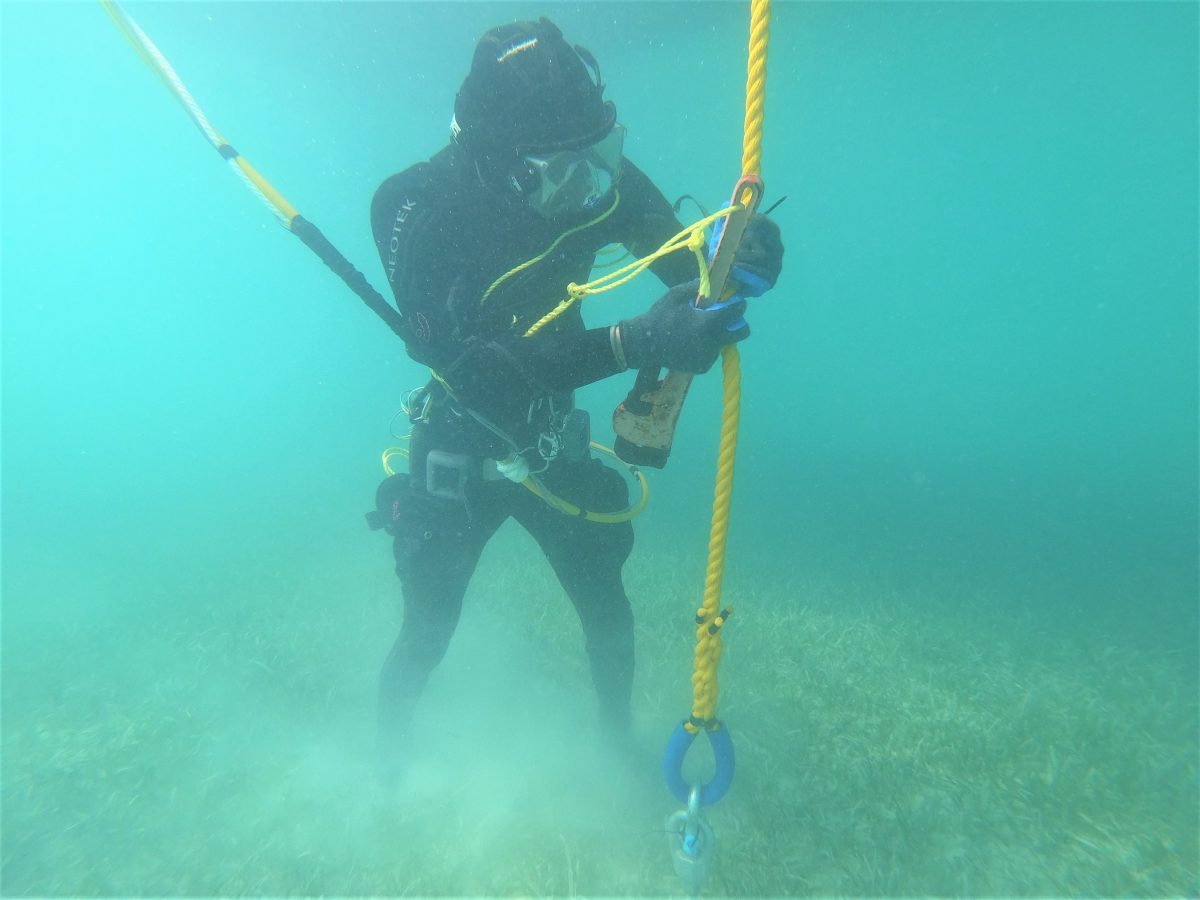
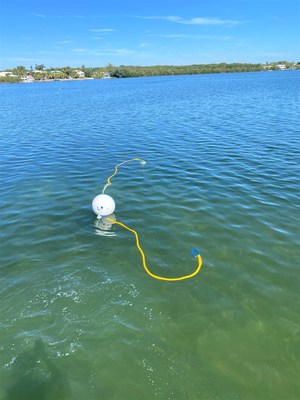
WINTER GARDEN, Fla., Feb. 24, 2021 /PRNewswire/ — Today Sea & Shoreline announced the completion of a coral reef protection effort at John Pennekamp Coral Reef State Park in Key Largo, Fla. Eighteen individual mooring buoys were installed, allowing boats and vessels to tie up to the buoys versus using anchoring methods that damage the reefs.

WINTER GARDEN, Fla., Feb. 24, 2021 /PRNewswire/ — Today Sea & Shoreline announced the completion of a coral reef protection effort at John Pennekamp Coral Reef State Park in Key Largo, Fla. Eighteen individual mooring buoys were installed, allowing boats and vessels to tie up to the buoys versus using anchoring methods that damage the reefs.

The project is a collaboration between Sea & Shoreline, John Pennekamp Coral Reef State Park, and Friends of John Pennekamp, a volunteer non-profit organization, all in an effort to support conservation and environmental enhancement.

«Coral reefs are some of the most valuable ecosystems on Earth. Not only do they provide food and protection for sea life, they also play an important role in the development of new medicines to treat cancer, arthritis and other viruses and diseases,» said Sea & Shoreline’s President Carter Henne. «By installing mooring buoys, it will decrease the dependency on coral reefs for anchoring purposes, allowing them to flourish.»

«We are thrilled to partner with Sea & Shoreline and our community on this effort to protect these fragile underwater communities and ensure their growth, survival and enjoyment for years to come,» said Ann Helmers, President of Friends of John Pennekamp. 

The Ocean Reef Conservation Association, Ocean Reef Club, Ocean Reef Community Association, and Ocean Reef’s Rod & Gun Club provided funding for the project. «Ocean Reef strives to be a good neighbor to our State and National Parks; the conservation effort ensures the natural environment surrounding us remains healthy and thriving,» said Jack Salisbury, the Association Chairman. «Our organization was eager to support Friends of Pennekamp’s initiative to preserve this park that so greatly enhances life for all visitors and residents of the Florida Keys.»

Since its inception in 2015, Sea & Shoreline’s unparalleled experience with scientifically validated methods of aquatic restoration has proven successful across more than 150 environmental projects. The company continues to be the industry leader in rehabilitating threatened and corrupted aquatic environments. Other current and upcoming projects include the restoration of nearly 50 acres of seagrass habitat within the Kings Bay Restoration Project in Crystal River, FL., a coral aquaculture nursery in Barbuda, creation of oyster reefs for the City of Naples, and seagrass restorations in the Indian River Lagoon and the Caloosahatchee River.

ABOUT SEA & SHORELINE
Sea & Shoreline, LLC is a Florida-based aquatic restoration firm with two decades of experience restoring fresh and saltwater habitats to healthy and self-sustaining ecosystems. Sea & Shoreline has completed over 150 habitat restoration projects. Services include dredging, seagrass, oyster reef, coral reef, and propeller scar restorations, living shorelines, vegetated retaining walls, wetland plantings, and seagrass mitigation banking. For more information, please visit seaandshoreline.com.

About Friends of John Pennekamp
The Friends of John Pennekamp and Dagny Johnson Key Largo Hammock Botanical State Park is a volunteer non-profit corporation supporting conservation and stewardship, and enhancing exceptional environmental, educational, and recreational experiences at John Pennekamp and Dagny Johnson State Parks. This is accomplished through events and activities, special work projects, outreach programs, educational activities and communications, and through fund raising activities such as memberships, donations, and grants to seek additional funds to augment the state parks’ existing funding to maintain, enhance, and expand the parks’ services to the public and the conservation of the natural areas of the two parks. For more information, please visit pennekampparkfirends.org.

Contact: Heather Herold
heather@seaandshoreline.com 
(321) 626-6760


Cision View original content to download multimedia:http://www.prnewswire.com/news-releases/sea–shoreline-is-protecting-coral-reef-habitats-with-buoy-installations-at-john-pennekamp-coral-reef-state-park-301234280.html

SOURCE Sea & Shoreline, LLC

La UE creará nuevas asociaciones europeas e invertirá casi 10 000 millones de euros en la transición ecológica y digital

La UE creará nuevas asociaciones europeas e invertirá casi 10 000 millones de euros en la transición ecológica y digital

La UE creará nuevas asociaciones europeas e invertirá casi 10 000 millones de euros en la transición ecológica y…


La UE creará nuevas asociaciones europeas e invertirá casi 10 000 millones de euros en la transición ecológica y digital

La UE creará nuevas asociaciones europeas e invertirá casi 10 000 millones de euros en la transición ecológica y digital

PR Newswire

BRUSELAS, 23 February 2021 /PRNewswire Policy/ — La Comisión propuso hoy crear diez nuevas asociaciones europeas con la Unión Europea, los Estados miembros y la industria entre los posibles participantes. El objetivo es doble: acelerar la transición hacia una Europa ecológica, climáticamente neutral y digital y hacer que la industria europea sea más resiliente y competitiva. La UE aportará casi 10 000 millones de euros, financiación a la que los socios deberán responder con una inversión como mínimo equivalente. Al combinar ambas contribuciones, se espera poder movilizar inversiones adicionales para las transiciones e incidir positivamente en el empleo, el medio ambiente y la sociedad a largo plazo.

Con esta propuesta de institucionalizar las asociaciones europeas se quiere mejorar la preparación y la respuesta de la UE ante las enfermedades infecciosas, desarrollar aviones con bajas emisiones para una aviación limpia, apoyar el uso de materias primas biológicas renovables para la generación de energía, asegurar el liderazgo europeo en tecnologías e infraestructuras digitales y hacer más competitivo el transporte ferroviario.

Las diez asociaciones, algunas basadas en empresas comunes ya existentes, son las siguientes:

Global Health EDCTP3 (asociación Europa – países en desarrollo sobre ensayos clínicos): asociación que aportará nuevas soluciones para reducir la carga de las enfermedades infecciosas en el África subsahariana y reforzará las capacidades de investigación. Se trata de estar preparados y de responder ante enfermedades infecciosas reemergentes tanto en esa región como en el resto del mundo. Su objetivo para 2030 es desarrollar y desplegar al menos dos nuevas tecnologías destinadas a hacer frente a las enfermedades infecciosas y apoyar a no menos de 100 institutos de investigación de 30 países para que desarrollen más tecnologías sanitarias contra las epidemias reemergentes.

Asociación europea para una sanidad innovadora: esta iniciativa contribuirá a crear un ecosistema de investigación e innovación sanitaria en toda la UE que hará más fácil plasmar los conocimientos científicos en innovaciones palpables. Abarcará la prevención, el diagnóstico, el tratamiento y la gestión de enfermedades. La iniciativa contribuirá a alcanzar los objetivos del Plan Europeo de Lucha contra el Cáncer, la nueva Estrategia Industrial para Europa y la Estrategia Farmacéutica para Europa.

Tecnologías digitales clave: contempla los componentes electrónicos, su diseño, fabricación e integración en los sistemas y los programas informáticos que definen su funcionamiento. El objetivo general es contribuir a la transformación digital en todos los sectores económicos y al Pacto Verde Europeo, así como apoyar la investigación y la innovación de cara a la próxima generación de microprocesadores. Unida a la Declaración sobre una iniciativa europea en materia de tecnologías de procesadores y semiconductores —suscrita por 20 Estados miembros—, a una futura alianza sobre microelectrónica y a un posible e importante nuevo proyecto de interés común europeo —que los Estados miembros debaten actualmente y cuyo objetivo será impulsar la innovación de ruptura—, esta nueva asociación contribuirá a impulsar la competitividad y la soberanía tecnológica de Europa. Más información aquí.

Europa circular de base biológica: esta asociación contribuirá significativamente a los objetivos climáticos de 2030 al allanar el camino para la neutralidad climática de aquí a 2050 y aumentará la sostenibilidad y circularidad de los sistemas de producción y consumo, en consonancia con el Pacto Verde Europeo. Se trata de desarrollar y ampliar el suministro y transformación sostenibles de la biomasa en bioproductos y apoyar el despliegue de la innovación de base biológica en el ámbito regional, para lo que se contará con la participación activa de los agentes locales con el objetivo de revitalizar las regiones rurales, costeras y periféricas.

Hidrógeno limpio: asociación que acelerará el desarrollo y despliegue de una cadena de valor europea para tecnologías de hidrógeno limpio que contribuyan a unos sistemas energéticos sostenibles, descarbonizados y plenamente integrados. Junto con la Alianza del Hidrógeno, contribuirá a alcanzar los objetivos de la Unión recogidos en su estrategia del hidrógeno para una Europa climáticamente neutra. Se centrará en la producción, distribución y almacenamiento de hidrógeno limpio y su suministro a sectores difíciles de descarbonizar, como las industrias pesadas y las aplicaciones de transporte pesado.

Aviación limpia: asociación que pone a la aviación en ruta hacia la neutralidad climática al acelerar el desarrollo y despliegue de soluciones disruptivas de investigación e innovación. Su objetivo es desarrollar la próxima generación de aviones ultraeficientes de bajas emisiones, con fuentes de energía, motores y sistemas novedosos, para mejorar la competitividad y el empleo en un sector de especial importancia para la recuperación.

El ferrocarril de Europa: esta asociación acelerará el desarrollo y despliegue de tecnologías innovadoras, sobre todo digitales y automatizadas, para transformar radicalmente el sistema ferroviario y alcanzar los objetivos del Pacto Verde Europeo. Al mejorar la competitividad, la iniciativa contribuirá al liderazgo tecnológico europeo en el sector.

Single European Sky ATM Research 3 (investigación sobre gestión del tráfico aéreo – Cielo Único Europeo): aquí el objetivo es acelerar la transformación tecnológica de la gestión del tráfico aéreo en Europa adaptándola a la era digital para hacer del espacio aéreo europeo el cielo más eficiente y respetuoso con el medio ambiente del mundo y contribuir a la competitividad y la recuperación del sector de la aviación europea tras la crisis del coronavirus.

Redes y servicios inteligentes: esta asociación contribuirá a la soberanía tecnológica en redes y servicios inteligentes siguiendo la nueva estrategia industrial para Europa, la nueva estrategia de ciberseguridad de la UE y la caja de herramientas sobre ciberseguridad de la 5G. Se trata de ayudar a resolver los retos sociales y posibilitar la transición digital y ecológica, además de apoyar aquellas tecnologías que contribuyan a la recuperación económica. También permitirá a los operadores europeos desarrollar las capacidades tecnológicas necesarias para los sistemas 6G como base para futuros servicios digitales de cara a 2030. Más información aquí.

Metrología: asociación cuyo objetivo es acelerar el liderazgo mundial de Europa en materia de investigación sobre metrología estableciendo redes europeas de metrología autosuficientes, capaces de apoyar y estimular nuevos productos innovadores, responder ante los retos sociales y hacer posible que se elaboren y apliquen con eficacia la legislación y las normas técnicas en que se apoyan las políticas públicas.

Declaraciones de los miembros del Colegio de Comisarios

Margrethe Vestager, vicepresidenta ejecutiva responsable de la cartera de una Europa Adaptada a la Era Digital: «En Europa, damos lo mejor de nosotros mismos cuando trabajamos juntos. Esto es de especial importancia a la hora de afrontar los retos de la transformación digital. Es algo que nos afecta a todos y no entiende de fronteras nacionales. Lo mismo que el cambio climático. Las asociaciones hoy propuestas movilizarán recursos para que podamos conjuntamente aprovechar al máximo las tecnologías digitales, sobre todo de cara a nuestra transición ecológica».

Mariya Gabriel, comisaria de Innovación, Investigación, Cultura, Educación y Juventud: «El reto de la pandemia de coronavirus acentúa la urgencia de nuestro constante afán por aprovechar más la investigación y la innovación para hacer frente a las emergencias sanitarias, el cambio climático y la transformación digital. Las asociaciones europeas son nuestra oportunidad de trabajar juntos para responder y dar forma a las profundas transformaciones económicas y sociales en beneficio de todos los ciudadanos de la UE».

Thierry Breton, comisario de Mercado Interior: «Invertir en innovación es invertir en nuestra capacidad de estar en la vanguardia de los avances tecnológicos y desarrollar capacidades estratégicas. Debemos aprovechar las oportunidades que ofrecen tecnologías clave en pleno desarrollo —como las de microprocesadores y semiconductores— para que Europa pueda situarse al frente de la innovación digital a escala planetaria. Estos nuevos enfoques conjuntos nos permitirán apoyar a nuestra industria para concretar nuestras ambiciones digitales y ecológicas».

Adina Vălean, comisaria de Transportes: «Las asociaciones de la UE desempeñarán un papel fundamental a la hora de impulsar la doble transición ecológica y digital en el sector de la movilidad y el transporte. Para que nuestras ambiciones se hagan realidad, hemos de desarrollar tecnologías disruptivas que introduzcan en el mercado buques y aeronaves de cero emisiones, hemos de desarrollar y desplegar una movilidad cooperativa, conectada y automatizada y hemos de posibilitar una gestión del tráfico más eficiente y moderna».

Próximas etapas

El Consejo de la Unión Europea, previa consulta al Parlamento Europeo y el Comité Económico y Social, adoptará la propuesta de Reglamento, acto de base único por el que se crean nueve empresas comunes basadas en el artículo 187 del Tratado de Funcionamiento de la Unión Europea (TFUE). A través de una Decisión del Parlamento Europeo y el Consejo, previa consulta al Comité Económico y Social, se adoptará la otra propuesta sobre la asociación en materia de metrología, basada en el artículo 185 del TFUE.

Contexto

Las asociaciones europeas son enfoques contemplados en Horizonte Europa, nuevo programa de investigación e innovación de la UE (2021-2027) cuyo objetivo es mejorar y acelerar el desarrollo y adopción de nuevas soluciones innovadoras en distintos sectores movilizando recursos tanto públicos como privados. Además, las asociaciones contribuirán a los objetivos del Pacto Verde Europeo y fortalecerán el Espacio Europeo de Investigación. Las asociaciones están abiertas a gran variedad de socios públicos y privados: industrias, universidades, organizaciones de investigación, organismos con misión de servicio público de ámbito local, regional, nacional o internacional y organizaciones de la sociedad civil, incluidas fundaciones y ONG.

Derechos de Autor Unión Europea, 1995-2021

SOURCE Comisión Europea

BRUSELAS, 23 February 2021 /PRNewswire Policy/ — La Comisión propuso hoy crear diez nuevas asociaciones europeas con la Unión Europea, los Estados miembros y la industria entre los posibles participantes. El objetivo es doble: acelerar la transición hacia una Europa ecológica, climáticamente neutral y digital y hacer que la industria europea sea más resiliente y competitiva. La UE aportará casi 10 000 millones de euros, financiación a la que los socios deberán responder con una inversión como mínimo equivalente. Al combinar ambas contribuciones, se espera poder movilizar inversiones adicionales para las transiciones e incidir positivamente en el empleo, el medio ambiente y la sociedad a largo plazo.

Con esta propuesta de institucionalizar las asociaciones europeas se quiere mejorar la preparación y la respuesta de la UE ante las enfermedades infecciosas, desarrollar aviones con bajas emisiones para una aviación limpia, apoyar el uso de materias primas biológicas renovables para la generación de energía, asegurar el liderazgo europeo en tecnologías e infraestructuras digitales y hacer más competitivo el transporte ferroviario.

Las diez asociaciones, algunas basadas en empresas comunes ya existentes, son las siguientes:

Global Health EDCTP3 (asociación Europa – países en desarrollo sobre ensayos clínicos): asociación que aportará nuevas soluciones para reducir la carga de las enfermedades infecciosas en el África subsahariana y reforzará las capacidades de investigación. Se trata de estar preparados y de responder ante enfermedades infecciosas reemergentes tanto en esa región como en el resto del mundo. Su objetivo para 2030 es desarrollar y desplegar al menos dos nuevas tecnologías destinadas a hacer frente a las enfermedades infecciosas y apoyar a no menos de 100 institutos de investigación de 30 países para que desarrollen más tecnologías sanitarias contra las epidemias reemergentes.

Asociación europea para una sanidad innovadora: esta iniciativa contribuirá a crear un ecosistema de investigación e innovación sanitaria en toda la UE que hará más fácil plasmar los conocimientos científicos en innovaciones palpables. Abarcará la prevención, el diagnóstico, el tratamiento y la gestión de enfermedades. La iniciativa contribuirá a alcanzar los objetivos del Plan Europeo de Lucha contra el Cáncer, la nueva Estrategia Industrial para Europa y la Estrategia Farmacéutica para Europa.

Tecnologías digitales clave: contempla los componentes electrónicos, su diseño, fabricación e integración en los sistemas y los programas informáticos que definen su funcionamiento. El objetivo general es contribuir a la transformación digital en todos los sectores económicos y al Pacto Verde Europeo, así como apoyar la investigación y la innovación de cara a la próxima generación de microprocesadores. Unida a la Declaración sobre una iniciativa europea en materia de tecnologías de procesadores y semiconductores —suscrita por 20 Estados miembros—, a una futura alianza sobre microelectrónica y a un posible e importante nuevo proyecto de interés común europeo —que los Estados miembros debaten actualmente y cuyo objetivo será impulsar la innovación de ruptura—, esta nueva asociación contribuirá a impulsar la competitividad y la soberanía tecnológica de Europa. Más información aquí.

Europa circular de base biológica: esta asociación contribuirá significativamente a los objetivos climáticos de 2030 al allanar el camino para la neutralidad climática de aquí a 2050 y aumentará la sostenibilidad y circularidad de los sistemas de producción y consumo, en consonancia con el Pacto Verde Europeo. Se trata de desarrollar y ampliar el suministro y transformación sostenibles de la biomasa en bioproductos y apoyar el despliegue de la innovación de base biológica en el ámbito regional, para lo que se contará con la participación activa de los agentes locales con el objetivo de revitalizar las regiones rurales, costeras y periféricas.

Hidrógeno limpio: asociación que acelerará el desarrollo y despliegue de una cadena de valor europea para tecnologías de hidrógeno limpio que contribuyan a unos sistemas energéticos sostenibles, descarbonizados y plenamente integrados. Junto con la Alianza del Hidrógeno, contribuirá a alcanzar los objetivos de la Unión recogidos en su estrategia del hidrógeno para una Europa climáticamente neutra. Se centrará en la producción, distribución y almacenamiento de hidrógeno limpio y su suministro a sectores difíciles de descarbonizar, como las industrias pesadas y las aplicaciones de transporte pesado.

Aviación limpia: asociación que pone a la aviación en ruta hacia la neutralidad climática al acelerar el desarrollo y despliegue de soluciones disruptivas de investigación e innovación. Su objetivo es desarrollar la próxima generación de aviones ultraeficientes de bajas emisiones, con fuentes de energía, motores y sistemas novedosos, para mejorar la competitividad y el empleo en un sector de especial importancia para la recuperación.

El ferrocarril de Europa: esta asociación acelerará el desarrollo y despliegue de tecnologías innovadoras, sobre todo digitales y automatizadas, para transformar radicalmente el sistema ferroviario y alcanzar los objetivos del Pacto Verde Europeo. Al mejorar la competitividad, la iniciativa contribuirá al liderazgo tecnológico europeo en el sector.

Single European Sky ATM Research 3 (investigación sobre gestión del tráfico aéreo – Cielo Único Europeo): aquí el objetivo es acelerar la transformación tecnológica de la gestión del tráfico aéreo en Europa adaptándola a la era digital para hacer del espacio aéreo europeo el cielo más eficiente y respetuoso con el medio ambiente del mundo y contribuir a la competitividad y la recuperación del sector de la aviación europea tras la crisis del coronavirus.

Redes y servicios inteligentes: esta asociación contribuirá a la soberanía tecnológica en redes y servicios inteligentes siguiendo la nueva estrategia industrial para Europa, la nueva estrategia de ciberseguridad de la UE y la caja de herramientas sobre ciberseguridad de la 5G. Se trata de ayudar a resolver los retos sociales y posibilitar la transición digital y ecológica, además de apoyar aquellas tecnologías que contribuyan a la recuperación económica. También permitirá a los operadores europeos desarrollar las capacidades tecnológicas necesarias para los sistemas 6G como base para futuros servicios digitales de cara a 2030. Más información aquí.

Metrología: asociación cuyo objetivo es acelerar el liderazgo mundial de Europa en materia de investigación sobre metrología estableciendo redes europeas de metrología autosuficientes, capaces de apoyar y estimular nuevos productos innovadores, responder ante los retos sociales y hacer posible que se elaboren y apliquen con eficacia la legislación y las normas técnicas en que se apoyan las políticas públicas.

Declaraciones de los miembros del Colegio de Comisarios

Margrethe Vestager, vicepresidenta ejecutiva responsable de la cartera de una Europa Adaptada a la Era Digital: «En Europa, damos lo mejor de nosotros mismos cuando trabajamos juntos. Esto es de especial importancia a la hora de afrontar los retos de la transformación digital. Es algo que nos afecta a todos y no entiende de fronteras nacionales. Lo mismo que el cambio climático. Las asociaciones hoy propuestas movilizarán recursos para que podamos conjuntamente aprovechar al máximo las tecnologías digitales, sobre todo de cara a nuestra transición ecológica».

Mariya Gabriel, comisaria de Innovación, Investigación, Cultura, Educación y Juventud: «El reto de la pandemia de coronavirus acentúa la urgencia de nuestro constante afán por aprovechar más la investigación y la innovación para hacer frente a las emergencias sanitarias, el cambio climático y la transformación digital. Las asociaciones europeas son nuestra oportunidad de trabajar juntos para responder y dar forma a las profundas transformaciones económicas y sociales en beneficio de todos los ciudadanos de la UE».

Thierry Breton, comisario de Mercado Interior: «Invertir en innovación es invertir en nuestra capacidad de estar en la vanguardia de los avances tecnológicos y desarrollar capacidades estratégicas. Debemos aprovechar las oportunidades que ofrecen tecnologías clave en pleno desarrollo —como las de microprocesadores y semiconductores— para que Europa pueda situarse al frente de la innovación digital a escala planetaria. Estos nuevos enfoques conjuntos nos permitirán apoyar a nuestra industria para concretar nuestras ambiciones digitales y ecológicas».

Adina Vălean, comisaria de Transportes: «Las asociaciones de la UE desempeñarán un papel fundamental a la hora de impulsar la doble transición ecológica y digital en el sector de la movilidad y el transporte. Para que nuestras ambiciones se hagan realidad, hemos de desarrollar tecnologías disruptivas que introduzcan en el mercado buques y aeronaves de cero emisiones, hemos de desarrollar y desplegar una movilidad cooperativa, conectada y automatizada y hemos de posibilitar una gestión del tráfico más eficiente y moderna».

Próximas etapas

El Consejo de la Unión Europea, previa consulta al Parlamento Europeo y el Comité Económico y Social, adoptará la propuesta de Reglamento, acto de base único por el que se crean nueve empresas comunes basadas en el artículo 187 del Tratado de Funcionamiento de la Unión Europea (TFUE). A través de una Decisión del Parlamento Europeo y el Consejo, previa consulta al Comité Económico y Social, se adoptará la otra propuesta sobre la asociación en materia de metrología, basada en el artículo 185 del TFUE.

Contexto

Las asociaciones europeas son enfoques contemplados en Horizonte Europa, nuevo programa de investigación e innovación de la UE (2021-2027) cuyo objetivo es mejorar y acelerar el desarrollo y adopción de nuevas soluciones innovadoras en distintos sectores movilizando recursos tanto públicos como privados. Además, las asociaciones contribuirán a los objetivos del Pacto Verde Europeo y fortalecerán el Espacio Europeo de Investigación. Las asociaciones están abiertas a gran variedad de socios públicos y privados: industrias, universidades, organizaciones de investigación, organismos con misión de servicio público de ámbito local, regional, nacional o internacional y organizaciones de la sociedad civil, incluidas fundaciones y ONG.

Derechos de Autor Unión Europea, 1995-2021

SOURCE Comisión Europea

After Hardware Shipments Drop 28% in 2020, Automakers Look to Niche Applications for the Aftermarket’s Lifeline

LONDON, Feb. 24, 2021 /PRNewswire/ — Sales and revenues in the aftermarket for automotive applications have been threatened by almost ubiquitous OEM embedded systems, free smartphone applications that replace automotive hardware (e.g., Waze), and inadequate retail strategies. After a drop of 28% in 2020, fostered by the COVIID-19 pandemic, aftermarket hardware shipments will grow by only 12% until 2026, finds global tech market advisory firm ABI Research.

<div…

LONDON, Feb. 24, 2021 /PRNewswire/ — Sales and revenues in the aftermarket for automotive applications have been threatened by almost ubiquitous OEM embedded systems, free smartphone applications that replace automotive hardware (e.g., Waze), and inadequate retail strategies. After a drop of 28% in 2020, fostered by the COVIID-19 pandemic, aftermarket hardware shipments will grow by only 12% until 2026, finds global tech market advisory firm ABI Research.

ABI Research www.abiresearch.com

«The aftermarket landscape is undergoing a transformation. Multi-application devices struggle to deliver value to the consumer and are dying out, giving place to low cost dedicated hardware that fulfills niche customer requirements not addressed by OEM embedded systems or smartphones. Naturally, niche applications have a lower market opportunity. Thus, the aftermarket will experience market shrinking in the coming years, with more favorable circumstances in emerging economies,» explains Maire Bezerra, Smart Mobility & Automotive Research Analyst at ABI Research. «With the dire projections, a portion of the market will stop shipping hardware to become Telematics Service Providers (TSPs) instead, specializing in data crowdsourcing and selling data to B2B players via data marketplaces, especially in Europe with the Extended Vehicle Concept.»

Stolen vehicle tracking solutions, which accounted for 51% of aftermarket connections in 2020, vary from vehicle recovery related services only, coupled with other telematics services, or associated with an insurance policy. They have the highest adoption among all aftermarket connected car applications and are perfectly suited for countries with a unique combination of a growing economy and high theft rates, such as Brazil. The application is expected to reach 88 million subscriptions by 2026.

Consumer infotainment devices accounted for 32% of all aftermarket subscriptions and all aftermarket shipments in 2020. Unlike UBI and stolen vehicle trackers, these solutions are mostly sold via MNOs channels, such as AT&T, T-Mobile, and Verizon, and are easier to sell as they can be integrated into existing clients’ data plans for a small monthly added cost. Nevertheless, shipments are in decline due to the increase in smartphone apps and embedded systems. 

Insurance telematics made 17% of all aftermarket connected vehicle subscriptions in 2020, with a flat growth from 2019. A timid and steady rise will perpetuate in the next years because the UBI segment is yet to achieve maturity. While TSPs such as Octo Telematics and IMS use their data analytics expertise to offer insurers tools to improve driver behavior, insurers’ business models lack the required level of customer engagement to secure customer loyalty, resulting in unsatisfactory ROI.

Despite the challenges, there are opportunities in the aftermarket, especially concerning data monetization. There is a consensus that valuable driving and driver data generated from diverse data collection methods are not being used to its full potential to generate new revenue streams. Apart from notable examples such as Arity, most TSPs and insurers are still very traditional and lack the marketing approach required to create solid business models. «The transformation of the data collected into actionable knowledge that delivers value to the final consumer or increases profit, such as accurate customer churn prediction or data-driving cross-selling, is the main industry challenge. Moreover, dedicated solutions for underserved players in the value chain, such as keyless services for dealers that enable contactless test drives of vehicles pre-selected online, are a profit-making opportunity,» Bezzera concludes.

(Sample: These findings are from ABI Research’s Automotive Aftermarket Technologies and Business Models application analysis report. This report is part of the company’s Smart Mobility & Automotive research service, which includes research, data, and analyst insights. Based on extensive primary interviews, Application Analysis reports present in-depth analysis on key market trends and factors for a specific technology.

About ABI Research
ABI Research provides strategic guidance to visionaries, delivering actionable intelligence on the transformative technologies that are dramatically reshaping industries, economies, and workforces across the world. ABI Research’s global team of analysts publish groundbreaking studies often years ahead of other technology advisory firms, empowering our clients to stay ahead of their markets and their competitors. 

ABI Research提供开创性的研究和战略指导,帮助客户了解日新月异的技术。 自1990年以来,我们已与全球数百个领先的技术品牌,尖端公司,具有远见的政府机构以及创新的贸易团体建立了合作关系。 我们帮助客户创造真实的业务成果。 

For more information about ABI Research’s services, contact us at +1.516.624.2500 in the Americas, +44.203.326.0140 in Europe, +65.6592.0290 in Asia-Pacific or visit www.abiresearch.com.

Contact Info

Global  
Deborah Petrara
Tel: +1.516.624.2558
pr@abiresearch.com

Logo – https://mma.prnewswire.com/media/276887/abi_research_logo.jpg