¿Cómo se ha reinventado el sector cultural del Caribe durante la pandemia de coronavirus?

¿Cómo se ha reinventado el sector cultural del Caribe durante la pandemia de coronavirus?

¿Cómo se ha reinventado el sector cultural del Caribe durante la pandemia de coronavirus?

PR Newswire

<p…


¿Cómo se ha reinventado el sector cultural del Caribe durante la pandemia de coronavirus?

¿Cómo se ha reinventado el sector cultural del Caribe durante la pandemia de coronavirus?

PR Newswire

NUEVA YORK, 04 September 2020 /PRNewswire Policy/ — Para la cantante y compositora cubana Eme Alfonso el 2020 prometía ser un año de gloria. Había trabajado duro en 2019 para preparar lo que debía ser un tiempo de recoger el fruto de meses de esfuerzo.

“¡Iba a hacer muchos conciertos en vivo, muchas giras, muchos festivales! Así de un día para otro, después invertir tanto tiempo y esfuerzo llegó la COVID-19. Nada de conciertos nada de giras, nada de viajes, cero trabajo. No tenía un plan B.”

Alfonso, quien es una de las voces abanderadas de la World Music en Cuba, sintió que los efectos trascendían el plano estrictamente profesional. “Fue duro entender lo que estaba pasando, que iba a durar mucho más tiempo de lo que se imaginaba y que era mucho más serio de lo que se pensaba…”

Un problema de impacto global

Como para Eme, la llegada de la COVID significó un golpe para artistas de todo el mundo. El impacto en la producción, distribución y consumo de los bienes culturales ha tenido efectos en la economía creativa y ha revelado el verdadero valor de la cultura para la humanidad.

“…la gente necesita la cultura ahora más que nunca. La cultura nos hace resilientes, nos da esperanza, nos recuerda que no estamos solos”, afirmaba en abril de este año, Ernesto Ottone, subdirector general de cultura de la Organización de las Naciones Unidas para la Educación, la Ciencia y la Cultura (UNESCO).

Pero los efectos de la Covid-19 sobre la cultura trascienden el valor simbólico. Por citar dos ejemplos, las pérdidas en la industria cinematográfica registradas hasta mayo ascendían a 10.000 millones de dólares estadounidenses; mientras que el impacto en el sector turístico no es menor, pues el 40% de los ingresos del turismo en el mundo corresponden al turismo cultural, según cifras publicadas en el semanario Cultura y COVID-19 de la UNESCO.

La pandemia causada por la enfermedad sacude también las bases de la cultura. En la República Dominicana, la muerte de Jesús Minier, uno de los principales portadores de las tradiciones de la Cofradía del Espíritu Santo de los Congos de Villa Mella hizo sonar las alertas sobre la pérdida física de ancianos de grupos originarios y cofradías, a causa de la enfermedad.

Los efectos han alcanzado toda la pirámide de producción cultural y para enfrentar la crisis los artistas han acudido a su arsenal de resiliencia y creatividad.

Cooperación e innovación para tejer respuestas desde la cultura

Los meses de confinamiento han mostrado el poder de la cultura para sanar y calmar ansiedades. Creadores y público han encontrado alternativas para continuar conectados aun medio de esta situación

A mediados de julio, los seguidores en redes sociales del Festival Havana World Music (HWM) fueron partícipes, desde sus casas, de la VI edición del concurso musical Primera Base dedicado a artistas emergentes, que auspicia ese Festival, creado y organizado por Eme Alfonso.

Días después, la mundialmente conocida cantante cubana Daymée Arocena dedicaba su show radial mensual en Worldwide FM a las bandas y DJs triunfadores del concurso.

La cooperación entre artistas a través de plataformas online ha sido, precisamente, una de las formas encontradas para reinventar la creación y circulación de la producción artística.

Al intervenir en una reunión online de Ministros de Cultura, convocada por la UNESCO en abril de este año, el titular cubano aseguró que «asistimos a un verdadero renacimiento de la creación y la participación solidaria», al referirse a esas redes de cooperación que han emergido. Destacó los conciertos online, los recitales de poesía vía internet y las donaciones de libros a hospitales y centros de aislamiento, entre otras iniciativas desplegadas para suplir la necesidad de acceso a la creación artística y asegurar la vitalidad de la cultura.

El movimiento ResiliArt en el futuro los artistas y su obra

El pasado 15 de abril la UNESCO lanzó el movimiento ResiliArt, una serie de debates en línea que han convocado a profesionales del sector cultural en todo el mundo para reflexionar sobre las respuestas que han emergido para mantener la cultura viva, de manera sostenible durante la actual crisis sanitaria.

“El impacto del COVID-19 sobre toda la cadena de valor cultural será duradero en la economía creativa

SOURCE Centro de Noticias ONU

NUEVA YORK, 04 September 2020 /PRNewswire Policy/ — Para la cantante y compositora cubana Eme Alfonso el 2020 prometía ser un año de gloria. Había trabajado duro en 2019 para preparar lo que debía ser un tiempo de recoger el fruto de meses de esfuerzo.

“¡Iba a hacer muchos conciertos en vivo, muchas giras, muchos festivales! Así de un día para otro, después invertir tanto tiempo y esfuerzo llegó la COVID-19. Nada de conciertos nada de giras, nada de viajes, cero trabajo. No tenía un plan B.”

Alfonso, quien es una de las voces abanderadas de la World Music en Cuba, sintió que los efectos trascendían el plano estrictamente profesional. “Fue duro entender lo que estaba pasando, que iba a durar mucho más tiempo de lo que se imaginaba y que era mucho más serio de lo que se pensaba…”

Un problema de impacto global

Como para Eme, la llegada de la COVID significó un golpe para artistas de todo el mundo. El impacto en la producción, distribución y consumo de los bienes culturales ha tenido efectos en la economía creativa y ha revelado el verdadero valor de la cultura para la humanidad.

“…la gente necesita la cultura ahora más que nunca. La cultura nos hace resilientes, nos da esperanza, nos recuerda que no estamos solos”, afirmaba en abril de este año, Ernesto Ottone, subdirector general de cultura de la Organización de las Naciones Unidas para la Educación, la Ciencia y la Cultura (UNESCO).

Pero los efectos de la Covid-19 sobre la cultura trascienden el valor simbólico. Por citar dos ejemplos, las pérdidas en la industria cinematográfica registradas hasta mayo ascendían a 10.000 millones de dólares estadounidenses; mientras que el impacto en el sector turístico no es menor, pues el 40% de los ingresos del turismo en el mundo corresponden al turismo cultural, según cifras publicadas en el semanario Cultura y COVID-19 de la UNESCO.

La pandemia causada por la enfermedad sacude también las bases de la cultura. En la República Dominicana, la muerte de Jesús Minier, uno de los principales portadores de las tradiciones de la Cofradía del Espíritu Santo de los Congos de Villa Mella hizo sonar las alertas sobre la pérdida física de ancianos de grupos originarios y cofradías, a causa de la enfermedad.

Los efectos han alcanzado toda la pirámide de producción cultural y para enfrentar la crisis los artistas han acudido a su arsenal de resiliencia y creatividad.

Cooperación e innovación para tejer respuestas desde la cultura

Los meses de confinamiento han mostrado el poder de la cultura para sanar y calmar ansiedades. Creadores y público han encontrado alternativas para continuar conectados aun medio de esta situación

A mediados de julio, los seguidores en redes sociales del Festival Havana World Music (HWM) fueron partícipes, desde sus casas, de la VI edición del concurso musical Primera Base dedicado a artistas emergentes, que auspicia ese Festival, creado y organizado por Eme Alfonso.

Días después, la mundialmente conocida cantante cubana Daymée Arocena dedicaba su show radial mensual en Worldwide FM a las bandas y DJs triunfadores del concurso.

La cooperación entre artistas a través de plataformas online ha sido, precisamente, una de las formas encontradas para reinventar la creación y circulación de la producción artística.

Al intervenir en una reunión online de Ministros de Cultura, convocada por la UNESCO en abril de este año, el titular cubano aseguró que «asistimos a un verdadero renacimiento de la creación y la participación solidaria», al referirse a esas redes de cooperación que han emergido. Destacó los conciertos online, los recitales de poesía vía internet y las donaciones de libros a hospitales y centros de aislamiento, entre otras iniciativas desplegadas para suplir la necesidad de acceso a la creación artística y asegurar la vitalidad de la cultura.

El movimiento ResiliArt en el futuro los artistas y su obra

El pasado 15 de abril la UNESCO lanzó el movimiento ResiliArt, una serie de debates en línea que han convocado a profesionales del sector cultural en todo el mundo para reflexionar sobre las respuestas que han emergido para mantener la cultura viva, de manera sostenible durante la actual crisis sanitaria.

“El impacto del COVID-19 sobre toda la cadena de valor cultural será duradero en la economía creativa

SOURCE Centro de Noticias ONU

¿Cómo se ha reinventado el sector cultural del Caribe durante la pandemia de coronavirus?


¿Cómo se ha reinventado el sector cultural del Caribe durante la pandemia de coronavirus?

¿Cómo se ha reinventado el sector cultural del Caribe durante la pandemia de coronavirus?

PR Newswire


¿Cómo se ha reinventado el sector cultural del Caribe durante la pandemia de coronavirus?

¿Cómo se ha reinventado el sector cultural del Caribe durante la pandemia de coronavirus?

PR Newswire

NUEVA YORK, 04 September 2020 /PRNewswire Policy/ — Para la cantante y compositora cubana Eme Alfonso el 2020 prometía ser un año de gloria. Había trabajado duro en 2019 para preparar lo que debía ser un tiempo de recoger el fruto de meses de esfuerzo.

“¡Iba a hacer muchos conciertos en vivo, muchas giras, muchos festivales! Así de un día para otro, después invertir tanto tiempo y esfuerzo llegó la COVID-19. Nada de conciertos nada de giras, nada de viajes, cero trabajo. No tenía un plan B.”

Alfonso, quien es una de las voces abanderadas de la World Music en Cuba, sintió que los efectos trascendían el plano estrictamente profesional. “Fue duro entender lo que estaba pasando, que iba a durar mucho más tiempo de lo que se imaginaba y que era mucho más serio de lo que se pensaba…”

Un problema de impacto global

Como para Eme, la llegada de la COVID significó un golpe para artistas de todo el mundo. El impacto en la producción, distribución y consumo de los bienes culturales ha tenido efectos en la economía creativa y ha revelado el verdadero valor de la cultura para la humanidad.

“…la gente necesita la cultura ahora más que nunca. La cultura nos hace resilientes, nos da esperanza, nos recuerda que no estamos solos”, afirmaba en abril de este año, Ernesto Ottone, subdirector general de cultura de la Organización de las Naciones Unidas para la Educación, la Ciencia y la Cultura (UNESCO).

Pero los efectos de la Covid-19 sobre la cultura trascienden el valor simbólico. Por citar dos ejemplos, las pérdidas en la industria cinematográfica registradas hasta mayo ascendían a 10.000 millones de dólares estadounidenses; mientras que el impacto en el sector turístico no es menor, pues el 40% de los ingresos del turismo en el mundo corresponden al turismo cultural, según cifras publicadas en el semanario Cultura y COVID-19 de la UNESCO.

La pandemia causada por la enfermedad sacude también las bases de la cultura. En la República Dominicana, la muerte de Jesús Minier, uno de los principales portadores de las tradiciones de la Cofradía del Espíritu Santo de los Congos de Villa Mella hizo sonar las alertas sobre la pérdida física de ancianos de grupos originarios y cofradías, a causa de la enfermedad.

Los efectos han alcanzado toda la pirámide de producción cultural y para enfrentar la crisis los artistas han acudido a su arsenal de resiliencia y creatividad.

Cooperación e innovación para tejer respuestas desde la cultura

Los meses de confinamiento han mostrado el poder de la cultura para sanar y calmar ansiedades. Creadores y público han encontrado alternativas para continuar conectados aun medio de esta situación

A mediados de julio, los seguidores en redes sociales del Festival Havana World Music (HWM) fueron partícipes, desde sus casas, de la VI edición del concurso musical Primera Base dedicado a artistas emergentes, que auspicia ese Festival, creado y organizado por Eme Alfonso.

Días después, la mundialmente conocida cantante cubana Daymée Arocena dedicaba su show radial mensual en Worldwide FM a las bandas y DJs triunfadores del concurso.

La cooperación entre artistas a través de plataformas online ha sido, precisamente, una de las formas encontradas para reinventar la creación y circulación de la producción artística.

Al intervenir en una reunión online de Ministros de Cultura, convocada por la UNESCO en abril de este año, el titular cubano aseguró que «asistimos a un verdadero renacimiento de la creación y la participación solidaria», al referirse a esas redes de cooperación que han emergido. Destacó los conciertos online, los recitales de poesía vía internet y las donaciones de libros a hospitales y centros de aislamiento, entre otras iniciativas desplegadas para suplir la necesidad de acceso a la creación artística y asegurar la vitalidad de la cultura.

El movimiento ResiliArt en el futuro los artistas y su obra

El pasado 15 de abril la UNESCO lanzó el movimiento ResiliArt, una serie de debates en línea que han convocado a profesionales del sector cultural en todo el mundo para reflexionar sobre las respuestas que han emergido para mantener la cultura viva, de manera sostenible durante la actual crisis sanitaria.

“El impacto del COVID-19 sobre toda la cadena de valor cultural será duradero en la economía creativa

SOURCE Centro de Noticias ONU

NUEVA YORK, 04 September 2020 /PRNewswire Policy/ — Para la cantante y compositora cubana Eme Alfonso el 2020 prometía ser un año de gloria. Había trabajado duro en 2019 para preparar lo que debía ser un tiempo de recoger el fruto de meses de esfuerzo.

“¡Iba a hacer muchos conciertos en vivo, muchas giras, muchos festivales! Así de un día para otro, después invertir tanto tiempo y esfuerzo llegó la COVID-19. Nada de conciertos nada de giras, nada de viajes, cero trabajo. No tenía un plan B.”

Alfonso, quien es una de las voces abanderadas de la World Music en Cuba, sintió que los efectos trascendían el plano estrictamente profesional. “Fue duro entender lo que estaba pasando, que iba a durar mucho más tiempo de lo que se imaginaba y que era mucho más serio de lo que se pensaba…”

Un problema de impacto global

Como para Eme, la llegada de la COVID significó un golpe para artistas de todo el mundo. El impacto en la producción, distribución y consumo de los bienes culturales ha tenido efectos en la economía creativa y ha revelado el verdadero valor de la cultura para la humanidad.

“…la gente necesita la cultura ahora más que nunca. La cultura nos hace resilientes, nos da esperanza, nos recuerda que no estamos solos”, afirmaba en abril de este año, Ernesto Ottone, subdirector general de cultura de la Organización de las Naciones Unidas para la Educación, la Ciencia y la Cultura (UNESCO).

Pero los efectos de la Covid-19 sobre la cultura trascienden el valor simbólico. Por citar dos ejemplos, las pérdidas en la industria cinematográfica registradas hasta mayo ascendían a 10.000 millones de dólares estadounidenses; mientras que el impacto en el sector turístico no es menor, pues el 40% de los ingresos del turismo en el mundo corresponden al turismo cultural, según cifras publicadas en el semanario Cultura y COVID-19 de la UNESCO.

La pandemia causada por la enfermedad sacude también las bases de la cultura. En la República Dominicana, la muerte de Jesús Minier, uno de los principales portadores de las tradiciones de la Cofradía del Espíritu Santo de los Congos de Villa Mella hizo sonar las alertas sobre la pérdida física de ancianos de grupos originarios y cofradías, a causa de la enfermedad.

Los efectos han alcanzado toda la pirámide de producción cultural y para enfrentar la crisis los artistas han acudido a su arsenal de resiliencia y creatividad.

Cooperación e innovación para tejer respuestas desde la cultura

Los meses de confinamiento han mostrado el poder de la cultura para sanar y calmar ansiedades. Creadores y público han encontrado alternativas para continuar conectados aun medio de esta situación

A mediados de julio, los seguidores en redes sociales del Festival Havana World Music (HWM) fueron partícipes, desde sus casas, de la VI edición del concurso musical Primera Base dedicado a artistas emergentes, que auspicia ese Festival, creado y organizado por Eme Alfonso.

Días después, la mundialmente conocida cantante cubana Daymée Arocena dedicaba su show radial mensual en Worldwide FM a las bandas y DJs triunfadores del concurso.

La cooperación entre artistas a través de plataformas online ha sido, precisamente, una de las formas encontradas para reinventar la creación y circulación de la producción artística.

Al intervenir en una reunión online de Ministros de Cultura, convocada por la UNESCO en abril de este año, el titular cubano aseguró que «asistimos a un verdadero renacimiento de la creación y la participación solidaria», al referirse a esas redes de cooperación que han emergido. Destacó los conciertos online, los recitales de poesía vía internet y las donaciones de libros a hospitales y centros de aislamiento, entre otras iniciativas desplegadas para suplir la necesidad de acceso a la creación artística y asegurar la vitalidad de la cultura.

El movimiento ResiliArt en el futuro los artistas y su obra

El pasado 15 de abril la UNESCO lanzó el movimiento ResiliArt, una serie de debates en línea que han convocado a profesionales del sector cultural en todo el mundo para reflexionar sobre las respuestas que han emergido para mantener la cultura viva, de manera sostenible durante la actual crisis sanitaria.

“El impacto del COVID-19 sobre toda la cadena de valor cultural será duradero en la economía creativa

SOURCE Centro de Noticias ONU

Sandals South Coast Unveils New Design Plans, Marking A New Era Of Innovation

MONTEGO BAY, Jamaica, Sept. 5, 2020 /PRNewswire/ — Sandals Resorts International, the world’s leading all-inclusive company, is proud to unveil the design plans of a multi-million-dollar renovation at their picturesque Jamaican oasis, Sandals South Coast. Set to debut this December, guests can expect a new era for the resort company with…

MONTEGO BAY, Jamaica, Sept. 5, 2020 /PRNewswire/ — Sandals Resorts International, the world’s leading all-inclusive company, is proud to unveil the design plans of a multi-million-dollar renovation at their picturesque Jamaican oasis, Sandals South Coast. Set to debut this December, guests can expect a new era for the resort company with the addition of the world’s first-ever Swim-up Rondoval™ Suites, positioned on a 17,040 sq. ft. pool oasis. Guests will also revel in a completely reimagined 112-room Dutch Village with direct access to two new expansive swim-up pools. A modern lush wedding venue is being added to adorn the garden in the resorts Italian Village.

Having first introduced the cutting-edge Rondoval design at Sandals Grande Antigua, followed by Sandals Grande St. Lucian, Sandals Grenada and Sandals Royal Barbados, Sandals South Coast will now set another milestone with the first-ever Swim-Up Rondoval Suites. Designed to be a luxurious haven tucked away from the world’s path, the 20 Swim-up Rondoval Suites will measure an impressive 22 feet in diameter with 20-foot conical ceilings. Bringing guests closer to the water than ever before, the suites in the round will feature private plunge pools ornamented with Italian glass-clad fountains and Indonesian limestone. Hallmarks of the innovation include access to a zero-entry 17,040 sq. ft. pool, the longest pool in the Western Hemisphere, a scalloped Tranquility Soaking Tub™ for two and a cozy indoor wicker swing with scenic outdoor views. Furnishings will be custom-made from across the globe, bathrooms will boast a suspended stone vanity with a Hollywood lit mirror, and outdoors, contemporary lounge furnishings will complete the private coral sundeck. Couples will enjoy the attentive pampering of a personal butler, trained by the Guild of Professional English Butlers, offering complete exclusivity throughout their stay.

Further exceeding expectations of next-generation leisure travelers, the resort’s Dutch Village will undergo a complete renovation setting the scene for modern relaxation inspired by the sea. The fully reimagined suites will be a nod to the water’s natural beauty with a light blue and neutral color scheme. The 112-room village – comprised of 16 Butler Elite suites and 96 Club and Luxury Level rooms will include indoor free-standing tubs and showers, outdoor Tranquility Soaking Tubs™ for two, and swim-up access from a private pool for select categories.

«Sandals South Coast is one of the most beautiful destinations in the uncharted land of Jamaica,» stated Gordon «Butch» Stewart, Chairman of Sandals Resorts. «Our goal is to exceed expectations time and time again, and the new Sandals South Coast will do that and more. The resort which is nestled within a lush 500-acre nature preserve, along crystal blue waters was our inspiration for this incredibly expansive project. We can’t wait for our guests to experience these new, luxurious innovations.» Stewart continued.

These enhancements will join the resort’s already cutting-edge architectural design features, such as the lavish Over-the-Water Bungalows, Over-the-Water Serenity Wedding Chapel, and an overwater bar offering 360-degree views of the ocean.

Sandals South Coast will reopen on October 1, 2020. The new Swim-Up Rondoval Suites and renovated Dutch Village suites are now accepting reservations for arrivals beginning December 10, 2020. To book your next Luxury Included® vacation in one of these captivating suites, visit: https://www.sandals.com/south-coast/

Sandals Resorts:

Sandals Resorts offers two people in love the most romantic, Luxury Included® vacation experience in the Caribbean. With 15 stunning beachfront settings in Jamaica, Antigua, Saint Lucia, The Bahamas, Barbados, and Grenada, Sandals Resorts offers more quality inclusions than any other resort company on the planet. Signature Love Nest Butler Suites® for the ultimate in privacy and service; butlers trained by the Guild of Professional English Butlers; Red Lane Spa®; 5-Star Global Gourmet™ dining, ensuring top-shelf liquor, premium wines, and gourmet specialty restaurants; Aqua Centers with expert PADI® certification and training; fast Wi-Fi from beach to bedroom and Sandals Customizable Weddings are all Sandals Resorts exclusives. Sandals Resorts guarantees guests peace of mind from arrival to departure with the Sandals Platinum Protocols of Cleanliness, the company’s enhanced health and safety measures designed to give guests the utmost confidence when vacationing in the Caribbean. Sandals Resorts is part of family-owned Sandals Resorts International (SRI), which includes Beaches Resorts and is the Caribbean’s leading all-inclusive resort company. For more information about the Sandals Resorts Luxury Included® difference, visit www.sandals.com.


Cision View original content to download multimedia:http://www.prnewswire.com/news-releases/sandals-south-coast-unveils-new-design-plans-marking-a-new-era-of-innovation-301124817.html

SOURCE Sandals Resorts International

Insights on the Airline Ancillary Services Global Market to 2027 – Featuring Alaska Airlines, American Airlines & Delta Among Others

DUBLIN, Sept. 4, 2020 /PRNewswire/ — The «Airline Ancillary Services – Global Market Trajectory & Analytics»

DUBLIN, Sept. 4, 2020 /PRNewswire/ — The «Airline Ancillary Services – Global Market Trajectory & Analytics» report has been added to ResearchAndMarkets.com’s

Research and Markets Logo

The publisher brings years of research experience to the 9th edition of our report. The 188-page report presents concise insights into how the pandemic has impacted production and the buy side for 2020 and 2021. A short-term phased recovery by key geography is also addressed.

Global Airline Ancillary Services Market to Reach $206.4 Billion by 2027

Amid the COVID-19 crisis, the global market for Airline Ancillary Services estimated at US$83.4 Billion in the year 2020, is projected to reach a revised size of US$206.4 Billion by 2027, growing at a CAGR of 13.8% over the analysis period 2020-2027.

FFP Miles Sales, one of the segments analyzed in the report, is projected to record a 16% CAGR and reach US$32.6 Billion by the end of the analysis period. After an early analysis of the business implications of the pandemic and its induced economic crisis, growth in the Onboard Retail & Other A La Carte Services segment is readjusted to a revised 14.2% CAGR for the next 7-year period.

The U. S. Market is Estimated at $22.5 Billion, While China is Forecast to Grow at 18.2% CAGR

The Airline Ancillary Services market in the U. S. is estimated at US$22.5 Billion in the year 2020. China, the world`s second largest economy, is forecast to reach a projected market size of US$47 Billion by the year 2027 trailing a CAGR of 18.2% over the analysis period 2020 to 2027. Among the other noteworthy geographic markets are Japan and Canada, each forecast to grow at 9.7% and 12.2% respectively over the 2020-2027 period. Within Europe, Germany is forecast to grow at approximately 10.9% CAGR.

Baggage Fees Segment to Record 13.4% CAGR

In the global Baggage Fees segment, USA, Canada, Japan, China and Europe will drive the 12.6% CAGR estimated for this segment. These regional markets accounting for a combined market size of US$17.4 Billion in the year 2020 will reach a projected size of US$39.9 Billion by the close of the analysis period. China will remain among the fastest growing in this cluster of regional markets. Led by countries such as Australia, India, and South Korea, the market in Asia-Pacific is forecast to reach US$31 Billion by the year 2027, while Latin America will expand at a 15% CAGR through the analysis period.

Competitors identified in this market include, among others:

  • Alaska Airlines, Inc.
  • American Airlines Group Inc.
  • Delta Air Lines, Inc.
  • KLM Royal Dutch Airlines
  • Qantas Airways Ltd.
  • Southwest Airlines Co.

Key Topics Covered:

I. INTRODUCTION, METHODOLOGY & REPORT SCOPE

II. EXECUTIVE SUMMARY

1. MARKET OVERVIEW

  • Global Competitor Market Shares
  • Airline Ancillary Services Competitor Market Share Scenario Worldwide (in %): 2019 & 2025
  • Impact of COVID-19 and a Looming Global Recession

2. FOCUS ON SELECT PLAYERS

3. MARKET TRENDS & DRIVERS

4. GLOBAL MARKET PERSPECTIVE

III. MARKET ANALYSIS

IV. COMPETITION

  • Total Companies Profiled: 44

For more information about this report visit https://www.researchandmarkets.com/r/6izviq

Research and Markets also offers Custom Research services providing focused, comprehensive and tailored research.

Media Contact:

Research and Markets
Laura Wood, Senior Manager
press@researchandmarkets.com

For E.S.T Office Hours Call +1-917-300-0470
For U.S./CAN Toll Free Call +1-800-526-8630
For GMT Office Hours Call +353-1-416-8900

U.S. Fax: 646-607-1907
Fax (outside U.S.): +353-1-481-1716

Cision View original content:http://www.prnewswire.com/news-releases/insights-on-the-airline-ancillary-services-global-market-to-2027—featuring-alaska-airlines-american-airlines–delta-among-others-301124480.html

SOURCE Research and Markets

Nikola To Participate In Upcoming Investor Conferences

PHOENIX , Sept. 4, 2020 /PRNewswire/ — Nikola Corporation (Nasdaq: NKLA), a global leader in zero-emissions transportation and infrastructure solutions, today announced its participation in the following investor conferences:

Cowen Global Transportation & Sustainable Mobility Conference – Virtual
Presentation Date: September 11*, 2020, 2:40 p.m. ET

2020 RBC Capital Markets Global Industrials…

PHOENIX , Sept. 4, 2020 /PRNewswire/ — Nikola Corporation (Nasdaq: NKLA), a global leader in zero-emissions transportation and infrastructure solutions, today announced its participation in the following investor conferences:

Cowen Global Transportation & Sustainable Mobility Conference – Virtual
Presentation Date: September 11*, 2020, 2:40 p.m. ET

2020 RBC Capital Markets Global Industrials Conference – Virtual
Presentation Date: September 14*, 2020, 11:20 a.m. ET

Morgan Stanley 8th Annual Laguna Conference – Virtual
Presentation Date: September 15*, 2020, 1:30 p.m. ET

Evercore ISI New Mobility & AI Forum- Virtual
Presentation Date: September 22*, 2020, 11:15 a.m. ET

*A webcast of the presentation will be accessible on the investor relations section of the Nikola website (https://nikolamotor.com/investors/news?active=events).

About Nikola

About Nikola Corporation
Nikola Corporation is globally transforming the transportation industry. As a designer and manufacturer of zero-emission battery-electric and hydrogen-electric vehicles, electric vehicle drivetrains, vehicle components, energy storage systems, and hydrogen fueling station infrastructure, Nikola is driven to revolutionize the economic and environmental impact of commerce as we know it today. Founded in 2015, Nikola Corporation is headquartered in Phoenix, Arizona.

For further information on Nikola, please visit https://nikolamotor.com/, or connect with us on LinkedInFacebookInstagram or Twitter.

Investor Relations
Investors@nikolamotor.com

Media Relations
Nicole Rose
nicole.rose@nikolamotor.com


Cision View original content:http://www.prnewswire.com/news-releases/nikola-to-participate-in-upcoming-investor-conferences-301124696.html

SOURCE Nikola Corporation

CTEK’s Role in the Fight Against COVID-19 Detailed in USA Today

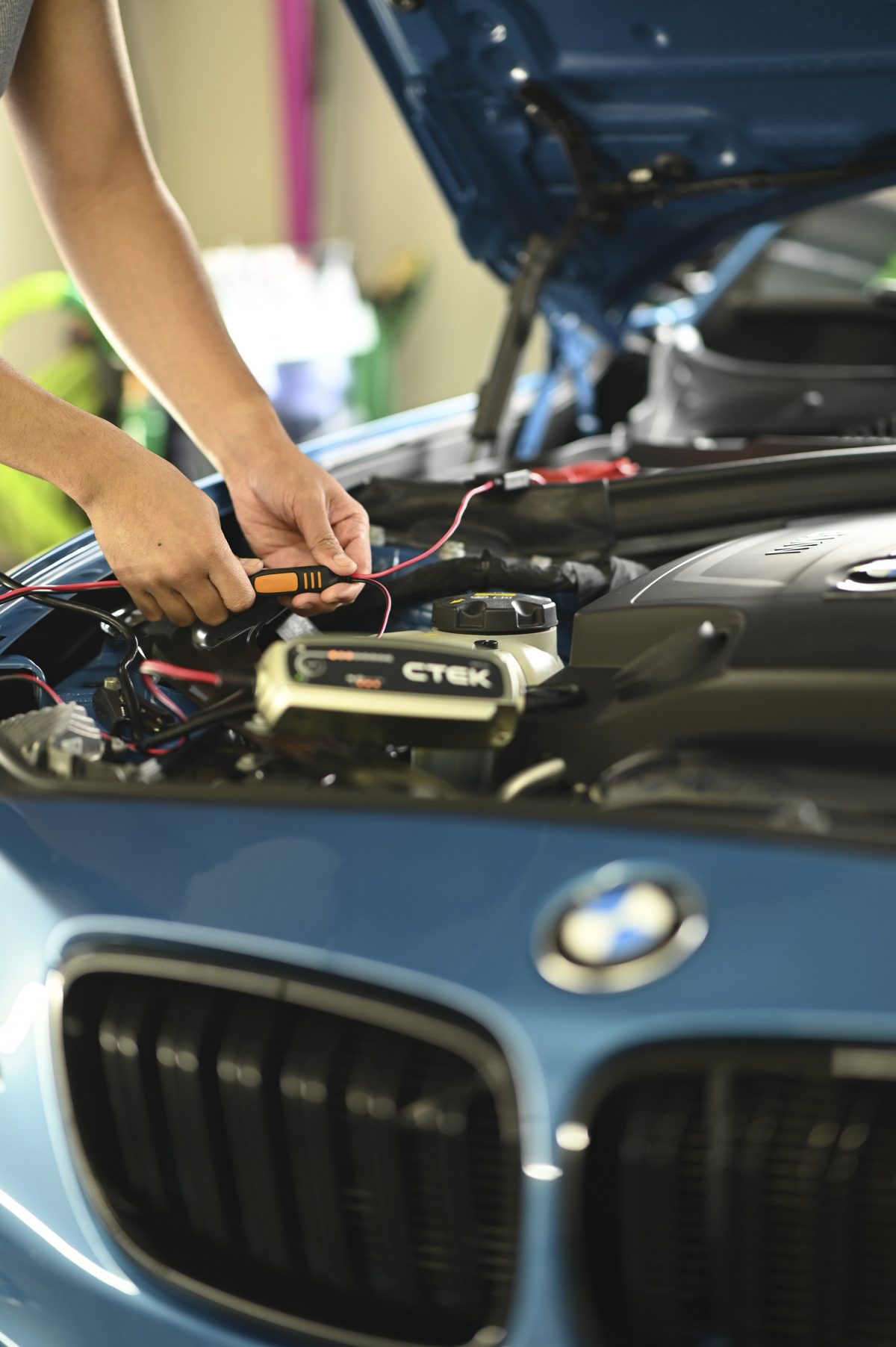
CHICAGO, Sept. 4, 2020 /PRNewswire/ — CTEK knows transportation is at the frontline of the COVID-19 battle. This is why CTEK’s smart battery chargers are helping ensure batteries in essential and emergency vehicles are charged and ready to go.

CTEK’s commitment to helping power the fight against COVID-19 has been featured in USA Today’s recently published special edition Homeland Security.  <a target="_blank"…

CHICAGO, Sept. 4, 2020 /PRNewswire/ — CTEK knows transportation is at the frontline of the COVID-19 battle. This is why CTEK’s smart battery chargers are helping ensure batteries in essential and emergency vehicles are charged and ready to go.

CTEK’s commitment to helping power the fight against COVID-19 has been featured in USA Today’s recently published special edition Homeland Security.  http://bit.ly/ctekusatoday

Whether it’s an ambulance responding to an emergency, a truck conveying critical supplies, an essential worker commuting to work, or a parent taking their child to school, we depend on our vehicles now more than ever. That crucial reliance on vehicles during the COVID-19 pandemic is detailed in the USA Today feature.

For most, a flat vehicle battery is an inconvenience, but in the fight against COVID-19, it could mean life or death.

«We know frontline responders have enough on their minds already. They shouldn’t have to worry about a flat vehicle battery,» said Bobbie DuMelle, Executive Vice President for CTEK North America.

CTEK’s aim is to make battery charging as reliable, safe, and easy-to-use as possible. To combat COVID-19, CTEK provided emergency services globally with critical equipment.

CTEK chargers are providing reliable power management for ambulances, rapid response vehicles, and health care supply equipment.

«In an emergency, time is crucial, and people expect us to arrive as quickly as possible. It’s important that our emergency and rapid response vehicles be able to start when we need them to. A flat battery at a critical time could be catastrophic,» said Matthew Carlson, deputy fire chief of the Colona Fire Department, in Illinois. «CTEK chargers help our batteries stay charged so we’re always ready to answer emergency calls.»

During this worldwide fight against COVID-19, CTEK chargers are powering sanitizing and disinfecting equipment.

«Disinfecting misting machines are used at hospitals and schools across the nation to sanitize and kill viruses and bacteria. CTEK’s MXS 5.0 12-volt battery charger is assembled in every Kärcher PS 4/7 Bp hospital-grade misting system to ensure the critical sanitizing machine can be reliably recharged and ready for use,» explained Jason Mitchell, president of R/A Hoerr Inc., the supplier for CTEK assemblies to disinfecting machine manufacturer Kärcher.

All across America, COVID-19 has changed driving habits, resulting in an increase in flat vehicle batteries. With work-from-home policies eliminating the daily commute, vehicles are only used for short distances – not giving the alternator enough time to charge the battery – or left parked for long periods of time, leading to sulfation, which can kill a battery.

At CTEK, «Maximizing Battery Performance» isn’t just a slogan, it’s at the heart of everything the company does.

«Relying on your battery is important, no matter if you’re an EMT responding to an emergency call, a parent going to the store to buy groceries, or a hospital custodian working to disinfect a patient’s room,» said DuMelle.

CTEK chargers are safe and easy to use. Connect and Forget simplicity means a charger can remain connected to the battery and the float/pulse maintenance stage will provide optimal care during periods of inactivity without damaging the battery.

For more information about CTEK’s efforts to power the frontline or to purchase chargers or accessories, visit www.smartercharger.com.

ABOUT CTEK, INC.

  • CTEK is a leading global brand in the care and maintenance of vehicle batteries. CTEK’s unparalleled knowledge and continuous investment in innovation means they push the boundaries of research and development to bring new and unique battery charging technologies to the global market.
  • CTEK offers the market high-quality, reliable chargers and accessories that are effective, easy to use (plug and play), and, most importantly, safe (for the user, the vehicle electronics, the battery, and the charger).
  • CTEK sells over one million battery chargers globally and supplies chargers to the world’s most recognized manufacturers.

Contact:
Bobbie DuMelle, Executive Vice President
CTEK North America
(312) 967-1430
246899@email4pr.com 
www.smartercharger.com


Cision View original content to download multimedia:http://www.prnewswire.com/news-releases/cteks-role-in-the-fight-against-covid-19-detailed-in-usa-today-301124688.html

SOURCE CTEK

Aurrigo makes breakthrough in driverless pods technology

Aurrigo makes breakthrough in driverless pods technology

Aurrigo makes breakthrough in driverless pods technology

PR Newswire

<div…


Aurrigo makes breakthrough in driverless pods technology

Aurrigo makes breakthrough in driverless pods technology

PR Newswire

LONDON, 04 September 2020 /PRNewswire Policy/ —

Coventry-based company has also created new jobs to meet global demand for driverless pods.

A Coventry-based company has created 10 new jobs over the past year to meet rising demand across the world for the driverless pods it has developed with support from the Centre for Connected and Autonomous Vehicles (CCAV) and Innovate UK.

A division of the RDM Group dedicated to autonomous vehicles, Aurrigo now has annual sales of 4.2 million pounds. It has customers in Australia, Canada, Finland, Singapore, and the US, and has recently supplied one of its ‘Pod Zeros’ to China. It predicts a further 6 million pounds of orders before the end of 2020.

Aurrigo recently collaborated with researchers from the University of Warwick to demonstrate a major breakthrough in CAV technology, a successful demonstration of pods ‘swarming’ like birds and insects. This innovation is a key element of a CCAV-funded project called SWARM (Self-organising Wide area Autonomous vehicle Real-time Marshalling). It means that pods can follow each other without supervision, helping each other to drive and navigate through pedestrian areas around people.

Aurrigo is a key part of the UK’s growing CAV eco system and has contributed to 2 other CCAV funded projects.

T-CABS (Trumpington to Cambridge Autonomous Bus Service)

This project is a 30-month project in Cambridge which will create the UK’s first autonomous bus service.

Through T-CABS, Aurrigo has received a 2.54 million pounds grant to build and trial a fleet of 6 self-driving shuttles with 10-15 seats to operate an out-of-hours service on a section of an existing guided busway. Public services start by the end of 2020.

INTACT (INnovative Testing of Autonomous Control Techniques)

A 24-month collaboration between Aurrigo and Warwick University researchers, the INTACT project has a total budget of 1.085 million pounds.

The objective is to develop a 3D simulator, to enable design, testing and evaluation of a low-cost autonomous control system.

SOURCE Innovate UK

LONDON, 04 September 2020 /PRNewswire Policy/ —

Coventry-based company has also created new jobs to meet global demand for driverless pods.

A Coventry-based company has created 10 new jobs over the past year to meet rising demand across the world for the driverless pods it has developed with support from the Centre for Connected and Autonomous Vehicles (CCAV) and Innovate UK.

A division of the RDM Group dedicated to autonomous vehicles, Aurrigo now has annual sales of 4.2 million pounds. It has customers in Australia, Canada, Finland, Singapore, and the US, and has recently supplied one of its ‘Pod Zeros’ to China. It predicts a further 6 million pounds of orders before the end of 2020.

Aurrigo recently collaborated with researchers from the University of Warwick to demonstrate a major breakthrough in CAV technology, a successful demonstration of pods ‘swarming’ like birds and insects. This innovation is a key element of a CCAV-funded project called SWARM (Self-organising Wide area Autonomous vehicle Real-time Marshalling). It means that pods can follow each other without supervision, helping each other to drive and navigate through pedestrian areas around people.

Aurrigo is a key part of the UK’s growing CAV eco system and has contributed to 2 other CCAV funded projects.

T-CABS (Trumpington to Cambridge Autonomous Bus Service)

This project is a 30-month project in Cambridge which will create the UK’s first autonomous bus service.

Through T-CABS, Aurrigo has received a 2.54 million pounds grant to build and trial a fleet of 6 self-driving shuttles with 10-15 seats to operate an out-of-hours service on a section of an existing guided busway. Public services start by the end of 2020.

INTACT (INnovative Testing of Autonomous Control Techniques)

A 24-month collaboration between Aurrigo and Warwick University researchers, the INTACT project has a total budget of 1.085 million pounds.

The objective is to develop a 3D simulator, to enable design, testing and evaluation of a low-cost autonomous control system.

SOURCE Innovate UK

5StarS: developing a security framework for autonomous and connected vehicles

5StarS: developing a security framework for autonomous and connected vehicles

5StarS: developing a security framework for autonomous and connected vehicles

PR Newswire


5StarS: developing a security framework for autonomous and connected vehicles

5StarS: developing a security framework for autonomous and connected vehicles

PR Newswire

LONDON, 04 September 2020 /PRNewswire Policy/ —

Government funds project to develop an automotive cybersecurity assurance framework.

New autonomous and wireless connectivity in vehicles will provide many commercial opportunities for innovation. However, this automotive world will also prove attractive to smart criminals. Those using connected and autonomous vehicles (CAVs) need to know that they, their vehicles and personal data will be kept safe from cyber attack.

The government has responded by investing more than 800,000 pounds in a 1.5 million pounds collaborative project to develop an automotive cyber security assurance framework. It adopts an integrated set of standards for manufacturing innovation and assessment, with a rating system to build trust among consumers and insurers.

The 2 year 5StarS (Automotive Cybersecurity Through Assurance) project has had support from the Centre for Connected and Autonomous Vehicles and Innovate UK. The 5StarS consortium came together in 2017 to address the issues around growing vehicle connectivity. It was clear that existing standards and regulations or even those in development did not offer consumers a way of making informed buying decisions based on vehicles’ cybersecurity resilience. Nor could insurers evaluate threats when pricing premiums.

To provide vehicle manufacturers with practical guidance and support, the 5StarS partners have devised a roadmap covering 3 specific areas – innovation, assessment and assurance rating. The project identified regulations, standards and best practice that should guide innovation and product development so that manufacturers can measure their vehicles’ resilience. They include ISO/SAE DIS 21434 (road vehicles — cybersecurity engineering) which is still under development. That, in turn, opens the way to independent assessment procedures and ultimately a risk-based system with a visible rating for insurers and consumers. The rating system will apply only to new vehicles.

If fully adopted by the automotive industry it will operate in much the same way as the existing Euro NCAP type ratings for vehicle safety, building trust in connected autonomous vehicles (CAVs) and advanced driver assistance systems (ADAS). The newest vehicles on sale are already equipped with keyless entry, cameras to aid parking and lane positioning, GPS positioning for satellite navigation systems, DAB radio, wifi and Bluetooth communications.

Demonstrating that appropriate security measures are in place can potentially create an entirely new revenue stream for the industry. Although the 5StarS project was funded by the government and the consortium partners are UK-based, the framework is designed to align to current and emerging international standards and best practice so that it can be applied internationally. This will assist vehicle manufacturers aiming to sell vehicles globally.

The next step is to run trials with vehicle manufacturers to validate the assurance framework against their vehicles and build upon the international interest received in the project to foster wider adoption.

SOURCE Innovate UK

LONDON, 04 September 2020 /PRNewswire Policy/ —

Government funds project to develop an automotive cybersecurity assurance framework.

New autonomous and wireless connectivity in vehicles will provide many commercial opportunities for innovation. However, this automotive world will also prove attractive to smart criminals. Those using connected and autonomous vehicles (CAVs) need to know that they, their vehicles and personal data will be kept safe from cyber attack.

The government has responded by investing more than 800,000 pounds in a 1.5 million pounds collaborative project to develop an automotive cyber security assurance framework. It adopts an integrated set of standards for manufacturing innovation and assessment, with a rating system to build trust among consumers and insurers.

The 2 year 5StarS (Automotive Cybersecurity Through Assurance) project has had support from the Centre for Connected and Autonomous Vehicles and Innovate UK. The 5StarS consortium came together in 2017 to address the issues around growing vehicle connectivity. It was clear that existing standards and regulations or even those in development did not offer consumers a way of making informed buying decisions based on vehicles’ cybersecurity resilience. Nor could insurers evaluate threats when pricing premiums.

To provide vehicle manufacturers with practical guidance and support, the 5StarS partners have devised a roadmap covering 3 specific areas – innovation, assessment and assurance rating. The project identified regulations, standards and best practice that should guide innovation and product development so that manufacturers can measure their vehicles’ resilience. They include ISO/SAE DIS 21434 (road vehicles — cybersecurity engineering) which is still under development. That, in turn, opens the way to independent assessment procedures and ultimately a risk-based system with a visible rating for insurers and consumers. The rating system will apply only to new vehicles.

If fully adopted by the automotive industry it will operate in much the same way as the existing Euro NCAP type ratings for vehicle safety, building trust in connected autonomous vehicles (CAVs) and advanced driver assistance systems (ADAS). The newest vehicles on sale are already equipped with keyless entry, cameras to aid parking and lane positioning, GPS positioning for satellite navigation systems, DAB radio, wifi and Bluetooth communications.

Demonstrating that appropriate security measures are in place can potentially create an entirely new revenue stream for the industry. Although the 5StarS project was funded by the government and the consortium partners are UK-based, the framework is designed to align to current and emerging international standards and best practice so that it can be applied internationally. This will assist vehicle manufacturers aiming to sell vehicles globally.

The next step is to run trials with vehicle manufacturers to validate the assurance framework against their vehicles and build upon the international interest received in the project to foster wider adoption.

SOURCE Innovate UK

MuCCA: government-backed collision avoidance system achieves world first

MuCCA: government-backed collision avoidance system achieves world first

MuCCA: government-backed collision avoidance system achieves world first

PR Newswire


MuCCA: government-backed collision avoidance system achieves world first

MuCCA: government-backed collision avoidance system achieves world first

PR Newswire

LONDON, 04 September 2020 /PRNewswire Policy/ —

Demonstration of collision avoidance system sees 2 vehicles steer around stationary car without human assistance.

A UK government-backed consortium has achieved a ‘world first’ by demonstrating a collision-avoidance system in which 2 vehicles co-operate by radio link to steer around a stationary car without human assistance.

The successful live demo at Bruntingthorpe Proving Ground in Leicestershire is a significant milestone in developing a driver aid to avoid multi-vehicle collisions, particularly motorway pile-ups.

It was the climax of a 32-month project called MuCCA (Multi-Car Collision Avoidance), led by Applus IDIADA and involving 5 other automotive industry, technology and research partners. This 4.6 million pounds project was jointly funded by the Centre for Connected and Autonomous Vehicles (CCAV) and delivered through Innovate UK.

There were 1,870 road deaths in the UK to June 2019 and human error is a factor in 95% of accidents.

Acting autonomously, vehicles equipped with MuCCA technology figure out between them what to do when confronted with an obstacle or a likely collision. If an accident is unavoidable, the MuCCA system will intervene to minimise injuries and damage. In normal traffic, the technology could help to reduce the bunching and congestion on motorways which is costly to the UK economy.

MuCCA incorporates 3 key elements:

– sensing of the immediate environment around the vehicle

– automatic steering as well as automatic braking

– live vehicle-to-vehicle radio messaging, communicating 50 times a second

The autonomous vehicles cooperate in real-time – something humans cannot do – and can manoeuvre to give another car the space to avoid an obstacle. With sophisticated machine learning algorithms developed at Cranfield University, MuCCA can even predict how non-autonomous vehicles with human drivers are likely to react. The next stage of development will focus on refining the control systems and extending simulation testing to more tricky scenarios and higher speeds.

SOURCE Innovate UK

LONDON, 04 September 2020 /PRNewswire Policy/ —

Demonstration of collision avoidance system sees 2 vehicles steer around stationary car without human assistance.

A UK government-backed consortium has achieved a ‘world first’ by demonstrating a collision-avoidance system in which 2 vehicles co-operate by radio link to steer around a stationary car without human assistance.

The successful live demo at Bruntingthorpe Proving Ground in Leicestershire is a significant milestone in developing a driver aid to avoid multi-vehicle collisions, particularly motorway pile-ups.

It was the climax of a 32-month project called MuCCA (Multi-Car Collision Avoidance), led by Applus IDIADA and involving 5 other automotive industry, technology and research partners. This 4.6 million pounds project was jointly funded by the Centre for Connected and Autonomous Vehicles (CCAV) and delivered through Innovate UK.

There were 1,870 road deaths in the UK to June 2019 and human error is a factor in 95% of accidents.

Acting autonomously, vehicles equipped with MuCCA technology figure out between them what to do when confronted with an obstacle or a likely collision. If an accident is unavoidable, the MuCCA system will intervene to minimise injuries and damage. In normal traffic, the technology could help to reduce the bunching and congestion on motorways which is costly to the UK economy.

MuCCA incorporates 3 key elements:

– sensing of the immediate environment around the vehicle

– automatic steering as well as automatic braking

– live vehicle-to-vehicle radio messaging, communicating 50 times a second

The autonomous vehicles cooperate in real-time – something humans cannot do – and can manoeuvre to give another car the space to avoid an obstacle. With sophisticated machine learning algorithms developed at Cranfield University, MuCCA can even predict how non-autonomous vehicles with human drivers are likely to react. The next stage of development will focus on refining the control systems and extending simulation testing to more tricky scenarios and higher speeds.

SOURCE Innovate UK

CAVForth: creating Europe’s first full-sized autonomous bus

CAVForth: creating Europe’s first full-sized autonomous bus

CAVForth: creating Europe’s first full-sized autonomous bus

PR Newswire

<div…


CAVForth: creating Europe’s first full-sized autonomous bus

CAVForth: creating Europe’s first full-sized autonomous bus

PR Newswire

LONDON, 04 September 2020 /PRNewswire Policy/ —

The project has been part-funded by 4.5 million pounds from the government’s Centre for Connected and Autonomous Vehicles (CCAV) and Innovate UK.

Fusion Processing is an SME based in Bristol’s Future Space. In its 8 years, its automotive products have gained over 1 million miles on the clock and it’s now leading a consortium developing Europe’s first full-sized autonomous bus.

A full programme of trials of Fusion’s CAVstar autonomous drive system installed on Alexander Dennis single-deckers will be taking place during 2020 and 2021. They will feature on a 30-mile route between Fife, across the Forth Road Bridge, to the Edinburgh Park Train and Tram interchange. A successful public demonstration was staged late last year.

CAVForth expects to be carrying passengers by this time next year, running at up to 50mph and more fuel-efficiently than manually driven buses. With services every 20 minutes between 6am and 9pm, there could be 10,000 passenger journeys per week. Five 42-seat buses are being fitted with Fusion Processing’s CAVstar® control and sensing system, integrated with each vehicle’s steering, throttle and braking systems. CAVstar® draws on information from radar, LIDAR, optical cameras and ultrasonic sensors, along with satellite navigation, to detect and avoid objects in all weathers, day and night.

The buses will operate at AV Level 4 autonomy, meaning that the vehicles will operate autonomously along the routes and, whilst there will be regular driver controls, the driver will not be expected to use them, other than in an emergency. As a further level of safety, the vehicles will have additional backup braking and steering systems which, in the highly unlikely event of a failure, the backup systems can be utilised by the CAVstar system without the ‘safety driver’ needing to intervene.

It follows a live trial of the CAVstar system commissioned by Stagecoach early last year. A bus specially adapted by Fusion Processing navigated its way autonomously around the group’s Manchester depot, visiting a fuelling station and the bus wash before finding its parking spot.

SOURCE Innovate UK

LONDON, 04 September 2020 /PRNewswire Policy/ —

The project has been part-funded by 4.5 million pounds from the government’s Centre for Connected and Autonomous Vehicles (CCAV) and Innovate UK.

Fusion Processing is an SME based in Bristol’s Future Space. In its 8 years, its automotive products have gained over 1 million miles on the clock and it’s now leading a consortium developing Europe’s first full-sized autonomous bus.

A full programme of trials of Fusion’s CAVstar autonomous drive system installed on Alexander Dennis single-deckers will be taking place during 2020 and 2021. They will feature on a 30-mile route between Fife, across the Forth Road Bridge, to the Edinburgh Park Train and Tram interchange. A successful public demonstration was staged late last year.

CAVForth expects to be carrying passengers by this time next year, running at up to 50mph and more fuel-efficiently than manually driven buses. With services every 20 minutes between 6am and 9pm, there could be 10,000 passenger journeys per week. Five 42-seat buses are being fitted with Fusion Processing’s CAVstar® control and sensing system, integrated with each vehicle’s steering, throttle and braking systems. CAVstar® draws on information from radar, LIDAR, optical cameras and ultrasonic sensors, along with satellite navigation, to detect and avoid objects in all weathers, day and night.

The buses will operate at AV Level 4 autonomy, meaning that the vehicles will operate autonomously along the routes and, whilst there will be regular driver controls, the driver will not be expected to use them, other than in an emergency. As a further level of safety, the vehicles will have additional backup braking and steering systems which, in the highly unlikely event of a failure, the backup systems can be utilised by the CAVstar system without the ‘safety driver’ needing to intervene.

It follows a live trial of the CAVstar system commissioned by Stagecoach early last year. A bus specially adapted by Fusion Processing navigated its way autonomously around the group’s Manchester depot, visiting a fuelling station and the bus wash before finding its parking spot.

SOURCE Innovate UK