Overseas Real Estate Trends 2021: 3 Places to Hunt for Profits in the New Year–InternationalLiving.com

BALTIMORE, Dec. 10, 2020 /PRNewswire-PRWeb/ — «From the first days of the crisis it was obvious that the global response to COVID-19 was acting as a massive trend accelerator,» says Ronan McMahon of Real Estate Trend Alert, a publication of International Living. «It’s created big opportunities whether your goal is to own a bargain dream home in historic Europe for under $100,000 or build a sizeable…

BALTIMORE, Dec. 10, 2020 /PRNewswire-PRWeb/ — «From the first days of the crisis it was obvious that the global response to COVID-19 was acting as a massive trend accelerator,» says Ronan McMahon of Real Estate Trend Alert, a publication of International Living. «It’s created big opportunities whether your goal is to own a bargain dream home in historic Europe for under $100,000 or build a sizeable portfolio of income-producing real estate.

«If you want to own property overseas, create a life of ease, travel, fun, and adventure; insulate yourself from the ups and downs of the stock market, and enjoy more financial and personal freedom, then 2021 promises to be an exceptional year.»

McMahon argues in his report that investing in real estate (in the right way, in the right places) can make very good sense in a volatile world. He says, it can generate income, it’s not subject to the rapid and wild fluctuations other asset classes suffer, it can make investors rich, and it’s an asset one can live in and enjoy, too.

This new report from McMahon, which appears in the December 2020 issue of International Living magazine, details three locales to focus on for anybody seeking property—and potential profits—overseas.

Panama City and Pacific Riviera

One of the world’s great safe havens, Panama is booming, vibrant, and set for a fast bounce back from the global crisis. Panama City has arrived on the world stage as a global hub city. Just like Singapore and Hong Kong, it’s a global center of international finance and commerce.

«The World Bank now ranks Panama as a high-income nation,» says McMahon. «It is a haven of safety and stability in a turbulent world; a destination for international people, multinational companies, and money. Land is scarce, trade is booming, and the middle class is growing fast.

«I’ve been following a mega Path of Progress west of the city to the Pacific Riviera. This year I’ve been able to bring several opportunities to members of Real Estate Trend Alert (RETA) to lock in killer deals steps from the closest, nicest beach to Panama City.

«And our track record here is good. In 2017 I brought members the chance to own steps from the sand in a phase of this amenity-rich community for $199,000. Late in 2019 I saw a listing for a condo farther back from the beach with only a side view…price $299,000. I expect more deals in 2021 as Panama continues its upward trajectory.»

Mexico’s Riviera Maya

Mexico’s Riviera Maya has undergone a spectacular transformation over the last few decades. Massive investments in infrastructure have transformed this coast and driven huge profits for real estate investors. Today it’s so much easier to get to the Riviera Maya for millions of people. Cancún Airport has four terminals and saw 25.4 million passengers in 2019. In fact, passenger numbers have just been rocketing year after year as new airlines and new routes open up.

«The crisis is but a temporary slowdown in the huge flood of visitors to the Riviera Maya,» says McMahon. «This 80-mile stretch of coast is among the heavyweights of global tourism. It’s been hugely successful at compartmentalizing different markets. Young trendy backpackers, families, couples, retirees… You’ll find all-inclusive resorts, small-scale boutique hotels, and a huge and growing demand for rentals both short- and longer-term.

«Each year for more than a decade my team and I have scoured the Caribbean, visiting island after island in a fruitless search for a destination that matches the Riviera Maya for real estate plays. It is a truly spectacular destination, yet real estate prices are 40% less than any other comparable Caribbean spot we’ve scouted.

«In October 2017 I brought RETA members the opportunity to buy in the Tao Tulum community from $154,500. Earlier this year I accepted an offer for $225,000 on the condo I bought as part of that deal. That $225,000 is probably a bit less than market price. That’s fine. My personal philosophy is that I’ll take any offer that is double the amount of cash invested.»

Costa Rica’s Southern Zone

The sun dips into the vast Pacific horizon. The ocean breeze drops with a gentle stir of the foliage. You mix your cocktail on the terrace by the pool. And here it comes…right on time the wind switches, a soft evening breeze wafting down from the towering mountains.

In Costa Rica’s Southern Zone folks measure time in the rhythm of the winds and waves, in the stir of the palm fronds, in the awesome glow of sunset every single day over the tropical ocean. Half of the region is protected national parks. Tall mountains rise steeply from the Pacific Ocean, stretching across the horizon, engulfed in lush jungle and crisscrossed with idyllic walking trails. The coastline is a long stretch of sandy beaches, natural, unspoiled, and uncrowded.

«All this is why the Southern Zone is compared with Hawaii and Tahiti by some folks,» says McMahon. «The world is just discovering all this natural beauty.

«Road improvements mean the Southern Zone is now easily reached, yet restrictions on development mean it will stay boutique. Own the right property and you can lock in spectacular gain potential and tap into a huge and growing demand for rentals. I’m working on a deal here for members of my Real Estate Trend Alert. I hope to kickstart 2021 with this.»

The full, detailed report from Ronan McMahon—including five real estate trends to following in 2021—can be found, here: Big Trends and Real Estate Opportunities for 2021.

Ronan McMahon is at the helm of Real Estate Trend Alert, a publication of International Living. He is also the author of the book, Ronan McMahon’s Profit Principle: An Insider’s Guide to Doubling Your Money in Real Estate Overseas. He produces a regular, free e-letter for people interested in owning good-value property abroad, called Roving Real Estate Investor.

Members of the media have permission to republish the article linked above once credit is given to Internationalliving.com

Further information, as well as interviews with expert authors for radio, TV or print, is available on request. Photos are also available.

For information about InternationalLiving.com content republishing, source material or to book an interview with one of our experts, contact Editorial Director for Web Content, Social Media, and PR, Donal Lucey, dlucey@internationalliving.com.
Twitter: @inliving
Facebook: https://www.facebook.com/International.Living/

About International Living

Since 1979, InternationalLiving.com has been the leading authority for anyone looking for global retirement or relocation opportunities. Through its monthly magazine and related e-letters, extensive website, podcasts, online bookstore, and events held around the world, InternationalLiving.com provides information and services to help its readers live better, travel farther, have more fun, save more money, and find better business opportunities when they expand their world beyond their own shores. InternationalLiving.com has contributors traveling the globe, investigating the best opportunities for travel, retirement, real estate, and investment.

Media Contact

Donal Lucey, internationalliving.com, +001 667 312 3532, dlucey@internationalliving.com


SOURCE InternationalLiving.com

Toyota Moves Closer to Production with Next Generation Fuel Cell Electric Technology for Zero-Emissions Heavy Duty Trucks

– Newest prototype showcases Toyota’s commitment to heavy duty fuel cell electric vehicles

– Next generation fuel cell electric system delivers increased efficiency and performance

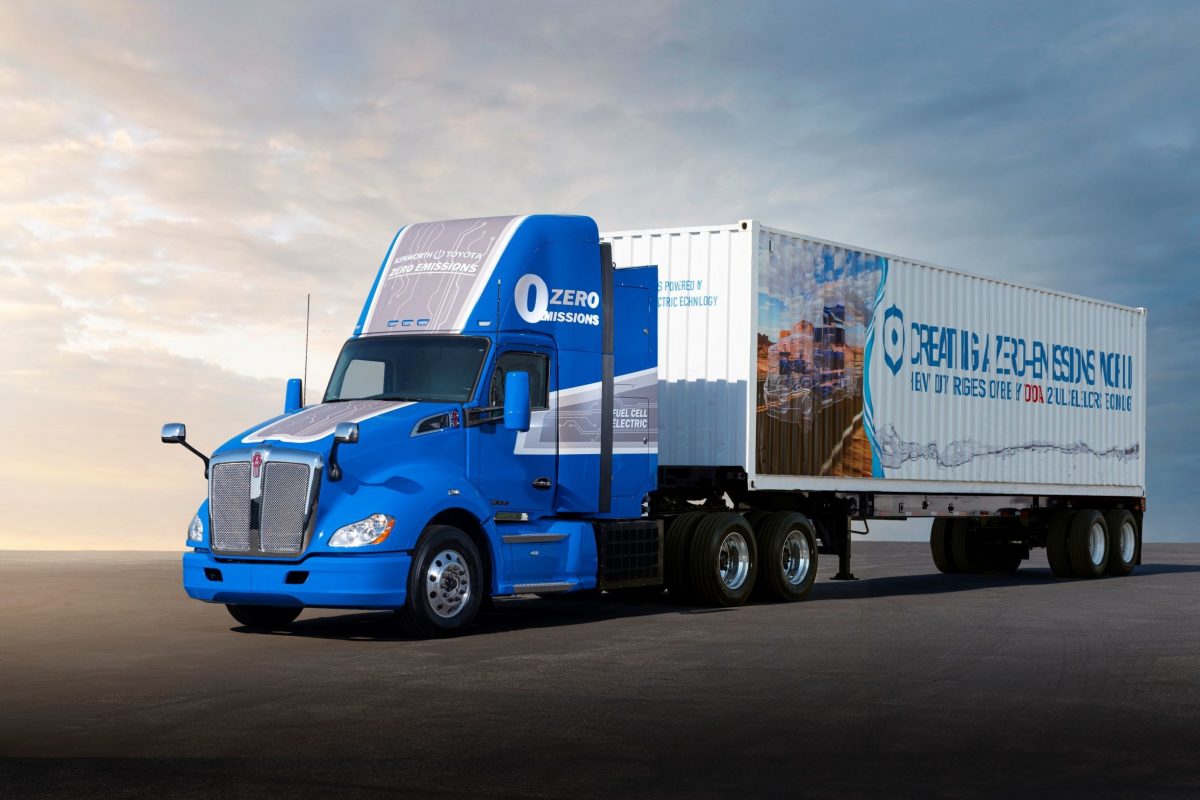
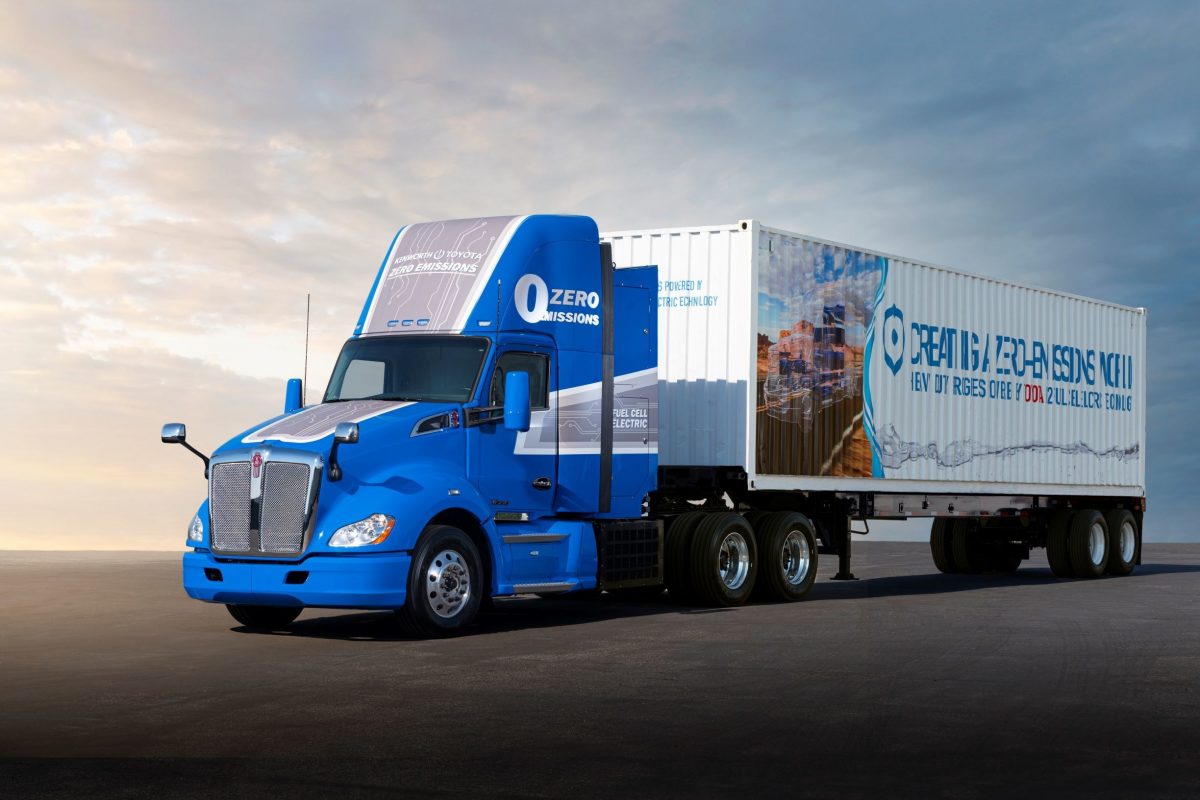
PLANO, Texas, Dec. 10, 2020 /PRNewswire-HISPANIC PR WIRE/ — Toyota’s next generation fuel cell electric technology is now powering a new set of Class 8 heavy-duty trucks. Using the same fuel cell system as the all-new 2021 Mirai sedan that goes on sale this month, the engineers at Toyota Motor North…

– Newest prototype showcases Toyota’s commitment to heavy duty fuel cell electric vehicles

– Next generation fuel cell electric system delivers increased efficiency and performance

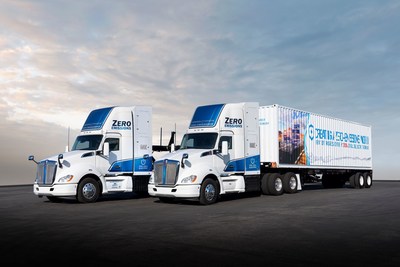
PLANO, Texas, Dec. 10, 2020 /PRNewswire-HISPANIC PR WIRE/ — Toyota’s next generation fuel cell electric technology is now powering a new set of Class 8 heavy-duty trucks. Using the same fuel cell system as the all-new 2021 Mirai sedan that goes on sale this month, the engineers at Toyota Motor North America Research and Development have developed a set of production-intent prototype trucks that are being prepared to run drayage routes at the ports of L.A. and Long Beach to validate their performance, efficiency and drivability.

Using the same fuel cell system as the all-new 2021 Mirai sedan that goes on sale this month, the engineers at Toyota Motor North America Research and Development have developed a set of production-intent prototype trucks that are being prepared to run drayage routes at the ports of L.A. and Long Beach to validate their performance, efficiency and drivability.

Designed to be flexible enough to meet the needs of a wide variety of OEM truck makers, the new fuel cell electric system in the latest prototypes has been adapted to a Kenworth T680 chassis. A more compact hydrogen storage cabinet behind the cab houses six hydrogen tanks with the same capacity as previous prototypes while a new, more powerful lithium-ion battery helps smooth out the power flow to the electric motors. In this configuration, the second generation fuel cell system delivers over 300 miles of range at a full load weight of 80,000 lbs., all while demonstrating exceptional drivability, quiet operation, and zero harmful emissions.

«This is an important step in the transition to emissions-free heavy-duty trucks,» said Andrew Lund, chief engineer, Toyota Motor North America Research and Development. «Our first prototype trucks proved that a fuel cell electric powertrain was capable of hauling heavy cargo on a daily basis. These new prototypes not only use production-intent hardware, they will also allow us to start looking beyond drayage into broader applications of this proven technology.»

Reducing airborne pollution at the Ports of L.A. and Long Beach is an important driver of this program. Toyota’s Environmental Challenge 2050 aims to almost completely eliminate CO2 emissions from our vehicles, operations and supply chain by 2050. Converting the drayage trucks that currently serve these ports to electric drivetrains would move us closer to that goal while improving the quality of life of operators, workers, and communities in and around the ports.  

TMNA R&D

Toyota Motor North America Research & Development (TMNA R&D) aims to redefine next-generation vehicles to more than simply a form of transportation.  Since 2003, Toyota has been awarded more patents than any other automaker, including autonomous vehicle patents (more than 1,400). Centered in Ann Arbor, Michigan, Toyota TMNA R&D puts the brightest thinkers from across the globe together to focus on letting people live more safely and comfortably. Globally, Toyota spends approximately $1 million per hour on R&D to ensure that Toyota rapidly and continuously develops cutting-edge, high-quality, and appealing vehicles. 


Media Contacts:

Ed Hellwig
469-292-1165
edward.hellwig@toyota.com

Brian Lyons
469-292-3573
brian.lyons@toyota.com


Photo – https://mma.prnewswire.com/media/1372593/Toyota_NextGen_f34_2.jpg
Logo – https://mma.prnewswire.com/media/439685/Toyota_Corp_Red_Logo.jpg


SOURCE Toyota Motor North America

Inswitch afianza su presencia en Brasil y anuncia su alianza estratégica con Grupo Card

MIAMI, 10 de diciembre de 2020 /PRNewswire/ — Inswitch, líder global en soluciones tecnológicas financieras embedded, y Grupo Card, el mayor proveedor de soluciones de telecomunicaciones, pagos, tarjetas prepagas y recargas de Brasil, anuncian que han firmado un acuerdo de alianza estratégica, que les permitirá a ambas empresas…

MIAMI, 10 de diciembre de 2020 /PRNewswire/ — Inswitch, líder global en soluciones tecnológicas financieras embedded, y Grupo Card, el mayor proveedor de soluciones de telecomunicaciones, pagos, tarjetas prepagas y recargas de Brasil, anuncian que han firmado un acuerdo de alianza estratégica, que les permitirá a ambas empresas potenciar sus soluciones y servicios en fintech para abordar conjuntamente oportunidades de negocios en el país.

Esta unión significa para Inswitch un fortalecimiento de su presencia en Brasil y afianza su objetivo de brindar soluciones 360 Fintech-as-a-Service en este mercado, utilizando como base la robusta infraestructura de Grupo Card, que cuenta con más de 60.000 puntos de venta, actualmente cubriendo seis estados brasileños y sirviendo a 81 millones de usuarios por mes (41% de la población brasileña). La alianza permitirá a Grupo Card ampliar su portafolio de servicios al mundo fintech a través de las soluciones de Inswitch, incluyendo: Smart Lending, Sales Optimization y Digital Wallet, entre otras.

«Inswitch se enorgullece por haber logrado esta alianza con Grupo Card,» expresó Ronald Alvarenga, Presidente Ejecutivo de Inswitch. «Esta alianza es parte importante de nuestra estrategia de expansión y consolidación de Inswitch en los mercados más importantes de la región como lo es Brasil; apoyando la digitalización y democratización de los servicios financieros en todas las empresas en dicho país y aquellas que desean expandir sus operaciones globalmente. Por otro lado, tener acceso a más de 80 millones de usuarios y más de 60.000 puntos de venta nos permitirá contar con una infraestructura de pagos y un ecosistema robusto para nuestros productos de e-commerce, wallets as a service y lending de cara a nuestros planes en el 2021.»

«La alianza entre Inswitch y Grupo Card es una combinación poderosa. Inswitch tiene un profundo conocimiento y experiencia en productos financieros digitales y Grupo Card es líder en el mercado de distribución de productos prepagos en Brasil. Esta alianza nos coloca en una posición estratégica para apoyar el crecimiento de nuestros clientes brasileños.» comentó Michel Costa, responsable de Business Development en Inswitch para Brasil.

«Para Grupo Card, esta alianza es una gran oportunidad de unir fuerzas con una empresa calificada como Inswitch, que suma a nuestras soluciones y operaciones en Brasil una solución tecnológica de probada trayectoria, que nos permitirá expandir nuestra oferta para los operadores de telefonía celular en el territorio brasileño.» expresó Leonardo Junqueira, Director Regional de Grupo Card

Acerca de Inswitch:

Inswitch es una compañía global en tecnologías financieras embedded que ayuda a organizaciones de cualquier industria a implementar rápidamente servicios financieros digitales a través de su plataforma omnicanal 360 Fintech-as-a-Service. Telcos, Retailers, Gig Economies, Bancos, Neobancos, Marketplaces y muchas otras compañías pueden construir una solución sobre la plataforma de Inswitch basada en APIs para sus necesidades específicas, en modalidad «as a Service», sin fricciones y con los últimos estándares de seguridad.

Desde 2002, Inswitch ha implementado más de 100 plataformas en más de 30 países de América Latina y el Caribe. En 2019, Inswitch procesó USD +9.000 millones en transacciones (volumen total) realizadas por más de 80 millones de usuarios.

Para conocer más, visite www.inswitch.com

Contacto: Michel Costa, Business Development Brazil. 
T. +55 51 9282 2240, michel.costa@inswitch.com

Acerca de Grupo Card:
Grupo Card es una empresa en Brasil que durante más de 20 años ha sido aliada de empresas de todo el país con la misión de ayudarles a ofrecer a sus clientes las mejores soluciones de telecomunicaciones, pagos, tarjetas prepagas y recargas, con el fin de democratizar el acceso de la población a las comunicaciones. Grupo Card está presente en más de 60 mil puntos de venta en seis estados brasileños, y tiene más de 200,1 millones de transacciones por año y USD 500 mil millones en facturación anual. El 49% del PIB brasileño proviene de las áreas atendidas por Grupo Card.

Para conocer más, visite https://grupocard.com.br/novo/

Contacto: Leonardo Junqueira,  Director Regional
T. +55 54 992526093, leo.junqueira@grupocard.com.br

Foto – https://mma.prnewswire.com/media/1372688/Grupo_Card___Inswitch.jpg

FUENTE Inswitch

Toyota Moves Closer to Production with Next Generation Fuel Cell Electric Technology for Zero-Emissions Heavy Duty Trucks

– Newest prototype showcases Toyota’s commitment to heavy duty fuel cell electric vehicles

– Next generation fuel cell electric system delivers increased efficiency and performance

PLANO, Texas, Dec. 10, 2020 /PRNewswire-HISPANIC PR WIRE/ — Toyota’s next generation fuel cell electric technology is now powering a new set of Class 8 heavy-duty trucks. Using the same fuel cell system as the all-new 2021 Mirai sedan that goes on sale this month, the engineers at Toyota Motor North…

– Newest prototype showcases Toyota’s commitment to heavy duty fuel cell electric vehicles

– Next generation fuel cell electric system delivers increased efficiency and performance

PLANO, Texas, Dec. 10, 2020 /PRNewswire-HISPANIC PR WIRE/ — Toyota’s next generation fuel cell electric technology is now powering a new set of Class 8 heavy-duty trucks. Using the same fuel cell system as the all-new 2021 Mirai sedan that goes on sale this month, the engineers at Toyota Motor North America Research and Development have developed a set of production-intent prototype trucks that are being prepared to run drayage routes at the ports of L.A. and Long Beach to validate their performance, efficiency and drivability.

Using the same fuel cell system as the all-new 2021 Mirai sedan that goes on sale this month, the engineers at Toyota Motor North America Research and Development have developed a set of production-intent prototype trucks that are being prepared to run drayage routes at the ports of L.A. and Long Beach to validate their performance, efficiency and drivability.

Designed to be flexible enough to meet the needs of a wide variety of OEM truck makers, the new fuel cell electric system in the latest prototypes has been adapted to a Kenworth T680 chassis. A more compact hydrogen storage cabinet behind the cab houses six hydrogen tanks with the same capacity as previous prototypes while a new, more powerful lithium-ion battery helps smooth out the power flow to the electric motors. In this configuration, the second generation fuel cell system delivers over 300 miles of range at a full load weight of 80,000 lbs., all while demonstrating exceptional drivability, quiet operation, and zero harmful emissions.

«This is an important step in the transition to emissions-free heavy-duty trucks,» said Andrew Lund, chief engineer, Toyota Motor North America Research and Development. «Our first prototype trucks proved that a fuel cell electric powertrain was capable of hauling heavy cargo on a daily basis. These new prototypes not only use production-intent hardware, they will also allow us to start looking beyond drayage into broader applications of this proven technology.»

Reducing airborne pollution at the Ports of L.A. and Long Beach is an important driver of this program. Toyota’s Environmental Challenge 2050 aims to almost completely eliminate CO2 emissions from our vehicles, operations and supply chain by 2050. Converting the drayage trucks that currently serve these ports to electric drivetrains would move us closer to that goal while improving the quality of life of operators, workers, and communities in and around the ports.  

TMNA R&D

Toyota Motor North America Research & Development (TMNA R&D) aims to redefine next-generation vehicles to more than simply a form of transportation.  Since 2003, Toyota has been awarded more patents than any other automaker, including autonomous vehicle patents (more than 1,400). Centered in Ann Arbor, Michigan, Toyota TMNA R&D puts the brightest thinkers from across the globe together to focus on letting people live more safely and comfortably. Globally, Toyota spends approximately $1 million per hour on R&D to ensure that Toyota rapidly and continuously develops cutting-edge, high-quality, and appealing vehicles. 


Media Contacts:

Ed Hellwig
469-292-1165
edward.hellwig@toyota.com

Brian Lyons
469-292-3573
brian.lyons@toyota.com


Photo – https://mma.prnewswire.com/media/1372593/Toyota_NextGen_f34_2.jpg
Logo – https://mma.prnewswire.com/media/439685/Toyota_Corp_Red_Logo.jpg


SOURCE Toyota Motor North America

First Heavy Duty Fuel Cell Electric Trucks Set for Delivery to Pilot Program Customers at Ports of L.A. and Long Beach

– Toyota Logistics Services and Southern Counties Express Adding Heavy-Duty Trucks to Port Fleets

– Trucks Built Under the Zero and Near Zero Emission Freight Facilities (ZANZEFF) project sponsored by the California Climate Initiative

PLANO, Texas, Dec. 10, 2020 /PRNewswire-HISPANIC PR WIRE/ — The future of heavy-duty trucking will arrive at the Ports of Los Angeles and Long Beach this month. The first two fuel cell…

– Toyota Logistics Services and Southern Counties Express Adding Heavy-Duty Trucks to Port Fleets

– Trucks Built Under the Zero and Near Zero Emission Freight Facilities (ZANZEFF) project sponsored by the California Climate Initiative

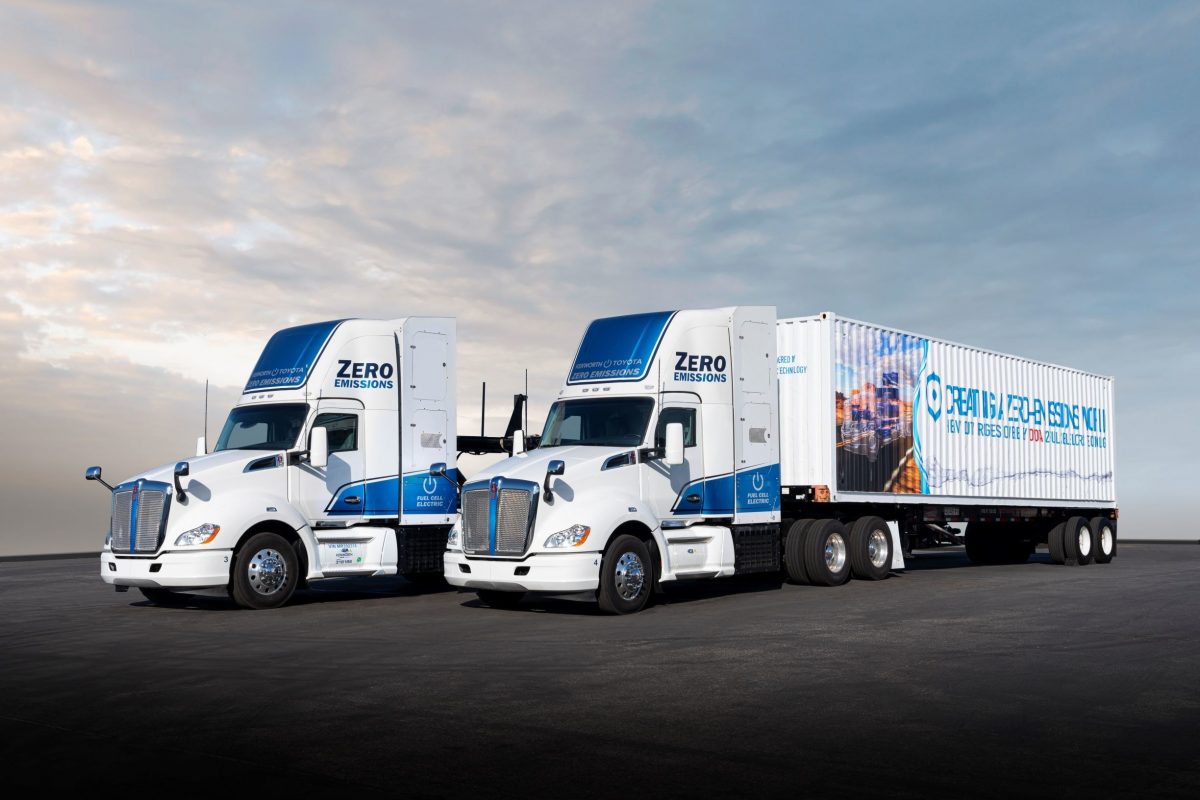
PLANO, Texas, Dec. 10, 2020 /PRNewswire-HISPANIC PR WIRE/ — The future of heavy-duty trucking will arrive at the Ports of Los Angeles and Long Beach this month. The first two fuel cell electric heavy duty Class 8 trucks built under the Zero and Near Zero Emissions Freight Forwarding (ZANZEFF) project sponsored by the state of CA are preparing for delivery to demonstration fleet customers.

The first two fuel cell electric heavy duty Class 8 trucks built under the Zero and Near Zero Emissions Freight Forwarding (ZANZEFF) project sponsored by the state of CA are preparing for delivery to demonstration fleet customers.

Toyota Logistics Services and Southern Counties Express each will receive a Kenworth T680 Class 8 truck powered by a Toyota fuel cell electric drivetrain. Both of these zero-emissions trucks will be used for drayage operations in the ports of Los Angeles and Long Beach.

«We have been involved with Toyota’s hydrogen truck project since the beginning and we are excited to see the latest models now being released for further testing,» said Gordon Reimer, president, Southern Counties Express. «We are proud to be associated with the Toyota research and development team, and look forward to the continued progress of this technology.»

An additional 8 trucks will be delivered in 2021 as part of the ZANZEFF program. Three of the eight trucks will go to United Parcel Service for its port operations while two of the eight trucks will go to Total Transportation Services, another prominent port operator. Toyota Logistics Services will also receive three additional trucks.

«After extensive testing with our proof-of-concept prototypes, we’re ready for the next step of putting more trucks into drayage operations,» said Andrew Lund, chief engineer, Toyota Research and Development. «Moving toward emissions-free trucks is more important than ever, and the ZANZEFF project has been instrumental in getting us closer to that goal.»

Development of the Kenworth T680 FCEV is part of a $41 million Zero and Near-Zero Emissions Freight Facilities (ZANZEFF) grant awarded by the California Air Resources Board (CARB), with the Port of Los Angeles as the prime applicant. CARB has awarded those funds to the Port of Los Angeles for the ZANZEFF project as part of California Climate Investments, a California initiative that puts billions of Cap-and-Trade dollars to work reducing greenhouse gas emissions, strengthening the economy and improving public health and the environment.

«The Port is currently engaged in 16 different zero-emission demonstration projects to support development of on-road trucks that we expect will help bring feasible zero-emission technology to the marketplace,» said Chris Cannon, chief sustainability officer for the Port of Los Angeles. «Conversion of the Port drayage fleet to zero-emission technology involves tremendous financial investment and will take the collaboration and commitment of many stakeholders – both public and private – to create a viable market for zero-emissions drayage technology. We are proud of our continuing partnership under this project to deploy these trucks as an important step in verifying the capabilities and role of hydrogen fuel cell technology in the path to zero emissions.»

TMNA R&D
Toyota Motor North America Research & Development (TMNA R&D) aims to redefine next-generation vehicles to more than simply a form of transportation.  Since 2003, Toyota has been awarded more patents than any other automaker, including autonomous vehicle patents (more than 1,400). Centered in Ann Arbor, Michigan, Toyota TMNA R&D puts the brightest thinkers from across the globe together to focus on letting people live more safely and comfortably. Globally, Toyota spends approximately $1 million per hour on R&D to ensure that Toyota rapidly and continuously develops cutting-edge, high-quality, and appealing vehicles.

Southern Counties Express
Southern Counties Express has been servicing the Ports of LA & LB for over 30 years. As an early adapter of many Compliance and Green Initiatives we are committed to continuous improvement in air quality.

California Climate Investments
The Zero and Near-Zero Emissions Freight Forwarding (ZANZEFF) project is part of California Climate Investments, a statewide initiative that puts billions of Cap-and-Trade dollars to work reducing greenhouse gas emissions, strengthening the economy, and improving public health and the environment — particularly in disadvantaged communities.

Port of Los Angeles
The Port of Los Angeles is one of the world’s busiest seaports and leading gateway for international trade in the Western Hemisphere. It has ranked as the number one container port in the United States each year since 2000. The Port is a major economic driver at the local, regional, and national levels, and a key generator of jobs, commerce and tourism in Southern California. Located along 43 miles of waterfront, 25 miles south of downtown Los Angeles in San Pedro Bay, the Port encompasses 7,500 acres of land and water, and features both passenger and cargo terminals, including automobile, breakbulk, container, dry and liquid bulk, and warehouse facilities. The Port is strongly committed to developing innovative, sustainable operations that benefit the economy, environment, and quality of life for the communities it serves, focusing on supply chain efficiency, upgrading infrastructure, and transforming the LA Waterfront into a world-class visitor destination.

Media Contacts:

Ed Hellwig
469-292-1165
edward.hellwig@toyota.com

Brian Lyons
469-292-3573
brian.lyons@toyota.com


Photo – https://mma.prnewswire.com/media/1372605/Toyota_Motor_North_America_ZANZEFF.jpg  
Logo – https://mma.prnewswire.com/media/439685/Toyota_Corp_Red_Logo.jpg

SOURCE Toyota Motor North America

Vehicle Batteries: Abandon Pack, Module or Both, Questions IDTechEx

BOSTON, Dec. 10, 2020 /PRNewswire/ — There is a race to 1000km battery-electric vehicles (BEV) and beyond. For aircraft, that means safety and intercontinental travel from the longer possible battery durations. Meanwhile, the premature launch of vertical take-off air taxis will end in tears because they currently have a mere one-hour battery duration. Longer range on the road means no more vehicles stopping to charge. On the sea, it means energy-independent solar boats can lead to energy-independent…

BOSTON, Dec. 10, 2020 /PRNewswire/ — There is a race to 1000km battery-electric vehicles (BEV) and beyond. For aircraft, that means safety and intercontinental travel from the longer possible battery durations. Meanwhile, the premature launch of vertical take-off air taxis will end in tears because they currently have a mere one-hour battery duration. Longer range on the road means no more vehicles stopping to charge. On the sea, it means energy-independent solar boats can lead to energy-independent ships. Range is considerably reduced by battery age, heat, and cold, so more leeway is really precious. See the IDTechEx report, «Li-ion Batteries 2020-2030«.

IDTechEx Logo

Increasing energy density involves packaging, not just cell chemistry. The new options are facilitated by batteries lasting longer, the one-million-mile battery being in prospect. Two approaches are favored in simplifying the cell-module-pack approach that is reminiscent of supermarkets over-packaging food. Tesla is making its cylindrical module larger and abandoning the pack by sealing them permanently in a large structural body part. This is a great idea for a vertically-integrated company like Tesla. It is much more difficult for traditional OEMs that need to deal with suppliers. There are also issues around second life and recyclability.

All the same, General Motors seems to be going in this direction as it becomes more vertically integrated. Its Ultium battery pack makes use of a modular system, named cell-module-assemblies (CMA). Cells and modules remain the same with the combination of modules and pack design changing by vehicle, with the aim of allowing fast entry into different vehicle segments. The CMA provides mechanical structure to the vehicle and is the main power connection between the cells and the drive system. Modules have been designed to be able to accept either pouch or prismatic cells. See the IDTechEx report, «Materials for Electric Vehicles 2020-2030«.

In the alternative approach of no module, MCLA claims to have offered cell-to-pack since 2012. CATL, BYD, and LG Chem are soon to do the same in mass production. Improvement of up to 30% in vehicle weight and range are mentioned. LG Chem has completed the development of its Module Pack Integrated Platform. Reportedly, it will accommodate twice as many cells as conventional module platforms. Here, the cost may reduce by 30%, and energy density increase by 10%. These are huge wins in terms of saleability and resale value of the vehicles using them. See the IDTechEx report, «Advanced Electric Cars 2020-2040«.

Does it stop there? Supercapacitors are packaged the same way as batteries, and they have replaced many lithium-ion batteries in micro-hybrid cars. Geely has made a big commitment to large supercapacitors, partly replacing batteries in their mild and full hybrid cars, and Skeleton Technology claims a $1 billion letter of intent from a major carmaker. In terms of packaging, supercapacitors have a head start in not swelling and shrinking during cycling, so a Lamborghini laboratory with MIT is developing no-module, no-pack, just self-healing supercapacitor bodywork. Imperial College London competes, coining the term «massless energy,» meaning a vehicle allotting no space or weight to energy storage because the body becomes dual purpose. Later versions of solid-state batteries are expected to be stable during cycling so guess what may come next. See the IDTechEx reports, «Solid-State and Polymer Batteries 2020-2030: Technology, Patents, Forecasts, Players» and «Supercapacitor Materials and Formats 2020-2040«.

For more information, and to see the full portfolio of Energy Storage and Electric Vehicle research from IDTechEx, please visit www.IDTechEx.com/Research.

IDTechEx guides your strategic business decisions through its Research, Subscription and Consultancy products, helping you profit from emerging technologies. For more information, contact research@IDTechEx.com or visit www.IDTechEx.com

Media Contact: 

Natalie Moreton
Digital Marketing Manager 
press@IDTechEx.com 
+44(0)1223 812300 

Social Media Links:

Twitter: https://www.twitter.com/IDTechEx
LinkedIn: https://www.linkedin.com/company/idtechex/
Facebook: https://www.facebook.com/IDTechExResearch

Logo: https://mma.prnewswire.com/media/478371/IDTechEx_Logo.jpg

Vehicle Batteries: Abandon Pack, Module or Both, Questions IDTechEx

BOSTON, Dec. 10, 2020 /PRNewswire/ — There is a race to 1000km battery-electric vehicles (BEV) and beyond. For aircraft, that means safety and intercontinental travel from the longer possible battery durations. Meanwhile, the premature launch of vertical take-off air taxis will end in tears because they currently have a mere one-hour battery duration. Longer range on the road means no more vehicles stopping to charge. On the sea, it means energy-independent solar boats can lead to energy-independent…

BOSTON, Dec. 10, 2020 /PRNewswire/ — There is a race to 1000km battery-electric vehicles (BEV) and beyond. For aircraft, that means safety and intercontinental travel from the longer possible battery durations. Meanwhile, the premature launch of vertical take-off air taxis will end in tears because they currently have a mere one-hour battery duration. Longer range on the road means no more vehicles stopping to charge. On the sea, it means energy-independent solar boats can lead to energy-independent ships. Range is considerably reduced by battery age, heat, and cold, so more leeway is really precious. See the IDTechEx report, «Li-ion Batteries 2020-2030«.

IDTechEx Logo

Increasing energy density involves packaging, not just cell chemistry. The new options are facilitated by batteries lasting longer, the one-million-mile battery being in prospect. Two approaches are favored in simplifying the cell-module-pack approach that is reminiscent of supermarkets over-packaging food. Tesla is making its cylindrical module larger and abandoning the pack by sealing them permanently in a large structural body part. This is a great idea for a vertically-integrated company like Tesla. It is much more difficult for traditional OEMs that need to deal with suppliers. There are also issues around second life and recyclability.

All the same, General Motors seems to be going in this direction as it becomes more vertically integrated. Its Ultium battery pack makes use of a modular system, named cell-module-assemblies (CMA). Cells and modules remain the same with the combination of modules and pack design changing by vehicle, with the aim of allowing fast entry into different vehicle segments. The CMA provides mechanical structure to the vehicle and is the main power connection between the cells and the drive system. Modules have been designed to be able to accept either pouch or prismatic cells. See the IDTechEx report, «Materials for Electric Vehicles 2020-2030«.

In the alternative approach of no module, MCLA claims to have offered cell-to-pack since 2012. CATL, BYD, and LG Chem are soon to do the same in mass production. Improvement of up to 30% in vehicle weight and range are mentioned. LG Chem has completed the development of its Module Pack Integrated Platform. Reportedly, it will accommodate twice as many cells as conventional module platforms. Here, the cost may reduce by 30%, and energy density increase by 10%. These are huge wins in terms of saleability and resale value of the vehicles using them. See the IDTechEx report, «Advanced Electric Cars 2020-2040«.

Does it stop there? Supercapacitors are packaged the same way as batteries, and they have replaced many lithium-ion batteries in micro-hybrid cars. Geely has made a big commitment to large supercapacitors, partly replacing batteries in their mild and full hybrid cars, and Skeleton Technology claims a $1 billion letter of intent from a major carmaker. In terms of packaging, supercapacitors have a head start in not swelling and shrinking during cycling, so a Lamborghini laboratory with MIT is developing no-module, no-pack, just self-healing supercapacitor bodywork. Imperial College London competes, coining the term «massless energy,» meaning a vehicle allotting no space or weight to energy storage because the body becomes dual purpose. Later versions of solid-state batteries are expected to be stable during cycling so guess what may come next. See the IDTechEx reports, «Solid-State and Polymer Batteries 2020-2030: Technology, Patents, Forecasts, Players» and «Supercapacitor Materials and Formats 2020-2040«.

For more information, and to see the full portfolio of Energy Storage and Electric Vehicle research from IDTechEx, please visit www.IDTechEx.com/Research.

IDTechEx guides your strategic business decisions through its Research, Subscription and Consultancy products, helping you profit from emerging technologies. For more information, contact research@IDTechEx.com or visit www.IDTechEx.com

Media Contact: 

Natalie Moreton
Digital Marketing Manager 
press@IDTechEx.com 
+44(0)1223 812300 

Social Media Links:

Twitter: https://www.twitter.com/IDTechEx
LinkedIn: https://www.linkedin.com/company/idtechex/
Facebook: https://www.facebook.com/IDTechExResearch

Cision View original content:http://www.prnewswire.com/news-releases/vehicle-batteries-abandon-pack-module-or-both-questions-idtechex-301190535.html

SOURCE IDTechEx

Vehicle Batteries: Abandon Pack, Module or Both, Questions IDTechEx

BOSTON, Dec. 10, 2020 /PRNewswire/ — There is a race to 1000km battery-electric vehicles (BEV) and beyond. For aircraft, that means safety and intercontinental travel from the longer possible battery durations. Meanwhile, the premature launch of vertical take-off air taxis will end in tears because they currently have a mere one-hour battery duration. Longer range on the road means no more vehicles stopping to charge. On the sea, it means energy-independent solar boats can lead to energy-independent…

BOSTON, Dec. 10, 2020 /PRNewswire/ — There is a race to 1000km battery-electric vehicles (BEV) and beyond. For aircraft, that means safety and intercontinental travel from the longer possible battery durations. Meanwhile, the premature launch of vertical take-off air taxis will end in tears because they currently have a mere one-hour battery duration. Longer range on the road means no more vehicles stopping to charge. On the sea, it means energy-independent solar boats can lead to energy-independent ships. Range is considerably reduced by battery age, heat, and cold, so more leeway is really precious. See the IDTechEx report, «Li-ion Batteries 2020-2030«.

IDTechEx Logo

Increasing energy density involves packaging, not just cell chemistry. The new options are facilitated by batteries lasting longer, the one-million-mile battery being in prospect. Two approaches are favored in simplifying the cell-module-pack approach that is reminiscent of supermarkets over-packaging food. Tesla is making its cylindrical module larger and abandoning the pack by sealing them permanently in a large structural body part. This is a great idea for a vertically-integrated company like Tesla. It is much more difficult for traditional OEMs that need to deal with suppliers. There are also issues around second life and recyclability.

All the same, General Motors seems to be going in this direction as it becomes more vertically integrated. Its Ultium battery pack makes use of a modular system, named cell-module-assemblies (CMA). Cells and modules remain the same with the combination of modules and pack design changing by vehicle, with the aim of allowing fast entry into different vehicle segments. The CMA provides mechanical structure to the vehicle and is the main power connection between the cells and the drive system. Modules have been designed to be able to accept either pouch or prismatic cells. See the IDTechEx report, «Materials for Electric Vehicles 2020-2030«.

In the alternative approach of no module, MCLA claims to have offered cell-to-pack since 2012. CATL, BYD, and LG Chem are soon to do the same in mass production. Improvement of up to 30% in vehicle weight and range are mentioned. LG Chem has completed the development of its Module Pack Integrated Platform. Reportedly, it will accommodate twice as many cells as conventional module platforms. Here, the cost may reduce by 30%, and energy density increase by 10%. These are huge wins in terms of saleability and resale value of the vehicles using them. See the IDTechEx report, «Advanced Electric Cars 2020-2040«.

Does it stop there? Supercapacitors are packaged the same way as batteries, and they have replaced many lithium-ion batteries in micro-hybrid cars. Geely has made a big commitment to large supercapacitors, partly replacing batteries in their mild and full hybrid cars, and Skeleton Technology claims a $1 billion letter of intent from a major carmaker. In terms of packaging, supercapacitors have a head start in not swelling and shrinking during cycling, so a Lamborghini laboratory with MIT is developing no-module, no-pack, just self-healing supercapacitor bodywork. Imperial College London competes, coining the term «massless energy,» meaning a vehicle allotting no space or weight to energy storage because the body becomes dual purpose. Later versions of solid-state batteries are expected to be stable during cycling so guess what may come next. See the IDTechEx reports, «Solid-State and Polymer Batteries 2020-2030: Technology, Patents, Forecasts, Players» and «Supercapacitor Materials and Formats 2020-2040«.

For more information, and to see the full portfolio of Energy Storage and Electric Vehicle research from IDTechEx, please visit www.IDTechEx.com/Research.

IDTechEx guides your strategic business decisions through its Research, Subscription and Consultancy products, helping you profit from emerging technologies. For more information, contact research@IDTechEx.com or visit www.IDTechEx.com

Media Contact: 

Natalie Moreton
Digital Marketing Manager 
press@IDTechEx.com 
+44(0)1223 812300 

Social Media Links:

Twitter: https://www.twitter.com/IDTechEx
LinkedIn: https://www.linkedin.com/company/idtechex/
Facebook: https://www.facebook.com/IDTechExResearch

Logo: https://mma.prnewswire.com/media/478371/IDTechEx_Logo.jpg

Indiana November Sports Betting Handle Jumps to $251,403,994 – All Time High

Iselin, N.J., Dec. 10, 2020 /PRNewswire/ — World Sports Network reports Indiana’s November handle jumped 8.86% from October to November. The handle report, which is published monthly by the <a target="_blank"…

Iselin, N.J., Dec. 10, 2020 /PRNewswire/ — World Sports Network reports Indiana’s November handle jumped 8.86% from October to November. The handle report, which is published monthly by the Indiana Gaming Commission, shows a third straight month of record setting numbers for sports betting coming out of the state.

The report indicates high market confidence in bettors since bettable funds are usually what an earner deems as excess funds. For instance sports betting handles across the country plummeted during the initial wave of the corona pandemic in the face of uncertain employment speculation. 

«When we’re looking at the reports we are always thinking ahead to what will happen next month. December is always a time when people spend money on the holidays. When you take into account that the number of people who participate in sports betting in newly legalized states has not reached its full potential then you have a case where people may be betting less, but every consecutive month sees more people betting. With that in mind we predict that Indiana will see another record breaking month in December, assuming there isn’t a sudden and serious second wave.» – Evan Henningsen, an Editor at WSN. 

Indiana sits in the rust belt and is flanked by states that have also legalized sports betting, meaning that the Indiana handle reports may be a good indicator for what can be expected in the tri-state area. 

CONTACT:

gustave seeberg
gustave.seeberg@wsn.com
+4526608652

This information was brought to you by Cision http://news.cision.com

https://news.cision.com/wsn—world-sports-network/r/indiana-november-sports-betting-handle-jumps-to–251-403-994—all-time-high,c3252729

Indiana November Sports Betting Handle Jumps to $251,403,994 – All Time High

Iselin, N.J., Dec. 10, 2020 /PRNewswire/ — World Sports Network reports Indiana’s November handle jumped 8.86% from October to November. The handle report, which is published monthly by the <a target="_blank"…

Iselin, N.J., Dec. 10, 2020 /PRNewswire/ — World Sports Network reports Indiana’s November handle jumped 8.86% from October to November. The handle report, which is published monthly by the Indiana Gaming Commission, shows a third straight month of record setting numbers for sports betting coming out of the state.

The report indicates high market confidence in bettors since bettable funds are usually what an earner deems as excess funds. For instance sports betting handles across the country plummeted during the initial wave of the corona pandemic in the face of uncertain employment speculation. 

«When we’re looking at the reports we are always thinking ahead to what will happen next month. December is always a time when people spend money on the holidays. When you take into account that the number of people who participate in sports betting in newly legalized states has not reached its full potential then you have a case where people may be betting less, but every consecutive month sees more people betting. With that in mind we predict that Indiana will see another record breaking month in December, assuming there isn’t a sudden and serious second wave.» – Evan Henningsen, an Editor at WSN. 

Indiana sits in the rust belt and is flanked by states that have also legalized sports betting, meaning that the Indiana handle reports may be a good indicator for what can be expected in the tri-state area. 

CONTACT:

gustave seeberg
gustave.seeberg@wsn.com
+4526608652

This information was brought to you by Cision http://news.cision.com

https://news.cision.com/wsn—world-sports-network/r/indiana-november-sports-betting-handle-jumps-to–251-403-994—all-time-high,c3252729

Cision View original content:http://www.prnewswire.com/news-releases/indiana-november-sports-betting-handle-jumps-to-251-403-994—all-time-high-301190582.html

SOURCE WSN – World Sports Network