Washington Fails American Cities, Threatens Economic Recovery

WASHINGTON, Dec. 22, 2020 /PRNewswire/ — Today, U.S. Conference of Mayors (USCM) President and Louisville Mayor Greg Fischer released the following statement in response to the congressional agreement on a coronavirus relief package:

WASHINGTON, Dec. 22, 2020 /PRNewswire/ — Today, U.S. Conference of Mayors (USCM) President and Louisville Mayor Greg Fischer released the following statement in response to the congressional agreement on a coronavirus relief package:

«Despite the clear evidence that shrinking revenue in cities across the country is leading to job loss and the reduction of critical services like public safety, Congress chose to turn its back on first responders, police, firefighters and other essential workers by failing to include direct fiscal assistance for all cities in its relief package. Congress has callously abandoned the very people who are the backbone of American cities and have served their communities on the frontlines with an indefatigable spirit for the last nine months.

«With support from economic voices on the right and the left, mayors from cities large and small – Republican, Democratic and Independent alike – have been sounding the alarm about the urgently needed fiscal assistance to position cities to drive, not drag, recovery. Congress’ refusal to acknowledge this reality will have significant consequences for our recovery, making it much harder for our economy to rebound.

«Millions of people are hurting today because of this pandemic, and it’s good news that relief is on the way for American families, small businesses, and the unemployed. But it is simply not good enough. The pandemic has shattered the budgets of local governments, and Washington’s unwillingness to help has cost people jobs and made communities less safe. 

«This cannot be the final act in response to this ongoing devastating pandemic. Mayors are now calling on, and counting on, President-elect Biden to put forth on day one of his administration an immediate proposal for emergency fiscal assistance for state and local governments to ensure that our frontline workers, the people who are keeping our nation going during this pandemic and economic recovery, are not left behind.»

About The United States Conference of Mayors — The U.S. Conference of Mayors is the official nonpartisan organization of cities with populations of 30,000 or more. There are nearly 1,400 such cities in the country today, and each city is represented in the Conference by its chief elected official, the mayor. Like us on Facebook at facebook.com/usmayors, or follow us on Twitter at twitter.com/usmayors.

Cision View original content to download multimedia:http://www.prnewswire.com/news-releases/washington-fails-american-cities-threatens-economic-recovery-301197555.html

SOURCE U.S. Conference of Mayors

Lawmakers Introduce Federal Legislation To Prevent Organ Transplant Discrimination

WASHINGTON, Dec. 22, 2020 /PRNewswire/ — The National Down Syndrome Society (NDSS), the leading human rights organization for all individuals with Down syndrome, applauds the introduction of the Charlotte Woodward Organ Transplant Discrimination Prevention Act to uphold the rights of qualified organ transplant candidates who have a disability.

<div id="divReleaseHighlightb0d8" contenteditable="false" style="BORDER-TOP: gray 1px solid; WIDTH: 200px; BORDER-BOTTOM: gray 1px solid;…

WASHINGTON, Dec. 22, 2020 /PRNewswire/ — The National Down Syndrome Society (NDSS), the leading human rights organization for all individuals with Down syndrome, applauds the introduction of the Charlotte Woodward Organ Transplant Discrimination Prevention Act to uphold the rights of qualified organ transplant candidates who have a disability.

People with physical and intellectual disabilities are barred from receiving a life-saving organ in many states.

Introduced by Congresswoman Jaime Herrera Beutler (R-WA) and Katie Porter (D-CA), the Charlotte Woodward Organ Transplant Discrimination Prevention Act prohibits discrimination against individuals based on their disability when seeking an organ transplant. This legislation would uphold and enforce rights established in the Americans with Disabilities Act of 1990.

«Despite federal protections, people with physical and intellectual disabilities are barred from receiving a life-saving organ in many states. This discrimination is a violation of their basic human rights,» said NDSS Director of Government Relations Ashley Helsing. «Passage of the Charlotte Woodward Organ Transplant Discrimination Prevention Act will save countless lives of people in dire need of transplants.»

If passed, the Charlotte Woodward Organ Transplant Discrimination Prevention Act will ensure that a person’s capacity to comply with post-transplant treatment requirements is not a significant reason to deny them a transplant procedure. Furthermore, this bill requires that health care providers make policies, practices and procedures accessible to qualified recipients with disabilities.

The bill is named for Charlotte Woodward, an advocate with Down syndrome and member of the NDSS staff who received a life-saving heart transplant nearly nine years ago. Since then, she has advocated tirelessly to ensure others with Down syndrome and other disabilities have the same access to transplants.

«As one of the very few people in the world with Down syndrome who has had the opportunity to receive a life-saving heart transplant, I am so very, very grateful that people with disabilities will have the same opportunity as I in the future,» said Charlotte Woodward, for whom the bill is named. «In the past, too many precious lives were lost due to discrimination in organ transplantation. I am so very, very thankful for the generosity of my heart donor and that of her loving family. Her gift has allowed me to live my life to the fullest and to go on to advocate for others to be able to do the same. The passage of this bill will be a monumental step towards a more just world, and I am proud to play a part in it.» 

«There are misconceptions that people with disabilities can’t manage the treatment needed after an organ transplant or wouldn’t benefit from such an operation – and those claims are simply not true,» Herrera Beutler said. «Charlotte Woodward is a wonderful woman with Down syndrome who is also the namesake for this legislative solution. Charlotte has been sharing her experience of successfully receiving and managing a heart transplant in order to put an end to this discrimination and help more people receive the life-saving gift of organ donation. I’m proud to introduce legislation with my colleague, Rep. Katie Porter, to ensure that people with disabilities aren’t turned away when they’re in need of life-saving organ transplant.»

State-level legislation enforcing non-discrimination policies for organ transplants has been passed in thirteen states, including California, New Jersey, Maryland, Massachusetts, Oregon, Delaware, Kansas, Ohio, Louisiana, Indiana, Virginia, Iowa and Missouri. This federal legislation would reinforce rights protected under the Americans with Disabilities Act and end-organ transplant discrimination across the country.

NDSS has resources available to assist those willing to support non-discrimination in organ transplantation for people with disabilities. For more information, please visit https://www.ndss.org/advocate/ndss-legislative-agenda/healthcare-research/nondiscrimination-in-organ-transplantation-laws-toolkit/.

About NDSS: 
The National Down Syndrome Society (NDSS) is the leading human rights organization for all individuals with Down syndrome. NDSS envisions a world in which all people with Down syndrome have the opportunity to enhance their quality of life, realize their life aspirations and become valued members of welcoming communities. Founded in 1979, NDSS supports and advocates for the Down syndrome community by focusing on three key areas of programming: Resources & Support, Policy & Advocacy and Community Engagement. Within these focus areas NDSS engages in various activities, events and programs such as the National Advocacy & Policy Center, which seeks to create systemic change through engaged advocacy; the National Buddy Walk® Program, which honors and celebrates individuals with Down syndrome in local communities across the world, and other initiatives that provide support, informational resources and community engagement opportunities for individuals with Down syndrome and those who support them. Visit www.ndss.org for more information about NDSS.  

Cision View original content:http://www.prnewswire.com/news-releases/lawmakers-introduce-federal-legislation-to-prevent-organ-transplant-discrimination-301197525.html

SOURCE National Down Syndrome Society
RWE concludes tax equity financing on Cranell Onshore Wind Farm

AUSTIN, Texas, Dec. 22, 2020 /PRNewswire/ —

Silvia Ortin, COO Onshore Wind and Solar PV…

AUSTIN, Texas, Dec. 22, 2020 /PRNewswire/ —

Silvia Ortin, COO Onshore Wind and Solar PV Americas, RWE Renewables: «The U.S. plays a key role in our strategy to expand our renewables business. In partnering with JPM Capital Corporation on tax equity financing for our Cranell onshore wind farm, we demonstrate that our high-quality projects are attractive investments to institutional investors. At the same time we are able to enhance our project’s value. We continue to move forward with substantial investment in rural areas across the U.S.»

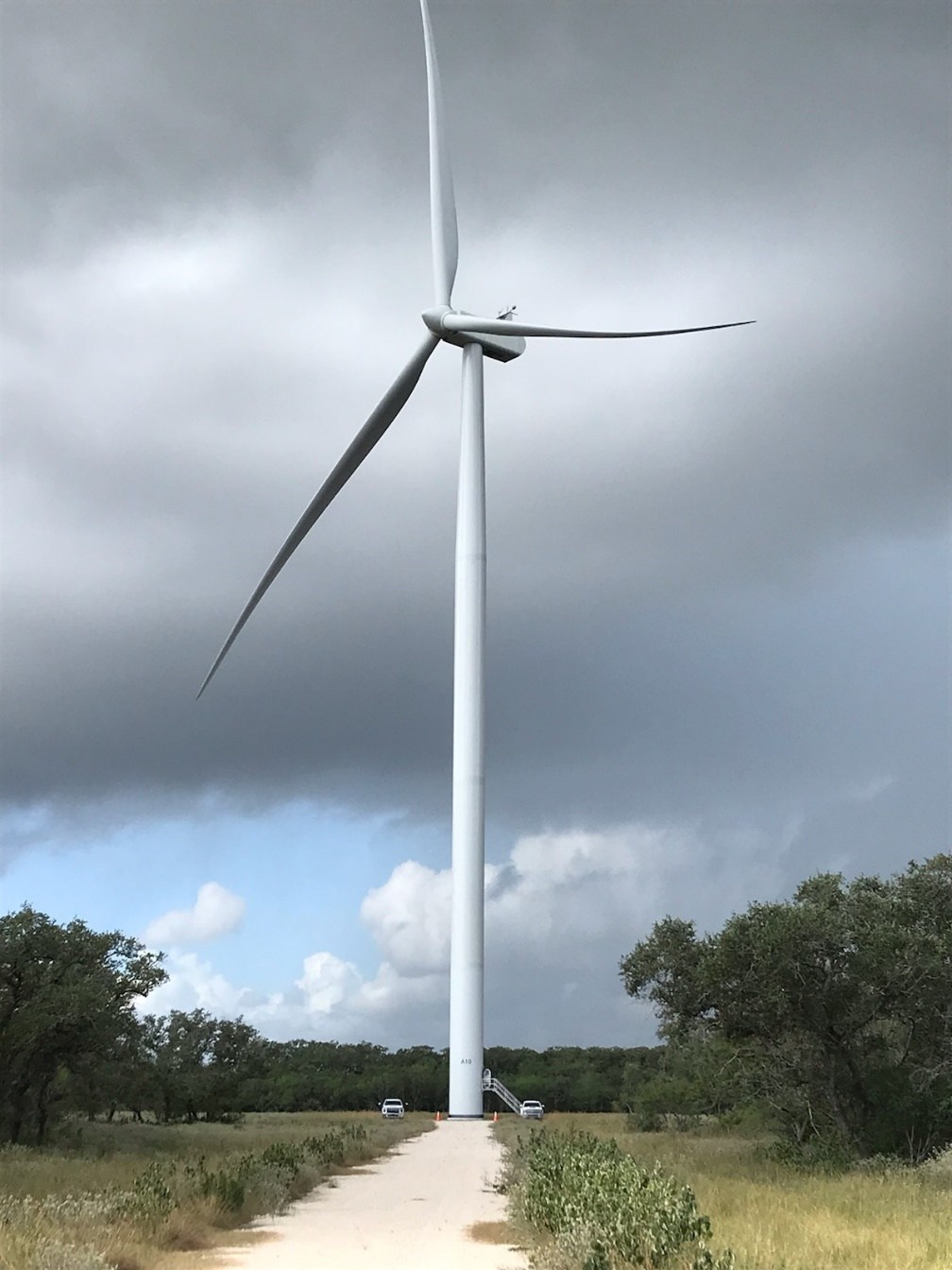
RWE Renewables, one of the world’s leading renewable energy companies, has completed the successful tax equity financing of its 220-megawatt (MW) Cranell Onshore Wind Farm in Refugio County, Texas.

The company secured tax equity financing with JPM Capital Corporation upon the Cranell project achieving commercial operation in the third quarter of 2020.

«We are proud of our record of working hand-in-hand with the communities where our renewables projects are located, throughout our many years of experience in the U.S. onshore wind industry,» said Silvia Ortin, COO Onshore Wind and Solar PV Americas. «In addition to hiring many of the permanent positions from the local region, Cranell brings significant benefits to the local economy.»

During the next 30 years, Cranell is projected to generate more than $50 million in property taxes for Refugio County, Bee County, Woodsboro Independent School District, and Skidmore-Tynan Independent School District. This additional revenue will support essential county services and local schools.

The project is powered by 100 Vestas 2.2 MW turbines and will have the capacity to generate enough electricity to power more than 66,000 homes. With the addition of Cranell, RWE operates 25 onshore wind farms in the U.S. with a total installed capacity of more than 4,200 MW (RWE’s pro rata share is about 3,600 MW).

Cranell is the second of RWE’s U.S. onshore wind projects to come online this year with a remarkable safety record, going more than 434,000 work hours without a recordable safety incident. Already in March, Peyton Creek (151 MW), also in Texas, achieved commercial operation after completing construction incident-free.

RWE has, at the moment, almost 1 GW of onshore wind farms under construction in the U.S. The projects are located in Texas, Oklahoma, Ohio and New York State.

RWE constructs, owns and operates some of the highest performing wind, solar and energy storage projects in the U.S. As an established leader in renewables, RWE has recently entered into a joint venture, New England Aqua Ventus, focused on floating offshore wind in the state of Maine.

For more information, go to americas.rwe.com.

For further inquiries:

Matt Tulis                                 

Communication Manager

RWE Renewables                              

M +1 512 698 4043                           

matthew.tulis@rwe.com            

RWE Renewables
RWE Renewables, the newest subsidiary of the RWE Group, is one of the world’s leading renewable energy companies. With around 3,500 employees, the company has onshore and offshore wind farms, photovoltaic plants and battery storage facilities with a combined capacity of approximately 9 gigawatts. RWE Renewables is driving the expansion of renewable energy in more than 15 countries on four continents. By the end of 2022, RWE Renewables targets to invest €5 billion net in renewable energy and to grow its renewables portfolio to 13 gigawatts of net capacity. Beyond this, the company plans to further grow in wind and solar power. The focus is on the Americas, the core markets in Europe and the Asia-Pacific region.


Cision View original content to download multimedia:http://www.prnewswire.com/news-releases/rwe-concludes-tax-equity-financing-on-cranell-onshore-wind-farm-301197366.html

SOURCE RWE Renewables

GFL Environmental Announces Closing of Senior Secured Notes and Repricing of Term Loan Facility

VAUGHAN, ON, Dec. 22, 2020 /PRNewswire/ – GFL Environmental Inc. (NYSE: GFL) (TSX: GFL) («GFL» or the «Company») today announced the closing of its US$750.0 million principal amount of 3.500% senior secured notes due 2028 (the «Notes»). The net proceeds from the offering of the Notes (the «Notes Offering») were used repay a portion of amounts outstanding under the Company’s term loan facility due 2025 and to pay related fees and expenses. GFL also announced that it has…

VAUGHAN, ON, Dec. 22, 2020 /PRNewswire/ – GFL Environmental Inc. (NYSE: GFL) (TSX: GFL) («GFL» or the «Company») today announced the closing of its US$750.0 million principal amount of 3.500% senior secured notes due 2028 (the «Notes»). The net proceeds from the offering of the Notes (the «Notes Offering») were used repay a portion of amounts outstanding under the Company’s term loan facility due 2025 and to pay related fees and expenses. GFL also announced that it has completed its repricing of the balance of the term loan facility, representing approximately US$1.31 billion, by reducing the LIBOR floor from 1.00% to 0.50%.

The Notes Offering, repayment of a portion of the term loan facility and the term loan repricing will extend the Company’s maturity profile and reduce its annual interest expense by an expected C$13.5 million.

«I am incredibly proud of what our employees have achieved this year», said Patrick Dovigi, Founder and CEO of GFL. «Even in the face of a global pandemic, we were able to execute on our growth strategy by delivering exceptional financial results, completing accretive acquisitions and reducing our cost of capital with a view to increasing our free cash flow. Raising US$750 million of 3.500% notes due 2028 to repay a portion of our term loan due 2025 and repricing the balance of our term loan are further examples of our commitment to execute on our long-term strategy.» Mr. Dovigi continued, «We have a very supportive group of institutional lenders and debt investors. Since completing our initial public offering earlier this year, we have successfully raised US$1.75 billion, at significantly better rates, to pay for acquisitions and retire more expensive debt.  We also repriced both our revolving credit facility and our term loan facility, making us one of the first North American public companies to reprice a term loan since March 2020.» Mr. Dovigi concluded, «We look forward to starting 2021 with a stronger balance sheet and focused on delivering on our mission to grow the Company, serve our customers safely and create shareholder value over the long-term.»

About GFL

GFL, headquartered in Vaughan, Ontario, is the fourth largest diversified environmental services company in North America, providing a comprehensive line of non-hazardous solid waste management, infrastructure & soil remediation and liquid waste management services through its platform of facilities throughout Canada and in 27 states in the United States. Across its organization, GFL has a workforce of more than 13,000 employees and provides its broad range of environmental services to more than 135,000 commercial and industrial customers and its solid waste collection services to more than 4 million households.

Forward-Looking Statements

This release includes certain «forward-looking statements», including statements relating to the Company’s growth strategy. In some cases, but not necessarily in all cases, forward-looking statements can be identified by the use of forward looking terminology such as «plans», «targets», «expects» or «does not expect», «is expected», «an opportunity exists», «is positioned», «estimates», «intends», «assumes», «anticipates» or «does not anticipate» or «believes», or variations of such words and phrases or state that certain actions, events or results «may», «could», «would», «might», «will» or «will be taken», «occur» or «be achieved». In addition, any statements that refer to expectations, projections or other characterizations of future events or circumstances contain forward-looking statements. Forward-looking statements are not historical facts, nor guarantees or assurances of future performance but instead represent management’s current beliefs, expectations, estimates and projections regarding future events and operating performance. Forward-looking statements are necessarily based on a number of opinions, assumptions and estimates that, while considered reasonable by GFL as of the date of this release, are subject to inherent uncertainties, risks and changes in circumstances that may differ materially from those contemplated by the forward-looking statements. Important factors that could cause actual results to differ, possibly materially, from those indicated by the forward-looking statements include, but are not limited to, the «Risk Factors» section of the Company’s final prospectus relating to its initial public offering dated March 2, 2020 and the Company’s other periodic filings with the SEC and the securities commissions or similar regulatory authorities in Canada. These factors are not intended to represent a complete list of the factors that could affect GFL. However, such risk factors should be considered carefully. There can be no assurance that such estimates and assumptions will prove to be correct. You should not place undue reliance on forward-looking statements, which speak only as of the date of this release. GFL undertakes no obligation to publicly update any forward-looking statement, except as required by applicable securities laws.

For more information, contact:

Patrick Dovigi

Founder and CEO

905-326-0101

pdovigi@gflenv.com

Cision View original content to download multimedia:http://www.prnewswire.com/news-releases/gfl-environmental-announces-closing-of-senior-secured-notes-and-repricing-of-term-loan-facility-301197554.html

SOURCE GFL Environmental Inc.

2020 Marks Explosive Growth for Digital Transformation Innovator PDFTron

Document processing leader powers the software that helps us get on with life

VANCOUVER, BC, Dec. 22, 2020 /PRNewswire/ – PDFTron Systems Inc., the world’s leading provider of document technology solutions for software developers, today announced that is has achieved 80%+ year-over-year bookings growth in 2020 fueled by product innovation, strategic acquisitions and go-to-market execution against the backdrop of a work-from-home-environment that accelerated digital…

Document processing leader powers the software that helps us get on with life

VANCOUVER, BC, Dec. 22, 2020 /PRNewswire/ – PDFTron Systems Inc., the world’s leading provider of document technology solutions for software developers, today announced that is has achieved 80%+ year-over-year bookings growth in 2020 fueled by product innovation, strategic acquisitions and go-to-market execution against the backdrop of a work-from-home-environment that accelerated digital transformation. PDFTron has driven a 3x growth in revenues since receiving a US $71 million strategic growth investment in May 2019 from Silversmith Capital Partners.

According to PDFTron CEO Catherine Andersz, «We are on a growth trajectory spurred by product innovation that drives the paper-to-digital transformation. Documents are core to how people work, transact business, and communicate in everyday life. The way healthcare records are shared, how sales contracts are signed, how evidence is presented in court, or how a teacher marks student homework – these are all examples of paper-reliant processes, accelerated into digital workflows in 2020. Throughout the year, we solidified our role as the backbone of this transformation, powering the software organizations and end-user consumers alike used to get on with life and work despite the incredible challenges of the year.»

Key 2020 milestones for the company included:

  • Triple-digit growth in the company’s SDK business.
  • Significant momentum in executing on the company’s inorganic category consolidation strategy with the acquisitions of ActivePDF, Iceni Technology, and BCL Technologies, which expanded the PDFTron platform and added more than 1,200 B2B customers.
  • Increased headcount by nearly 200% through aggressive talent recruiting and acquisition.
  • Significant growth of XODO, PDFTron’s consumer-focused document productivity and collaboration product, rising to 18M unique users and over 3M monthly active users. It remains the #1-rated, free PDF productivity app on the Google Play Store with a 4.7/5-star rating compared to Adobe Reader’s 4.6.
  • Prevented the printing of a massive volume of paper worldwide as paper-based processes were replaced by digital document collaboration powered by PDFTron in consumer, government and business activities.

Chances are that if you collaborated on a document in 2020, your digital document experience was powered by PDFTron. With a platform offering document viewing, editing, signature, annotation, collaboration, conversion, redaction, intelligent content extraction, and more, PDFTron powers hundreds of commonly-used software applications, such as DocuSign, Autodesk, Veeva Vault, Diligent Boards, and Trimble Navigation and is the underlying technology enabling internal digital transformation projects at State Street Corporation, FAA, BMW, Wells Fargo and the US Department of Human Health Services among many others. 

«What we’ve seen in 2020 is the rapid acceleration of a change that was already well underway. To drive productivity, better assess risk and become more environmentally responsible, business, government and consumers must digitize paper-based processes. We anticipate this is a new operating normal. In 2021, in the US alone, fully 25% of the workforce will work remotely, and by 2025, more than 36 million Americans will work from home permanently, up 87% over pre-pandemic levels*. Digital document processing is a critical enabler of this shift, and we see continued strong demand from enterprises, software makers and consumers,» added Craig Clark, CMO, PDFTron.

*Future Workforce Pulse Report, Upwork, December 15, 2020

About PDFTron Systems Inc.

Headquartered in Vancouver, BC, PDFTron is a premier global provider of high-performance document processing technology serving customers across a broad spectrum of industries. PDFTron’s market-leading SDK drives digital transformation and powers next generation software applications with dynamic document viewing, annotation, processing, and conversion capabilities, as well as advanced features such as document understanding, data extraction, and redaction. PDFTron technology supports all major platforms and dozens of unique file types, including support for PDF, MS Office, and CAD formats. For more information, visit www.pdftron.com.

Cision View original content:http://www.prnewswire.com/news-releases/2020-marks-explosive-growth-for-digital-transformation-innovator-pdftron-301197229.html

SOURCE PDFTron

‘YeonDeungHoe’ de Corea declarado Patrimonio Cultural Inmaterial de la Humanidad por la UNESCO

El ‘YeonDeungHoe’ (Festival de Linternas de Flor de Loto) de Corea declarado Patrimonio Cultural Inmaterial de la Humanidad por la UNESCO

SEÚL, Corea del Sur, 22 de diciembre de 2020 /PRNewswire/ — YeonDeungHoe, un festival cultural tradicional coreano en el que los participantes iluminan con linternas para celebrar el nacimiento de Buda, se ha convertido en Patrimonio Cultural Inmaterial de la Humanidad por la UNESCO.

Experimente el comunicado de prensa interactivo multicanal aquí: <a target="_blank"…

El ‘YeonDeungHoe’ (Festival de Linternas de Flor de Loto) de Corea declarado Patrimonio Cultural Inmaterial de la Humanidad por la UNESCO

SEÚL, Corea del Sur, 22 de diciembre de 2020 /PRNewswire/ — YeonDeungHoe, un festival cultural tradicional coreano en el que los participantes iluminan con linternas para celebrar el nacimiento de Buda, se ha convertido en Patrimonio Cultural Inmaterial de la Humanidad por la UNESCO.

Experimente el comunicado de prensa interactivo multicanal aquí: https://www.prnasia.com/mnr/ydh_202012.shtml

En la 15ª sesión del Comité Intergubernamental de la UNESCO para la Salvaguardia del Patrimonio Cultural Inmaterial, celebrada de forma online el 16 de diciembre, en la sede de la UNESCO en París, Francia, YeonDeungHoe fue declarado Patrimonio Cultural Inmaterial de la Humanidad.

El Festival es un evento anual que se celebra para conmemorar el nacimiento de Buda, que persiguió una vida sabia para hacer un mundo mejor. La gente enciende las linternas mientras pide sus deseos durante el evento. ‘YeonDeung’ significa literalmente «iluminar con una linterna», que puede interpretarse como iluminar el corazón y el mundo, deseando sabiduría, misericordia, felicidad y paz.

La tradición se remonta a 866, con los primeros registros históricos que representan el antiguo Reino de Silla (57 B.C.-A.D. 935) contando historias de la celebración del evento en el Templo de Hwangnyongsa en Gyeongju. Desde entonces, ha sido una cultura tradicional coreana representativa con 1.200 años de compartir todas las alegrías y penas con el pueblo coreano a través de las dinastías Silla Unificada, Goryeo y Joseon.

El Festival se ha transformado desde el GwandeungNori, donde los participantes disfrutan de las magníficas vistas de las linternas iluminadas, hasta el actual Desfile de Linternas donde la gente hace un desfile por toda la calle Jongno, sosteniendo las linternas hechas por ellos mismos. YeonDeungHoe se ha transmitido creativamente para seguir la tendencia de los tiempos manteniendo su tradición. Es un evento cultural coreano en el que cualquiera puede participar voluntariamente, y un festival que todos pueden disfrutar juntos, deseando felicidad a los demás.

El Comité tomó nota de la inclusión de YeonDeungHoe, que contribuye a superar todas las fronteras sociales y a expresar en última instancia la diversidad cultural. El Comité también tomó nota de que el festival de iluminación de linternas desempeña el papel de compartir el placer y, en tiempos de dificultades, de mejorar la cohesión social. Lo que es más importante, el Comité reconoció YeonDeungHoe como un buen ejemplo de cómo una sola inscripción puede contribuir a aumentar la conciencia pública sobre la importancia del patrimonio cultural inmaterial en general.

Para conmemorar la inclusión del Festival como Patrimonio Cultural Inmaterial de la UNESCO, el Comité de Preservación de YeonDeungHoe acogerá la Exposición Especial y se preparará para el YeonDeungHoede  2021. Los participantes del Festival esperan que la COVID-19 termine lo antes posible para que puedan disfrutar del Festival todos juntos.

Para más información sobre 2021 YeonDeungHoe Schedule, visite www.LLF.or.kr/eng.


El «YeonDeungHoe» (Festival de la Iluminación de Linternas) de Corea, incluido en la lista del patrimonio cultural inmaterial de la humanidad de la UNESCO

SEÚL, Corea del Sur, 22 de diciembre de 2020 /PRNewswire/ — El YeonDeungHoe, un festival cultural tradicional coreano en el que los participantes encienden linternas para celebrar el nacimiento de Buda, se ha convertido en patrimonio cultural inmaterial de la humanidad de la UNESCO.

Descubra el comunicado de prensa multicanal interactivo aquí: https://www.prnasia.com/mnr/ydh_202012.shtml

En la 15.ª sesión del Comité…

SEÚL, Corea del Sur, 22 de diciembre de 2020 /PRNewswire/ — El YeonDeungHoe, un festival cultural tradicional coreano en el que los participantes encienden linternas para celebrar el nacimiento de Buda, se ha convertido en patrimonio cultural inmaterial de la humanidad de la UNESCO.

Descubra el comunicado de prensa multicanal interactivo aquí: https://www.prnasia.com/mnr/ydh_202012.shtml

En la 15.ª sesión del Comité Intergubernamental para la protección del patrimonio cultural inmaterial de la UNESCO, celebrada en línea el 16 de diciembre en la sede de la UNESCO en París, Francia, se confirmó que el YeonDeungHoe figura como patrimonio cultural inmaterial de la humanidad.

El festival es un evento anual que se celebra para conmemorar el nacimiento de Buda, quien buscó llevar una vida sabia para crear un mundo mejor. La gente enciende las linternas mientras pide sus deseos durante el evento. «YeonDeung» significa literalmente «encender una linterna», lo que puede interpretarse como la iluminación del corazón y del mundo, con deseos de sabiduría, misericordia, felicidad y paz.

La tradición se remonta al año 866, con los primeros registros históricos que describen el antiguo reino de Silla (57 a.C. – 935 d.C.) contando historias de la celebración del evento en el templo de Hwangnyongsa en Gyeongju. Desde entonces, ha sido una cultura tradicional coreana representativa, que durante 1.200 años ha compartido todas las alegrías y penas con el pueblo coreano a través de las dinastías unificadas de Silla, Goryeo y Joseon.

El festival se ha transformado desde el GwandeungNori, donde los participantes disfrutan de las magníficas vistas de los faroles encendidos, hasta el actual Desfile de los Faroles donde la gente hace un desfile por la calle Jongno, sosteniendo los faroles hechos por ellos mismos. El YeonDeungHoe se ha transmitido de forma creativa para seguir la tendencia de los tiempos, a la vez que mantiene su tradición. Es un evento cultural coreano en el que cualquiera puede participar voluntariamente, y un festival que todos pueden disfrutar juntos, deseándose mutuamente felicidad.

El Comité tomó nota del carácter inclusivo del YeonDeungHoe, que contribuye a superar todas las fronteras sociales y a expresar, en última, instancia la diversidad cultural. El Comité también resaltó que el Festival de Iluminación de Linternas desempeña la función de compartir la alegría y, en momentos difíciles, de aumentar la cohesión social. Lo que es más importante, el Comité celebró el YeonDeungHoe como un buen ejemplo de cómo una sola inscripción puede contribuir a aumentar la conciencia pública de la importancia del patrimonio cultural inmaterial en general.

Para conmemorar la incorporación del Festival como patrimonio cultural inmaterial de la UNESCO, el Comité de Preservación del YeonDeungHoe será anfitrión de la Exposición Especial y se preparará para el YeonDeungHoe de 2021. Los participantes del festival esperan que la COVID-19 termine lo antes posible para poder disfrutar del Festival en su totalidad.

Para obtener más información sobre el horario del YeonDeungHoe de 2021, visite www.LLF.or.kr/eng.


FUENTE Yeon Deung Hoe Preservation Committee

‘YeonDeungHoe’ de Corea declarado Patrimonio Cultural Inmaterial de la Humanidad por la UNESCO

El ‘YeonDeungHoe’ (Festival de Linternas de Flor de Loto) de Corea declarado Patrimonio Cultural Inmaterial de la Humanidad por la UNESCO

SEÚL, Corea del Sur, 22 de diciembre de 2020 /PRNewswire/ — YeonDeungHoe, un festival cultural tradicional coreano en el que los participantes iluminan con linternas para celebrar el nacimiento de Buda, se ha convertido en Patrimonio Cultural Inmaterial de la Humanidad por la UNESCO.

Experimente el comunicado de prensa interactivo multicanal aquí: <a target="_blank"…

El ‘YeonDeungHoe’ (Festival de Linternas de Flor de Loto) de Corea declarado Patrimonio Cultural Inmaterial de la Humanidad por la UNESCO

SEÚL, Corea del Sur, 22 de diciembre de 2020 /PRNewswire/ — YeonDeungHoe, un festival cultural tradicional coreano en el que los participantes iluminan con linternas para celebrar el nacimiento de Buda, se ha convertido en Patrimonio Cultural Inmaterial de la Humanidad por la UNESCO.

Experimente el comunicado de prensa interactivo multicanal aquí: https://www.prnasia.com/mnr/ydh_202012.shtml

En la 15ª sesión del Comité Intergubernamental de la UNESCO para la Salvaguardia del Patrimonio Cultural Inmaterial, celebrada de forma online el 16 de diciembre, en la sede de la UNESCO en París, Francia, YeonDeungHoe fue declarado Patrimonio Cultural Inmaterial de la Humanidad.

El Festival es un evento anual que se celebra para conmemorar el nacimiento de Buda, que persiguió una vida sabia para hacer un mundo mejor. La gente enciende las linternas mientras pide sus deseos durante el evento. ‘YeonDeung’ significa literalmente «iluminar con una linterna», que puede interpretarse como iluminar el corazón y el mundo, deseando sabiduría, misericordia, felicidad y paz.

La tradición se remonta a 866, con los primeros registros históricos que representan el antiguo Reino de Silla (57 B.C.-A.D. 935) contando historias de la celebración del evento en el Templo de Hwangnyongsa en Gyeongju. Desde entonces, ha sido una cultura tradicional coreana representativa con 1.200 años de compartir todas las alegrías y penas con el pueblo coreano a través de las dinastías Silla Unificada, Goryeo y Joseon.

El Festival se ha transformado desde el GwandeungNori, donde los participantes disfrutan de las magníficas vistas de las linternas iluminadas, hasta el actual Desfile de Linternas donde la gente hace un desfile por toda la calle Jongno, sosteniendo las linternas hechas por ellos mismos. YeonDeungHoe se ha transmitido creativamente para seguir la tendencia de los tiempos manteniendo su tradición. Es un evento cultural coreano en el que cualquiera puede participar voluntariamente, y un festival que todos pueden disfrutar juntos, deseando felicidad a los demás.

El Comité tomó nota de la inclusión de YeonDeungHoe, que contribuye a superar todas las fronteras sociales y a expresar en última instancia la diversidad cultural. El Comité también tomó nota de que el festival de iluminación de linternas desempeña el papel de compartir el placer y, en tiempos de dificultades, de mejorar la cohesión social. Lo que es más importante, el Comité reconoció YeonDeungHoe como un buen ejemplo de cómo una sola inscripción puede contribuir a aumentar la conciencia pública sobre la importancia del patrimonio cultural inmaterial en general.

Para conmemorar la inclusión del Festival como Patrimonio Cultural Inmaterial de la UNESCO, el Comité de Preservación de YeonDeungHoe acogerá la Exposición Especial y se preparará para el YeonDeungHoede  2021. Los participantes del Festival esperan que la COVID-19 termine lo antes posible para que puedan disfrutar del Festival todos juntos.

Para más información sobre 2021 YeonDeungHoe Schedule, visite www.LLF.or.kr/eng.


‘YeonDeungHoe’ de Corea declarado Patrimonio Cultural Inmaterial de la Humanidad por la UNESCO

El ‘YeonDeungHoe’ (Festival de Linternas de Flor de Loto) de Corea declarado Patrimonio Cultural Inmaterial de la Humanidad por la UNESCO

SEÚL, Corea del Sur, 22 de diciembre de 2020 /PRNewswire/ — YeonDeungHoe, un festival cultural tradicional coreano en el que los participantes iluminan con linternas para celebrar el nacimiento de Buda, se ha convertido en Patrimonio Cultural Inmaterial de la Humanidad por la UNESCO.

Experimente el comunicado de prensa interactivo multicanal aquí: <a target="_blank"…

El ‘YeonDeungHoe’ (Festival de Linternas de Flor de Loto) de Corea declarado Patrimonio Cultural Inmaterial de la Humanidad por la UNESCO

SEÚL, Corea del Sur, 22 de diciembre de 2020 /PRNewswire/ — YeonDeungHoe, un festival cultural tradicional coreano en el que los participantes iluminan con linternas para celebrar el nacimiento de Buda, se ha convertido en Patrimonio Cultural Inmaterial de la Humanidad por la UNESCO.

Experimente el comunicado de prensa interactivo multicanal aquí: https://www.prnasia.com/mnr/ydh_202012.shtml

En la 15ª sesión del Comité Intergubernamental de la UNESCO para la Salvaguardia del Patrimonio Cultural Inmaterial, celebrada de forma online el 16 de diciembre, en la sede de la UNESCO en París, Francia, YeonDeungHoe fue declarado Patrimonio Cultural Inmaterial de la Humanidad.

El Festival es un evento anual que se celebra para conmemorar el nacimiento de Buda, que persiguió una vida sabia para hacer un mundo mejor. La gente enciende las linternas mientras pide sus deseos durante el evento. ‘YeonDeung’ significa literalmente «iluminar con una linterna», que puede interpretarse como iluminar el corazón y el mundo, deseando sabiduría, misericordia, felicidad y paz.

La tradición se remonta a 866, con los primeros registros históricos que representan el antiguo Reino de Silla (57 B.C.-A.D. 935) contando historias de la celebración del evento en el Templo de Hwangnyongsa en Gyeongju. Desde entonces, ha sido una cultura tradicional coreana representativa con 1.200 años de compartir todas las alegrías y penas con el pueblo coreano a través de las dinastías Silla Unificada, Goryeo y Joseon.

El Festival se ha transformado desde el GwandeungNori, donde los participantes disfrutan de las magníficas vistas de las linternas iluminadas, hasta el actual Desfile de Linternas donde la gente hace un desfile por toda la calle Jongno, sosteniendo las linternas hechas por ellos mismos. YeonDeungHoe se ha transmitido creativamente para seguir la tendencia de los tiempos manteniendo su tradición. Es un evento cultural coreano en el que cualquiera puede participar voluntariamente, y un festival que todos pueden disfrutar juntos, deseando felicidad a los demás.

El Comité tomó nota de la inclusión de YeonDeungHoe, que contribuye a superar todas las fronteras sociales y a expresar en última instancia la diversidad cultural. El Comité también tomó nota de que el festival de iluminación de linternas desempeña el papel de compartir el placer y, en tiempos de dificultades, de mejorar la cohesión social. Lo que es más importante, el Comité reconoció YeonDeungHoe como un buen ejemplo de cómo una sola inscripción puede contribuir a aumentar la conciencia pública sobre la importancia del patrimonio cultural inmaterial en general.

Para conmemorar la inclusión del Festival como Patrimonio Cultural Inmaterial de la UNESCO, el Comité de Preservación de YeonDeungHoe acogerá la Exposición Especial y se preparará para el YeonDeungHoede  2021. Los participantes del Festival esperan que la COVID-19 termine lo antes posible para que puedan disfrutar del Festival todos juntos.

Para más información sobre 2021 YeonDeungHoe Schedule, visite www.LLF.or.kr/eng.


‘YeonDeungHoe’ de Corea declarado Patrimonio Cultural Inmaterial de la Humanidad por la UNESCO

El ‘YeonDeungHoe’ (Festival de Linternas de Flor de Loto) de Corea declarado Patrimonio Cultural Inmaterial de la Humanidad por la UNESCO

SEÚL, Corea del Sur, 22 de diciembre de 2020 /PRNewswire/ — YeonDeungHoe, un festival cultural tradicional coreano en el que los participantes iluminan con linternas para celebrar el nacimiento de Buda, se ha convertido en Patrimonio Cultural Inmaterial de la Humanidad por la UNESCO.

Experimente el comunicado de prensa interactivo multicanal aquí: <a target="_blank"…

El ‘YeonDeungHoe’ (Festival de Linternas de Flor de Loto) de Corea declarado Patrimonio Cultural Inmaterial de la Humanidad por la UNESCO

SEÚL, Corea del Sur, 22 de diciembre de 2020 /PRNewswire/ — YeonDeungHoe, un festival cultural tradicional coreano en el que los participantes iluminan con linternas para celebrar el nacimiento de Buda, se ha convertido en Patrimonio Cultural Inmaterial de la Humanidad por la UNESCO.

Experimente el comunicado de prensa interactivo multicanal aquí: https://www.prnasia.com/mnr/ydh_202012.shtml

En la 15ª sesión del Comité Intergubernamental de la UNESCO para la Salvaguardia del Patrimonio Cultural Inmaterial, celebrada de forma online el 16 de diciembre, en la sede de la UNESCO en París, Francia, YeonDeungHoe fue declarado Patrimonio Cultural Inmaterial de la Humanidad.

El Festival es un evento anual que se celebra para conmemorar el nacimiento de Buda, que persiguió una vida sabia para hacer un mundo mejor. La gente enciende las linternas mientras pide sus deseos durante el evento. ‘YeonDeung’ significa literalmente «iluminar con una linterna», que puede interpretarse como iluminar el corazón y el mundo, deseando sabiduría, misericordia, felicidad y paz.

La tradición se remonta a 866, con los primeros registros históricos que representan el antiguo Reino de Silla (57 B.C.-A.D. 935) contando historias de la celebración del evento en el Templo de Hwangnyongsa en Gyeongju. Desde entonces, ha sido una cultura tradicional coreana representativa con 1.200 años de compartir todas las alegrías y penas con el pueblo coreano a través de las dinastías Silla Unificada, Goryeo y Joseon.

El Festival se ha transformado desde el GwandeungNori, donde los participantes disfrutan de las magníficas vistas de las linternas iluminadas, hasta el actual Desfile de Linternas donde la gente hace un desfile por toda la calle Jongno, sosteniendo las linternas hechas por ellos mismos. YeonDeungHoe se ha transmitido creativamente para seguir la tendencia de los tiempos manteniendo su tradición. Es un evento cultural coreano en el que cualquiera puede participar voluntariamente, y un festival que todos pueden disfrutar juntos, deseando felicidad a los demás.

El Comité tomó nota de la inclusión de YeonDeungHoe, que contribuye a superar todas las fronteras sociales y a expresar en última instancia la diversidad cultural. El Comité también tomó nota de que el festival de iluminación de linternas desempeña el papel de compartir el placer y, en tiempos de dificultades, de mejorar la cohesión social. Lo que es más importante, el Comité reconoció YeonDeungHoe como un buen ejemplo de cómo una sola inscripción puede contribuir a aumentar la conciencia pública sobre la importancia del patrimonio cultural inmaterial en general.

Para conmemorar la inclusión del Festival como Patrimonio Cultural Inmaterial de la UNESCO, el Comité de Preservación de YeonDeungHoe acogerá la Exposición Especial y se preparará para el YeonDeungHoede  2021. Los participantes del Festival esperan que la COVID-19 termine lo antes posible para que puedan disfrutar del Festival todos juntos.

Para más información sobre 2021 YeonDeungHoe Schedule, visite www.LLF.or.kr/eng.