El «YeonDeungHoe» (Festival de la Iluminación de Linternas) de Corea, incluido en la lista del patrimonio cultural inmaterial de la humanidad de la UNESCO

SEÚL, Corea del Sur, 22 de diciembre de 2020 /PRNewswire/ — El YeonDeungHoe, un festival cultural tradicional coreano en el que los participantes encienden linternas para celebrar el nacimiento de Buda, se ha convertido en patrimonio cultural inmaterial de la humanidad de la UNESCO.

Descubra el comunicado de prensa multicanal interactivo aquí: https://www.prnasia.com/mnr/ydh_202012.shtml

En la 15.ª sesión del Comité…

SEÚL, Corea del Sur, 22 de diciembre de 2020 /PRNewswire/ — El YeonDeungHoe, un festival cultural tradicional coreano en el que los participantes encienden linternas para celebrar el nacimiento de Buda, se ha convertido en patrimonio cultural inmaterial de la humanidad de la UNESCO.

Descubra el comunicado de prensa multicanal interactivo aquí: https://www.prnasia.com/mnr/ydh_202012.shtml

En la 15.ª sesión del Comité Intergubernamental para la protección del patrimonio cultural inmaterial de la UNESCO, celebrada en línea el 16 de diciembre en la sede de la UNESCO en París, Francia, se confirmó que el YeonDeungHoe figura como patrimonio cultural inmaterial de la humanidad.

El festival es un evento anual que se celebra para conmemorar el nacimiento de Buda, quien buscó llevar una vida sabia para crear un mundo mejor. La gente enciende las linternas mientras pide sus deseos durante el evento. «YeonDeung» significa literalmente «encender una linterna», lo que puede interpretarse como la iluminación del corazón y del mundo, con deseos de sabiduría, misericordia, felicidad y paz.

La tradición se remonta al año 866, con los primeros registros históricos que describen el antiguo reino de Silla (57 a.C. – 935 d.C.) contando historias de la celebración del evento en el templo de Hwangnyongsa en Gyeongju. Desde entonces, ha sido una cultura tradicional coreana representativa, que durante 1.200 años ha compartido todas las alegrías y penas con el pueblo coreano a través de las dinastías unificadas de Silla, Goryeo y Joseon.

El festival se ha transformado desde el GwandeungNori, donde los participantes disfrutan de las magníficas vistas de los faroles encendidos, hasta el actual Desfile de los Faroles donde la gente hace un desfile por la calle Jongno, sosteniendo los faroles hechos por ellos mismos. El YeonDeungHoe se ha transmitido de forma creativa para seguir la tendencia de los tiempos, a la vez que mantiene su tradición. Es un evento cultural coreano en el que cualquiera puede participar voluntariamente, y un festival que todos pueden disfrutar juntos, deseándose mutuamente felicidad.

El Comité tomó nota del carácter inclusivo del YeonDeungHoe, que contribuye a superar todas las fronteras sociales y a expresar, en última, instancia la diversidad cultural. El Comité también resaltó que el Festival de Iluminación de Linternas desempeña la función de compartir la alegría y, en momentos difíciles, de aumentar la cohesión social. Lo que es más importante, el Comité celebró el YeonDeungHoe como un buen ejemplo de cómo una sola inscripción puede contribuir a aumentar la conciencia pública de la importancia del patrimonio cultural inmaterial en general.

Para conmemorar la incorporación del Festival como patrimonio cultural inmaterial de la UNESCO, el Comité de Preservación del YeonDeungHoe será anfitrión de la Exposición Especial y se preparará para el YeonDeungHoe de 2021. Los participantes del festival esperan que la COVID-19 termine lo antes posible para poder disfrutar del Festival en su totalidad.

Para obtener más información sobre el horario del YeonDeungHoe de 2021, visite www.LLF.or.kr/eng.


FUENTE Yeon Deung Hoe Preservation Committee

Korea’s ‘YeonDeungHoe’ (Lantern Lighting Festival) Listed As UNESCO Intangible Cultural Heritage of Humanity

SEOUL, South Korea, Dec. 22, 2020 /PRNewswire/ — YeonDeungHoe, a Korean traditional cultural festival in which participants light up lanterns to celebrate Buddha’s Birthday, has become a UNESCO intangible cultural heritage of Humanity.

Experience the interactive Multichannel News Release here: https://www.prnasia.com/mnr/ydh_202012.shtml

At the 15th session of the UNESCO Intergovernmental…

SEOUL, South Korea, Dec. 22, 2020 /PRNewswire/ — YeonDeungHoe, a Korean traditional cultural festival in which participants light up lanterns to celebrate Buddha’s Birthday, has become a UNESCO intangible cultural heritage of Humanity.

Experience the interactive Multichannel News Release here: https://www.prnasia.com/mnr/ydh_202012.shtml

At the 15th session of the UNESCO Intergovernmental Committee for the Safeguarding of the Intangible Cultural Heritage held online on 16th, December at UNESCO headquarters in Paris, France, YeonDeungHoe was confirmed to be listed as an intangible cultural heritage of Humanity.

The Festival is an annual event held to mark the birth of Buddha, who pursued a wise life to make a better world. People light the lanterns while making their wishes during the event. ‘YeonDeung’ literally means ‘lighting a lantern,’ which can be interpreted as lighting up the heart and the world, wishing for wisdom, mercy, happiness, and peace.

The tradition dates back to 866, with the first historic records depicting the ancient Kingdom of Silla (57 B.C.-A.D. 935) telling stories of holding the event at Hwangnyongsa Temple in  Gyeongju. Since then, it has been a representative Korean traditional culture with 1,200 years of sharing all the joys and sorrows with the Korean people through the Unified Silla, Goryeo, and Joseon Dynasties.

The Festival has been transformed from the GwandeungNori, where participants enjoy the magnificent views of the lighted lanterns, to the current Lantern Parade where people make a parade throughout the Jongno Street, holding the lanterns made by themselves. YeonDeungHoe has been passed down creatively to follow the trend of the times while maintaining its tradition. It is a Korean cultural event that anyone can participate in voluntarily, and a festival that everyone can enjoy together, wishing each other happiness.

The Committee took note of the inclusiveness of YeonDeungHoe, which contributes to overcoming all social boundaries and to ultimately expressing cultural diversity. The Committee also noted that the lantern lighting festival plays the role of sharing pleasure and, in times of difficulties, of enhancing social cohesion. Most importantly, the Committee celebrated YeonDeungHoe as a good example of how a single inscription can contribute to enhancing the public awareness of the significance of intangible cultural heritage in general.

To commemorate the listing of the Festival as a UNESCO Intangible Cultural Heritage, the YeonDeungHoe Preservation Committee will host the Special Exhibition and prepare for the 2021 YeonDeungHoe. Festival participants hope that COVID-19 will end as early as possible so that they can enjoy the Festival altogether.

For more information about 2021 YeonDeungHoe Schedule, please visit www.LLF.or.kr/eng.

Korea’s ‘YeonDeungHoe’ (Lantern Lighting Festival) Listed As UNESCO Intangible Cultural Heritage of Humanity

SEOUL, South Korea, Dec. 22, 2020 /PRNewswire/ — YeonDeungHoe, a Korean traditional cultural festival in which participants light up lanterns to celebrate Buddha’s Birthday, has become a UNESCO intangible cultural heritage of Humanity.

Experience the interactive Multichannel News Release here: https://www.prnasia.com/mnr/ydh_202012.shtml

SEOUL, South Korea, Dec. 22, 2020 /PRNewswire/ — YeonDeungHoe, a Korean traditional cultural festival in which participants light up lanterns to celebrate Buddha’s Birthday, has become a UNESCO intangible cultural heritage of Humanity.

Experience the interactive Multichannel News Release here: https://www.prnasia.com/mnr/ydh_202012.shtml

At the 15th session of the UNESCO Intergovernmental Committee for the Safeguarding of the Intangible Cultural Heritage held online on 16th, December at UNESCO headquarters in Paris, France, YeonDeungHoe was confirmed to be listed as an intangible cultural heritage of Humanity.

The Festival is an annual event held to mark the birth of Buddha, who pursued a wise life to make a better world. People light the lanterns while making their wishes during the event. ‘YeonDeung’ literally means ‘lighting a lantern,’ which can be interpreted as lighting up the heart and the world, wishing for wisdom, mercy, happiness, and peace.

The tradition dates back to 866, with the first historic records depicting the ancient Kingdom of Silla (57 B.C.-A.D. 935) telling stories of holding the event at Hwangnyongsa Temple in  Gyeongju. Since then, it has been a representative Korean traditional culture with 1,200 years of sharing all the joys and sorrows with the Korean people through the Unified Silla, Goryeo, and Joseon Dynasties.

The Festival has been transformed from the GwandeungNori, where participants enjoy the magnificent views of the lighted lanterns, to the current Lantern Parade where people make a parade throughout the Jongno Street, holding the lanterns made by themselves. YeonDeungHoe has been passed down creatively to follow the trend of the times while maintaining its tradition. It is a Korean cultural event that anyone can participate in voluntarily, and a festival that everyone can enjoy together, wishing each other happiness.

The Committee took note of the inclusiveness of YeonDeungHoe, which contributes to overcoming all social boundaries and to ultimately expressing cultural diversity. The Committee also noted that the lantern lighting festival plays the role of sharing pleasure and, in times of difficulties, of enhancing social cohesion. Most importantly, the Committee celebrated YeonDeungHoe as a good example of how a single inscription can contribute to enhancing the public awareness of the significance of intangible cultural heritage in general.

To commemorate the listing of the Festival as a UNESCO Intangible Cultural Heritage, the YeonDeungHoe Preservation Committee will host the Special Exhibition and prepare for the 2021 YeonDeungHoe. Festival participants hope that COVID-19 will end as early as possible so that they can enjoy the Festival altogether.

For more information about 2021 YeonDeungHoe Schedule, please visit www.LLF.or.kr/eng.

Cision View original content:http://www.prnewswire.com/news-releases/koreas-yeondeunghoe-lantern-lighting-festival-listed-as-unesco-intangible-cultural-heritage-of-humanity-301197205.html

SOURCE Yeon Deung Hoe Preservation Committee

Legacy Hospitality Operator Set to Capitalize on Shifts in Travel Demand With Launch of Stay Breeze Vacation Rentals

MYRTLE BEACH, S.C., Dec. 22, 2020 /PRNewswire-PRWeb/ — Bill Baldree, long-time Grand Strand hospitality executive announced the launch of the new vacation rental property management company mid-December 2020. During a year travel has changed forever, Stay Breeze vacation rentals created a program that encompasses what homeowners and guests need to rent properties simply and securely. Stay Breeze allows both owners and guests to rent with…

MYRTLE BEACH, S.C., Dec. 22, 2020 /PRNewswire-PRWeb/ — Bill Baldree, long-time Grand Strand hospitality executive announced the launch of the new vacation rental property management company mid-December 2020. During a year travel has changed forever, Stay Breeze vacation rentals created a program that encompasses what homeowners and guests need to rent properties simply and securely. Stay Breeze allows both owners and guests to rent with ease. Built on local authority that only comes from 30 years of experience in the Grand Strand vacation and short-term rental property industry, Stay Breeze is the first to combine a remote management platform with established in-house operational efficiencies.

Stay Breeze is a full-service property management company, and provides standardized cleaning and contactless experiences with enhanced owner and guest personalization. The company differentiates itself in the short-term rental industry with marketing, distribution, interior design, along with property services as components of the program. With the rise of remote work and school, renting properties by offering flexible terms and optimizing rental rates suits the change in demand of travelers and utilization by owners.

«Stay Breeze’s program is primed to serve, what I believe to be permanent shifts, on how people live, work and travel. Also, we plan to bring our utmost standard of hospitality and best-in-class returns to owners and investors in new markets to scale our operation,» says Baldree, Managing Director, «we are in an advantageous position to introduce owners and guests to Stay Breeze at a time when professional management of vacation rentals is in high demand.» Baldree noted the company’s independent standing, which as legacy operators gives Stay Breeze an upper hand to deliver top technology and talent without the pressures that many national franchises or self-managing rental property owners face.

Media inquiries and additional information, contact Julia Lane Napolski: 843.913.4818 or jl@parlayvous.com

Media Contact

Julia Lane Napolski, Parlay Vous, +1 8646304794, jl@parlayvous.com


SOURCE Stay Breeze Vacation Rentals

Volvo Cars imagines the future of autonomous drive by tapping into origins of human communication

GOTHENBURG,  Sweden, Dec. 22, 2020 /PRNewswire/ — Volvo Cars has established itself as one of the leaders in autonomous drive development, following its announcement earlier this year that its next generation of cars will be available as hardware ready for the technology from production start.

<object classid="clsid:D27CDB6E-AE6D-11cf-96B8-444553540000"…

GOTHENBURG,  Sweden, Dec. 22, 2020 /PRNewswire/ — Volvo Cars has established itself as one of the leaders in autonomous drive development, following its announcement earlier this year that its next generation of cars will be available as hardware ready for the technology from production start.

At the same time, the company is also looking further into the future, considering how autonomous cars will communicate with other road users in a driverless world. This research looks beyond current Highway Pilot plans, which aims to have cars drive safely on their own on chosen areas of highway that Volvo has verified as safe. To design this future, however, Volvo’s experts are seeking inspiration from the past.

«We make no secret about the fact that we see autonomous drive as the real long-term solution to avoid car accidents and to achieve traffic safety,» says Mats Moberg, Senior Vice President of R&D at Volvo Cars. However, as is always the case at Volvo Cars, safety is the first concern.

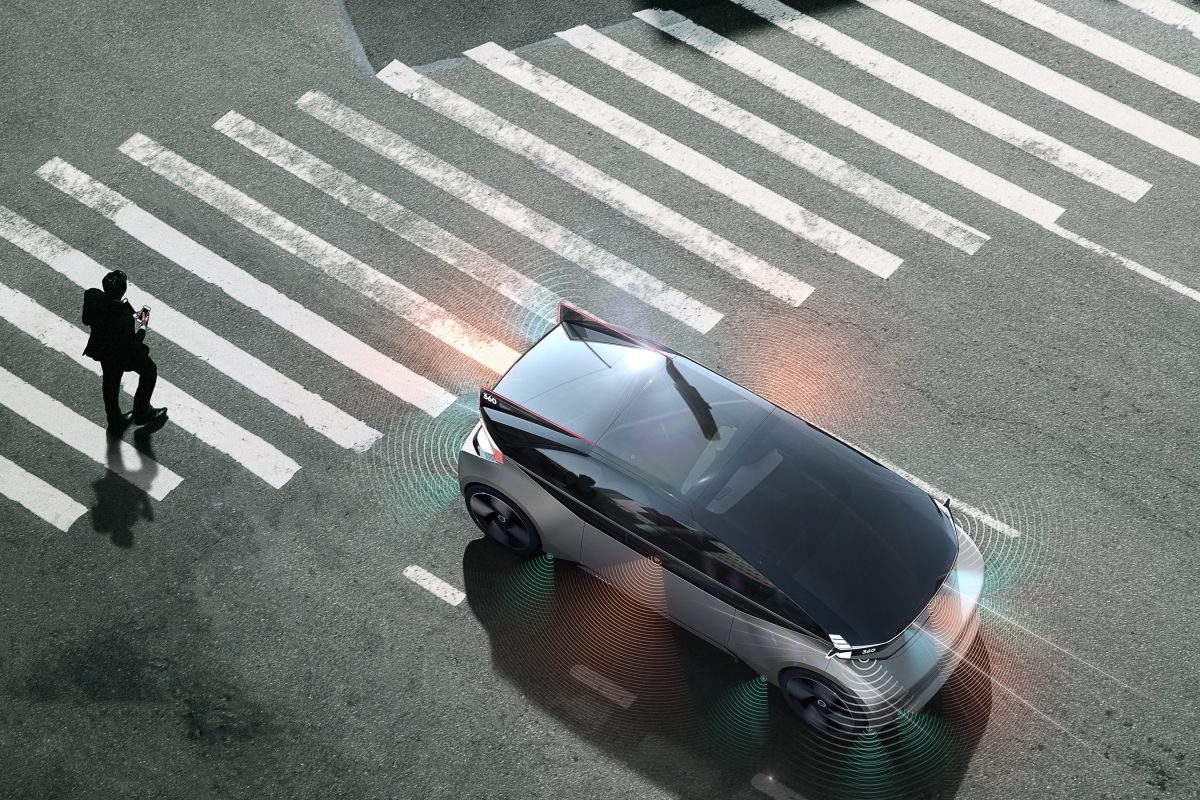
The Volvo 360c autonomous concept car, unveiled in 2018, provides one possible avenue of future development. It explores the type of safety-focused communication Volvo Cars believes will be essential to cars of the future when it comes to sharing the road with other road users, including other vehicles, cyclists and pedestrians. The design for the 360c explores a combination of external sounds, lights, and even subtle movements to communicate the vehicle’s intentions to other road users.

While the Highway Pilot will only be available on highways verified safe, when future autonomous cars eventually enter environments shared with pedestrians, cyclists and other road users, the vehicles will need to navigate all these complexities on their own. Although the communication is intended for highly advanced cars that won’t be realised for years to come, the inspiration behind it is simple and age-old: the human body language.

«What we’re really after is to give the self-driving car a type of body language that everyone understands,» says Mikael Ljung Aust, Senior Technical Leader for Collision Avoidance Functions at the Volvo Cars Safety Centre.

«If you want to set up a global standard for communication, there are some basic ground rules you need to follow. One, you need to speak a language that everybody understands, otherwise it isn’t global. Two, it needs to be fairly quick. You can’t have any uncertainties in traffic situations.»

Inspired by aspects of such universal human communication, Volvo is investigating sounds which aim to indicate an autonomous car’s intentions to other road users.

«What we really need is three or four key sounds that tell you what the car is going to do,» says Ljung Aust. «One of these sounds is informing the driver or the pedestrians around the car what its intentions are, for example: ‘I do not intend to move’.»

«For this, we use a low frequency sound, one we as humans naturally associate with something big. It’s a pulse, oscillating very slowly, which indicates the car is standing still.»

This intuitive approach has also inspired the acceleration and deceleration sounds being proposed by the 360c, which consist of a soft ticking that gradually increases and decreases in frequency respectively.

For a sound that warns a pedestrian of an oncoming car, Volvo was inspired by a technology used in submarines. The company is researching a new technology that uses ultrasounds via parametric speakers to «ping» pedestrians and cyclists with a noise only they can hear, similar to a submarine’s sonar.

However, as with most human communication, sound is most effective when accompanied by a synchronized visual display. Volvo Cars thus is looking into the possibilities of replacing the eye-to-eye acknowledgement of driver and other road users using contextual lights on the car.

On the 360c concept car, this is visualised by a light band wrapped around the car’s sides. The band lights up to alert other road users that they have been «seen» by the car and are thus taken into account by its safety systems. The same light band synchronises with the car’s sounds to safely and clearly communicate its intentions.

«There is an almost behavioral or ancestral reflex in people that make them jump or at least alert themselves if things happen in two channels at the same time,» says Ljung Aust. «Thunder and lightning is an easy example.»

While this technology is in the developmental stages, it’s all part of Volvo Cars’ efforts to create the safest traffic situations possible. By tapping into a combination of movement, sounds and light – non-verbal communications that have been so deeply ingrained in humans for tens of thousands of years – Volvo Cars hopes to make the intentions of autonomous cars to be understood quickly, safely and universally in years to come. 

Volvo Cars Media Relations, media@volvocars.com,  +46 31-596525

Video – https://mma.prnewswire.com/media/1390817/Volvo_Cars_and_Safety_in_the_cities.mp4
Photo – https://mma.prnewswire.com/media/1390820/Volvo_360c_Exterior_Safety.jpg
Photo – https://mma.prnewswire.com/media/1390819/Volvo_cars_and_bicyclists_1.jpg
Photo – https://mma.prnewswire.com/media/1390821/Volvo_cars_and_bicyclists_2.jpg
Photo – https://mma.prnewswire.com/media/1390822/Volvo_Mikael_Ljung_Aust.jpg


Volvo Cars and Safety in the cities


Volvo Cars and Safety in the cities


Volvo Cars and Safety in the cities


Volvo Cars and Safety in the cities


Volvo Cars imagines the future of autonomous drive by tapping into origins of human communication

GOTHENBURG,  Sweden, Dec. 22, 2020 /PRNewswire/ — Volvo Cars has established itself as one of the leaders in autonomous drive development, following its announcement earlier this year that its next generation of cars will be available as hardware ready for the technology from production start.

<object classid="clsid:D27CDB6E-AE6D-11cf-96B8-444553540000"…

GOTHENBURG,  Sweden, Dec. 22, 2020 /PRNewswire/ — Volvo Cars has established itself as one of the leaders in autonomous drive development, following its announcement earlier this year that its next generation of cars will be available as hardware ready for the technology from production start.

At the same time, the company is also looking further into the future, considering how autonomous cars will communicate with other road users in a driverless world. This research looks beyond current Highway Pilot plans, which aims to have cars drive safely on their own on chosen areas of highway that Volvo has verified as safe. To design this future, however, Volvo’s experts are seeking inspiration from the past.

«We make no secret about the fact that we see autonomous drive as the real long-term solution to avoid car accidents and to achieve traffic safety,» says Mats Moberg, Senior Vice President of R&D at Volvo Cars. However, as is always the case at Volvo Cars, safety is the first concern.

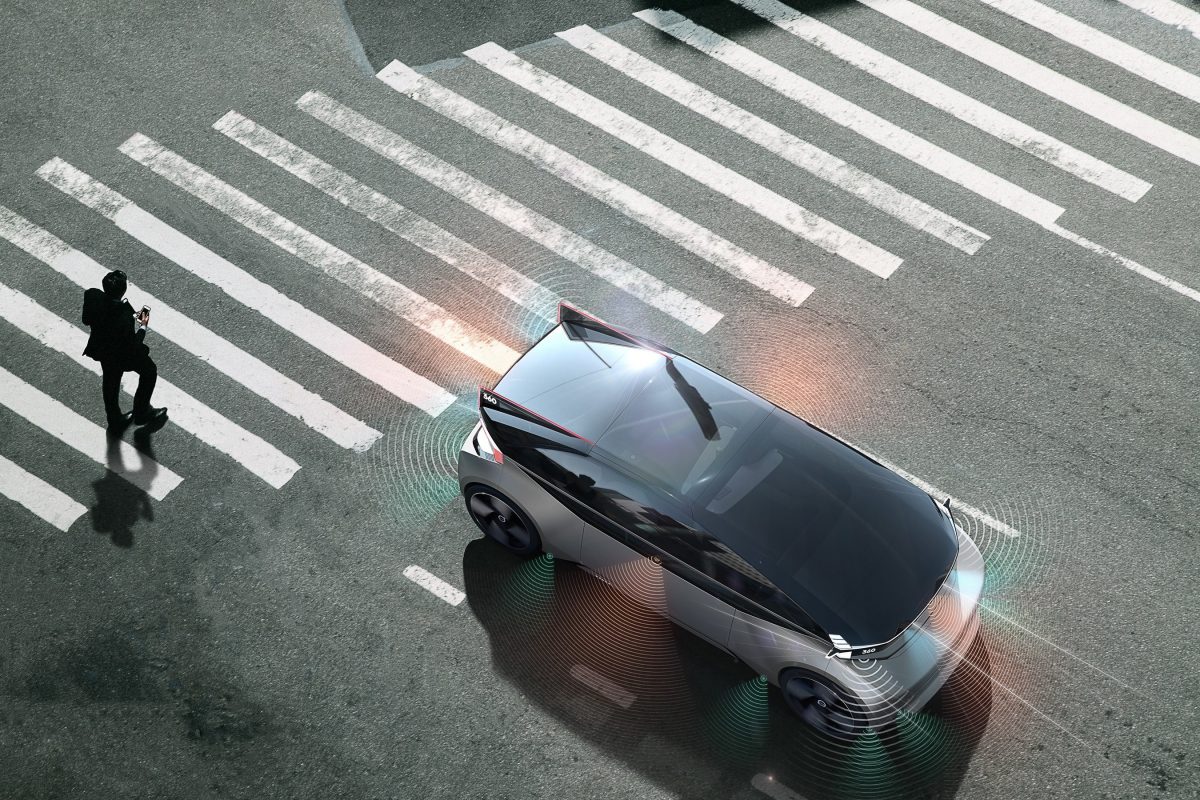
The Volvo 360c autonomous concept car, unveiled in 2018, provides one possible avenue of future development. It explores the type of safety-focused communication Volvo Cars believes will be essential to cars of the future when it comes to sharing the road with other road users, including other vehicles, cyclists and pedestrians. The design for the 360c explores a combination of external sounds, lights, and even subtle movements to communicate the vehicle’s intentions to other road users.

While the Highway Pilot will only be available on highways verified safe, when future autonomous cars eventually enter environments shared with pedestrians, cyclists and other road users, the vehicles will need to navigate all these complexities on their own. Although the communication is intended for highly advanced cars that won’t be realised for years to come, the inspiration behind it is simple and age-old: the human body language.

«What we’re really after is to give the self-driving car a type of body language that everyone understands,» says Mikael Ljung Aust, Senior Technical Leader for Collision Avoidance Functions at the Volvo Cars Safety Centre.

«If you want to set up a global standard for communication, there are some basic ground rules you need to follow. One, you need to speak a language that everybody understands, otherwise it isn’t global. Two, it needs to be fairly quick. You can’t have any uncertainties in traffic situations.»

Inspired by aspects of such universal human communication, Volvo is investigating sounds which aim to indicate an autonomous car’s intentions to other road users.

«What we really need is three or four key sounds that tell you what the car is going to do,» says Ljung Aust. «One of these sounds is informing the driver or the pedestrians around the car what its intentions are, for example: ‘I do not intend to move’.»

«For this, we use a low frequency sound, one we as humans naturally associate with something big. It’s a pulse, oscillating very slowly, which indicates the car is standing still.»

This intuitive approach has also inspired the acceleration and deceleration sounds being proposed by the 360c, which consist of a soft ticking that gradually increases and decreases in frequency respectively.

For a sound that warns a pedestrian of an oncoming car, Volvo was inspired by a technology used in submarines. The company is researching a new technology that uses ultrasounds via parametric speakers to «ping» pedestrians and cyclists with a noise only they can hear, similar to a submarine’s sonar.

However, as with most human communication, sound is most effective when accompanied by a synchronized visual display. Volvo Cars thus is looking into the possibilities of replacing the eye-to-eye acknowledgement of driver and other road users using contextual lights on the car.

On the 360c concept car, this is visualised by a light band wrapped around the car’s sides. The band lights up to alert other road users that they have been «seen» by the car and are thus taken into account by its safety systems. The same light band synchronises with the car’s sounds to safely and clearly communicate its intentions.

«There is an almost behavioral or ancestral reflex in people that make them jump or at least alert themselves if things happen in two channels at the same time,» says Ljung Aust. «Thunder and lightning is an easy example.»

While this technology is in the developmental stages, it’s all part of Volvo Cars’ efforts to create the safest traffic situations possible. By tapping into a combination of movement, sounds and light – non-verbal communications that have been so deeply ingrained in humans for tens of thousands of years – Volvo Cars hopes to make the intentions of autonomous cars to be understood quickly, safely and universally in years to come. 

Volvo Cars Media Relations, media@volvocars.com,  +46 31-596525

Video – https://mma.prnewswire.com/media/1390817/Volvo_Cars_and_Safety_in_the_cities.mp4
Photo – https://mma.prnewswire.com/media/1390820/Volvo_360c_Exterior_Safety.jpg
Photo – https://mma.prnewswire.com/media/1390819/Volvo_cars_and_bicyclists_1.jpg
Photo – https://mma.prnewswire.com/media/1390821/Volvo_cars_and_bicyclists_2.jpg
Photo – https://mma.prnewswire.com/media/1390822/Volvo_Mikael_Ljung_Aust.jpg


Volvo Cars and Safety in the cities


Volvo Cars and Safety in the cities


Volvo Cars and Safety in the cities


Volvo Cars and Safety in the cities


Volvo Cars imagines the future of autonomous drive by tapping into origins of human communication

GOTHENBURG,  Sweden, Dec. 22, 2020 /PRNewswire/ — Volvo Cars has established itself as one of the leaders in autonomous drive development, following its announcement earlier this year that its next generation of cars will be available as hardware ready for the technology from production start.

<object…

GOTHENBURG,  Sweden, Dec. 22, 2020 /PRNewswire/ — Volvo Cars has established itself as one of the leaders in autonomous drive development, following its announcement earlier this year that its next generation of cars will be available as hardware ready for the technology from production start.

At the same time, the company is also looking further into the future, considering how autonomous cars will communicate with other road users in a driverless world. This research looks beyond current Highway Pilot plans, which aims to have cars drive safely on their own on chosen areas of highway that Volvo has verified as safe. To design this future, however, Volvo’s experts are seeking inspiration from the past.

«We make no secret about the fact that we see autonomous drive as the real long-term solution to avoid car accidents and to achieve traffic safety,» says Mats Moberg, Senior Vice President of R&D at Volvo Cars. However, as is always the case at Volvo Cars, safety is the first concern.

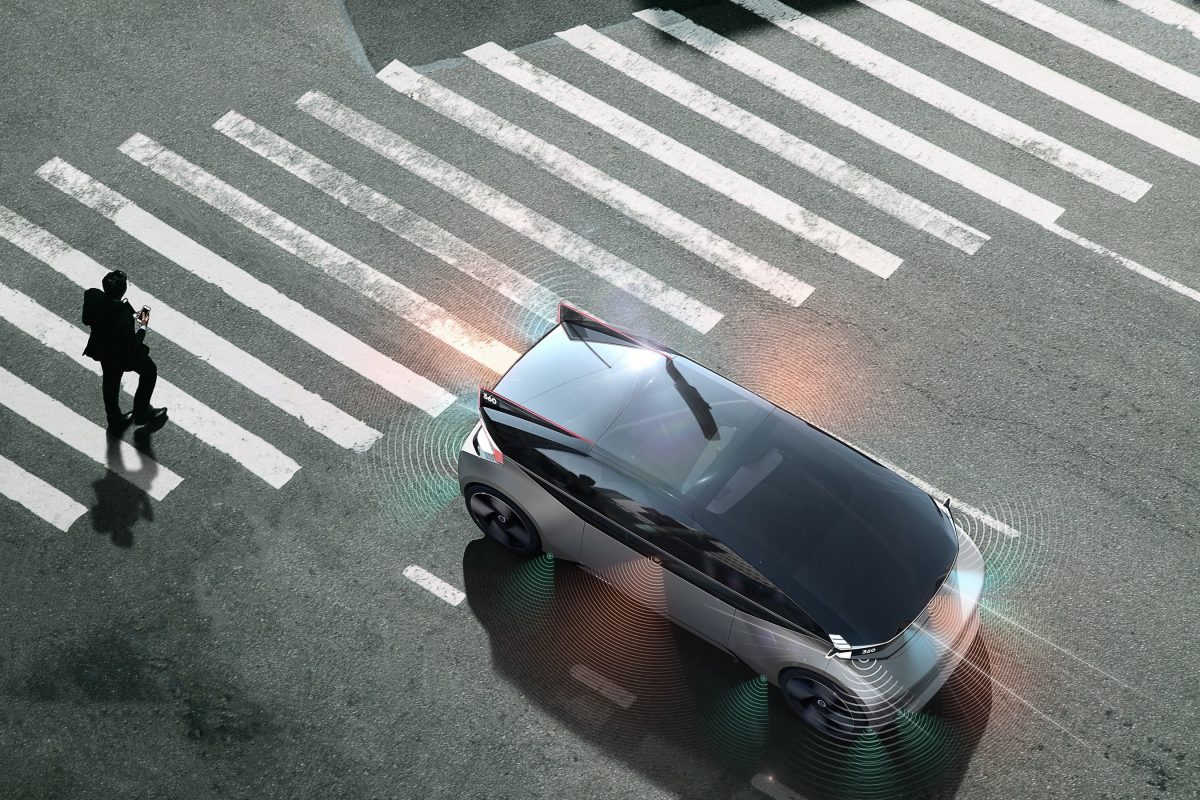
The Volvo 360c autonomous concept car, unveiled in 2018, provides one possible avenue of future development. It explores the type of safety-focused communication Volvo Cars believes will be essential to cars of the future when it comes to sharing the road with other road users, including other vehicles, cyclists and pedestrians. The design for the 360c explores a combination of external sounds, lights, and even subtle movements to communicate the vehicle’s intentions to other road users.

While the Highway Pilot will only be available on highways verified safe, when future autonomous cars eventually enter environments shared with pedestrians, cyclists and other road users, the vehicles will need to navigate all these complexities on their own. Although the communication is intended for highly advanced cars that won’t be realised for years to come, the inspiration behind it is simple and age-old: the human body language.

«What we’re really after is to give the self-driving car a type of body language that everyone understands,» says Mikael Ljung Aust, Senior Technical Leader for Collision Avoidance Functions at the Volvo Cars Safety Centre.

«If you want to set up a global standard for communication, there are some basic ground rules you need to follow. One, you need to speak a language that everybody understands, otherwise it isn’t global. Two, it needs to be fairly quick. You can’t have any uncertainties in traffic situations.»

Inspired by aspects of such universal human communication, Volvo is investigating sounds which aim to indicate an autonomous car’s intentions to other road users.

«What we really need is three or four key sounds that tell you what the car is going to do,» says Ljung Aust. «One of these sounds is informing the driver or the pedestrians around the car what its intentions are, for example: ‘I do not intend to move’.»

«For this, we use a low frequency sound, one we as humans naturally associate with something big. It’s a pulse, oscillating very slowly, which indicates the car is standing still.»

This intuitive approach has also inspired the acceleration and deceleration sounds being proposed by the 360c, which consist of a soft ticking that gradually increases and decreases in frequency respectively.

For a sound that warns a pedestrian of an oncoming car, Volvo was inspired by a technology used in submarines. The company is researching a new technology that uses ultrasounds via parametric speakers to «ping» pedestrians and cyclists with a noise only they can hear, similar to a submarine’s sonar.

However, as with most human communication, sound is most effective when accompanied by a synchronized visual display. Volvo Cars thus is looking into the possibilities of replacing the eye-to-eye acknowledgement of driver and other road users using contextual lights on the car.

On the 360c concept car, this is visualised by a light band wrapped around the car’s sides. The band lights up to alert other road users that they have been «seen» by the car and are thus taken into account by its safety systems. The same light band synchronises with the car’s sounds to safely and clearly communicate its intentions.

«There is an almost behavioral or ancestral reflex in people that make them jump or at least alert themselves if things happen in two channels at the same time,» says Ljung Aust. «Thunder and lightning is an easy example.»

While this technology is in the developmental stages, it’s all part of Volvo Cars’ efforts to create the safest traffic situations possible. By tapping into a combination of movement, sounds and light – non-verbal communications that have been so deeply ingrained in humans for tens of thousands of years – Volvo Cars hopes to make the intentions of autonomous cars to be understood quickly, safely and universally in years to come. 

Volvo Cars Media Relations, media@volvocars.com,  +46 31-596525

Video – https://mma.prnewswire.com/media/1390817/Volvo_Cars_and_Safety_in_the_cities.mp4
Photo – https://mma.prnewswire.com/media/1390820/Volvo_360c_Exterior_Safety.jpg
Photo – https://mma.prnewswire.com/media/1390819/Volvo_cars_and_bicyclists_1.jpg
Photo – https://mma.prnewswire.com/media/1390821/Volvo_cars_and_bicyclists_2.jpg
Photo – https://mma.prnewswire.com/media/1390822/Volvo_Mikael_Ljung_Aust.jpg


Volvo Cars and Safety in the cities


Volvo Cars and Safety in the cities


Volvo Cars and Safety in the cities


Volvo Cars and Safety in the cities


Cision View original content:http://www.prnewswire.com/news-releases/volvo-cars-imagines-the-future-of-autonomous-drive-by-tapping-into-origins-of-human-communication-301197547.html

SOURCE Volvo Cars

Xinhua Silk Road: El 13th China Photography Festival abre en Henan, China

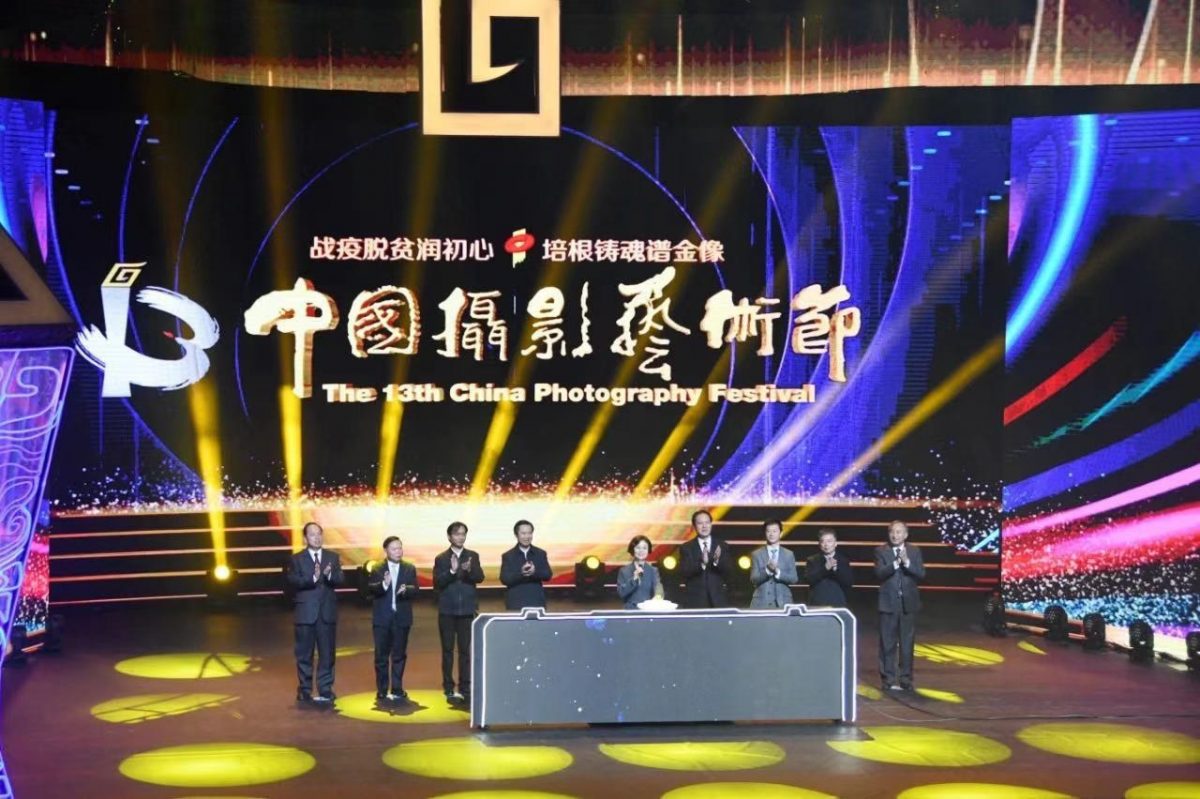
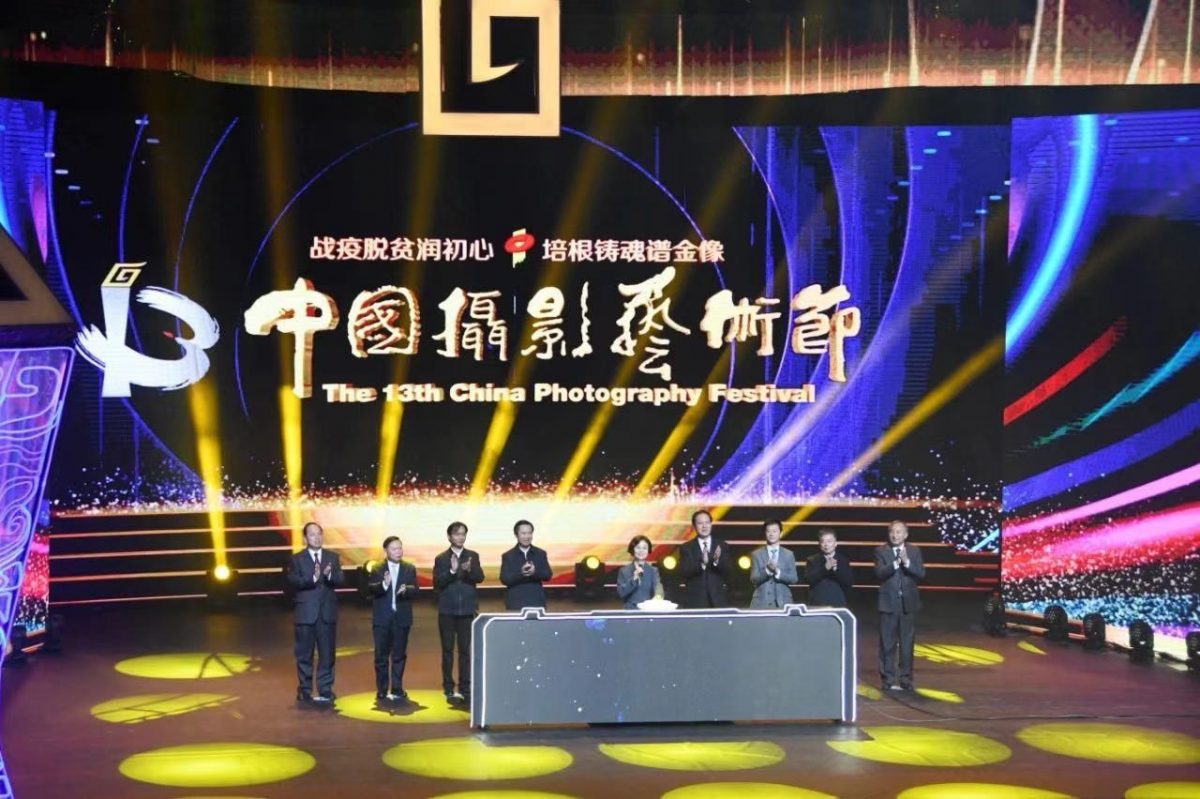
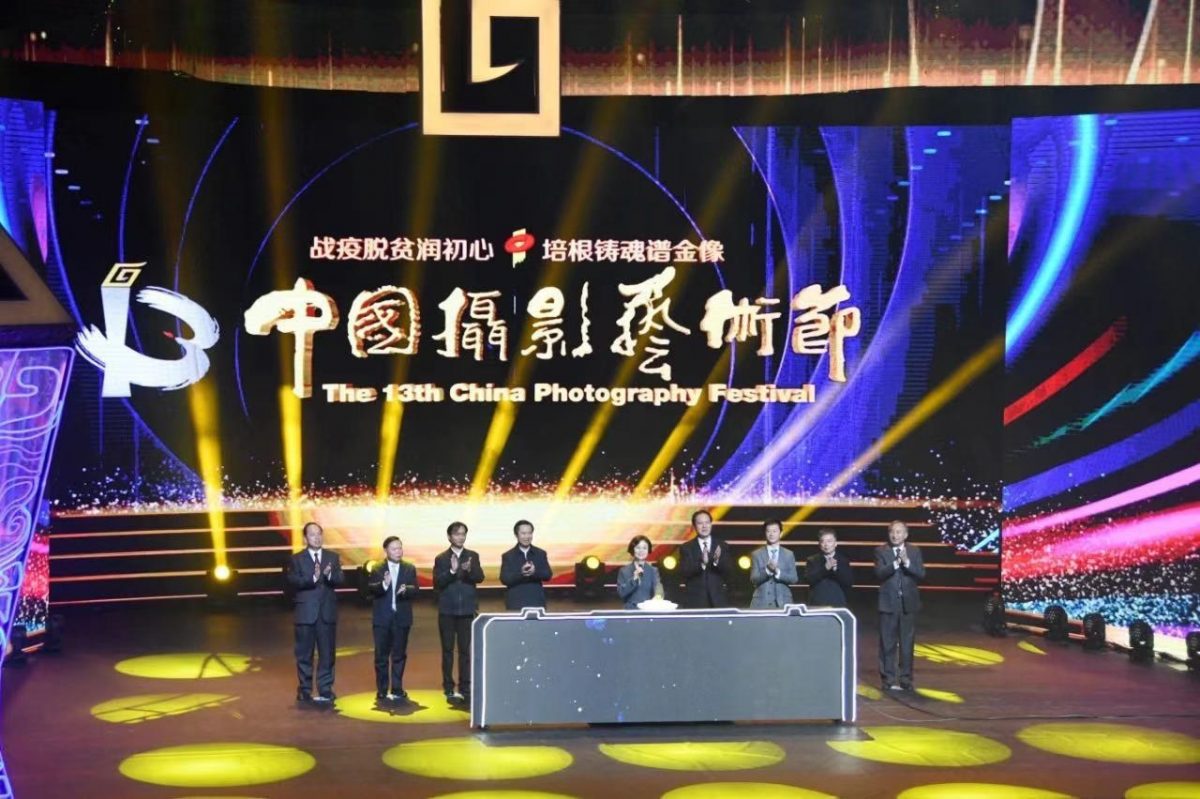
PEKÍN, 22 de diciembre de 2020 /PRNewswire/ — El 13th China Photography Festival and the City of Swan – la 4th China Sanmenxia Natural Ecology International Photography Exhibition se inauguró el 20 de diciembre en Sanmenxia, parte central de la Provincia de Henan, en China.

<img id="prnejpg5e80left" title="The opening ceremony of the 13th China Photography Festival held on December 20, 2020." border="0" alt="The…

PEKÍN, 22 de diciembre de 2020 /PRNewswire/ — El 13th China Photography Festival and the City of Swan – la 4th China Sanmenxia Natural Ecology International Photography Exhibition se inauguró el 20 de diciembre en Sanmenxia, parte central de la Provincia de Henan, en China.

The opening ceremony of the 13th China Photography Festival held on December 20, 2020.

Durante el festival, se lanzarán una serie de muestras, como la muestra fotográfica de alivio de la pobreza y una exhibición temática para luchar contra la pandemia de la COVID-19, mostrando 4.000 obras de más de 1.100 fotógrafos y presentando una fiesta visual maravillosa para toda la audiencia.

En 2018, la 12th China Photography Festival se celebró con éxito por primera vez en Sanmenxia, comentó Liu Nanchang, responsable de partes de Sanmenxia, añadiendo que desde el año 2016, gracias al fuerte apoyo de la Chinese Photographers Association, Sanmenxia ha celebrado tres sesiones consecutivas de la China Sanmenxia Natural Ecology International Photography Exhibition, creando una nueva marca de la muestra de fotografía internacional de Sanmenxia para sus maravillas naturales.

Con los esfuerzos conjuntos de la China Photographers Association y del gobierno de Sanmenxia, se espera que la cultura fotográfica contemporánea de China se enriquezca por medio de los intercambios e integración realizados durante la celebración del festival, explicó Li Ge, presidente de la China Photographic Association.

En los últimos años, Sanmenxia ha desarrollado de forma importante la industria de la fotografía, acelerando la construcción del centro de cultura de la fotografía de China, según explicó Liu.

Durante la ceremonia de apertura, se celebró también la Golden Statue Award Ceremony for China Photography. 19 fotógrafos asistieron a las tres categorías de premios respectivas, incluyendo la fotografía documental, fotografía artística y fotografía comercial.

Fundado en el año 1989, el China Photography Festival es el festival de fotografía más antiguo en China, y es la última adición y una amplia gama de influencia, desempeñando un papel importante en la creación del papel principal, recomendación de talentos y promoción de intercambios.

El festival de este año se hospedó de forma conjunta por medio de la China Federation of Literary and Art Circles, Departamento de Publicidad del CPC Henan Provincial Committee y la China Photographers Association.

Consulte el enlace original: https://en.imsilkroad.com/p/318448.html

Foto – https://mma.prnewswire.com/media/1390652/1.jpg


Xinhua Silk Road: El 13th China Photography Festival abre en Henan, China

PEKÍN, 22 de diciembre de 2020 /PRNewswire/ — El 13th China Photography Festival and the City of Swan – la 4th China Sanmenxia Natural Ecology International Photography Exhibition se inauguró el 20 de diciembre en Sanmenxia, parte central de la Provincia de Henan, en China.

<img id="prnejpg5e80left" title="The opening ceremony of the 13th China Photography Festival held on December 20, 2020." border="0" alt="The…

PEKÍN, 22 de diciembre de 2020 /PRNewswire/ — El 13th China Photography Festival and the City of Swan – la 4th China Sanmenxia Natural Ecology International Photography Exhibition se inauguró el 20 de diciembre en Sanmenxia, parte central de la Provincia de Henan, en China.

The opening ceremony of the 13th China Photography Festival held on December 20, 2020.

Durante el festival, se lanzarán una serie de muestras, como la muestra fotográfica de alivio de la pobreza y una exhibición temática para luchar contra la pandemia de la COVID-19, mostrando 4.000 obras de más de 1.100 fotógrafos y presentando una fiesta visual maravillosa para toda la audiencia.

En 2018, la 12th China Photography Festival se celebró con éxito por primera vez en Sanmenxia, comentó Liu Nanchang, responsable de partes de Sanmenxia, añadiendo que desde el año 2016, gracias al fuerte apoyo de la Chinese Photographers Association, Sanmenxia ha celebrado tres sesiones consecutivas de la China Sanmenxia Natural Ecology International Photography Exhibition, creando una nueva marca de la muestra de fotografía internacional de Sanmenxia para sus maravillas naturales.

Con los esfuerzos conjuntos de la China Photographers Association y del gobierno de Sanmenxia, se espera que la cultura fotográfica contemporánea de China se enriquezca por medio de los intercambios e integración realizados durante la celebración del festival, explicó Li Ge, presidente de la China Photographic Association.

En los últimos años, Sanmenxia ha desarrollado de forma importante la industria de la fotografía, acelerando la construcción del centro de cultura de la fotografía de China, según explicó Liu.

Durante la ceremonia de apertura, se celebró también la Golden Statue Award Ceremony for China Photography. 19 fotógrafos asistieron a las tres categorías de premios respectivas, incluyendo la fotografía documental, fotografía artística y fotografía comercial.

Fundado en el año 1989, el China Photography Festival es el festival de fotografía más antiguo en China, y es la última adición y una amplia gama de influencia, desempeñando un papel importante en la creación del papel principal, recomendación de talentos y promoción de intercambios.

El festival de este año se hospedó de forma conjunta por medio de la China Federation of Literary and Art Circles, Departamento de Publicidad del CPC Henan Provincial Committee y la China Photographers Association.

Consulte el enlace original: https://en.imsilkroad.com/p/318448.html

Foto – https://mma.prnewswire.com/media/1390652/1.jpg


Xinhua Silk Road: El 13th China Photography Festival abre en Henan, China

PEKÍN, 22 de diciembre de 2020 /PRNewswire/ — El 13th China Photography Festival and the City of Swan – la 4th China Sanmenxia Natural Ecology International Photography Exhibition se inauguró el 20 de diciembre en Sanmenxia, parte central de la Provincia de Henan, en China.

<img id="prnejpg5e80left" title="The opening ceremony of the 13th China Photography Festival held on December 20, 2020." border="0" alt="The…

PEKÍN, 22 de diciembre de 2020 /PRNewswire/ — El 13th China Photography Festival and the City of Swan – la 4th China Sanmenxia Natural Ecology International Photography Exhibition se inauguró el 20 de diciembre en Sanmenxia, parte central de la Provincia de Henan, en China.

The opening ceremony of the 13th China Photography Festival held on December 20, 2020.

Durante el festival, se lanzarán una serie de muestras, como la muestra fotográfica de alivio de la pobreza y una exhibición temática para luchar contra la pandemia de la COVID-19, mostrando 4.000 obras de más de 1.100 fotógrafos y presentando una fiesta visual maravillosa para toda la audiencia.

En 2018, la 12th China Photography Festival se celebró con éxito por primera vez en Sanmenxia, comentó Liu Nanchang, responsable de partes de Sanmenxia, añadiendo que desde el año 2016, gracias al fuerte apoyo de la Chinese Photographers Association, Sanmenxia ha celebrado tres sesiones consecutivas de la China Sanmenxia Natural Ecology International Photography Exhibition, creando una nueva marca de la muestra de fotografía internacional de Sanmenxia para sus maravillas naturales.

Con los esfuerzos conjuntos de la China Photographers Association y del gobierno de Sanmenxia, se espera que la cultura fotográfica contemporánea de China se enriquezca por medio de los intercambios e integración realizados durante la celebración del festival, explicó Li Ge, presidente de la China Photographic Association.

En los últimos años, Sanmenxia ha desarrollado de forma importante la industria de la fotografía, acelerando la construcción del centro de cultura de la fotografía de China, según explicó Liu.

Durante la ceremonia de apertura, se celebró también la Golden Statue Award Ceremony for China Photography. 19 fotógrafos asistieron a las tres categorías de premios respectivas, incluyendo la fotografía documental, fotografía artística y fotografía comercial.

Fundado en el año 1989, el China Photography Festival es el festival de fotografía más antiguo en China, y es la última adición y una amplia gama de influencia, desempeñando un papel importante en la creación del papel principal, recomendación de talentos y promoción de intercambios.

El festival de este año se hospedó de forma conjunta por medio de la China Federation of Literary and Art Circles, Departamento de Publicidad del CPC Henan Provincial Committee y la China Photographers Association.

Consulte el enlace original: https://en.imsilkroad.com/p/318448.html

Foto – https://mma.prnewswire.com/media/1390652/1.jpg