Eight Challenges to Big Alcohol’s Power in 2021

SAN RAFAEL, Calif., Jan. 25, 2021 /PRNewswire-HISPANIC PR WIRE/ — Big Alcohol is a term for the most powerful and profitable alcohol corporations of the world. Most Americans have little idea of the true size and scope of the global businesses behind the big brand names, let alone the way their practices endanger public health and safety.
<img id="prnejpg6ab3left" title="Alcohol Justice logo. (PRNewsFoto/Alcohol…

SAN RAFAEL, Calif., Jan. 25, 2021 /PRNewswire-HISPANIC PR WIRE/ — Big Alcohol is a term for the most powerful and profitable alcohol corporations of the world. Most Americans have little idea of the true size and scope of the global businesses behind the big brand names, let alone the way their practices endanger public health and safety.

Alcohol Justice logo. (PRNewsFoto/Alcohol Justice)

According to the World Health Organization (WHO), alcohol consumption annually causes 3 million deaths around the world. It is the most harmful drug to both drinkers and nondrinkers. Alcohol is the third leading cause of preventable death in the United States, accounting for an estimated 95,000 deaths annually. Nearly 5,000 people under age 21 die every year from injuries caused by drinking alcohol. Alcohol use is associated with physical and sexual assault, unintended pregnancy, sexually transmitted diseases, Fetal Alcohol Spectrum Disorder (FASD), violence, vandalism, crime, overdose, substance use disorder (SUD), and high-risk behavior.

Yet Big Alcohol global players like Anheuser-Busch InBev, Molson Coors, Diageo, Heineken, Kirin, Asahi, Pernod Ricard, Constellation Brands and Brown-Forman inflict more than $249 billion dollars of alcohol-related harm annually in the U.S. with virtually no accountability for their actions. Alcohol producers and their well-financed trade associations and front groups including DISCUS, Wine Institute, Beer Institute, American Beverage Institute, and the National Restaurant Association use aggressive lobbying practices and questionable research to kill or roll back alcohol regulations, reduce taxes, proliferate youth-enticing marketing, and, of course, push a drug that hurts or kills many with immediate, chronic, and/or addictive results.

Alcohol Justice envisions healthy communities free of the alcohol industry’s negative impact. Its mission is to promote evidence-based public health policies and organize campaigns with diverse communities and youth against the alcohol industry’s harmful practices. «But we cannot do it alone,» stated Bruce Lee Livingston, Executive Director, CEO of Alcohol Justice. «This is why you are needed: to mobilize and to limit the impact of Big Alcohol on the next generation. That’s why we commit at this time to a new year of ongoing campaigns to reduce Big Alcohol’s negative influence.»

In 2021 Alcohol Justice invites the public to join in challenging the power of global alcohol corporate titans in eight critical ways:

1) Tell your Senators, Representatives, and the Biden administration to stop subsidizing the alcohol industry by raising the federal alcohol excise tax and indexing it to the annual cost of living. This tax hasn’t been raised since 1991. It’s time to Charge for Harm by collecting billions of dollars of new revenue.

2) Tell your Governor and state legislature that COVID-19 alcohol deregulation should not become the new normal. COVID-19 alcohol deregulations are dangerous and place alcohol industry profits above public health and safety.

3) Tell the U.S. Treasury Department’s Alcohol and Tobacco Tax and Trade Bureau (TTB) and Congress to update the government health warning on alcoholic beverages and include a cancer warning statement:  WARNING: According to the Surgeon General, consumption of alcoholic beverages can cause cancer, including breast and colon cancers.   

4) Tell your state legislature to reduce the illegal blood alcohol content level from .08 to .05 BAC. This will not succeed unless we insist that law enforcement end biased policing in traffic stops and checkpoints. Enforcement against alcohol-impaired driving cannot be an excuse for stopping and arresting people of color. Most of the rest of the world has adopted this standard to prevent DUI deaths and injuries. It’s time the U.S. does too — .05 SAVES LIVES.

5) Tell the NFL, NBA, MLB, and all other professional and amateur sports associations worldwide to end alcohol branding, sponsorship, ads, and celebrity endorsements. Alcohol and sports are a toxic mix for athletes and young viewers alike, fueling injuries, violent behavior, and other alcohol-related harm.

6) Tell your state legislature to raise the state alcohol excise tax and index it to the annual cost of living. Alcohol lobbyists persuaded Congress to reduce the federal alcohol excise tax and have prevented state alcohol tax increases for generations, resulting in billions of dollars of lost revenue annually and a virtual state subsidization of alcohol-related harm.

7) Tell your social networks to ban all alcohol-related ads, tweets, and posts. Ineffective age-gating and voracious, profit-driven alcohol advertisers are drowning youth in seductive, harmful alcohol ads and other branded content.

8) Tell your local transit agencies and state legislatures to ban alcohol ads on public property. More exposure to alcohol ads influences youth to start drinking earlier, to drink more, and leads to more alcohol-related problems later in life.

Alcohol Justice is not against alcohol consumption, but we strongly oppose well-funded, deceptive marketing by the alcohol industry. It promotes harmful consumption, alcohol use at an early age, cheap products, and expanded bar and retail access. 

«You can help hold Big Alcohol accountable by challenging its power in the eight ways outlined above,» Livingston said. «Just as there are bans on tobacco ads and effective sales restrictions, there can be stronger controls on alcohol advertising and sales to reduce the enormous public health and safety harm, and the catastrophic costs of that harm.«

Alcohol Justice invites you to join their renewed public effort to rein-in Big Alcohol.  Sign up to receive Alcohol Justice Action Alerts and eNews. That’s a great first step. Big Alcohol may have the power to advertise in every media, at every sporting event, and to every age, but the public does not have to sit back and take it. If possible, make a tax-deductible contribution to Alcohol Justice. This too will help add strength in 2021. «Together, we can successfully challenge Big Alcohol and advocate for public health and safety over industry profits,» added Livingston. 

For more information on Alcohol Justice campaigns and projects: https://alcoholjustice.org

Contact: Michael J. Scippa 415 548-0492
Jorge Castillo 213 840-3336

Logo – https://mma.prnewswire.com/media/147418/alcohol_justice_logo.jpg

SOURCE Alcohol Justice

Eight Challenges to Big Alcohol’s Power in 2021

SAN RAFAEL, Calif., Jan. 25, 2021 /PRNewswire-HISPANIC PR WIRE/ — Big Alcohol is a term for the most powerful and profitable alcohol corporations of the world. Most Americans have little idea of the true size and scope of the global businesses behind the big brand names, let alone the way their practices endanger public health and safety.

<img id="prnejpg6ab3left" title="Alcohol Justice logo. (PRNewsFoto/Alcohol…

SAN RAFAEL, Calif., Jan. 25, 2021 /PRNewswire-HISPANIC PR WIRE/ — Big Alcohol is a term for the most powerful and profitable alcohol corporations of the world. Most Americans have little idea of the true size and scope of the global businesses behind the big brand names, let alone the way their practices endanger public health and safety.

Alcohol Justice logo. (PRNewsFoto/Alcohol Justice)

According to the World Health Organization (WHO), alcohol consumption annually causes 3 million deaths around the world. It is the most harmful drug to both drinkers and nondrinkers. Alcohol is the third leading cause of preventable death in the United States, accounting for an estimated 95,000 deaths annually. Nearly 5,000 people under age 21 die every year from injuries caused by drinking alcohol. Alcohol use is associated with physical and sexual assault, unintended pregnancy, sexually transmitted diseases, Fetal Alcohol Spectrum Disorder (FASD), violence, vandalism, crime, overdose, substance use disorder (SUD), and high-risk behavior.

Yet Big Alcohol global players like Anheuser-Busch InBev, Molson Coors, Diageo, Heineken, Kirin, Asahi, Pernod Ricard, Constellation Brands and Brown-Forman inflict more than $249 billion dollars of alcohol-related harm annually in the U.S. with virtually no accountability for their actions. Alcohol producers and their well-financed trade associations and front groups including DISCUS, Wine Institute, Beer Institute, American Beverage Institute, and the National Restaurant Association use aggressive lobbying practices and questionable research to kill or roll back alcohol regulations, reduce taxes, proliferate youth-enticing marketing, and, of course, push a drug that hurts or kills many with immediate, chronic, and/or addictive results.

Alcohol Justice envisions healthy communities free of the alcohol industry’s negative impact. Its mission is to promote evidence-based public health policies and organize campaigns with diverse communities and youth against the alcohol industry’s harmful practices. «But we cannot do it alone,» stated Bruce Lee Livingston, Executive Director, CEO of Alcohol Justice. «This is why you are needed: to mobilize and to limit the impact of Big Alcohol on the next generation. That’s why we commit at this time to a new year of ongoing campaigns to reduce Big Alcohol’s negative influence.»

In 2021 Alcohol Justice invites the public to join in challenging the power of global alcohol corporate titans in eight critical ways:

1) Tell your Senators, Representatives, and the Biden administration to stop subsidizing the alcohol industry by raising the federal alcohol excise tax and indexing it to the annual cost of living. This tax hasn’t been raised since 1991. It’s time to Charge for Harm by collecting billions of dollars of new revenue.

2) Tell your Governor and state legislature that COVID-19 alcohol deregulation should not become the new normal. COVID-19 alcohol deregulations are dangerous and place alcohol industry profits above public health and safety.

3) Tell the U.S. Treasury Department’s Alcohol and Tobacco Tax and Trade Bureau (TTB) and Congress to update the government health warning on alcoholic beverages and include a cancer warning statement:  WARNING: According to the Surgeon General, consumption of alcoholic beverages can cause cancer, including breast and colon cancers.   

4) Tell your state legislature to reduce the illegal blood alcohol content level from .08 to .05 BAC. This will not succeed unless we insist that law enforcement end biased policing in traffic stops and checkpoints. Enforcement against alcohol-impaired driving cannot be an excuse for stopping and arresting people of color. Most of the rest of the world has adopted this standard to prevent DUI deaths and injuries. It’s time the U.S. does too — .05 SAVES LIVES.

5) Tell the NFL, NBA, MLB, and all other professional and amateur sports associations worldwide to end alcohol branding, sponsorship, ads, and celebrity endorsements. Alcohol and sports are a toxic mix for athletes and young viewers alike, fueling injuries, violent behavior, and other alcohol-related harm.

6) Tell your state legislature to raise the state alcohol excise tax and index it to the annual cost of living. Alcohol lobbyists persuaded Congress to reduce the federal alcohol excise tax and have prevented state alcohol tax increases for generations, resulting in billions of dollars of lost revenue annually and a virtual state subsidization of alcohol-related harm.

7) Tell your social networks to ban all alcohol-related ads, tweets, and posts. Ineffective age-gating and voracious, profit-driven alcohol advertisers are drowning youth in seductive, harmful alcohol ads and other branded content.

8) Tell your local transit agencies and state legislatures to ban alcohol ads on public property. More exposure to alcohol ads influences youth to start drinking earlier, to drink more, and leads to more alcohol-related problems later in life.

Alcohol Justice is not against alcohol consumption, but we strongly oppose well-funded, deceptive marketing by the alcohol industry. It promotes harmful consumption, alcohol use at an early age, cheap products, and expanded bar and retail access. 

«You can help hold Big Alcohol accountable by challenging its power in the eight ways outlined above,» Livingston said. «Just as there are bans on tobacco ads and effective sales restrictions, there can be stronger controls on alcohol advertising and sales to reduce the enormous public health and safety harm, and the catastrophic costs of that harm.«

Alcohol Justice invites you to join their renewed public effort to rein-in Big Alcohol.  Sign up to receive Alcohol Justice Action Alerts and eNews. That’s a great first step. Big Alcohol may have the power to advertise in every media, at every sporting event, and to every age, but the public does not have to sit back and take it. If possible, make a tax-deductible contribution to Alcohol Justice. This too will help add strength in 2021. «Together, we can successfully challenge Big Alcohol and advocate for public health and safety over industry profits,» added Livingston. 

For more information on Alcohol Justice campaigns and projects: https://alcoholjustice.org

Contact: Michael J. Scippa 415 548-0492
Jorge Castillo 213 840-3336

Logo – https://mma.prnewswire.com/media/147418/alcohol_justice_logo.jpg

SOURCE Alcohol Justice
Emerging From a «VUCA» World – How Sales Leaders Can Set a Course for Less Stress in 2021

GREENSBORO, N.C., Jan. 25, 2021 /PRNewswire/ — The year 2021 has already rattled our collective cages – but with some insights and a little bit of planning, sales leaders can smooth out the wrinkles and prepare for sales success. Understanding how to manage through a VUCA world – one that is volatile, uncertain, complex, and ambiguous – is the subject of a free webinar being hosted by sales training and leadership experts <a target="_blank"…

GREENSBORO, N.C., Jan. 25, 2021 /PRNewswire/ — The year 2021 has already rattled our collective cages – but with some insights and a little bit of planning, sales leaders can smooth out the wrinkles and prepare for sales success. Understanding how to manage through a VUCA world – one that is volatile, uncertain, complex, and ambiguous – is the subject of a free webinar being hosted by sales training and leadership experts The Brooks Group.

The webinar, titled «The Virtual Happy Half Hour – Creating Your Sales Advantage Through Agility,» will be presented via Zoom at 2 p.m. EST on Friday, January 29, 2021. On the call will be special guest Tom O’Shea, Principal and Organizational Agility Practice Leader in Agility Consulting & Training (ACT) based in Greensboro, NC, and an expert on the VUCA concept.

«2020 was a definite example of VUCA on steroids,» O’Shea says. «2021 hopefully will be less turbulent and disruptive, but we can expect it to continue to accelerate and separate the agile from the fragile.»

During the webinar, which will be cohosted by The Brooks Group’s Vice President of Sales Performance Research, Michelle Richardson, and Russ Sharer, Director of Strategic Sales Excellence, attendees also will dive into how an agile posture can help sales organizations be better poised for the challenges of the year ahead.

Prospective attendees may register for the webinar here: https://thebrooksgroup.zoom.us/webinar/register/WN_5wWtSqRGR_C-XMjpsM4pDA

About The Brooks Group
Founded in 1977, The Brooks Group is a corporate sales training and sales management training company focused on helping companies build top-performing sales teams. Its training systems provide street smart, actionable strategies that help salespeople sell more effectively and sales managers coach and lead more successfully. Our no-nonsense, customizable approach skips the fluff and focuses on what will actually get results for your team. Go to www.BrooksGroup.com for more information.

About Tom O’Shea
Tom is a Principal and Organizational Agility Practice Leader in Agility Consulting & Training (ACT) based in Greensboro, NC. Agility Consulting was founded in 2001 and is a recognized leader in the field of leadership, team and organizational agility – helping hundreds of organizations and thousands of leaders become more focused, fast and flexible (agile) in an increasingly turbulent and time-pressed world. Tom specializes in strategic business development, leadership coaching and organizational improvement practices. He has more than 20 years’ industry experience working in consumer products, retailing and the apparel trade with industry leading companies. Tom has held senior leadership roles in human resources, strategic planning and general management.

Cision View original content to download multimedia:http://www.prnewswire.com/news-releases/emerging-from-a-vuca-world–how-sales-leaders-can-set-a-course-for-less-stress-in-2021-301213310.html

SOURCE The Brooks Group

Eight Challenges to Big Alcohol’s Power in 2021

SAN RAFAEL, Calif., Jan. 25, 2021 /PRNewswire/ — Big Alcohol is a term for the most powerful and profitable alcohol corporations of the world. Most Americans have little idea of the true size and scope of the global businesses behind the big brand names, let alone the way their practices endanger public health and safety.

<a…

SAN RAFAEL, Calif., Jan. 25, 2021 /PRNewswire/ — Big Alcohol is a term for the most powerful and profitable alcohol corporations of the world. Most Americans have little idea of the true size and scope of the global businesses behind the big brand names, let alone the way their practices endanger public health and safety.

According to the World Health Organization (WHO), alcohol consumption annually causes 3 million deaths around the world. It is the most harmful drug to both drinkers and nondrinkers. Alcohol is the third leading cause of preventable death in the United States, accounting for an estimated 95,000 deaths annually. Nearly 5,000 people under age 21 die every year from injuries caused by drinking alcohol. Alcohol use is associated with physical and sexual assault, unintended pregnancy, sexually transmitted diseases, Fetal Alcohol Spectrum Disorder (FASD), violence, vandalism, crime, overdose, substance use disorder (SUD), and high-risk behavior.

Yet Big Alcohol global players like Anheuser-Busch InBev, Molson Coors, Diageo, Heineken, Kirin, Asahi, Pernod Ricard, Constellation Brands and Brown-Forman inflict more than $249 billion dollars of alcohol-related harm annually in the U.S. with virtually no accountability for their actions. Alcohol producers and their well-financed trade associations and front groups including DISCUS, Wine Institute, Beer Institute, American Beverage Institute, and the National Restaurant Association use aggressive lobbying practices and questionable research to kill or roll back alcohol regulations, reduce taxes, proliferate youth-enticing marketing, and, of course, push a drug that hurts or kills many with immediate, chronic, and/or addictive results.

Alcohol Justice envisions healthy communities free of the alcohol industry’s negative impact. Its mission is to promote evidence-based public health policies and organize campaigns with diverse communities and youth against the alcohol industry’s harmful practices. «But we cannot do it alone,» stated Bruce Lee Livingston, Executive Director, CEO of Alcohol Justice. «This is why you are needed: to mobilize and to limit the impact of Big Alcohol on the next generation. That’s why we commit at this time to a new year of ongoing campaigns to reduce Big Alcohol’s negative influence.»

In 2021 Alcohol Justice invites the public to join in challenging the power of global alcohol corporate titans in eight critical ways:

1) Tell your Senators, Representatives, and the Biden administration to stop subsidizing the alcohol industry by raising the federal alcohol excise tax and indexing it to the annual cost of living. This tax hasn’t been raised since 1991. It’s time to Charge for Harm by collecting billions of dollars of new revenue.

2) Tell your Governor and state legislature that COVID-19 alcohol deregulation should not become the new normal. COVID-19 alcohol deregulations are dangerous and place alcohol industry profits above public health and safety.

3) Tell the U.S. Treasury Department’s Alcohol and Tobacco Tax and Trade Bureau (TTB) and Congress to update the government health warning on alcoholic beverages and include a cancer warning statement:  WARNING: According to the Surgeon General, consumption of alcoholic beverages can cause cancer, including breast and colon cancers.   

4) Tell your state legislature to reduce the illegal blood alcohol content level from .08 to .05 BAC. This will not succeed unless we insist that law enforcement end biased policing in traffic stops and checkpoints. Enforcement against alcohol-impaired driving cannot be an excuse for stopping and arresting people of color. Most of the rest of the world has adopted this standard to prevent DUI deaths and injuries. It’s time the U.S. does too — .05 SAVES LIVES.

5) Tell the NFL, NBA, MLB, and all other professional and amateur sports associations worldwide to end alcohol branding, sponsorship, ads, and celebrity endorsements. Alcohol and sports are a toxic mix for athletes and young viewers alike, fueling injuries, violent behavior, and other alcohol-related harm.

6) Tell your state legislature to raise the state alcohol excise tax and index it to the annual cost of living. Alcohol lobbyists persuaded Congress to reduce the federal alcohol excise tax and have prevented state alcohol tax increases for generations, resulting in billions of dollars of lost revenue annually and a virtual state subsidization of alcohol-related harm.

7) Tell your social networks to ban all alcohol-related ads, tweets, and posts. Ineffective age-gating and voracious, profit-driven alcohol advertisers are drowning youth in seductive, harmful alcohol ads and other branded content.

8) Tell your local transit agencies and state legislatures to ban alcohol ads on public property. More exposure to alcohol ads influences youth to start drinking earlier, to drink more, and leads to more alcohol-related problems later in life.

Alcohol Justice is not against alcohol consumption, but we strongly oppose well-funded, deceptive marketing by the alcohol industry. It promotes harmful consumption, alcohol use at an early age, cheap products, and expanded bar and retail access. 

«You can help hold Big Alcohol accountable by challenging its power in the eight ways outlined above,» Livingston said. «Just as there are bans on tobacco ads and effective sales restrictions, there can be stronger controls on alcohol advertising and sales to reduce the enormous public health and safety harm, and the catastrophic costs of that harm.«

Alcohol Justice invites you to join their renewed public effort to rein-in Big Alcohol.  Sign up to receive Alcohol Justice Action Alerts and eNews. That’s a great first step. Big Alcohol may have the power to advertise in every media, at every sporting event, and to every age, but the public does not have to sit back and take it. If possible, make a tax-deductible contribution to Alcohol Justice. This too will help add strength in 2021. «Together, we can successfully challenge Big Alcohol and advocate for public health and safety over industry profits,» added Livingston. 

For more information on Alcohol Justice campaigns and projects: https://alcoholjustice.org

Contact: Michael J. Scippa 415 548-0492
Jorge Castillo 213 840-3336

Cision View original content to download multimedia:http://www.prnewswire.com/news-releases/eight-challenges-to-big-alcohols-power-in-2021-301213467.html

SOURCE Alcohol Justice

Akamai Technologies Publishes 2020 Sustainability Report

CAMBRIDGE, Mass., Jan. 25, 2021 /PRNewswire/ — Akamai Technologies, Inc. (NASDAQ: AKAM), the intelligent edge platform for securing and delivering digital experiences, today publishes the company’s <a target="_blank"…

CAMBRIDGE, Mass., Jan. 25, 2021 /PRNewswire/ — Akamai Technologies, Inc. (NASDAQ: AKAM), the intelligent edge platform for securing and delivering digital experiences, today publishes the company’s year-end report on its global sustainability practices. By instituting a number of efficiency initiatives, Akamai has continued to decouple its platform growth from energy usage. While 2020 traffic on the Akamai platform increased, driven by COVID-19 quarantine mandates, Akamai’s greenhouse gas emissions also decreased through platform efficiency and the use of renewable-sources of power.

Akamai is proud to be a part of the essential fabric of the internet. It believes that operating its business with a small environmental footprint is important to unlocking the potential of the internet and is an essential value for its customers and the communities in which it operates. In 2015, the company implemented a five-year plan focusing on reducing energy intensity across its global intelligent edge platform, investing in net-new renewable energy projects, reducing and managing greenhouse gas output, and responsibly managing e-waste. The sustainability report summarizes Akamai’s innovative efforts to reach those goals.

«The internet poses challenges for the environment and is responsible for what is said to be about 2% of global energy usage. And it emits as much CO2 as the airline industry,» said Mike Mattera, director, corporate sustainability, Akamai Technologies, Inc. «As a leading performance, security, and delivery provider, we share the responsibility for reducing the internet’s carbon emissions. That’s why back in 2015, we set goals to lessen our emissions by 30%, power our edge platform with 50% renewable energy, and recycle 100% of our e-waste all by the end of 2020. I am proud that we have met each of these goals.»

Highlights of the Akamai 2020 sustainability report

  • The company reduced its greenhouse gas emissions by over 30% since 2015.
  • The 50% renewable energy goal was met through investments in net-new grid-connected renewable energy projects. Akamai’s three projects are now fully online: a wind farm in Texas, a solar array in Virginia, and a wind farm in Illinois. The renewable energy produced from those projects covers about 23% of Akamai’s global power needs.
  • Akamai’s intelligent edge platform used ten times less energy per unit of capacity than it did in 2015, even while the available capacity of the edge platform grew by more than 350%.
  • In 2020, available capacity on the Akamai global platform grew by over 60% while the company was still able to reduce its scope 2 emissions by more than 50% from 2019 levels.
  • To help customers meet their own sustainability goals, Akamai provides a customized report that details their unique global emissions as a result of their server and energy usage on our platform.
  • Akamai established meaningful supply-chain education by partnering with sustainability organizations, engaging in public advocacy, and, with like-minded companies, to focus on expanding the benefits of a carbon-free internet.
  • Akamai was an active proponent in key sustainability legislation in the commonwealths of Massachusetts and Virginia. The company was a vocal member of a coalition of clean energy businesses, environmental groups, grassroots groups and lawmakers that came together in support of the passage of the Virginia Clean Economy Act and Regional Greenhouse Gas Initiative. 

Sustainability at Akamai
Akamai strives to take a leadership role in minimizing the environmental impact of information technology systems. The company’s sustainability initiatives are designed to measure and mitigate the impact of our business operations while maximizing and enhancing the benefits from sustainable business practices. Sustainable programs focus on several key areas – network carbon efficiency, electronic waste management, renewable energy procurement and an environmentally lower-impact corporate office selection and renovation program. #GreenwithAkamai

About Akamai
Akamai secures and delivers digital experiences for the world’s largest companies. Akamai’s intelligent edge platform surrounds everything, from the enterprise to the cloud, so customers and their businesses can be fast, smart, and secure. Top brands globally rely on Akamai to help them realize competitive advantage through agile solutions that extend the power of their multi-cloud architectures. Akamai keeps decisions, apps and experiences closer to users than anyone – and attacks and threats far away. Akamai’s portfolio of edge security, web and mobile performance, enterprise access and video delivery solutions is supported by unmatched customer service, analytics and 24/7/365 monitoring. To learn why the world’s top brands trust Akamai, visit www.akamai.com, blogs.akamai.com, or @Akamai on Twitter.

Media Relations

Gina Sorice
(646) 320-4107
gsorice@akamai.com

Investor Relations

Tom Barth
617-274-7130
tbarth@akamai.com

Cision View original content to download multimedia:http://www.prnewswire.com/news-releases/akamai-technologies-publishes-2020-sustainability-report-301213586.html

SOURCE Akamai Technologies, Inc.

MITSUBISHI MOTORS Unveils Testing Footage of the All-New OUTLANDER

TOKYO, Jan. 25, 2021 /PRNewswire/ — MITSUBISHI MOTORS CORPORATION (MMC) today released a video of the all-new OUTLANDER undergoing final tuning and testing. The all-new OUTLANDER will make its global debut on Tuesday, February 16 at 3pm PST/6PM EST (February 17 at 8am JST) and introduce the company’s latest Super All-Wheel Control system. Coupled with…

TOKYO, Jan. 25, 2021 /PRNewswire/ — MITSUBISHI MOTORS CORPORATION (MMC) today released a video of the all-new OUTLANDER undergoing final tuning and testing. The all-new OUTLANDER will make its global debut on Tuesday, February 16 at 3pm PST/6PM EST (February 17 at 8am JST) and introduce the company’s latest Super All-Wheel Control system. Coupled with the company’s pioneering all-wheel drive technology, the flagship SUV provides driver confidence and security in all weather and road conditions.

The all-new OUTLANDER was put through its paces, as the system’s final calibrations were developed in severe weather and road conditions. Redesigned and reimagined in every way, the vehicle will be bigger and bolder than the previous generations.

With a knowledge base proven over years of competitions in the deserts of Dakar and on the slippery dirt-covered and snow-packed roads of the world’s rally circuits, the all-new OUTLANDER builds on a heritage forged by the PAJERO/MONTERO cross-country SUV. Engineers focused on building a crossover SUV that embodies the MITSUBISHI MOTORS DNA and the product concept «I-Fu-Do-Do», which means authentic and majestic. The all-new OUTLANDER is set to deliver the highest level of maneuverability and superb driving performance.

«We took everything we know about on- and off-road driving from the rally experiences to apply the latest Super All-Wheel Control technology in our newly developed platform,» said Kentaro Honda, segment chief vehicle engineer (lead engineer) for the all-new OUTLANDER. «We also specifically developed a new drive mode selector to provide confident driving at all times and in all weather conditions. We hope that many customers will have great experiences with the enhanced driving performance of the all-new OUTLANDER.»

About MITSUBISHI MOTORS
MITSUBISHI MOTORS CORPORATION is a global automobile company based in Tokyo, Japan, which has a competitive edge in SUVs and pickup trucks, electric and plug-in hybrid electric vehicles.

Since the Mitsubishi group produced its first car more than a century ago, we have demonstrated an ambitious and often disruptive approach, developing new vehicle genres and pioneering cutting-edge technologies. Deeply rooted in MITSUBISHI MOTORS’ DNA, our brand strategy will appeal to ambitious drivers, willing to challenge conventional wisdom and ready to embrace change. Consistent with this mindset, MITSUBISHI MOTORS introduced its new brand strategy in 2017, expressed in its «Drive your Ambition» tagline – a combination of personal drive and forward attitude, and a reflection of the constant dialogue between the brand and its customers. Today MITSUBISHI MOTORS is committed to continuous investment in innovative new technologies, attractive design and product development, bringing exciting and authentic new vehicles to customers around the world.

About Mitsubishi Motors North America, Inc.
Through a network of approximately 330 dealer partners across the United States, Mitsubishi Motors North America, Inc., (MMNA) is responsible for the sales, research and development, marketing and customer service of Mitsubishi Motors vehicles in the U.S. MMNA was the top-ranked Japanese brand in the J.D. Power 2020 Initial Quality study, ranking sixth overall and experiencing the greatest year-over-year improvement of any brand.

Located in Franklin, Tennessee, MMNA is a part of the Renault-Nissan-Mitsubishi Alliance. Mitsubishi continues to lead the way in the development of highly efficient, affordably priced new gasoline-powered automobiles, while using its industry-leading knowledge in battery-electric vehicles to develop future EV and PHEV models.

For more information on Mitsubishi vehicles, please contact the Mitsubishi Motors News Bureau at 615-257-2698 or visit media.mitsubishicars.com.

Contacts
Jeremy Barnes
Senior Director, Communications and Events
jeremy.barnes@na.mitsubishi-motors.com
Mobile: 714-296-1402

Lauren Ryan
Manger, Communications and Events
lauren.ryan@na.mitsubishi-motors.com
Mobile: 404-862-8286

Cision View original content to download multimedia:http://www.prnewswire.com/news-releases/mitsubishi-motors-unveils-testing-footage-of-the-all-new-outlander-301213107.html

SOURCE Mitsubishi Motors North America, Inc.

Alaska Airlines takes delivery of its first Boeing 737-9 MAX aircraft

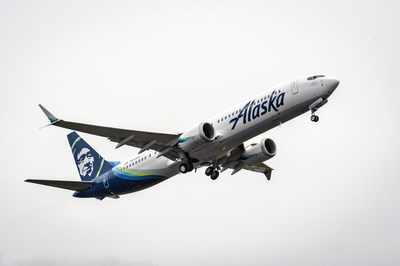
SEATTLE, Jan. 25, 2021 /PRNewswire/ — Alaska Airlines has accepted delivery of its first Boeing 737-9 MAX airplane, marking a new phase of modernizing the airline’s fleet in the coming years. Alaska pilots flew the aircraft on a short flight yesterday from the Boeing Delivery Center at Boeing Field in Seattle to the company’s hangar at Sea-Tac International Airport with a small group of Alaska’s top…

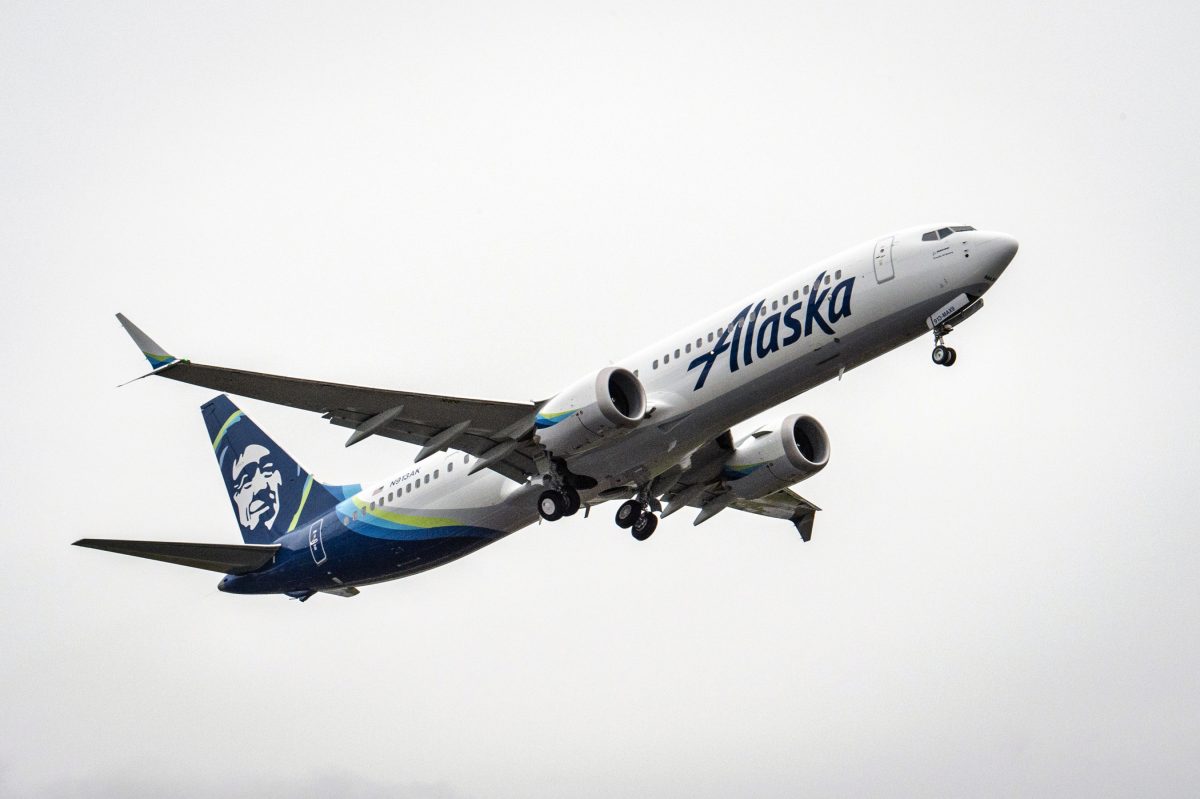
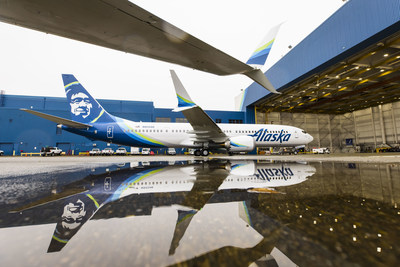
SEATTLE, Jan. 25, 2021 /PRNewswire/ — Alaska Airlines has accepted delivery of its first Boeing 737-9 MAX airplane, marking a new phase of modernizing the airline’s fleet in the coming years. Alaska pilots flew the aircraft on a short flight yesterday from the Boeing Delivery Center at Boeing Field in Seattle to the company’s hangar at Sea-Tac International Airport with a small group of Alaska’s top leadership on board.

«We’ve eagerly waited for this day. It was a proud moment to board our newest 737 aircraft and fly it home,» said Alaska Airlines President Ben Minicucci. «This plane is a significant part of our future. We believe in it, we believe in Boeing and we believe in our employees who will spend the next five weeks in training to ensure we’re ready to safely fly our guests.»

Alaska’s first 737-9 is scheduled to enter passenger service on March 1 with daily roundtrip flights between Seattle and San Diego, and Seattle and Los Angeles. The airline’s second 737-9 is expected to enter service later in March.

Teams from across various divisions at Alaska will now follow a strict readiness timeline that guides the actions that must be taken before the start of passenger flights. The process – involving rigorous rounds of test flying, verifying and specific preparations – will take five weeks:

  • Maintenance technicians will undergo training to become even more acquainted with the new aircraft. They will receive at least 40 hours of «differences training,» which distinguishes the variations between the new MAX and the airline’s existing 737 NG fleet. Certain technicians will receive up to 40 additional hours of specialized training focused on the plane’s engines and avionics systems.
  • Alaska’s pilots will put the 737-9 through its paces, flying it more than 50 flight hours and roughly 19,000 miles around the country, including to Alaska and Hawaii. These «proving flights» are conducted to confirm our safety assessments and those of the Federal Aviation Administration (FAA), and to ensure a full understanding of the plane’s capabilities in different climates and terrain.
  • Our pilots will receive eight hours of MAX-specific, computer-based training prior to flying the aircraft over the course of two days, which includes at least two hours of training in Alaska’s own certified, state-of-the-art MAX flight simulator. That’s where they fly several maneuvers specific to the aircraft and better understand the improvements that have been made to the plane.

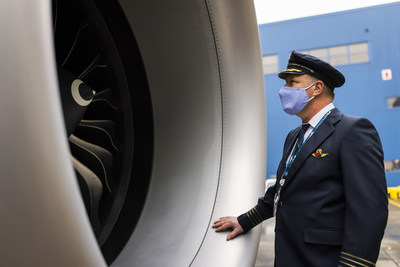
«Our pilots are the best trained in the industry. With the 737-9, we’re going above and beyond with our training program, even more than what the FAA is requesting,» said John Ladner, an Alaska 737 captain and vice president of flight operations. «We have high confidence in this aircraft. It’s a tremendous addition to our fleet, and we’re ready to start flying it in March.»

Deliveries of Alaska’s 737-9 aircraft by Boeing will be flown with sustainable aviation fuel (SAF), which helps the aviation industry reduce CO2 emissions on a life-cycle basis. The SAF will be used on all MAX aircraft deliveries and will be supplied by Epic Fuels.

Alaska announced a restructured order agreement with Boeing in December 2020 to receive a total of 68 737-9 MAX aircraft in the next four years, with options for an additional 52 planes. The airline is scheduled to receive 13 planes this year; 30 in 2022; 13 in 2023; and 12 in 2024. The agreement incorporates Alaska’s announcement last November to lease 13 737-9 aircraft as part of a separate transaction.

These 68 aircraft will largely replace Alaska’s Airbus fleet and move the airline substantially toward a single, mainline fleet that’s more efficient, profitable and environmentally friendly. The 737-9 will enhance the guest experience and support the company’s growth.

Learn more about Alaska’s confidence in the safety and certification of the MAX at alaskaair.com/737MAX.

Editor’s Note: Broadcast quality video of the delivery flight and interviews with Minicucci; pilot Capt. Chris Kipp; and Constance von Muehlen, SVP of maintenance and engineering, along with high resolution photographs of the flight, can be downloaded for use.

About Alaska Airlines
Alaska Airlines and its regional partners serve more than 115 destinations across the United States and North America. The airline provides essential air service for our guests along with moving crucial cargo shipments, while emphasizing Next-Level Care. Alaska is known for low fares, award-winning customer service and sustainability efforts. Guests can earn and redeem miles on flights to more than 800 destinations worldwide with Alaska and its Global Partners. On March 31, 2021, Alaska will officially become a member of the oneworld global alliance. Learn more about Alaska at newsroom.alaskaair.com and blog.alaskaair.com. Alaska Airlines and Horizon Air are subsidiaries of Alaska Air Group (NYSE: ALK).

Cision View original content to download multimedia:http://www.prnewswire.com/news-releases/alaska-airlines-takes-delivery-of-its-first-boeing-737-9-max-aircraft-301213736.html

SOURCE Alaska Airlines

Heart of the Civil War Heritage Area Economic Impact Estimated at $450.2 Million

FREDERICK, Md., Jan. 25, 2021 /PRNewswire-PRWeb/ — The Maryland Heritage Areas Authority (MHAA), the governing body of the Maryland Heritage Areas Program, today released the results of a study that estimates the contribution of the Heart of the Civil War Heritage Area to the statewide economy to be $450.2 million in economic impact and 6,376 jobs supported and sustained.

«The Heart of the Civil War Heritage Area aims to preserve and enhance our vibrant…

FREDERICK, Md., Jan. 25, 2021 /PRNewswire-PRWeb/ — The Maryland Heritage Areas Authority (MHAA), the governing body of the Maryland Heritage Areas Program, today released the results of a study that estimates the contribution of the Heart of the Civil War Heritage Area to the statewide economy to be $450.2 million in economic impact and 6,376 jobs supported and sustained.

«The Heart of the Civil War Heritage Area aims to preserve and enhance our vibrant communities by providing services to preserve what makes them unique: our priceless historic and natural resources. Our work promoting and developing heritage tourism for ever-widening audiences ensures that these resources will be valued by and valuable to future generations of stewards. This study reveals that the Heart of the Civil War Heritage Area plays a vital role in our state and regional economies in Carroll, Frederick, and Washington Counties. Our operations, including grantmaking, technical assistance to nonprofits and government entities, marketing, an education initiative, and visitor services, have an exponential economic impact, supporting tourism, outdoor recreation, and local businesses. This is a crucial time to invest in the economic health of our communities and the Heart of the Civil War Heritage Area’s mission makes that contribution.» said Elizabeth Scott Shatto, Executive Director.

The study was commissioned by Maryland Heritage Areas Authority and was conducted by Parker Philips, Inc. a nationally recognized consulting firm specializing in economic impact analysis.

«An economic contribution analysis is an objective way to measure the significance of an organization in the regional economy; it is a tool that policy makers can use to inform their decisions about how to allocate funding and make smart investment decisions,» said Nichole Parker, Co-Founder and Principal Partner at Parker Philips. «Clearly, the Heart of the Civil War Heritage Area is a major contributor to the regional economy and raises the profile and value of heritage tourism.»

In the analysis, the study considered the direct spending on operations, pay, benefits, grants and heritage tourists by the Heart of the Civil War Heritage Area and the estimated increase in demand for goods and services in industry sectors that supply or support the heritage tourism in the Heart of the Civil War Heritage Area.

According to the study, a key result of the program and heritage tourism is that the Heart of the Civil War Heritage Area supports and sustains 6,376 jobs including direct employment by the Heart of the Civil War Heritage Area, as well as indirect and induced jobs created by supply and equipment vendors, jobs created in the community at hotels, restaurants and retail stores in support of the Heart of the Civil War Heritage Area’s operations, grantmaking and heritage tourists.

The study also calculated tax revenues generated by this level of economic activity, including sales, property, personal income and corporate income taxes. The study concluded that the Heart of the Civil War Heritage Area generates about $60.3 million in tax revenues for state and local government.

Statewide, the Maryland Heritage Areas Program, including all 13 certified Heritage Areas, heritage tourists, grantmaking and program spending had a total statewide economic contribution of $2.4 billion. This activity generated an estimated 33,815 jobs in the state. It is estimated that nearly 20.7 million tourists in the state are heritage tourists.

This economic impact report for the Heart of the Civil War Heritage Area is available at https://www.heartofthecivilwar.org/about/press-releases. The full economic contribution analysis is available at https://bit.ly/mhaaimpact

Media Contact

Elizabeth Shatto, Heart of the Civil War Heritage Area, 240-285-6727, liz@heartofthecivilwar.org


SOURCE Heart of the Civil War Heritage Area

EY announces ambition to be carbon negative in 2021

LONDON, Jan. 25, 2021 /PRNewswire/ — EY today announces an ambition to be carbon negative in 2021 by setting targets to significantly reduce its absolute emissions and removing and offsetting more carbon than it emits. In a new statement on sustainability, published today, EY…

LONDON, Jan. 25, 2021 /PRNewswire/ — EY today announces an ambition to be carbon negative in 2021 by setting targets to significantly reduce its absolute emissions and removing and offsetting more carbon than it emits. In a new statement on sustainability, published today, EY set out the seven key components of its plans to not only become carbon negative but to reduce total emissions by 40% – consistent with a science-based target – and achieve net zero in 2025.

The EY commitment to sustainability is an integral part of its NextWave strategy and ambition to create long-term value for all stakeholders. Launched in FY20, the NextWave strategy supports the EY purpose of building a better working world.

This new ambition builds on the global organization’s achievement of carbon neutrality in December 2020 and underscores the EY commitment to the environment and to driving long-term, sustainable growth. Key elements of the ambition include:

  • Reducing business travel emissions by 35% by FY25 against a FY19 baseline.
  • Reducing overall office electricity usage and procuring 100% renewable energy for remaining EY needs, earning membership to the RE100, a group of influential organizations committed to renewable power, by FY25.
  • Structuring electricity supply contracts, through virtual power purchase agreements (PPAs), to introduce more electricity than EY consumes into national grids.
  • Providing EY teams with tools that enable them to calculate, then work to reduce, the amount of carbon emitted when carrying out EY client work.
  • Using nature-based solutions and carbon-reduction technologies to remove from the atmosphere or offset more carbon than EY emits, every year.
  • Investing in services and solutions that help EY clients profitably decarbonize their businesses and provide solutions to other sustainability challenges and opportunities.
  • Requiring 75% of EY suppliers, by spend, to set science-based targets by no later than FY25.

Carmine Di Sibio, EY Global Chairman and CEO, says:

«We believe that combatting climate change is a vital element of building a better working world. While this challenge is unique and different for each organization, we are inspired by those that are setting ambitious targets despite the difficulties they face. EY people are passionate about tackling big challenges and with the power of 300,000 of them, we will not only transform EY to become a leader in sustainability, but also help EY clients do the same.»

New sustainable solutions to help EY clients reach their goals

Alongside the work it is undertaking to become more sustainable, EY teams are developing a new set of global sustainability solutions for EY clients aimed at helping them on their own sustainability journeys. The solutions will be focused around value-led sustainability, helping EY clients capture the business opportunities from sustainability and decarbonization, while also protecting and creating value. This follows the approach EY teams have taken to achieve these sustainability targets and carbon negative ambition.

Steve Varley, EY Global Vice Chair – Sustainability, says:

«EY has set this ambition because it is increasingly clear that, collectively, we need to do even more to help avert a climate change disaster. EY people are proud that we met our ambition to become carbon neutral in 2020. Inspired by them and others undertaking major steps, we challenged ourselves to go further, faster. We are deeply concerned about the science and what that means for our planet. We believe that becoming carbon negative in 2021 and net zero in 2025, reducing our emissions in line with a science-based target, is the right ambition to have. We realize that these challenges are different and more difficult for certain industries. That is why there are also investments in new solutions and services to help EY clients protect and create value from becoming more sustainable too.»

EY is continuing to invest in technology and transform its business, which was accelerated by the COVID-19 pandemic. It is expected that many of the changes that have been implemented as a result of the COVID-19 pandemic will help EY achieve its sustainability ambitions by helping EY teams learn and implement new ways of working, and EY will continue to innovate and utilize the best of these. For example, during the pandemic EY teams worked with both clients and EY organizations to help implement workplace changes, including flexible working and increased use of remote working technologies, which are expected to contribute to reductions in business travel. EY is also working closely with airline and hospitality clients to achieve this goal and find innovative solutions.

Today’s announcement follows other actions EY has taken to reduce the organization’s environmental impact and drive sustainable growth. These include two recent initiatives in collaboration with HRH The Prince of Wales’s Sustainable Markets Initiative; The S30, a group of 30 of the world’s leading C-suite sustainability leaders focused on accelerating business action on sustainability and joining the «Terra Carta» a charter that puts sustainability at the heart of the private sector. The EY organization is also playing a leading role in the World Economic Forum’s International Business Council, which has developed a core set of common metrics and disclosures on non-financial factors for investors and other stakeholders.

Notes to Editors

About EY 

EY exists to build a better working world, helping to create long-term value for clients, people and society and build trust in the capital markets.  

Enabled by data and technology, diverse EY teams in over 150 countries provide trust through assurance and help clients grow, transform and operate.  

Working across assurance, consulting, law, strategy, tax and transactions, EY teams ask better questions to find new answers for the complex issues facing our world today. 

EY refers to the global organization, and may refer to one or more, of the member firms of Ernst & Young Global Limited, each of which is a separate legal entity. Ernst & Young Global Limited, a UK company limited by guarantee, does not provide services to clients. Information about how EY collects and uses personal data and a description of the rights individuals have under data protection legislation are available via ey.com/privacy. EY member firms do not practice law where prohibited by local laws. For more information about our organization, please visit ey.com. 

This news release has been issued by EYGM Limited, a member of the global EY organization that also does not provide any services to clients. 

Definition of terms

Science-based target (SBT). A greenhouse gas reduction target to reduce an organization’s emissions in line with climate science and the Paris Agreement goal to limit global warming to 1.5˚C above pre-industrial levels.

Carbon neutral. The result of an organization removing and offsetting emissions equivalent to its carbon footprint each year.

Carbon negative. The result of an organization both reducing its emissions in line with its 1.5˚C SBT and investing in nature-based solutions and carbon technologies to remove and offset more carbon than it emits each year.

Net zero. The point at which an organization has achieved its 1.5˚C SBT and removed its residual emissions from the atmosphere.

Alasdair Gee
EY Global Media Relations
+44 (0) 20 7980 0612
Alasdair.Gee@uk.ey.com

Cision View original content to download multimedia:http://www.prnewswire.com/news-releases/ey-announces-ambition-to-be-carbon-negative-in-2021-301213534.html

SOURCE EY

Blue Pacific Flavors Introduces Kilimanjaro Vanilla

CITY OF INDUSTRY, Calif., Jan. 25, 2021 /PRNewswire-PRWeb/ — Blue Pacific Flavors, an established leader in natural and organic fruit flavors, compounded flavor formulations and sustainably sourced food ingredients, today unveiled its unrivaled and majestic Kilimanjaro Vanilla™.

«Reflecting decades of dedication, partnership and innovation to bring true, sustainable vanilla back to the food and beverage industry, the Kilimanjaro Vanilla story is one of people, passion, pride, and purpose,»…

CITY OF INDUSTRY, Calif., Jan. 25, 2021 /PRNewswire-PRWeb/ — Blue Pacific Flavors, an established leader in natural and organic fruit flavors, compounded flavor formulations and sustainably sourced food ingredients, today unveiled its unrivaled and majestic Kilimanjaro Vanilla™.

«Reflecting decades of dedication, partnership and innovation to bring true, sustainable vanilla back to the food and beverage industry, the Kilimanjaro Vanilla story is one of people, passion, pride, and purpose,» said Donald Wilkes, President and CEO of Blue Pacific Flavors. We are making the highest-quality vanilla truly accessible to responsible brands as they strive to align with consumer demand for natural, clean-label, sustainably produced products that also taste amazing.»

Blue Pacific Flavors’ consistent commitment to responsible sourcing and sustainability has led a path to a partnership with Natural Extracts Industries (NEI) to put programs in place to help improve quality of life for farmers, and drive sustainable agricultural practices. Blue Pacific and NEI share a common goal of reintroducing premium, natural vanilla to the world while supporting a sustainable future for the people and wildlife of Tanzania. Operating a social enterprise that educates Tanzanian farmers on vanilla agriculture, champions fair trade wages, and provides full traceability, they are working to empower local communities towards sustainable success. The partnership also provides improved financial security for farmers, and incentive to follow strict quality standards that help to ensure that Kilimanjaro Vanilla retains its unrivaled flavor and quality.

«The synergies that we have and the value that this partnership creates is something that benefits us all,» said Juan Guardado, Managing Director for NEI. «No other flavor is able to impact on so many different levels: livelihood, product quality, and conservation. It’s a really unique value proposition and one NEI is excited to be a part of.»

«The quality of Kilimanjaro Vanilla is unlike any vanilla in recent memory,» said Jessica Morton, Sensory & Consumer Insights Manager at Blue Pacific Flavors. «This vanilla is incredibly complex and full-bodied, from the first aromas of rich, creamy florals that excite your senses to the long, tapered finish of sweet caramel, spiced rum, and pipe tobacco. Kilimanjaro Vanilla is what the world’s finest vanilla tastes like.»

Kilimanjaro Vanilla achieves exceptional quality through a true Farm to Flavor® approach. The complexity of sweet and creamy botanical resins layered over exotic hardwood and hints of terroir can only be achieved through the most thoughtful vanilla cultivar selection, vanilla flower hand pollination, and unyielding patience throughout vanilla bean harvesting and curing. This traditional, handcrafted approach yields a premium vanilla flavor unlike any in the world today.

Through its fully vertically integrated production, Blue Pacific Flavors maintains consistency in quality, ensures cost stability, and enables a fully secure and traceable supply chain. Extracts of Kilimanjaro Vanilla are produced locally in Kilimanjaro, Tanzania, delivering increased value and enabling more lucrative opportunities for local farmers.

Conservation is a major part of the Kilimanjaro Vanilla story. Blue Pacific Flavors is committed to donating 3% of net sales of Kilimanjaro Vanilla to the African Wildlife Foundation (AWF). Purchase of this product helps support AWF’s mission to ensure the continent’s wildlife and wild lands thrive in a modern Africa.

Visit KilimanjaroVanilla.com to journey through Tanzania and explore the empowering story of Kilimanjaro Vanilla.

# # #

About Blue Pacific Flavors
Blue Pacific Flavors employs a unique blend of creativity, passion and innovation to develop some of the world’s most authentic fruit and sweet flavors for global food and beverage brands. Blue Pacific is an established leader in natural and organic fruit flavors. With a product line of more than 30,000 compounded flavor formulations and sustainably sourced food ingredients. Blue Pacific has the resources and expertise to help turn innovative ideas into iconic products. For more information, visit: bluepacificflavors.com.

About Natural Extracts Industries
Natural Extracts Industries (NEI) is a social enterprise established in 2011, with its headquarters in the foothills of Mount Kilimanjaro in Tanzania. Its two-fold mission is to satisfy global demand for sustainably-sourced natural extracts and flavor ingredients, and to ensure long-term socio-economic benefits for local communities. NEI provides sustainable social, economic and environmental solutions to rural communities, currently supporting an outgrower network of over 5,000 farmers and women’s groups in Tanzania by promoting and adding value to their crops and providing access to global markets. It provides education and expert guidance in sustainable farming practices, and employs advanced methods and technologies to ensure complete traceability throughout the supply chain. For more information, visit: nei-ltd.com.

PR Contact:
Heidi Rosenberg
Heidi Rosenberg Communications
http://www.mightymopr.com
mightymopr@gmail.com
435-841-2171

Media Contact

Heidi Rosenberg, Blue Pacific Flavors, +1 435-841-2171, mightymopr@gmail.com


SOURCE Blue Pacific Flavors