Ocho desafíos al poder de la industria del alcohol (Big Alcohol) en 2021

SAN RAFAEL, California, 25 de enero de 2021 /PRNewswire-HISPANIC PR WIRE/ — «Big Alcohol» es un término que designa a las corporaciones fabricantes y distribuidoras de alcohol más poderosas y con mayores ganancias en el mundo. La mayoría de los estadounidenses tienen poco conocimiento de la real envergadura y el alcance de los negocios globales que hay detrás de los grandes nombres de marcas, y menos aún de la forma en que sus prácticas dañan la salud y la seguridad públicas.
<div id="prni_dvprnejpg850bleft"…

SAN RAFAEL, California, 25 de enero de 2021 /PRNewswire-HISPANIC PR WIRE/ — «Big Alcohol» es un término que designa a las corporaciones fabricantes y distribuidoras de alcohol más poderosas y con mayores ganancias en el mundo. La mayoría de los estadounidenses tienen poco conocimiento de la real envergadura y el alcance de los negocios globales que hay detrás de los grandes nombres de marcas, y menos aún de la forma en que sus prácticas dañan la salud y la seguridad públicas.

Alcohol Justice logo.

Según la Organización Mundial de la Salud (OMS), el consumo de alcohol es la causa de 3 millones de muertes en el mundo anualmente. Es la droga más perjudicial tanto para los bebedores como para el resto de las personas. El alcohol es la tercera causa en importancia de muertes evitables en los Estados Unidos, que da cuenta de un estimado de 95,000 muertes anualmente. Cerca de 5,000 personas menores de 21 años mueren cada año debido a lesiones ocasionadas por la ingesta de alcohol. El uso de alcohol se asocia con agresiones físicas y sexuales, embarazos no deseados, enfermedades de transmisión sexual, trastornos del espectro alcohólico fetal (FASD), violencia, vandalismo, crímenes, sobredosis, trastorno por consumo de sustancias (SUD) y comportamientos de alto riesgo.

Sin embargo, los grandes actores de la industria del alcohol como Anheuser-Busch InBev, Molson Coors, Diageo, Heineken, Kirin, Asahi, Pernod Ricard, Constellation Brands y Brown-Forman ocasionan anualmente más de $249 billones de dólares en daños relacionados con el alcohol en los Estados Unidos sin asumir prácticamente ninguna responsabilidad por sus acciones. Los productores de alcohol y sus asociaciones gremiales y organizaciones de fachada muy bien financiadas, que incluyen a DISCUS, Wine Institute, Beer Institute, American Beverage Institute y National Restaurant Association usan prácticas agresivas de lobby e investigaciones cuestionables para anular o retrotraer regulaciones sobre el alcohol, reducir impuestos, proliferar el seductor marketing para jóvenes y, por supuesto, impulsar una droga que daña o mata a muchos de manera inmediata y ocasiona resultados crónicos y/o adictivos.

Alcohol Justice tiene en su visión comunidades saludables, libres del impacto negativo de la industria del alcohol. Su misión es promover políticas de salud pública con base en evidencia y organizar campañas con distintas comunidades y jóvenes en contra de las perjudiciales prácticas de la industria del alcohol. «Pero no podemos hacerlo solos», señaló Bruce Lee Livingston, director y presidente ejecutivo de Alcohol Justice. «Esta es la razón por la que lo necesitamos: movilizar y limitar el impacto de Big Alcohol en la siguiente generación. Esa es la razón por la que estamos comprometidos en este momento con un nuevo año con campañas permanentes para reducir la influencia negativa de la industria del alcohol».

En este 2021, Alcohol Justice invita al público a unirse para desafiar el poder de los titanes mundiales de la industria del alcohol en ocho formas cruciales:

1) Diga a sus senadores, representantes y a la administración Biden que dejen de subvencionar a la industria del alcohol mediante el incremento del impuesto federal específico para el alcohol y la incorporación del alcohol en el índice para el cálculo del costo de vida anual. Este impuesto no ha sufrido variación desde 1991. Es hora de cobrar por el daño mediante la recaudación de billones de dólares de nuevos impuestos.

2) Diga a su gobernador y al poder legislativo que la desregulación del alcohol por la COVID-19 no debería convertirse en la nueva normalidad. Las liberalizaciones del alcohol por la COVID-19 son peligrosas y ponen las utilidades de la industria del alcohol por encima de la salud y la seguridad públicas.

3) Diga a la Agencia de Impuestos y Comercio de Alcohol y Tabaco del Departamento del Tesoro (TTB) y al Congreso de los Estados Unidos que actualicen la advertencia de salud del gobierno sobre las bebidas alcohólicas y que incluyan una advertencia sobre el cáncer:  ADVERTENCIA: de acuerdo con lo señalado por las autoridades sanitarias, el consumo de bebidas alcohólicas puede producir cáncer, incluidos los de mama y colon.   

4) Diga al poder legislativo que reduzca el nivel ilegal de contenido de alcohol en la sangre de .08 a .05 BAC. Esto no tendrá éxito a menos que insistamos en que las fuerzas del orden pongan fin a la actuación policial sesgada en los controles de tránsito y en los puestos de control. La aplicación de la ley en contra la conducción bajo los efectos del alcohol no puede ser una excusa para detener y arrestar a las personas de color. La mayoría de los países en el mundo han adoptado este estándar para prevenir muertes y heridos por conducción bajo la influencia del alcohol. Es momento de que los Estados Unidos lo haga también; .05 SALVA VIDAS.

5) Diga a organizaciones como NFL, NBA, MLB, y otras asociaciones de deporte profesionales y de aficionados en el mundo que terminen con las exhibiciones publicitarias, los patrocinios, los avisos y la aprobación del alcohol por parte de las celebridades. El alcohol y los deportes son una combinación tóxica para los atletas y jóvenes espectadores por igual, alimentando lesiones, comportamiento violento y otros daños relacionados con el alcohol.

6) Diga a sus legisladores que suban el impuesto estatal específico al alcohol y que lo incorporen al alcohol en el índice para el cálculo del costo de vida anual. Los miembros de los grupos de presión en favor del alcohol persuadieron al Congreso para que redujera el impuesto federal específico al alcohol y han evitado el aumento de los impuestos estatales al alcohol por generaciones, lo han dado como resultado billones de dólares de pérdida de ingresos públicos anuales y una virtual subvención estatal a los daños relacionados con el alcohol.

7) Diga a sus redes sociales que prohíban los avisos, tweets y publicaciones relacionados con el alcohol. Las barreras por edad ineficientes y los voraces anunciantes de alcohol impulsados por las ganancias están ahogando a la juventud con avisos seductores y perjudiciales sobre el alcohol y otros contenidos de sus marcas.

8) Diga a sus agencias de tránsito locales y legisladores que prohíban la publicidad de alcohol en propiedades públicas. La mayor exposición a avisos relacionados con el alcohol influencia a la juventud para comenzar a beber a temprana edad, beber más y lleva a más problemas relacionados con el alcohol en etapas posteriores de la vida.

Alcohol Justice no está en contra del consumo de alcohol, pero se opone enérgicamente al marketing engañoso y bien financiado que realiza la industria del alcohol. Promueve el consumo perjudicial, el uso de alcohol a temprana edad, productos baratos y acceso ampliado a bares y comercios minoristas. 

«Ustedes pueden ayudar a que el Big Alcohol rinda cuentas, desafiando su poder de las ocho maneras que señalamos anteriormente», indicó Livingston. «Así como existen prohibiciones para la publicidad del tabaco y restricciones de venta eficaces, podría haber controles más rigurosos sobre la publicidad y las ventas de alcohol para reducir el enorme daño a la salud y seguridad públicas y los costos catastróficos de este daño».«

Alcohol Justice los invita a ser parte de su renovado esfuerzo público para mantener bajo control al Big Alcohol.  Inscríbase para recibir notificaciones de acciones y eNews de Alcohol Justice. Ese es un gran primer paso. Big Alcohol podrá tener el poder para hacer publicidad en todos los medios, en todos los eventos deportivos y para todas las edades, pero el público no tiene por qué sentarse y aceptarlo. Si es posible, haga una contribución deducible de sus impuestos a Alcohol Justice. Esto también ayudará a fortalecernos en 2021. «Juntos, podemos desafiar con éxito al Big Alcohol y defender la salud y seguridad públicas de las de la industria», concluyó Livingston. 

Para obtener más información sobre las campañas y proyectos de Alcohol Justice, visite https://alcoholjustice.org

Contacto: Michael J. Scippa 415 548-0492
Jorge Castillo 213 840-3336

Logotipo: https://mma.prnewswire.com/media/147418/alcohol_justice_logo.jpg

FUENTE Alcohol Justice

Alaska Airlines takes delivery of its first Boeing 737-9 MAX aircraft

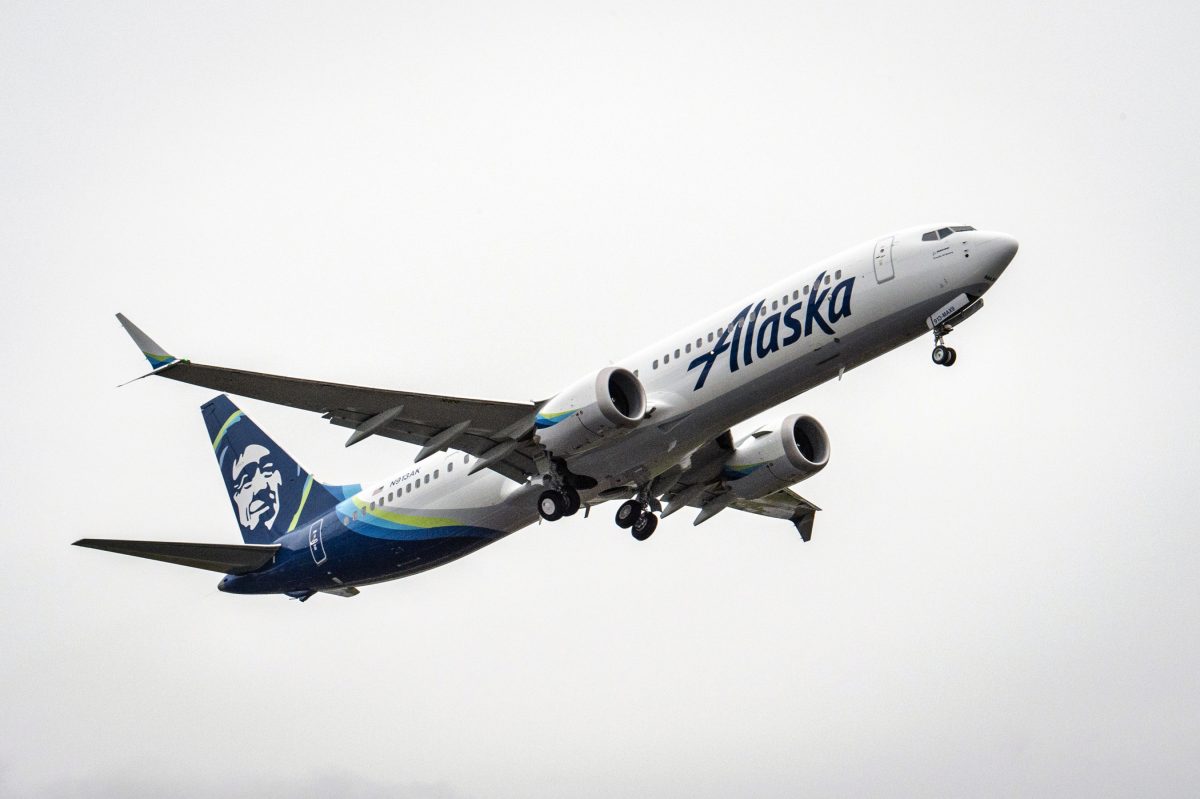
SEATTLE, Jan. 25, 2021 /PRNewswire/ — Alaska Airlines has accepted delivery of its first Boeing 737-9 MAX airplane, marking a new phase of modernizing the airline’s fleet in the coming years. Alaska pilots flew the aircraft on a short flight yesterday from the Boeing Delivery Center at Boeing Field in Seattle to the company’s hangar at Sea-Tac International Airport with a small group of Alaska’s top…

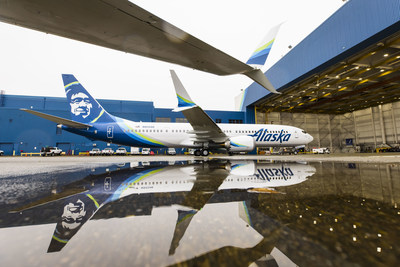
SEATTLE, Jan. 25, 2021 /PRNewswire/ — Alaska Airlines has accepted delivery of its first Boeing 737-9 MAX airplane, marking a new phase of modernizing the airline’s fleet in the coming years. Alaska pilots flew the aircraft on a short flight yesterday from the Boeing Delivery Center at Boeing Field in Seattle to the company’s hangar at Sea-Tac International Airport with a small group of Alaska’s top leadership on board.

«We’ve eagerly waited for this day. It was a proud moment to board our newest 737 aircraft and fly it home,» said Alaska Airlines President Ben Minicucci. «This plane is a significant part of our future. We believe in it, we believe in Boeing and we believe in our employees who will spend the next five weeks in training to ensure we’re ready to safely fly our guests.»

Alaska’s first 737-9 is scheduled to enter passenger service on March 1 with daily roundtrip flights between Seattle and San Diego, and Seattle and Los Angeles. The airline’s second 737-9 is expected to enter service later in March.

Teams from across various divisions at Alaska will now follow a strict readiness timeline that guides the actions that must be taken before the start of passenger flights. The process – involving rigorous rounds of test flying, verifying and specific preparations – will take five weeks:

  • Maintenance technicians will undergo training to become even more acquainted with the new aircraft. They will receive at least 40 hours of «differences training,» which distinguishes the variations between the new MAX and the airline’s existing 737 NG fleet. Certain technicians will receive up to 40 additional hours of specialized training focused on the plane’s engines and avionics systems.
  • Alaska’s pilots will put the 737-9 through its paces, flying it more than 50 flight hours and roughly 19,000 miles around the country, including to Alaska and Hawaii. These «proving flights» are conducted to confirm our safety assessments and those of the Federal Aviation Administration (FAA), and to ensure a full understanding of the plane’s capabilities in different climates and terrain.
  • Our pilots will receive eight hours of MAX-specific, computer-based training prior to flying the aircraft over the course of two days, which includes at least two hours of training in Alaska’s own certified, state-of-the-art MAX flight simulator. That’s where they fly several maneuvers specific to the aircraft and better understand the improvements that have been made to the plane.

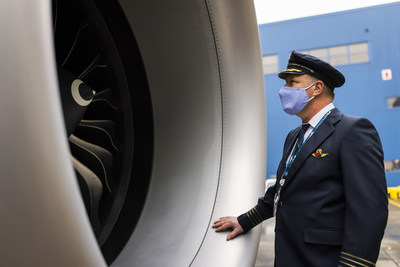
«Our pilots are the best trained in the industry. With the 737-9, we’re going above and beyond with our training program, even more than what the FAA is requesting,» said John Ladner, an Alaska 737 captain and vice president of flight operations. «We have high confidence in this aircraft. It’s a tremendous addition to our fleet, and we’re ready to start flying it in March.»

Deliveries of Alaska’s 737-9 aircraft by Boeing will be flown with sustainable aviation fuel (SAF), which helps the aviation industry reduce CO2 emissions on a life-cycle basis. The SAF will be used on all MAX aircraft deliveries and will be supplied by Epic Fuels.

Alaska announced a restructured order agreement with Boeing in December 2020 to receive a total of 68 737-9 MAX aircraft in the next four years, with options for an additional 52 planes. The airline is scheduled to receive 13 planes this year; 30 in 2022; 13 in 2023; and 12 in 2024. The agreement incorporates Alaska’s announcement last November to lease 13 737-9 aircraft as part of a separate transaction.

These 68 aircraft will largely replace Alaska’s Airbus fleet and move the airline substantially toward a single, mainline fleet that’s more efficient, profitable and environmentally friendly. The 737-9 will enhance the guest experience and support the company’s growth.

Learn more about Alaska’s confidence in the safety and certification of the MAX at alaskaair.com/737MAX.

Editor’s Note: Broadcast quality video of the delivery flight and interviews with Minicucci; pilot Capt. Chris Kipp; and Constance von Muehlen, SVP of maintenance and engineering, along with high resolution photographs of the flight, can be downloaded for use.

About Alaska Airlines
Alaska Airlines and its regional partners serve more than 115 destinations across the United States and North America. The airline provides essential air service for our guests along with moving crucial cargo shipments, while emphasizing Next-Level Care. Alaska is known for low fares, award-winning customer service and sustainability efforts. Guests can earn and redeem miles on flights to more than 800 destinations worldwide with Alaska and its Global Partners. On March 31, 2021, Alaska will officially become a member of the oneworld global alliance. Learn more about Alaska at newsroom.alaskaair.com and blog.alaskaair.com. Alaska Airlines and Horizon Air are subsidiaries of Alaska Air Group (NYSE: ALK).

Cision View original content to download multimedia:http://www.prnewswire.com/news-releases/alaska-airlines-takes-delivery-of-its-first-boeing-737-9-max-aircraft-301213736.html

SOURCE Alaska Airlines

Heart of the Civil War Heritage Area Economic Impact Estimated at $450.2 Million

FREDERICK, Md., Jan. 25, 2021 /PRNewswire-PRWeb/ — The Maryland Heritage Areas Authority (MHAA), the governing body of the Maryland Heritage Areas Program, today released the results of a study that estimates the contribution of the Heart of the Civil War Heritage Area to the statewide economy to be $450.2 million in economic impact and 6,376 jobs supported and sustained.

«The Heart of the Civil War Heritage Area aims to preserve and enhance our vibrant…

FREDERICK, Md., Jan. 25, 2021 /PRNewswire-PRWeb/ — The Maryland Heritage Areas Authority (MHAA), the governing body of the Maryland Heritage Areas Program, today released the results of a study that estimates the contribution of the Heart of the Civil War Heritage Area to the statewide economy to be $450.2 million in economic impact and 6,376 jobs supported and sustained.

«The Heart of the Civil War Heritage Area aims to preserve and enhance our vibrant communities by providing services to preserve what makes them unique: our priceless historic and natural resources. Our work promoting and developing heritage tourism for ever-widening audiences ensures that these resources will be valued by and valuable to future generations of stewards. This study reveals that the Heart of the Civil War Heritage Area plays a vital role in our state and regional economies in Carroll, Frederick, and Washington Counties. Our operations, including grantmaking, technical assistance to nonprofits and government entities, marketing, an education initiative, and visitor services, have an exponential economic impact, supporting tourism, outdoor recreation, and local businesses. This is a crucial time to invest in the economic health of our communities and the Heart of the Civil War Heritage Area’s mission makes that contribution.» said Elizabeth Scott Shatto, Executive Director.

The study was commissioned by Maryland Heritage Areas Authority and was conducted by Parker Philips, Inc. a nationally recognized consulting firm specializing in economic impact analysis.

«An economic contribution analysis is an objective way to measure the significance of an organization in the regional economy; it is a tool that policy makers can use to inform their decisions about how to allocate funding and make smart investment decisions,» said Nichole Parker, Co-Founder and Principal Partner at Parker Philips. «Clearly, the Heart of the Civil War Heritage Area is a major contributor to the regional economy and raises the profile and value of heritage tourism.»

In the analysis, the study considered the direct spending on operations, pay, benefits, grants and heritage tourists by the Heart of the Civil War Heritage Area and the estimated increase in demand for goods and services in industry sectors that supply or support the heritage tourism in the Heart of the Civil War Heritage Area.

According to the study, a key result of the program and heritage tourism is that the Heart of the Civil War Heritage Area supports and sustains 6,376 jobs including direct employment by the Heart of the Civil War Heritage Area, as well as indirect and induced jobs created by supply and equipment vendors, jobs created in the community at hotels, restaurants and retail stores in support of the Heart of the Civil War Heritage Area’s operations, grantmaking and heritage tourists.

The study also calculated tax revenues generated by this level of economic activity, including sales, property, personal income and corporate income taxes. The study concluded that the Heart of the Civil War Heritage Area generates about $60.3 million in tax revenues for state and local government.

Statewide, the Maryland Heritage Areas Program, including all 13 certified Heritage Areas, heritage tourists, grantmaking and program spending had a total statewide economic contribution of $2.4 billion. This activity generated an estimated 33,815 jobs in the state. It is estimated that nearly 20.7 million tourists in the state are heritage tourists.

This economic impact report for the Heart of the Civil War Heritage Area is available at https://www.heartofthecivilwar.org/about/press-releases. The full economic contribution analysis is available at https://bit.ly/mhaaimpact

Media Contact

Elizabeth Shatto, Heart of the Civil War Heritage Area, 240-285-6727, liz@heartofthecivilwar.org


SOURCE Heart of the Civil War Heritage Area

EY announces ambition to be carbon negative in 2021

LONDON, Jan. 25, 2021 /PRNewswire/ — EY today announces an ambition to be carbon negative in 2021 by setting targets to significantly reduce its absolute emissions and removing and offsetting more carbon than it emits. In a new statement on sustainability, published today, EY…

LONDON, Jan. 25, 2021 /PRNewswire/ — EY today announces an ambition to be carbon negative in 2021 by setting targets to significantly reduce its absolute emissions and removing and offsetting more carbon than it emits. In a new statement on sustainability, published today, EY set out the seven key components of its plans to not only become carbon negative but to reduce total emissions by 40% – consistent with a science-based target – and achieve net zero in 2025.

The EY commitment to sustainability is an integral part of its NextWave strategy and ambition to create long-term value for all stakeholders. Launched in FY20, the NextWave strategy supports the EY purpose of building a better working world.

This new ambition builds on the global organization’s achievement of carbon neutrality in December 2020 and underscores the EY commitment to the environment and to driving long-term, sustainable growth. Key elements of the ambition include:

  • Reducing business travel emissions by 35% by FY25 against a FY19 baseline.
  • Reducing overall office electricity usage and procuring 100% renewable energy for remaining EY needs, earning membership to the RE100, a group of influential organizations committed to renewable power, by FY25.
  • Structuring electricity supply contracts, through virtual power purchase agreements (PPAs), to introduce more electricity than EY consumes into national grids.
  • Providing EY teams with tools that enable them to calculate, then work to reduce, the amount of carbon emitted when carrying out EY client work.
  • Using nature-based solutions and carbon-reduction technologies to remove from the atmosphere or offset more carbon than EY emits, every year.
  • Investing in services and solutions that help EY clients profitably decarbonize their businesses and provide solutions to other sustainability challenges and opportunities.
  • Requiring 75% of EY suppliers, by spend, to set science-based targets by no later than FY25.

Carmine Di Sibio, EY Global Chairman and CEO, says:

«We believe that combatting climate change is a vital element of building a better working world. While this challenge is unique and different for each organization, we are inspired by those that are setting ambitious targets despite the difficulties they face. EY people are passionate about tackling big challenges and with the power of 300,000 of them, we will not only transform EY to become a leader in sustainability, but also help EY clients do the same.»

New sustainable solutions to help EY clients reach their goals

Alongside the work it is undertaking to become more sustainable, EY teams are developing a new set of global sustainability solutions for EY clients aimed at helping them on their own sustainability journeys. The solutions will be focused around value-led sustainability, helping EY clients capture the business opportunities from sustainability and decarbonization, while also protecting and creating value. This follows the approach EY teams have taken to achieve these sustainability targets and carbon negative ambition.

Steve Varley, EY Global Vice Chair – Sustainability, says:

«EY has set this ambition because it is increasingly clear that, collectively, we need to do even more to help avert a climate change disaster. EY people are proud that we met our ambition to become carbon neutral in 2020. Inspired by them and others undertaking major steps, we challenged ourselves to go further, faster. We are deeply concerned about the science and what that means for our planet. We believe that becoming carbon negative in 2021 and net zero in 2025, reducing our emissions in line with a science-based target, is the right ambition to have. We realize that these challenges are different and more difficult for certain industries. That is why there are also investments in new solutions and services to help EY clients protect and create value from becoming more sustainable too.»

EY is continuing to invest in technology and transform its business, which was accelerated by the COVID-19 pandemic. It is expected that many of the changes that have been implemented as a result of the COVID-19 pandemic will help EY achieve its sustainability ambitions by helping EY teams learn and implement new ways of working, and EY will continue to innovate and utilize the best of these. For example, during the pandemic EY teams worked with both clients and EY organizations to help implement workplace changes, including flexible working and increased use of remote working technologies, which are expected to contribute to reductions in business travel. EY is also working closely with airline and hospitality clients to achieve this goal and find innovative solutions.

Today’s announcement follows other actions EY has taken to reduce the organization’s environmental impact and drive sustainable growth. These include two recent initiatives in collaboration with HRH The Prince of Wales’s Sustainable Markets Initiative; The S30, a group of 30 of the world’s leading C-suite sustainability leaders focused on accelerating business action on sustainability and joining the «Terra Carta» a charter that puts sustainability at the heart of the private sector. The EY organization is also playing a leading role in the World Economic Forum’s International Business Council, which has developed a core set of common metrics and disclosures on non-financial factors for investors and other stakeholders.

Notes to Editors

About EY 

EY exists to build a better working world, helping to create long-term value for clients, people and society and build trust in the capital markets.  

Enabled by data and technology, diverse EY teams in over 150 countries provide trust through assurance and help clients grow, transform and operate.  

Working across assurance, consulting, law, strategy, tax and transactions, EY teams ask better questions to find new answers for the complex issues facing our world today. 

EY refers to the global organization, and may refer to one or more, of the member firms of Ernst & Young Global Limited, each of which is a separate legal entity. Ernst & Young Global Limited, a UK company limited by guarantee, does not provide services to clients. Information about how EY collects and uses personal data and a description of the rights individuals have under data protection legislation are available via ey.com/privacy. EY member firms do not practice law where prohibited by local laws. For more information about our organization, please visit ey.com. 

This news release has been issued by EYGM Limited, a member of the global EY organization that also does not provide any services to clients. 

Definition of terms

Science-based target (SBT). A greenhouse gas reduction target to reduce an organization’s emissions in line with climate science and the Paris Agreement goal to limit global warming to 1.5˚C above pre-industrial levels.

Carbon neutral. The result of an organization removing and offsetting emissions equivalent to its carbon footprint each year.

Carbon negative. The result of an organization both reducing its emissions in line with its 1.5˚C SBT and investing in nature-based solutions and carbon technologies to remove and offset more carbon than it emits each year.

Net zero. The point at which an organization has achieved its 1.5˚C SBT and removed its residual emissions from the atmosphere.

Alasdair Gee
EY Global Media Relations
+44 (0) 20 7980 0612
Alasdair.Gee@uk.ey.com

Cision View original content to download multimedia:http://www.prnewswire.com/news-releases/ey-announces-ambition-to-be-carbon-negative-in-2021-301213534.html

SOURCE EY

Blue Pacific Flavors Introduces Kilimanjaro Vanilla

CITY OF INDUSTRY, Calif., Jan. 25, 2021 /PRNewswire-PRWeb/ — Blue Pacific Flavors, an established leader in natural and organic fruit flavors, compounded flavor formulations and sustainably sourced food ingredients, today unveiled its unrivaled and majestic Kilimanjaro Vanilla™.

«Reflecting decades of dedication, partnership and innovation to bring true, sustainable vanilla back to the food and beverage industry, the Kilimanjaro Vanilla story is one of people, passion, pride, and purpose,»…

CITY OF INDUSTRY, Calif., Jan. 25, 2021 /PRNewswire-PRWeb/ — Blue Pacific Flavors, an established leader in natural and organic fruit flavors, compounded flavor formulations and sustainably sourced food ingredients, today unveiled its unrivaled and majestic Kilimanjaro Vanilla™.

«Reflecting decades of dedication, partnership and innovation to bring true, sustainable vanilla back to the food and beverage industry, the Kilimanjaro Vanilla story is one of people, passion, pride, and purpose,» said Donald Wilkes, President and CEO of Blue Pacific Flavors. We are making the highest-quality vanilla truly accessible to responsible brands as they strive to align with consumer demand for natural, clean-label, sustainably produced products that also taste amazing.»

Blue Pacific Flavors’ consistent commitment to responsible sourcing and sustainability has led a path to a partnership with Natural Extracts Industries (NEI) to put programs in place to help improve quality of life for farmers, and drive sustainable agricultural practices. Blue Pacific and NEI share a common goal of reintroducing premium, natural vanilla to the world while supporting a sustainable future for the people and wildlife of Tanzania. Operating a social enterprise that educates Tanzanian farmers on vanilla agriculture, champions fair trade wages, and provides full traceability, they are working to empower local communities towards sustainable success. The partnership also provides improved financial security for farmers, and incentive to follow strict quality standards that help to ensure that Kilimanjaro Vanilla retains its unrivaled flavor and quality.

«The synergies that we have and the value that this partnership creates is something that benefits us all,» said Juan Guardado, Managing Director for NEI. «No other flavor is able to impact on so many different levels: livelihood, product quality, and conservation. It’s a really unique value proposition and one NEI is excited to be a part of.»

«The quality of Kilimanjaro Vanilla is unlike any vanilla in recent memory,» said Jessica Morton, Sensory & Consumer Insights Manager at Blue Pacific Flavors. «This vanilla is incredibly complex and full-bodied, from the first aromas of rich, creamy florals that excite your senses to the long, tapered finish of sweet caramel, spiced rum, and pipe tobacco. Kilimanjaro Vanilla is what the world’s finest vanilla tastes like.»

Kilimanjaro Vanilla achieves exceptional quality through a true Farm to Flavor® approach. The complexity of sweet and creamy botanical resins layered over exotic hardwood and hints of terroir can only be achieved through the most thoughtful vanilla cultivar selection, vanilla flower hand pollination, and unyielding patience throughout vanilla bean harvesting and curing. This traditional, handcrafted approach yields a premium vanilla flavor unlike any in the world today.

Through its fully vertically integrated production, Blue Pacific Flavors maintains consistency in quality, ensures cost stability, and enables a fully secure and traceable supply chain. Extracts of Kilimanjaro Vanilla are produced locally in Kilimanjaro, Tanzania, delivering increased value and enabling more lucrative opportunities for local farmers.

Conservation is a major part of the Kilimanjaro Vanilla story. Blue Pacific Flavors is committed to donating 3% of net sales of Kilimanjaro Vanilla to the African Wildlife Foundation (AWF). Purchase of this product helps support AWF’s mission to ensure the continent’s wildlife and wild lands thrive in a modern Africa.

Visit KilimanjaroVanilla.com to journey through Tanzania and explore the empowering story of Kilimanjaro Vanilla.

# # #

About Blue Pacific Flavors
Blue Pacific Flavors employs a unique blend of creativity, passion and innovation to develop some of the world’s most authentic fruit and sweet flavors for global food and beverage brands. Blue Pacific is an established leader in natural and organic fruit flavors. With a product line of more than 30,000 compounded flavor formulations and sustainably sourced food ingredients. Blue Pacific has the resources and expertise to help turn innovative ideas into iconic products. For more information, visit: bluepacificflavors.com.

About Natural Extracts Industries
Natural Extracts Industries (NEI) is a social enterprise established in 2011, with its headquarters in the foothills of Mount Kilimanjaro in Tanzania. Its two-fold mission is to satisfy global demand for sustainably-sourced natural extracts and flavor ingredients, and to ensure long-term socio-economic benefits for local communities. NEI provides sustainable social, economic and environmental solutions to rural communities, currently supporting an outgrower network of over 5,000 farmers and women’s groups in Tanzania by promoting and adding value to their crops and providing access to global markets. It provides education and expert guidance in sustainable farming practices, and employs advanced methods and technologies to ensure complete traceability throughout the supply chain. For more information, visit: nei-ltd.com.

PR Contact:
Heidi Rosenberg
Heidi Rosenberg Communications
http://www.mightymopr.com
mightymopr@gmail.com
435-841-2171

Media Contact

Heidi Rosenberg, Blue Pacific Flavors, +1 435-841-2171, mightymopr@gmail.com


SOURCE Blue Pacific Flavors

Fundamental Research Corp Initiates Investment Analysis Coverage on THC BioMed

THC.CSE
THCBF
 – OTC
TFHD.F

VANCOUVER, BC, Jan. 25, 2021 /PRNewswire/ – THC BioMed Intl Ltd. («THC BioMed» or the «Company«) is pleased to announce that Fundamental Research Corp. has initiated independent investment analysis coverage on THC BioMed.

<a…

THC.CSE
THCBF
 – OTC
TFHD.F

VANCOUVER, BC, Jan. 25, 2021 /PRNewswire/ – THC BioMed Intl Ltd. («THC BioMed» or the «Company«) is pleased to announce that Fundamental Research Corp. has initiated independent investment analysis coverage on THC BioMed.

Fundamental Research Corp. is an issuer-paid independent research house. THC BioMed notes this development for information only and does not endorse the contents of Fundamental Research Corp.’s report. 

About THC

THC BioMed is a Cannabis Act Licensed Producer of medical and recreational cannabis. It is licensed to cultivate and sell dried, extract, edible and topical cannabis. The Company is on the leading edge of scientific research and the development of products and services related in the medical cannabis industry. Management believes THC BioMed is well-positioned to be in the forefront of this rapidly growing industry.

Forward-Looking Information:
This press release may include forward-looking information within the meaning of Canadian securities legislation, concerning the business of THC BioMed.  Forward-looking information is based on certain key expectations and assumptions made by the management of THC BioMed.  In some cases, you can identify forward-looking statements by the use of words such as «will,» «may,» «would,» «expect,» «intend,» «plan,» «seek,» «anticipate,» «believe,» «estimate,» «predict,» «potential,» «continue,» «likely,» «could» and variations of these terms and similar expressions, or the negative of these terms or similar expressions.  Forward-looking statements in this release are made as of the date of this press release and include that THC BioMed will be on the forefront of this rapidly growing industry. Although THC BioMed believes that the expectations and assumptions on which such forward-looking information is based are reasonable, undue reliance should not be placed on the forward-looking information because THC BioMed can give no assurance that they will prove to be correct. THC disclaims any intent or obligation to update publicly any forward-looking information, whether as a result of new information, future events or results or otherwise, other than as required by applicable securities laws.

The Canadian Securities Exchange (CSE) has not reviewed and does not accept responsibility for the adequacy or the accuracy of the contents of this release.

Cision View original content to download multimedia:http://www.prnewswire.com/news-releases/fundamental-research-corp-initiates-investment-analysis-coverage-on-thc-biomed-301213491.html

SOURCE THC BioMed

Growth of the Vehicle Occupancy Detection System Market to be driven by High Demand for Efficient Handling of Road Traffic Congestion: TMR

The global vehicle occupancy detection systems is anticipated to exceed market value of around US$ 180 Mn through 2030. Market participants utilizing economies of scale to cater to the rising demand

Continuous efforts are being made to handle rising vehicle congestion on road and better handle both future and existing roadway networks

ALBANY, N.Y., Jan. 25, 2021 /PRNewswire/ — In recent times, there has been growing demand for…

The global vehicle occupancy detection systems is anticipated to exceed market value of around US$ 180 Mn through 2030. Market participants utilizing economies of scale to cater to the rising demand

Continuous efforts are being made to handle rising vehicle congestion on road and better handle both future and existing roadway networks

ALBANY, N.Y., Jan. 25, 2021 /PRNewswire/ — In recent times, there has been growing demand for incorporation of video imagery to keep a check on the high occupancy vehicles (HOV) lanes. This factor is likely to work in favor of the global vehicle occupancy detection system market over the timeframe of analysis, from 2020 to 2030. In addition, this system offers new solutions for ensuring traffic safety and minimizing congestion on roads in the urban areas.

Transparency Market Research Logo

Vehicle occupancy detection systems refer to those electronic systems that find use for counting, detection, and identification of passengers inside a vehicle. In recent years, there has been a rising demand for a system more tolerant toward low visibility condition, automated and more accurate in vehicles. A system incorporated with more technologically advanced features and functions to meet up with the evolving demands of passenger safety is in demand in the market. This factor is encouraging manufacturers in the global vehicle occupancy detection system market to come up with innovative solutions.

Integration of deep learning and artificial vision technologies are anticipated to add to the overall accuracy of the system. This factor is likely to assist companies in meeting the criteria of minimum accuracy level as set out by different authorities. Besides, companies are increasingly working toward non-intrusive and highly reliable vehicle occupancy detection system for automatic real-time detection of the rear and front occupants.

Use of artificial intelligence technology in this system along with increasing use of this technology in automotive sector is expected to bolster growth of the global vehicle occupancy detection system market over the forecast period. The global vehicle occupancy detection system market is likely to expand at a double-digit growth rate of ~18.5% over the analysis timeline, from 2020 to 2030.

Download PDF Brochure – https://www.transparencymarketresearch.com/sample/sample.php?flag=B&rep_id=73783

Key Findings of Vehicle Occupancy Detection System Market Study

Market to Thrive on Rising Demand of this Vehicle Technology in Urban Planning

Existence of a robust city infrastructure is essential for physical, social, and economic welfare of citizens. Government authorities, however, are faced with substantial challenges while doing urban planning. In particular, finding and marking empty parking spaces on the side of road has become a considerable challenge in urban planning. The vehicle occupancy detection system is cashing in on this urban planning challenge to increase the availability of mobile and fixed mobile installation products. Existence of such opportunities are likely to foster development of the global vehicle occupancy detection system market over the analysis, from 2020 to 2030.

In the concepts of smart city and urban planning, vision-based technology is gaining popularity, which is estimated to work in favor of the market. Participants in the global vehicle occupancy detection system market are inventing gadgets that able to maintain brightness during night automatically.

Explore 156 pages of superlative research, current market scenario, and extensive geographical projections. Gain insights into the Vehicle Occupancy Detection System Market (Installation: Fixed and Mobile; and Technology: Infrared, Ultrasonic, and Hybrid) – Global Industry Analysis, Size, Share, Growth, Trends, and Forecast, 2020-2030 at https://www.transparencymarketresearch.com/vehicle-occupancy-detection-system-market.html

Radar-based Variant of the System to Gather Significant Traction

In the global vehicle occupancy detection system market, radar-based occupant alert systems are gaining rapid momentum. A car parts company in South Korea, Hyundai Mobis has invented an innovative radar-based occupant alert system. This new technology from Hyundai Mobis prevents kids from getting stuck in back seats. Manufacturers in the US are generating new growth opportunities, as there is increased awareness about the rising incidences children dying in locked cars

Vehicle owners are increasingly aware of different safety features found in today’s cars. In addition to that, there has been augmented popularity of radar-based occupant alert system, which is expected to pave way for the rapid development of the global vehicle occupancy detection system market over the forecast analysis, from 2020 to 2030.

Analyze global vehicle occupancy detection system market growth in 30+ countries including US, Canada, Germany, United Kingdom, France, Italy, Russia, Poland, Benelux, Nordic, China, Japan, India, and South Korea. Request a sample of the study

Vehicle Occupancy Detection System Market: Key Driving Factors

  • Efforts to lessen overall congestion through construction of high occupancy vehicle (HOV) lanes are expected to augur well for the market.
  • Advanced technologies, such as artificial intelligence (AI) is integrated into this system to make it function smoothly and correctly under all conditions.

Request the Covid19 Impact Analysis at https://www.transparencymarketresearch.com/sample/sample.php?flag=covid19&rep_id=73783

Explore Transparency Market Research’s award-winning coverage of the Global Electronics & Semiconductors Industry:

Fiber Bragg Grating Amplifier Market – The adoption of fiber Bragg grating amplifiers across a plethora of end-use industries is on the rise due to considerable improvements in sensor technology and fiber material. The oil & gas and the telecommunication sectors are expected to provide considerable opportunities for players operating in the current fiber Bragg grating amplifier market landscape due to ideal vibration sensing, which, in turn, ensures efficient operations across engineering systems.

Mechanical Mine Clearance System Market – The global market is estimated to expand at a CAGR of ~3% during the forecast period, owing to numerous factors, regarding which TMR offers thorough insights and forecasts in its report on the global mechanical mine clearance system market.

About Us

Transparency Market Research is a next-generation market intelligence provider, offering fact-based solutions to business leaders, consultants, and strategy professionals. Our reports are single-point solutions for businesses to grow, evolve, and mature. Our real-time data collection methods along with ability to track more than one million high growth niche products are aligned with your aims. The detailed and proprietary statistical models used by our analysts offer insights for making right decision in the shortest span of time. For organizations that require specific but comprehensive information we offer customized solutions through adhoc reports. These requests are delivered with the perfect combination of right sense of fact-oriented problem solving methodologies and leveraging existing data repositories.

TMR believes that unison of solutions for clients-specific problems with right methodology of research is the key to help enterprises reach right decision.

Contact

Mr Rohit Bhisey
Transparency Market Research
State Tower,
90 State Street,
Suite 700,
Albany NY – 12207
United States
USA – Canada Toll Free: 866-552-3453
Email: sales@transparencymarketresearch.com 
Website: http://www.transparencymarketresearch.com 
Press Release Source: https://www.transparencymarketresearch.com/pressrelease/vehicle-occupancy-detection-system-market.htm 
Blog: https://tmrblog.com/

Logo: https://mma.prnewswire.com/media/1085206/Transparency_Market_Research_Logo.jpg  

Growth of the Vehicle Occupancy Detection System Market to be driven by High Demand for Efficient Handling of Road Traffic Congestion: TMR

The global vehicle occupancy detection systems is anticipated to exceed market value of around US$ 180 Mn through 2030. Market participants utilizing economies of scale to cater to the rising demand

Continuous efforts are being made to handle rising vehicle congestion on road and better handle both future and existing roadway networks

ALBANY, N.Y., Jan. 25, 2021 /PRNewswire/ — In recent times, there has been growing demand for…

The global vehicle occupancy detection systems is anticipated to exceed market value of around US$ 180 Mn through 2030. Market participants utilizing economies of scale to cater to the rising demand

Continuous efforts are being made to handle rising vehicle congestion on road and better handle both future and existing roadway networks

ALBANY, N.Y., Jan. 25, 2021 /PRNewswire/ — In recent times, there has been growing demand for incorporation of video imagery to keep a check on the high occupancy vehicles (HOV) lanes. This factor is likely to work in favor of the global vehicle occupancy detection system market over the timeframe of analysis, from 2020 to 2030. In addition, this system offers new solutions for ensuring traffic safety and minimizing congestion on roads in the urban areas.

Transparency Market Research Logo

Vehicle occupancy detection systems refer to those electronic systems that find use for counting, detection, and identification of passengers inside a vehicle. In recent years, there has been a rising demand for a system more tolerant toward low visibility condition, automated and more accurate in vehicles. A system incorporated with more technologically advanced features and functions to meet up with the evolving demands of passenger safety is in demand in the market. This factor is encouraging manufacturers in the global vehicle occupancy detection system market to come up with innovative solutions.

Integration of deep learning and artificial vision technologies are anticipated to add to the overall accuracy of the system. This factor is likely to assist companies in meeting the criteria of minimum accuracy level as set out by different authorities. Besides, companies are increasingly working toward non-intrusive and highly reliable vehicle occupancy detection system for automatic real-time detection of the rear and front occupants.

Use of artificial intelligence technology in this system along with increasing use of this technology in automotive sector is expected to bolster growth of the global vehicle occupancy detection system market over the forecast period. The global vehicle occupancy detection system market is likely to expand at a double-digit growth rate of ~18.5% over the analysis timeline, from 2020 to 2030.

Download PDF Brochure – https://www.transparencymarketresearch.com/sample/sample.php?flag=B&rep_id=73783

Key Findings of Vehicle Occupancy Detection System Market Study

Market to Thrive on Rising Demand of this Vehicle Technology in Urban Planning

Existence of a robust city infrastructure is essential for physical, social, and economic welfare of citizens. Government authorities, however, are faced with substantial challenges while doing urban planning. In particular, finding and marking empty parking spaces on the side of road has become a considerable challenge in urban planning. The vehicle occupancy detection system is cashing in on this urban planning challenge to increase the availability of mobile and fixed mobile installation products. Existence of such opportunities are likely to foster development of the global vehicle occupancy detection system market over the analysis, from 2020 to 2030.

In the concepts of smart city and urban planning, vision-based technology is gaining popularity, which is estimated to work in favor of the market. Participants in the global vehicle occupancy detection system market are inventing gadgets that able to maintain brightness during night automatically.

Explore 156 pages of superlative research, current market scenario, and extensive geographical projections. Gain insights into the Vehicle Occupancy Detection System Market (Installation: Fixed and Mobile; and Technology: Infrared, Ultrasonic, and Hybrid) – Global Industry Analysis, Size, Share, Growth, Trends, and Forecast, 2020-2030 at https://www.transparencymarketresearch.com/vehicle-occupancy-detection-system-market.html

Radar-based Variant of the System to Gather Significant Traction

In the global vehicle occupancy detection system market, radar-based occupant alert systems are gaining rapid momentum. A car parts company in South Korea, Hyundai Mobis has invented an innovative radar-based occupant alert system. This new technology from Hyundai Mobis prevents kids from getting stuck in back seats. Manufacturers in the US are generating new growth opportunities, as there is increased awareness about the rising incidences children dying in locked cars

Vehicle owners are increasingly aware of different safety features found in today’s cars. In addition to that, there has been augmented popularity of radar-based occupant alert system, which is expected to pave way for the rapid development of the global vehicle occupancy detection system market over the forecast analysis, from 2020 to 2030.

Analyze global vehicle occupancy detection system market growth in 30+ countries including US, Canada, Germany, United Kingdom, France, Italy, Russia, Poland, Benelux, Nordic, China, Japan, India, and South Korea. Request a sample of the study

Vehicle Occupancy Detection System Market: Key Driving Factors

  • Efforts to lessen overall congestion through construction of high occupancy vehicle (HOV) lanes are expected to augur well for the market.
  • Advanced technologies, such as artificial intelligence (AI) is integrated into this system to make it function smoothly and correctly under all conditions.

Request the Covid19 Impact Analysis at https://www.transparencymarketresearch.com/sample/sample.php?flag=covid19&rep_id=73783

Explore Transparency Market Research’s award-winning coverage of the Global Electronics & Semiconductors Industry:

Fiber Bragg Grating Amplifier Market – The adoption of fiber Bragg grating amplifiers across a plethora of end-use industries is on the rise due to considerable improvements in sensor technology and fiber material. The oil & gas and the telecommunication sectors are expected to provide considerable opportunities for players operating in the current fiber Bragg grating amplifier market landscape due to ideal vibration sensing, which, in turn, ensures efficient operations across engineering systems.

Mechanical Mine Clearance System Market – The global market is estimated to expand at a CAGR of ~3% during the forecast period, owing to numerous factors, regarding which TMR offers thorough insights and forecasts in its report on the global mechanical mine clearance system market.

About Us

Transparency Market Research is a next-generation market intelligence provider, offering fact-based solutions to business leaders, consultants, and strategy professionals. Our reports are single-point solutions for businesses to grow, evolve, and mature. Our real-time data collection methods along with ability to track more than one million high growth niche products are aligned with your aims. The detailed and proprietary statistical models used by our analysts offer insights for making right decision in the shortest span of time. For organizations that require specific but comprehensive information we offer customized solutions through adhoc reports. These requests are delivered with the perfect combination of right sense of fact-oriented problem solving methodologies and leveraging existing data repositories.

TMR believes that unison of solutions for clients-specific problems with right methodology of research is the key to help enterprises reach right decision.

Contact

Mr Rohit Bhisey
Transparency Market Research
State Tower,
90 State Street,
Suite 700,
Albany NY – 12207
United States
USA – Canada Toll Free: 866-552-3453
Email: sales@transparencymarketresearch.com 
Website: http://www.transparencymarketresearch.com 
Press Release Source: https://www.transparencymarketresearch.com/pressrelease/vehicle-occupancy-detection-system-market.htm 
Blog: https://tmrblog.com/

Logo: https://mma.prnewswire.com/media/1085206/Transparency_Market_Research_Logo.jpg  

Growth of the Vehicle Occupancy Detection System Market to be driven by High Demand for Efficient Handling of Road Traffic Congestion: TMR

ALBANY, N.Y., Jan. 25, 2021 /PRNewswire/ — In recent times, there has been growing demand for incorporation of video imagery to keep a check on the high occupancy vehicles (HOV) lanes. This factor is likely to work in favor of the global vehicle occupancy detection system market over the timeframe of analysis, from 2020 to 2030. In addition, this system offers new…

ALBANY, N.Y., Jan. 25, 2021 /PRNewswire/ — In recent times, there has been growing demand for incorporation of video imagery to keep a check on the high occupancy vehicles (HOV) lanes. This factor is likely to work in favor of the global vehicle occupancy detection system market over the timeframe of analysis, from 2020 to 2030. In addition, this system offers new solutions for ensuring traffic safety and minimizing congestion on roads in the urban areas.

Transparency Market Research Logo

Vehicle occupancy detection systems refer to those electronic systems that find use for counting, detection, and identification of passengers inside a vehicle. In recent years, there has been a rising demand for a system more tolerant toward low visibility condition, automated and more accurate in vehicles. A system incorporated with more technologically advanced features and functions to meet up with the evolving demands of passenger safety is in demand in the market. This factor is encouraging manufacturers in the global vehicle occupancy detection system market to come up with innovative solutions.

Integration of deep learning and artificial vision technologies are anticipated to add to the overall accuracy of the system. This factor is likely to assist companies in meeting the criteria of minimum accuracy level as set out by different authorities. Besides, companies are increasingly working toward non-intrusive and highly reliable vehicle occupancy detection system for automatic real-time detection of the rear and front occupants.

Use of artificial intelligence technology in this system along with increasing use of this technology in automotive sector is expected to bolster growth of the global vehicle occupancy detection system market over the forecast period. The global vehicle occupancy detection system market is likely to expand at a double-digit growth rate of ~18.5% over the analysis timeline, from 2020 to 2030.

Download PDF Brochure – https://www.transparencymarketresearch.com/sample/sample.php?flag=B&rep_id=73783

Key Findings of Vehicle Occupancy Detection System Market Study

Market to Thrive on Rising Demand of this Vehicle Technology in Urban Planning

Existence of a robust city infrastructure is essential for physical, social, and economic welfare of citizens. Government authorities, however, are faced with substantial challenges while doing urban planning. In particular, finding and marking empty parking spaces on the side of road has become a considerable challenge in urban planning. The vehicle occupancy detection system is cashing in on this urban planning challenge to increase the availability of mobile and fixed mobile installation products. Existence of such opportunities are likely to foster development of the global vehicle occupancy detection system market over the analysis, from 2020 to 2030.

In the concepts of smart city and urban planning, vision-based technology is gaining popularity, which is estimated to work in favor of the market. Participants in the global vehicle occupancy detection system market are inventing gadgets that able to maintain brightness during night automatically.

Explore 156 pages of superlative research, current market scenario, and extensive geographical projections. Gain insights into the Vehicle Occupancy Detection System Market (Installation: Fixed and Mobile; and Technology: Infrared, Ultrasonic, and Hybrid) – Global Industry Analysis, Size, Share, Growth, Trends, and Forecast, 2020-2030 at https://www.transparencymarketresearch.com/vehicle-occupancy-detection-system-market.html

Radar-based Variant of the System to Gather Significant Traction

In the global vehicle occupancy detection system market, radar-based occupant alert systems are gaining rapid momentum. A car parts company in South Korea, Hyundai Mobis has invented an innovative radar-based occupant alert system. This new technology from Hyundai Mobis prevents kids from getting stuck in back seats. Manufacturers in the US are generating new growth opportunities, as there is increased awareness about the rising incidences children dying in locked cars

Vehicle owners are increasingly aware of different safety features found in today’s cars. In addition to that, there has been augmented popularity of radar-based occupant alert system, which is expected to pave way for the rapid development of the global vehicle occupancy detection system market over the forecast analysis, from 2020 to 2030.

Analyze global vehicle occupancy detection system market growth in 30+ countries including US, Canada, Germany, United Kingdom, France, Italy, Russia, Poland, Benelux, Nordic, China, Japan, India, and South Korea. Request a sample of the study

Vehicle Occupancy Detection System Market: Key Driving Factors

  • Efforts to lessen overall congestion through construction of high occupancy vehicle (HOV) lanes are expected to augur well for the market.
  • Advanced technologies, such as artificial intelligence (AI) is integrated into this system to make it function smoothly and correctly under all conditions.

Request the Covid19 Impact Analysis at https://www.transparencymarketresearch.com/sample/sample.php?flag=covid19&rep_id=73783

Explore Transparency Market Research’s award-winning coverage of the Global Electronics & Semiconductors Industry:

Fiber Bragg Grating Amplifier Market – The adoption of fiber Bragg grating amplifiers across a plethora of end-use industries is on the rise due to considerable improvements in sensor technology and fiber material. The oil & gas and the telecommunication sectors are expected to provide considerable opportunities for players operating in the current fiber Bragg grating amplifier market landscape due to ideal vibration sensing, which, in turn, ensures efficient operations across engineering systems.

Mechanical Mine Clearance System Market – The global market is estimated to expand at a CAGR of ~3% during the forecast period, owing to numerous factors, regarding which TMR offers thorough insights and forecasts in its report on the global mechanical mine clearance system market.

About Us

Transparency Market Research is a next-generation market intelligence provider, offering fact-based solutions to business leaders, consultants, and strategy professionals. Our reports are single-point solutions for businesses to grow, evolve, and mature. Our real-time data collection methods along with ability to track more than one million high growth niche products are aligned with your aims. The detailed and proprietary statistical models used by our analysts offer insights for making right decision in the shortest span of time. For organizations that require specific but comprehensive information we offer customized solutions through adhoc reports. These requests are delivered with the perfect combination of right sense of fact-oriented problem solving methodologies and leveraging existing data repositories.

TMR believes that unison of solutions for clients-specific problems with right methodology of research is the key to help enterprises reach right decision.

Contact

Mr Rohit Bhisey
Transparency Market Research
State Tower,
90 State Street,
Suite 700,
Albany NY – 12207
United States
USA – Canada Toll Free: 866-552-3453
Email: sales@transparencymarketresearch.com 
Website: http://www.transparencymarketresearch.com 
Press Release Source: https://www.transparencymarketresearch.com/pressrelease/vehicle-occupancy-detection-system-market.htm 
Blog: https://tmrblog.com/

Cision View original content:http://www.prnewswire.com/news-releases/growth-of-the-vehicle-occupancy-detection-system-market-to-be-driven-by-high-demand-for-efficient-handling-of-road-traffic-congestion-tmr-301213890.html

SOURCE Transparency Market Research

Duke Energy, Attorney General, Public Staff and Sierra Club reach agreement on N.C. coal ash costs

CHARLOTTE, N.C., Jan. 25, 2021 /PRNewswire/ — In a milestone settlement that resolves the last remaining major issues on coal ash management in North Carolina, the North Carolina Attorney General, North Carolina Public Staff, Sierra Club and Duke Energy have reached an agreement on costs related to coal ash management and safe basin closure.

CHARLOTTE, N.C., Jan. 25, 2021 /PRNewswire/ — In a milestone settlement that resolves the last remaining major issues on coal ash management in North Carolina, the North Carolina Attorney General, North Carolina Public Staff, Sierra Club and Duke Energy have reached an agreement on costs related to coal ash management and safe basin closure.

The proposed settlement, to be filed with the North Carolina Utilities Commission (NCUC) today, details a plan for coal ash management cost allocation between 2015 and 2030. Over this time frame, Duke Energy will reduce North Carolina customers’ costs by approximately $1.1 billion.

The company will also maintain its ability to earn a return on the remaining balance, providing greater confidence in achieving its long-term financial goals and its transition to cleaner energy sources.

«This agreement addresses a shared interest in putting the coal ash debate to rest as we work toward building the cleaner energy future North Carolinians want and deserve,» said Stephen De May, Duke Energy’s North Carolina president. «We were able to reach a balanced compromise that will deliver immediate and long-term savings to customers and provide greater certainty to the company over the next decade.»

The groups had a mutual interest in resolving the outstanding litigation in the current rate cases before the NCUC, as well as the N.C. Supreme Court-ordered review of the 2018 coal ash rate case decisions.

This settlement would reduce coal ash costs included in the pending rate requests by 60%, which would provide immediate customer savings if approved.

Duke Energy is in the process of permanently closing the remaining coal ash basins in the state, with support from the public, regulators, the environmental community and elected officials. This settlement affirms that the current closure strategy remains prudent and in the best interests of customers and communities in the Carolinas.

The NCUC will make the final decision on the proposed rate requests and the proposed settlement agreement.  

Duke Energy

Duke Energy (NYSE: DUK), a Fortune 150 company headquartered in Charlotte, N.C., is one of the largest energy holding companies in the U.S. It employs 30,000 people and has an electric generating capacity of 51,000 megawatts through its regulated utilities, and 3,000 megawatts through its nonregulated Duke Energy Renewables unit.

Duke Energy is transforming its customers’ experience, modernizing the energy grid, generating cleaner energy and expanding natural gas infrastructure to create a smarter energy future for the people and communities it serves. The Electric Utilities and Infrastructure unit’s regulated utilities serve approximately 7.7 million retail electric customers in six states – North Carolina, South Carolina, Florida, Indiana, Ohio and Kentucky. The Gas Utilities and Infrastructure unit distributes natural gas to more than 1.6 million customers in five states – North Carolina, South Carolina, Tennessee, Ohio and Kentucky. The Duke Energy Renewables unit operates wind and solar generation facilities across the U.S., as well as energy storage and microgrid projects.

Duke Energy was named to Fortune’s 2020 «World’s Most Admired Companies» list, and Forbes’ 2019 «America’s Best Employers» list. More information about the company is available at duke-energy.com. The Duke Energy News Center contains news releases, fact sheets, photos, videos and other materials. Duke Energy’s illumination features stories about people, innovations, community topics and environmental issues. Follow Duke Energy on Twitter, LinkedIn, Instagram and Facebook.

Contact: Meredith Archie
24-Hour: 800.559.3853


Cision View original content to download multimedia:http://www.prnewswire.com/news-releases/duke-energy-attorney-general-public-staff-and-sierra-club-reach-agreement-on-nc-coal-ash-costs-301213936.html

SOURCE Duke Energy