If you were exposed to water from the Flint Water Treatment Plant between April 25, 2014 and November 16, 2020, your rights may be affected by a $641 million settlement

FLINT, Mich., Feb. 26, 2021 /PRNewswire-HISPANIC PR WIRE/ —

UNITED STATES DISTRICT COURT EASTERN DISTRICT OF MICHIGAN

The deadline to register for the Settlement is March 29, 2021.
To learn more, visit <a target="_blank"…

FLINT, Mich., Feb. 26, 2021 /PRNewswire-HISPANIC PR WIRE/ —

UNITED STATES DISTRICT COURT EASTERN DISTRICT OF MICHIGAN

The deadline to register for the Settlement is March 29, 2021.
To learn more, visit www.OfficialFlintWaterSettlement.com

This notice explains a class action settlement in the Flint Water Cases.  The notice applies to you if at any time during the period April 25, 2014 to November 16, 2020 («Exposure Period»):

(1)   you were exposed to water from the Flint Water Treatment Plant («FWTP») and you were 18 years or older at any time when you were exposed; or
(2)   you were 18 years or older at any time when you owned, rented, or lived in residential property served by the FWTP, or were legally liable for the payment for such water, during that time; or
(3)   you owned or operated a business served by the FWTP, or were legally liable for the payment for such water, during that time.

What is the lawsuit about?  The lawsuits assert that residents of Flint and others who used or were exposed to water from the FWTP between April 25, 2014 and November 16, 2020, suffered personal injury, property damage, economic loss, or any other type of damage or injury as a result of exposure to, use of, or being obligated to pay for, the contaminated water.  The lawsuits claim that when the City of Flint switched to the Flint River as the source of water in 2014, the water was not treated correctly and that it caused pipes to corrode and release lead and other contaminants into the water.  Plaintiffs allege that exposure to contaminated water received from the Flint Water Treatment Plant (located at 4500 Dort Highway, Flint, Michigan 48506), during the period April 25, 2014 to November 16, 2020, has caused a public health crisis.

Settling Defendants deny any and all alleged liability, wrongdoing, violations, and/or damages.  The Court has not decided who is right.

Who is included?  The Settlement Class includes all persons or entities who are or could be claiming personal injury, property damage, business economic loss, unjust enrichment, breach of contract, or seeking any other type of damage or relief.  Specific details on the Settlement Class and Subclasses are available at www.OfficialFlintWaterSettlement.com.

What does the Settlement provide?  The value of the entire Settlement Program is approximately $641.25 million. The Settlement Fund is allocated among different categories.  Please visit www.OfficialFlintWaterSettlement.com to see how the Settlement Fund is allocated by category.  If the settlement becomes final, Settlement Class Members who participate in the settlement or do nothing at all will release all their claims against the Settling Defendants.  They will not be allowed to bring any lawsuit against the Settling Defendants related to Flint water or the Flint Water Cases. 

What are your options?  To make a claim for money from the class action Settlement Fund, you must first submit a valid Registration Form.  You may file your Registration Form online or my mail.  The deadline to file a Registration Form online is 11:59 pm PST on March 29, 2021. The postmark deadline to file a Registration Form by mail is March 29, 2021.  Visit www.OfficialFlintWaterSettlement.com now to file your online Registration Form or print one out to file by mail.  Those that validly file a Registration Form will later be sent a Claim Form along with instructions about how to complete the Claim Form.

If you do not want to participate in this proposed class settlement and you want to keep the right to sue the Settling Defendants about the legal issues in this case, then you must take steps to get out of the settlement.  This is called «opting out» of the Settlement Class.  To opt out of the Settlement Class and not participate in the settlement, you must send a written request using the Opt Out Form provided at www.OfficialFlintWaterSettlement.com.  You must mail your completed Opt Out Form, postmarked by March 29, 2021. If you are a member of the Settlement Class and do not opt out, you give up the right to sue the Settling Defendants for any of the claims released by the settlement.  If you are a Settlement Class Member (and do not exclude yourself from the Settlement Class), you can object to any part of the Settlement.  The deadline to file an objection is March 29, 2021.  For more information on how to Opt Out or Object, please visit www.OfficialFlintWaterSettlement.com.

The Court will hold a Fairness Hearing, currently scheduled for July 12, 2021, to determine whether the Settlement Class can be certified and whether the settlement is fair, adequate, and reasonable and should be finally approved, with judgment entered accordingly. The Court will also consider the application for an award of attorneys’ fees and expense reimbursement.  You are welcome to attend the hearing at your own expense, but you are not required to attend. You may also hire your own attorney, at your own expense, to appear or speak for you at the hearing.  For more information, call 1-800-493-1754 or visit www.OfficialFlintWaterSettlement.com.

SOURCE United States District Court Eastern District of Michigan

If you were exposed to water from the Flint Water Treatment Plant between April 25, 2014 and November 16, 2020, your rights may be affected by a $641 million settlement

FLINT, Mich., Feb. 26, 2021 /PRNewswire-HISPANIC PR WIRE/ —

UNITED STATES DISTRICT COURT EASTERN DISTRICT OF MICHIGAN

The deadline to register for the Settlement is March 29, 2021.
To learn more, visit <a target="_blank"…

FLINT, Mich., Feb. 26, 2021 /PRNewswire-HISPANIC PR WIRE/ —

UNITED STATES DISTRICT COURT EASTERN DISTRICT OF MICHIGAN

The deadline to register for the Settlement is March 29, 2021.
To learn more, visit www.OfficialFlintWaterSettlement.com

This notice explains a class action settlement in the Flint Water Cases.  The notice applies to you if at any time during the period April 25, 2014 to November 16, 2020 («Exposure Period»):

(1)   you were exposed to water from the Flint Water Treatment Plant («FWTP») and you were 18 years or older at any time when you were exposed; or
(2)   you were 18 years or older at any time when you owned, rented, or lived in residential property served by the FWTP, or were legally liable for the payment for such water, during that time; or
(3)   you owned or operated a business served by the FWTP, or were legally liable for the payment for such water, during that time.

What is the lawsuit about?  The lawsuits assert that residents of Flint and others who used or were exposed to water from the FWTP between April 25, 2014 and November 16, 2020, suffered personal injury, property damage, economic loss, or any other type of damage or injury as a result of exposure to, use of, or being obligated to pay for, the contaminated water.  The lawsuits claim that when the City of Flint switched to the Flint River as the source of water in 2014, the water was not treated correctly and that it caused pipes to corrode and release lead and other contaminants into the water.  Plaintiffs allege that exposure to contaminated water received from the Flint Water Treatment Plant (located at 4500 Dort Highway, Flint, Michigan 48506), during the period April 25, 2014 to November 16, 2020, has caused a public health crisis.

Settling Defendants deny any and all alleged liability, wrongdoing, violations, and/or damages.  The Court has not decided who is right.

Who is included?  The Settlement Class includes all persons or entities who are or could be claiming personal injury, property damage, business economic loss, unjust enrichment, breach of contract, or seeking any other type of damage or relief.  Specific details on the Settlement Class and Subclasses are available at www.OfficialFlintWaterSettlement.com.

What does the Settlement provide?  The value of the entire Settlement Program is approximately $641.25 million. The Settlement Fund is allocated among different categories.  Please visit www.OfficialFlintWaterSettlement.com to see how the Settlement Fund is allocated by category.  If the settlement becomes final, Settlement Class Members who participate in the settlement or do nothing at all will release all their claims against the Settling Defendants.  They will not be allowed to bring any lawsuit against the Settling Defendants related to Flint water or the Flint Water Cases. 

What are your options?  To make a claim for money from the class action Settlement Fund, you must first submit a valid Registration Form.  You may file your Registration Form online or my mail.  The deadline to file a Registration Form online is 11:59 pm PST on March 29, 2021. The postmark deadline to file a Registration Form by mail is March 29, 2021.  Visit www.OfficialFlintWaterSettlement.com now to file your online Registration Form or print one out to file by mail.  Those that validly file a Registration Form will later be sent a Claim Form along with instructions about how to complete the Claim Form.

If you do not want to participate in this proposed class settlement and you want to keep the right to sue the Settling Defendants about the legal issues in this case, then you must take steps to get out of the settlement.  This is called «opting out» of the Settlement Class.  To opt out of the Settlement Class and not participate in the settlement, you must send a written request using the Opt Out Form provided at www.OfficialFlintWaterSettlement.com.  You must mail your completed Opt Out Form, postmarked by March 29, 2021. If you are a member of the Settlement Class and do not opt out, you give up the right to sue the Settling Defendants for any of the claims released by the settlement.  If you are a Settlement Class Member (and do not exclude yourself from the Settlement Class), you can object to any part of the Settlement.  The deadline to file an objection is March 29, 2021.  For more information on how to Opt Out or Object, please visit www.OfficialFlintWaterSettlement.com.

The Court will hold a Fairness Hearing, currently scheduled for July 12, 2021, to determine whether the Settlement Class can be certified and whether the settlement is fair, adequate, and reasonable and should be finally approved, with judgment entered accordingly. The Court will also consider the application for an award of attorneys’ fees and expense reimbursement.  You are welcome to attend the hearing at your own expense, but you are not required to attend. You may also hire your own attorney, at your own expense, to appear or speak for you at the hearing.  For more information, call 1-800-493-1754 or visit www.OfficialFlintWaterSettlement.com.

SOURCE United States District Court Eastern District of Michigan

Delta Air Lines Teams Up With Operation HOPE to Support Employees Managing Their Financial Health

ATLANTA, Feb. 26, 2021 /PRNewswire/ — Operation HOPE, an Atlanta-based national nonprofit focused on financial literacy and economic self-sufficiency, today announced that Delta Air Lines is expanding its partnership with a commitment to serve their workforce in Delta hubs across the U.S. This expanded partnership will give employees resources that promote financial empowerment and inclusion.

<div class="PRN_ImbeddedAssetReference"…

ATLANTA, Feb. 26, 2021 /PRNewswire/ — Operation HOPE, an Atlanta-based national nonprofit focused on financial literacy and economic self-sufficiency, today announced that Delta Air Lines is expanding its partnership with a commitment to serve their workforce in Delta hubs across the U.S. This expanded partnership will give employees resources that promote financial empowerment and inclusion.

Operation HOPE’s Hope Inside the Workplace program specializes in credit and money management and will bring a number of workshops to Delta people, as well as one-on-one debt counseling and financial coaching opportunities. Operation HOPE’s virtual coaching services will be available to the entire Delta workforce of 80,000 employees in key hub cities starting with the largest base – Atlanta.

«We are excited that with this innovative collaboration, Delta will become our first-ever, national HOPE Inside the Workplace partner, offering comprehensive financial coaching as a standard workplace wellbeing practice,» said Operation HOPE Founder, Chairman and CEO John Hope Bryant. «We commend Delta as it demonstrates its commitment to all the men and women who work for the airline. Helping its workforce plan ahead in good times and deal with bad ones is in all stakeholders’ interests, as Delta continues to invest in its employees.»

«Operation HOPE is all about financial inclusion and empowerment,» said Delta’s E.V.P. and Chief People Officer, Joanne Smith. «This new partnership follows a year of economic downturn caused by the global pandemic, as well as historic disparities and injustice. Delta is committed to taking care of and investing in financial health resources for our people.»

Delta tested Operation HOPE’s services with a small group of employees in 2020, and participants saw an average credit score improvement of 30 points and average reduction in debt of more than $1,500.

In December, Delta CEO Ed Bastian hosted John Hope Bryant, Founder, Chairman, and CEO of Operation HOPE, in an employee Town Hall to share how his organization equips people with financial tools through programming and coaching.

Delta is also partnering with Operation HOPE to support its One Million Black Business and Entrepreneur Initiative (1MBB) program, to support the development of 1 million new Black business owners and entrepreneurs by 2030. 

About Operation HOPE

Operation HOPE is America’s leading nonprofit financial inclusion organization for the underserved, and «America’s Financial Coach for All». Since1992, Operation HOPE has been moving America from civil rights to «silver rights» with the mission of making free enterprise and capitalism work for the underserved—disrupting poverty for millions of low and moderate-income youth and adults across the nation. Operation HOPE pioneered financial literacy in the banking sector, and inspired President George W. Bush to make financial literacy the policy of the U.S. Federal Government. 

Through our community uplift model, HOPE Inside, which received the 2016 Innovator of the Year recognition by American Banker magazine, Operation HOPE has served more than 4 million individuals and directed more than $3.2 billion in economic activity into disenfranchised communities—turning check-cashing customers into banking customers, renters into homeowners, small business dreamers into small business owners, minimum wage workers into living wage consumers, and uncertain disaster victims into financially empowered disaster survivors.

Our programmatic approach to expanding opportunity for all aims to improve financial literacy, increase business role models and business internships for youth in underserved communities, and stabilize the American dream by boosting FICO scores. Operation HOPE recently received its seventh consecutive 4-star charity rating for fiscal management and commitment to transparency and accountability by the prestigious non-profit evaluator, Charity Navigator. For more information: www.OperationHOPE.org. Follow the HOPE conversation on Twitter, Facebook and Instagram.

Media Contact
Bill Mendel
212-397-1030
bill@mendelcommunications.com

Omar Renta
646-675-8151
operationhope@sunshinesachs.com

Cision View original content to download multimedia:http://www.prnewswire.com/news-releases/delta-air-lines-teams-up-with-operation-hope-to-support-employees-managing-their-financial-health-301236201.html

SOURCE Operation HOPE

If you were exposed to water from the Flint Water Treatment Plant between April 25, 2014 and November 16, 2020, your rights may be affected by a $641 million settlement

FLINT, Mich., Feb. 26, 2021 /PRNewswire/ —

UNITED STATES DISTRICT COURT EASTERN DISTRICT OF MICHIGAN

The deadline to register for the Settlement is March 29, 2021.
To learn more, visit <a target="_blank"…

FLINT, Mich., Feb. 26, 2021 /PRNewswire/ —

UNITED STATES DISTRICT COURT EASTERN DISTRICT OF MICHIGAN

The deadline to register for the Settlement is March 29, 2021.
To learn more, visit www.OfficialFlintWaterSettlement.com

This notice explains a class action settlement in the Flint Water Cases.  The notice applies to you if at any time during the period April 25, 2014 to November 16, 2020 («Exposure Period»):

(1)   you were exposed to water from the Flint Water Treatment Plant («FWTP») and you were 18 years or older at any time when you were exposed; or
(2)   you were 18 years or older at any time when you owned, rented, or lived in residential property served by the FWTP, or were legally liable for the payment for such water, during that time; or
(3)   you owned or operated a business served by the FWTP, or were legally liable for the payment for such water, during that time.

What is the lawsuit about?  The lawsuits assert that residents of Flint and others who used or were exposed to water from the FWTP between April 25, 2014 and November 16, 2020, suffered personal injury, property damage, economic loss, or any other type of damage or injury as a result of exposure to, use of, or being obligated to pay for, the contaminated water.  The lawsuits claim that when the City of Flint switched to the Flint River as the source of water in 2014, the water was not treated correctly and that it caused pipes to corrode and release lead and other contaminants into the water.  Plaintiffs allege that exposure to contaminated water received from the Flint Water Treatment Plant (located at 4500 Dort Highway, Flint, Michigan 48506), during the period April 25, 2014 to November 16, 2020, has caused a public health crisis.

Settling Defendants deny any and all alleged liability, wrongdoing, violations, and/or damages.  The Court has not decided who is right.

Who is included?  The Settlement Class includes all persons or entities who are or could be claiming personal injury, property damage, business economic loss, unjust enrichment, breach of contract, or seeking any other type of damage or relief.  Specific details on the Settlement Class and Subclasses are available at www.OfficialFlintWaterSettlement.com.

What does the Settlement provide?  The value of the entire Settlement Program is approximately $641.25 million. The Settlement Fund is allocated among different categories.  Please visit www.OfficialFlintWaterSettlement.com to see how the Settlement Fund is allocated by category.  If the settlement becomes final, Settlement Class Members who participate in the settlement or do nothing at all will release all their claims against the Settling Defendants.  They will not be allowed to bring any lawsuit against the Settling Defendants related to Flint water or the Flint Water Cases. 

What are your options?  To make a claim for money from the class action Settlement Fund, you must first submit a valid Registration Form.  You may file your Registration Form online or my mail.  The deadline to file a Registration Form online is 11:59 pm PST on March 29, 2021. The postmark deadline to file a Registration Form by mail is March 29, 2021.  Visit www.OfficialFlintWaterSettlement.com now to file your online Registration Form or print one out to file by mail.  Those that validly file a Registration Form will later be sent a Claim Form along with instructions about how to complete the Claim Form.

If you do not want to participate in this proposed class settlement and you want to keep the right to sue the Settling Defendants about the legal issues in this case, then you must take steps to get out of the settlement.  This is called «opting out» of the Settlement Class.  To opt out of the Settlement Class and not participate in the settlement, you must send a written request using the Opt Out Form provided at www.OfficialFlintWaterSettlement.com.  You must mail your completed Opt Out Form, postmarked by March 29, 2021. If you are a member of the Settlement Class and do not opt out, you give up the right to sue the Settling Defendants for any of the claims released by the settlement.  If you are a Settlement Class Member (and do not exclude yourself from the Settlement Class), you can object to any part of the Settlement.  The deadline to file an objection is March 29, 2021.  For more information on how to Opt Out or Object, please visit www.OfficialFlintWaterSettlement.com.

The Court will hold a Fairness Hearing, currently scheduled for July 12, 2021, to determine whether the Settlement Class can be certified and whether the settlement is fair, adequate, and reasonable and should be finally approved, with judgment entered accordingly. The Court will also consider the application for an award of attorneys’ fees and expense reimbursement.  You are welcome to attend the hearing at your own expense, but you are not required to attend. You may also hire your own attorney, at your own expense, to appear or speak for you at the hearing.  For more information, call 1-800-493-1754 or visit www.OfficialFlintWaterSettlement.com.

Cision View original content:http://www.prnewswire.com/news-releases/if-you-were-exposed-to-water-from-the-flint-water-treatment-plant-between-april-25-2014-and-november-16-2020-your-rights-may-be-affected-by-a-641-million-settlement-301236131.html

SOURCE United States District Court Eastern District of Michigan

Epoxy Resin Market in Pressure Vessels for Alternative Fuels, Impacted by COVID-19, to Reach US$ 31.8 Million in 2026, Says Stratview Research

DETROIT, Feb. 26, 2021 /PRNewswire/ — Stratview Research announces the launch of a new research report on Epoxy Resin Market in Pressure Vessels for Alternative Fuels is Segmented by Vessel Type (Type II, Type III, and Type IV), by Application Type (CNG Vehicles, Hydrogen Vehicles, and Gas…

DETROIT, Feb. 26, 2021 /PRNewswire/ — Stratview Research announces the launch of a new research report on Epoxy Resin Market in Pressure Vessels for Alternative Fuels is Segmented by Vessel Type (Type II, Type III, and Type IV), by Application Type (CNG Vehicles, Hydrogen Vehicles, and Gas Transport), by Vehicle Type (Light Vehicles, Medium & Heavy Duty Commercial Vehicles, and Others), and by Region (North America, Europe, Asia-Pacific, and Rest of the World), Size, Share, Trend, Forecast, Competitive Analysis, and Growth Opportunity: 2021-2026.

Stratview Research Logo

This strategic assessment report, from Stratview Research, provides a comprehensive analysis that reflects today’s epoxy resin market used in pressure vessels for alternative fuels and future possibilities for the forecast period 2021 to 2026. The report segments and analyzes the market in the most detailed and comprehensive manner to provide a panoramic view of the market. The vital data/information provided in the report can play a crucial role for market participants as well as investors in the identification of low-hanging fruits available as well as formulate growth strategies.

Epoxy Resin Market in Pressure Vessels for Alternative Fuels: Highlights from the Report

Epoxy resin is widely used for manufacturing composite pressure vessels for alternative fuels, due to its various benefits. epoxy resin provides extremely high strength to hollow cylindrical pressure vessels. Due to its flexibility, it also provides pressure vessels the capability to absorb the strain produced due to the pressurization of vessel walls in all directions. It holds the structural fiber in its position and is compatible with other reinforcing fibers including glass fiber and aramid fiber. It also contributes to the durability and chemical resistance of the pressure vessels.

Composite pressure vessels are fabricated through the filament winding process (both dry and wet) which offers a high degree of fiber orientation with high fiber loading. The process provides high strength-to-weight ratio and excellent uniformity. Carbon fiber combined with epoxy resin matrix offers high strength and weight advantages and is one of the preferred materials of choice for developing pressure vessels.

Impact of COVID-19

The global epoxy resin market in pressure vessels for alternative fuels grew continuously from 2015 to 2019 and was estimated to maintain its upward growth trajectory in 2020 as well. However, the rapid spread of the pandemic has drastically changed the entire market dynamics. The pandemic worsened the existing challenges of the automotive industry, weakened the industry sales to its lowest figure of the decade, which, in turn, affected the demand for epoxy resins in pressure vessels for alternative fuels.

Analogous to the projected recoveries in the industrial estimates for the automotive industry, the study of market recoveries in previous downturns (The Great Recession) and primary interviews across the supply chain, Stratview Research’s estimates suggest that the market for epoxy resin in pressure vessels for alternative fuels is likely to start rebounding from 2021, followed by maintaining sequential growth till 2026, ultimately reaching the value of US$ 31.8 million by 2026.

Continuous rise in the demand for lightweight components in the automotive industry to achieve the fuel efficiency targets and growing focus of automakers towards alternative fuel options to reduce carbon footprint are the factors suggesting healthy long-term growth opportunities in the epoxy resin market in pressure vessels for alternative fuels once the aftermath of the pandemic ends.

Click Here and Run Through the TOC of the Report: https://www.stratviewresearch.com/toc/192/epoxy-resin-market-in-pressure-vessels.html

Based on the vessel type, type IV tank is likely to witness the fastest recovery in the market over the next five years, after being least hit in 2020 by the pandemic and so is the demand for epoxy resins in this vessel type. Type IV tank incorporates a greater amount of carbon epoxy composites and offers maximum weight savings as compared to other pressure vessel types. There is an increasing penetration of type IV tanks, particularly in mass transit buses and medium & heavy-duty vehicles. For medium & heavy-duty commercial vehicles, higher fuel density and lower mass of these vessels permit greater range and fuel efficiency, increased operational interval between refueling stops, and reduced maintenance cost. 

Based on the application type, CNG vehicle alone accounted for more than 80% of the epoxy resin market in the pressure vessels for alternative fuels in 2019 and is expected to remain the largest application type over the next five years as well.  Hydrogen vehicle currently generates a low demand for pressure vessels including epoxy resins, but it is plausible that there would be a spike in the production of hydrogen vehicles in the coming years as more than ten automakers have already released FCV demonstrators and test fleets.

Based on the vehicle type, light vehicle is likely to remain the most dominant segment of the market in the coming years. All the vehicle type segments are expected to log a massive decline in the rate (20%+ YoY in 2020) in the wake of the pandemic. After being severerly hit by the pandemic, the light vehicle segment is expected to rebound at the fastest pace in the coming years.  Natural gas vehicles are less pollutant than gasoline or diesel-based vehicles, so there has been an increasing trend towards the usage of light vehicles powered with alternative fuels, such as CNG to curb carbon emissions.

Enquire Here for a Free Sample of the Detailed Report: https://www.stratviewresearch.com/Request-Sample/192/epoxy-resin-market-in-pressure-vessels.html#form  

Despite being one of the worst-affected regions in 2020, Europe is projected to maintain its supremacy in the market over the next five years, driven by increased demand for alternative fuel vehicles incorporating composite pressure vessels. Major European automakers are launching new auto models with powertrains dependent on CNG to leverage the abundant shale gas resources. Majority of them are utilizing lightweight tanks to reduce vehicle’s weight to achieve European carbon emission standards.

The global epoxy resin market in pressure vessels is highly consolidated with the presence of a few major global players including Aditya Birla Chemicals Ltd., Hexion Inc, Huntsman Corporation, Nan Ya Plastics Corporation, Olin Corporation, and The 3M Company. All the major players of the market are well diversified and supplying epoxy resin for various applications. New product development and collaboration with pressure vessel manufacturers are some of the key strategies adopted by epoxy resin manufacturers to gain a competitive edge in the market. 

Report Features

This report provides market intelligence in the most comprehensive way. The report structure has been kept such that it offers maximum business value. It provides critical insights on the market dynamics and will enable strategic decision making for the existing market players as well as those willing to enter the market. The following are the key features of the report:

  • Market structure: Overview, industry life cycle analysis, supply chain analysis.
  • Market environment analysis: Growth drivers and constraints, Porter’s five forces analysis, SWOT analysis.
  • Market trend and forecast analysis.
  • Market segment trend and forecast.
  • Competitive landscape and dynamics: Market share, product portfolio, product launches, etc.
  • Attractive market segments and associated growth opportunities.
  • Emerging trends.
  • Strategic growth opportunities for the existing and new players.
  • Key success factors.

This report studies the global epoxy resin market in pressure vessels for alternative fuels and has segmented the market in four ways, keeping in mind the interest of all the stakeholders across the value chain. Following are the four ways in which the market is segmented:

Epoxy Resin Market in Pressure Vessels for Alternative Fuels, by Vessel Type

  • Type II (Regional Analysis: North America, Europe, Asia-Pacific, and RoW)
  • Type III (Regional Analysis: North America, Europe, Asia-Pacific, and RoW)
  • Type IV (Regional Analysis: North America, Europe, Asia-Pacific, and RoW)

Epoxy Resin Market in Pressure Vessels for Alternative Fuels, by Application Type

  • CNG Vehicles (Regional Analysis: North America, Europe, Asia-Pacific, and RoW)
  • Hydrogen Vehicles (Regional Analysis: North America, Europe, Asia-Pacific, and RoW)
  • Gas Transport (Regional Analysis: North America, Europe, Asia-Pacific, and RoW)

Epoxy Resin Market in Pressure Vessels for Alternative Fuels, by Vehicle Type

  • Light Vehicles (Regional Analysis: North America, Europe, Asia-Pacific, and RoW)
  • Medium & Heavy-Duty Commercial Vehicles (M&HCV) (Regional Analysis: North America, Europe, Asia-Pacific, and RoW)
  • Others (Regional Analysis: North America, Europe, Asia-Pacific, and RoW)

Epoxy Resin Market in Pressure Vessels for Alternative Fuels, By Region

  • North America (Country Analysis: The USA and Canada)
  • Europe (Country Analysis: France, Germany, Italy, Norway, the UK, and Rest of Europe)
  • Asia-Pacific (Country Analysis: China, Japan, Thailand, Korea, and Rest of Asia-Pacific)
  • Rest of the World (Country Analysis: Brazil, Argentina, and Others)

Stratview Research has several high value market reports in the composites and advanced materials industry. Please refer to the following link to browse through our reports:

https://www.stratviewresearch.com/market-reports/Advanced-Materials.html 

About Stratview Research

Stratview Research is a global market intelligence firm providing wide range of services including syndicated market reports, custom research, and sourcing intelligence across industries, such as Advanced Materials, Aerospace & Defense, Automotive & Mass Transportation, Consumer Goods, Construction & Equipment, Electronics and Semiconductors, Energy & Utility, Healthcare & Life Sciences, and Oil & Gas.

We have a strong team of industry veterans and analysts with an extensive experience in executing custom research projects for mid-sized to Fortune 500 companies, in the areas of Market Assessment, Opportunity Screening, Competitive Intelligence, Due Diligence, Target Screening, Market Entry Strategy, Go to Market Strategy, and Voice of Customer studies.

Stratview Research is a trusted brand globally, providing high quality research and strategic insights that help companies worldwide in effective decision making. 

Stratview Research has launched ‘Composights’, an online portal which offers free thought leadership reports, whitepapers, market report synopsis and much more for Composites and allied industries, worth US$ 20,000 every year.

Click here to sign up (No costs involved)https://www.stratviewresearch.com/composights/sign-in

For enquiries, please contact:

Stratview Research
E-mail: sales@stratviewresearch.com  
Direct: +1-313-307-4176

Cision View original content:http://www.prnewswire.com/news-releases/epoxy-resin-market-in-pressure-vessels-for-alternative-fuels-impacted-by-covid-19–to-reach-us-31-8-million-in-2026–says-stratview-research-301236433.html

SOURCE Stratview Research

GFL Environmental Files 2020 Annual Report

VAUGHAN, ON, Feb. 26, 2021 /PRNewswire/ – GFL Environmental Inc. (NYSE: GFL) (TSX: GFL) («GFL» or the «Company») today announced that it has filed its annual report on Form 20-F, including the Company’s audited consolidated financial statements (the «Financial Statements») for the year ended December 31, 2020 with the U.S. Securities and Exchange Commission on EDGAR (<a target="_blank"…

VAUGHAN, ON, Feb. 26, 2021 /PRNewswire/ – GFL Environmental Inc. (NYSE: GFL) (TSX: GFL) («GFL» or the «Company») today announced that it has filed its annual report on Form 20-F, including the Company’s audited consolidated financial statements (the «Financial Statements») for the year ended December 31, 2020 with the U.S. Securities and Exchange Commission on EDGAR (www.sec.gov) and with Canadian securities regulators on SEDAR (www.sedar.com). The annual report is also available on the Investors page of the Company’s website at https://investors.gflenv.com.  Shareholders may receive a hard copy of the complete Financial Statements from the Company free of charge upon request by contacting GFL Investor Relations at ir@gflenv.com.

About GFL Environmental

GFL, headquartered in Vaughan, Ontario, is the fourth largest diversified environmental services company in North America, providing a comprehensive line of non-hazardous solid waste management, infrastructure & soil remediation and liquid waste management services through its platform of facilities throughout Canada and in 27 states in the United States.  Across its organization, GFL has a workforce of more than 15,000 employees.

Investor contact:

Patrick Dovigi
Founder and CEO
905-326-0101 

Cision View original content to download multimedia:http://www.prnewswire.com/news-releases/gfl-environmental-files-2020-annual-report-301236415.html

SOURCE GFL Environmental Inc.

Auditing Shows That Two-Thirds of Retailers Misreport Sales to Landlords, Reveals The Lamy Group

MANDEVILLE, La., Feb. 26, 2021 /PRNewswire-PRWeb/ — At a time when valuations of disfavored retail real estate are plummeting because of declining sales at many physical stores, almost two in three retailers have been found to make errors in reporting sales to landlords, with a majority of those errors resulting in underreporting, said Kenneth S. Lamy, founder and CEO of Mandeville, Louisiana-based <a target="_blank"…

MANDEVILLE, La., Feb. 26, 2021 /PRNewswire-PRWeb/ — At a time when valuations of disfavored retail real estate are plummeting because of declining sales at many physical stores, almost two in three retailers have been found to make errors in reporting sales to landlords, with a majority of those errors resulting in underreporting, said Kenneth S. Lamy, founder and CEO of Mandeville, Louisiana-based The Lamy Group, a financial management consultancy firm that helps landlords quantify retailer sales for rent collection purposes. The result is that, in fact, brick-and-mortar retailers are doing better than they, and their landlords, realize, even in difficult times.

The COVID-19 pandemic has resulted in a surge of landlord-initiated audits of their tenants’ sales as many sought rent relief in 2020. After completing hundreds of audits in 2020 and comparing them to previous COVID-19 audits for its landlord clients, The Lamy Group has discovered that nearly 70% of retailers misreported online sales last year that were fulfilled by a physical store in some way. The lease «gross sales» definition sets the parameters and ground rules for the retailer or restaurant merchant to follow when reporting sales.

«The situation this past year has been unprecedented, with stores temporarily closed or operating at reduced capacity, and serving as fulfillment centers for online orders,» Lamy said. «Compounded with landlord and retailer staff layoffs, others working from home and inexperienced associates assigned to sales reporting, mistakes were almost certain to happen. We found this occurred in retail centers managed by many of our clients, which range from public companies that operate malls and open-air centers to independent owners of shopping centers. Landlords need a thorough understanding of their tenants’ performance to maximize productivity of their retail real estate.»

Misreporting sales can give landlord a false picture of the state of the retailer’s — and a retail asset’s — health. Market rents are a factor of retail sales for shopping centers. In addition, most leases require retailers and restaurants to pay a percentage of their sales above a certain breakpoint in additional rent. Misreporting — and, especially, underreporting — literally costs landlords the monies they need to fulfill their own financial obligations.

The most common errors accounting for about three quarters of misreporting, not surprisingly, revolve around internet sales: items ordered offsite and picked up in store (BOPIS), or ordered online and delivered from the store to the shopper’s home or picked up curbside.

«When a physical store is involved in the transaction, it must be credited for that sale in accordance with the lease,» Lamy observed.

The second most common error, attributed to six out of 10 reports, involves the handling of online sales made in the retailer’s physical store. For example, if the store doesn’t have the requested size or color in stock, the store can place that order from the premises and either deliver it to the customer’s home, or the shopper can pick it up later when it arrives at the store. Whether these online/in-store orders are fulfilled in person at the same store later, shipped to the customer from the store or fulfilled from another store or distribution center, a nexus to the physical store is evident. As such, the sale must be reported to the landlord.

«Landlords provide a safe and clean space for retailers to connect with consumers. If the store is part of the transaction, it must be reported to retail real estate owners so they can rightfully claim their portion of the sale that often translates into additional rent needed by the landlords to pay their own mortgage, real estate taxes and other financial obligations,» Lamy said.

A third common error involves returns of merchandise purchased online but brought back to the store. Just as stores report sales to the landlord as required by lease arrangements, they can also deduct the cost of returned merchandise from those figures. When the return is an item purchased from the same store, the math is easy — the sale transaction is rightly nullified. But if an item is purchased online, the store doesn’t get to credit the sale for the merchandise; instead, it should be deducted from the original internet transaction source in conformity with the revenue recognition and matching principles in accounting. If that item is returned to a physical store not initially involved in the purchase, the retailer may not deduct those monies from total sales, according to typical lease language.

«Deducting returns from sales reports has been a challenge for landlords for years. This has become even more of an issue in the past year as so many discretionary items were purchased on the internet,» Lamy said, observing that the rate of returns nearly doubled during the pandemic compared with historic averages. This is especially important, he continued, given that more than $1.00 in every $5.00 spent on retail during Q4 2020 took place on the internet.

Prior to 2020, about 5% to 10% of in-store purchases on average were returned, while in 2020, that rate rose to between 15% to 20%, he continued. For online purchases, returns are between 15% to 40%, which further compounds the problem when shoppers return online purchases to physical stores, he said.

«Shoppers uncertain of sizes or colors bought multiple items online, then returned what didn’t fit or was unwanted to a store,» Lamy added. «The store then deducted those sales from their totals, artificially conveying a weak sales performance for the physical store.»

Lastly, retailers, and especially restaurants, often mistakenly deduct fees and other charges from their total sales, which distorts the revenue of physical stores. Credit card fees and sums paid to delivery services are a cost of doing business, Lamy observed. Unless specifically allowed (cited) in the lease, they should not be deducted from total reportable sales. But they frequently are.

Compounded, all of these errors have given a misrepresentation of the health of the retailer, a shopping center and even the shopping center industry in an already difficult year, Lamy said.

«These errors are simply that — errors and misinterpretations made by people under great stress, some of whom are relatively new to the industry, and who are operating remotely,» Lamy said. «But they can have huge financial implications for landlords. That’s why an independent audit, collecting, analyzing and verifying the data, is an important part of industry best practices and the landlord’s fiduciary responsibility now and as we begin to see the recovery and end of the pandemic. Without that, landlords could quite possibly be leaving significant sums of money on the table.»

About The Lamy Group
The Lamy Group is an international financial management consulting firm of certified public accountants, MBAs and other professionals. Founder, President and CEO Kenneth S. Lamy, CRRP, CRX is an instructor and volunteer for the International Council of Shopping Centers (ICSC) and other CRE trade associations for more than 30 years. The Lamy Group specializes in customized financial retail sales, compliance and specialty examinations (tenant sales audits/revenue share/data verification) programs, ancillary revenue audits, early terminations, utility audits, retail property and sales analytics, restaurant financial operations consulting including leasing consulting and related compliance programs for clients. Clients include owners, developers, managers, publicly-traded real estate investment trusts (REITs), realty advisors and institutional investors throughout North America, the Caribbean and Mexico.

Media Contact

Debra Hazel, DEBRA HAZEL COMMUNICATIONS LLC, +1 201-618-5247, debra@debrahazelcommunications.com


SOURCE The Lamy Group

X-Creator Challenge Opens for Global Submissions Centering on Intelligent Equipment Solutions for Emergency and Disaster Rescue

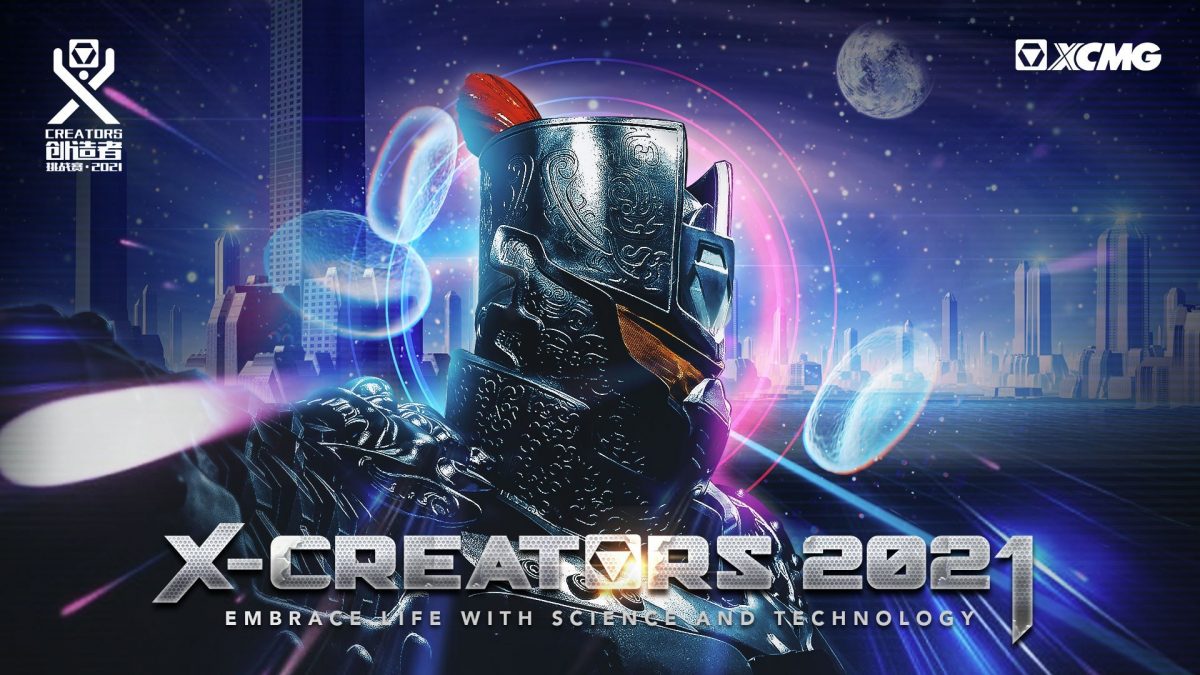
XUZHOU, China, Feb. 26, 2021 /PRNewswire/ — XCMG, leading construction machinery manufacturer (000425.SZ) has officially launched X-Creator Challenge, the third and upgraded edition of the «XCMG Cup» Green Innovation Design Competition, which is composed of two competition categories – intelligent road emergency equipment design and geological disaster rescue equipment design.

<img id="prnejpgd6daleft"…

XUZHOU, China, Feb. 26, 2021 /PRNewswire/ — XCMG, leading construction machinery manufacturer (000425.SZ) has officially launched X-Creator Challenge, the third and upgraded edition of the «XCMG Cup» Green Innovation Design Competition, which is composed of two competition categories – intelligent road emergency equipment design and geological disaster rescue equipment design.

X-Creator Challenge Opens for Global Submissions Centering on Intelligent Equipment Solutions for Emergency and Disaster Rescue.

Both categories of the X-Creator Challenge call for groundbreaking equipment design ideas to aid emergency and disaster relief/rescue missions after earthquakes, landslides, mudslides as well as production accidents, especially utilizing intelligent technologies to save life in urgent situations. Modification suggestions under the two categories are also encouraged to submit for prize winning.

«In 2020 alone, natural disasters affected approximately 138 million people in China so quickly finding solutions to bottleneck problems in disaster relief and rescue is of the utmost importance. New technologies such as 5G, modularized multi-functional emergency rescue equipment, quick disassembly/assembly of equipment as well as remote control are undoubtedly the key to further development,» said Xiaodong Xu, Deputy GM of XCMG Fire-fighting Safety Equipment.

Participants from around the world are now welcome to upload their designs online until June. In addition to financial awards and scholarships, first-prize winners will be given opportunities to carry out their project with universities or enterprises. Excellent contestants from the preliminary rounds may receive an interview invitation from XCMG, and exceptional winners may even receive offers to join the XCMG team.

X-Creator has set an industrial transformation funding pool totaling 10 million yuan (US$ 1.55 million). In addition to complete solution and equipment designs, excellent product and function optimization feedback submitted by international participants will also be considered for awards.

Launched in 2016, the XCMG Cup competition is part of XCMG’s 14 precisely positioned global public welfare projects and a major breakthrough of the traditional R&D model to promote technological innovation and encourage young talents to push forward the sustainable development of the industry.

Multiple concepts and innovative ideas from previous competitions have been applied in product design and development, including the compact low-noise, high-efficacy fan project from the first XCMG Cup, the multi-functional, green-powered small excavator design in the second year among others.

For more information about X-Creator Challenge, please visit: https://www.xcmgapprentice.com/ 

Photo – https://mma.prnewswire.com/media/1445409/X_Creator_Challenge_Opens_Global_Submissions_Centering_Intelligent_Equipment_Solutions_Emergency.jpg


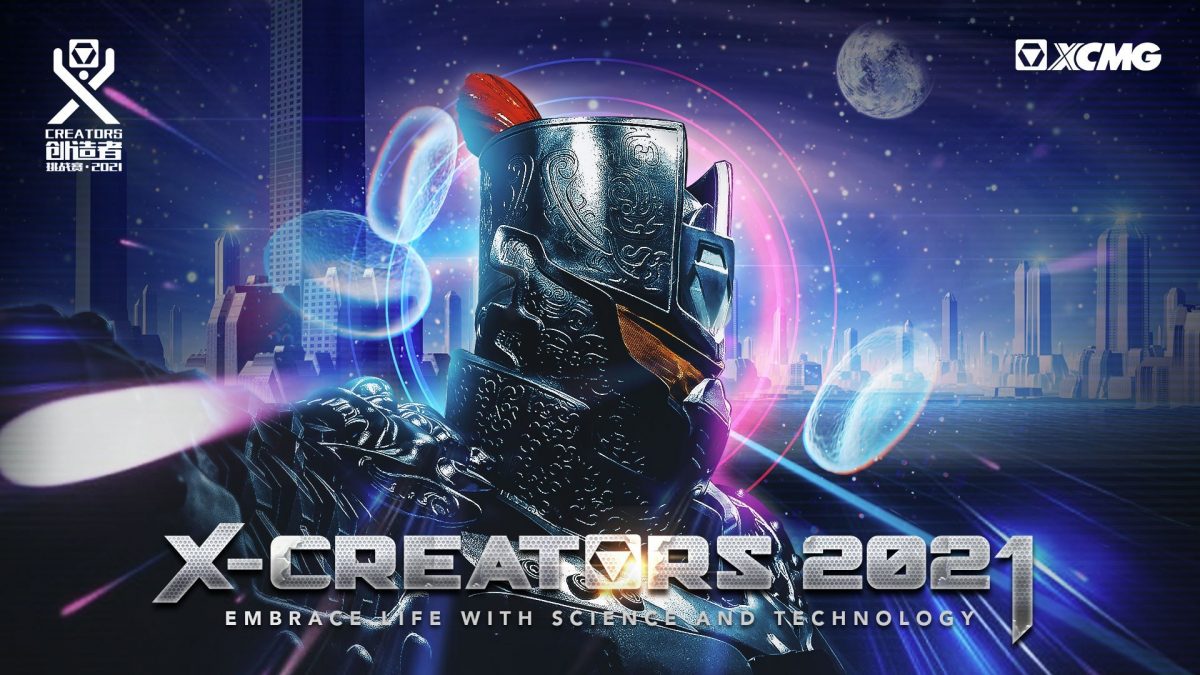
X-Creator Challenge Opens for Global Submissions Centering on Intelligent Equipment Solutions for Emergency and Disaster Rescue

XUZHOU, China, Feb. 26, 2021 /PRNewswire/ — XCMG, leading construction machinery manufacturer (000425.SZ) has officially launched X-Creator Challenge, the third and upgraded edition of the «XCMG Cup» Green Innovation Design Competition, which is composed of two competition categories – intelligent road emergency equipment design and geological disaster rescue equipment design.

<img id="prnejpgd6daleft"…

XUZHOU, China, Feb. 26, 2021 /PRNewswire/ — XCMG, leading construction machinery manufacturer (000425.SZ) has officially launched X-Creator Challenge, the third and upgraded edition of the «XCMG Cup» Green Innovation Design Competition, which is composed of two competition categories – intelligent road emergency equipment design and geological disaster rescue equipment design.

X-Creator Challenge Opens for Global Submissions Centering on Intelligent Equipment Solutions for Emergency and Disaster Rescue.

Both categories of the X-Creator Challenge call for groundbreaking equipment design ideas to aid emergency and disaster relief/rescue missions after earthquakes, landslides, mudslides as well as production accidents, especially utilizing intelligent technologies to save life in urgent situations. Modification suggestions under the two categories are also encouraged to submit for prize winning.

«In 2020 alone, natural disasters affected approximately 138 million people in China so quickly finding solutions to bottleneck problems in disaster relief and rescue is of the utmost importance. New technologies such as 5G, modularized multi-functional emergency rescue equipment, quick disassembly/assembly of equipment as well as remote control are undoubtedly the key to further development,» said Xiaodong Xu, Deputy GM of XCMG Fire-fighting Safety Equipment.

Participants from around the world are now welcome to upload their designs online until June. In addition to financial awards and scholarships, first-prize winners will be given opportunities to carry out their project with universities or enterprises. Excellent contestants from the preliminary rounds may receive an interview invitation from XCMG, and exceptional winners may even receive offers to join the XCMG team.

X-Creator has set an industrial transformation funding pool totaling 10 million yuan (US$ 1.55 million). In addition to complete solution and equipment designs, excellent product and function optimization feedback submitted by international participants will also be considered for awards.

Launched in 2016, the XCMG Cup competition is part of XCMG’s 14 precisely positioned global public welfare projects and a major breakthrough of the traditional R&D model to promote technological innovation and encourage young talents to push forward the sustainable development of the industry.

Multiple concepts and innovative ideas from previous competitions have been applied in product design and development, including the compact low-noise, high-efficacy fan project from the first XCMG Cup, the multi-functional, green-powered small excavator design in the second year among others.

For more information about X-Creator Challenge, please visit: https://www.xcmgapprentice.com/ 

Photo – https://mma.prnewswire.com/media/1445409/X_Creator_Challenge_Opens_Global_Submissions_Centering_Intelligent_Equipment_Solutions_Emergency.jpg


Vistra Reports 2020 Results Above Top End of Raised Guidance Range and Estimates One-Time Impact of Winter Storm Uri

IRVING, Texas, Feb. 26, 2021 /PRNewswire/ — Vistra (NYSE: VST):


Vistra Logo (PRNewsfoto/Vistra)

IRVING, Texas, Feb. 26, 2021 /PRNewswire/ — Vistra (NYSE: VST):

2020 Financial Highlights

  • Delivered 2020 Net Income of $624 million and Net Income from Ongoing Operations1 of $725 million. 2020 Ongoing Operations Adjusted EBITDA1 was $3,766 million, ~11% above 2019 results, representing the fifth year in a row Vistra’s financial results have come in above the midpoint of Vistra’s guidance.
  • Delivered 2020 Cash Flows from Operations (Operating Cash Flow) of $3,337 million and 2020 Ongoing Operations Adjusted Free Cash Flow before Growth (FCFbG)1 of $2,582 million – ~6% above 2019 results – and reflecting a free cash flow conversion ratio of ~69% percent.
  • Realized $400 million in EBITDA value levers from the Operations Performance Improvement («OPI») initiative in 2020—a $100 million increase from initial projections—resulting in a higher target 2021 run-rate of $525 million, increased from the prior target of $425 million. In 2020, achieved nearly $750 million of the ~$860 million of identified Dynegy, Crius Energy (Crius), and Ambit Energy (Ambit) transaction synergies and OPI EBITDA value lever targets.

Realized in Year

Achieved by YE

2020

$722

$747

2021

$806

$856

«Vistra executed exceptionally well in the face of challenges brought on by the global pandemic, delivering 2020 Adjusted EBITDA from Ongoing Operations nearly 10% higher than our original guidance midpoint. 2020 also marks the fifth year in a row that Vistra’s adjusted EBITDA has exceeded our financial guidance midpoint with our outperformance totaling more than $500 million over this period,» said Curt Morgan, Vistra’s chief executive officer. «We have proven that when we control our destiny, we consistently over-perform. The challenges brought on by the global pandemic in 2020 and the historic winter storm in Texas last week have tested our business model. We continue to believe that our integrated operations, prioritizing a strong balance sheet and conservative liquidity management, is the right model to remain resilient through these challenges while creating value for our stakeholders over the long-term.»

Winter Storm Uri

In February 2021, the U.S. experienced winter storm Uri, bringing extreme cold temperatures to the central U.S., including Texas. This severe weather resulted in surging demand for power, gas supply shortages, operational challenges for generators, and a significant load shed event (i.e., involuntary outages to customers across the system for varying periods of time) that was ordered by ERCOT beginning on Feb. 15, 2021 and continuing through Feb. 18, 2021. In anticipation of and during the storm, Vistra:

  • Executed winter preparedness actions in addition to its ordinary course winter preparations at an approximate cost of $10 million.
  • Assisted customers to proactively manage their usage with conservation tips.
  • Provided electricity to millions of Texans, producing ~25-30% of the power generated during the storm compared to its market share of ~18%.
  • Announced $5 million of financial assistance to customers and communities and assured residential customers there would be no near-term impact on rates due to the winter weather event.

The overall financial impact from winter storm Uri is still being calculated, but Vistra expects it will have a material adverse impact on its financial results driven by generation output being constrained due to challenges with receiving a steady supply of fuel for some plants as well as challenges with handling fuel already on site given the freezing conditions. As a result of these challenges, Vistra had to procure power in the ERCOT market at prices at or near the price cap to meet its supply obligations.

2021 Guidance and Capital Allocation

As a result of Winter Storm Uri hitting Texas last week, Vistra is not able to reaffirm or adjust its 2021 guidance as Vistra does not yet have enough information to provide an exact estimate of the one-time financial impact of this unprecedented winter storm. While the financial impacts of Winter Storm Uri to Vistra are not yet finalized, Vistra management preliminarily estimates the one-time adverse impact will be in the range of ~$900 million to $1,300 million. This estimated range is preliminary and based on currently available information and management estimates.  The final amount of the estimated loss is subject to a variety of factors including, but not limited to, outstanding pricing, load, and settlement data from ERCOT, potential state corrective action, or the outcome of potential litigation arising from this event. Vistra will provide a further update as information is available, the timing of which is currently unknown.

Vistra continues to be committed to our capital allocation plan, including our recommended dividend trajectory and debt reduction expectations. Vistra will provide a further update on 2021 capital allocation as estimates of the financial impact of Winter Storm Uri are finalized, the timing of which is currently unknown. Vistra remains confident in its ability to generate significant Adjusted EBITDA and Free Cash Flow before Growth over the long-term, supporting our diverse capital allocation plans.

Liquidity

As of Dec. 31, 2020, Vistra had total available liquidity of ~$2,399 million, including cash and cash equivalents of $406 million, $1,988 million of availability under its revolving credit facility, and $5 million of availability under its various bi-lateral letter of credit facilities. Winter Storm Uri resulted in Vistra being required to post a significant amount of collateral, including to ERCOT, clearinghouses for natural gas and power transactions, and other trading counterparties. Despite these posting requirements, Vistra consistently maintained, and it continues to maintain, sufficient liquidity to conduct its operations in the ordinary course. As of Feb. 25, 2021, Vistra had more than $1.5 billion of cash and availability under its revolving credit facility.

2020 Capital Allocation Highlights

  • Reduced debt by ~$1.53 billion and achieved long-term leverage target of 2.5x net debt to Adjusted EBITDA as of Dec. 31, 2020.
  • Paid a fourth quarter 2020 dividend of $0.135 per share on Dec. 30, 2020 to shareholders of record as of Dec. 16, 2020, bringing the total dividends paid in 2020 to $0.54 per share.
  • Announced first quarter 2021 dividend of $0.15 per share to be paid on March 31, 2021 to shareholders of record as of March 17, 2021, representing an ~11% increase to an expected $0.60 per share2 for 2021.
  • Announced balanced long-term capital allocation plan, with expectation to return significant capital to financial stakeholders over the next two years through debt repayment, dividends, and share repurchases, while simultaneously reinvesting in the business to transition generation portfolio via solar and energy storage growth investments.
  • Executed ~$125 million of the authorized $1.5 billion share repurchase program as of Feb. 23, 2021, resulting in net shares outstanding of ~483.7 million as of the same date.

2020 Portfolio Transformation and Growth Investments

  • Advanced development of nearly 850 MW of renewable generation projects in Texas, including one battery energy storage project and five solar facilities. Vistra expects it will invest on average ~$500 million a year in renewable resources, energy storage systems, and retail businesses by 2030, resulting in a renewable and storage portfolio of nearly 7,000 MWs, or nearly 20% of Vistra’s projected 2030 generation capacity. This portfolio of zero carbon assets supports our retail business in Texas and offers financing options and multiple opportunities to realize value.
  • Announced plans to retire an incremental ~7,500 MW of coal-fueled assets and ~350 MW of gas assets in the MISO, PJM, and ERCOT markets, resulting in the planned retirement of Vistra’s entire Midwest coal fleet by no later than year-end 2027.
  • Launched Vistra Zero, a generation portfolio consisting of ~4,000 MW of zero-carbon generation resources, including its existing nuclear, solar, and energy storage facilities, as well as its announced emission-free projects under development.
  • Acquired the Texas electric retail customers of Infinite Energy and Veteran Energy in November 2020, expanding Vistra’s retail footprint in the attractive Texas market.

2020 ESG Highlights

  • Accelerated its greenhouse gas (GHG) emissions reduction targets with a goal to achieve a 60% reduction, up from 50%, in CO2 equivalent emissions by 2030, as compared to a 2010 baseline, and a long-term goal to achieve net-zero carbon emissions, up from an 80% reduction target, by 20503.
  • Continued its commitment to employee and contractor health and safety by maintaining COVID-19 protocols first implemented in the first quarter of 2020.
  • Supported customers and communities during the pandemic by maintaining customer service levels at all-time highs, donating $2 million to non-profits and social service agencies, providing nearly 180,000 masks and face coverings to employees and local institutions, and assisting 15,400 customers impacted by COVID-19 to pay their electric bills through $3.9 million in donations.
  • Launched several initiatives to enhance diversity, equity, and inclusion, including hiring a chief diversity officer, creating a diversity, equity, and inclusion advisory council, enhancing employee resource groups, initiating career advancement pathways for employees, and expanding diverse external recruiting efforts.
  • Committed $10 million in donations over the next five years to support organizations that grow minority-owned small businesses, enhance economic development, and provide educational opportunities for students from diverse backgrounds.


(1)

Excludes the Asset Closure segment. Net Income from Ongoing Operations, Ongoing Operations Adjusted EBITDA, and Ongoing Operations Adjusted FCFbG are non-GAAP financial measures. See the «Non-GAAP Reconciliation» tables for further detail.

(2)

Subject to Board’s approval at the applicable time.

(3)

Assuming necessary advancements in technology and supportive market constructs and public policy.


Summary of Financial Results for the Fourth Quarter Ended Dec. 31, 2020 and Full Year 2020

Three Months Ended

Year Ended

($ in millions)

Dec. 31, 2020

Dec. 31, 2019

Dec. 31, 2020

Dec. 31, 2019

Net Income/(Loss)

$ (27)

$ 233

$ 624

$ 926

Ongoing Operations Net Income/(Loss)1

$ (14)

$ 240

$ 725

$ 1,035

Ongoing Operations Adjusted EBITDA1

$ 802

$ 775

$ 3,766

$ 3,393

Operating Cash Flow

$ 3,337

$ 2,736

Ongoing Operations Adjusted FCFbG1

$ 2,582

$ 2,437


Adjusted EBITDA by Segment

Retail

$ 411

$ 343

$ 983

$ 807

Texas

$ 191

$ 185

$ 1,646

$ 1,307

East

$ 158

$ 194

$ 849

$ 925

West

$ 14

$ 18

$ 73

$ 63

Sunset

$ 36

$ 40

$ 242

$ 308

Corp./Other

$ (8)

$ (5)

$ (27)

$ (17)

Asset Closure

$ (3)

$ (4)

$ (81)

$ (68)

For the three months ended Dec. 31, 2020, Vistra reported a Net Loss of $27 million, Net Loss from Ongoing Operations1 of $14 million, and Ongoing Operations Adjusted EBITDA1 of $802 million. Vistra’s fourth quarter 2020 Net Income/(Loss) of $(27) million was $260 million lower than fourth quarter 2019 Net Income/(Loss) of $233 million, driven primarily by a decrease in unrealized net gains on hedging transactions. Vistra’s fourth quarter Adjusted EBITDA from Ongoing Operations was $27 million higher than fourth quarter 2019 results, primarily driven by the addition of Ambit.

Vistra reported fourth quarter Adjusted EBITDA from the Retail segment of $411 million, $68 million higher than fourth quarter 2019 results, driven by strong margin performance in ERCOT and the addition of Ambit. Fourth quarter Adjusted EBITDA from the generation segments2, on an aggregate basis, totaled $391 million, $41 million lower than fourth quarter 2019 results driven by lower capacity revenue in the East segment.

For the full year of 2020, Vistra reported Net Income of $624 million, Net Income from Ongoing Operations1 of $725 million, and Ongoing Operations Adjusted EBITDA1 of $3,766 million. Vistra’s Net Income for the full year of 2020 was $302 million lower than full year 2019 Net Income, driven primarily by a decrease in unrealized gains on hedging transactions. Ongoing Operations Adjusted EBITDA for the full year of 2020 was $373 million higher than the full year of 2019, driven primarily by the additions of Crius and Ambit and strong ERCOT margin performance, partially offset by milder weather in the Retail segment, and higher margins in the Texas, East, and Sunset segments partially offset by lower capacity revenues in the collective generation segments.2

(1)

Excludes the Asset Closure segment. Net Income (Loss) from Ongoing Operations, Ongoing Operations Adjusted EBITDA, and Ongoing Operations Adjusted FCFbG are non-GAAP financial measures. See the «Non-GAAP Reconciliation» tables for further detail. Total by segment may not tie due to rounding.

(2)

Includes Texas, East, West, Sunset, and Corp./Other.

Earnings Webcast

Vistra will host a conference call and webcast today, Feb. 26, 2021, beginning at 8 a.m. ET (7 a.m. CT) to discuss these results and related matters. The live webcast and the accompanying slides that will be discussed on the call can be accessed via the investor relations section of Vistra’s website at www.vistracorp.com under «Investor Relations» and then «Events & Presentations.» Participants can also listen by phone by registering here prior to the start time of the call to receive a conference call dial-in number. A replay of the webcast will be available on the Vistra website for one year following the live event.

About Non-GAAP Financial Measures and Items Affecting Comparability

«Adjusted EBITDA» (EBITDA as adjusted for unrealized gains or losses from hedging activities, tax receivable agreement impacts, reorganization items, and certain other items described from time to time in Vistra’s earnings releases),»Adjusted Free Cash Flow before Growth» (or «Adjusted FCFbG») (cash from operating activities excluding changes in margin deposits and working capital and adjusted for capital expenditures (including capital expenditures for growth investments), other net investment activities, and other items described from time to time in Vistra’s earnings releases), «Ongoing Operations Adjusted EBITDA» (adjusted EBITDA less adjusted EBITDA from Asset Closure segment), «Net Income from Ongoing Operations» (net income less net income from Asset Closure segment), «Ongoing Operations Adjusted Free Cash Flow before Growth» or «Ongoing Operations Adjusted FCFbG» (adjusted free cash flow before growth less cash flow from operating activities from Asset Closure segment before growth), are «non-GAAP financial measures.» A non-GAAP financial measure is a numerical measure of financial performance that excludes or includes amounts so as to be different than the most directly comparable measure calculated and presented in accordance with GAAP in Vistra’s consolidated statements of operations, comprehensive income, changes in stockholders’ equity, and cash flows. Non-GAAP financial measures should not be considered in isolation or as a substitute for the most directly comparable GAAP measures. Vistra’s non-GAAP financial measures may be different from non-GAAP financial measures used by other companies.

Vistra uses Adjusted EBITDA as a measure of performance and believes that analysis of its business by external users is enhanced by visibility to both Net Income prepared in accordance with GAAP and Adjusted EBITDA. Vistra uses Adjusted Free Cash Flow before Growth as a measure of liquidity and believes that analysis of its ability to service its cash obligations is supported by disclosure of both cash provided by (used in) operating activities prepared in accordance with GAAP as well as Adjusted Free Cash Flow before Growth. Vistra uses Ongoing Operations Adjusted EBITDA as a measure of performance and Ongoing Operations Adjusted Free Cash Flow before Growth as a measure of liquidity and Vistra’s management and Board have found it informative to view the Asset Closure segment as separate and distinct from Vistra’s ongoing operations. Vistra uses Net Income from Ongoing Operations as a non-GAAP measure that is most comparable to the GAAP measure Net Income in order to illustrate the company’s Net Income excluding the effects of the Asset Closure segment, as well as a measure to compare to Ongoing Operations Adjusted EBITDA. The schedules attached to this earnings release reconcile the non-GAAP financial measures to the most directly comparable financial measures calculated and presented in accordance with U.S. GAAP.

Media
Meranda Cohn
214-875-8004
Media.Relations@vistracorp.com

Analysts
Molly Sorg
214-812-0046
Investor@vistracorp.com

About Vistra
Vistra (NYSE: VST) is a leading, Fortune 275 integrated retail electricity and power generation company based in Irving, Texas, providing essential resources for customers, commerce, and communities. Vistra combines an innovative, customer-centric approach to retail with safe, reliable, diverse, and efficient power generation. The company brings its products and services to market in 20 states and the District of Columbia, including six of the seven competitive wholesale markets in the U.S. and markets in Canada and Japan, as well. Serving nearly 4.3 million residential, commercial, and industrial retail customers with electricity and natural gas, Vistra is one of the largest competitive residential electricity providers in the country and offers over 50 renewable energy plans. The company is also the largest competitive power generator in the U.S. with a capacity of approximately 39,000 megawatts powered by a diverse portfolio, including natural gas, nuclear, solar, and battery energy storage facilities. In addition, the company is a large purchaser of wind power. The company is currently constructing a 400-MW/1,600-MWh battery energy storage system in Moss Landing, California, the largest of its kind in the world. Vistra is guided by four core principles: we do business the right way, we work as a team, we compete to win, and we care about our stakeholders, including our customers, our communities where we work and live, our employees, and our investors. Learn more about our environmental, social, and governance efforts and read the company’s sustainability report at https://www.vistracorp.com/sustainability/.

Cautionary Note Regarding Forward-Looking Statements
The information presented herein includes forward-looking statements within the meaning of the Private Securities Litigation Reform Act of 1995. These forward-looking statements, which are based on current expectations, estimates and projections about the industry and markets in which Vistra Corp. («Vistra») operates and beliefs of and assumptions made by Vistra’s management, involve risks and uncertainties, which are difficult to predict and are not guarantees of future performance, that could significantly affect the financial results of Vistra. All statements, other than statements of historical facts, that are presented herein, or in response to questions or otherwise, that address activities, events or developments that may occur in the future, including such matters as activities related to our financial or operational projections, the potential impacts of the COVID-19 pandemic on our results of operations, financial condition and cash flows, projected synergy, value lever and net debt targets, capital allocation, capital expenditures, liquidity, projected Adjusted EBITDA to free cash flow conversion rate, dividend policy, business strategy, competitive strengths, goals, future acquisitions or dispositions, development or operation of power generation assets, market and industry developments and the growth of our businesses and operations (often, but not always, through the use of words or phrases, or the negative variations of those words or other comparable words of a future or forward-looking nature, including, but not limited to: «intends,» «plans,» «will likely,» «unlikely,» «believe,» «confident», «expect,» «seek,» «anticipate,» «estimate,» «continue,» «will,» «shall,» «should,» «could,» «may,» «might,» «predict,» «project,» «forecast,» «target,» «potential,» «goal,» «objective,» «guidance» and «outlook»),are forward-looking statements. Readers are cautioned not to place undue reliance on forward-looking statements. Although Vistra believes that in making any such forward-looking statement, Vistra’s expectations are based on reasonable assumptions, any such forward-looking statement involves uncertainties and risks that could cause results to differ materially from those projected in or implied by any such forward-looking statement, including, but not limited to: (i) adverse changes in general economic or market conditions (including changes in interest rates) or changes in political conditions or federal or state laws and regulations; (ii) the ability of Vistra to execute upon its contemplated strategic, capital allocation, and performance initiatives and to successfully integrate acquired businesses; (iii) actions by credit ratings agencies; (iv) the severity, magnitude and duration of pandemics, including the COVID-19 pandemic, and the resulting effects on our results of operations, financial condition and cash flows; (v) the severity, magnitude and duration of extreme weather events, including winter storm Uri, and the resulting effects on our results of operations, financial condition and cash flows; and (vi) those additional risks and factors discussed in reports filed with the Securities and Exchange Commission by Vistra from time to time, including the uncertainties and risks discussed in the sections entitled «Risk Factors» and «Forward-Looking Statements» in Vistra’s annual report on Form 10-K for the year ended December 31, 2020 and any subsequently filed quarterly reports on Form 10-Q.

Any forward-looking statement speaks only at the date on which it is made, and except as may be required by law, Vistra will not undertake any obligation to update any forward-looking statement to reflect events or circumstances after the date on which it is made or to reflect the occurrence of unanticipated events. New factors emerge from time to time, and it is not possible to predict all of them; nor can Vistra assess the impact of each such factor or the extent to which any factor, or combination of factors, may cause results to differ materially from those contained in any forward-looking statement.

VISTRA CORP.
CONSOLIDATED STATEMENTS OF OPERATIONS
(Millions of Dollars, Except Per Share Amounts)

Year Ended December 31,

2020

2019

2018

Operating revenues

$

11,443

$

11,809

$

9,144

Fuel, purchased power costs and delivery fees

(5,174)

(5,742)

(5,036)

Operating costs

(1,622)

(1,530)

(1,297)

Depreciation and amortization

(1,737)

(1,640)

(1,394)

Selling, general and administrative expenses

(1,035)

(904)

(926)

Impairment of long-lived assets

(356)

Operating income

1,519

1,993

491

Other income

34

56

47

Other deductions

(42)

(15)

(5)

Interest expense and related charges

(630)

(797)

(572)

Impacts of Tax Receivable Agreement

5

(37)

(79)

Equity in earnings of unconsolidated investment

4

16

17

Income (loss) before income taxes

890

1,216

(101)

Income tax (expense) benefit

(266)

(290)

45

Net income (loss)

$

624

$

926

$

(56)

Net loss attributable to noncontrolling interest

12

2

2

Net income (loss) attributable to Vistra

$

636

$

928

$

(54)


VISTRA CORP.
CONSOLIDATED STATEMENTS OF CASH FLOWS
(Millions of Dollars)

Year Ended December 31,

2020

2019

2018

Cash flows — operating activities:

Net income (loss)

$

624

$

926

$

(56)

Adjustments to reconcile net income (loss) to cash provided by operating activities:

Depreciation and amortization

2,048

1,876

1,533

Deferred income tax expense (benefit), net

230

281

(62)

Impairment of long-lived assets

356

Loss on disposal of investment in NELP

29

Unrealized net (gain) loss from mark-to-market valuations of commodities

(231)

(696)

380

Unrealized net loss from mark-to-market valuations of interest rate swaps

155

220

5

Change in asset retirement obligation liability

7

(48)

(27)

Asset retirement obligation accretion expense

43

53

50

Impacts of Tax Receivable Agreement

(5)

37

79

Bad debt expense

110

82

55

Stock-based compensation

65

47

73

Other, net

(22)

(12)

37

Changes in operating assets and liabilities:

Accounts receivable — trade

(33)

(88)

(207)

Inventories

(59)

(44)

61

Accounts payable — trade

(40)

(221)

90

Commodity and other derivative contractual assets and liabilities

27

98

(80)

Margin deposits, net

(20)

170

(221)

Accrued interest

(20)

80

(105)

Accrued taxes

22

(4)

(64)

Accrued employee incentive

39

1

40

Tax Receivable Agreement payment

(2)

(16)

Asset retirement obligation settlement

(118)

(121)

(100)

Major plant outage deferral

2

(19)

(22)

Other — net assets

219

(22)

73

Other — net liabilities

(91)

142

(45)

Cash provided by operating activities

3,337

2,736

1,471

Cash flows — investing activities:

Capital expenditures, including nuclear fuel purchases and LTSA prepayments

(1,259)

(713)

(530)

Ambit acquisition (net of cash acquired)

(506)

Crius acquisition (net of cash acquired)

(374)

Cash acquired in the Merger

445

Proceeds from sales of nuclear decommissioning trust fund securities

433

431

252

Investments in nuclear decommissioning trust fund securities

(455)

(453)

(274)

Proceeds from sales of environmental allowances

165

197

1

Purchases of environmental allowances

(504)

(322)

(5)


VISTRA CORP.
CONSOLIDATED STATEMENTS OF CASH FLOWS
(Millions of Dollars)

Year Ended December 31,

2020

2019

2018

Proceeds from sales of assets

24

6

7

Other, net

24

17

3

Cash used in investing activities

(1,572)

(1,717)

(101)

Cash flows — financing activities:

Issuances of long-term debt

6,507

1,000

Repayments/repurchases of debt

(1,008)

(7,109)

(3,075)

Net borrowings/(payments) under accounts receivable securitization program

(150)

111

339

Borrowings under Revolving Credit Facility

1,075

650

Repayments under Revolving Credit Facility

(1,425)

(300)

Debt tender offer and other debt financing fees

(17)

(203)

(236)

Stock repurchase

(656)

(763)

Dividends paid to stockholders

(266)

(243)

Other, net

(5)

6

12

Cash used in financing activities

(1,796)

(1,237)

(2,723)

Net change in cash, cash equivalents and restricted cash

(31)

(218)

(1,353)

Cash, cash equivalents and restricted cash — beginning balance

475

693

2,046

Cash, cash equivalents and restricted cash — ending balance

$

444

$

475

$

693


VISTRA CORP.

NON-GAAP RECONCILIATIONS – ADJUSTED EBITDA

FOR THE THREE MONTHS ENDED DECEMBER 31, 2020

(Unaudited) (Millions of Dollars)

Retail

Texas

East

West

Sunset

Eliminations /
Corp and
Other

Ongoing
Operations
Consolidated

Asset
Closure

Vistra Corp. Consolidated

Net income (loss)

$

(123)

$

273

$

(78)

$

1

$

57

$

(143)

$

(13)

$

(13)

$

(26)

Income tax expense

(18)

(18)

(18)

Interest expense and related charges (a)

1

(2)

1

(4)

1

92

89

89

Depreciation and amortization (b)

74

152

181

5

32

16

460

10

470

EBITDA before Adjustments

(48)

423

104

2

90

(53)

518

(3)

515

Unrealized net (gain) loss resulting from hedging transactions

454

(242)

53

11

(63)

213

213

Generation plant retirement expenses

3

3

3

Fresh start/purchase accounting impacts

4

(3)

(1)

4

4

4

Impacts of Tax Receivable Agreement

39

39

39

Non-cash compensation expenses

17

17

17

Transition and merger expenses

(3)

2

(1)

(1)

COVID-19-related expenses (c)

4

1

2

1

8

8

Other, net

4

9

1

1

(14)

1

1

Adjusted EBITDA

$

411

$

191

$

158

$

14

$

36

$

(8)

$

802

$

(3)

$

799

(a)  

Includes $26 million of unrealized mark-to-market net gains on interest rate swaps.

(b)   

Includes nuclear fuel amortization of $18 million in the Texas segment.

(c)    

Includes material and supplies and other incremental costs related to our COVID-19 response.


VISTRA CORP.

NON-GAAP RECONCILIATIONS – ADJUSTED EBITDA

FOR THE YEAR ENDED DECEMBER 31, 2020

(Unaudited) (Millions of Dollars)

Retail

Texas

East

West

Sunset

Eliminations /
Corp and
Other

Ongoing
Operations
Consolidated

Asset
Closure

Vistra Corp.
Consolidated

Net income (loss)

$

309

$

1,760

$

41

$

50

$

(414)

$

(1,021)

$

725

$

(101)

$

624

Income tax expense

266

266

266

Interest expense and related charges (a)

10

(8)

7

(10)

2

629

630

630

Depreciation and amortization (b)

303

550

721

19

133

64

1,790

22

1,812

EBITDA before Adjustments

622

2,302

769

59

(279)

(62)

3,411

(79)

3,332

Unrealized net (gain) loss resulting from hedging transactions

340

(691)

15

10

95

(231)

(231)

Generation plant retirement expenses

43

43

43

Fresh start/purchase accounting impacts

5

(8)

22

19

38

38

Impacts of Tax Receivable Agreement

(5)

(5)

(5)

Non-cash compensation expenses

63

63

63

Transition and merger expenses

5

2

1

11

19

(3)

16

Impairment of long-lived assets

356

356

356

Loss on disposal of investment in NELP

29

29

29

COVID-19-related expenses (c)

15

3

5

2

25

25

Other, net

11

26

10

4

3

(36)

18

1

19

Adjusted EBITDA

$

983

$

1,646

$

849

$

73

$

242

$

(27)

$

3,766

$

(81)

$

3,685

(a) 

Includes $155 million of unrealized mark-to-market net losses on interest rate swaps.

(b)  

Includes nuclear fuel amortization of $75 million in the Texas segment.

(c)   

Includes material and supplies and other incremental costs related to our COVID-19 response.


VISTRA CORP.

NON-GAAP RECONCILIATIONS – ADJUSTED EBITDA

FOR THE THREE MONTHS ENDED DECEMBER 31, 2019

(Unaudited) (Millions of Dollars)

Retail

Texas

East

West

Sunset

Eliminations /
Corp and
Other

Ongoing
Operations
Consolidated

Asset
Closure

Vistra Corp.
Consolidated

Net income (loss)

$

132

$

28

$

135

$

10

$

77

$

(142)

$

240

$

(7)

$

233

Income tax expense

20

20

20

Interest expense and related charges (a)

5

(2)

3

(1)

72

77

77

Depreciation and amortization (b)

88

134

172

5

34

13

446

446

EBITDA before Adjustments

225

160

310

15

110

(37)

783

(7)

776

Unrealized net (gain) loss resulting from hedging transactions

87

25

(120)

4

(67)

(71)

(71)

Generation plant retirement expenses

3

3

Fresh start / purchase accounting impacts

5

(3)

1

(1)

2

4

(1)

3

Impacts of Tax Receivable Agreement

12

12

12

Non-cash compensation expenses

12

12

12

Transition and merger expenses

25

4

(4)

8

33

33

Other, net

1

3

(1)

(1)

2

1

3

Adjusted EBITDA

$

343

$

185

$

194

$

18

$

40

$

(5)

$

775

$

(4)

$

771

(a)   

Includes $55 million of unrealized mark-to-market net gains on interest rate swaps.

(b)    

Includes nuclear fuel amortization of $20 million in the Texas segment.


VISTRA CORP.

NON-GAAP RECONCILIATIONS – ADJUSTED EBITDA

FOR THE YEAR ENDED DECEMBER 31, 2019

(Unaudited) (Millions of Dollars)

Retail

Texas

East

West

Sunset

Eliminations /
Corp and
Other

Ongoing
Operations
Consolidated

Asset
Closure

Vistra Corp.
Consolidated

Net income (loss)

$

134

$

1,342

$

400

$

88

$

274

$

(1,203)

$

1,035

$

(109)

$

926

Income tax expense

290

290

290

Interest expense and related charges (a)

21

(8)

13

4

767

797

797

Depreciation and amortization (b)

292

545

680

19

120

57

1,713

1,713

EBITDA before Adjustments

447

1,879

1,093

107

398

(89)

3,835

(109)

3,726

Unrealized net (gain) loss resulting from hedging transactions

278

(591)

(196)

(41)

(146)

(696)

(696)

Generation plant retirement expenses

12

12

42

54

Fresh start / purchase accounting impacts

23

(4)

4

(4)

14

33

(3)

30

Impacts of Tax Receivable Agreement

37

37

37

Non-cash compensation expenses

48

48

48

Transition and merger expenses

49

11

9

1

22

23

115

115

Other, net

10

12

15

8

(36)

9

2

11

Adjusted EBITDA

$

807

$

1,307

$

925

$

63

$

308

$

(17)

$

3,393

$

(68)

$

3,325

(a)  

Includes $220 million of unrealized mark-to-market net losses on interest rate swaps.

(b)   

Includes nuclear fuel amortization of $73 million in the Texas segment.


VISTRA CORP.

NON-GAAP RECONCILIATIONS – ADJUSTED FREE CASH FLOW

FOR YEAR ENDED DECEMBER 31, 2020

(Unaudited) (Millions of Dollars)

Ongoing
Operations

Asset
Closure

Vistra
Consolidated

Adjusted EBITDA

$

3,766

$

(81)

$

3,685

Interest paid, net (a)

(513)

(513)

Taxes received net of payments

141

(1)

140

Severance

(11)

(10)

(21)

Working capital, margin deposits and derivative related cash activities

159

(6)

153

Reclamation and remediation

(17)

(50)

(67)

Transition and merger expense

(16)

(16)

COVID-19-related expenses

(25)

(25)

Changes in other operating assets and liabilities

26

(25)

1

Cash provided by operating activities

$

3,510

$

(173)

$

3,337

Capital expenditures including LTSA prepayments and nuclear fuel purchases (b)

(858)

(858)

Development and growth expenditures (c)

(401)

(401)

Purchases and sales of environmental credits and allowances, net

(339)

(339)

Other net investing activities (d)

15

11

26

Free cash flow

$

1,927

$

(162)

$

1,765

Working capital, margin deposits and derivative related cash activities

(159)

6

(153)

Development and growth expenditures

401

401

Severance

11

10

21

Purchases and sales of environmental credits and allowances, net

339

339

Transition and merger expense

16

16

COVID-19-related expenses

25

25

Transition capital expenditures

22

22

Adjusted free cash flow before growth

$

2,582

$

(146)

$

2,436

(a)   

Net of interest received.

(b)  

Includes $258 million LTSA prepaid capital expenditures.

(c)   

Includes $18 million LTSA prepaid development and growth expenditures.

(d)    

Includes investments in and proceeds from the nuclear decommissioning trust fund, insurance proceeds, proceeds from sales of assets and other net investing cash flows.


Cision View original content to download multimedia:http://www.prnewswire.com/news-releases/vistra-reports-2020-results-above-top-end-of-raised-guidance-range-and-estimates-one-time-impact-of-winter-storm-uri-301236262.html

SOURCE Vistra