Esperanza, Auberge Resorts Collection Breathes New Life Into the Los Cabos Culinary Scene with New Chef Team and Elemental Menu

LOS CABOS, Mexico, March 1, 2021 /PRNewswire-PRWeb/ — Esperanza, Auberge Resorts Collection today introduces a new and discerning team that will lead the resort’s centerpiece restaurant, Cocina del Mar, into a visionary age of culinary excellence in Los Cabos. The private and luxury beach resort names Alexis Palacios as executive chef and Ibrahim Amaya García as chef de cuisine. At the helm as Executive Chef, Palacios has skillfully…

LOS CABOS, Mexico, March 1, 2021 /PRNewswire-PRWeb/ — Esperanza, Auberge Resorts Collection today introduces a new and discerning team that will lead the resort’s centerpiece restaurant, Cocina del Mar, into a visionary age of culinary excellence in Los Cabos. The private and luxury beach resort names Alexis Palacios as executive chef and Ibrahim Amaya García as chef de cuisine. At the helm as Executive Chef, Palacios has skillfully redesigned menus for all four of Esperanza’s restaurants—including poolside eatery Las Estrellas, beachfront open-air kitchen La Palapa, and lunch restaurant La Terraza Americana in addition to Cocina del Mar—and will lead the resort’s catering and culinary programming. Together, the talented team brings a wealth of experience and knowledge that will revitalize and sustain Cocina del Mar’s reputation among the best restaurants in Mexico.

«We are delighted to welcome both Chef Alexis and Chef Ibrahim to the Esperanza family,» says Marc Rodriguez, general manager, Esperanza, Auberge Resorts Collection. «Both chefs are well-versed in the seasonal rhythms and bounty of ingredients found here in Baja California and are at the pulse of epicurean trends around the globe. As we conceptualize this next chapter for the resort’s culinary program, they bring newfound creative energy to the team to culminate a one-of-a-kind and authentic experience for our guests.»

The next iteration of Cocina del Mar appears familiar but the ethos driving the menu is renewed. Stepping away from the region’s innate habit of focusing only on seafood, the menu is a holistic experience of all its ingredients, equally balanced by elements of mountains, desert and sea. Organic and sustainably-sourced heirloom Baja California ingredients lead the new menu, of which 90 percent comprises natural or house-made items. Whether grown by local farmers, nurtured by the sea before caught by local fishermen, or handmade in Esperanza’s kitchen, elements are thoughtfully combined for a sense of surrounding in each dish.

This approach, highlighting the profusion of regional herbs and produce, advances Cocina del Mar as the epitome of authentic Baja cuisine and makes way for a naturally health-conscious menu. Seafood and complete proteins will be served alongside refreshing and wholesome dishes like aloe vera vegan ceviche, butternut squash with peanut mole sauce and caramelized pumpkin seeds, citronella sorbet, and a fresh carpaccio of cold-pressed melon, local cheese, lemongrass, passionfruit, and honey from a local floral honey farm in the desert. Other localities used include seasonal pitayas, desert mangoes and herbs like damiana. Cocina del Mar’s original roots remain with signature dishes featuring local shellfish such as chocolata clams with cucumber aguachile and fermented black lime, butter clams with jicama root and chili ponzu, scallops with charred avocado and tomatillo pico de gallo, and grilled oysters with kale and prosciutto stew and Oaxacan chili butter. Seafood lovers will delight in salt-crusted totoaba, a white fish endemic to the Gulf of California, with Mexican pepper leaf mojo, plantain purée, red miso butter or San Carlos Shrimps with fresh lemon and black garlic chimichurri.

Palacios was most recently a part of the opening team as Executive Chef at a luxury hotel in Mexico City, where he led two restaurants and three bars and other hotel food and beverage operations. Still, his story begins as a child learning to cook from his mother’s kitchen in Guerrero, Mexico. This is Palacios’ return to Los Cabos—where he tenured in the kitchens at other luxury resorts in Los Cabos before his time in Mexico City—and a homecoming to Esperanza, Auberge Resorts Collection. Between the years of 2009 and 2011, he served as Executive Sous Chef at the resort. Now, as Executive Chef, Palacios will lead the kitchens of Esperanza’s four dining outlets and culinary touchpoints across the property, including special events, groups and weddings catering, and the revival of Ignacio’s Garden among other key programs.

With a palate as colorful as his sneaker collection, Palacios instills various new techniques in Cocina del Mar’s new menu. As a master fermenter, Palacios has already pioneered new signature styles and dishes using this modus operandi to create complex flavor. Guests can expect to discover vinegar using grapes from Ignacios’ Garden, the resort’s garden located on property, and «black onion,» a technique that uses a well-aged onion and fermenting it to develop flavors similar to balsamic. He has already introduced his 20-year-old tepache (a Mexican style kombucha) recipe, quickly becoming a guest favorite. Palacios also brings a heightened display of dry aging. The trend can be experienced through dishes, such as a tiradito (raw) dish of high-quality King Kampachi fish from La Paz served with beet vinegar and a fresh take on breakfast with Chilaquiles featuring tomatillo pico de gallo and local dehydrated meat infused with chiles.

«To me, ultra-luxury in dining means providing guests with new things on their plate that they haven’t experienced before,» says Alexis Palacios, executive chef, Esperanza, Auberge Resorts Collection. «When guests dine at Cocina del Mar or any of Esperanza’s culinary outlets, I want them to discover the unique flavor profiles, organic produce, and wide selection of seafood and meat available that combined define the cuisine authentic to Baja

Alongside Palacios, Chef de Cuisine Ibrahim Amaya García joins the Esperanza team from a beloved restaurant in nearby Todos Santos, where he trained with renowned Mexican Chef Javier Plascencia. Originally from La Paz, Amaya García’s style highlights complete proteins, specifically pork, with simple, rustic ingredients and techniques using fire and smoke–a perfect fit for Cocina del Mar’s existent signature woodfire flavors. Amaya García has already added tatemado, or roasting and braising methods, to the new menu, with dishes such as his Braised Short Rib, for a varied texture portfolio.

«Esperanza and Cocina del Mar perfectly marry the personal style I’ve developed through my past experiences with the challenges and growth I am looking for in my future,» says Ibrahim Amaya García, chef de cuisine, Esperanza, Auberge Resorts Collection. «I’m thrilled to be a part of this next chapter as we establish Cocina del Mar as the best restaurant in Cabo.»

As both chefs are native to Mexico, they have established deep relationships with farmers, fishermen and other Baja producers. While using local ingredients, they demonstrate the importance of respect for animals and the environment with zero-waste cooking methods. Guests can experience Esperanza’s commitment to this first hand by partaking in culinary journeys such as Sea Foraging excursion to hand-pick seafood for a flavorful dish, traditional cooking classes and those special for kids, or Asado by the Sea oyster and clambake–all of which pair perfectly with the Mexican Wine Journey, featuring incredible wines from Valle de Guadalupe, or a Mezcal Tasting.

For more information, please visit aubergeresorts.com/esperanza or follow Esperanza on Facebook and Instagram @EsperanzaResort

About Auberge Resorts Collection
Auberge Resorts Collection is a portfolio of extraordinary hotels, resorts, residences and private clubs. While each property is unique, all share a crafted approach to luxury and bring the soul of the locale to life through captivating design, exceptional cuisine, innovative spas and gracious yet unobtrusive service. With 19 hotels and resorts across three continents and eight new hotels under development, Auberge invites guests to create unforgettable stories in some of the world’s most desirable destinations.

For more information: aubergeresorts.com

Connect with Auberge Resorts Collection on Facebook Twitter and Instagram @AubergeResorts and #AlwaysAuberge.

About The Friedkin Group
The Friedkin Group is a privately-held consortium of automotive, hospitality, entertainment, sports and adventure companies. These organizations include: Gulf States Toyota, GSFSGroup, US AutoLogistics, Ascent Automotive Group, Auberge Resorts Collection, AS Roma, Imperative Entertainment, 30WEST, NEON, Diamond Creek Golf Club, Congaree and Legendary Expeditions. The Friedkin Group is led by Chairman and CEO Dan Friedkin. For more information, visit http://www.friedkin.com.

# # #

Media Contact
Rachel Zembraski
Murphy O’Brien Public Relations
rzembraski@murphyobrien.com

Media Contact

Rachel Zembraski, Murphy O’Brien, +1 9405978270, rzembraski@murphyobrien.com


SOURCE Auberge Resorts

Enlight wins the prestigious Infrastructure Investor Awards in Two categories with Björnberget 372 MW wind farm in Sweden

TEL AVIV, Israel, March 1, 2021 /PRNewswire/ — Enlight Renewable Energy (TASE: ENLT), proudly announces that it was awarded as winner in two categories of the 12th edition of the annual global Infrastructure Investor Awards.

Infrastructure Investor, the leading global infrastructure investment think tank, received hundreds of submissions for their annual awards and awarded Enlight in the following categories:

<ul…

TEL AVIV, Israel, March 1, 2021 /PRNewswire/ — Enlight Renewable Energy (TASE: ENLT), proudly announces that it was awarded as winner in two categories of the 12th edition of the annual global Infrastructure Investor Awards.

Infrastructure Investor, the leading global infrastructure investment think tank, received hundreds of submissions for their annual awards and awarded Enlight in the following categories:

  • Renewables Deal of the Year, Global: Björnberget wind farm; Enlight Renewable Energy and co-investor Prime Capital AG
  • Renewables Deal of the Year, Europe: Björnberget wind farm; Enlight Renewable Energy and co-investor Prime Capital AG

The Global and European Deal of the Year awards go to project Björnberget, a 372MW onshore wind park in Central Sweden and a co-investment with Prime Green Energy fund. It is one of the largest onshore wind parks to be constructed in Europe and was developed by RES, the world’s largest independent renewable energy company, focused on development, construction and operation of renewable assets. The project is expected to reach commercial operation at the beginning of 2023 and will produce approx. 1.1 TWh of clean electricity annually.

Enlight Renewable Energy, founded in 2008, trades on the Tel-Aviv-125 Index. With 98% of its shares held by the public, Enlight is a leading company in the development, financing, construction, and operations of renewable energy generation projects. The company has operations in Israel and Europe with a diversified portfolio of income-generating projects, projects during construction and pre-construction that total over 2.0GW and an additional 2.3 GW in initial development stages. Enlight enjoys consistent growth in revenues from long term electricity sales of its yielding assets, and in parallel increasing its diversification to additional markets and clean energy segments. 

Contact:
Orli Kasuto
Orli@scherfcom.com
+972-52447750

Cision View original content:http://www.prnewswire.com/news-releases/enlight-wins-the-prestigious-infrastructure-investor-awards-in-two-categories-with-bjornberget-372-mw-wind-farm-in-sweden-301237510.html

SOURCE Enlight Renewable Energy

Air India Resumes Flights to Moscow’s Sheremetyevo Airport

MOSCOW, March 1, 2021 /PRNewswire/ — Air India resumed regular flights to Moscow’s Sheremetyevo International Airport on February 27 on the DelhiMoscowDelhi route. Flights to Moscow (AI 155) will operate on Saturdays, with arrival at 22:35 Moscow time. The <span…

MOSCOW, March 1, 2021 /PRNewswire/ — Air India resumed regular flights to Moscow’s Sheremetyevo International Airport on February 27 on the DelhiMoscowDelhi route. Flights to Moscow (AI 155) will operate on Saturdays, with arrival at 22:35 Moscow time. The MoscowDelhi flight (AI 156) will operate on Sundays, departing at 18:50 Moscow time. Air India will serve the route on a modern Airbus A320neo aircraft, and service will be from Terminal D.

The resumption of direct Air India flights from Delhi to the Russian capital will satisfy pent up demand in both India and Russia. Statistics show that this route is popular with business travelers, students and tourists. The renewal of direct flights between Moscow and Delhi is also expected to encourage and create opportunities for tourism between Russia and India.

Air India customers will be able to appreciate the wide range of superior services available at Sheremetyevo Airport. The business class lounge in Terminal D is a winner of the prestigious Business Traveler Russia and CIS Awards in the category of business travel. It offers a buffet, a bar, the latest newspapers and TV, Wi-Fi, shower rooms, a children’s playroom and a meeting room.

An official celebration of the inaugural flight took place at Sheremetyevo when representatives of the airport management greeted the crew with flowers in a solemn atmosphere. Passengers departing Sheremetyevo for Delhi on February 28 were given a celebratory check-in experience.

Sheremetyevo Airport pays special attention to improving the quality of services for passengers and customers. The airport has fully implemented anti-epidemic measures to ensure maximum safety and health protection of travelers and airport and airline staff.

Air India is India’s leading air carrier and one of the country’s premier air travel service providers. The airline is one of the first carriers to operate the Boeing 787 Dreamliner. The airline places great emphasis on continuous improvement of service quality, which aims to provide Air India passengers with an unforgettable flight experience.

The airline is part of Star Alliance. Air India passengers enjoy a range of benefits, including extensive global travel transfer options, frequent flyer miles, codeshare agreements for a wide range of flights, and access to over 1000 airport lounges around the world.

Sheremetyevo Airport is among the TOP-5 airport hubs in Europe, the largest Russian airport in terms of passenger and cargo traffic. In 2020, the airport served 19 million 784 thousand passengers.

Sheremetyevo is the best airport in terms of quality of services in Europe, the absolute world leader in punctuality of flights, the recipient of the highest 5-star Skytrax rating.

You can find additional information at http://www.svo.aero.

Cision View original content to download multimedia:http://www.prnewswire.com/news-releases/air-india-resumes-flights-to-moscows-sheremetyevo-airport-301237502.html

SOURCE Sheremetyevo International Airport

Alcantara Publishes Its 11th Annual Sustainability Report

MILAN, March 1, 2021 /PRNewswire/ — Alcantara, a corporate leader in efforts to improve the environment, recently issued its eleventh annual sustainability report with a commitment to further reduce CO2 emissions by 50 percent within the next 10 years.

MILAN, March 1, 2021 /PRNewswire/ — Alcantara, a corporate leader in efforts to improve the environment, recently issued its eleventh annual sustainability report with a commitment to further reduce CO2 emissions by 50 percent within the next 10 years.

The first company in Italy and one of the first automotive suppliers in the world to be certified as Carbon Neutral in 2009, Alcantara achieved carbon neutrality last year for the eleventh year in a row.

Last year Alcantara also participated in three major projects supported by the United Nations in Bangladesh, Mauritania and South Korea to offset nearly 36,000 tons of CO2 emissions that could not be eliminated with current state-of-the-art technology.

In the past 10 years,  Alcantara has taken part in more than 40 international offset projects in 20 different countries around the world. The projects were designed to improve living conditions and expand the use of renewable energy resources.

Alcantara also continues to emphasize the importance of sustainability with its suppliers, encouraging them to measure, reduce and compensate for CO2 emissions.  In fact, the company’s 2020 Sustainability Report notes that all of its «core» and «super core» suppliers achieved zero CO2 emission balances last year.

The company has monitored its supply chain since 2007 to help increase supplier awareness and commitment to sustainability.  It also asks its partners and suppliers to fight against corruption and respect the universal principles of human rights, labor standards and environmental standards.

Certification as Carbon Neutral means that Alcantara has achieved a net CO2 emissions balance of zero, including emissions through the entire lifecycle of its products, as well as emissions from all of its office, warehouse and production facilities.

The company’s sustainability report notes that on a global stage Alcantara has organized a number of  international symposiums to draw attention and support for the need to fight against climate change and widespread damage to the environment.

The company’s most recent symposium entitled «Climate Change: How to Engage Society and Deploy Decarbonization» took place two years ago in Venice, Italy, and attracted leading scientists, entrepreneurs, economists and corporate leaders from around the world.

Alcantara, a «Made in Italy» lifestyle brand, was founded in 1972. Today Alcantara® can be found on leading brands in a variety of fields, including the auto industry, the world of fashion and accessories, interior design, home decor and consumer electronics.

Further information about Alcantara’s 2020 Sustainability Report is available at: https://sustainabilityreport.alcantara.com/

About Alcantara S.p.A.
Founded in 1972, Alcantara represents one of the leading Made in Italy brands. A registered trademark of Alcantara S.p.A and the result of unique and proprietary technology, Alcantara ® is a highly innovative material offering an unparalleled combination of sensory, aesthetic and functional qualities. Thanks to its extraordinary versatility, Alcantara is the chosen material for leading brands in numerous specialist fields: fashion and accessories, the automotive industry, interior design, home décor and consumer-electronics. These characteristics, together with a serious and proven commitment to the use of sustainable materials, allow Alcantara to express and define contemporary lifestyle: the lifestyles of those who love to enjoy everyday products to the fullest while respecting the environment. Having analysed, reduced and offset all CO2 emissions linked to the company, Alcantara in 2009 was certified «Carbon Neutral» (from «cradle to grave»). To document the company’s journey in this field, Alcantara conducts and publishes an annual Sustainability Report, certified by BDO and available for review on the company website. Headquartered in Milan, Alcantara also has production facilities and a research department in Nera Montoro in the heart of Italy’s Umbria region (Terni).

For further information:
www.alcantara.com 
twitter.com/alcantaraspa 
facebook.com/alcantara.company 
youtube.com/alcantaracompany 
Instagram.com/alcantara_company

Cision View original content to download multimedia:http://www.prnewswire.com/news-releases/alcantara-publishes-its-11th-annual-sustainability-report-301237489.html

SOURCE Alcantara S.p.A.

Global $87.6 Billion Aircraft Maintenance, Repair and Overhauling Services Market to 2030 with Honeywell, AAR, Air France Industries KLM Engineering & Maintenance, Airbus, & Boeing Dominating

DUBLIN, March 1, 2021 /PRNewswire/ — The

DUBLIN, March 1, 2021 /PRNewswire/ — The «Aircraft Maintenance, Repair and Overhauling Services Global Market Report 2021: COVID-19 Impact and Recovery to 2030» report has been added to ResearchAndMarkets.com’s offering.

Research and Markets Logo

Aircraft Maintenance, Repair and Overhauling Services Global Market Report 2021: COVID-19 Impact and Recovery to 2030 provides the strategists, marketers and senior management with the critical information they need to assess the global aircraft maintenance, repair and overhauling services market as it emerges from the COVID-19 shut down.

Where is the largest and fastest growing market for the aircraft maintenance, repair and overhauling services? How does the market relate to the overall economy, demography and other similar markets? What forces will shape the market going forward? The Aircraft Maintenance, Repair and Overhauling Services market global report answers all these questions and many more.

Major companies in the aircraft maintenance, repair and overhauling services market include Honeywell Aerospace; AAR Corporation; Air France Industries KLM Engineering & Maintenance; Airbus SAS and The Boeing Company.

The global aircraft maintenance, repair and overhauling services market is expected to grow from $63.19 billion in 2020 to $68.06 billion in 2021 at a compound annual growth rate (CAGR) of 7.7%.

The growth is mainly due to the companies rearranging their operations and recovering from the COVID-19 impact, which had earlier led to restrictive containment measures involving social distancing, remote working, and the closure of commercial activities that resulted in operational challenges. The market is expected to reach $87.6 billion in 2025 at a CAGR of 7%.

The aircraft maintenance, repair and overhauling services market consists of sales of aircraft maintenance, repair and overhauling (MRO) services and related goods by entities (organizations, sole traders or partnerships) that maintain, repair and overhaul commercial aircraft including helicopters, gliders, drones, aircraft turbines, aircraft engines and rocket engines.

The market numbers in this report include sales of spare parts to end consumers by aircraft MRO providers that are used during the aircraft MRO activities. The aircraft maintenance, repair and overhauling services market is segmented into commercial aircrafts MRO services; commercial helicopters MRO services; commercial gliders and drones MRO services; aircraft turbines MRO services; aircraft engines MRO services and rocket engines MRO services.

Asia Pacific was the largest region in the global aircraft maintenance, repair and overhauling services market, accounting for 38% of the market in 2020. North America was the second largest region accounting for 23% of the global aircraft maintenance, repair and overhauling services market. Africa was the smallest region in the global aircraft maintenance, repair and overhauling services market.

Key Topics Covered:

1. Executive Summary

2. Report Structure

3. Aircraft Maintenance, Repair and Overhauling Services Market Characteristics
3.1. Market Definition
3.2. Key Segmentations

4. Aircraft Maintenance, Repair and Overhauling Services Market Product Analysis
4.1. Leading Products/ Services
4.2. Key Features and Differentiators
4.3. Development Products

5. Aircraft Maintenance, Repair and Overhauling Services Market Supply Chain
5.1. Supply Chain
5.2. Distribution
5.3. End Customers

6. Aircraft Maintenance, Repair and Overhauling Services Market Customer Information
6.1. Customer Preferences
6.2. End Use Market Size and Growth

7. Aircraft Maintenance, Repair and Overhauling Services Market Trends And Strategies

8. Impact Of COVID-19 On Aircraft Maintenance, Repair and Overhauling Services

9. Aircraft Maintenance, Repair and Overhauling Services Market Size And Growth
9.1. Market Size
9.2. Historic Market Growth, Value ($ Billion)
9.2.1. Drivers Of The Market
9.2.2. Restraints On The Market
9.3. Forecast Market Growth, Value ($ Billion)
9.3.1. Drivers Of The Market
9.3.2. Restraints On The Market

10. Aircraft Maintenance, Repair and Overhauling Services Market Regional Analysis
10.1. Global Aircraft Maintenance, Repair and Overhauling Services Market, 2020, By Region, Value ($ Billion)
10.2. Global Aircraft Maintenance, Repair and Overhauling Services Market, 2015-2020, 2020-2025F, 2030F, Historic And Forecast, By Region
10.3. Global Aircraft Maintenance, Repair and Overhauling Services Market, Growth And Market Share Comparison, By Region

11. Aircraft Maintenance, Repair and Overhauling Services Market Segmentation
11.1. Global Aircraft Maintenance, Repair and Overhauling Services Market, Segmentation By Type, Historic and Forecast, 2015-2020, 2020-2025F, 2030F, $ Billion

  • Commercial Aircrafts MRO Services
  • Commercial Helicopters MRO Services
  • Commercial Gliders and Drones MRO Services
  • Aircraft Turbines MRO Services
  • Aircraft Engines MRO Services
  • Rocket Engines MRO Services

11.2. Global Aircraft Maintenance, Repair and Overhauling Services Market, Segmentation By Aircraft Division, Historic and Forecast, 2015-2020, 2020-2025F, 2030F, $ Billion

  • Engine
  • Cabin Interior
  • Airframe
  • Avionics
  • Others

11.3. Global Aircraft Maintenance, Repair and Overhauling Services Market, Segmentation By Size, Historic and Forecast, 2015-2020, 2020-2025F, 2030F, $ Billion

  • Wide-Body
  • Narrow-Body
  • Regional
  • Others

11.4. Global Aircraft Maintenance, Repair and Overhauling Services Market, Segmentation By Service Type, Historic and Forecast, 2015-2020, 2020-2025F, 2030F, $ Billion

  • Annual Maintainance Contract
  • Individual Works
  • Others

12. Aircraft Maintenance, Repair and Overhauling Services Market Metrics
12.1. Aircraft Maintenance, Repair and Overhauling Services Market Size, Percentage Of GDP, 2015-2025, Global
12.2. Per Capita Average Aircraft Maintenance, Repair and Overhauling Services Market Expenditure, 2015-2025, Global

Companies Mentioned

  • Honeywell Aerospace
  • AAR Corporation
  • Air France Industries KLM Engineering & Maintenance
  • Airbus SAS
  • The Boeing Company

For more information about this report visit https://www.researchandmarkets.com/r/tw4cqo

Media Contact:

Research and Markets
Laura Wood, Senior Manager
press@researchandmarkets.com

For E.S.T Office Hours Call +1-917-300-0470
For U.S./CAN Toll Free Call +1-800-526-8630
For GMT Office Hours Call +353-1-416-8900

U.S. Fax: 646-607-1907
Fax (outside U.S.): +353-1-481-1716

Cision View original content:http://www.prnewswire.com/news-releases/global-87-6-billion-aircraft-maintenance-repair-and-overhauling-services-market-to-2030-with-honeywell-aar-air-france-industries-klm-engineering–maintenance-airbus–boeing-dominating-301237322.html

SOURCE Research and Markets

AeroGuard Flight Training Center Recognized With AMT Diamond Awards of Excellence for 3rd Consecutive Year

PHOENIX, March 1, 2021 /PRNewswire/ — AeroGuard Flight Training Center’s repair station has received the FAA Diamond Award of Excellence for the third consecutive year. This is also the second year its aircraft interiors & maintenance team has received the award. The FAA Diamond Award of Excellence is rated the highest honor in the FAA AMT Award Program.

AeroGuard Flight Training Center is one of the leading flight schools in the country, training hundreds of students every year from all…

PHOENIX, March 1, 2021 /PRNewswire/ — AeroGuard Flight Training Center’s repair station has received the FAA Diamond Award of Excellence for the third consecutive year. This is also the second year its aircraft interiors & maintenance team has received the award. The FAA Diamond Award of Excellence is rated the highest honor in the FAA AMT Award Program.

AeroGuard Flight Training Center is one of the leading flight schools in the country, training hundreds of students every year from all over the world for careers as professional aviators. Their maintenance teams work solely on their own aircraft, maintaining a fleet of over 70 aircraft.

The Award recognizes these aircraft maintenance organizations that are committed to ongoing improvement and consistently going above and beyond the FAA regulatory standards. The Diamond Award is reserved for organizations in which 100% of all mechanics, repairmen and technicians earned an AMT Certificate of Training in 2020. This means that all 40+ AeroGuard maintenance employees completed a minimum of 12 hours of additional training in subject areas like aircraft systems, workplace safety and regulatory compliance.

«We’re very proud of our maintenance teams at AeroGuard, and with five FAA Diamond Awards in three years, it’s easy to see why! With expert on-site maintenance, we’re able to keep our planes flying, and our students training safely and effectively,» stated Joel Davidson, AeroGuard’s CEO. 

Participating in the AMT Awards Program demonstrates AeroGuard’s commitment to safety, ensuring all aircraft in the fleet are in exceptional, flight-ready condition, helping students to progress through their training program quickly, safely, and efficiently on their way to careers as commercial airline pilots.

Shawn Rockey, AeroGuard’s Director of Maintenance, has been instrumental in the maintenance program’s success. He had this to say about the news of the award,

«We are very proud of the AeroGuard Maintenance team for this accomplishment. Achieving a third consecutive Diamond Award emphasizes our commitment to safety and quality.»

Individuals interested in learning more about the AMT Awards Program can visit https://www.faasafety.gov/AMT/pub/employer.aspx

Individuals interested in learning more about starting a career in aviation and enrolling at AeroGuard can visit flyaeroguard.com for additional information.

About AeroGuard
AeroGuard Flight Training Center is one of the country’s most successful flight schools, offering accelerated commercial pilot training to candidates from all over the world. With a commitment to safety and student success, AeroGuard has a proven track record of training airline-ready pilots, with over 1 million flight hours of training experience and graduating over 6,000 cadets.

Corporate Headquarters
Deer Valley Airport
530 W Deer Valley Road Phoenix, AZ, 85027
Flyaeroguard.com
Phone: 800-322-1526

Contact:
Kiara Jovicevic
kjovicevic@flyaeroguard.com

Related Images
piper-archer-in-maintenance.jpg
Piper Archer in Maintenance
Piper Archer in for routine maintenance at AeroGuard

Cision View original content to download multimedia:http://www.prnewswire.com/news-releases/aeroguard-flight-training-center-recognized-with-amt-diamond-awards-of-excellence-for-3rd-consecutive-year-301237093.html

SOURCE AeroGuard Flight Training Center

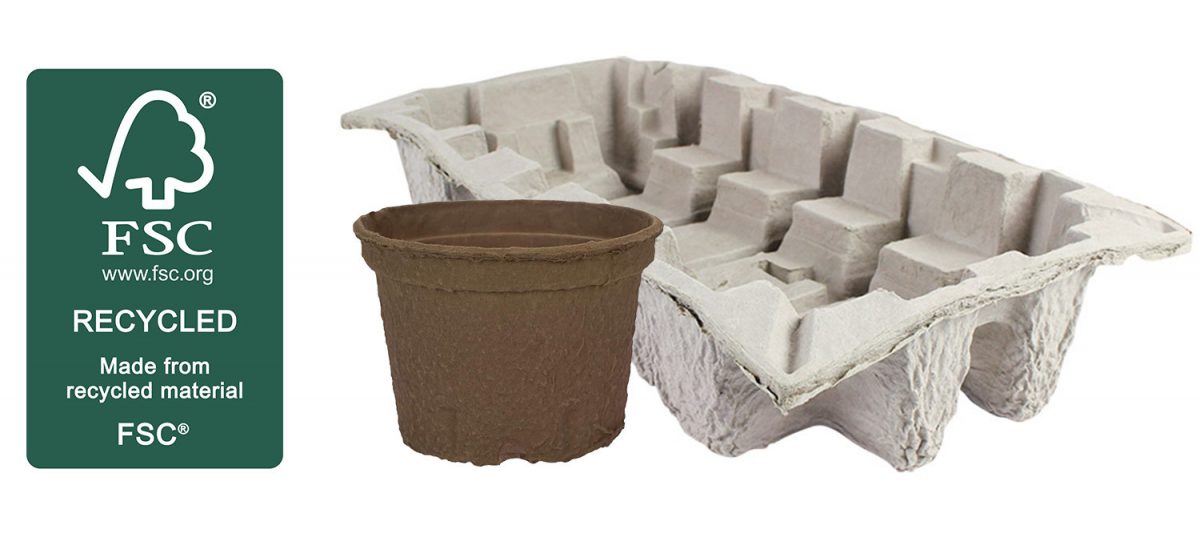
HC’s Fiber Solutions Earn «FSC® Recycled 100%» Designation

TWINSBURG, Ohio, March 1, 2021 /PRNewswire/ — The HC Companies – North America’s leading manufacturer of horticultural containers – has been formally recognized by the Forest Stewardship Council® for their portfolio of fiber growing and protective packaging solutions with the…

TWINSBURG, Ohio, March 1, 2021 /PRNewswire/ — The HC Companies – North America’s leading manufacturer of horticultural containers – has been formally recognized by the Forest Stewardship Council® for their portfolio of fiber growing and protective packaging solutions with the designation of «FSC® Recycled 100%». This recognition is part of HC’s continued commitment towards manufacturing more sustainable offerings for the market.

«For over 30 years, HC’s been providing fiber-based solutions to the North American market – helping organizations and communities positively impact their environmental footprint,» says Bob Mayer, President and CEO of The HC Companies. «We are honored that our fiber-based solutions now carry this prestigious designation as we continue to innovate our product line to satisfy the environmental demands of growers, garden centers, big-box stores and of course consumers.»

Products which bear the «FSC® Recycled 100%» designation have been verified as being made from 100% recycled content (either post-consumer or pre-consumer reclaimed materials). The use of FSC Recycled products can help to alleviate the pressure of demand on sources of virgin material, thereby helping to protect the world’s forests.

The Forest Stewardship Council (FSC) is a global, not-for-profit organization dedicated to the promotion of responsible forest management worldwide. FSC defines standards based on agreed principles for consistent forest stewardships, which are supported by environmental, social and economic stakeholders.

Choosing products with the FSC designation ensures that both customers and organizations are doing their part to preserve forests across the globe.

Learn more about The HC Companies fiber-based growing containers and protective packaging solutions by visiting their website hc-sustainable.com.

About The HC Companies, Inc.
HC is your first-choice provider for horticultural containers – servicing the professional grower, grower-distributor, retail garden center and mass merchandiser throughout North America, with a wide variety of both resin and sustainable solutions to fit your unique growing needs. For more information on The HC Companies, please call 800-225-7712, visit their website or connect with them on LinkedIn.

Media Contact:
Craig Ruvere
Marketing Communications Manager
cruvere@hc-companies.com 
330-805-6384

Cision View original content to download multimedia:http://www.prnewswire.com/news-releases/hcs-fiber-solutions-earn-fsc-recycled-100-designation-301236095.html

SOURCE The HC Companies

Manufacturing PMI® at 60.8%; February 2021 Manufacturing ISM® Report On Business®

New Orders, Production & Employment Growing

Supplier Deliveries Slowing at Faster Rate; Backlog Growing

Raw Materials Inventories Contracting; Customers’ Inventories Too Low

Prices Increasing; Exports and Imports Growing

TEMPE, Ariz., March 1, 2021 /PRNewswire/ — Economic activity in the manufacturing sector grew in February, with the overall economy notching a ninth consecutive month of growth, say the nation’s supply…

New Orders, Production & Employment Growing

Supplier Deliveries Slowing at Faster Rate; Backlog Growing

Raw Materials Inventories Contracting; Customers’ Inventories Too Low

Prices Increasing; Exports and Imports Growing

TEMPE, Ariz., March 1, 2021 /PRNewswire/ — Economic activity in the manufacturing sector grew in February, with the overall economy notching a ninth consecutive month of growth, say the nation’s supply executives in the latest Manufacturing ISM® Report On Business®.

The report was issued today by Timothy R. Fiore, CPSM, C.P.M., Chair of the Institute for Supply Management® (ISM®) Manufacturing Business Survey Committee:

«The February Manufacturing PMI® registered 60.8 percent, an increase of 2.1 percentage points from the January reading of 58.7 percent. This figure indicates expansion in the overall economy for the ninth month in a row after contraction in March, April, and May. The New Orders Index registered 64.8 percent, up 3.7 percentage points from the January reading of 61.1 percent. The Production Index registered 63.2 percent, an increase of 2.5 percentage points compared to the January reading of 60.7 percent. The Backlog of Orders Index registered 64 percent, 4.3 percentage points above the January reading of 59.7 percent. The Employment Index registered 54.4 percent, 1.8 percentage points higher from the January reading of 52.6 percent. The Supplier Deliveries Index registered 72 percent, up 3.8 percentage points from the January figure of 68.2 percent. The Inventories Index registered 49.7 percent, 1.1 percentage points lower than the January reading of 50.8 percent. The Prices Index registered 86 percent, up 3.9 percentage points compared to the January reading of 82.1 percent. The New Export Orders Index registered 57.2 percent, an increase of 2.3 percentage points compared to the January reading of 54.9 percent. The Imports Index registered 56.1 percent, a 0.7-percentage point decrease from the January reading of 56.8 percent.»

Fiore continues, «The manufacturing economy continued its recovery in February. Survey Committee members reported that their companies and suppliers continue to operate in reconfigured factories. Issues with absenteeism, short-term shutdowns to sanitize facilities, and difficulties in hiring workers remain challenges and continue to cause strains that limit manufacturing-growth potential. Optimistic panel sentiment increased, with five positive comments for every cautious comment, compared to a 3-to-1 ratio in January. Demand expanded, with the (1) New Orders Index growing at a strong level, supported by the New Export Orders Index expanding at a faster rate, (2) Customers’ Inventories Index remaining in ‘too low’ territory (at 32.5 percent, tying its all-time low), and the (3) Backlog of Orders Index growing 4.3 percentage points compared to January. Consumption (measured by the Production and Employment indexes) contributed positively (a combined 4.3-percentage point increase) to the Manufacturing PMI® calculation. Five of the top six industries reported moderate to strong expansion. The Employment Index expanded for the third straight month, but panelists continue to note significant difficulties in attracting and retaining labor at their companies and supplier facilities. Inputs — expressed as supplier deliveries, inventories and imports — continued to indicate input-driven constraints to production expansion, at higher rates compared to January, as indicated by the Inventories Index returning to contraction territory and another month of slowing supplier delivery performance. Imports marginally slowed in the period, driven by port backlogs. The Prices Index expanded for the ninth consecutive month, indicating continued supplier pricing power and scarcity of supply chain goods.

«Of the six biggest manufacturing industries, five — Chemical Products; Fabricated Metal Products; Transportation Equipment; Computer & Electronic Products; and Food, Beverage & Tobacco Products — registered strong growth in February. Petroleum & Coal Products moderately contracted.

«Manufacturing performed well for the ninth straight month, with demand, consumption and inputs registering strong growth compared to January. Labor-market difficulties at panelists’ companies and their suppliers continued to restrict manufacturing-economy expansion and will remain the primary headwind to production growth until employment levels and factory operations can return to normal across the entire supply chain,» says Fiore.

Of the 18 manufacturing industries, 16 reported growth in February, in the following order: Textile Mills; Electrical Equipment, Appliances & Components; Primary Metals; Paper Products; Chemical Products; Machinery; Fabricated Metal Products; Transportation Equipment; Wood Products; Plastics & Rubber Products; Computer & Electronic Products; Apparel, Leather & Allied Products; Food, Beverage & Tobacco Products; Miscellaneous Manufacturing; Furniture & Related Products; and Nonmetallic Mineral Products. The two industries reporting contraction in February are: Printing & Related Support Activities; and Petroleum & Coal Products.

WHAT RESPONDENTS ARE SAYING

  • «The coronavirus [COVID-19] pandemic is affecting us in terms of getting material to build from local and our overseas third- and fourth-tier suppliers. Suppliers are complaining of [a lack of] available resources [people] for manufacturing, creating major delivery issues.» (Computer & Electronic Products)
  • «Supply chains are depleted; inventories up and down the supply chain are empty. Lead times increasing, prices increasing, [and] demand increasing. Deep freeze in the Gulf Coast expected to extend duration of shortages.» (Chemical Products)
  • «Steel prices have increased significantly in recent months, driving costs up from our suppliers and on proposals for new work that we are bidding. In addition, the tariffs and anti-dumping fees/penalties incurred by international mills/suppliers are being passed on to us.» (Transportation Equipment)
  • «We have experienced a higher rate of delinquent shipments from our ingredient suppliers in the last month. We are still struggling keeping our production lines fully manned. We anticipate a fast and large order surge in the food-service sector as restaurants open back up.» (Food, Beverage & Tobacco Products)
  • «Overall capacities are full across our industry. Logistics times are at record times. Continuing to fight through shipping and increased lead times on both raw materials and finished goods due to the pandemic.» (Fabricated Metal Products)
  • «Prices are going up, and lead times are growing longer by the day. While business and backlog remain strong, the supply chain is going to be stretched very [thin] to keep up.» (Machinery)
  • «Things are now out of control. Everything is a mess, and we are seeing wide-scale shortages.» (Electrical Equipment, Appliances & Components)
  • «Labor shortages at suppliers are affecting material deliveries and prices.» (Plastics & Rubber Products)
  • «We have seen our new-order log increase by 40 percent over the last two months. We are overloaded with orders and do not have the personnel to get product out the door on schedule.» (Primary Metals)
  • «A sense of urgency is being felt regarding new orders. Customers are giving an impression that a presence of stability is forthcoming and order flow is increasing.» (Textile Mills)
  • «Prices are rising so rapidly that many are wondering if [the situation] is sustainable. Shortages have the industry concerned for supply going forward, at least deep into the second quarter.» (Wood Products)


MANUFACTURING AT A GLANCE

February 2021

Index

Series Index

Feb

Series Index

Jan

Percentage

Point

Change

Direction

Rate of Change

Trend* (Months)

Manufacturing PMI®

60.8

58.7

+2.1

Growing

Faster

9

New Orders

64.8

61.1

+3.7

Growing

Faster

9

Production

63.2

60.7

+2.5

Growing

Faster

9

Employment

54.4

52.6

+1.8

Growing

Faster

3

Supplier Deliveries

72.0

68.2

+3.8

Slowing

Faster

60

Inventories

49.7

50.8

-1.1

Contracting

From Growing

1

Customers’ Inventories

32.5

33.1

-0.6

Too Low

Faster

55

Prices

86.0

82.1

+3.9

Increasing

Faster

9

Backlog of Orders

64.0

59.7

+4.3

Growing

Faster

8

New Export Orders

57.2

54.9

+2.3

Growing

Faster

8

Imports

56.1

56.8

-0.7

Growing

Slower

8

OVERALL ECONOMY

Growing

Faster

9

Manufacturing Sector

Growing

Faster

9

Manufacturing ISM® Report On Business® data is seasonally adjusted for the New Orders, Production, Employment and Inventories indexes.
*Number of months moving in current direction.

COMMODITIES REPORTED UP/DOWN IN PRICE AND IN SHORT SUPPLY

Commodities Up in Price
Acetone; Acrylonitrile Butadiene Styrene (ABS) Plastic (2); Aluminum (9); Aluminum Extrusions; Capacitors; Copper (9); Corrugate (5); Corrugated Boxes (4); Crude Oil (3); Diesel (2); Electrical Components (3); Electronic Components (3); Fiberglass Products; Freight (4); High-Density Polyethylene (HDPE) (2); Lumber (8); Methyl Methacrylate; Natural Gas (2); Nylon Fiber (2); Ocean Freight (3); Oil-Derived Products; Packaging Supplies (3); Paper Products (3); Personal Protective Equipment (PPE) — Gloves (3); Plastic Resins (6); Plywood; Polyethylene; Polyethylene Terephthalate (PET); Polypropylene (8); Polyurethane Foam Products; Polyvinyl Chloride (PVC) (5); Precious Metals (2); Propylene (2); Resin-Based Products; Resistors; Rubber Products; Semiconductors; Solvents — Other; Soybean Products (5); Steel (7); Steel — Carbon (3); Steel — Cold Rolled (6); Steel — Hot Rolled (6); Steel — Scrap (3); Steel — Stainless (4); Steel Plate; Steel Products (6); and Wood — Pallets (3).

Commodities Down in Price
Dairy.

Commodities in Short Supply
Acetone; Aluminum; Computer Displays/Monitors; Corrugate (2); Corrugated Boxes (4); Electrical Components (5); Electronic Components (3); Freight — Ocean; Isocyanates; Methacrylate; Personal Protective Equipment (PPE) — Gloves (12); Plastic Products; Polypropylene; Propylene; Semiconductors (3); Steel (3); Steel — Cold Rolled (2); Steel — Hot Rolled (4); Steel — Specialty; and Steel Products.

Note: The number of consecutive months the commodity is listed is indicated after each item.

FEBRUARY 2021 MANUFACTURING INDEX SUMMARIES

Manufacturing PMI®
Manufacturing grew in February, as the Manufacturing PMI® registered 60.8 percent, 2.1 percentage points higher than the January reading of 58.7 percent. This equals the highest reading since February 2018 (60.8 percent); prior to that, the PMI® registered 61.4 percent in May 2004. «The Manufacturing PMI® continued to indicate strong sector expansion and U.S. economic growth in February. Four of the five subindexes that directly factor into the PMI® were in growth territory and at a higher level compared to January. Of the six biggest manufacturing industries, five — Chemical Products; Fabricated Metal Products; Transportation Equipment; Computer & Electronic Products; and Food, Beverage & Tobacco Products — expanded. The New Orders and Production indexes continued to expand at strong levels. The Supplier Deliveries Index continued to reflect suppliers’ difficulties in maintaining delivery rates, due to factory labor-safety issues and transportation challenges. Nine of 10 subindexes were positive for the period; a reading of ‘too low’ for Customers’ Inventories Index is considered a positive for future production,» says Fiore. A reading above 50 percent indicates that the manufacturing economy is generally expanding; below 50 percent indicates that it is generally contracting.

A Manufacturing PMI® above 43.1 percent, over a period of time, generally indicates an expansion of the overall economy. Therefore, the February Manufacturing PMI® indicates the overall economy grew in February for the ninth consecutive month following contractions in March, April, and May. «The past relationship between the Manufacturing PMI® and the overall economy indicates that the Manufacturing PMI® for January (60.8 percent) corresponds to a 5-percent increase in real gross domestic product (GDP) on an annualized basis,» says Fiore.

THE LAST 12 MONTHS

Month

Manufacturing
PMI®

Month

Manufacturing
PMI®

Feb 2021

60.8

Aug 2020

55.6

Jan 2021

58.7

Jul 2020

53.7

Dec 2020

60.5

Jun 2020

52.2

Nov 2020

57.7

May 2020

43.1

Oct 2020

58.8

Apr 2020

41.7

Sep 2020

55.7

Mar 2020

49.7

Average for 12 months – 54.0

High – 60.8

Low – 41.7

New Orders
ISM®‘s New Orders Index registered 64.8 percent in February, up 3.7 percentage points compared to the 61.1 percent reported in January. This indicates that new orders grew for the ninth consecutive month. «Of the six largest manufacturing sectors, five — Transportation Equipment; Chemical Products; Fabricated Metal Products; Computer & Electronic Products; and Food, Beverage & Tobacco Products — expanded at very strong levels. Petroleum & Coal Products retained its previous-month reading of 50 percent,» says Fiore. A New Orders Index above 52.8 percent, over time, is generally consistent with an increase in the Census Bureau’s series on manufacturing orders (in constant 2000 dollars).

Of the 18 manufacturing industries, the 13 that reported growth in new orders in February — in the following order — are: Paper Products; Wood Products; Primary Metals; Textile Mills; Electrical Equipment, Appliances & Components; Transportation Equipment; Chemical Products; Machinery; Fabricated Metal Products; Printing & Related Support Activities; Computer & Electronic Products; Food, Beverage & Tobacco Products; and Plastics & Rubber Products. The only industry reporting a decline in new orders in February is Miscellaneous Manufacturing.

New Orders

%Higher

%Same

%Lower

Net

Index

Feb 2021

42.4

51.2

6.4

+36.0

64.8

Jan 2021

37.0

51.0

12.0

+25.0

61.1

Dec 2020

40.3

45.1

14.6

+25.7

67.5

Nov 2020

35.9

50.1

14.0

+21.9

65.7

Production
The Production Index registered 63.2 percent in February, 2.5 percentage points higher than the January reading of 60.7 percent, indicating growth for the ninth consecutive month. «Five (Chemical Products; Fabricated Metal Products; Transportation Equipment; Food, Beverage & Tobacco Products; and Computer & Electronic Products) of the top six industries expanded at moderate to strong levels,» says Fiore. An index above 52.1 percent, over time, is generally consistent with an increase in the Federal Reserve Board’s Industrial Production figures.

The 14 industries reporting growth in production during the month of February — listed in order — are: Paper Products; Textile Mills; Primary Metals; Electrical Equipment, Appliances & Components; Machinery; Chemical Products; Fabricated Metal Products; Wood Products; Transportation Equipment; Plastics & Rubber Products; Food, Beverage & Tobacco Products; Furniture & Related Products; Computer & Electronic Products; and Miscellaneous Manufacturing. The two industries reporting decreased production in February are: Printing & Related Support Activities; and Nonmetallic Mineral Products.

Production

%Higher

%Same

%Lower

Net

Index

Feb 2021

36.8

51.7

11.6

+25.2

63.2

Jan 2021

30.8

57.8

11.4

+19.4

60.7

Dec 2020

32.3

54.6

13.1

+19.2

64.7

Nov 2020

33.7

52.0

14.3

+19.4

62.2

Employment
ISM®‘s Employment Index registered 54.4 percent in February, 1.8 percentage points higher than the January reading of 52.6 percent. «The Employment Index grew for the third month in a row, with five (Chemical Products; Food, Beverage & Tobacco Products; Transportation Equipment; Computer & Electronic Products; and Fabricated Metal Products) of the six big industry sectors expanding. Continued strong new-order levels, low customer inventories and an expanding backlog indicate potential employment strength for the rest of the first quarter. For the sixth straight month, survey panelists’ comments indicate that significantly more companies are hiring or attempting to hire than those reducing labor forces,» says Fiore. An Employment Index above 50.6 percent, over time, is generally consistent with an increase in the Bureau of Labor Statistics (BLS) data on manufacturing employment.

Of the 18 manufacturing industries, the 11 industries to report employment growth in February — in the following order — are: Electrical Equipment, Appliances & Components; Textile Mills; Primary Metals; Miscellaneous Manufacturing; Machinery; Chemical Products; Food, Beverage & Tobacco Products; Transportation Equipment; Computer & Electronic Products; Plastics & Rubber Products; and Fabricated Metal Products. The four industries reporting a decrease in employment in February are: Printing & Related Support Activities; Furniture & Related Products; Petroleum & Coal Products; and Paper Products.

Employment

%Higher

%Same

%Lower

Net

Index

Feb 2021

19.2

68.5

12.3

+6.9

54.4

Jan 2021

13.9

72.2

13.8

+0.1

52.6

Dec 2020

14.9

68.8

16.3

-1.4

51.7

Nov 2020

14.8

66.4

18.9

-4.1

48.3

Supplier Deliveries
The delivery performance of suppliers to manufacturing organizations was slower in February, as the Supplier Deliveries Index registered 72 percent. This is 3.8 percentage points higher than the 68.2 percent reported in January. «Suppliers continue to struggle to deliver, with deliveries slowing at a faster rate compared to the previous month. Transportation challenges and challenges in supplier-labor markets are still constraining production growth — and to a greater extent compared to January. The Supplier Deliveries Index also reflects difficulties suppliers continue to experience due to COVID-19 impacts combined with strong growth in economic activity. Since stable manufacturing began in August 2020, the index has gone up every month, indicating that suppliers are experiencing greater difficulties in meeting factory needs. Supplier labor and transportation constraints are not expected to diminish in the near-to-moderate term due to COVID-19 impacts,» says Fiore. A reading below 50 percent indicates faster deliveries, while a reading above 50 percent indicates slower deliveries.

Of the 18 industries, 16 reported slower supplier deliveries in February, listed in the following order: Apparel, Leather & Allied Products; Textile Mills; Fabricated Metal Products; Furniture & Related Products; Electrical Equipment, Appliances & Components; Paper Products; Machinery; Chemical Products; Plastics & Rubber Products; Computer & Electronic Products; Miscellaneous Manufacturing; Transportation Equipment; Nonmetallic Mineral Products; Wood Products; Food, Beverage & Tobacco Products; and Primary Metals. No industries reported faster supplier deliveries in February.

Supplier Deliveries


%Slower


%Same


%Faster


Net


Index

Feb 2021

45.4

53.1

1.5

+43.9

72.0

Jan 2021

39.9

56.5

3.5

+36.4

68.2

Dec 2020

39.5

56.3

4.2

+35.3

 67.7*

Nov 2020

27.5

68.4

4.1

+23.4

61.7

*Supplier Deliveries is no longer seasonally adjusted; however, due to more precise rounding, this number increased by 0.1 percentage point.

Inventories
The Inventories Index registered 49.7 percent in February, 1.1 percentage points lower than the 50.8 percent reported for January. Inventories contracted after four consecutive months of marginal growth, following three months of contraction. «Inventory-growth stability in light of ongoing supplier constraints indicates that supply chains are meeting near-term production demand, despite transportation challenges and COVID-19 headwinds. However, supplier delivery rates are not strong enough to grow inventories, as most panelists would prefer,» says Fiore. An Inventories Index greater than 44.5 percent, over time, is generally consistent with expansion in the Bureau of Economic Analysis (BEA) figures on overall manufacturing inventories (in chained 2000 dollars).

The six industries reporting higher inventories in February — listed in order — are: Textile Mills; Primary Metals; Chemical Products; Food, Beverage & Tobacco Products; Machinery; and Fabricated Metal Products. The five industries reporting a decrease in inventories in February are: Printing & Related Support Activities; Paper Products; Plastics & Rubber Products; Electrical Equipment, Appliances & Components; and Miscellaneous Manufacturing. Seven industries reported no change in February compared to January.

Inventories

%Higher

%Same

%Lower

Net

Index

Feb 2021

19.8

63.1

17.1

+2.7

49.7

Jan 2021

18.1

65.6

16.3

+1.8

50.8

Dec 2020

22.1

53.5

24.4

-2.3

51.0

Nov 2020

18.1

62.4

19.4

-1.3

50.8

Customers’ Inventories
ISM®‘s Customers’ Inventories Index registered 32.5 percent in February, 0.6 percentage point lower than the 33.1 percent reported for January, indicating that customers’ inventory levels were considered too low. «Customers’ inventories are too low for the 55th consecutive month, a positive for future production growth. This reading is tied with December 2009 as the lowest reported since the subindex was established in January 1997. For seven months in a row, the Customers’ Inventories Index has been at historically low levels,» says Fiore.

Of the 18 industries, the only one reporting higher customers’ inventories in February is Printing & Related Support Activities. The 16 industries reporting customers’ inventories as too low during February — listed in order — are: Fabricated Metal Products; Wood Products; Machinery; Primary Metals; Nonmetallic Mineral Products; Computer & Electronic Products; Transportation Equipment; Petroleum & Coal Products; Paper Products; Furniture & Related Products; Chemical Products; Electrical Equipment, Appliances & Components; Plastics & Rubber Products; Textile Mills; Food, Beverage & Tobacco Products; and Miscellaneous Manufacturing.

Customers’
Inventories

%
Reporting

%Too
High

%About
Right

%Too
Low


Net


Index

Feb 2021

79

4.8

55.4

39.8

-35.0

32.5

Jan 2021

75

3.3

59.6

37.1

-33.8

33.1

Dec 2020

75

7.2

61.4

31.4

-24.2

37.9

Nov 2020

78

6.7

59.3

34.0

-27.3

36.3

Prices
The ISM® Prices Index registered 86 percent, an increase of 3.9 percentage points compared to the January reading of 82.1 percent, indicating raw materials prices increased for the ninth consecutive month. This is the index’s highest reading since May 2008, when it registered 88.1 percent. «Aluminum, copper, chemicals, all varieties of steel, soy, petroleum-based products including plastics, transportation costs, electrical and electronic components, corrugate, and wood and lumber products all continued to record price increases,» says Fiore. A Prices Index above 52.7 percent, over time, is generally consistent with an increase in the Bureau of Labor Statistics (BLS) Producer Price Index for Intermediate Materials.

All 18 industries reported paying increased prices for raw materials in February, in the following order: Apparel, Leather & Allied Products; Furniture & Related Products; Paper Products; Primary Metals; Fabricated Metal Products; Plastics & Rubber Products; Nonmetallic Mineral Products; Machinery; Electrical Equipment, Appliances & Components; Petroleum & Coal Products; Textile Mills; Miscellaneous Manufacturing; Chemical Products; Food, Beverage & Tobacco Products; Printing & Related Support Activities; Wood Products; Transportation Equipment; and Computer & Electronic Products.

Prices

%Higher

%Same

%Lower

Net

Index

Feb 2021

73.1

25.7

1.2

+71.9

86.0

Jan 2021

64.3

35.7

0.0

+64.3

82.1

Dec 2020

57.8

39.7

2.6

+55.2

77.6

Nov 2020

36.7

57.3

6.0

+30.7

65.4

Backlog of Orders
ISM®‘s Backlog of Orders Index registered 64 percent in February, a 4.3-percentage point increase compared to the 59.7 percent reported in January, indicating order backlogs expanded for the eighth consecutive month. February’s reading is the second-highest since January 1993, when reporting for this subindex began, exceeded only by April 2004 (66.5 percent). «Backlogs expanded at faster rates in February, indicating that new-order intakes more than fully offset production outputs for the eighth straight month. Five (Transportation Equipment; Computer & Electronic Products; Fabricated Metal Products; Chemical Products; and Food, Beverage & Tobacco Products) of the six big industry sectors’ backlogs expanded with significant strength,» says Fiore.

The 14 industries reporting growth in order backlogs in February, in the following order, are: Electrical Equipment, Appliances & Components; Machinery; Transportation Equipment; Wood Products; Textile Mills; Paper Products; Computer & Electronic Products; Plastics & Rubber Products; Fabricated Metal Products; Primary Metals; Chemical Products; Furniture & Related Products; Food, Beverage & Tobacco Products; and Miscellaneous Manufacturing. No industries reported a decline in February compared to January.

Backlog of Orders

% Reporting


%Higher


%Same


%Lower


Net


Index

Feb 2021

91

38.5

51.0

10.5

+28.0

64.0

Jan 2021

91

32.1

55.2

12.7

+19.4

59.7

Dec 2020

90

31.4

55.4

13.2

+18.2

59.1

Nov 2020

89

28.9

56.1

15.0

+13.9

56.9

New Export Orders
ISM®‘s New Export Orders Index registered 57.2 percent in February, up 2.3 percentage points compared to the January reading of 54.9 percent. «The New Export Orders Index grew for the eighth consecutive month at a faster rate. Five (Transportation Equipment; Fabricated Metal Products; Food, Beverage & Tobacco Products; Computer & Electronic Products; and Chemical Products) of the six big industry sectors expanded. New export orders were again a positive factor to the growth in the New Orders Index,» says Fiore.

The 13 industries reporting growth in new export orders in February — in the following order — are: Nonmetallic Mineral Products; Textile Mills; Wood Products; Electrical Equipment, Appliances & Components; Machinery; Transportation Equipment; Fabricated Metal Products; Food, Beverage & Tobacco Products; Primary Metals; Computer & Electronic Products; Miscellaneous Manufacturing; Plastics & Rubber Products; and Chemical Products. The only industry reporting a decrease in new export orders is Furniture & Related Products.

New Export Orders

% Reporting


%Higher


%Same


%Lower


Net


Index

Feb 2021

73

20.5

73.4

6.1

+14.4

57.2

Jan 2021

75

17.6

74.6

7.7

+9.9

54.9

Dec 2020

72

20.1

74.8

5.1

+15.0

57.5

Nov 2020

73

22.3

70.9

6.8

+15.5

57.8

Imports
ISM®‘s Imports Index registered 56.1 percent in February, a decrease of 0.7 percentage point compared to the 56.8 percent reported for January. «Imports expanded for the eighth consecutive month, at slightly lower rates compared to January, reflecting continued increases in U.S. factory demand and interest in increasing on-shore inventory. Panelists continued to note record-breaking backlogs in ports of entry, as well as difficulties in arranging drayage and operating within the domestic transportation market,» says Fiore.

The 10 industries reporting growth in imports in February — in the following order — are: Textile Mills; Nonmetallic Mineral Products; Transportation Equipment; Primary Metals; Machinery; Computer & Electronic Products; Food, Beverage & Tobacco Products; Fabricated Metal Products; Chemical Products; and Electrical Equipment, Appliances & Components. Two industries reported a decrease in imports in February: Furniture & Related Products; and Plastics & Rubber Products. Six industries reported no change in imports in February compared to January.

Imports

% Reporting


%Higher


%Same


%Lower


Net


Index

Feb 2021

85

21.0

70.3

8.7

+12.3

56.1

Jan 2021

84

21.9

69.9

8.3

+13.6

56.8

Dec 2020

85

19.2

70.8

10.0

+9.2

54.6

Nov 2020

85

17.1

76.0

6.9

+10.2

55.1

The Supplier Deliveries, Customers’ Inventories, Prices, Backlog of Orders, New Export Orders and Imports indexes do not meet the accepted criteria for seasonal adjustments.

Buying Policy
Average commitment lead time for Capital Expenditures increased in February by one day to 142 days. Average lead time for Production Materials decreased in February by one day to 67 days. Average lead time for Maintenance, Repair and Operating (MRO) Supplies decreased in February by one day to 38 days.

Percent Reporting

Capital Expenditures

Hand-to-
Mouth

30 Days

60 Days

90 Days

6 Months

1 Year+

Average
Days

Feb 2021

23

6

8

15

29

19

142

Jan 2021

21

6

10

15

30

18

141

Dec 2020

24

5

10

17

28

16

132

Nov 2020

22

6

10

16

27

19

140


Percent Reporting

Production Materials

Hand-to-
Mouth

30 Days

60 Days

90 Days

6 Months

1 Year+

Average
Days

Feb 2021

11

31

27

20

9

2

67

Jan 2021

9

35

26

20

7

3

68

Dec 2020

9

33

27

21

7

3

69

Nov 2020

10

35

24

22

6

3

67


Percent Reporting

MRO Supplies

Hand-to-
Mouth

30 Days

60 Days

90 Days

6 Months

1 Year+

Average
Days

Feb 2021

33

37

16

11

3

0

38

Jan 2021

31

36

19

11

3

0

39

Dec 2020

32

37

17

12

2

0

37

Nov 2020

34

36

16

10

3

1

40

About This Report
DO NOT CONFUSE THIS NATIONAL REPORT with the various regional purchasing reports released across the country. The national report’s information reflects the entire U.S., while the regional reports contain primarily regional data from their local vicinities. Also, the information in the regional reports is not used in calculating the results of the national report. The information compiled in this report is for the month of February 2021.

The data presented herein is obtained from a survey of manufacturing supply executives based on information they have collected within their respective organizations. ISM® makes no representation, other than that stated within this release, regarding the individual company data collection procedures. The data should be compared to all other economic data sources when used in decision-making.

Data and Method of Presentation
The Manufacturing ISM®Report On Business® is based on data compiled from purchasing and supply executives nationwide. The composition of the Manufacturing Business Survey Committee is stratified according to the North American Industry Classification System (NAICS) and each of the following NAICS-based industry’s contribution to gross domestic product (GDP): Food, Beverage & Tobacco Products; Textile Mills; Apparel, Leather & Allied Products; Wood Products; Paper Products; Printing & Related Support Activities; Petroleum & Coal Products; Chemical Products; Plastics & Rubber Products; Nonmetallic Mineral Products; Primary Metals; Fabricated Metal Products; Machinery; Computer & Electronic Products; Electrical Equipment, Appliances & Components; Transportation Equipment; Furniture & Related Products; and Miscellaneous Manufacturing (products such as medical equipment and supplies, jewelry, sporting goods, toys and office supplies). The data are weighted based on each industry’s contribution to GDP. According to the BEA estimates for 2018 GDP (released October 29, 2019), the six largest manufacturing subsectors are: Computer & Electronic Products; Chemical Products; Transportation Equipment Manufacturing; Food, Beverage & Tobacco Products; Petroleum & Coal Products; and Fabricated Metal Products. Beginning in February 2018 with January 2018 data, computation of the indexes is accomplished utilizing unrounded numbers.

Survey responses reflect the change, if any, in the current month compared to the previous month. For each of the indicators measured (New Orders, Backlog of Orders, New Export Orders, Imports, Production, Supplier Deliveries, Inventories, Customers’ Inventories, Employment and Prices), this report shows the percentage reporting each response, the net difference between the number of responses in the positive economic direction (higher, better and slower for Supplier Deliveries) and the negative economic direction (lower, worse and faster for Supplier Deliveries), and the diffusion index. Responses are raw data and are never changed. The diffusion index includes the percent of positive responses plus one-half of those responding the same (considered positive).

The resulting single index number for those meeting the criteria for seasonal adjustments (Manufacturing PMI®, New Orders, Production, Employment and Inventories) is then seasonally adjusted to allow for the effects of repetitive intra-year variations resulting primarily from normal differences in weather conditions, various institutional arrangements, and differences attributable to non-moveable holidays. All seasonal adjustment factors are subject annually to relatively minor changes when conditions warrant them. The Manufacturing PMI® is a composite index based on the diffusion indexes of five of the indexes with equal weights: New Orders (seasonally adjusted), Production (seasonally adjusted), Employment (seasonally adjusted), Supplier Deliveries (seasonally adjusted), and Inventories.

Diffusion indexes have the properties of leading indicators and are convenient summary measures showing the prevailing direction of change and the scope of change. A Manufacturing PMI® reading above 50 percent indicates that the manufacturing economy is generally expanding; below 50 percent indicates that it is generally declining. A Manufacturing PMI® above 43.1 percent, over a period of time, indicates that the overall economy, or gross domestic product (GDP), is generally expanding; below 43.1 percent, it is generally declining. The distance from 50 percent or 43.1 percent is indicative of the extent of the expansion or decline. With some of the indicators within this report, ISM® has indicated the departure point between expansion and decline of comparable government series, as determined by regression analysis. The Manufacturing ISM® Report On Business® survey is sent out to Manufacturing Business Survey Committee respondents the first part of each month. Respondents are asked to report on information for the current month for U.S. operations only. ISM® receives survey responses throughout most of any given month, with the majority of respondents generally waiting until late in the month to submit responses to give the most accurate picture of current business activity. ISM® then compiles the report for release on the first business day of the following month.

The industries reporting growth, as indicated in the Manufacturing ISM® Report On Business® monthly report, are listed in the order of most growth to least growth. For the industries reporting contraction or decreases, those are listed in the order of the highest level of contraction/decrease to the least level of contraction/decrease.

Responses to Buying Policy reflect the percent reporting the current month’s lead time, the approximate weighted number of days ahead for which commitments are made for Capital Expenditures; Production Materials; and Maintenance, Repair and Operating (MRO) Supplies, expressed as hand-to-mouth (five days), 30 days, 60 days, 90 days, six months (180 days), a year or more (360 days), and the weighted average number of days. These responses are raw data, never revised, and not seasonally adjusted since there is no significant seasonal pattern.

ISM ROB Content
The Institute for Supply Management® («ISM») Report On Business® (both Manufacturing and Non-Manufacturing) («ISM ROB») contains information, text, files, images, video, sounds, musical works, works of authorship, applications, and any other materials or content (collectively, «Content») of ISM («ISM ROB Content»). ISM ROB Content is protected by copyright, trademark, trade secret, and other laws, and as between you and ISM, ISM owns and retains all rights in the ISM ROB Content. ISM hereby grants you a limited, revocable, nonsublicensable license to access and display on your individual device the ISM ROB Content (excluding any software code) solely for your personal, non-commercial use. The ISM ROB Content shall also contain Content of users and other ISM licensors. Except as provided herein or as explicitly allowed in writing by ISM, you shall not copy, download, stream, capture, reproduce, duplicate, archive, upload, modify, translate, publish, broadcast, transmit, retransmit, distribute, perform, display, sell, or otherwise use any ISM ROB Content.

Except as explicitly and expressly permitted by ISM, you are strictly prohibited from creating works or materials (including but not limited to tables, charts, data streams, time-series variables, fonts, icons, link buttons, wallpaper, desktop themes, online postcards, montages, mashups and similar videos, greeting cards, and unlicensed merchandise) that derive from or are based on the ISM ROB Content. This prohibition applies regardless of whether the derivative works or materials are sold, bartered, or given away. You shall not either directly or through the use of any device, software, internet site, web-based service, or other means remove, alter, bypass, avoid, interfere with, or circumvent any copyright, trademark, or other proprietary notices marked on the Content or any digital rights management mechanism, device, or other content protection or access control measure associated with the Content including geo-filtering mechanisms. Without prior written authorization from ISM, you shall not build a business utilizing the Content, whether or not for profit.

You shall not create, recreate, distribute, incorporate in other work, or advertise an index of any portion of the Content unless you receive prior written authorization from ISM. Requests for permission to reproduce or distribute ISM ROB Content can be made by contacting in writing at: ISM Research, Institute for Supply Management, 309 West Elliot Road, Suite 113, Tempe, Arizona 85284-1556, or by emailing kcahill@ismworld.org. Subject: Content Request.

ISM shall not have any liability, duty, or obligation for or relating to the ISM ROB Content or other information contained herein, any errors, inaccuracies, omissions or delays in providing any ISM ROB Content, or for any actions taken in reliance thereon. In no event shall ISM be liable for any special, incidental, or consequential damages, arising out of the use of the ISM ROB. Report On Business®, PMI®, and NMI® are registered trademarks of Institute for Supply Management®. Institute for Supply Management® and ISM® are registered trademarks of Institute for Supply Management, Inc.

About Institute for Supply Management®
Institute for Supply Management® (ISM®) serves supply management professionals in more than 90 countries. Its 50,000 members around the world manage about US$1 trillion in corporate and government supply chain procurement annually. Founded in 1915 as the first supply management institute in the world, ISM is committed to advancing the practice of supply management to drive value and competitive advantage for its members, contributing to a prosperous and sustainable world. ISM leads the profession through the ISM Report On Business®, its highly regarded certification programs and the ISM Mastery Model®. This report has been issued by the association since 1931, except for a four-year interruption during World War II.

The full text version of the Manufacturing ISM® Report On Business® is posted on ISM®‘s website at www.ismrob.org on the first business day* of every month after 10:00 a.m. ET.

The next Manufacturing ISM® Report On Business® featuring March 2021 data will be released at 10:00 a.m. ET on Thursday, April 1, 2021.

*Unless the New York Stock Exchange is closed.

Contact:

Kristina Cahill

Report On Business® Analyst

ISM®, ROB/Research Manager

Tempe, Arizona

+1 480.455.5910

Email: kcahill@ismworld.org


Institute for Supply Management logo. (PRNewsFoto/Institute for Supply Management)


Cision View original content to download multimedia:http://www.prnewswire.com/news-releases/manufacturing-pmi-at-60-8-february-2021-manufacturing-ism-report-on-business-301236952.html

SOURCE Institute for Supply Management

Jamaica Tourist Board and Havas House Unveil Official Content and Publishing Partnership

MIAMI, March 1, 2021 /PRNewswire/ — Jamaica Tourist Board, the organization responsible for the worldwide tourism marketing and promotion for Jamaica, has partnered with Havas House to develop various multilingual publications that will be distributed to both travel agents and potential visitors around the world. Havas House, the global custom media, content, and publishing division of Republica Havas and Havas Creative North…

MIAMI, March 1, 2021 /PRNewswire/ — Jamaica Tourist Board, the organization responsible for the worldwide tourism marketing and promotion for Jamaica, has partnered with Havas House to develop various multilingual publications that will be distributed to both travel agents and potential visitors around the world. Havas House, the global custom media, content, and publishing division of Republica Havas and Havas Creative North America, created the guides in English, French, German, Portuguese, Spanish/Latin America, and Spanish/Castilian.

«Promoting Jamaica as a world-class destination for work and play is by far the most essential work we do,» said Donnie Dawson, deputy director of tourism for the Jamaica Tourist Board. «The materials which Havas House has created not only seamlessly blend in with our current branding and creative campaign strategies, but also serve to reach new audiences across the globe.»

Showcasing stunning photography that highlights the island’s natural beauty and unique culture, the Destination Guides provide an overview of the best Jamaica has to offer in sightseeing, activities, dining, and more.  

«It’s an honor for us at Havas House to welcome the Jamaica Tourist Board as we help promote this vibrant destination,» said Marisa Beazel, president and publisher of Havas House. «Our team takes great pride in partnering together to serve the island’s overall tourism industry.»

About Havas House
Havas House is a global custom media, content, and publishing company that creates meaningful connections between brands and consumers through innovative, 360-degree marketing solutions. Based in Miami, Florida, Havas House services include custom content, content production, integrated brand campaign development, social media, SEO/SEM, development, and design of digital publishing platforms, digital editions, print magazines, and marketing materials. Havas House is a division of Republica Havas, one of America’s leading and fastest-growing creative, media, and communications agencies. For more information, visit havashouseinc.com.

About the Jamaica Tourist Board
The JTB is responsible for the worldwide tourism marketing and promotion for Jamaica. Its mandate has been to promote Jamaica as a preferred travel destination, identify new and emerging consumer groups, cultivate new relationships with travel partners, and disseminate timely and useful marketing information to its offices and travel partners worldwide. The Jamaica Tourist Board is the most preferred point of contact for persons travelling to Jamaica. The organization markets the uniqueness and diversity of destination JAMAICA through creative programmes and advertisements worldwide. Throughout the years, the JTB has been recognized for its exceptional leadership and outstanding service with accolades from industry and trade partners both regionally and internationally. For more information, go to visitjamaica.com.

MEDIA CONTACT:
Ingrid Martinez
300895@email4pr.com 
954-347-8975


Cision View original content to download multimedia:http://www.prnewswire.com/news-releases/jamaica-tourist-board-and-havas-house-unveil-official-content-and-publishing-partnership-301237495.html

SOURCE Havas House

El paro en Brasil cayó al 13,9% en el último trimestre de 2020

El paro en Brasil cayó al 13,9% en el último trimestre de 2020

El paro en Brasil cayó al 13,9% en el último trimestre de 2020

PR Newswire


El paro en Brasil cayó al 13,9% en el último trimestre de 2020

El paro en Brasil cayó al 13,9% en el último trimestre de 2020

PR Newswire

RIO DE JANEIRO, 01 March 2021 /PRNewswire Policy/ — El desempleo en Brasil descendió al 13,9% en el cuarto trimestre de 2020 tras haber alcanzado el 14,6% en el trimestre anterior. Sin embargo, la tasa promedio de paro del año pasado fue del 13,5%, la más alta desde 2012, lo que corresponde a unos 13,4 millones de personas que buscan trabajo en el país.

Se interrumpe así la caída del desempleo iniciada en 2018, cuando fue del 12,3%. En 2019, fue del 11,9%. Los datos se encuentran en la Encuesta Nacional Continua por Muestra de Hogares (PNAD, por sus siglas en portugués), publicada el viernes (26) por el Instituto Brasileño de Geografía y Estadística (IBGE).

Según la analista de la investigación, Adriana Beringuy, esta reacción del mercado laboral en el cuarto trimestre ya era esperada. “La bajada de la tasa al final del año es un comportamiento estacional debido al tradicional aumento de los contratos temporales y de las ventas del comercio. Es interesante observar que, incluso en un año de pandemia, el mercado laboral mostró esta reacción”, dijo en una nota.

El resultado del cuarto trimestre estuvo impulsado por el aumento de la ocupación en casi todos los grupos de actividades: agricultura (3,4%), industria (3,1%), construcción (5,2%), comercio (5,2%), alojamiento y alimentación (6,5%), información y comunicaciones (5,8%), otros servicios (5,9%), servicios del hogar (6,7%) y administración pública (2,9%). Solo el sector de transporte estuvo estable.

Pandemia

Beringuy señaló que, el año pasado, hubo un empeoramiento de las condiciones del mercado laboral debido a la pandemia de COVID-19.

“La necesidad de medidas de distanciamiento social para controlar la propagación del virus ha paralizado temporalmente algunas actividades económicas, lo que también influyó en la decisión de las personas de buscar trabajo. Con la relajación de estas medidas a lo largo del año, un mayor número de personas volvió a buscar una ocupación, presionando al mercado laboral”, dijo.

Según el IBGE, en el intervalo de un año, la población ocupada se redujo en 7,3 millones de personas y alcanzó la cifra más baja de la serie anual.

“Dejamos la mayor población ocupada de la serie, en 2019, con 93,4 millones de personas, y llegamos a 86,1 millones en 2020. Es decir, fue una caída muy fuerte y en un período muy corto, lo que trajo impactos significativos en los indicadores. Por primera vez en la serie anual, menos de la mitad de la población en edad de trabajar estaba ocupada en el país. En 2020, el nivel de ocupación fue del 49,4%”, dijo la investigadora.

SOURCE Agência Brasil – Empresa Brasil de Comunicação S/A – EBC

RIO DE JANEIRO, 01 March 2021 /PRNewswire Policy/ — El desempleo en Brasil descendió al 13,9% en el cuarto trimestre de 2020 tras haber alcanzado el 14,6% en el trimestre anterior. Sin embargo, la tasa promedio de paro del año pasado fue del 13,5%, la más alta desde 2012, lo que corresponde a unos 13,4 millones de personas que buscan trabajo en el país.

Se interrumpe así la caída del desempleo iniciada en 2018, cuando fue del 12,3%. En 2019, fue del 11,9%. Los datos se encuentran en la Encuesta Nacional Continua por Muestra de Hogares (PNAD, por sus siglas en portugués), publicada el viernes (26) por el Instituto Brasileño de Geografía y Estadística (IBGE).

Según la analista de la investigación, Adriana Beringuy, esta reacción del mercado laboral en el cuarto trimestre ya era esperada. “La bajada de la tasa al final del año es un comportamiento estacional debido al tradicional aumento de los contratos temporales y de las ventas del comercio. Es interesante observar que, incluso en un año de pandemia, el mercado laboral mostró esta reacción”, dijo en una nota.

El resultado del cuarto trimestre estuvo impulsado por el aumento de la ocupación en casi todos los grupos de actividades: agricultura (3,4%), industria (3,1%), construcción (5,2%), comercio (5,2%), alojamiento y alimentación (6,5%), información y comunicaciones (5,8%), otros servicios (5,9%), servicios del hogar (6,7%) y administración pública (2,9%). Solo el sector de transporte estuvo estable.

Pandemia

Beringuy señaló que, el año pasado, hubo un empeoramiento de las condiciones del mercado laboral debido a la pandemia de COVID-19.

“La necesidad de medidas de distanciamiento social para controlar la propagación del virus ha paralizado temporalmente algunas actividades económicas, lo que también influyó en la decisión de las personas de buscar trabajo. Con la relajación de estas medidas a lo largo del año, un mayor número de personas volvió a buscar una ocupación, presionando al mercado laboral”, dijo.

Según el IBGE, en el intervalo de un año, la población ocupada se redujo en 7,3 millones de personas y alcanzó la cifra más baja de la serie anual.

“Dejamos la mayor población ocupada de la serie, en 2019, con 93,4 millones de personas, y llegamos a 86,1 millones en 2020. Es decir, fue una caída muy fuerte y en un período muy corto, lo que trajo impactos significativos en los indicadores. Por primera vez en la serie anual, menos de la mitad de la población en edad de trabajar estaba ocupada en el país. En 2020, el nivel de ocupación fue del 49,4%”, dijo la investigadora.

SOURCE Agência Brasil – Empresa Brasil de Comunicação S/A – EBC