Bicycle Brake Components Market is anticipated to expand at a healthy CAGR of 7% during the 2020-2030

NEW YORK, Oct. 8, 2020 /PRNewswire/ — Rapidly develop cycling and e-bike infrastructure on a large scale and encouraging of cycling via pricing policies and information campaigns to proliferate are expected to increase the procurement rate of bicycles over the coming years. Subsequently, this will lead to the ascending demand for bicycle brake components.

<img id="prnejpgc250left" title="Persistence Market Research…

NEW YORK, Oct. 8, 2020 /PRNewswire/ — Rapidly develop cycling and e-bike infrastructure on a large scale and encouraging of cycling via pricing policies and information campaigns to proliferate are expected to increase the procurement rate of bicycles over the coming years. Subsequently, this will lead to the ascending demand for bicycle brake components.

Persistence Market Research Logo

As per PMR analysis, the global bicycle brake components market is anticipated to expand at a healthy CAGR of 7% during the forecast period of 2020-2030.

Key Takeaways from Bicycle Brake Components Market Study

  • The adoption of cycling as a part of healthy lifestyle will have a considerable impact on the environment as well, and is expected to save trillions of dollars over next couple of decades.

PMR forecasts that, there will be a rather sound bicycle fleet growth rate in economies such as Europe, the U.S, and China, with key emphasis on the sports and mountain segments, owing to changing consumer preference and lifestyle. One of the advantages of bicycle is being able to cater to a wide demographic and age range.

Get PDF Brochure for Research Insights at: https://www.persistencemarketresearch.com/samples/19414

  • Automotive companies in the U.S. are increasing their interest in the development of e-bikes. Prominent OEMs such as Ford have displayed concept bikes and have licensed their name in the past, to Dahon and Pedego. The effect of such mega companies, with their powerful marketing and engineering, is speculated to reshape the bicycle brake components market landscape.
  • Recent increase in the number of cycling events coupled with rise in the number of participants is expected to drive the growth of the global bicycle brake components market over the forecast period.
  • The adoption of electric bicycle in Asia Pacific is driven by the expansion of manufacturing facilities and general growth of automotive, construction and oil & gas industries in the Asian subcontinent. Low manufacturing cost in many countries of Asia Pacific will attract many new investors, which will further boost the growth of the bicycle brake components market in this region.
  • East Asia accounts for nearly half share of the global bicycle brake components market. The economic sectors of various countries have shown steep decline since the pandemic begun. However, they are recovering from the effects and adapting to new industry protocols, and the bicycle industry is expected to foresee unprecedented growth owing to current social distancing norms in place.

«The ongoing COVID-19 pandemic could make cycling more inclusive, due to social distancing being followed across many nations and resistance toward public transportation due to safety fears,» says a PMR analyst.

Need more information about Report Methodology? Ask here: https://www.persistencemarketresearch.com/methodology/19414

Bicycle Brake Components Market Landscape Continues to Remain Fragmented

The global bicycle brake components market is fragmented at global and regional levels. Tier-1 manufacturers are estimated to account for merely one-fifth of the global bicycle brake components market share. Some of the leading manufacturers identified in the global bicycle brake components market are Campagnolo S.r.l., Clarks Cycle Systems Ltd., Industrias Galfer S.A., Shimano Inc., SRAM LLC, and Tektro Technology Corporation, amongst others. Bicycle brake component manufacturers are aiming to strengthen their market standing by collaborating with event companies and corporate organizations.

Bicycle Brake Components Market: Conclusion

In recent times, the bicycle industry has witnessed substantial growth due to the virtue of increased awareness toward healthy lifestyle, especially among millennials. The global bicycle brake components market is estimated to be highly fragmented, with the high presence of regional and local manufacturers, and major share of companies operating in the aftersales channel. Additionally, stringent regulatory norms pertaining to carbon footprint control would proliferate the global bicycle brake components market throughout the stipulated time period.      

Request for Full Report Access:  https://www.persistencemarketresearch.com/checkout/19414

Want to Know More?

The research report on the bicycle brake components market published by Persistence Market Research analyzes market demand trends of product on a value and volume basis. Global market estimation and growth projection is based on factors such as adoption of bicycles, replacement rate of components, COVID-19 crisis impact, emergence of electric bikes, and implication of economic and environmental factors. As per PMR’s research scope, the bicycle brake components market has been studied and segmented on the basis of product, bike type, sales channel, and region. The bicycle brake components market report also details pricing trends, cost structure, and market presence of leading manufacturers.

About PMR – Automotive & Transportation

Persistence Market Research’s team of automotive and transportation market experts has been tracking the industry for nearly a decade now. The team has authored 1,000+ reports, covering a broad spectrum – from passenger cars and freight to components and railways. Our market research includes market sizing, forecasting, product, and market segmentation, and a detailed discussion on prevailing and anticipated market conditions. Reach out to us for more information on how we can help.

Browse Research Release at: https://www.persistencemarketresearch.com/market-research/bicycle-brake-components-market.asp

Browse More: Automotive

Popular Research Reports by PMR:

Persistence Market Research Overview:

Persistence Market Research (PMR) is a third-platform research firm. Our research model is a unique collaboration of data analytics and market research methodology to help businesses achieve optimal performance.

To support companies in overcoming complex business challenges, we follow a multi-disciplinary approach. At PMR, we unite various data streams from multi-dimensional sources. By deploying real-time data collection, big data, and customer experience analytics, we deliver business intelligence for organizations of all sizes.

Contact
Rajendra Singh
Persistence Market Research
U.S. Sales Office:
305 Broadway, 7th Floor
New York City, NY 10007
+1-646-568-7751
United States
USA – Canada Toll-Free: 800-961-0353
Web Site: https://www.persistencemarketresearch.com 
Email: sales@persistencemarketresearch.com 
Recent Development in top 25 sectors: https://www.persistencemarketresearch.com/recent-development-in-top-25-sectors 
Content Source: https://www.persistencemarketresearch.com/mediarelease/bicycle-brake-components-market.asp    

Logo: https://mma.prnewswire.com/media/661339/Persistence_Market_Research.jpg

Booming Automobile Sector Boosts Expansion Avenues for Webbing Manufacturers, Webbing Market to Grow at 6% CAGR during 2019-2027: TMR

– The global webbing market is predicted to reach the valuation of ~US$ 1.2 Bn by 2027. This indicates that the market will expand at 6% CAGR during 2019–2027.

On regional front, Asia Pacific is expected to maintain its dominant position during assessment period, with China as leading country in this region.

ALBANY, N.Y, Oct. 8, 2020 /PRNewswire/ — Webbing refers to…

– The global webbing market is predicted to reach the valuation of ~US$ 1.2 Bn by 2027. This indicates that the market will expand at 6% CAGR during 2019–2027.

On regional front, Asia Pacific is expected to maintain its dominant position during assessment period, with China as leading country in this region.

ALBANY, N.Y, Oct. 8, 2020 /PRNewswire/ — Webbing refers to sturdy fabric woven in a flat stripor tube form. This fabric is manufactured using a wide range of materials such as polypropylene, nylon, para-aramid synthetic fibers, ultra-high-molecular-weight polyethylene, carbon fibers, polyester, jute, or cotton. Depending on the material used in the manufacturing, webbing holds a wide variety of applications in several industries right from automotive parts to military apparel.

Transparency Market Research

Analysts at TMR emphasize that the global webbing market is likely to grow at a CAGR of approximately 6% during assessment period of 2019 to 2027.The list of key factors that influence positively on the market growth includes increased number of technical textiles, advancement in the loom textile technology, and booming automotive industry.

Request for Covid-19 Impact Analysis on Webbing Market: https://www.transparencymarketresearch.com/Covid19.php

Key Findings of Webbing Market Report

  • The global webbing market is foreseen to develop at CAGR of 6% in 2019–2027.
  • The market is predicted to reach the valuation of ~US$ 1.2 Bn by 2027 end.
  • Among all product types, flat webbing segment is estimated to gain highest demand avenues.
  • Another product type segment, tubular webbing is expected to demonstrate steady growth during forecast period of 2019 to 2027.
  • Among all materials, the man-made segment is expected to achieve highest market share.
  • On regional front, Asia Pacific was dominant market region in 2018.
  • The Asia Pacific webbing market is estimated to experience same growth trend during the assessment period.
  • China is foreseen to be leader in the Asia Pacific market.

Download PDF Brochure – https://www.transparencymarketresearch.com/sample/sample.php

Webbing Market: Key Driving Factors and Promising Avenues

  • The global webbing market is expanding on the back of plethora of factors. One of the key factors supporting this market expansion is promising development in the shuttle loom technology. Presently, major companies engaged in the webbing market are utilizing advanced shuttle loom technologies, which use electronic elements and jacquard capabilities to boost the production.

View Detailed Table of Contents at https://www.transparencymarketresearch.com/report-toc/15965

  • Webbing is used for the production of a wide range of military soft goods including harnesses, cargo, seatbelts, packs, and hiking gear. Moreover, it is used to manufacture fire safety gears as well. Thus, growing demand for all these products is estimated to drive demand opportunities in the global webbing market.
  • Webbing finds application in the production of protective equipment intended for oil and gas workers. As a result, increase in oil and gas activities across the globe is likely to support growth of webbing market.
  • Towering demand for technical textiles and thriving automotive sector are some of the important factors that will boost growth of webbing market in 2019–2027.

Purchase Premium Research Report on Webbing Market @ https://www.transparencymarketresearch.com/checkout.php

Webbing Market: Competitive Assessment

The global webbing market experiences intense level of competition among its players. Important factor attributed to this scenario is the presence of notable number of small as well as medium-sized regional enterprises working in it.

Major players in the webbing market are growing focus on incorporation of technological advancements. At the same time, several players are concentrating on their business expansion in new geographies. All these activities paint the picture of prodigious growth for the global webbing market during assessment period.

The list of important companies working in the webbing market includes Murdock Webbing Company, Inc., Bally Ribbon Mills, American Cord & Webbing Co., Inc, Southern Weaving, LLC, Universal Webbing Products Co., Ltd, Sturges Manufacturing Company, Webbing Products Pty Ltd, and National Webbing Products Co. (NWP).

Browse More Press Releases: https://www.transparencymarketresearch.com/press-releases.htm

The Webbing Market can be segmented as follows:

  • Material
    • Natural
      • Cotton
      • Others
    • Man-made
      • Polypropylene
      • Nylon
      • Polyester
      • High-modulus Polyethylene
      • Aramid Fibers
      • Liquid Crystal Polymers Yarn
      • Polybenzoxazole
    • Others
  • Product
    • Flat Webbing
    • Tubular Webbing
    • Others
  • End Use
    • Aerospace
    • Automotive
    • Military
    • Industrial & Safety
    • Fashion Accessories
    • E-textile
    • Sport Goods
    • Marine
    • Medical
    • Others
  • Region
    • North America
    • Europe
    • Asia Pacific
    • Middle East & Africa
    • Latin America

Browse Latest Reports by TMR: https://www.transparencymarketresearch.com/latest.htm

Explore Transparency Market Research’s award-winning coverage of the global Chemicals and Materials Industry,

Industrial Non-woven Materials Market – In terms of technology used, the global industrial non-woven materials market has been segmented into spun-laid, dry-laid, wet-laid, and others. The spun-laid technology segment can be sub-divided into spun-bound, spun-melt-spun, and melt-blown. The dry-laid technology segment can be sub-segmented into needle-punched, spun-lace, thermal-bonded, air-laid, and carded. Based on material type, the industrial non-woven materials market has been segregated into polypropylene, polyethylene, polyester, nylon, polyurethane, and rayon. In terms of end-user industry, the industrial non-woven materials market has been classified into automotive, building & construction, manufacturing & industrial, electronics, insulation, footwear, personal care, packaging, and others.

Biodegradable Superabsorbent Materials Market – Biodegradable superabsorbent materials are considered to be ideal for power utility companies. The global biodegradable superabsorbent materials market can be segmented based on product, application, and region. In terms of product, the biodegradable superabsorbent materials market can be segmented into polyvinyl alcohol, polysaccharides, polyitaconic acid, and polypeptide. Based on application, the biodegradable superabsorbent materials market can be divided into baby diapers, disposable diapers, feminine hygiene, agriculture, medical, and others. Biodegradable superabsorbent materials help increase crop water holding capacity, improves water use and efficiency, enhances soil permeability, reduces irrigation frequency & compaction tendency, stopping water & run-off erosion in the agriculture sector.

Decorative Glass Market – In terms of value, the global decorative glass market is anticipated to expand at a CAGR of ~5% from 2020 to 2030. Decorative glass is often used in interiors of hotels, restaurants, and homes. Decorative glass is also employed in decorative floors, fountains & waterfalls, walls, glass skylights, suspended glass ceilings, decorative windows, and glass dividers. The application of decorative glass in the residential sector helps create a comfortable and safe living space. Thus, decorative glass is often used to cut down on heat and glare, filter out external noise, increase natural lighting, provide security, or improve décor. It is employed in various residential applications, including doors, windows, partitions, shelves, cabinets, staircases, and balconies.

Magnesium Derivatives Market – The global magnesium derivatives market was valued at ~US$ 38 Bn in 2019 and is anticipated to expand at a CAGR of 5%, in terms of value, from 2020 to 2030. Magnesium derivatives are extensively used in agriculture, pharmaceutical, chemical, and construction applications due to their unique combination of characteristics. For instance, magnesium oxide is primarily used as an excellent source of magnesium in fertilizers to decrease the magnesium deficiency of soil. This enhances the yield and nutritional value of the soil. Magnesium hydroxide is also used in the manufacture of flame retardants, as it is economical and environment-friendly.

Explore More Upcoming Reports: https://www.transparencymarketresearch.com/upcoming.htm

About Transparency Market Research

Transparency Market Research is a global market intelligence company, providing global business information reports and services. Our exclusive blend of quantitative forecasting and trends analysis provides forward-looking insight for thousands of decision makers. Our experienced team of analysts, researchers, and consultants use proprietary data sources and various tools and techniques to gather and analyze information.

Our data repository is continuously updated and revised by a team of research experts, so that it always reflects the latest trends and information. With a broad research and analysis capability, Transparency Market Research employs rigorous primary and secondary research techniques in developing distinctive data sets and research material for business reports.

Contact

Mr. Rohit Bhisey
Transparency Market Research
State Tower,
90 State Street,
Suite 700,
Albany NY – 12207
United States
USA – Canada Toll Free: 866-552-3453
Email: sales@transparencymarketresearch.com 
Press Release Source: https://www.transparencymarketresearch.com/pressrelease/webbing-
market.htm

Website: http://www.transparencymarketresearch.com 

Logo: https://mma.prnewswire.com/media/1085206/Transparency_Market_Research_Logo.jpg

Automotive Manufacturers’ Focus to Produce Lightweight Vehicles Boosts Demand Avenues in Automotive Lightweight Materials Market: TMR

– Global automotive lightweight materials market is foreseen to develop at 7.2% CAGR in 2019 to 2027. Implementation of stringent government regulations to improve the vehicle fuel efficiency is major factor pushing market sales

– Asia Pacific holds major market share, and Japan and China expected to expand at rapid pace during assessment period

ALBANY, N.Y., Oct. 8, 2020

– Global automotive lightweight materials market is foreseen to develop at 7.2% CAGR in 2019 to 2027. Implementation of stringent government regulations to improve the vehicle fuel efficiency is major factor pushing market sales

– Asia Pacific holds major market share, and Japan and China expected to expand at rapid pace during assessment period

ALBANY, N.Y., Oct. 8, 2020 /PRNewswire/ — Automotive lightweight materials are gaining traction across the worldwide automotive sector. One of the important reasons for this popularity is the ability of automotive lightweight materials to advance the fuel economy of automobiles. Similarly, these materials widely utilized to boost the safety as well as overall vehicle performance. Owing to all these factors, the global automotive lightweight materials market is estimated to grow at rapid speed in the years ahead.

Transparency Market Research Logo

TMR’s analysts highlight that the automotive lightweight materials market is likely expand at a CAGR of 7.2% during forecast period of 2019–2027. Major enterprises from the automotive industry are eyeing the development of vehicles with advanced fuel efficiency. As a result, they are growing use of automotive lightweight materials. This scenario depicts that the manufacturers of automotive lightweight materials will gain lucrative avenues in the years ahead.

Request for Covid-19 Impact Analysis on Automotive Lightweight Materials Market: https://www.transparencymarketresearch.com/Covid19.php

Key Findings of Automotive Lightweight Materials Market Report

  • The automotive lightweight materials market is estimated to show expansion at a CAGR of 7.2% during 2019 to 2027.
  • The total valuation of market was approximately US$ 149 Bn in 2018.
  • On regional front, Asia Pacific accounts for lion’s share in the market.
  • China and Japan are projected to boost the expansion of Asia Pacific automotive lightweight materials market during assessment period.
  • The global automotive lightweight materials market is highly fragmented in nature.

Download PDF Brochure – https://www.transparencymarketresearch.com/sample/sample.php

Automotive Lightweight Materials Market: Key Driving Factors and Promising Avenues

  • The global market is likely to grow at promising pace during the forecast period of 2019 to 2027. One of the important driving the market growth is growing demand for automotive lightweight materials in developing countries.
  • Automotive lightweight materials find application in the manufacturing of light commercial vehicles (LCVs), heavy commercial vehicles (HCVs), and passenger vehicles. Thus, growing demand for these vehicles is likely support the growth of automotive lightweight materials market in the forthcoming years.

View Detailed Table of Contents at https://www.transparencymarketresearch.com/report-toc/8509

  • The government bodies of major developing countries across the globe are implementing stringent regulations for automotive sector. They are compelling automakers to develop vehicles that offer enhanced fuel efficiency as well as follow all regulations related to vehicle emissions. As a result, automotive companies in these countries have increased demand for automotive lightweight materials. This factor is pushing the growth of the automotive industry are boosting the market.
  • In recent period, consumers across the globe are inclined toward the use of lightweight vehicles. As a result, automakers are finding ways to minimize the vehicle weight. Use of automotive lightweight materials helps to produce lightweight vehicle, which help in achieving improved fuel economy. This factor is generating tremendous demand opportunities in the global automotive lightweight materials market.

Purchase Premium Research Report on Automotive Lightweight Materials Market @ https://www.transparencymarketresearch.com/checkout.php

Automotive Lightweight Materials Market: Competitive Assessment

  • Major players operating in the global automotive lightweight materials market experience highly intense competitive landscape. Key reason attributed to this scenario is growing efforts of market enterprises to launch superior quality products.
  • Several vendors in the automotive lightweight materials market are boosting their production capabilities. This move is helping them to fulfill the rising market demand. At the same time, many players are using strategy of introducing new production plant to advance their production capabilities.
  • The list of important companies working in the automotive lightweight materials market includes Henkel AG & Co., KGaA, NovaCentrix, DuPont, Intrinsiq Materials, Inc., Vorbeck Materials Corporation, Inc, Johnson Matthey PLC, Heraeus Holding GmbH, Applied Ink Solutions, and Creative Materials Inc.

Browse More Press Releases: https://www.transparencymarketresearch.com/press-releases.htm

The automotive lightweight materials market can be segmented as follows:

Material

  • Metal Alloys (Magnesium, Aluminum, and Titanium)
  • High-strength Steel (HSS, AHSS, UHSS)
  • Composites (Carbon Fiber, Glass Fiber, and Others)
  • Polymers (PP, PU, ABS, PVC, PA66, and Others)

Vehicle

  • Passenger Vehicles
  • Light Commercial Vehicles (LCVs)
  • Heavy Commercial Vehicles (HCVs)

Application

  • Interior
  • Exterior
  • Structural
  • Powertrain
  • Others

Region

  • North America
  • Europe
  • Asia Pacific
  • Latin America
  • Middle East & Africa

Browse Latest Reports by TMR: https://www.transparencymarketresearch.com/latest.htm

Explore Transparency Market Research’s award-winning coverage of the global Chemicals and Materials Industry,

Restorative Materials Market – In terms of value, the global & Asia Pacific restorative materials market is anticipated to expand at a CAGR of 7.5% from 2020 to 2030. Rise in demand for dental treatment is boosting the dental consumables segment. Dental consumables include dental restoratives, orthodontics, endodontics, and infection control products. The expansion of the dental consumables segment is driving the global restorative materials market. The restorative materials market is also expanding due to the rise in aging population, growth in number of dental clinics, increase in demand for cosmetic dentistry, and advancements in dental treatments.

Crusher Backing Materials Market – The demand for metals and minerals has been increasing in various industries. Investment in mining and exploration of these metals and minerals has increased over the past few years. This is boosting the use of crushers in the mining industry. These factors are estimated to drive the global crusher backing materials market during the forecast period. The construction industry in Asia Pacific is expanding at a rapid pace, due to the large number of projects in pipeline. This is anticipated to fuel the demand for metals, minerals, and construction aggregates in the region during the forecast period.

High Temperature Insulation Materials Market – Temperature-intensive applications require the usage of high temperature insulation (HTI) materials in order to minimize heat transfer, protect equipment from heat exposure, lower energy utilization, and reduce greenhouse gas emission. A wide range of fiber insulations are utilized in HTI applications, with varying properties such as density, form, flexibility, and fiber chemical composition. HTI materials work as effective thermal insulation materials with temperatures of 1000°C or above.

Grouting Materials Market – Grouting materials can be segmented based on type, end-user, and region. In terms of type, the grouting materials market can be divided into cement grout, clay grout, chemical grout, and jet injection grout. Cement grout is a type of grouting material that consists of hydraulic cement that readily reacts with water to form a compact product. Clay grout is a type of grouting material that uses bentonite clay for suspension of finely ground clay in water. Chemical grout uses formulations to react with water to form a gel.. Jet injection grout uses high pressure jets that radiate in voids for repairing of cracks, strengthening of damaged concrete, and filling gaps.

Explore More Upcoming Reports: https://www.transparencymarketresearch.com/upcoming.htm

About Transparency Market Research

Transparency Market Research is a global market intelligence company, providing global business information reports and services. Our exclusive blend of quantitative forecasting and trends analysis provides forward-looking insight for thousands of decision makers. Our experienced team of analysts, researchers, and consultants use proprietary data sources and various tools and techniques to gather and analyze information.

Our data repository is continuously updated and revised by a team of research experts, so that it always reflects the latest trends and information. With a broad research and analysis capability, Transparency Market Research employs rigorous primary and secondary research techniques in developing distinctive data sets and research material for business reports.

Contact
Mr. Rohit Bhisey
Transparency Market Research
State Tower,
90 State Street,
Suite 700,
Albany NY – 12207
United States
USA – Canada Toll Free: 866-552-3453
Email: sales@transparencymarketresearch.com 
Press Release Source: https://www.transparencymarketresearch.com/pressrelease/automotive-lightweight-materials-market.htm 
Website: http://www.transparencymarketresearch.com

Logo: https://mma.prnewswire.com/media/1085206/Transparency_Market_Research_Logo.jpg 

Contactless Delivery of Parts and Services to Trigger a $75-Billion Market Opportunity in the Global Aftermarket Sector by 2025

Health and wellness in-car care and digitization will be key to mitigating the impact of COVID-19 on the industry, says Frost & Sullivan

SANTA CLARA, California, Oct. 8, 2020 /PRNewswire/ — According to Frost & Sullivan’s recent analysis, Digital Business Models Mitigating COVID-19 Implications on Global Aftermarket Performance in 2020, aftermarket revenue expanded by 4.1% in 2019. This was largely driven by a 3.2% growth in vehicles in operation,…

Health and wellness in-car care and digitization will be key to mitigating the impact of COVID-19 on the industry, says Frost & Sullivan

SANTA CLARA, California, Oct. 8, 2020 /PRNewswire/ — According to Frost & Sullivan’s recent analysis, Digital Business Models Mitigating COVID-19 Implications on Global Aftermarket Performance in 2020, aftermarket revenue expanded by 4.1% in 2019. This was largely driven by a 3.2% growth in vehicles in operation, with the contraction in global gross domestic product (GDP) growth stifling consumer expenditure on new vehicle purchases. For 2020, the market was initially forecasted to grow at a healthy 4%; however, following muted consumer demand and supply-chain disruptions caused by the COVID-19 pandemic, it is now expected to contract between 4.9% and 11.6%. New aftermarket demand pockets will rise from the need for customer safety and wellbeing, creating a $75-billion market opportunity for contactless delivery of parts and services by 2025.

Photo – https://mma.prnewswire.com/media/1309454/Global_Aftermarket_Performance_post_COVID_19.jpg  

For further information on this analysis, please visit: http://frost.ly/4i6 

«The global automotive aftermarket is at a crossroads and has severely impacted stakeholders at all levels. Supply chain reorientation, financial aid to channel partners and the digitization of traditional business models and services can help mitigate some of the adverse effects of the pandemic,» said Anuj Monga, Research Manager, Automotive & Transportation at Frost & Sullivan. «Increased awareness about the significance of social distancing and enhanced personal hygiene is expected to drive service providers to adopt digitization of the aftermarket ecosystem as customers will prefer contactless provision of services at their preferred locations, thus diminishing footfalls at workshops. A whole new segment of health and wellness in-car care is opening up and looks promising well beyond the immediate aftermath of the crisis.»

Monga added: «There is ample scope for turning adversity to advantage if appropriate investments are channeled towards the digitization of existing business models. E-retailing of parts and accessories, the uberization of vehicle services on aggregator platforms, and on-demand services are expected to be bright spots in an otherwise dismal business environment.»

The global aftermarket performance is expected to temporarily shrink post-COVID-19. However, to mitigate risks, companies in this sector should take advantage of the growth opportunities by:

  • Investing in eCommerce solutions for the e-retailing of replacement parts and accessories. Aftermarket online retailing is forecast to grow between 15% and 17% in the next five years globally.
  • Creating platforms for the digital retailing of vehicle service jobs, both for repair and maintenance requirements. This would help extend visibility to out-of-warranty customers and soften the impact of reduced new vehicle sales.
  • Offering on-demand services such as fuel delivery, oil change, tire services, maintenance, and cleaning. Such solutions work around customer apprehensions regarding workshop safety while offering the added convenience of ordering a vehicle service at the location of their choice.
  • Developing products such as cabin air filters, in-vehicle sanitizers, driver PPE, and even solutions targeted at workshop sanitization and technician safety. Parts, accessories, and services related to the hygiene and in-car care of commuters are expected to generate $2.2 billion in the next four to five years.

Digital Business Models Mitigating COVID-19 Implications on Global Aftermarket Performance in 2020 is part of Frost & Sullivan’s global Automotive and Transportation Growth Partnership Service program.

About Frost & Sullivan

For over five decades, Frost & Sullivan has become world-renowned for its role in helping investors, corporate leaders and governments navigate economic changes and identify disruptive technologies, Mega Trends, new business models and companies to action, resulting in a continuous flow of growth opportunities to drive future success. Contact us: Start the discussion.

Digital Business Models Mitigating COVID-19 Implications on Global Aftermarket Performance in 2020
K527-18

Contact:

Zuzana Zukarnain
Corporate Communications
Phone: +60192657808
Email: zuzana.zukarnain@frost.com

http://www.frost.com

Hyundai Motor’s Delivery of XCIENT Fuel Cell Trucks in Europe Heralds Its Commercial Truck Expansion to Global Markets

  • With a successful launch in Europe, Hyundai announces plans to offer XCIENT Fuel Cell heavy-duty commercial trucks in North America and China
  • Production capacity of XCIENT Fuel Cell to reach 2,000 units per year by 2021 to support expansion in Europe, the U.S. and China as demand for clean transport solutions grows
  • First seven units of the world’s first mass-produced…

  • With a successful launch in Europe, Hyundai announces plans to offer XCIENT Fuel Cell heavy-duty commercial trucks in North America and China
  • Production capacity of XCIENT Fuel Cell to reach 2,000 units per year by 2021 to support expansion in Europe, the U.S. and China as demand for clean transport solutions grows
  • First seven units of the world’s first mass-produced heavy-duty fuel cell truck delivered to customers in Switzerland start hauling today, emitting only water

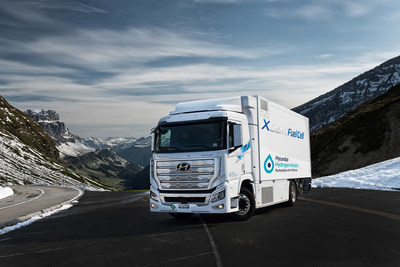
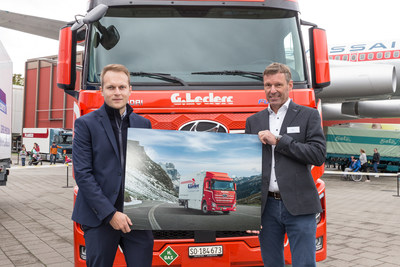
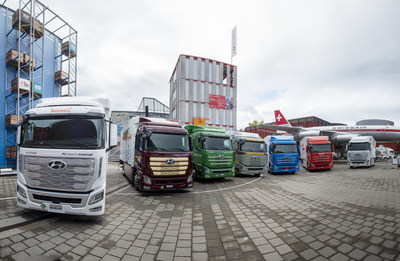
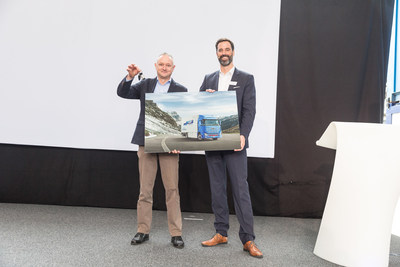
SEOUL, South Korea and LUZERN, Switzerland, Oct. 7, 2020 /PRNewswire/ — Hyundai Motor Company today delivered the first seven units of its XCIENT Fuel Cell, the world’s first mass-produced fuel cell electric heavy-duty truck, to customers in Switzerland, with a total of 50 hitting the roads there this year. The delivery of XCIENT Fuel Cell marks the official entry of Hyundai’s commercial vehicles in the European market, a touchstone for the company’s expansion into the North American and Chinese commercial markets.

Hyundai Motor’s Delivery of XCIENT Fuel Cell Trucks in Europe


Hyundai Motor’s Delivery of XCIENT Fuel Cell Trucks in Europe


Hyundai Motor’s Delivery of XCIENT Fuel Cell Trucks in Europe


Hyundai Motor’s Delivery of XCIENT Fuel Cell Trucks in Europe


Hyundai Motor’s Delivery of XCIENT Fuel Cell Trucks in Europe

«The delivery of XCIENT Fuel Cell starts a new chapter not only for Hyundai’s hydrogen push, but also the global community’s use of hydrogen as a clean energy source,» said In Cheol Lee, Executive Vice President and Head of Commercial Vehicle Division at Hyundai Motor. «Today’s delivery is just a beginning as it opens endless possibilities for clean mobility. With successful delivery of the first XCIENT Fuel Cell trucks, we proudly announce our plan to expand beyond Europe to North America and China where we are already making great progress.»

Production capacity of the XCIENT Fuel Cell will reach 2,000 units per year by 2021 to support its expansion into Europe, the U.S. and China as demand for clean mobility grows. The increase in capacity will be backed by a USD 1.3 billion investment in addition to a previously announced USD 6.4 billion stake in establishing a hydrogen ecosystem to support creation of a hydrogen society.

In the U.S., Hyundai is collaborating with logistics leaders to supply mass-produced fuel cell heavy-duty trucks. Hyundai revealed the fuel cell-powered HDC-6 NEPTUNE Concept Class 8 heavy-duty truck at the North American Commercial Vehicle (NACV) Show in October 2019, hinting at what the future holds and Hyundai’s plans for it. To back this plan, Hyundai is partnering with companies to build a complete hydrogen value chain covering everything from hydrogen production and charging stations to service and maintenance. The North American market will also get a 6×4 tractor model. By 2030, Hyundai expects more than 12,000 fuel cell trucks to hit the U.S. roads.

Hyundai also is working with various parties in China, which aims to get 1 million hydrogen vehicles on its roads by 2030 as the country’s hydrogen industry is on a sharp growth trend, creating massive potential. Initially, Hyundai will focus on China’s four major hydrogen hubs: Jin-jin-ji, Yangtze River Delta, Guangdong Province and Sichuan Province. It is currently discussing cooperative initiatives such as a joint venture with local partners. 

Three fuel cell electric trucks are scheduled for launch in China: a medium-duty truck in 2022, a heavy-duty truck in in a couple of years, and another heavy-duty truck strategically designed for the China market. With these models, Hyundai’s goal is to achieve aggregate sales volume of 27,000 units by 2030.

A key to Hyundai’s global expansion of fuel cell trucks will be the successful launch of XCIENT Fuel Cell in Europe. The seven customers who received the first batch of XCIENT Fuel Cell trucks will haul payloads of consumer goods around Switzerland, emitting nothing but clean water. The operations will be backed by a robust green hydrogen ecosystem.

In 2019, Hyundai Motor Company formed Hyundai Hydrogen Mobility (HHM), a joint venture with Swiss company H2 Energy. HHM also is partnering with Hydrospider, a joint venture of H2 Energy, Alpiq and Linde. The customers will be leasing XCIENT Fuel Cell trucks from HHM on a pay-per-use basis that does not require an initial investment. Hyundai will take the success in Switzerland to broader European markets as Hyundai establishes solutions and partner networks in Germany, Norway, the Netherlands and Austria.

As part of its production expansion plan, Hyundai expects to supply 1,600 commercial fuel cell trucks by 2025. Currently, Coop, Migros, Traveco, Galliker Logistics, Camion Transport, F. Murpf AG and G. Leclerc Transport AG along with others have placed orders for XCIENT Fuel Cell. They will be utilizing the trucks to haul everything from food to cars around Europe.

To support the growing hydrogen ecosystem, Hyundai has a business case for more than 100 hydrogen fueling stations in Switzerland, which is enough not only for commercial vehicles, but also passenger fuel cell electric vehicles. Likewise, Hyundai plans to act as a sector coupler in bringing various players to the hydrogen value chain as part of its efforts to bring value.

XCIENT is powered by a 190-kW hydrogen fuel cell system with dual 95-kW fuel cell stacks. Seven large hydrogen tanks offer a combined storage capacity of around 32.09 kg of hydrogen. The driving range per charge for XCIENT Fuel Cell is about 400km*, which was developed with an optimal balance between the specific requirements from the potential commercial fleet customers and the charging infrastructure in Switzerland. Refueling time for each truck takes approximately 8~20 minutes.

Hyundai has been devoting itself to further develop fuel cell technology and establish the supply chain to realize a ‘Hydrogen Economy’ for a better and cleaner future, an effort receiving worldwide acclaim. Hyundai Motor’s Hydrogen Mobility Solution won the Truck Innovation Award at the International Truck of the Year (IToY) last year, and XCIENT FC won the Innovation Award in hydrogen energy and fuel cell technology at the 5th Shanghai Forum held on September this year.

* Driving distance range around 400km in the 4X2 truck with refrigerated upfit configuration while operating 34ton truck + trailer combination


Photo – https://mma.prnewswire.com/media/1307882/XCIENT_Fuel_Cell_Trucks_1.jpg  
Photo – https://mma.prnewswire.com/media/1308782/XCIENT_Fuel_Cell_Trucks_2.jpg  
Photo – https://mma.prnewswire.com/media/1308783/XCIENT_Fuel_Cell_Trucks_Panorama.jpg  
Photo – https://mma.prnewswire.com/media/1308784/XCIENT_Fuel_Cell_Trucks_3.jpg  
Photo – https://mma.prnewswire.com/media/1308785/XCIENT_Fuel_Cell_Trucks_4.jpg  

The Elite Cars® Has Arrived To The Capital

ABU DHABI, UAE, Oct. 7, 2020 /PRNewswire/ — As one of the leading luxury car dealerships in the UAE, The Elite Cars® has made a mark in the automotive industry through its impeccable customer service and wide-range of iconic marques.


ABU DHABI, UAE, Oct. 7, 2020 /PRNewswire/ — As one of the leading luxury car dealerships in the UAE, The Elite Cars® has made a mark in the automotive industry through its impeccable customer service and wide-range of iconic marques.

With their continuous success and the constant patronage they receive from their clientele, The Elite Cars® is proud and ecstatic to extend their reach to the UAE’s capital – Abu Dhabi, where prestige and grandeur are evident.

Housing a number of luxury vehicles from your favorite legendary car brands, The Elite Cars’ brand-new showroom offers extraordinary after-sales service, great deals and prices on your dream luxury cars.

Join The Elite Cars® as they proudly celebrate this milestone at their newest and prestigious, state-of-the-art showroom, located at the Al Maqta area of the UAE’s capital, Abu Dhabi.

Visit their social media pages and website www.TheEliteCars.com, to be updated with all the luxury vehicle brands and models that will be available in stock.

Video – https://www.youtube.com/watch?v=Oav-dpFQW2A  
Photo – https://mma.prnewswire.com/media/1308068/The_Elite_Cars_Showroom.jpg


FARO® Announces Öhlins Racing as Recipient of «Oldest Arm» Product Contest

-Swedish Suspension Manufacturer Awarded Powerful 8-Axis QuantumS ScanArm-

STUTTGART, Germany, Oct. 7, 2020 /PRNewswire/ — FARO® Technologies, Inc. (NASDAQ: FARO), the global leader for 3D Metrology, AEC, and Public Safety Analytics, today announced that Öhlins Racing, a pioneer in advanced suspension technology, is the winner of its «Oldest Working FaroArm® in Europe» contest. For 27 years, Öhlins…

-Swedish Suspension Manufacturer Awarded Powerful 8-Axis QuantumS ScanArm-

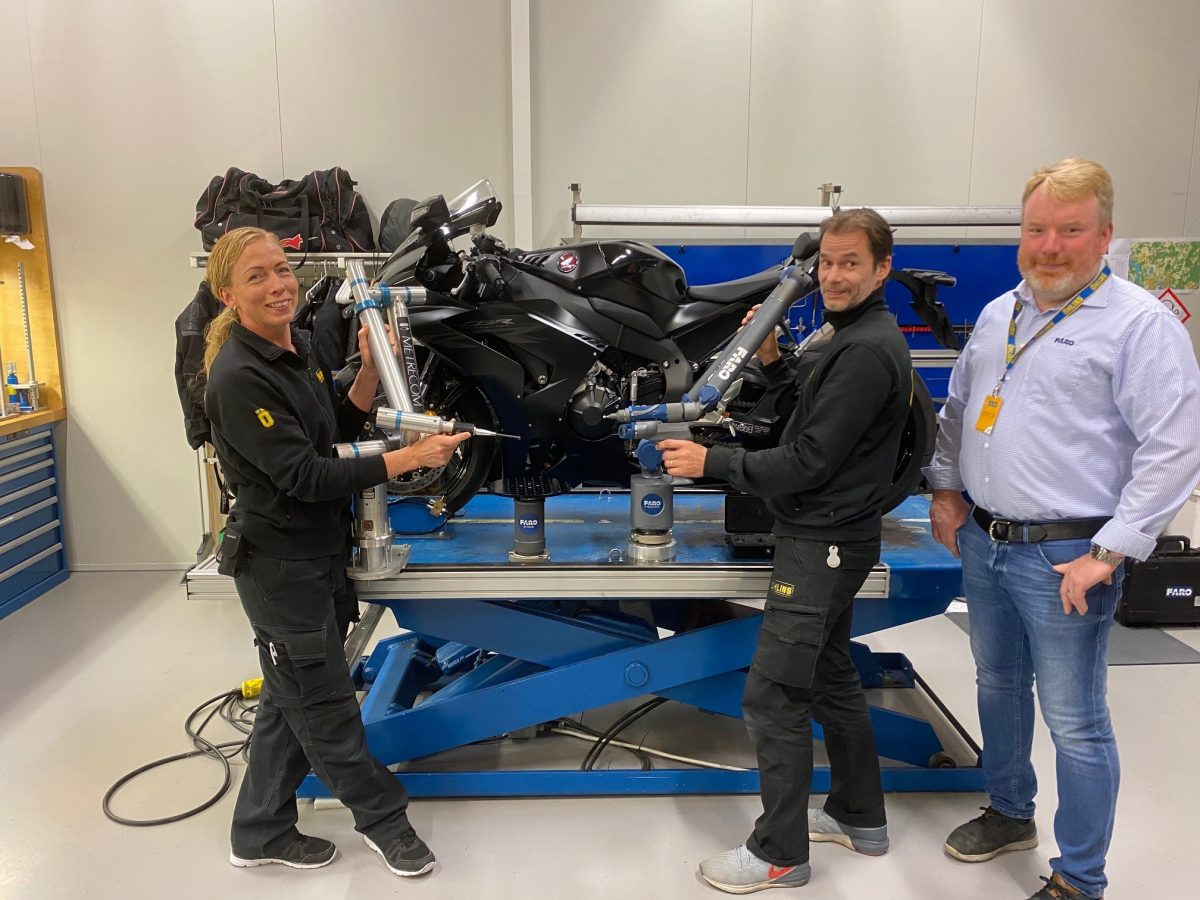
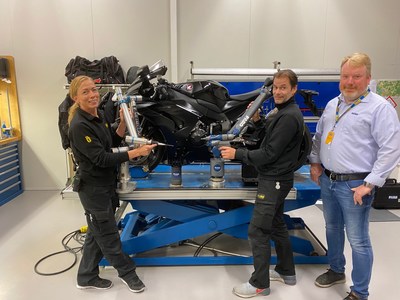
STUTTGART, Germany, Oct. 7, 2020 /PRNewswire/ — FARO® Technologies, Inc. (NASDAQ: FARO), the global leader for 3D Metrology, AEC, and Public Safety Analytics, today announced that Öhlins Racing, a pioneer in advanced suspension technology, is the winner of its «Oldest Working FaroArm® in Europe» contest. For 27 years, Öhlins Racing has put its 1993-era FARO Metrecom Arm to good use for dozens of years, demonstrating the durability and reliability of the FaroArm products. In recognition of their longevity among over 200 submissions across the region, Öhlins Racing was presented with a new FARO 8-Axis QuantumS ScanArm System.

«We’ve been using FARO products for decades so when we learned of this contest we knew we had to be in serious contention, especially knowing the first FaroArm was developed in the early 1990s,» said Henrik Johansson, CEO of Öhlins Racing AB. «Our original Metrecom, manufactured in 1993, has never let us down. You could say it’s time to retire the arm, but it’s still going strong; regardless, we’re thrilled to add the new Quantum to our tool chest and further enhance our productivity through faster and more accurate 3D measurement.»

«The 8-Axis QuantumS represents a new industry standard that extends maximum measurement consistency and reliability in a variety of working environments, delivering best-in-class performance for hard probing and laser scanning applications,» said David Homewood, EMEA Sales VP for FARO. «I want to congratulate and thank Öhlins Racing for being such a loyal customer over the years.» 

The QuantumS helps manufacturers compete in the global marketplace by empowering better-quality assurance and ensuring full confidence in their products and processes. The 8-axis rotary scanning platform decreases scan times up to 40%, while maintaining accuracy – even in compact spaces. The ScanArm also features a superior ergonomic design with comfortable handles and quick swap probes that improves ease-of-use. A hot-swappable battery enables continuous cable-free operation while integrated WiFi enables optimized workflow efficiency. It is also IEC certified for shock, vibration and temperature stress.

For more information about FARO visit: www.faro.com.    

FARO logo. (PRNewsFoto/FARO Technologies, Inc.)

Photo – https://mma.prnewswire.com/media/1308379/FARO.jpg  
Logo – https://mma.prnewswire.com/media/95369/faro_technologies__inc__logo.jpg  


Automotive Bearing Market to Reach $48.41 Bn, Globally, by 2027 at 6.8% CAGR: Allied Market Research

Inclination toward lowering weight of vehicles and rise in production and sales activities of automobiles worldwide fuel the growth of the global automotive bearings market

PORTLAND, Ore., Oct. 7, 2020 /PRNewswire/ — Allied Market Research published a report, titled, «Automotive Bearings Market by Bearing Type (Ball Bearing, Roller Bearing, and Others) and Vehicle…

Inclination toward lowering weight of vehicles and rise in production and sales activities of automobiles worldwide fuel the growth of the global automotive bearings market

PORTLAND, Ore., Oct. 7, 2020 /PRNewswire/ — Allied Market Research published a report, titled, «Automotive Bearings Market by Bearing Type (Ball Bearing, Roller Bearing, and Others) and Vehicle Type (Passenger Car, Commercial Vehicle, and Two-wheeler), and Distribution Channel (OEM and Aftermarket): Global Opportunity Analysis and Industry Forecast, 2020–2027.» According to the report, the global automotive bearings industry generated $31.60 billion in 2019, and is estimated to reach $48.41 billion by 2027, growing at a CAGR of 6.8% from 2020 to 2027.

Allied Market Research Logo

Prime determinants of growth

Focus on overall weight reduction of vehicles and surge in production and sales of automobiles across the globe drive the global automotive bearings market. However, rise in vehicle electrification and variations in raw materials hinder the market growth. On the other hand, advent of sensor bearing units and development of additive manufacturing technologies and materials present new opportunities in the coming years.

Download Report Sample (249 Pages PDF with Insights, Charts, Tables, Figures) at https://www.alliedmarketresearch.com/request-sample/6122

Covid-19 Scenario

  • Owing to lockdown restrictions, manufacturing factories have shut down their operations. Moreover, lockdown resulted in the disrupted supply chain, which in turn, created a shortage of raw materials.
  • Labors have returned to their hometowns with the closedown of manufacturing facilities. Though manufacturing activities resumed post-lockdown, there is a shortage of laborers.
  • Research and development activities have been stopped due to the shutdown of facilities. However, they would gain traction as facilities begin to operate with full capacity.
  • Vehicle sales and demand for advanced technology-based bearings would boost post-lockdown, as daily operations in production plants and supply chain get on track.

Get detailed COVID-19 impact analysis on the Automotive Bearings Market Request Here!

The ball bearing segment to maintain its dominance during the forecast period

Based on bearings type, the ball bearing segment accounted for the highest share in 2019, contributing to nearly half of the global automotive bearings market, and is projected to maintain its dominance during the forecast period. This is due to product innovations and extensive R&D activities leading to the emergence of different integrated and advanced sensor ball bearing units. However, the roller bearing segment is projected to portray the highest CAGR of 7.3% from 2020 to 2027.

The passenger car segment to lead throughout the forecast period

Based on vehicle type, the passenger car segment contributed to the largest market share, holding nearly three-fifths of the total share of the global automotive bearings market in 2019, and will continue to lead throughout the forecast period. This is attributed to higher production of passenger vehicles in comparison to commercial vehicles, rise in the standard of living, and a decline in car loan rates while improved interest rates. However, the two-wheeler segment is expected to witness the fastest CAGR of 7.5% from 2020 to 2027, owing to high adoption rate of antilock braking system (ABS) and a significant role in commercial purposes.

Interested to Procure The Data? Inquire here at https://www.alliedmarketresearch.com/purchase-enquiry/6122

Asia-Pacific to offer lucrative opportunities, North America to grow steadily

Based on region, Asia-Pacific accounted for the highest market share with nearly two-fifths of the global automotive bearings market in 2019, and is projected to continue its leadership position in terms of revenue by 2027. Moreover, this region is expected to manifest the highest CAGR of 7.7% from 2020 to 2027. This is due to surge in adoption of fuel-efficient and eco-friendly vehicles, technological developments, and increase in demand for mild hybrid vehicles in the region. However, North America would grow steadily at a CAGR of 5.8% during the forecast period.

Leading market players

  • ILJIN co., ltd.
  • JTEKT Corporation
  • Nippon Thompson Co., Ltd. (IKO International, Inc.)
  • NSK Ltd.
  • NTN Corporation
  • RBC Bearings Incorporated
  • Schaeffler AG
  • SKF
  • THK Co., Ltd.
  • The Timken Company

Schedule a Call with Our Analysts/Industry Experts to Find Solution for Your Business at https://www.alliedmarketresearch.com/connect-to-analyst/6122

Similar Reports We Have on Automotive & Transportation Industry:

Automotive Engine Bearings Market Type (Ball Bearings, Plain Bearings, Roller Bearings, and Others), Vehicle Type (Light Commercial Vehicles, Heavy Commercial Vehicles, Two-wheelers, and Passenger Cars), and Sales Channel (OEM and Aftermarket) – Global Opportunity Analysis and Industry Forecast, 2016-2025.

Bearing Market by Type (Ball Bearing and Tapered Bearing), Size (30 to 40, 41 to 50, 51 to 60, 61 to 70 and 70 & above), Distribution Channel (Original Equipment Manufacturers (OEMs) and Aftermarket), Machine Type (ICE Vehicles, Electric Vehicles, Industrial Machinery and Aerospace Machinery), End Use (Automotive, Industrial and Aerospace) and Group (Group 1, Group 2 and Group 3): Global Opportunity Analysis and Industry Forecast, 2020–2027.

Anti-lock Braking System (ABS) Market by Sub-Systems (Sensors, Electronic Control Unit (ECU), Hydraulic Unit), Vehicle Type (Two Wheelers, Passenger cars, Commercial Vehicles) – Global Opportunity Analysis and Industry Forecast, 2014 – 2022.

Autonomous Emergency Braking System Market by Product Type (Low-speed AEBS and High-speed AEBS), Technology (Crash Imminent Braking, and Dynamic Brake Support), and Vehicle type (Passenger Vehicle and Commercial Vehicle) – Global Opportunity Analysis and Industry Forecast, 2017-2023.

Automotive Regenerative Braking System Market by System (Electric, Hydraulics, Flywheel and spring), Vehicle Type (Two Wheelers, Passenger Cars, and Commercial Vehicles) – Global Opportunity Analysis and Industry Forecast, 2014 – 2022.

About Allied Market Research

Allied Market Research (AMR) is a full-service market research and business-consulting wing of Allied Analytics LLP, based in Portland, Oregon. AMR provides global enterprises as well as medium and small businesses with unmatched quality of «Market Research Reports» and «Business Intelligence Solutions.» AMR has a targeted view to provide business insights and consulting to assist its clients to make strategic business decisions and achieve sustainable growth in their respective market domain.

AMR launched its user-based online library of reports and company profiles, Avenue. An e-access library is accessible from any device, anywhere, and at any time for entrepreneurs, stakeholders, and researchers and students at universities. With reports on more than 60,000 niche markets with data comprising of 600,000 pages along with company profiles on more than 12,000 firms, Avenue offers access to the entire repository of information through subscriptions. A hassle-free solution to clients’ requirements is complemented with analyst support and customization requests.

Contact:

David Correa
5933 NE Win Sivers Drive
#205, Portland, OR 97220
United States
USA/Canada (Toll Free):
1-800-792-5285, 1-503-894-6022, 1-503-446-1141
UK: +44-845-528-1300
Hong Kong: +852-301-84916
India (Pune): +91-20-66346060
Fax: +1(855)550-5975
help@alliedmarketresearch.com 
Web: www.alliedmarketresearch.com 
Allied Market Research Blog: https://blog.alliedmarketresearch.com 
Follow Us on | Facebook | Twitter | LinkedIn |

Logo: https://mma.prnewswire.com/media/636519/Allied_Market_Research_Logo.jpg  

REE Automotive hits the track with three fully modular, next-generation EV platforms

TEL AVIV, Israel, Oct. 7, 2020 /PRNewswire/ — 

REE’s innovative architecture is becoming the cornerstone of the broadest range of electric and autonomous vehicles

  • Three platforms point to future EVs, including last and mid-mile delivery, commercial & MaaS vehicles
  • All platforms are based on the advanced REEcorner module which utilizes full X-by-Wire technology for steering, braking and drive all in the arch of the wheel, enabling a fully-flat…

TEL AVIV, Israel, Oct. 7, 2020 /PRNewswire/ — 

REE’s innovative architecture is becoming the cornerstone of the broadest range of electric and autonomous vehicles

  • Three platforms point to future EVs, including last and mid-mile delivery, commercial & MaaS vehicles
  • All platforms are based on the advanced REEcorner module which utilizes full X-by-Wire technology for steering, braking and drive all in the arch of the wheel, enabling a fully-flat chassis
  • The wide array of REE’s modular platforms offer unprecedented design freedom to create any EV; from last and mid-mile delivery vans to commercial vehicles and autonomous shuttles
  • Watch the video

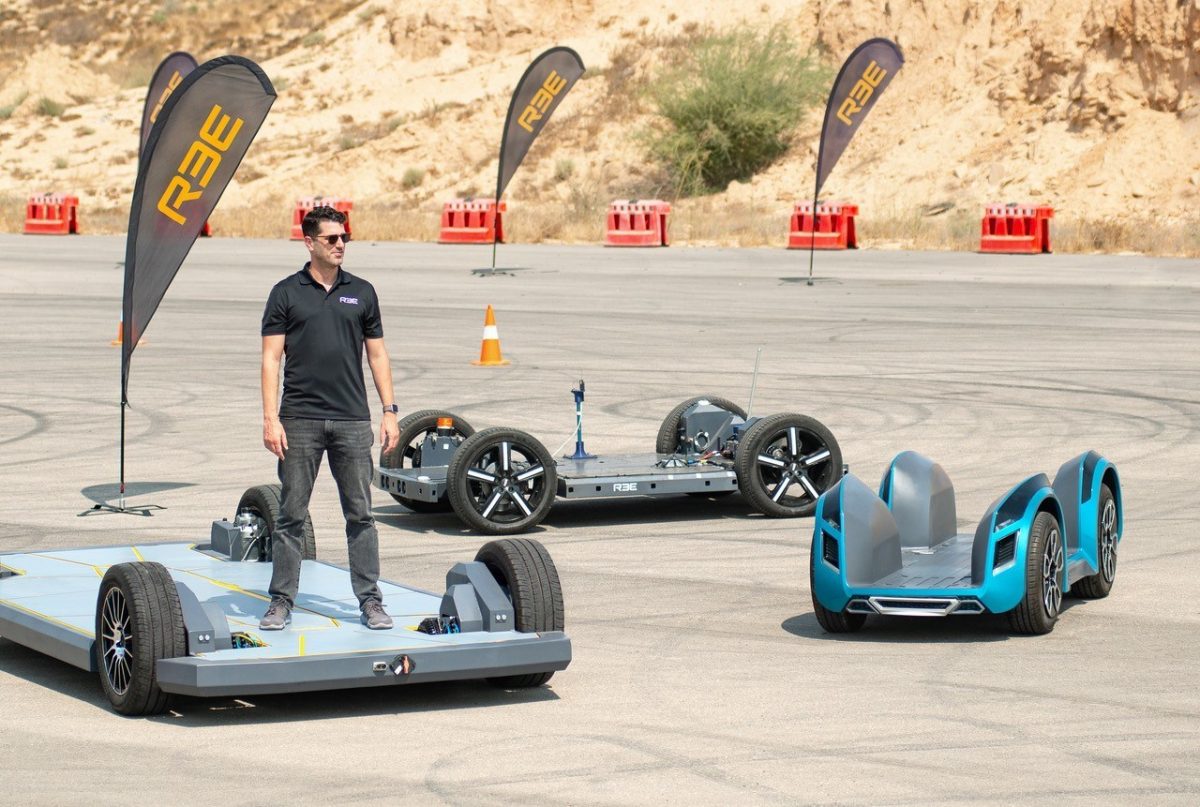
REE Automotive (REE), the electric vehicle platform leader reshaping e-Mobility, today releases an all-new video showing not one, but three prototypes of its next-generation EV platforms.

Presenting a vision for a range of future electric delivery vehicles, each fully operational prototype features REE’s revolutionary, modular and flexible platform architecture, which answers the exponential demand for entirely new types of EVs – particularly commercial vehicles – driven by the surge in e-commerce, a trend further accelerated by Covid-19.

REE’s EV platform consists of the REEcorner which powers full X-by-Wire technology for steering, braking and drive, and integrates all drivetrain, powertrain, suspension and steering components into the arch of the wheel. In addition, the breakthrough REEboard – which enables the EV platform to be completely flat – offers customers the freedom to  place any shape or size of body design on top.

Daniel Barel, REE Co-Founder and CEO: «EVs, particularly e-delivery vehicles, are in huge demand, with growth drivers including global carbon-emission regulatory policies coupled with a boom e-commerce. There is also a rapid rise in ‘mobility as a service’ (MaaS). Our modular platform is set to revolutionize electric mobility and as we shared today, the journey is well underway. Our platform provides the perfect blank canvas for our customers on which to build EVs tailored to their needs, whether it’s a fully autonomous last-mile delivery vehicle, a spacious yet compact urban shuttle or a flexible delivery truck with higher load capability on a smaller footprint.»   

Real-world proof of concept

In the video REE showcases three of its modular next-generation EV platforms on the track, demonstrating its mastery of X-by-Wire technology in P1, P2 and P4 platforms. The P1 platform of up to 1.3-ton GVW is geared for LSV last-mile inner-city delivery applications. The P2 platform scales up to 2.5-tons GVW and is designed to transport passengers and cargo. TheP4 platform offers up to 4.5-tons GVW and is uniquely built for the North American market delivery segment.

OEM and Tier 1 strategic partnerships
REE’s groundbreaking approach provides customers with solutions to meet the huge demand in e-mobility and e-commerce. The industry-leading advantages of REE’s next-generation electric platform, combined with REE’s unprecedented business model, has already led to the company being chosen by world-leading OEMs and mobility service providers.

In August 2020, REE signed a memorandum of understanding with global OEM Mahindra to establish a strategic collaboration for the development and production of an initial capacity of up to 250,000 electric vehicles aimed at the commercial market. This follows on from partnerships REE had already successfully established with multinationals of the highest caliber, such as AAM, KYB, Musashi, NSK and Mitsubishi Corporation.

REE’s technology has also earned numerous prestigious industry accolades. In 2020 alone, REE received a BloombergNEF Pioneer Award, an ACES Electrification & Mobility Services Award and a European Product Design Honor Mention Award. The company was also named as TU-Automotive Tech Company of the Year and a Fast Company World’s Most Innovative Company.

Autonomous-ready and X-by-Wire control
REE’s modular platform technology enables customers to choose the size that perfectly suits their vehicle requirements while the company’s industry-unique technology offers a choice of REEcorner modules, each with different sizing based on platform weight, dimensions and targeted applications.

Of the three platforms showcased, two feature different REEcorners. 

This world-first adaptive approach elevates REE above the rest of the industry and gives customers a crucial advantage, enabling them to design mission-specific EVs unrestricted by a limited choice of platforms or a single electric powertrain. All REE platforms are autonomous ready and are fully compatible with any ADAS interface. Multiple redundancy systems, coupled with X-by Wire control of steering, braking and drive ensure the highest possible efficiency and safety standards.

Thus, companies including OEMs, delivery, logistic and retail as well as new technology players can fully leverage the advantages of REE’s versatile platform to design EVs tailored to their exact needs and specifications.

Daniel Barel, REE Co-Founder and CEO, concluded: «REE’s ambition is to be the industry leader in next-gen EV platforms. Already we have strategically partnered with key global OEMs and Tier 1 suppliers, including Mahindra and KYB, to develop the EVs of tomorrow. Our adaptable, modular platforms provide the perfect solution for future mobility solutions, offering versatility and freedom of design – for commercial EVs, autonomous last-mile delivery pods and beyond. And with the unprecedented boom in e-commerce accelerated by COVID 19, the need for EV fleets is increasing exponentially. Our vision, to make REE platforms the cornerstone of zero-emission EVs and AVs, is becoming a reality.»

About REE Automotive
REE Automotive is a pioneering technology company reinventing e-mobility. Unrestricted by legacy thinking, REE has developed the next generation EV platform which is completely flat, scalable and modular providing customers full design freedom to create the broadest range of EV, and Autonomous vehicles for current and future applications, including last mile
delivery, MaaS, light to medium duty EV logistics and robo taxis. REE has developed two core innovations; the REEcorner integrates all traditional vehicle components (steering, braking, suspension, e-motor) into the arch of the wheel and the REEboard which is a completely flat and modular platform. REE’s approach is cost efficient and offers multiple customer benefits, including vehicle design freedom, package efficiency, increased energy efficiency, faster development time, ADAS compatibility, reduced maintenance and global safety standard compliance. REE is supported by a network of Tier 1 partners providing access to 320 global production lines making REE the next generation EV platform, ready to carry the future of E-Mobility. For more information visit www.ree.auto.

Video: https://www.youtube.com/watch?v=_tWXu372O3k&feature=youtu.be  
Photo: https://mma.prnewswire.com/media/1308231/Daniel_Barel__REE_Co_Founder_and_CEO.jpg  
Photo: https://mma.prnewswire.com/media/1308232/Daniel_Barel.jpg  
Photo: https://mma.prnewswire.com/media/1308233/Next_gen_platforms.jpg  
Photo: https://mma.prnewswire.com/media/1308234/Picture_of_3_platforms.jpg  
Photo: https://mma.prnewswire.com/media/1308235/REE_EV_platforms_on_track.jpg  
Logo: https://mma.prnewswire.com/media/1171041/REE_Automotive_Logo.jpg  

MOBI Announces the First Electric Vehicle Grid Integration Standard on Blockchain in Collaboration with Honda, PG&E, and GM Among Others

First blockchain-based EVGI Standard tackles energy and climate challenges by enabling a decentralized, electrified mobility future

LOS ANGELES, Oct. 6, 2020 /PRNewswire/ — The Mobility Open Blockchain Initiative (MOBI)’s member-led Electric Vehicle Grid Integration (EVGI) Working Group created and launched the automotive industry’s first global standard incorporating blockchain technology into a decentralized vehicle charging system.

The EVGI Working Group released its first…

First blockchain-based EVGI Standard tackles energy and climate challenges by enabling a decentralized, electrified mobility future

LOS ANGELES, Oct. 6, 2020 /PRNewswire/ — The Mobility Open Blockchain Initiative (MOBI)’s member-led Electric Vehicle Grid Integration (EVGI) Working Group created and launched the automotive industry’s first global standard incorporating blockchain technology into a decentralized vehicle charging system.

The EVGI Working Group released its first technical design specification, which covers the system designs and data schemas required for three core use case areas: Vehicle to Grid Integration (V2G), Tokenized Carbon Credits (TCC), and Peer to Peer (P2P) applications.  While MOBI’s EVGI Standard does not prescribe any particular application or underlying distributed ledger technology (DLT), it ensures that pertinent data attributes and functionalities of each use case are available for organizations to utilize in creating their own applications.

«Implementing the EVGI Standard will provide a variety of benefits for players on all sides of the electric vehicle and charging ecosystem,» said Tram Vo, MOBI’s COO and Founder. «Electric vehicles, chargers, and electricity producers can have a secure identity, communicate with a standard messaging format, and automatically record transactions such as charging, generation, and exchange on a distributed ledger.»

Created by a group of global automotive leaders, startups, and large technology companies, the EVGI Standard is a foundational step toward solving some of the most pressing climate and mobility challenges. MOBI’s EVGI Working Group is chaired by Honda and General Motors (GM), with support from Accenture, CPChain, IBM, the IOTA Foundation, Pacific Gas & Electric Company (PG&E), Politecnico di Torino, and R3.

«Today’s energy markets are undergoing a massive transition from centralized power generation in big power plants, towards more distributed and volatile power generation. Decentralization and the concept of direct P2P interaction is set to become a key factor in leveraging this new market and building meaningful tools for energy-conscious end customers. The goal is to enable scalable, user-centric energy communities. The EVGI Standard represents one of the first essential building blocks for founding such an ecosystem,» said Christian Köbel, Senior Project Engineer at Honda R&D Europe.

MOBI’s EVGI Standard enables a set of core network data services that will provide significant value to EV owners, charging infrastructure and grid operators by enabling secure, decentralized communication and immutable recordkeeping between data generating peers.  This supports data transparency, trust, coordination, and automation among mobility service providers, consumers, utilities, and government stakeholders.

«Bringing together organizations from all sectors of the mobility industry to align on what the future of electric vehicles and their interaction with the grid looks like is no small feat. The work done by MOBI and the EVGI working group is a promising step, laying a strong foundation for the intersecting industries to align around and build on to accelerate the future of sustainable mobility and energy,» said Mathew Yarger, Head of Mobility and Automotive at the IOTA Foundation.

In addition to the working group, formal verification experts thoroughly reviewed the EVGI Standard, assuring developers that their implementations adhere to the best practices in cyber security. MOBI hopes that applications enabled by this Standard will ultimately help lower carbon emissions, improve road safety, reduce traffic congestion, and support a host of other socially and environmentally beneficial outcomes.

About MOBI

MOBI is a nonprofit alliance of many of the world’s largest automakers, along with many startups, NGOs, transit agencies, insurers, toll road providers, smart city leaders, and technology companies working to accelerate adoption and promote standards in blockchain, distributed ledgers, and related technologies.

MOBI is creating simple blockchain-based standards to identify cars, people, and businesses in order to securely exchange and monetize data, and pay for mobility services, with the goal of making transportation more efficient, affordable, greener, safer, and less congested.  MOBI itself is technology and ledger agnostic.  For additional information about joining MOBI, please reach out to Griffin Haskins (griffin@dlt.mobi) or visit www.dlt.mobi.

Media Contact:
Kelly Clark, MOBI Communications Manager
Email: Kelly@dlt.mobi | Twitter: @dlt.mobi